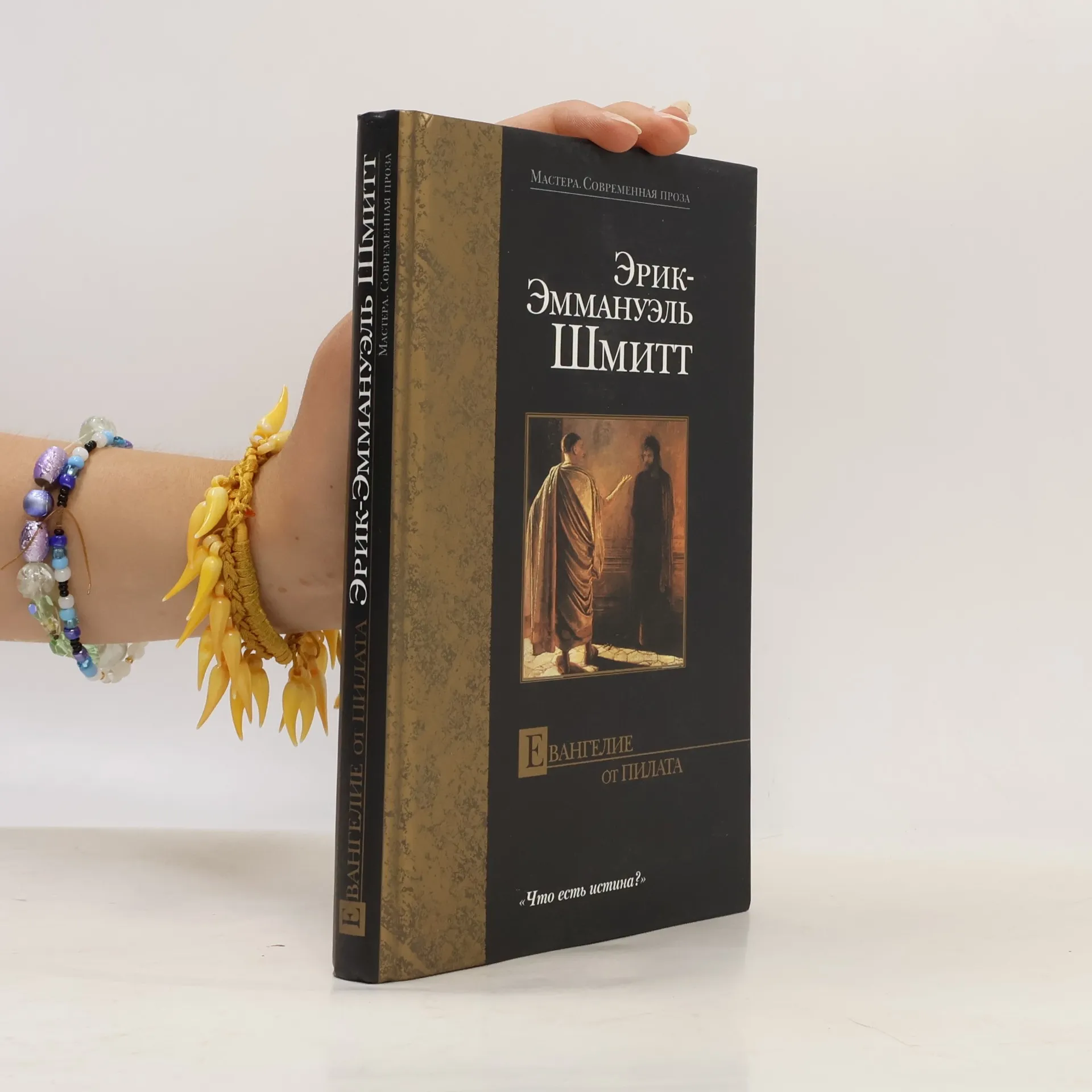
Evangelie ot Pilata
- 270 páginas
- 10 horas de lectura



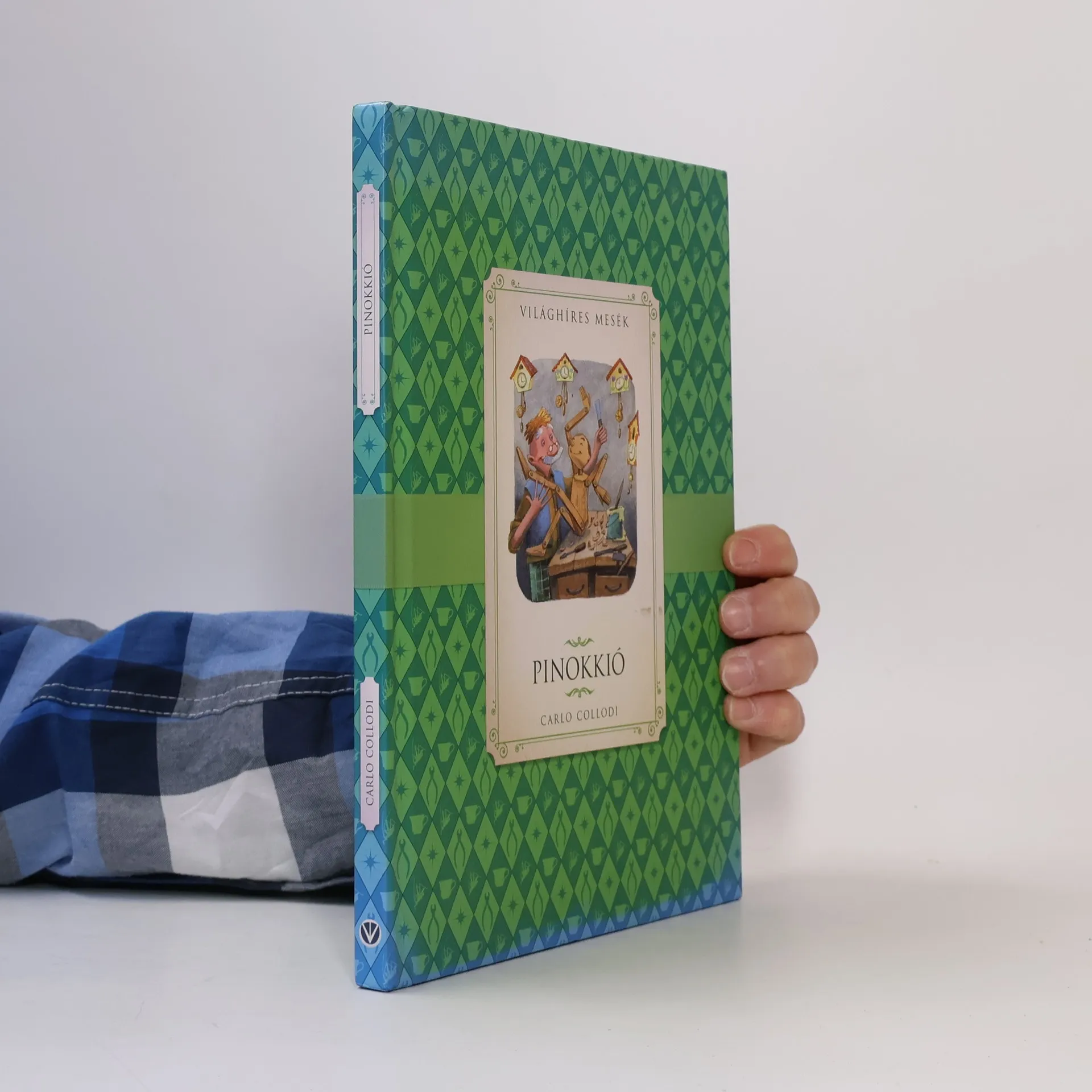

A nagy klasszikus mese egy rendkívüli hősről – egy hosszú orrú fából készült bábúról – világszerte népszerűvé vált. A bábút Geppetto faragta egy fadarabból, és Pinokkiónak nevezte el, aki életre kelt, és hihetetlen kalandokat élt át, amelyekből sokszor csak hajszál híján menekült meg. Eljutott egy bábjátékba, rablók közé, a Kék Hajú Tündérhez, börtönbe, méhekkel teli szigetre, sőt még egy cápa gyomrába is. Ezzel a vándorlással sok gondot okozott az apjának, de végül nagyon meglepte őt.
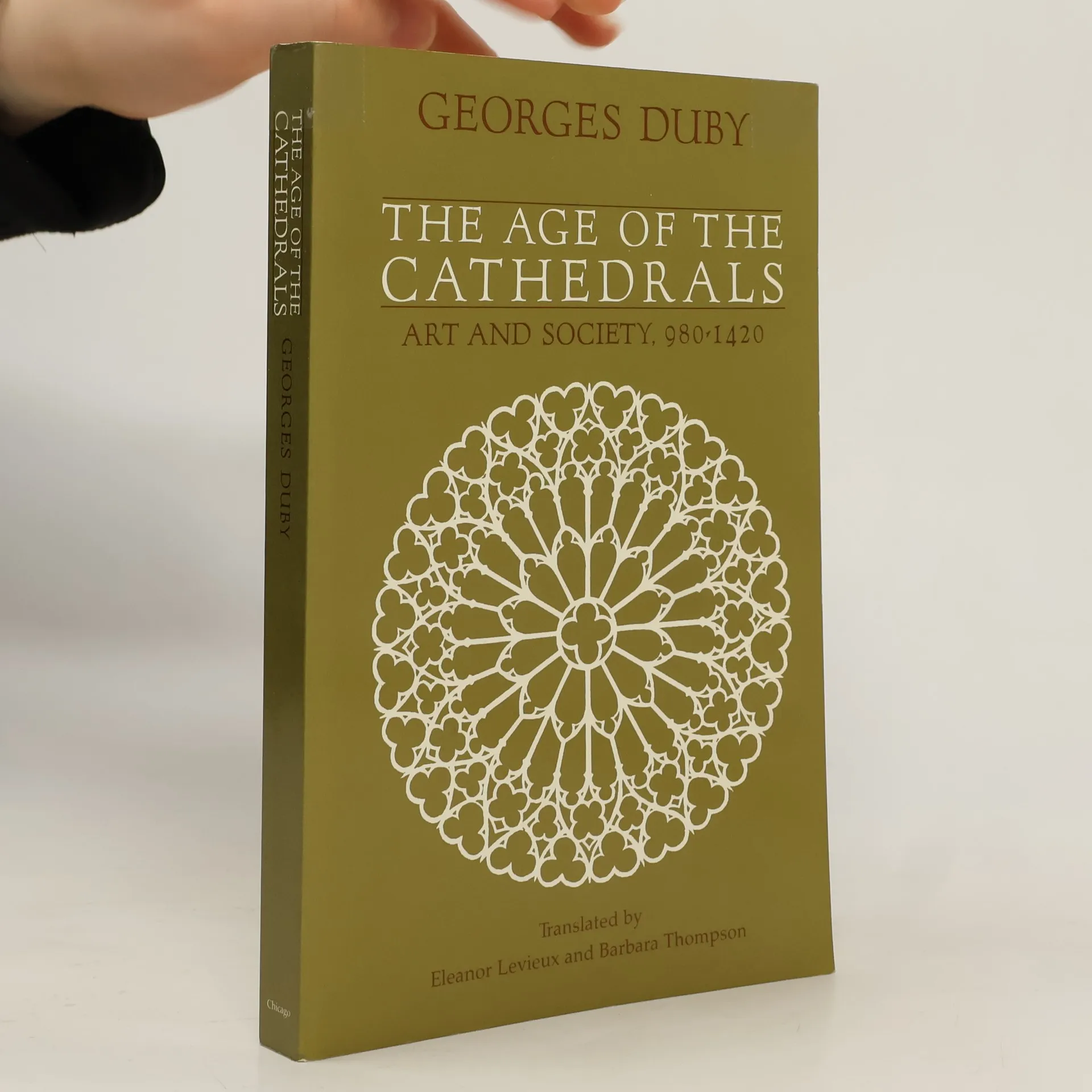
Recognizing that a work of art is the product of a particular time and place as much as it is the creation of an individual, Duby provides a sweeping survey of the changing mentalities of the Middle Ages as reflected in the art and architecture of the period. "If Age of the Cathedrals has a fault, it is that Professor Duby knows too much, has too many new ideas and takes such a delight in setting them out. . . insights whiz to and fro like meteorites."—John Russell, New York Times Book Review
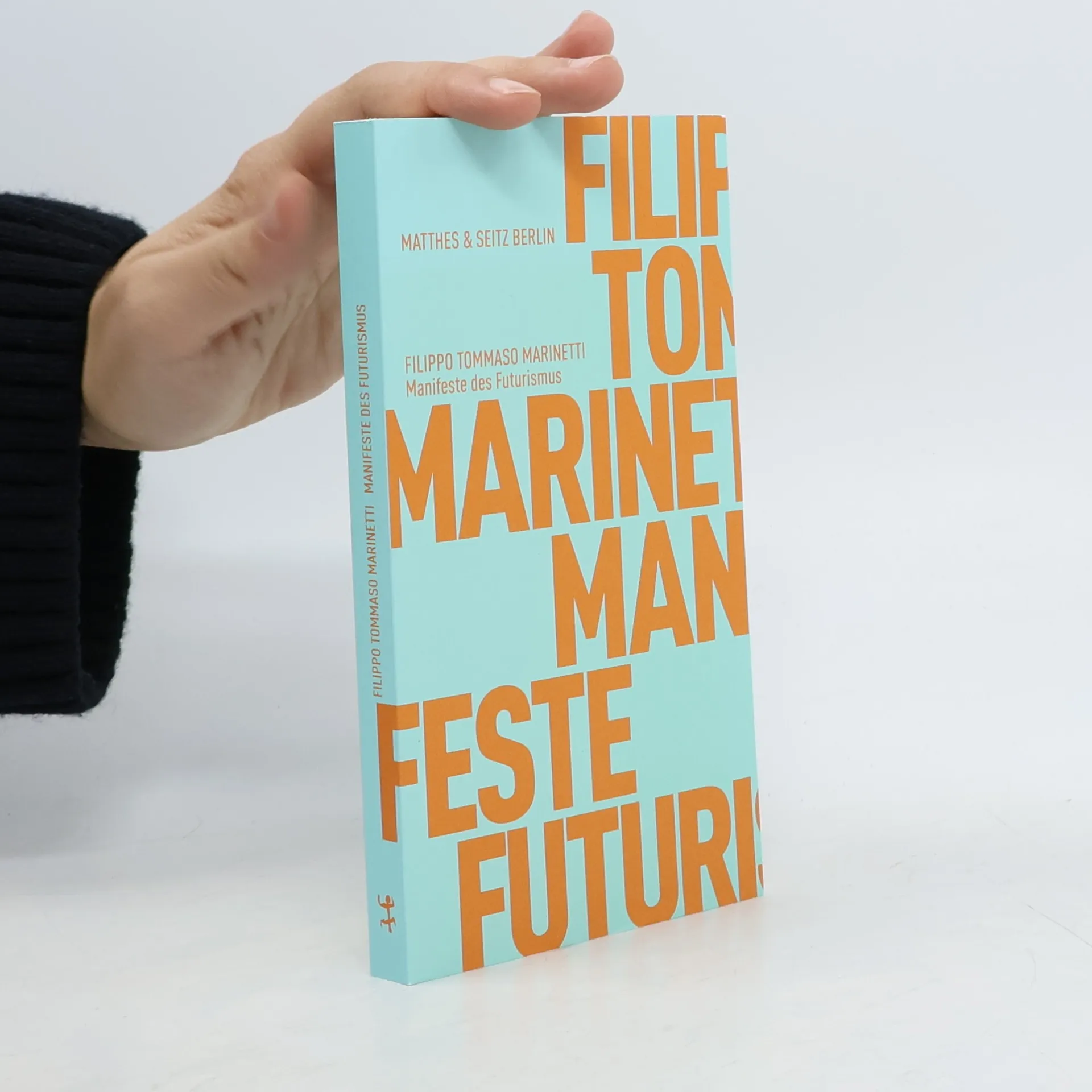
Filippo Tommaso Marinettis Manifeste des Futurismus, veröffentlicht am 20. Februar 1909 im Pariser Figaro, gilt als Initialzündung der europäischen Avantgardebewegungen und hatte eine ungeheure Folgewirkung. Es war der Aufruf zur bedingungslosen Ausrottung des Alten, um dem Neuen Raum zu verschaffen. Noch im selben Jahr legte der Autor, der zu einem Glutkern der fatalen Verflechtung von Politik und Kunst(-theorie) wurde, mit einem weiteren Manifest nach: Tod dem Mondschein. Darin radikalisiert er seinen Aufruf und zeichnet die Vision einer glorreichen Zukunft. Der vorliegende Band versammelt alle weiteren bis 1944 verfassten Manifeste Marinettis. Sie zeugen von seiner Kühnheit und instinktiven Hellsichtigkeit, verweisen im Lichte der Geschichte zugleich auf die fatalen Folgen seiner Forderungen, stellen aber darüber hinaus auch die Frage nach der Kunst in unserer heutigen Gesellschaft.
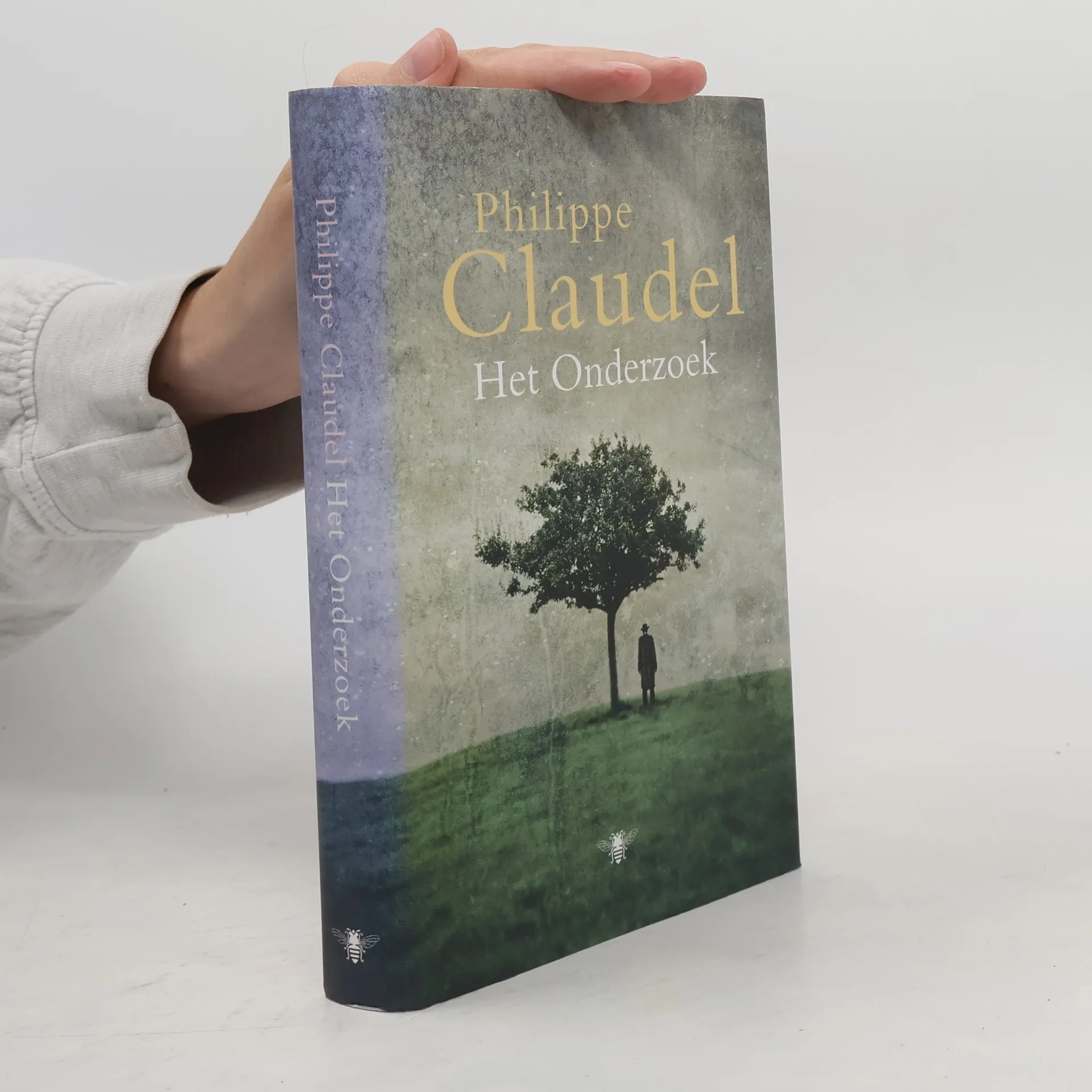
Een groot bedrijf in een industriestadje wordt getroffen door een golf van zelfmoorden. Een onderzoeker wordt eropuit gestuurd om de oorzaak te achterhalen, maar hoe harder hij zijn best doet om door te dringen in het bedrijf, hoe moeilijker het hem gemaakt wordt. Het onderzoek is een typische Claudel, met thema's als vervreemding, machteloosheid en menselijkheid. Maar het is ook een kafkaëske roman die af en toe haast surrealistisch aandoet. Hoe kan de eetzaal van het hotel waar de onderzoeker zijn intrek neemt de ene ochtend stampvol uitgelaten toeristen zitten en de volgende dag gevuld zijn met een groep sombere ontheemden? Waarom krijgt hij geen eten, geen drinken, geen bed? Terwijl hij nieuwe ontdekkingen doet, begint de onderzoeker zich af te vragen of hijzelf het slachtoffer zal worden van de helse machine die ook de anderen heeft vernietigd.
La obra propone un recorrido por la historia hecho de pesadillas, terrores y amores de casi tres mil años, donde los sentimientos de repulsa y de conmovedora compasión se dan la mano, y el rechazo de la deformidad va acompañado de éxtasis decadentes ante las más seductoras violaciones de todos los canones clásicos. Entre demonios, locos, presencias perturbadoras y deformidades, se descubre una vena iconográfica extraordinariamente amplia.
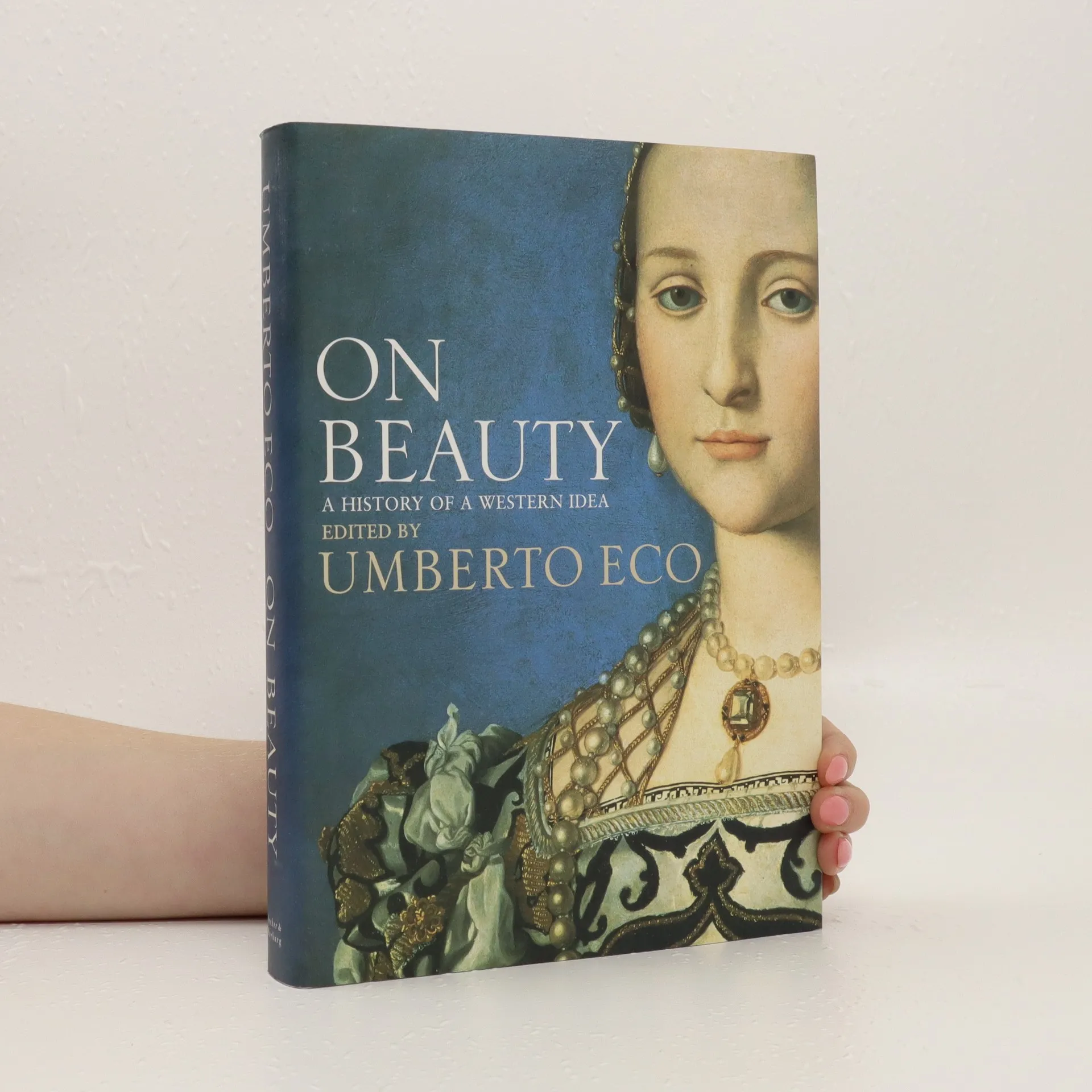
'On Beauty' is neither a history of art, nor a history of aesthetics but Umberto Eco draws on the histories of both these disciplines to define the ideas of beauty that have informed sensibilities from the classical world to modern times.
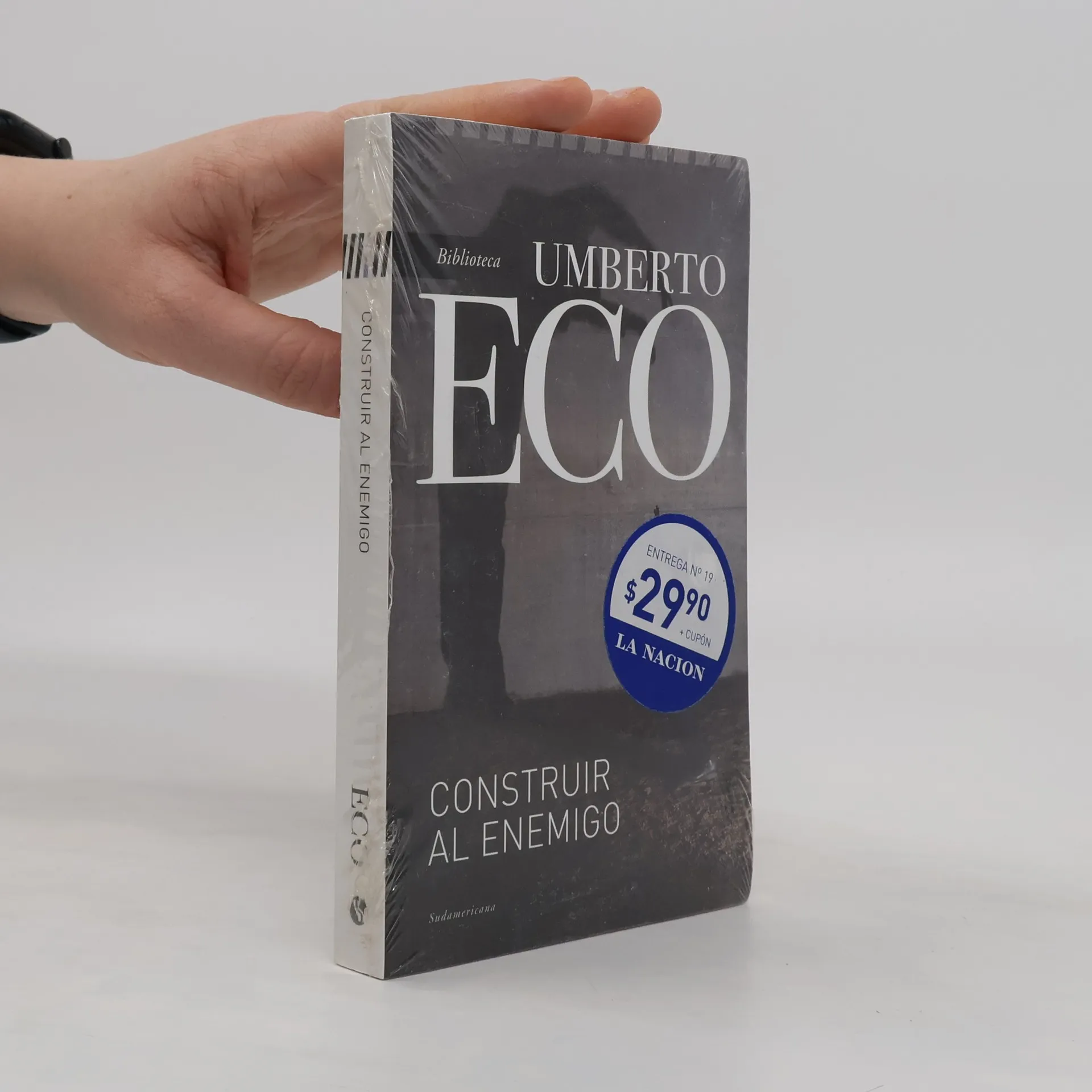
En su prólogo, Umberto Eco describe estas piezas como "textos de ocasión", escritos por encargo o por diversión. Sin embargo, cuando un gran maestro escribe así, cada frase se convierte en un regalo para el lector. El libro comienza con "Construir al enemigo", donde se destaca la utilidad de tener un rival al que dirigir nuestras debilidades; si no hay uno, hay que crearlo. A continuación, se presentan textos que abordan temas como Dan Brown, Barack Obama y Angela Merkel, así como una reflexión sobre Wikileaks que invita a considerar el poder del silencio en una sociedad saturada de escándalos. También se expone la corrupción política italiana, vinculada a la imagen de mujeres bellas que buscan el éxito, y Eco ofrece un agudo análisis sobre el ruido mediático generado por los centros de poder para distraer al ciudadano y ocultar noticias importantes. Además, se explora "Ulises" de Joyce, proporcionando una nueva perspectiva sobre una novela que muchos mencionan, pero pocos han leído. Eco, con su vasta experiencia, conecta temas aparentemente distantes, y "Construir al enemigo" ejemplifica su inteligencia al servicio de lectores que buscan algo más que titulares.
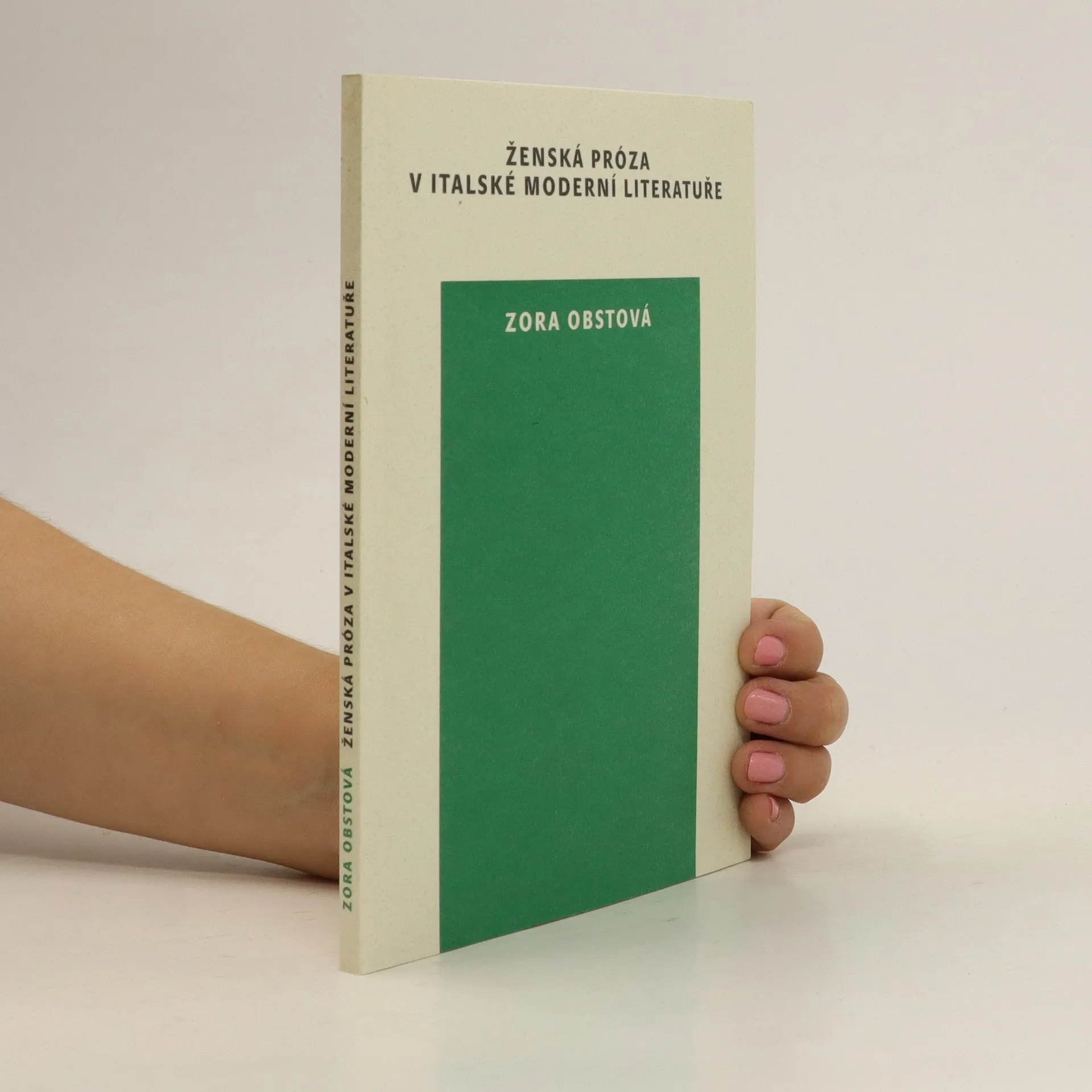
Autorka ve své knize zachycuje vývoj tvorby italských prozaiček od druhé poloviny 19. století, kdy se ženy začaly odvažovat prvních nesmělých krůčků na poli literatury, jež byla po dlouhá staletí téměř výhradní doménou mužů, až po dnešní dobu, kdy se poměr mezi spisovateli a spisovatelkami víceméně vyrovnal a mnohé autorky co do počtu prodaných výtisků předstihují mužské autory. Zároveň hledá odpověď na otázku, zda mezi tvorbou jednotlivých autorek existuje vnitřní souvislost, zda existují styčné body mezi jednotlivými díly, zda má moderní ženská literatura v Itálii privilegovaný styl, privilegovaná témata či žánry. Zvláštní pozornost je věnována nejvýraznějším představitelkám italské ženské prózy, jako byly Matilde Seraová, Grazia Deleddová, Natalia Ginzburgová, Anna Maria Ortesová či Elsa Morantová.
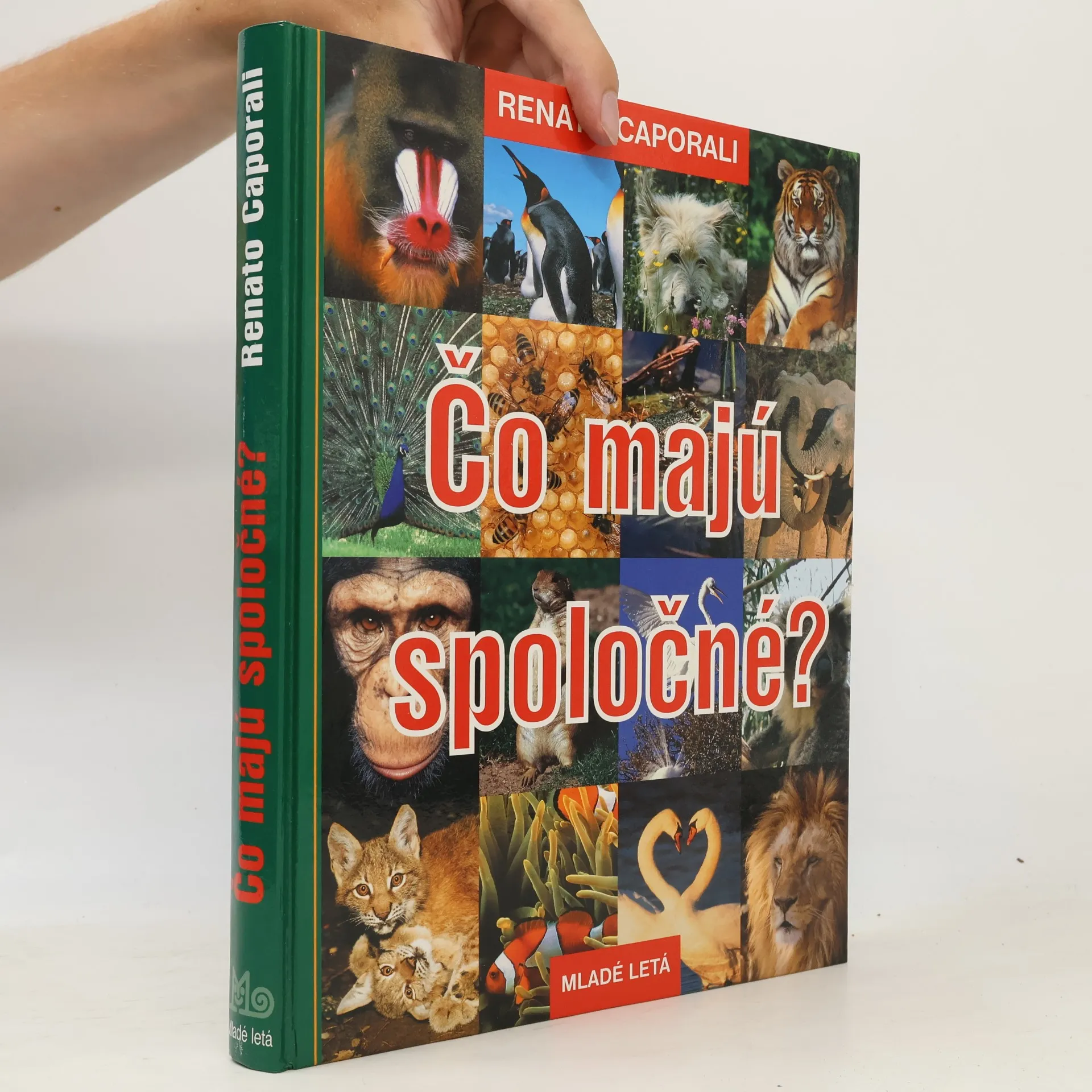
Vychováva tigrička svoje mláďatá sama? Kam sa schová svišť, keď mu hrozí nebezpečenstvo? Je pravda, že niektoré veľryby spievajú? Vydejte sa na dobrodružnú cestu do sveta zvierat a dozviete sa, v akom prostredí žijú, akú majú spoločenskú organizáciu, ako vyzerajú ich milostné rituály alebo akým spôsobom sa navzájom dorozumievajú. Na posledných stranách sa zoznámite so živočíchmi, ktorí sú niečím zvláštnym a výnimočným.
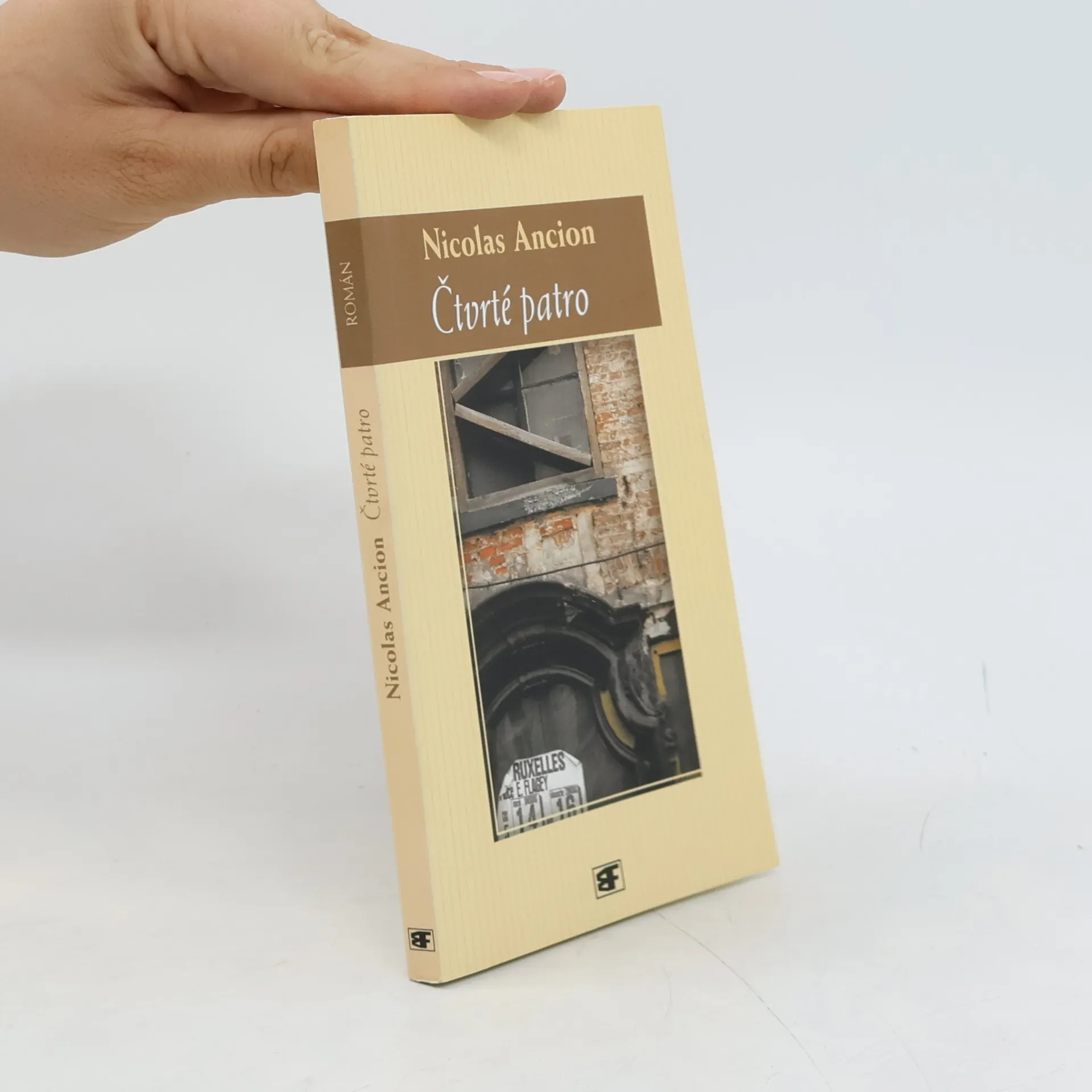
Nejvyzrálejší román populárního belgického autora, za který mimo jiné získal prestižní čtenářskou cenu, souběžně vypráví dva příběhy, jejichž jediným spojovacím článkem je zpočátku jen fakt, že se oba odehrávají v bytě ve čtvrtém patře. Zápletka se zajímavě zamotává a postavy si kladou aktuální otázky (jak uživím rodinu, kde seženu byt a práci), jež jsou v rámci autorovy groteskní poetiky často dovedeny ad absurdum a vyvolávají mrazivý smích i vedou k zamyšlení nad dnešním světem.
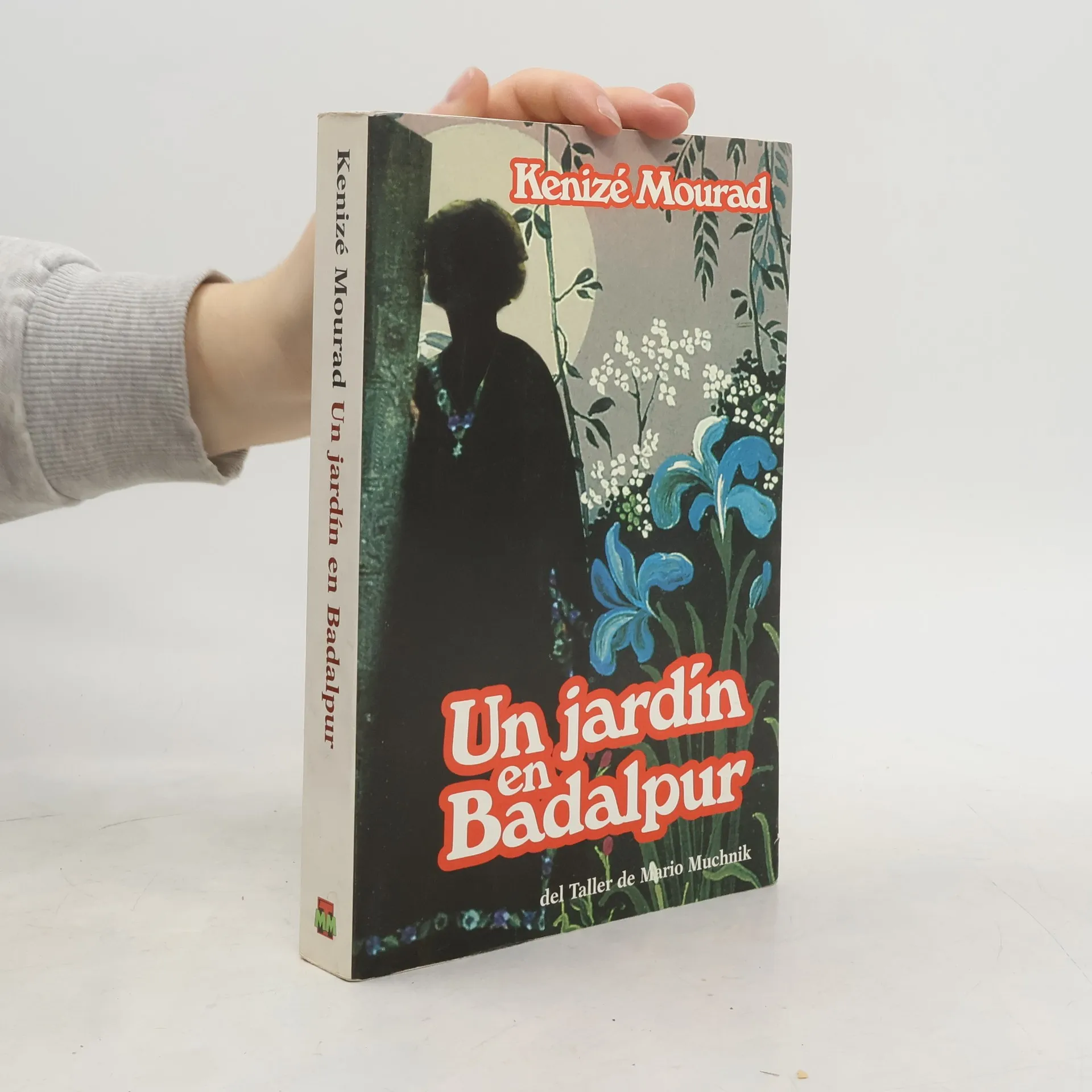
Zahr es el legado de Selma, la princesa muerta. De su parte, de esa madre que huyó de su condición de aristócrata de la India, le vienen los deseos de libertad para conocer los porqués del pasado, ese lugar que se visita con frecuencia haciendo preguntas aun conociendo lo difíciles y variadas que suelen ser las respuestas. Zahr, como su madre, recorrerá un largo camino: un itinerario a la inversa, pues desandará los pasos de la princesa. Así, si París fue el final de trayecto para Selma, para Zahr, esa ciudad en la que nació, es la estación de origen. Kenizé Mourad, la autora que consiguió, hace ya diez años, con De parte de la princesa muerta, un éxito considerable, comienza en la ciudad del Sena una historia que cerrará el ciclo de Selma, la niña que nació en un palacio de Estambul y que se casó con un rajá de la India musulmana. Selma ha muerto, pero Zahr su hija, 21 años después, esto es en 1962, volverá con la verdad y la imaginación a Badalpur, a lo que ella llama su casa. Un jardín de Badalpur gozará del aplauso del mismo público que se entregó a De parte de la princesa muerta, lectores que sin darse tregua se apresurarán a disfrutar de la lectura de una historia sin importarles si la mezcla de lo real o inventado de la biografía de la propia autora se diluye.