
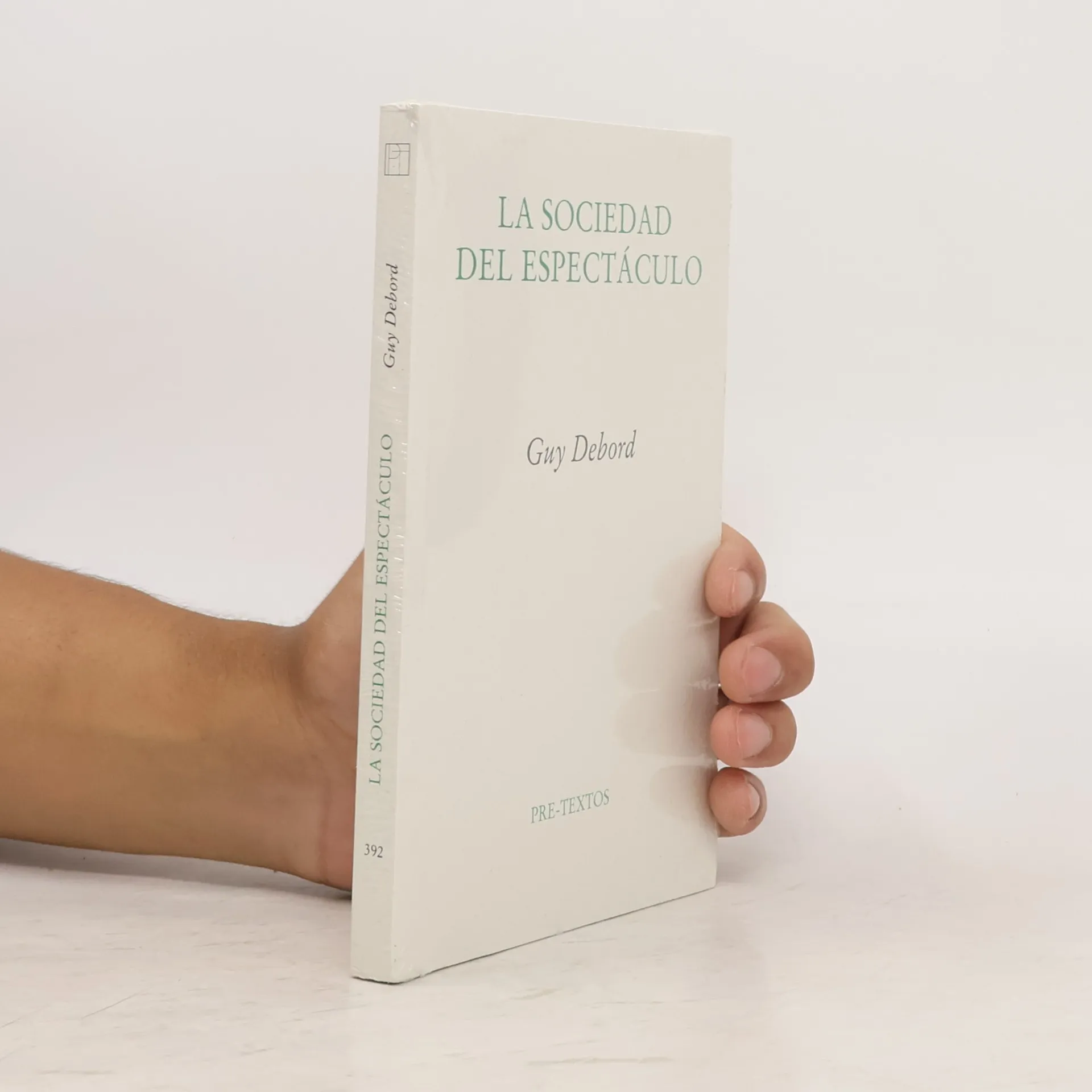
Guy Debord fue un teórico marxista francés cuya obra exploró la decadencia espiritual de la vida moderna impulsada por fuerzas económicas. Conceptualizó el 'espectáculo' como relaciones sociales mediadas por imágenes, que según él conducen a la alienación. Esta alienación, postuló Debord, no es meramente un estado psicológico sino una consecuencia de la organización social que alcanza su apogeo en el capitalismo. Sus escritos profundizan en cómo la influencia generalizada de las imágenes y la cultura de consumo erosionan la conexión humana genuina.
Como Marx, pero francés y como un pequeño libro de bolsillo. Las ganancias de este libro recogidas por el autor van a la ayuda mutua a través del centro de ayuda mutua para que los capitalistas más codiciosos no se beneficien del libro, aunque lo harán a pesar de que el capitalismo está abolido.
First published in 1967, Guy Debord’s stinging revolutionary critique ofcontemporary society, The Society of the Spectacle has since acquired acult status. Credited by many as being the inspiration for the ideasgenerated by the events of May 1968 in France, Debord’s pitiless attackon commodity fetishism and its incrustation in the practices of everydaylife continues to burn brightly in today’s age of satellite televisionand the soundbite. In Comments on the Society of the Spectacle, publishedtwenty years later, Debord returned to the themes of his previousanalysis and demonstrated how they were all the more relevant in aperiod when the “integrated spectacle” was dominant. Resolutely refusingto be reconciled to the system, Debord trenchantly slices through thedoxa and mystification offered tip by journalists and pundits to showhow aspects of reality as diverse as terrorism and the environment, theMafia and the media, were caught up in the logic of the spectacularsociety. Pointing the finger clearly at those who benefit from the logicof domination, Debord’s Comments convey the revolutionary impulse atthe heart of situationism.
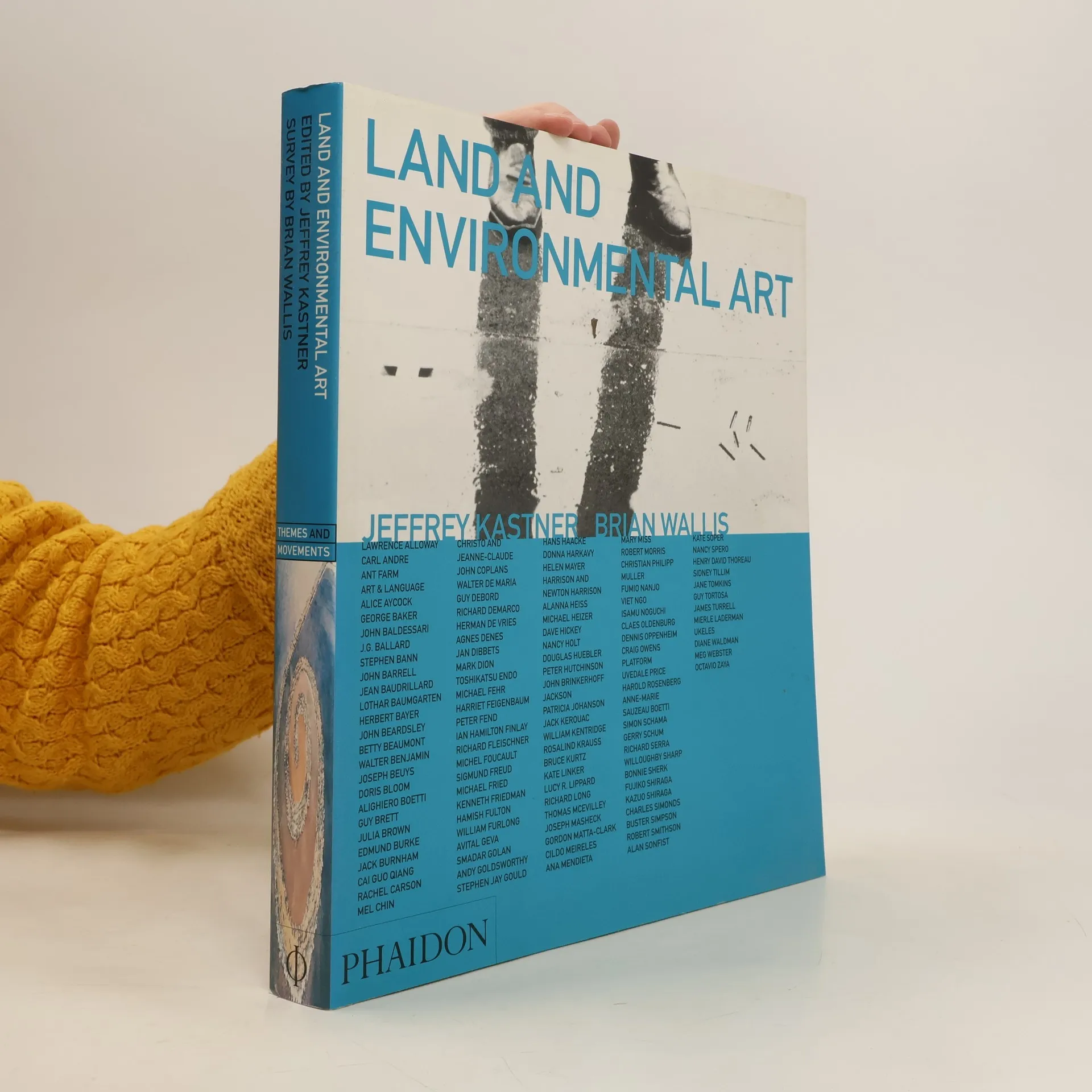
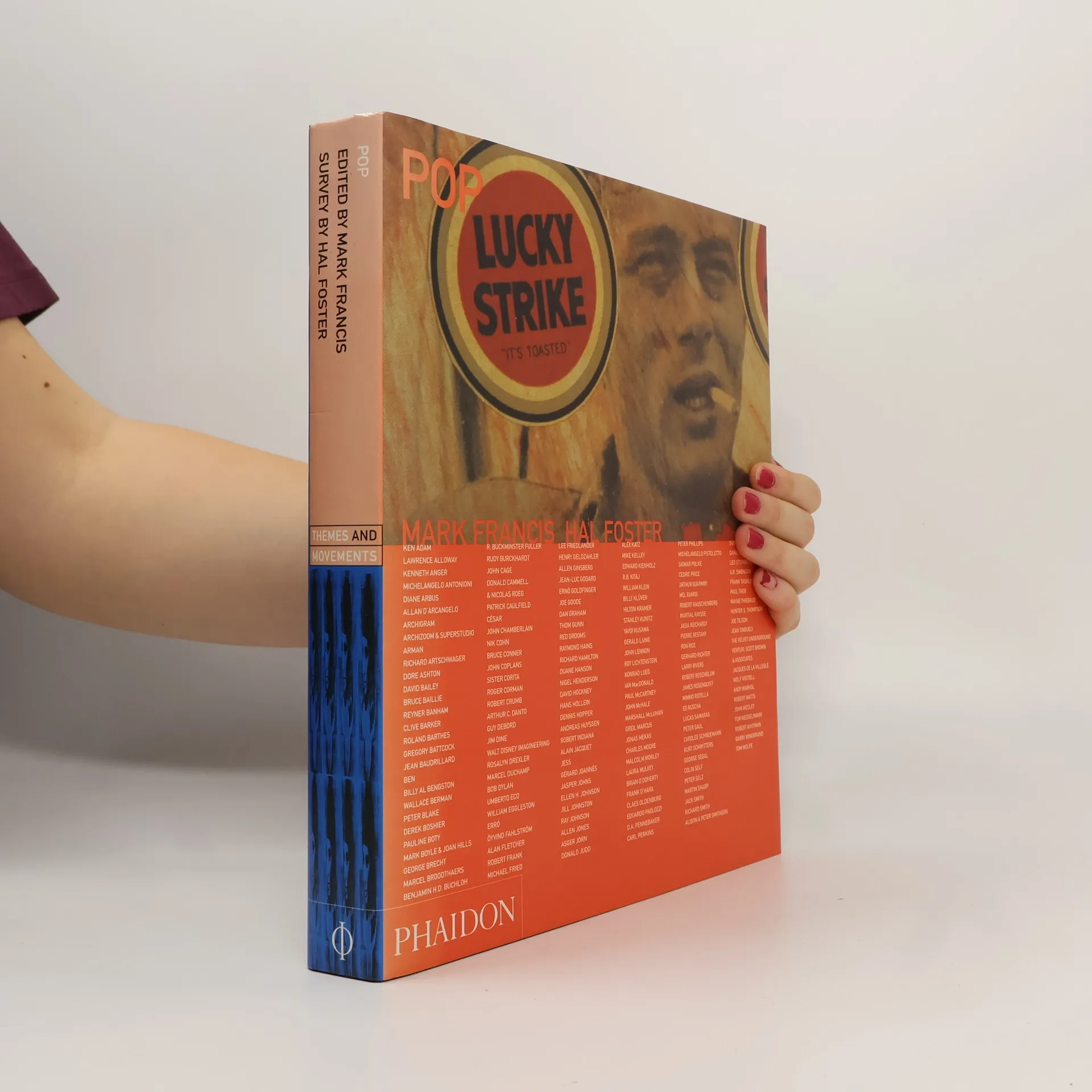
Exploring the evolution of Pop culture from the late 1950s to the late 1960s, this comprehensive survey examines its impact on art, film, photography, and architecture, highlighting the interplay between mass production and mass media. Unlike other works that focus solely on Pop art, it offers a holistic view of the movement's influence across America, Britain, and Europe, showcasing its diverse manifestations and cultural significance during this transformative era.
Letters by writer, filmmaker, and cultural revolutionary Guy Debord conjure a
vivid picture of the dynamic first years of the Situationist International
movement.
Guy Debord’s silver-tongue-in-cheek autobiography mixes precision and pastiche in a whirlwind account of philosophy, exploit, and inebriation. From the stark professions of Volume I to the illustrated sequences of Volume 2, Panegyric confronts us with a figure who strategically, demonically tried to wrest life from the disabling modern ‘spectacle.’