


Bookbot

Guy Debord

    28 de diciembre de 1931 – 30 de noviembre de 1994

    Guy Debord fue un teórico marxista francés cuya obra exploró la decadencia espiritual de la vida moderna impulsada por fuerzas económicas. Conceptualizó el 'espectáculo' como relaciones sociales mediadas por imágenes, que según él conducen a la alienación. Esta alienación, postuló Debord, no es meramente un estado psicológico sino una consecuencia de la organización social que alcanza su apogeo en el capitalismo. Sus escritos profundizan en cómo la influencia generalizada de las imágenes y la cultura de consumo erosionan la conexión humana genuina.

    Guy Debord
    Panegyric
    Correspondence
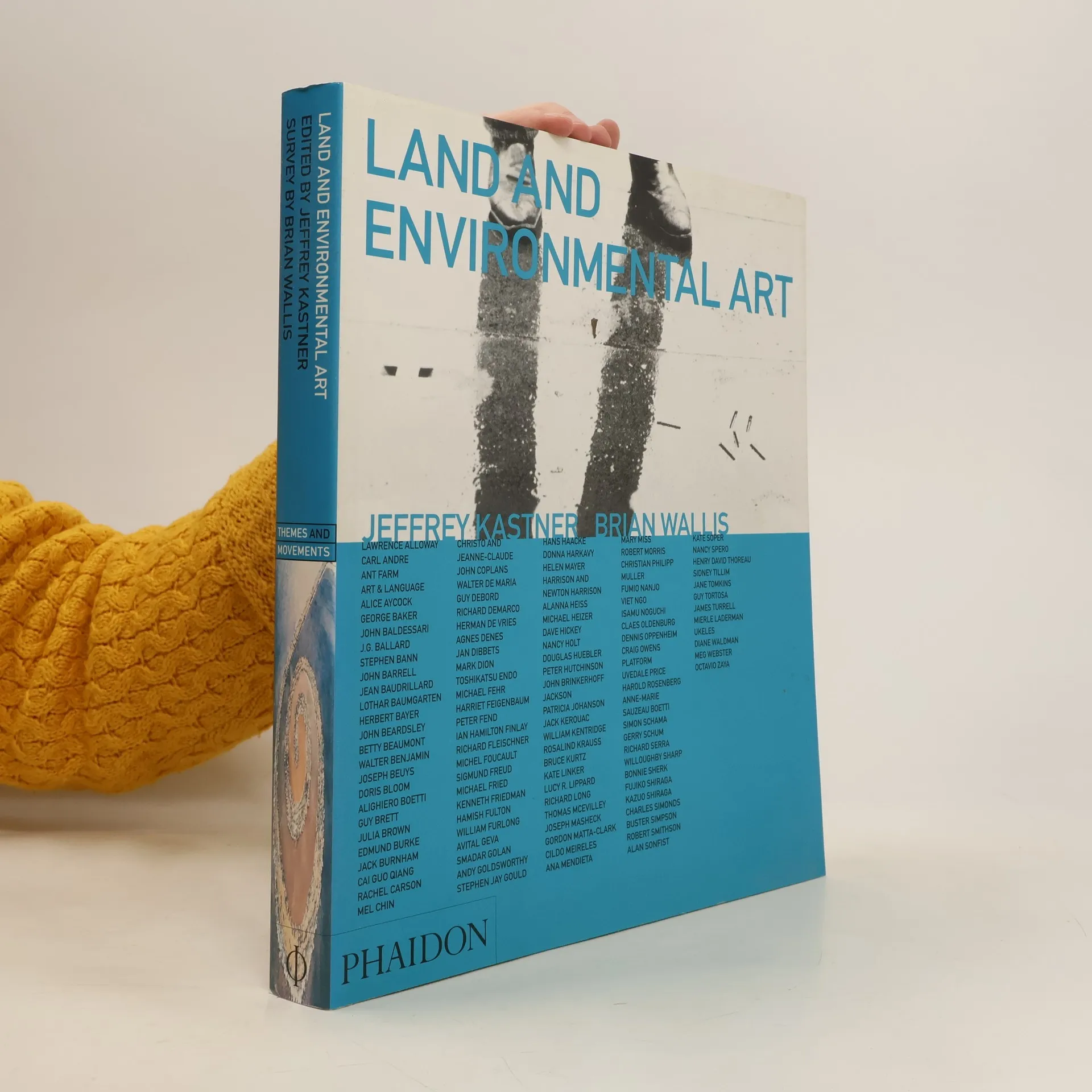
    Land and Environmental Art
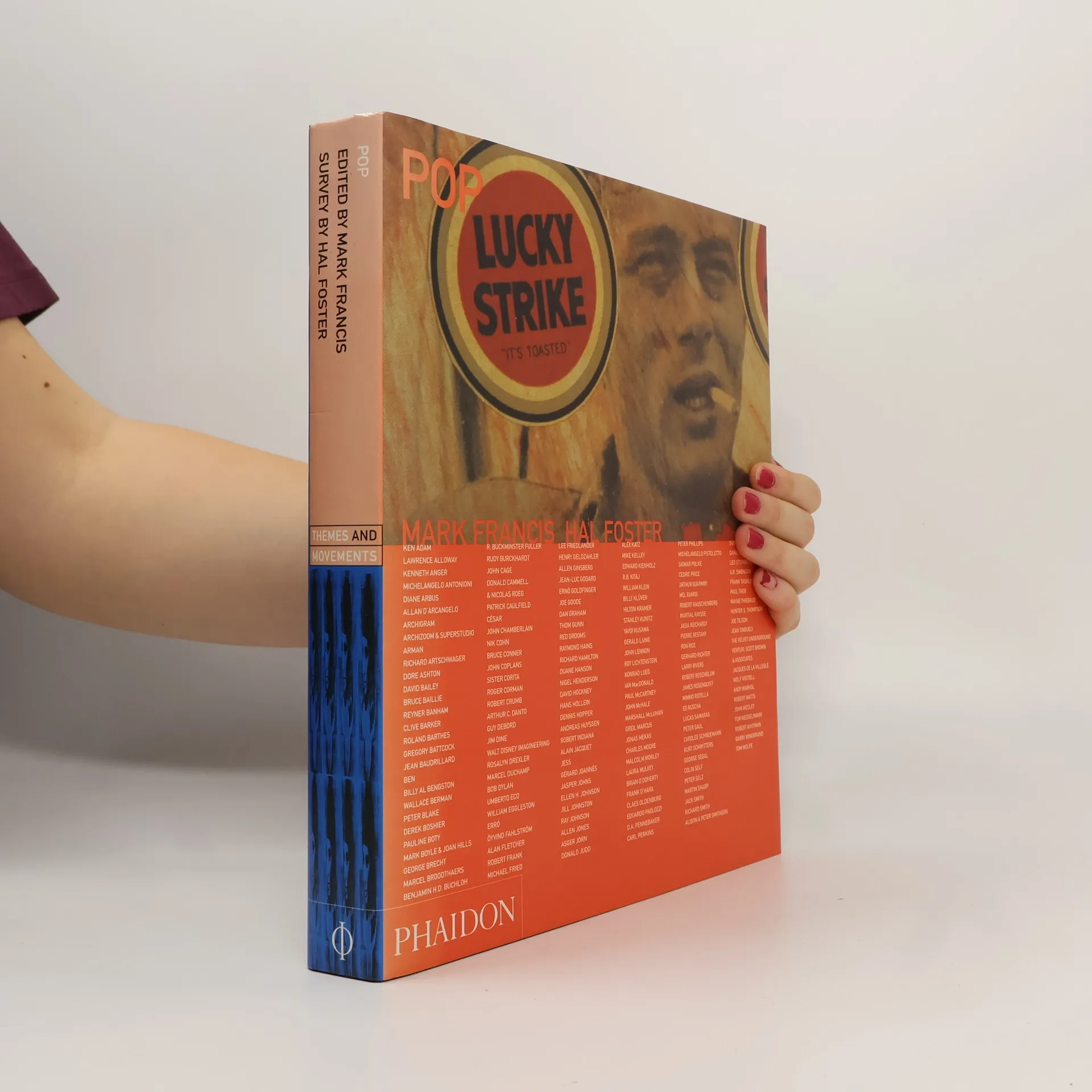
    Themes and Movements: Pop
    Comments on the Society of the Spectacle
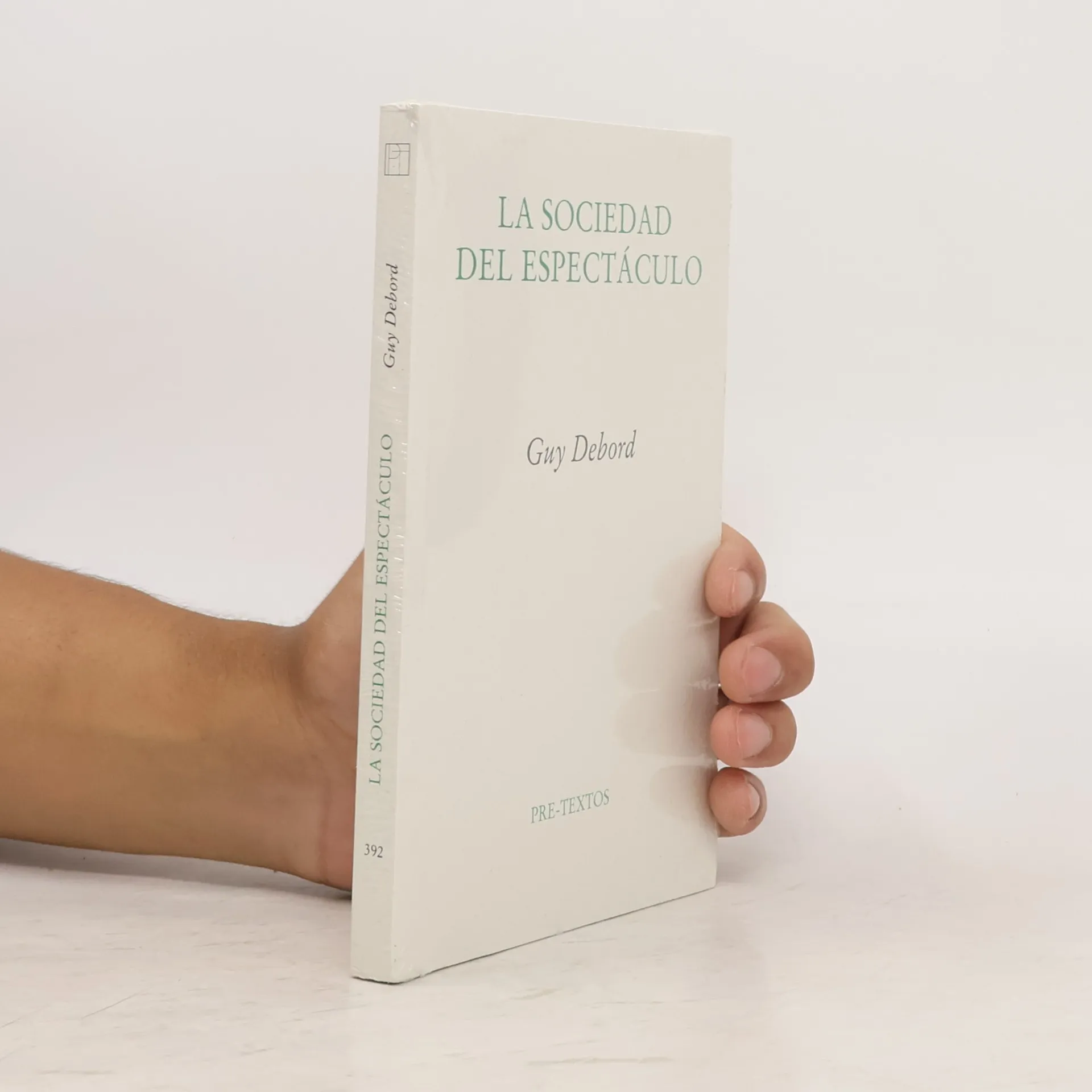
    La sociedad del espectáculo
    • Comments on the Society of the Spectacle

      • 94 páginas
      • 4 horas de lectura

      First published in 1967, Guy Debord’s stinging revolutionary critique ofcontemporary society, The Society of the Spectacle has since acquired acult status. Credited by many as being the inspiration for the ideasgenerated by the events of May 1968 in France, Debord’s pitiless attackon commodity fetishism and its incrustation in the practices of everydaylife continues to burn brightly in today’s age of satellite televisionand the soundbite. In Comments on the Society of the Spectacle, publishedtwenty years later, Debord returned to the themes of his previousanalysis and demonstrated how they were all the more relevant in aperiod when the “integrated spectacle” was dominant. Resolutely refusingto be reconciled to the system, Debord trenchantly slices through thedoxa and mystification offered tip by journalists and pundits to showhow aspects of reality as diverse as terrorism and the environment, theMafia and the media, were caught up in the logic of the spectacularsociety. Pointing the finger clearly at those who benefit from the logicof domination, Debord’s Comments convey the revolutionary impulse atthe heart of situationism.
      Comments on the Society of the Spectacle2010
      4,3
    • Guy Debord’s silver-tongue-in-cheek autobiography mixes precision and pastiche in a whirlwind account of philosophy, exploit, and inebriation. From the stark professions of Volume I to the illustrated sequences of Volume 2, Panegyric confronts us with a figure who strategically, demonically tried to wrest life from the disabling modern ‘spectacle.’

      Panegyric2009
      3,7
    • Letters by writer, filmmaker, and cultural revolutionary Guy Debord conjure a vivid picture of the dynamic first years of the Situationist International movement.

      Correspondence2008
      4,0
    • Themes and Movements: Pop

      • 304 páginas
      • 11 horas de lectura

      Exploring the evolution of Pop culture from the late 1950s to the late 1960s, this comprehensive survey examines its impact on art, film, photography, and architecture, highlighting the interplay between mass production and mass media. Unlike other works that focus solely on Pop art, it offers a holistic view of the movement's influence across America, Britain, and Europe, showcasing its diverse manifestations and cultural significance during this transformative era.

      Themes and Movements: Pop2005
      4,0
    • Land and Environmental Art

      • 304 páginas
      • 11 horas de lectura

      The definitive survey of Land Art and contemporary environmental art, now available in paperback

      Land and Environmental Art1998
      4,1
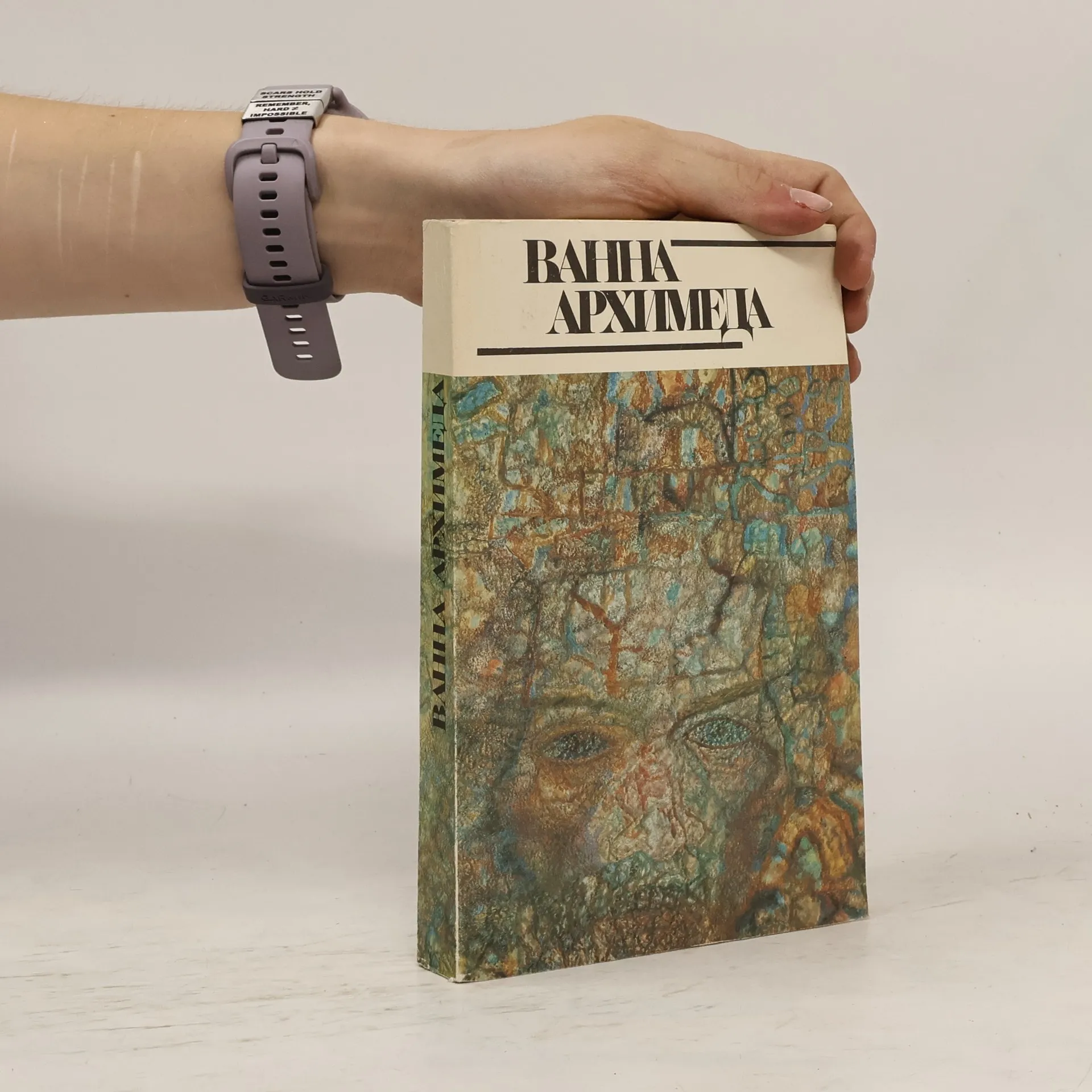
    • Ванна Архимеда

      • 492 páginas
      • 18 horas de lectura

      Немногие работы политической и культурной теории были столь провокационными, как «Общество спектакля» Ги Дебора. С момента его публикации на фоне социальных upheavals 1960-х годов и до настоящего времени, изменчивые тезисы этой книги решительно трансформировали дебаты о форме современности, капитализме и повседневной жизни в конце двадцатого века. Текст Дебора остается столь же важным для понимания современных эффектов власти, которые все более неразрывно связаны с новыми виртуальными мирами нашей быстро меняющейся культуры образов и информации.

      Ванна Архимеда1991
      3,7
    • La sociedad del espectáculo

      • 184 páginas
      • 7 horas de lectura

      En todas partes surge la misma inquietante pregunta que ha avergonzado al mundo durante dos siglos: ¿cómo hacer trabajar a los pobres cuando han perdido toda ilusión y fuerza? El espectáculo se presenta como un mal sueño de la sociedad moderna, que refleja su deseo de permanecer dormida. La mercancía se convierte en la ilusión real, y el espectáculo es su manifestación. Cuando la acumulación de mercancías alcanza lo aberrante, esta se transforma en una mercancía específica. La autoemancipación de nuestra época consiste en liberarse de las bases materiales de una verdad distorsionada. La verdad de esta sociedad es, en esencia, la negación de la misma. Este texto debe leerse como una crítica deliberada a la sociedad espectacular. Guy Debord, autor de esta obra fundamental, es una figura clave del situacionismo, un movimiento cultural que planteó propuestas radicales en política y cultura en Europa tras la Segunda Guerra Mundial. Aunque su obra ha tenido una difusión limitada, ha ejercido una influencia significativa en los debates contemporáneos, a menudo de manera clandestina. Su crítica a los totalitarismos y su rechazo a las modas intelectuales le confieren una relevancia renovada en un contexto donde lo políticamente correcto predomina.

      La sociedad del espectáculo1971
      4,1