

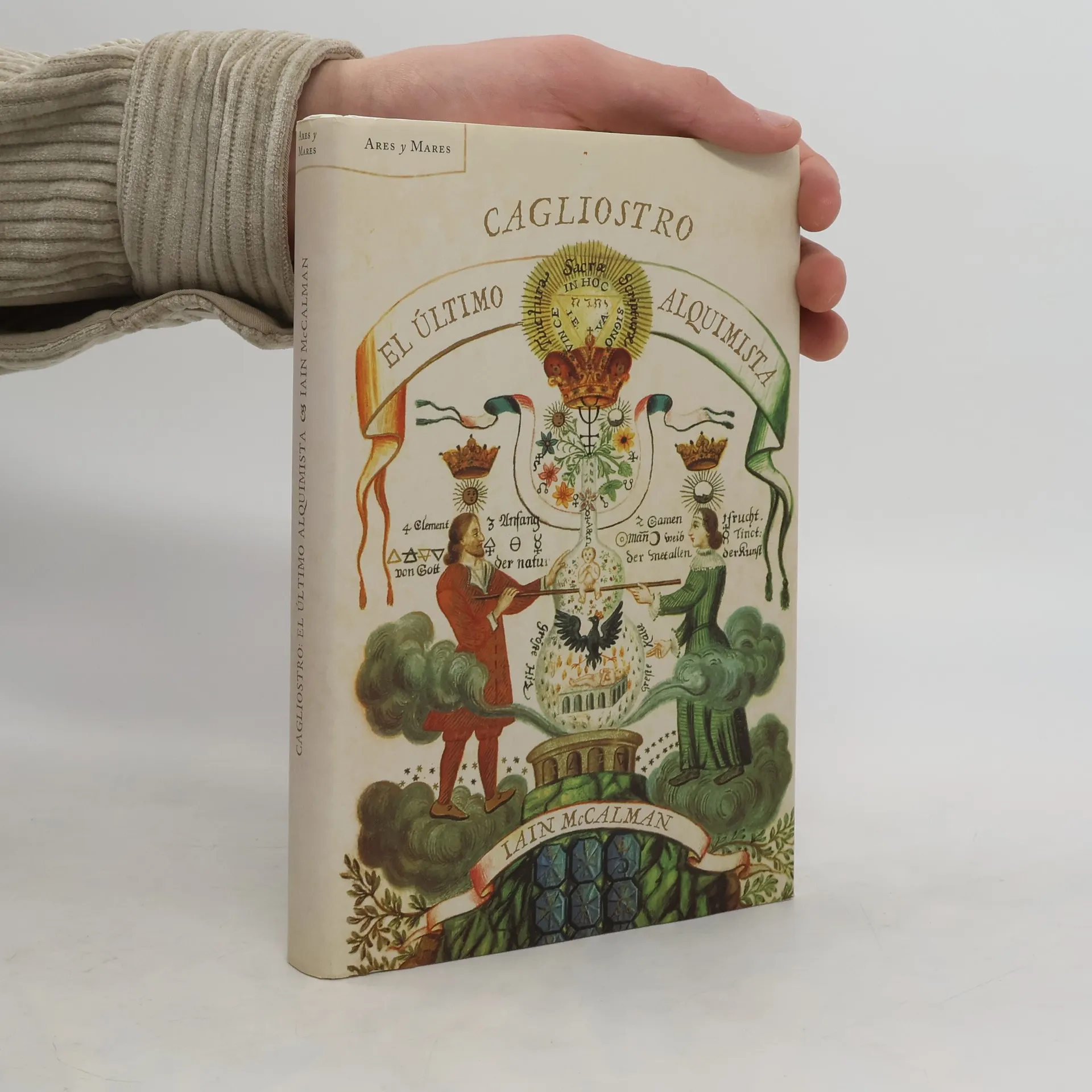
El siglo XVIII, conocido por su énfasis en la razón gracias a filósofos como Voltaire y Rousseau, también fue un periodo de magia y misterio, donde personajes como el conde Alessandro Di Cagliostro emergieron. Su vida es un enigma cautivador: algunos lo veneraban como un santo laico que ayudaba a los necesitados, mientras que otros lo veían como una amenaza para la monarquía y la iglesia. Cagliostro se convirtió en una figura polarizadora de la época, interactuando con personalidades como Casanova, Catalina la Grande, y la realeza francesa, hasta que el papa Pío VI lo entregó a la Inquisición, donde murió en 1795. Su legado ha perdurado, inspirando obras como la opereta de Johann Strauss y el personaje de Mozart en "La flauta mágica". Para Umberto Eco, Cagliostro representa un "posmoderno" actual, un profeta new age que explota la vulnerabilidad humana. En contraste, Walter Benjamin lo ve como un titán cultural, un mesías underground y el último alquimista, simbolizando el irracionalismo que desafía a los defensores de la razón. La pregunta persiste: ¿quién fue realmente el conde Cagliostro?
Iain McCalman Libros
Iain McCalman es profesor de historia y humanidades, profundamente involucrado en las narrativas históricas de las crisis ambientales y culturales de Occidente. Su trabajo explora la intersección de los viajes científicos, la etnografía y el ambientalismo, ofreciendo una perspectiva única sobre la relación de la humanidad con el mundo natural. Como codirector del Instituto Ambiental de Sídney, une la investigación académica con las apremiantes preocupaciones ambientales contemporáneas. McCalman también da vida a la historia como consultor y narrador de documentales, haciendo que los temas históricos y ecológicos complejos sean accesibles para una amplia audiencia.

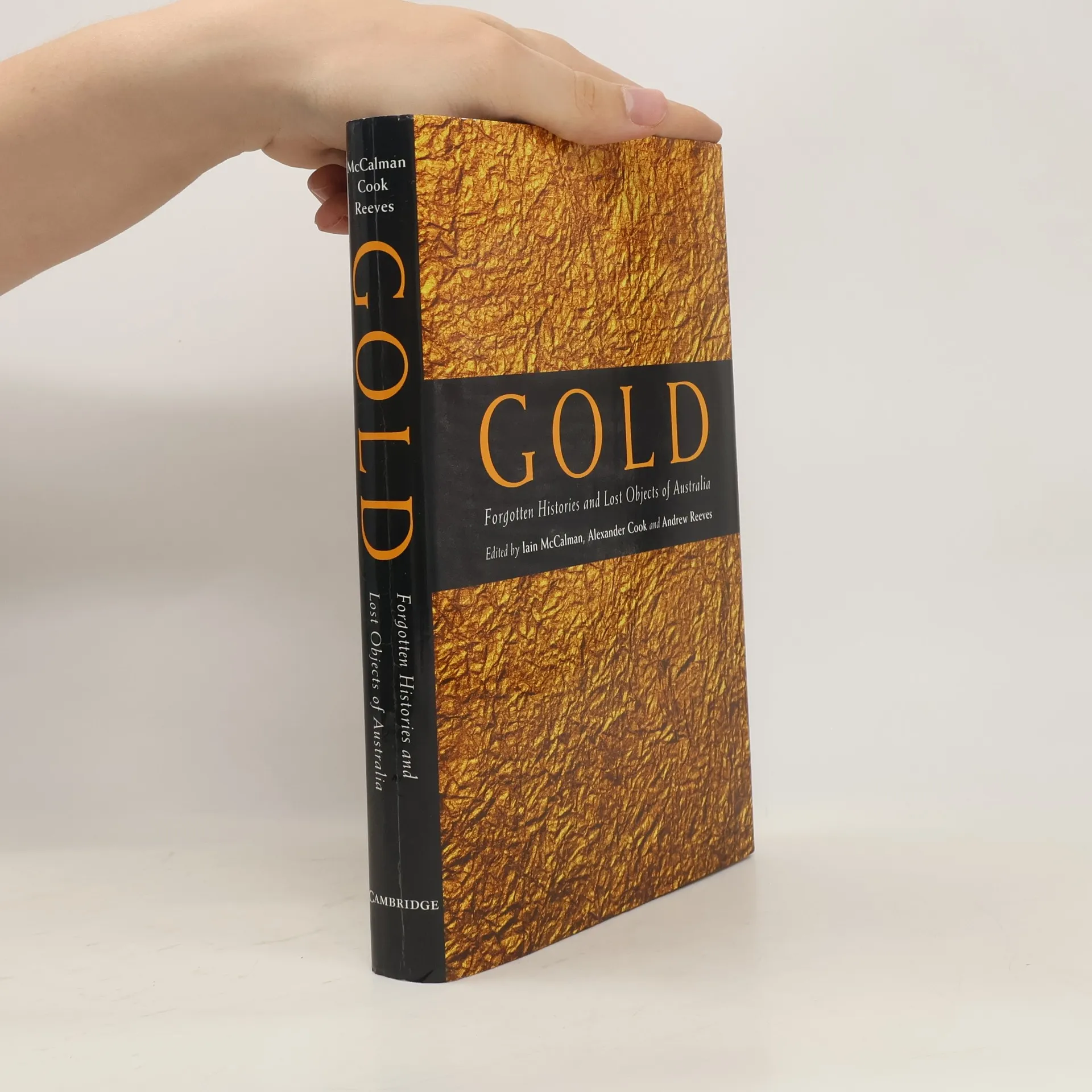
A team of prominent historians and curators have produced this innovative cultural history of gold and its impact on the development of Australian society. Throughout history, gold has been the "stuff" of legends, fortunes, conflict and change. The discovery of gold in Australia 150 years ago precipitated enormous developments in the newly settled land. The population and economy boomed in spontaneous cities. The effects on both the environment and indigenous Aboriginal peoples have been profound and lasting.
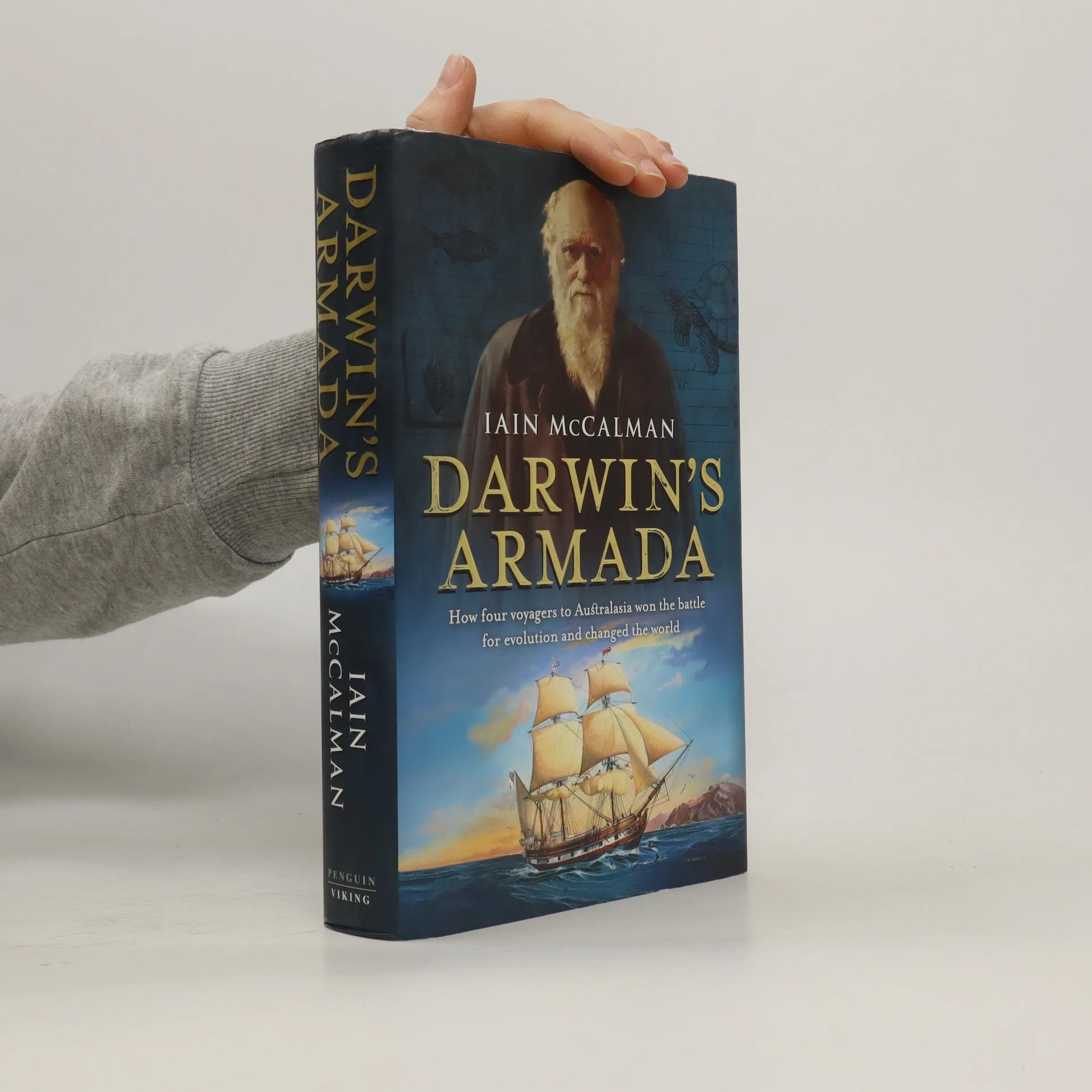
Darwin's armada
- 422 páginas
- 15 horas de lectura
Sent to Cambridge for the clergy, young Darwin discovered a passion for naturalism and accepted an invitation to sail on a naval survey vessel to South America, New Zealand, and Australia, a journey that would alter his life and modern science. Inspired by Darwin, Joseph Hooker embarked on his own voyage from the Cook Islands to Antarctica, conducting botanical research that provided critical evidence for Darwin's evolving theories and establishing him as Darwin's closest ally. Thomas Huxley, known as "Darwin's Bulldog," championed evolution against the clergy while making significant marine biology discoveries in the Southern Hemisphere, and unexpectedly fell in love in Sydney. Alfred Wallace, the least recognized yet perhaps the most brilliant, spent years collecting specimens in remote jungles and independently developed a theory of evolution by natural selection, prompting a moral crisis for Darwin and leading to the writing of *On the Origin of Species*. This narrative portrays the Darwinian revolution as a collective effort in Australasia, showcasing how these four remarkable men gathered evidence for evolution and engaged in the ensuing social and intellectual battles. Their combined efforts changed the world, making this account both an adventure story and a significant historical work.
Exploring the evolution of visual entertainment since the late 1700s, this book delves into reenactment as a dominant form of popular history. It examines the challenges of defining reenactment and its boundaries, while also addressing the interplay between realism and emotional impact. Through this analysis, it sheds light on how reenactment shapes our understanding of history and nature.