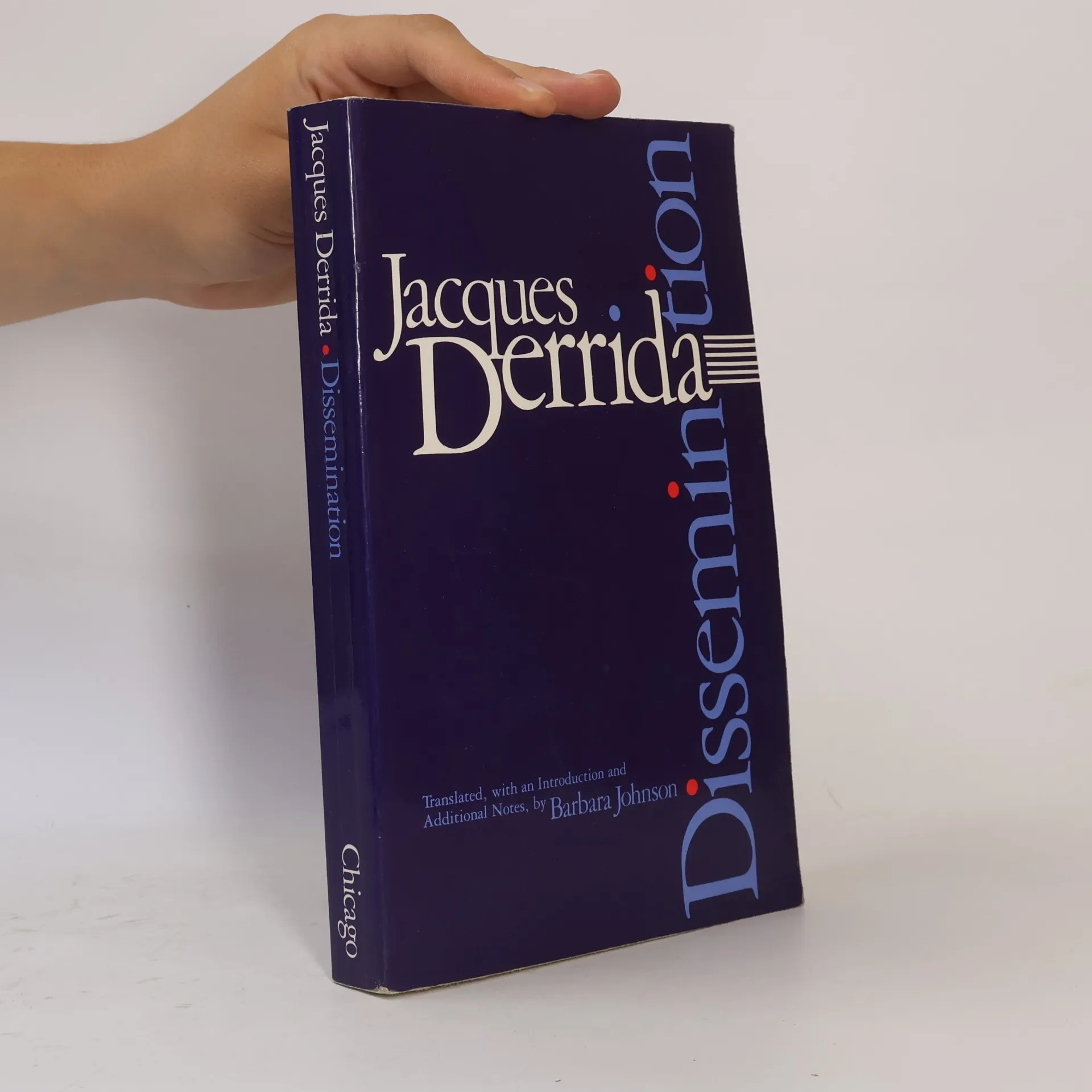
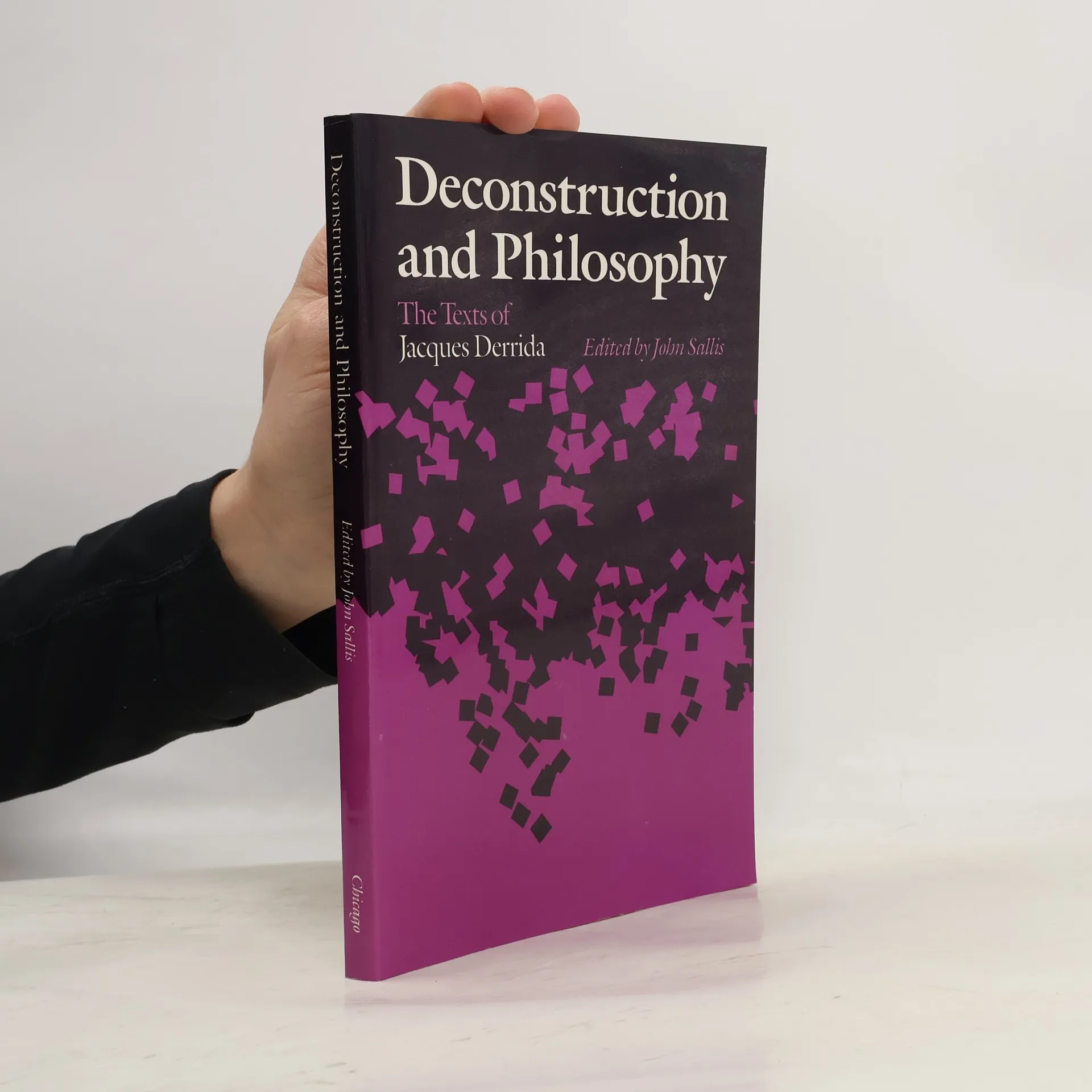
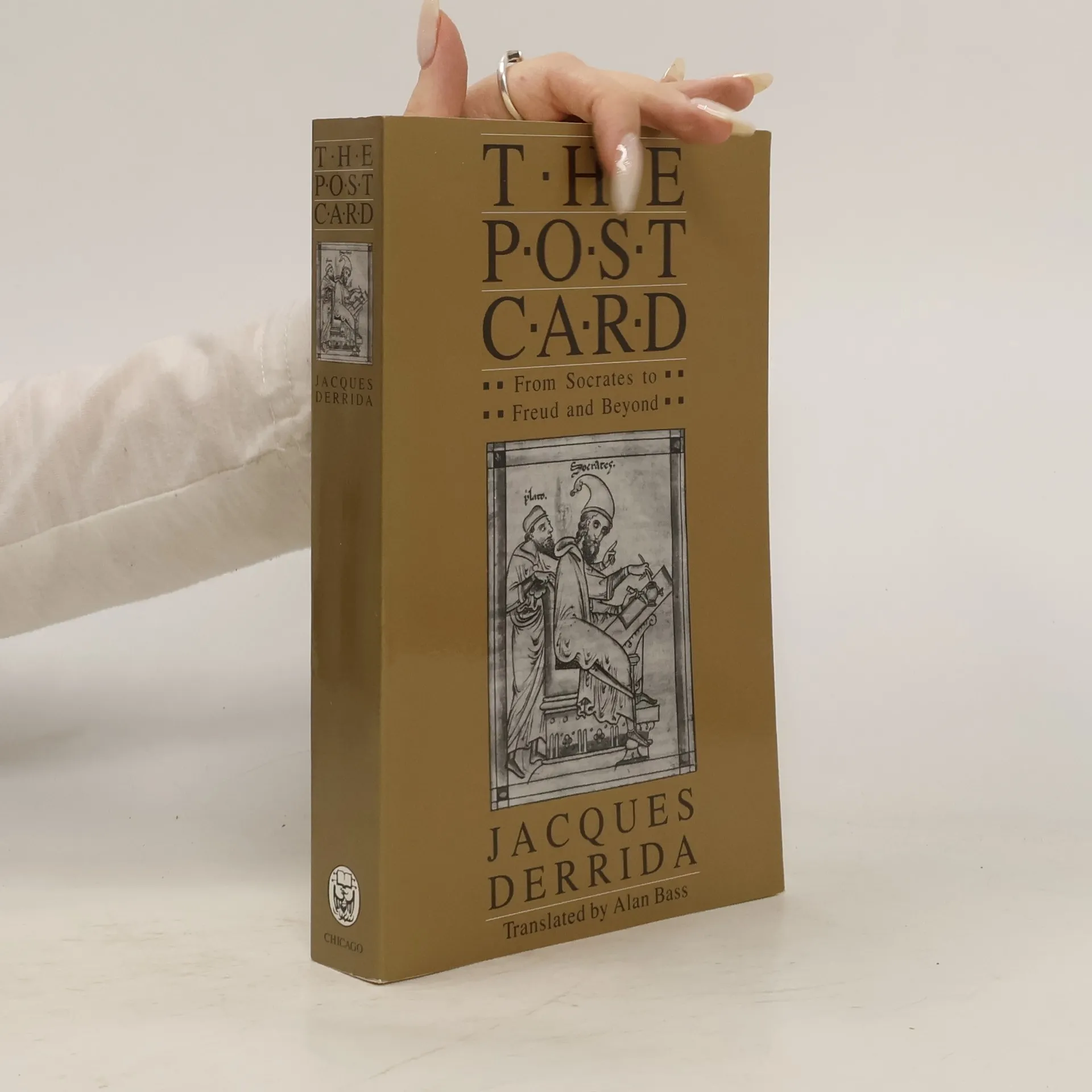
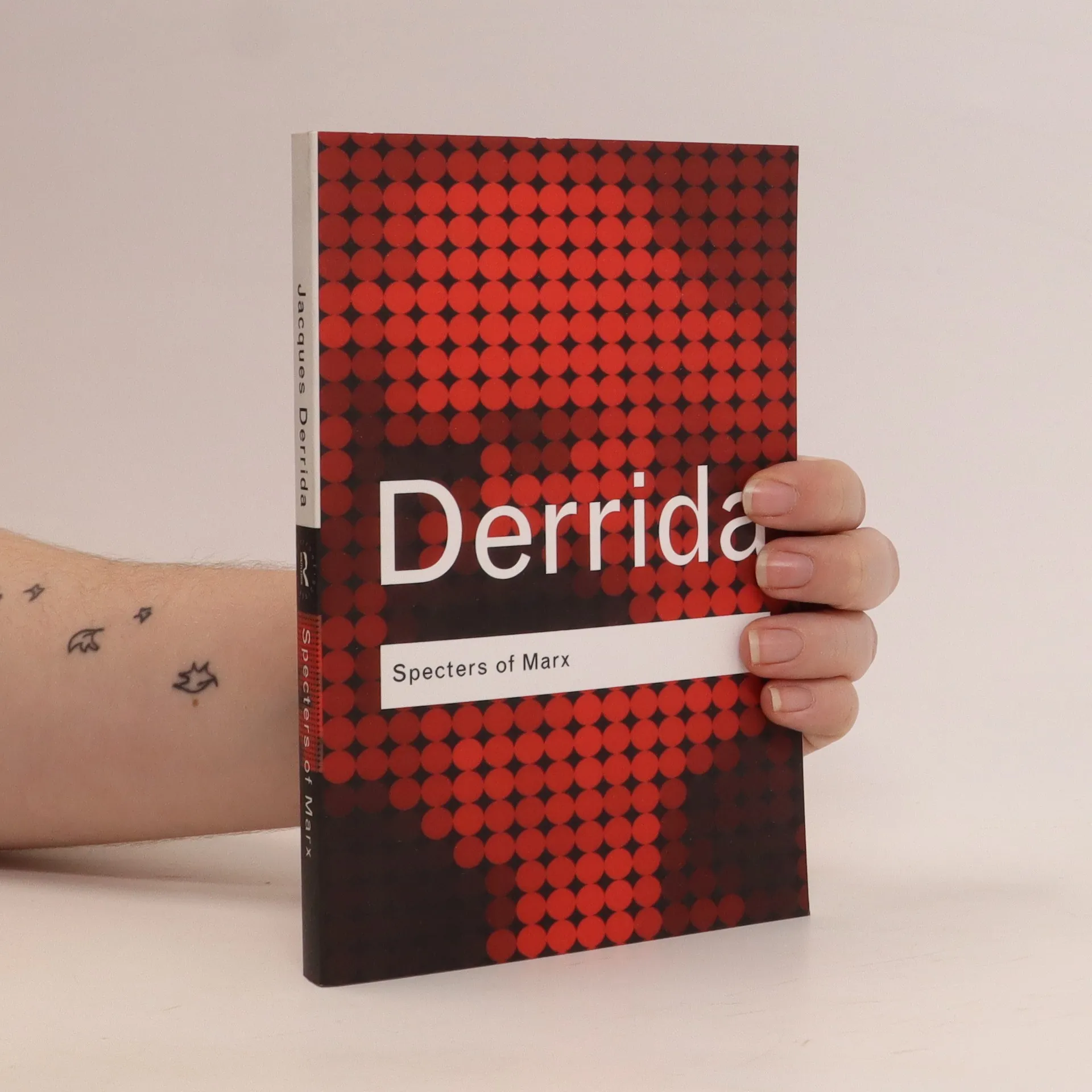
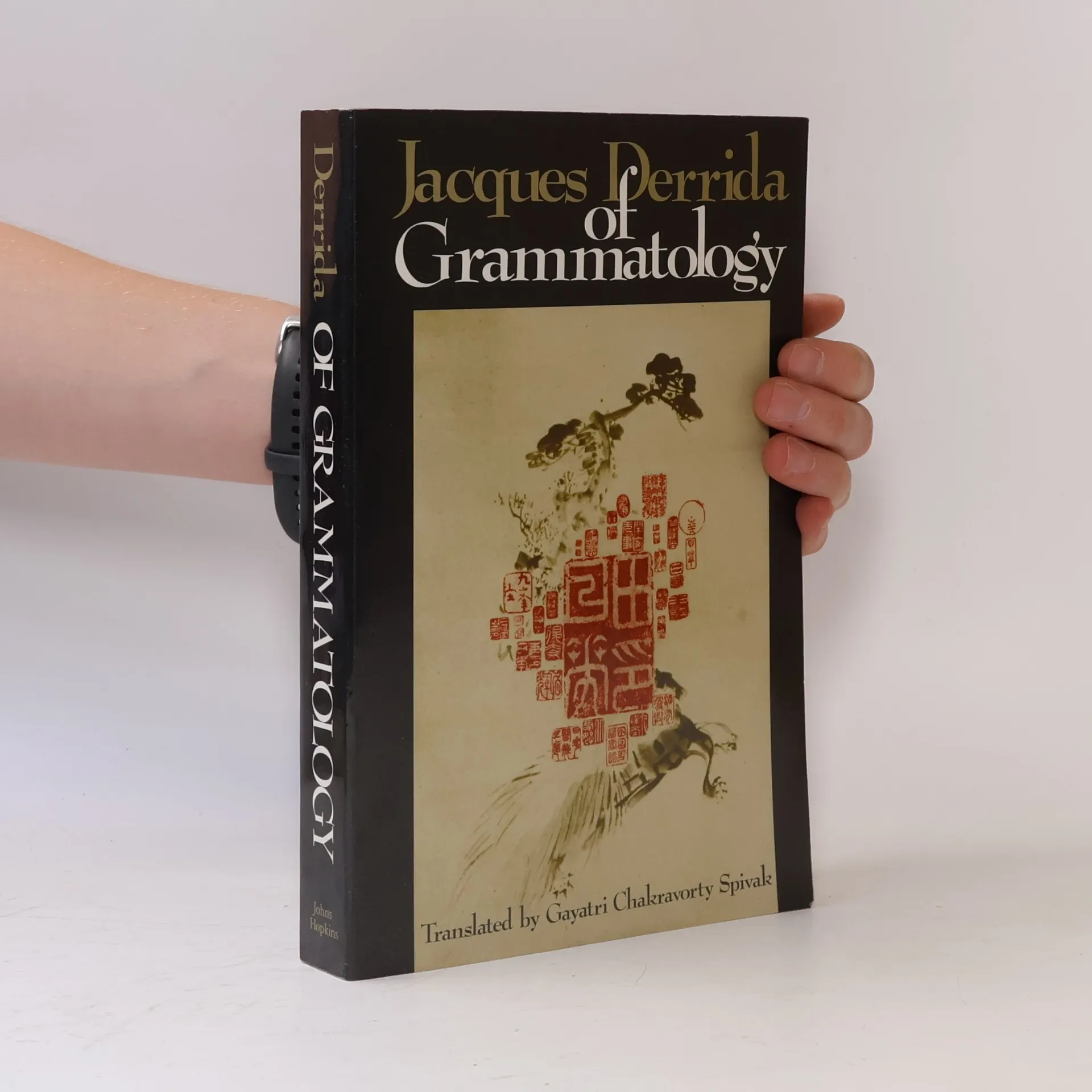
Jacques Derrida, fundador de la "deconstrucción", ofreció una forma de criticar tanto textos literarios y filosóficos como instituciones políticas. Si bien Derrida a veces lamentó el destino de la palabra "deconstrucción", su popularidad indica la amplia influencia de su pensamiento en la filosofía, la crítica literaria, el arte y, en particular, la teoría arquitectónica y política. La deconstrucción se esfuerza por reimaginar la diferencia que divide la autorreflexión, pero, de manera más crucial, busca prevenir la peor violencia. Este empeño por la justicia es incesante, reconociendo que la justicia perfecta puede ser inalcanzable.
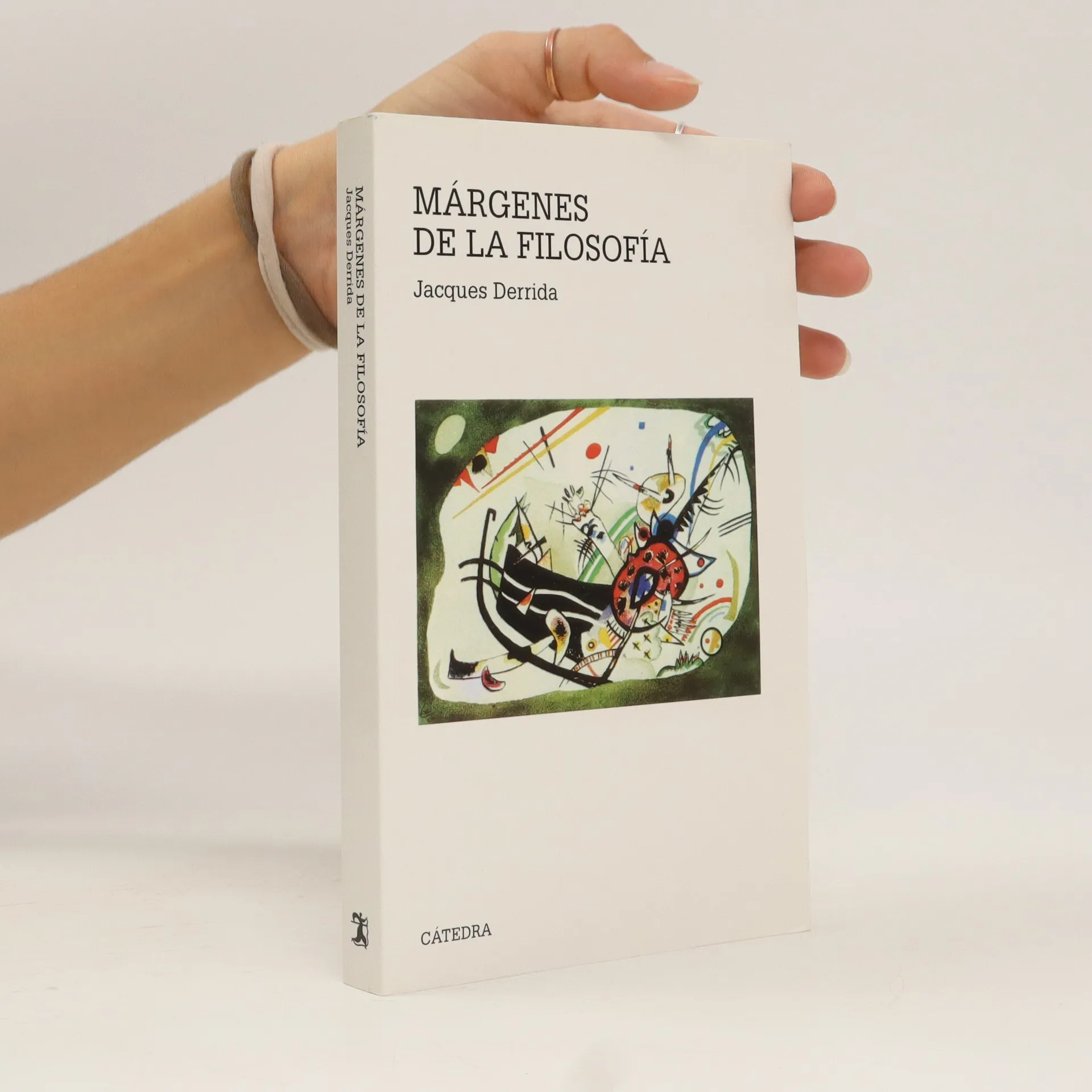
La disolucion de fronteras estrictas entre filosofia y literatura que propugna la deconstruccion la convierten en una estrategia de lectura, en un mecanismo textual por encima del qutor y del texto. Lo que Derrida viene a afirmar es que existe una pluralidad de interpretaciones, o de sentidos, y que no se puede decidir la superioridad de unos sobre otros. Saussure, Rousseau, Kant, Nietzsche, Husserl, Heidegger, Valery, Austin o Benveniste son interrogados en este libro para reafirmar la necesidad de una deconstruccion rigurosa y generadora.
Advances the author's reflections on many issues, such as sexual difference,
architecture, negative theology, politics, war, nationalism, and religion.
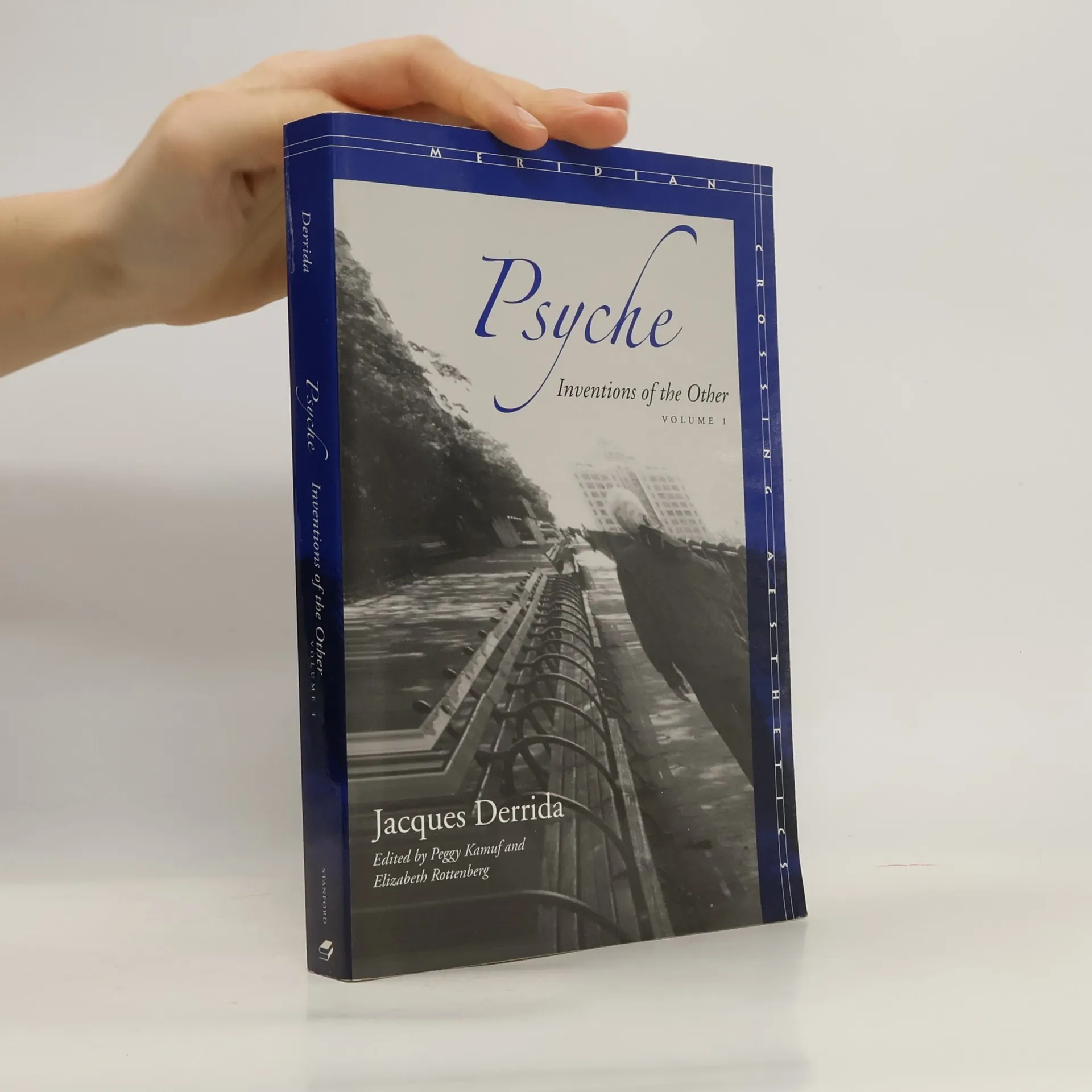
Psyche: Inventions of the Other is the first publication in English of the twenty-eight essay collection Jacques Derrida published in two volumes in 1998 and 2003. In Volume I, Derrida advances his reflection on many topics: psychoanalysis, theater, translation, literature, representation, racism, and nuclear war, among others. The essays in this volume also carry on Derrida's engagement with a number of key thinkers and writers: Barthes, Benjamin, de Man, Flaubert, Freud, Heidegger, Lacoue-Labarthe, Levinas, and Ponge. Included in this volume are new or revised translations of seminal essays (for example, "Psyche: Invention of the Other," "The Retrait of Metaphor," "At This Very Moment in This Work Here I Am," "Tours de Babel" and "Racism's Last Word"), as well as three essays that appear here in English for the first time.
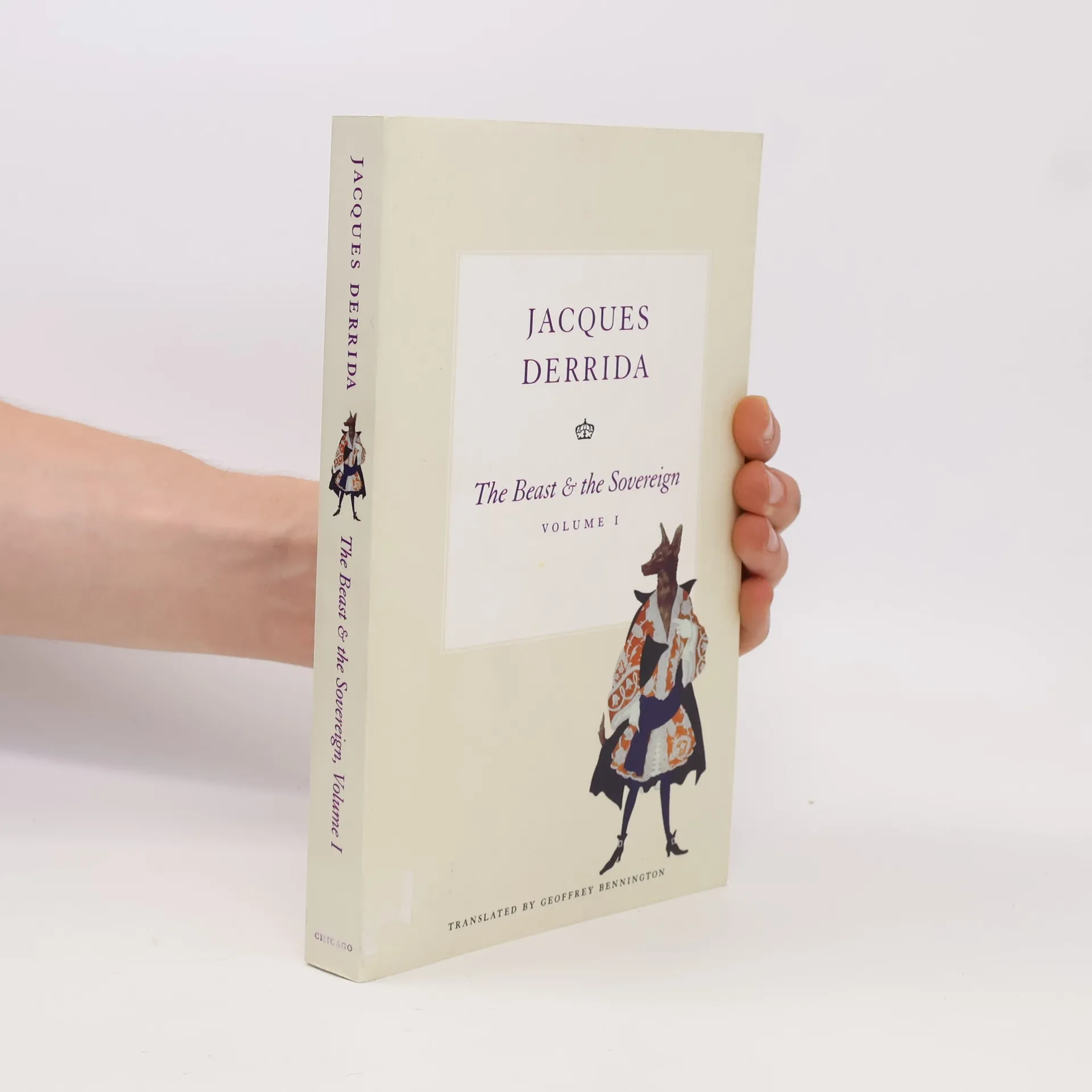
While much has been written against the death penalty, the author contends
that Western philosophy is massively, if not always obviously, complicit with
a logic in which a sovereign state has the right to take a life.
One of Jacques Derrida’s most provocative works, this text challenges and deconstructs the deeply rooted dichotomy of life and death in Western thought. Derrida reexamines the traditional philosophical understanding of their relationship through multidisciplinary analyses encompassing philosophy, linguistics, and life sciences. He engages with Freudian psychoanalysis, the philosophies of Nietzsche and Heidegger, and the works of geneticist François Jacob and epistemologist Georges Canguilhem to explore this complex relationship.
Delivered over fourteen sessions between 1975 and 1976 at the École normale supérieure in Paris, the seminar was part of the preparation for students facing the agrégation, a highly competitive exam with the theme “Life and Death.” Derrida notably altered the title by omitting the coordinating conjunction, prompting a philosophical inquiry into the connection between life and death. He posits that death should not be viewed merely as the opposite of life or its ultimate truth, but as a factor that both limits and enables life. Through these engaging sessions, Derrida not only questions conventional understandings of life and death but also cultivates a novel perspective on what he terms “life death.”
Exploring the concept of hospitality, this collection features Jacques Derrida's lectures that delve into the complexities of welcoming the foreigner and the implications for kinship and state relations. Key themes include friendship, citizenship, migration, and xenophobia, alongside a critical distinction between conditional and unconditional hospitality. The second year of the seminar also addresses Islamic perspectives on hospitality, the significance of forgiveness, and the philosophical contributions of Emmanuel Levinas, enriching the discourse on responsibility in a global context.
The second volume of Jacques Derrida's exploration of the death penalty delves into Kant's justification of capital punishment, deconstructing his arguments and revealing significant contradictions. Derrida critiques the "anesthesial logic" surrounding the death penalty, intertwining themes of cruelty and pain through various philosophical texts. He argues that the rationality behind the death penalty reflects an illusory control over mortality. Set against the backdrop of a pivotal moment in U.S. history regarding capital punishment, this analysis aims to contribute meaningfully to ongoing debates.
This book, written out of Derrida's long-standing friendship with Jean-Luc
Nancy, examines the central place accorded to the sense of touch in the
Western philosophical tradition.
Exploring the intricate relationship between forgiveness and betrayal, this work presents Jacques Derrida's seminars that delve into the philosophical and ethical implications of responsibility. He examines various forms of deceit, such as perjury and infidelity, while arguing that forgiveness transcends traditional notions of repentance and punishment. By analyzing texts from influential thinkers and literary figures, Derrida reveals how forgiveness disrupts established categories of knowledge and challenges our understanding of presence and identity.
Exploring the intricate relationship between forgiveness and betrayal, this work presents Jacques Derrida's seminars that delve into the philosophical and ethical dimensions of responsibility. He examines various forms of deceit, such as perjury and infidelity, and challenges traditional notions of forgiveness, arguing for its unconditional nature. Through analysis of texts by thinkers like Kant and Kierkegaard, Derrida reveals how forgiveness disrupts established categories of knowledge and subjectivity, emphasizing its complexity and the intertwined nature of lying and moral accountability.
Focusing on the concept of visibility, this collection showcases Derrida's insights into visual arts, particularly drawing, painting, and photography. It includes 19 pieces, with several newly translated into English, addressing what is made visible through artistic processes. The writings are organized into three sections: exploring the "trace" in visual representation, examining the interplay of line and color in art, and investigating modern media like photography and film. This volume highlights Derrida's unique contributions to understanding the relationship between art and perception.
Presents a translation of the complete text of Jacques Derrida's ten-hour
address to the 1997 Cerisy conference entitled The Autobiographical Animal,
the third of four such colloquia on his work. This book was assembled
posthumously on the basis of two published sections, one written and recorded
session, and one informal recorded session.
Acknowledgments -- Note on Translations -- Introduction -- Deconstruction and the Inscription of Philosophy -- Infrastructures and Systematicity / Rodolphe Gasche -- Philosophy Has Its Reasons . . . / Hugh J. Silverman -- Destinerrance: The Apotropocalyptics of Translation / John P. Leavey, Jr. -- Deconstruction and the History of Metaphysics -- In Stalling Metaphysics: At the Threshold / Ruben Berezdivin -- Doubling the Space of Existence: Exemplarity in Derrida - the Case of Rousseau / Irene E. Harvey -- Regulations: Kant and Derrida at the End of Metaphysics / Stephen Watson -- A Point of Almost Absolute Proximity to Hegel / John Llewelyn -- Deconstruction and Phenomenology -- The Economy of Signs in Husserl and Derrida: From Uselessness to Full Employment / John D. Caputo -- The Perfect Future: A Note on Heidegger and Derrida / David Farrell Krell -- Deconstruction and the Possibility of Ethics / Robert Bernasconi -- Deconstruction--in Withdrawal? -- Following Derrida / David Wood -- Geschlecht II: Heidegger's Hand / Jacques Derrida -- Notes on Contributors -- Index.
This volume, consisting of a conversation with Derrida that is further
elaborated by one of his leading interpreters, represents one of the most
lucid, compact and reliable introductions to Derrida and deconstruction
available in any language. A substantial new Introduction traces the
development of deconstruction alongside other philosophical movements since
Derrida's death.
The book explores the tension between Derridean deconstruction and Rortian pragmatism, addressing criticisms that they threaten concepts of truth and reason. It argues that, despite these accusations, both philosophies contribute to the democratic project by challenging the traditional connections between universalism, rationalism, and modern democracy. The authors aim to clarify the intellectual and political implications of these ideas, suggesting that they can foster a more nuanced understanding of democracy rather than leading to chaos.
Until recently, Jacques Derrida was often viewed merely as the high priest of Deconstruction, engaging yet somewhat detached from pressing political issues. However, his "political turn," particularly with the release of Specters of Marx, has intrigued many. In The Politics of Friendship, Derrida deepens this exploration by examining the political history of friendship. He reflects on Aristotle's provocative assertion, "my friends, there is no friend," and its reinterpretations by philosophers like Montaigne, Kant, Nietzsche, Schmitt, and Blanchot. This inquiry reveals the instability of traditional oppositional pairs in Western philosophy, such as friendship versus enmity and private versus public life. Additionally, Derrida critiques the male-centered notion of fraternity and the unquestioned authority of virile virtue in our understanding of friendship and democracy. He posits that the future of politics hinges on the evolution of friendship, advocating for a radically new conception that fosters a deeper, more inclusive democracy. This significant work presents a challenging and inspiring vision for the future, marking a pivotal moment in Derrida's thought.
Consisting of two texts on facing pages, the form of this presentation of two
1996 lectures on hospitality by Jacques Derrida is a self-conscious enactment
of its content. Invitation by Anne Dufourmantelle appears on the left (an
invitation that of course originates a response), clarifying and inflecting
Derrida's response on the right. schovat popis
A major work in the philosophy of language by the celebrated French thinker
Jacques Derrida. The book's two essays, Limited Inc and Signature Event
Context, constitute key statements of the Derridean theory of deconstruction
Prodigiously influential, Jacques Derrida gave rise to a comprehensive rethinking of the basic concepts and categories of Western philosophy in the latter part of the twentieth century, with writings central to our understanding of language, meaning, identity, ethics and values. In 1993, a conference was organized around the question, 'Whither Marxism?’, and Derrida was invited to open the proceedings. His plenary address, 'Specters of Marx', delivered in two parts, forms the basis of this book. Hotly debated when it was first published, a rapidly changing world and world politics have scarcely dented the relevance of this book.
The author is one of the most acclaimed thinker, and expounder of philosophic process of thought of our time. Influence enough to have affected the entire French critical scene, Jacques Derrida has been hailed as the most important philosopher in France today. His ideas of reading and writing, his notion of de-construction, his reinterpretations of phenomenology, of psychoanalysis, and of strucuralism have profoundly influenced the vanguard of European and American criticism and have occasioned lively controversy. Derrida`s philosophical background baffles some literary critics. This role of exposing the common assumption shared by combatants in a controversy raises Derrida`s importance above merely the French scene.
The book makes available for the first time in English-and for the first time in its entirety in any language-an important yet little known interview that Jacques Derrida granted on the question of photography and its relation to such key deconstructive concepts as copy, archive, and signature.
" I have but one language?yet that language is not mine." This book intertwines theoretical reflection with historical and cultural particularity to enunciate, then analyze this conundrum in terms of the distinguished author's own relationship to the French language. Its argument touches on several issues relevant to the current debates on multiculturalism.
In the 1960s a radical concept emerged from the great French thinker Jacques Derrida. Read the book that changed the way we think; read Writing and Difference, the classic introduction
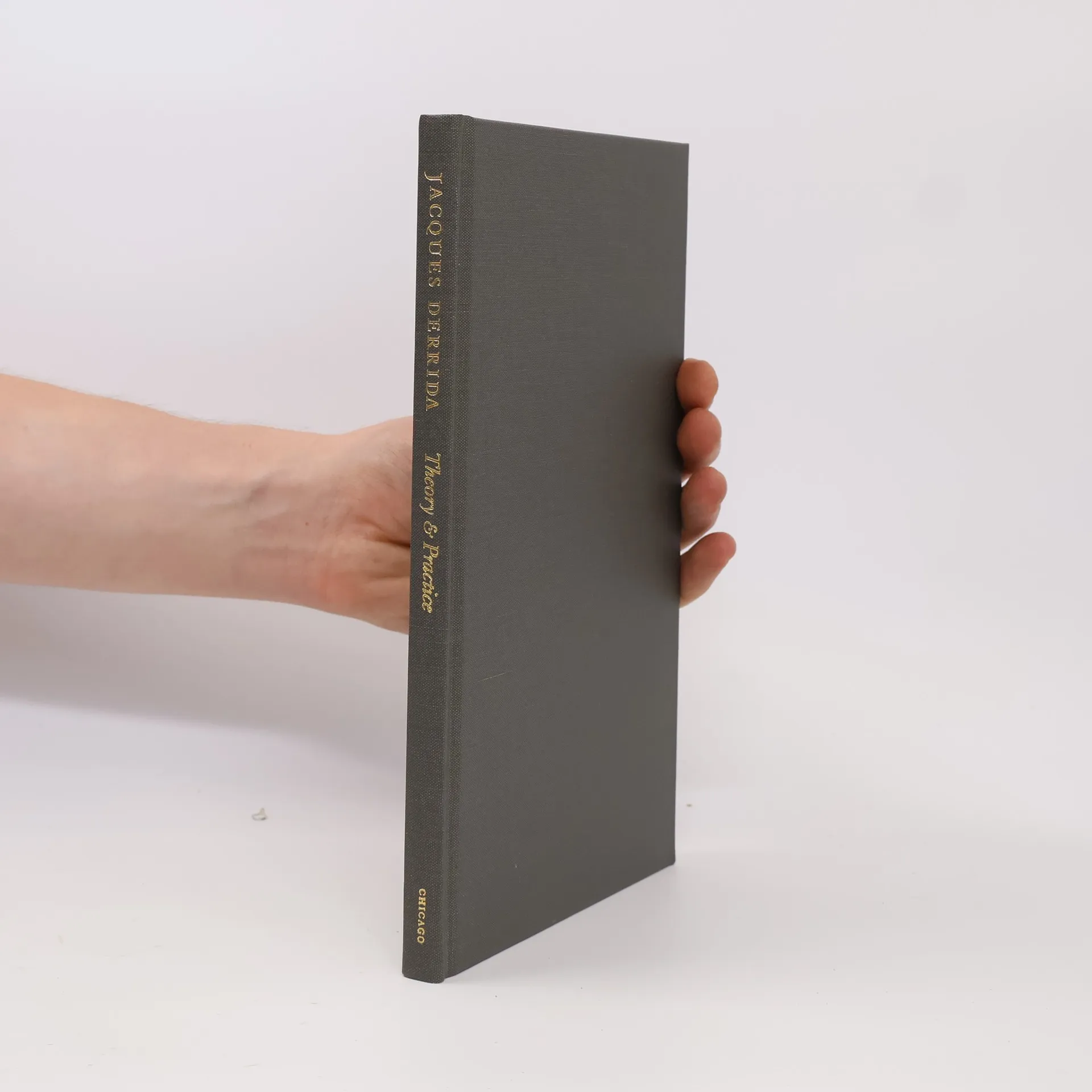
Now in paperback, nine lectures from Jacques Derrida that challenge the influential Marxist distinction between thinking and acting. Theory and Practice is a series of nine lectures that Jacques Derrida delivered at the École Normale Supérieure in 1976 and 1977. The topic of “theory and practice” was associated above all with Marxist discourse and particularly the influential interpretation of Marx by Louis Althusser. Derrida’s many questions to Althusser and other thinkers aim at unsettling the distinction between thinking and acting. Derrida’s investigations set out from Marx’s “Theses on Feuerbach,” in particular the eleventh thesis, which has often been taken as a mantra for the “end of philosophy,” to be brought about by Marxist practice. Derrida argues, however, that Althusser has no such end in view and that his discourse remains resolutely philosophical, even as it promotes the theory/practice pair as primary values. This seminar also draws fascinating connections between Marxist thought and Heidegger and features Derrida’s signature reconsideration of the dichotomy between doing and thinking. This text, available for the first time in English, shows that Derrida was doing important work on Marx long before Specters of Marx. As with the other volumes in this series, it gives readers an unparalleled glimpse into Derrida’s thinking at its best—spontaneous, unpredictable, and groundbreaking.
The book explores the significance of Hélène Cixous in contemporary French literature through Jacques Derrida's analysis. He examines the interconnectedness of four key concepts—genesis, genealogy, genre, and genius—and their relevance to Cixous's writings. This intellectual exploration highlights Cixous's impact on feminist thought and her role as a pivotal figure in the literary landscape.
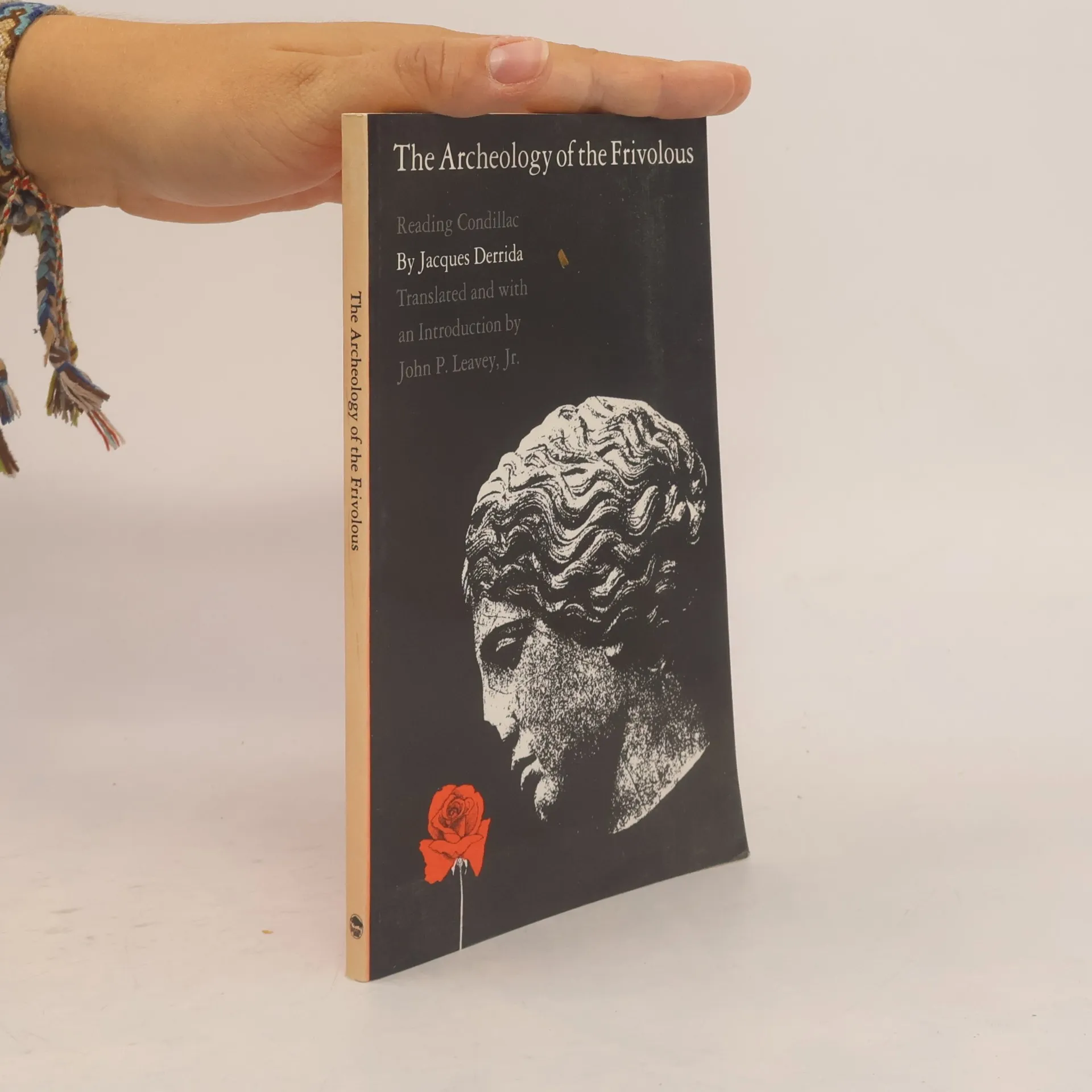
In 1746 the French philosophe Condillac published his Essay on the Origin of Human Knowledge , one of many attempts during the century to determine how we organize and validate ideas as knowledge. In investigating language, especially written language, he found not only the seriousness he sought but also a great deal of frivolity whose relation to the sober business of philosophy had to be addressed somehow. If the mind truly reflects the world, and language reflects the mind, why is there so much error and nonsense? Whence the distortions? How can they be remedied?In The Archeology of the Frivolous , Jacques Derrida recoups Condillac's enterprise, showing how it anticipated--consciously or not--many of the issues that have since stymied epistemology and linguistic philosophy. If anyone doubts that deconstruction can be a powerful analytic method, try this.
Focusing on the themes of responsibility and the concept of "the foreigner," this volume presents Jacques Derrida's seminar discussions from 1995 to 1996. He explores how society welcomes or represses foreigners, examining implications for kinship, ethnicity, and national identity. Key topics include borders, citizenship, and xenophobia, analyzed through classical and modern texts by thinkers like Heidegger, Arendt, and Camus. Derrida emphasizes the difference between conventional hospitality and an ideal of unconditional welcome for newcomers.
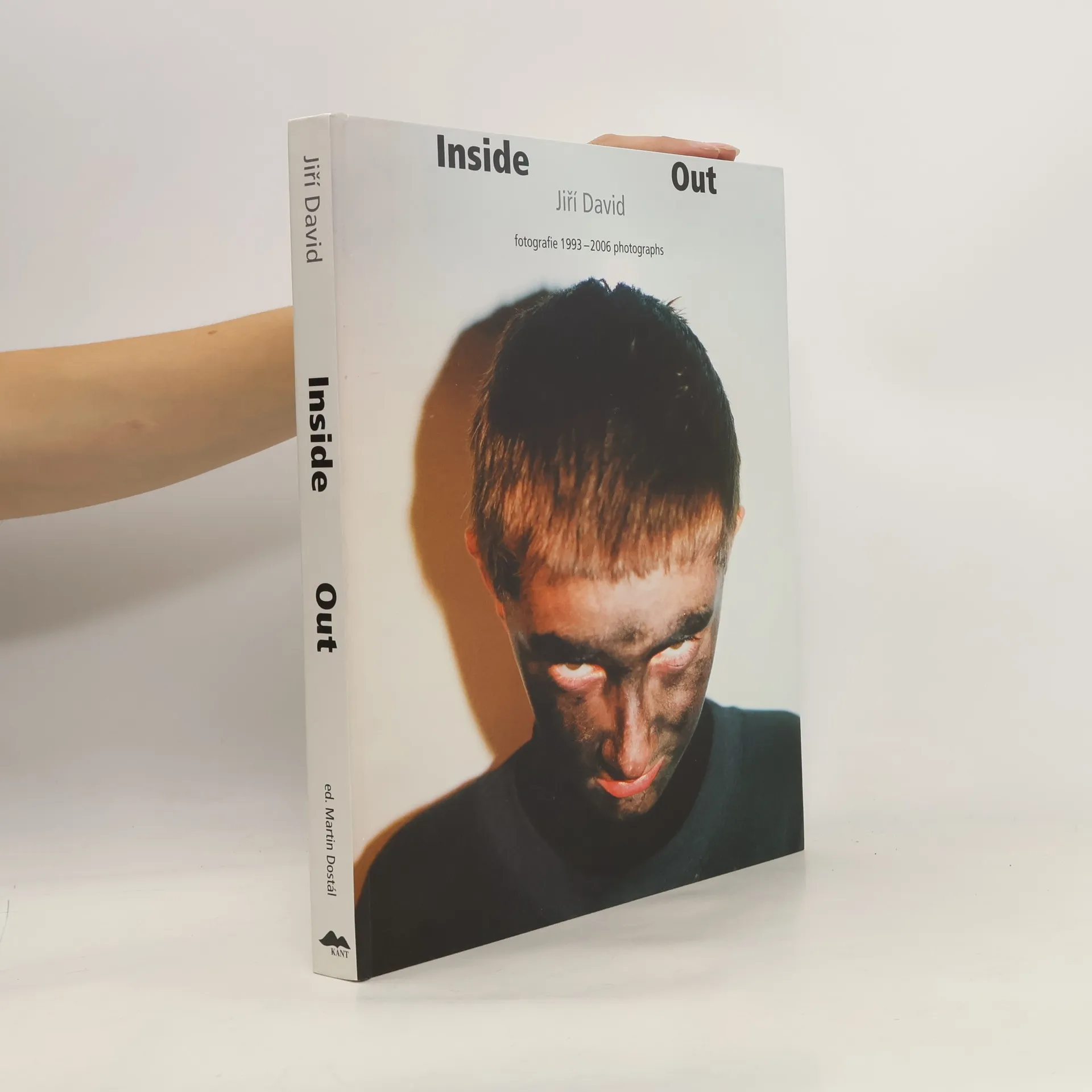
Reprezentativní publikace, vydaná u příležitosti výstavy v pražském Rudolfinu, shrnuje výsledky projektu Jiřího Davida. Autor v průběhu několika let oslovil množství slavných politiků, umělců a sportovců s prosbou, aby mu dali k dispozici svou tvář pro fotografický portrét. Potom ze dvou levých, respektive pravých polovin mechanicky vytvořil dvě…
Monografie Jiřího Davida (1956), vedoucího ateliéru konceptuální a intermediální tvorby pražské VŠUP, představuje autorovy důležité fotografické soubory. Umělec využívá fotografii pro realizaci svých konceptuálních projektů. V duchu postmoderny mění vizuální média podle charakteru problematiky, která je pro něj právě inspirativní - manipuluje s fotografickým pozitivem i negativem, vytváří inscenované tematické cykly. Kniha je vydána k výstavě Jiřího Davida v Domě umění města Brno, 6.4.-21.5.2006.
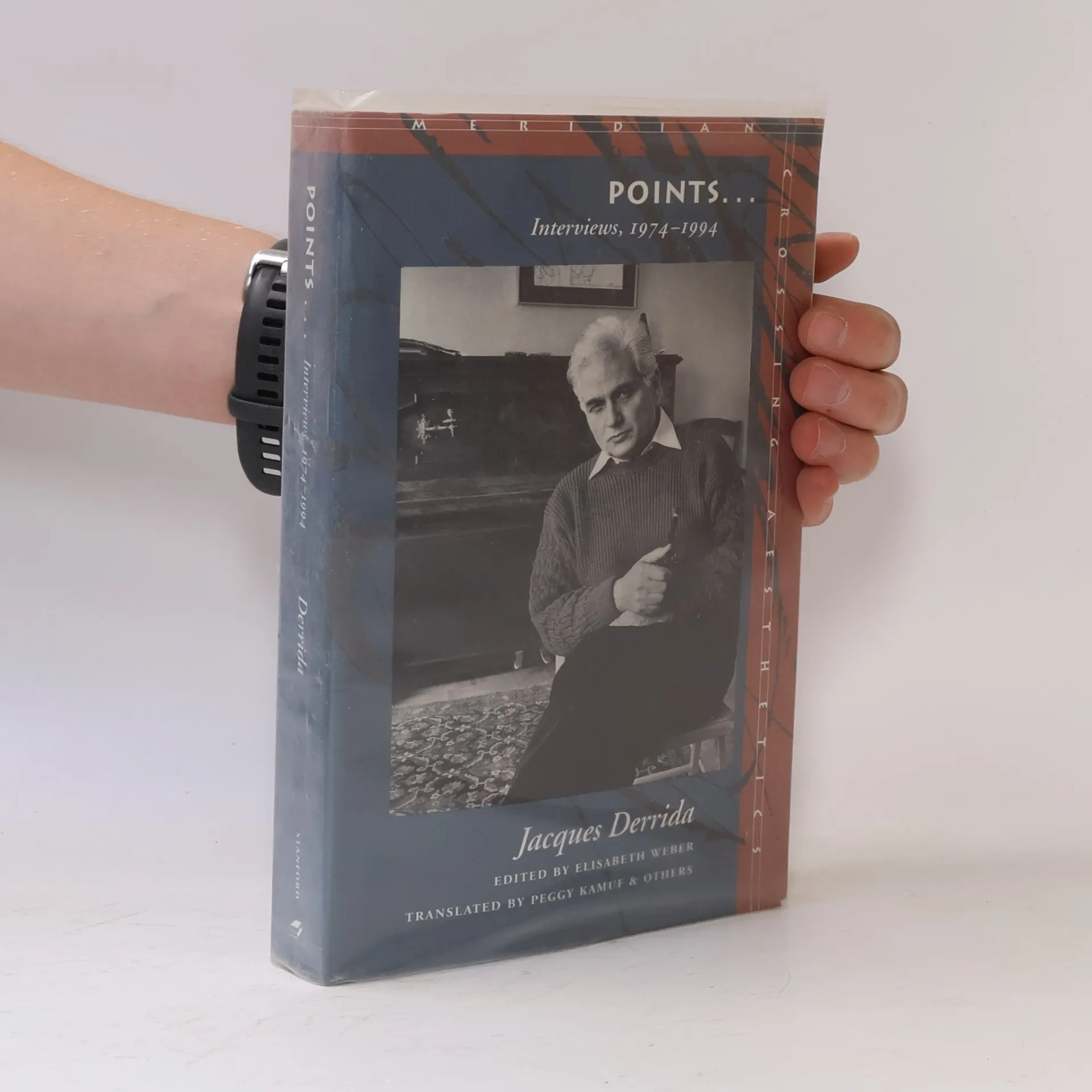
This volume compiles twenty-three interviews with Jacques Derrida from the past two decades, showcasing the extensive range of his interests. Topics include philosophy education, sexual difference, media, AIDS, language, nationalism, politics, and his early life experiences. Notably, some interviews provide unique insights not found elsewhere in his work, such as discussions on Heidegger, drugs, and poetry. Key questions addressed include the role of feminist discourse in deconstruction, the influence of Derrida's background as an Algerian Jew during World War II, and the relationship between language-based approaches and subjectivity-focused models like those of Foucault and Lacan. Derrida responds to these inquiries with depth and intensity, exhibiting a patient and generous oral style. His tone shifts according to the interviewer and topic—ranging from militant to playful, strategic to impassioned. The informal nature of the interviews often leads to clear and concise explanations of significant aspects of his philosophy. Sixteen interviews are presented in English for the first time, including a newly conducted interview about a recent exchange in the New York Review of Books.
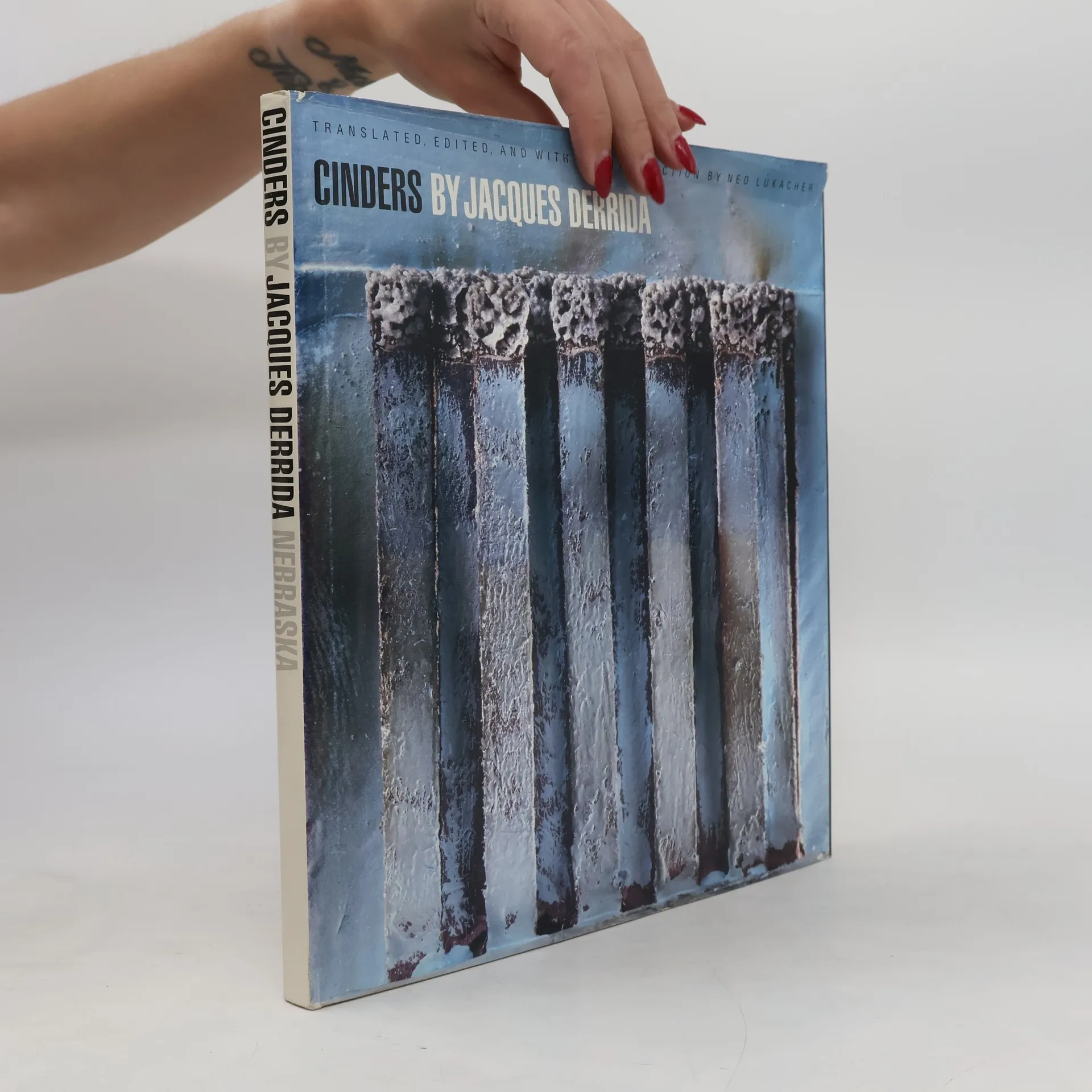
Jacques Derrida's Cinders is among the most remarkable and revealing of this distinguished author's many writings. White Derrida customarily devotes his powers of analysis to exacting readings of texts from Plato and Aristotle to Freud and Heidegger, readers of Cinders will soon discover that here Derrida is engaged in a poetic self-analysis. Ranging across his numerous writings over the past twenty years, Derrida discerns a recurrent cluster of arguments and images, all involving in one way or another ashes and cinders. First published in 1982, revised in 1987, and printed here in a bilingual edition, Cinders enables readers to follow the development of Derrida's thinking from 1968 to the present as it defines itself as a persistent questioning of origins that invariably leads to the thought of ash and cinder. Written in a highly condensed poetic style, Cinders reveals some of Derrida's most probing etymological and philosophical reflections on the relation of language to the human. It also contains some of his most essential elaborations of his thinking on the feminine and on the legacy of the Holocaust in contemporary poetry and philosophy.Uniquely accessible to readers who have only recently begun to read Derrida and essential for all those familiar with Derrida's work, Cinders is an evocative and thoughtful contribution to our understanding of deconstruction.
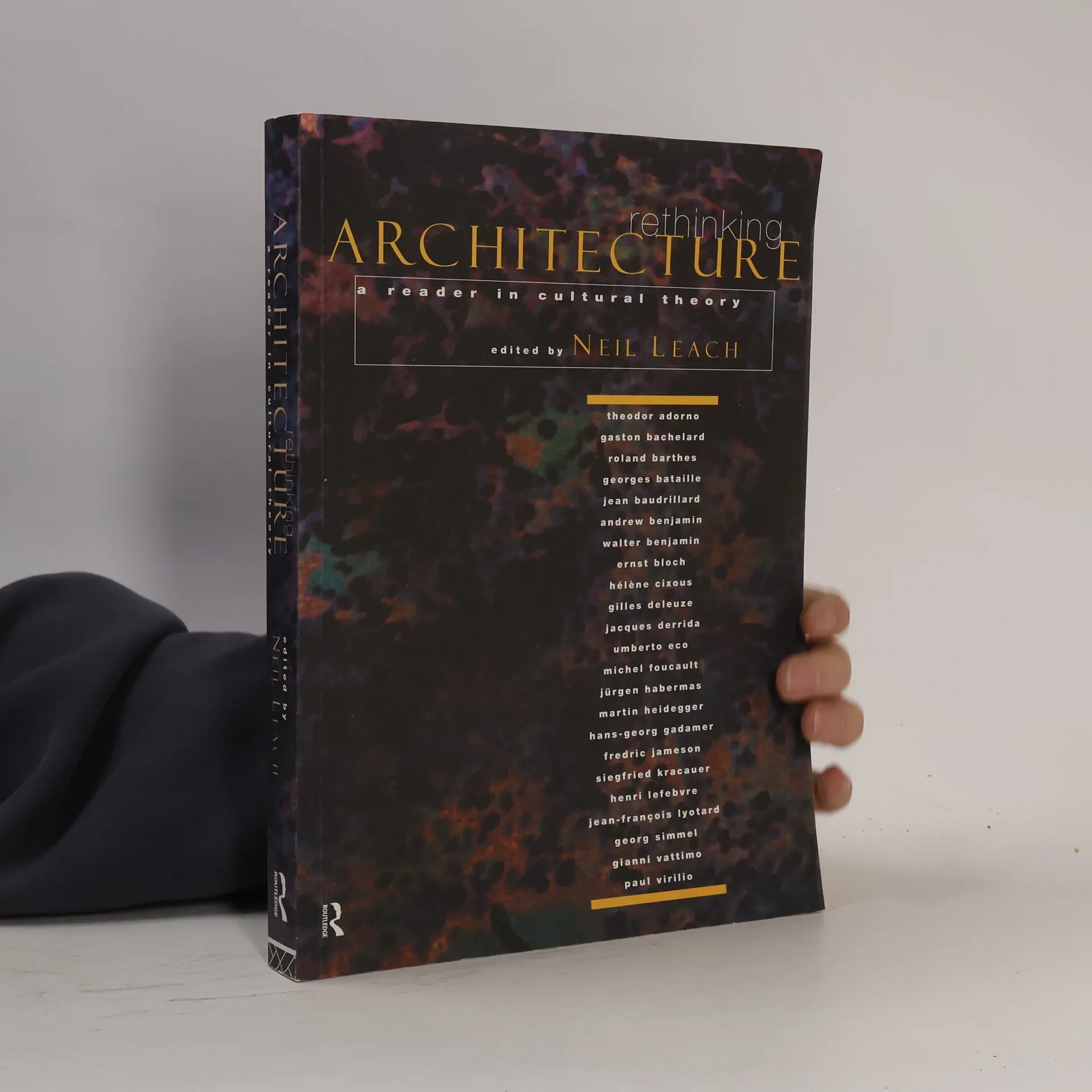
The collection features essential writings from influential philosophers and cultural theorists of the twentieth century, exploring the foundational ideas that have shaped urban environments and architectural experiences. It delves into the theoretical frameworks that underpin contemporary architecture, offering insights into the cultural and philosophical contexts that inform our understanding of space and design. This compilation serves as a critical resource for those interested in the intersection of architecture, philosophy, and urban theory.
Mit keinem anderen literarischen Œuvre hat sich Derrida so ausführlich beschäftigt wie mit dem Maurice Blanchots, der unter französischen Intellektuellen bereits seit langem einen legendären Ruf genießt, im deutschsprachigen Raum jedoch bisher kaum rezipiert wurde. In den vier Texten, die der Band versammelt, setzt sich Derrida in jeweils höchst unterschiedlicher Weise der Faszination aus, die von den Erzählungen Blanchots ausgeht. Ohne Fragen akademischer Literaturwissenschaft auszuklammern, beschreiten seine Arbeiten „literarische“, von Blanchot infizierte Wege: Es sind Lektüren, die sich ausdrücklich auf „verrückte“ Hypothesen stützen – so der Versuch, Percy Bysshe Shelleys Gedicht Triumph of Life mithilfe einer Erzählung Blanchots lesbar zu machen, oder gespensterhafte Dialoge, die rigoros dem Funktionieren kleinster sprachlicher Partikel nachspüren und dabei Grundfragen der Literatur - ebenso wie der Sprechakt - und der Übersetzungstheorie aufwerfen.
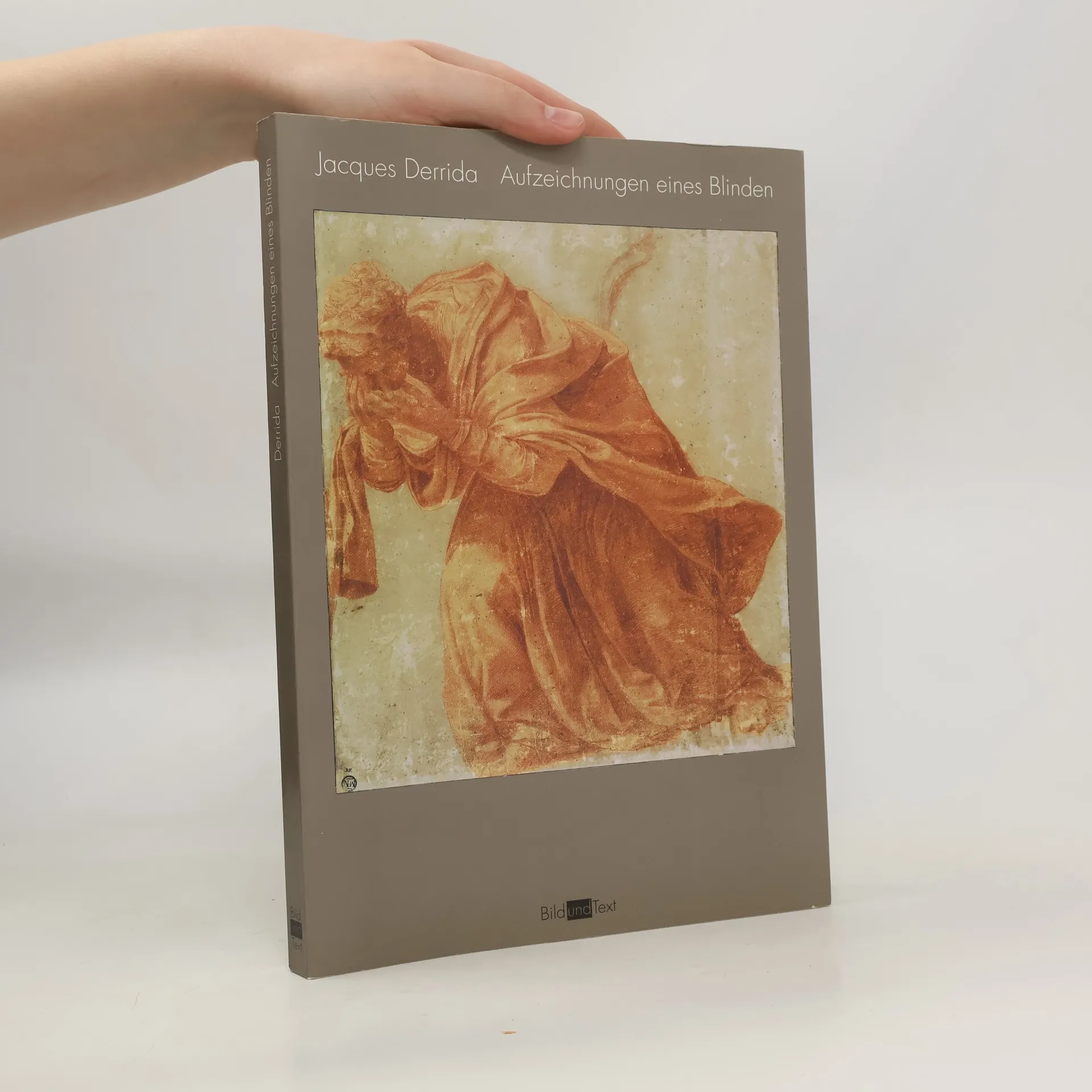
'Ich schreibe, ohne es zu sehen. Ich bin gekommen. Ich wollte Ihnen die Hand küssen. Es ist das erste Mal, das ich im Dunkeln schreibe, ohne zu wissen, ob ich Buchstaben bilde. Überall, wo nichts auf dem Blatt stehet, sollen Sie lesen, dass ich Sie liebe'. Mit diesem Zitat aus einem Brief Diderots an Sophie Volland eröffnet Jacques Derrida seinen brillanten Essay über Malerei, Zeichnung, Visionen, Blindheit, Selbstportraits, Vaterschaft, Konversionen, Konfessionen und Tränen. In den Aufzeichnungen eines Blinden geht es um das Sehen in der Malerei und Zeichnung und dessen Zusammenhang in einem Sehen jenseits der Sinne: visionäre Einsichten oder Erleuchtungen, die in der Malerei oft als Blendung und Erblinden dargestellt werden. Der Künstler sieht nicht, was er darstellt, so Derridas These, er arbeitet blind aus dem Gedächtnis und für das Gedächtnis.
Positions is a collection of three interviews with Jacques Derrida that illuminate and make more accessible the complex concepts and terms treated extensively in such works as Writing and Difference and Dissemination. Derrida takes positions on his detractors, his supporters, and the two major preoccupations of French intellectual life, Marxism and psychoanalysis. The interviews included in this volume offer a multifaceted view of Derrida. "Implications: Interview with Henri Ronse" contains a succinct statement of principles. "Seminology and Grammatology: Interview with Julia Kristeva" provides important clarifications of the role played by linguistics in Derrida's work. "Positions: Interview with Jean-Louis Houdebine and Guy Scarpetta" is a wide-ranging discussion that touches on many of the polemics that Derrida's work as provoked. Alan Bass, whose translation of Writing and Difference was highly praised for its clarity, accuracy, and readability, has provided extremely useful critical notes, full of vital information, including historical background.
In seinem persönlichsten Gespräch gesteht uns Derrida sein lebenslanges Ringen mit zwei klassischen Topoi der Philosophie ein, indem er sagt: „Ich habe niemals leben gelernt“ und: „Ich habe nicht gelernt, den Tod zu akzeptieren“. Reflexionen über die Figuren der „Generation“, der „Treue“ und des „Erbes“ kreisen immer wieder um den zentralen Begriff des „Überlebens“, das nicht zum Leben oder Sterben hinzutritt, sondern etwas „Ursprüngliches“ ist („Leben ist Überleben“) und letztlich sogar als das „Leben in seiner größtmöglichen Intensität“ bezeichnet werden kann. In Auseinandersetzung mit aktuellen geopolitischen Themen, die auch mit einer neuen Verantwortung „Europas“ verbunden sind, sowie in der erklärten Leidenschaft für die Sprache erweist sich Derrida erneut als vehementer Verteidiger der Komplexität und des Aporetischen gerade auch in den medialen Diskursen, als Verteidiger eines „unbestechlichen Ethos des Schreibens und Denkens“.
Ein Nachruf und eine Antizipation. Blanchots ebenso nüchterne wie luzide Schreibweise, die unablässig die Bedingungen ihrer eigenen Möglichkeit befragt, hat den verschiedensten Bereichen ihre Spuren eingegraben: Literatur und Philosophie, Psychoanalyse, Theorie der Sprache, Geschichte und Politik. Nichts, was das vergangene Jahrhundert in Unruhe versetzt hat, keine seiner Erfindungen und Kataklysmen, seiner Mutationen, seiner Revolutionen und Monstrositäten ist der hohen Spannung seines Denkens und seiner Texte entgangen. Auf all das hat er geantwortet, indem er sich einer unerbittlichen Weisung unterwarf. Er tat das ohne den Schutz einer Institution, jenseits der Universität oder einer anderen von der Macht begünstigten Gruppierung. In seinem Nachruf auf den toten Freund betont Jacques Derrida, dass sich die manchmal unsichtbare Strahlkraft von Blanchots Werk nicht mit Begriffen wie „Einfluss“ oder „Gefolgschaft“ definieren lässt. Blanchot hat nicht „Schule gemacht“. Sein Erbe hat sich ins Denken derer, die ihm nah waren, tiefer und inwendiger eingegraben als der „Einfluss“ eines „Lehrers“.
»Was geschieht«, so fragt Derrida, »mit den Begriffen der ›Politik‹, des ›Kriegs‹ und des ›Terrorismus‹, wenn das alte Gespenst der staatlichen Souveränität seine Glaubwürdigkeit verliert?«
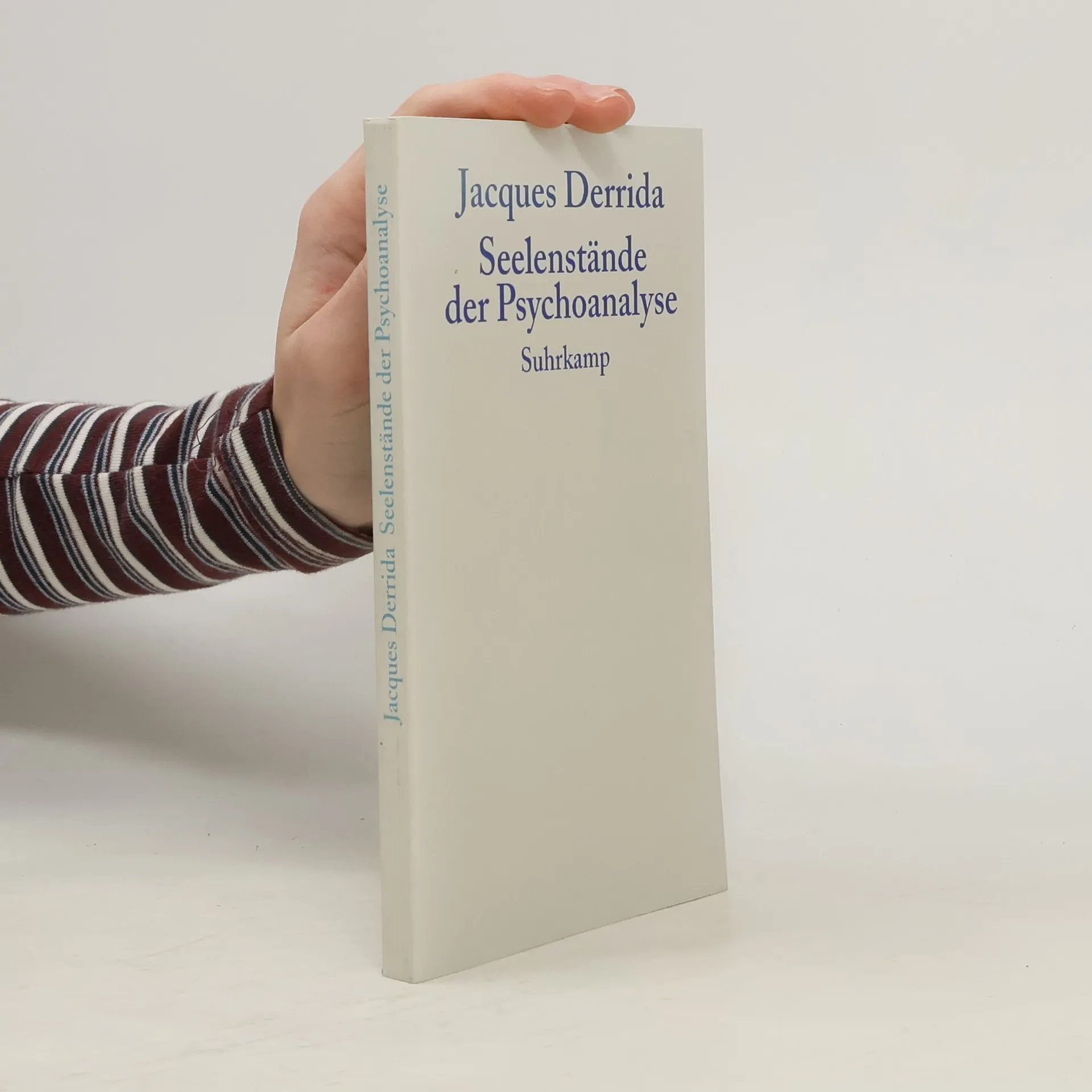
Daß die Psychoanalyse inzwischen auch unter Philosophen ein wenig aus der Mode gekommen ist, ficht ihn nicht an, veranlaßt ihn vielmehr, noch deutlicher offenzulegen, was ihn selbst an der Psychoanalyse berührt. Das zeigen die hier versammelten Texte aus den Jahren 1988 bis 1991. Aus Liebe zu Lacan (1990) ist trotz aller massiven Kritik ein entschiedenes Plädoyer für einen neuen Schwung in der philosophischen Auseinandersetzung mit dem Lacanschen Werk. Mit »Gerecht sein gegenüber Freud« nimmt Derrida - nach fast dreißig Jahren - die Beschäftigung mit Foucaults frühem Hauptwerk Wahnsinn und Gesellschaft wieder auf. Der Vortrag Widerstände schlägt den Bogen vom Motiv des Widerstands in Theorie und Praxis der Psychoanalyse bis zum Widerstand gegen die Psychoanalyse.
Philosophische und politische Tragweite seines Denkens. Das Kolloquium von Heidelberg
160 páginas
6 horas de lectura
Welche Konsequenzen hat Heideggers Verhältnis zum Nationalsozialismus für die Deutung seines philosophischen Werks? Jacques Derrida, Hans-Georg Gadamer und Philippe Lacoue-Labarthe gingen bereits lange vor dem Erscheinen der „Schwarzen Hefte“ dieser Frage nach. Am 5. und 6. Februar 1988 fand in der Universität von Heidelberg das Kolloquium „Heidegger: Portée philosophique et politique de sa pensée“ statt. Im selben Hörsaal, in dem Heidegger 1933 seine „Rede über die Universität im neuen Reich“ gehalten hatte, sprachen drei der besten Heidegger-Exegeten – Jacques Derrida, Hans-Georg Gadamer und Philippe Lacoue-Labarthe – über die Frage der Deutung von Heideggers Werk vor dem Hintergrund seiner Verbindung zum Nationalsozialismus. Die aus dem Stegreif gehaltenen Beiträge stießen auf großes Publikumsinteresse und fanden ein breites Echo, nicht zuletzt, weil Derrida und Gadamer nach ihrer Begegnung im Jahr 1981 in Paris erstmals wieder das öffentliche Gespräch aufnahmen. Außerdem war kurz zuvor in Frankreich Víctor Farías" vieldiskutiertes Buch über Heideggers Verstrickungen in das NS-Regime erschienen. Die nach wie vor heftig umstrittene Thematik wird von den drei Philosophen differenziert und facettenreich ausgeleuchtet.
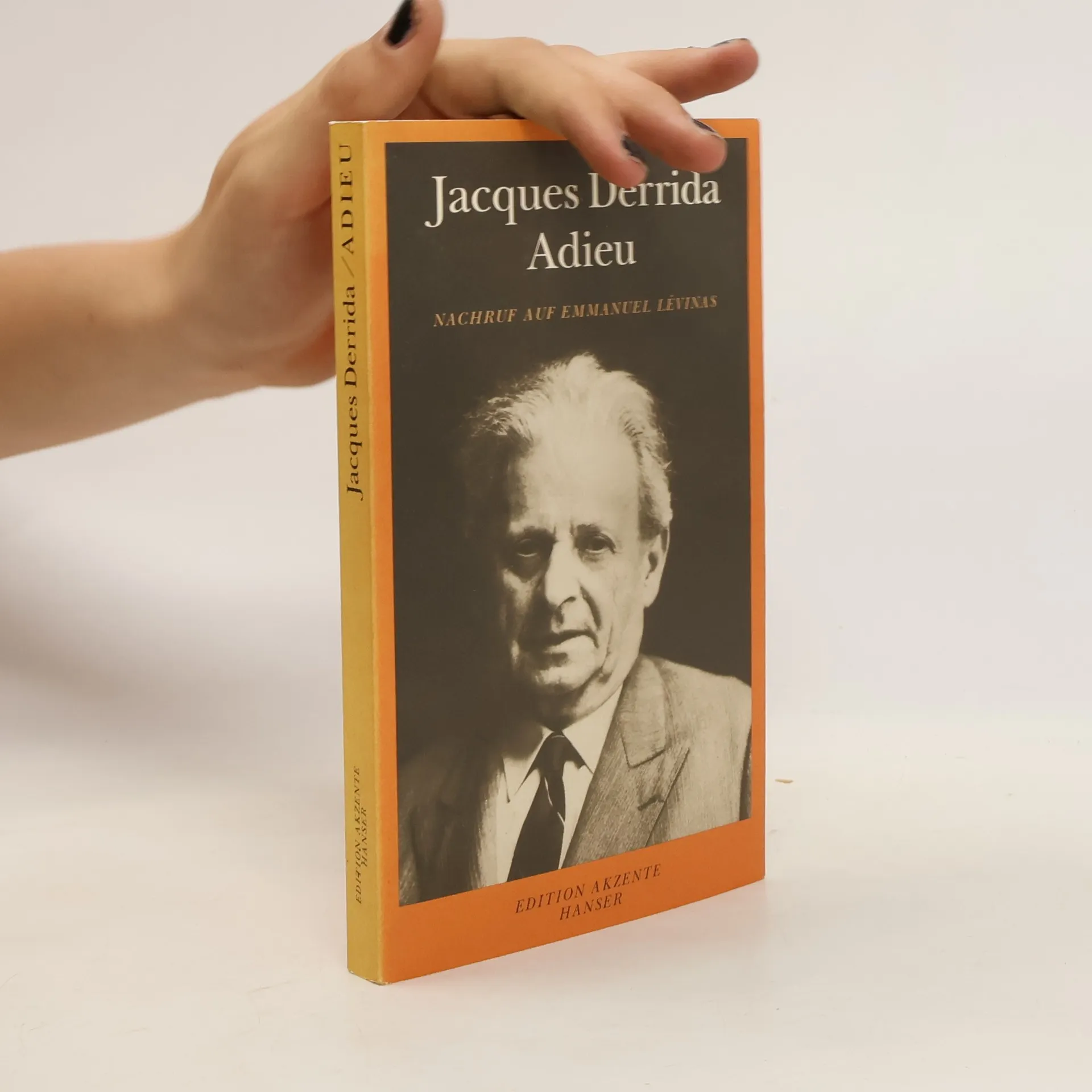
Emmanuel Lévinas, 1995 gestorben, wurde mit seiner Philosophie weit über die Grenzen Frankreichs und seiner Fachkollegen hinaus bekannt. Er war derjenige, der wie kein anderer die Ethik zurückbrachte zu den Menschen, von denen sie spricht. Jacques Derrida gibt in seinem Buch eine Einführung in das Werk von Lévinas und nimmt mit seiner Totenrede Abschied von einem Freund und Lehrer.
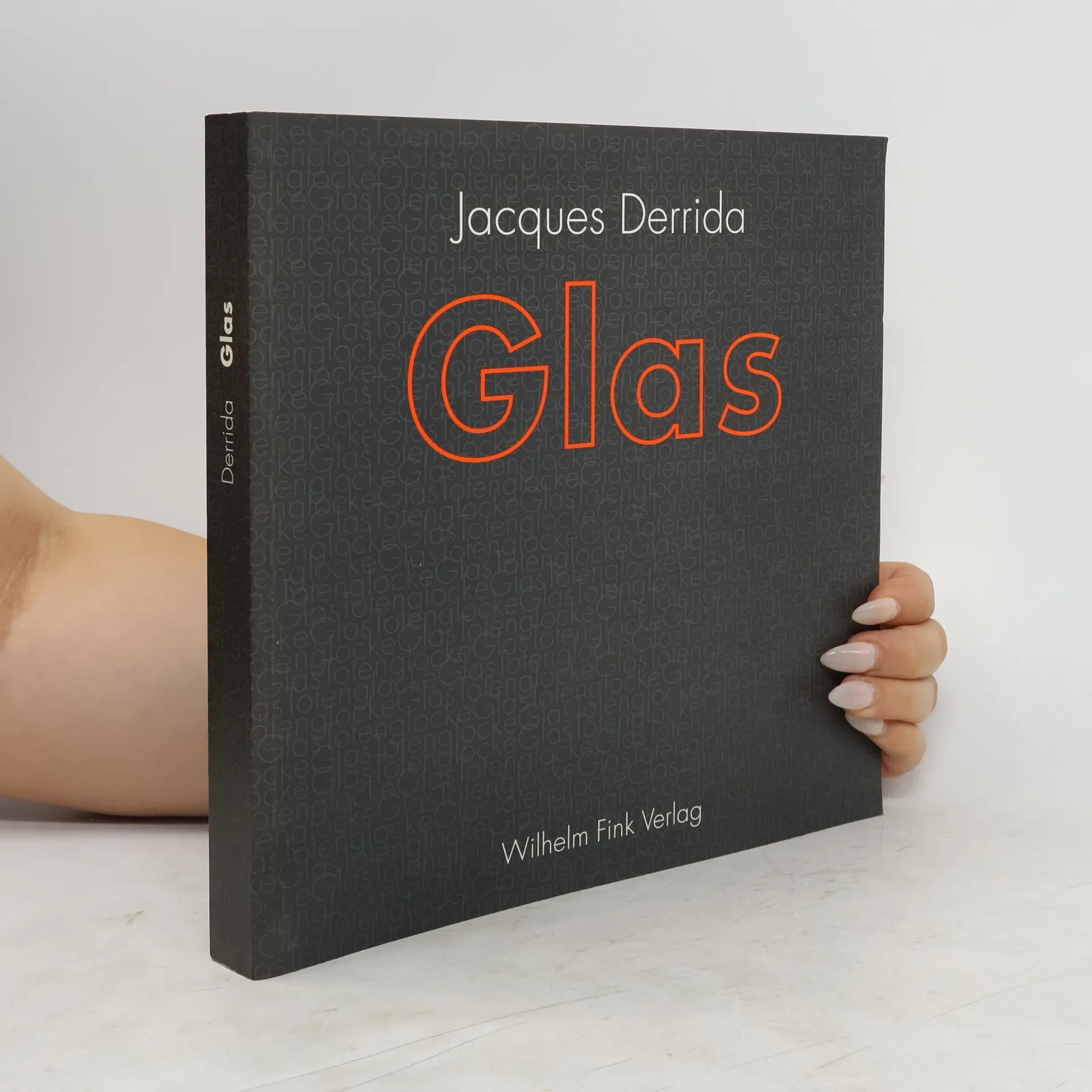
Glas, ursprünglich 1974 erschienen, hat eine besondere Stellung in Derridas Werk und gilt als eines seiner bedeutendsten und rätselhaftesten Bücher. Lange Zeit fand es keinen deutschen Übersetzer, hat sich jedoch paradigmatisch in die späteren, mittlerweile schnell ins Deutsche übertragenen Werke eingeschrieben. Die Form von Glas ist außergewöhnlich: Sie folgt einem durchlaufenden Doppelspaltenprinzip, ohne erkennbaren Anfang oder Ende und ohne Kapiteleinteilungen. Der Text besteht aus zwei Kolumnen, die zwei Autoren gewidmet sind, die auf den ersten Blick nichts gemeinsam haben und unterschiedliche Diskurse repräsentieren: Philosophie und Literatur. Die beiden Autoren sind Hegel, der Denker der Familie, und Genet, der Poet der homosexuellen Liebe. Diese Porträtierung offenbart eine gemeinsame Grundlage: die familiäre Strukturierung des Begehrens, insbesondere die Liebe zwischen Vater und Sohn. Im Rahmen dieser Genealogie behandelt das Werk auch die verschiedenen Weisen der Trauerarbeit: einerseits die monumentale Errichtung des Gedächtnisses im System der hegelschen Dialektik und andererseits die nie endende Zeremonie des Abschieds, das Totenfest, wie es in der deutschen Übersetzung von Genets Roman Pompes funèbre heißt.
Mit dieser in den Jahren 1953–54 zur Erlangung des Diplôme d'études supérieures verfassten Abhandlung beschreibt Jacques Derrida die »unübertreffbare Genauigkeit« und zugleich das »irreduzible Ungenügen« der husserlschen Philosophie der Genese. In einem nüchternen, beinahe »algebraischen« Stil legt der erst 23-jährige Derrida in den unterschiedlichen Etappen von Husserls phänomenologischer Archäologie eine, hier noch von ihm als dialektisch bezeichnete, ursprüngliche Synthese der Genese frei. Die in minutiösen Analysen fassbar gemachte Unmöglichkeit, diese Synthese für einen einfachen Anfang der Phänomenologie zu reduzieren, verweist für ihn auf die Endlichkeit des Denkens, das sich ursprünglich mit seiner Existenz vermengt. Und so wird Derrida am Schluss seiner Abhandlung Husserls Worte vom Vorabend seines Todes zitieren, in denen sich seine zu keinem Ende kommende philosophische Suche nach einem reinen Anfang mit dem Ende seines eigenen Lebens verbindet: »Ich habe nicht gewusst, dass das Sterben so schwer ist. […] Fertig sein heißt von vorne anfangen.«
»Derridas fast zweieinhalbstündigen ›Gruß‹ an die ›Generalstände der Psychoanalyse‹ wird niemand, der dabei war, je vergessen.« Frankfurter Allgemeine Zeitung
Keiner ist ein besserer Führer durch Derridas Werk als er selbst. Im letzten langen Interview, das er vor seinem Tod gab, spricht der scharfsinnige, witzige Denker über Themen, die sein gesamtes Werk durchziehen: sein Verhältnis zu Philosophen wie Heidegger und Foucault, welche Rolle Marx noch für uns spielen kann, warum wir Freud nicht vergessen dürfen. Zugleich wendet er sich aktuellen Problemen wie der Genforschung, der Gewalt gegen Tiere, der Zukunft der Familie oder neuen Formen des Antisemitismus zu. In diesem Dialog mit der bekannten französischen Psychoanalytikerin und Intellektuellen Elisabeth Roudinesco erklärt der Meisterdenker noch einmal viele seiner umstrittenen Gedanken und Theorien. Er umreißt das französische Geistesleben der letzten 40 Jahre und gibt einen Ausblick auf Fragen der Gegenwart. Derrida und Roudinesco öffnen im Gespräch einen Horizont, geben erste Antworten auf anstehende und kommende Fragen und verweisen auf die Dämmerung, in der sich abzeichnet, „woraus. Morgen gemacht sein“ wird.
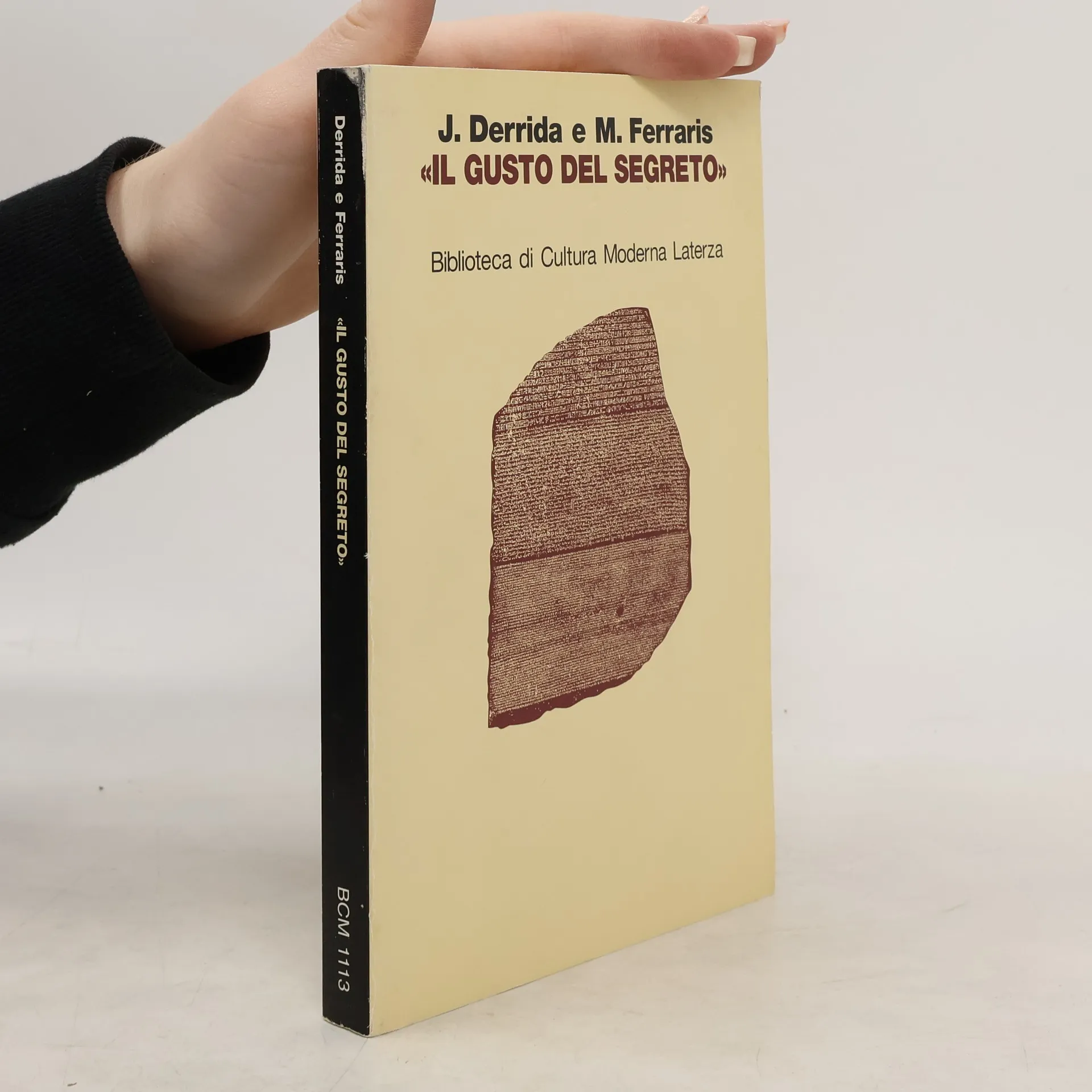
«Se la trasparenza dell'intelligibilità fosse assicurata, distruggerebbe il testo, mostrerebbe che non ha avvenire alcuno, che non deborda il presente, che si consuma immediatamente; dunque una certa zona di misconoscimento e di incomprensione è anche una riserva e una possibilità eccessiva – una possibilità per l'eccesso di avere un avvenire, e di conseguenza di generare nuovi contesti. Se tutti possono capire subito quel che voglio dire non ho creato alcun contesto, ho meccanicamente risposto all'attesa, ed è tutto lì, anche se la gente applaude e magari legge con piacere; poi, chiude il libro, ed è finita».
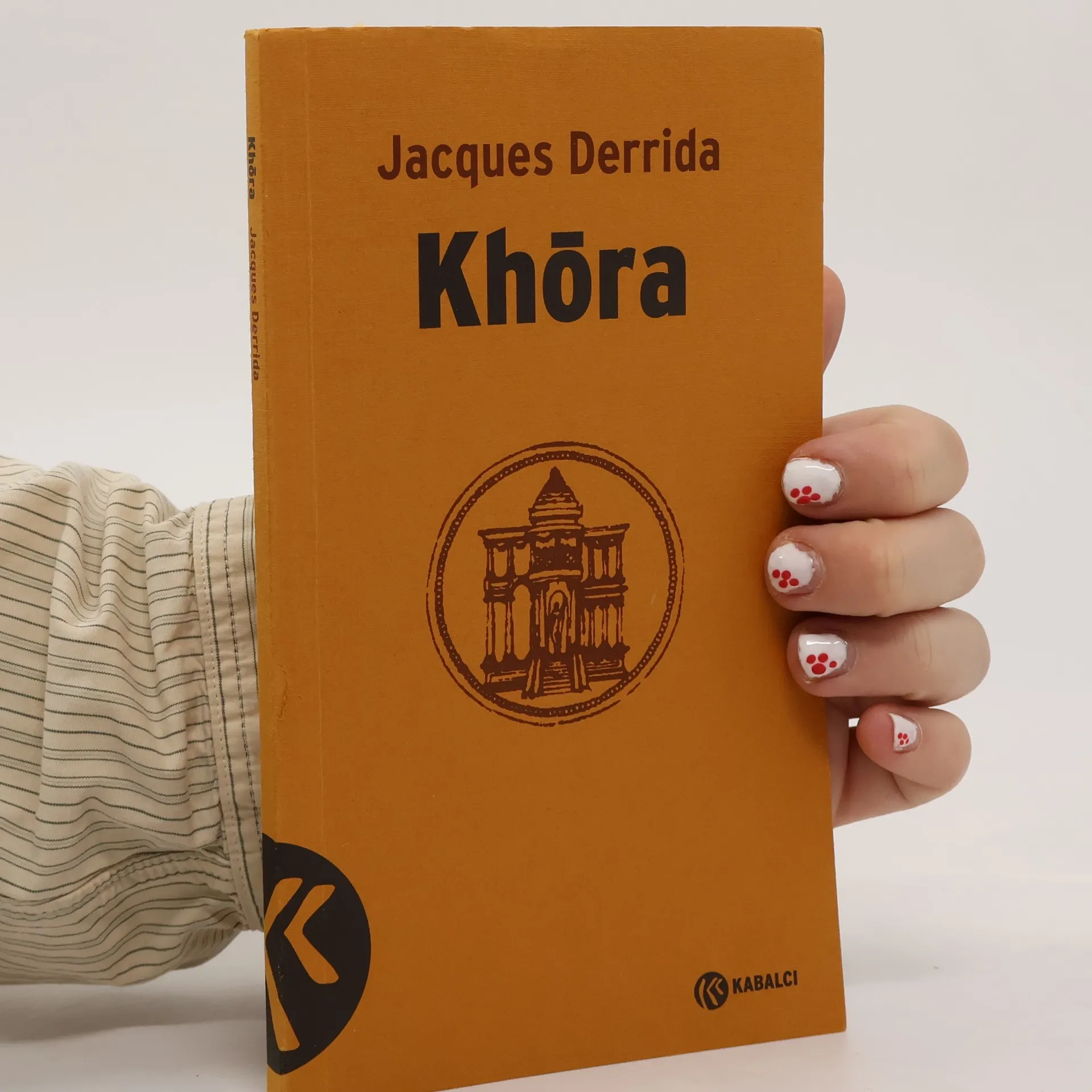
Derrida'nın 1987 tarihli metni, antik Yunan'ın büyük tarihçisi ve mitologu Jean-Pierre Vernant için yazılmış bir katkıdır ve Platon'un Timaeus diyalogunda "tüm varoluşun alıcısı ve aynı zamanda emzireni" olarak tanımlanan Chora üzerine bir denemedir. Chora, akılcı olanın duyusal imgelerinin oluşumunu mümkün kılar. Heidegger'e kadar uzanan yorumlarla Chora, geniş alanın ve saf alıcılığın öncüsü olarak ele alınmıştır. Ancak bu, onun duyusal ile akılcı olan arasında "üçüncü bir cins" olarak konumunu sorgulama provokasyonunu kaybettirir. Chora, her şeyi alır ama kendisi hiçbir şeyi kabul etmez; her şeye bir yer verir, ama kendisini asla bir yere sabitlemez. Chora, Sokrates'in her şeyi duyup kendine hiçbir şey saklamayan tuhaf yersiz yerini tanımlamaz mı? Chora, mitos ile logos arasındaki farktan önce gelen felsefenin bir üretim yeri değil midir? Derrida, Platon'un metinleri ile Platonculuğu arasındaki ilişkiyi radikal bir şekilde sorguladığı parlak bir okumada bu sorulara ulaşır.
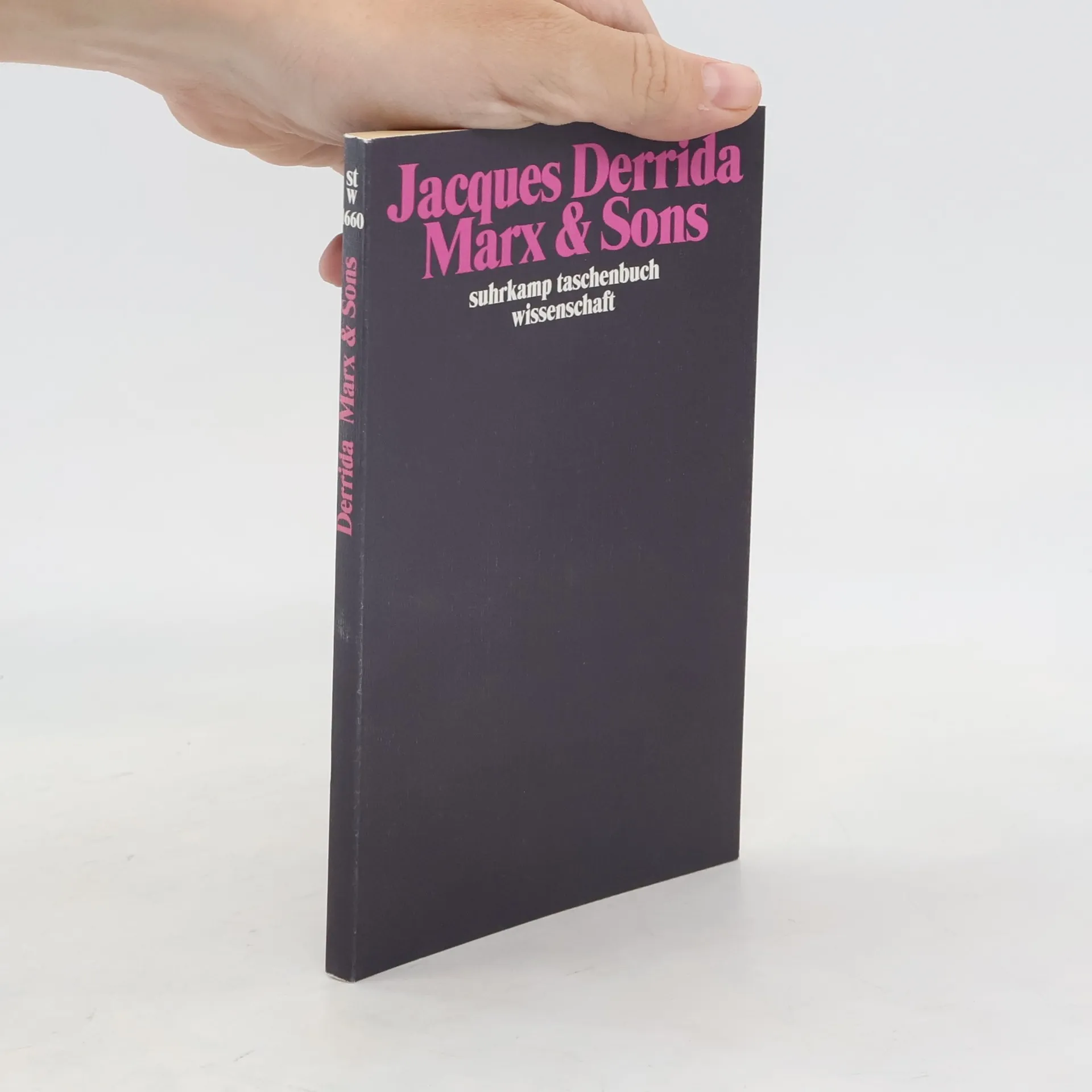
In seinem neuen Buch, Marx & Sons, das hier erstmalig in deutscher Übersetzung vorgelegt wird, nimmt Derrida die vehementen Debatten, die sein Buch Marx’ Gespenster ausgelöst hat, auf und nutzt seine Replik zu einer radikalen Auseinandersetzung mit der historischen Bedeutung des Marxismus. Dabei steht die Frage des Erbes und der Erbschaft im Mittelpunkt der Überlegungen. »Wie kann man auf das Erbe antworten«, fragt Derrida, »wie kann man sich für ein Erbe verantwortlich fühlen, wenn diese Erbschaft widersprüchliche Anweisungen gibt?« Was ist die Erbschaft des Marxismus? Und welche Bedeutung kann sie heute haben?
Anhand der Möglichkeit der Selbstlüge oder Selbsttäuschung dekonstruiert Jacques Derrida in diesem Buch die Unterscheidung zwischen Lüge und Irrtum, wie sie in den großen Texten der metaphysischen Tradition (Platon, Augustinus und andere) getroffen wurde. Ein einheitlicher und zuverlässiger Begriff der Lüge, der sich durch unsere sogenannte abendländische (jüdisch, griechisch, römisch, christlich, islamisch geprägte) Tradition zieht, müsste nicht nur einer theoretischen Historizität Rechnung tragen, um ihn von anderen Begriffen in anderen Geschichten und Kulturen zu unterscheiden. Auch die Annahme einer praktischen, sozialen, politischen, rechtlichen und technischen Historizität, die ihn umgeformt und sogar Brüche im Inneren unserer Tradition verursacht hat, gilt es zu untersuchen. Derrida geht der Frage nach, ob man überhaupt zwischen einer Historie des Begriffs der Lüge, einer Geschichte der Lüge – also aller Ereignisse, die der Lüge widerfahren oder aufgrund der Lüge passiert sind – und einer wahren Geschichte, welche die Erzählung (Historie, historia rerum gestarum) dieser Lügen oder der Lüge im Allgemeinen strukturiert, unterscheiden kann. Er fragt, wie man eine Geschichte der Lüge erzählen kann, ohne selbst zu lügen.
Jacques Derrida und Hans-Georg Gadamer lernten sich in den frühen 80er Jahren kennen, und seit dieser Zeit entspann sich eine kontroverse Auseinandersetzung über die Hermeneutik, die Kunst der Interpretation, insbesondere über die Endlichkeit unseres Verstehens. Als Gadamer starb, hielt Derrida im Februar 2003 die Festrede zur Gedenkfeier der Universität Heidelberg. Mit einer eindringlichen Celan-Lektüre führt Derrida vor, wie das Gespräch mit Gadamer über seine letzte Unterbrechung hinaus am Ende zu einem ›ununterbrochenen Dialog‹ werden könnte. Dem Band beigefügt sind Kommentare Gadamers zu Celans Gedichtfolge Atemkristall sowie Materialien aus der Zeit der ersten Begegnung. In Derridas Reflexion über den Abschied und das Abschiednehmen kommt es hier zu einer letzten, vielleicht entscheidenden Annäherung.
Le " silence " phénoménologique ne peut donc se reconstituer que par une double exclusion ou une double réduction celle du rapport à l'autre en moi dans la communication indicative, celle de l'expression comme couche ultérieure, supérieure et extérieure à celle du sens. C'est dans le rapport entre ces deux exclusions que l'instance de la voix fera entendre son étrange autorité.
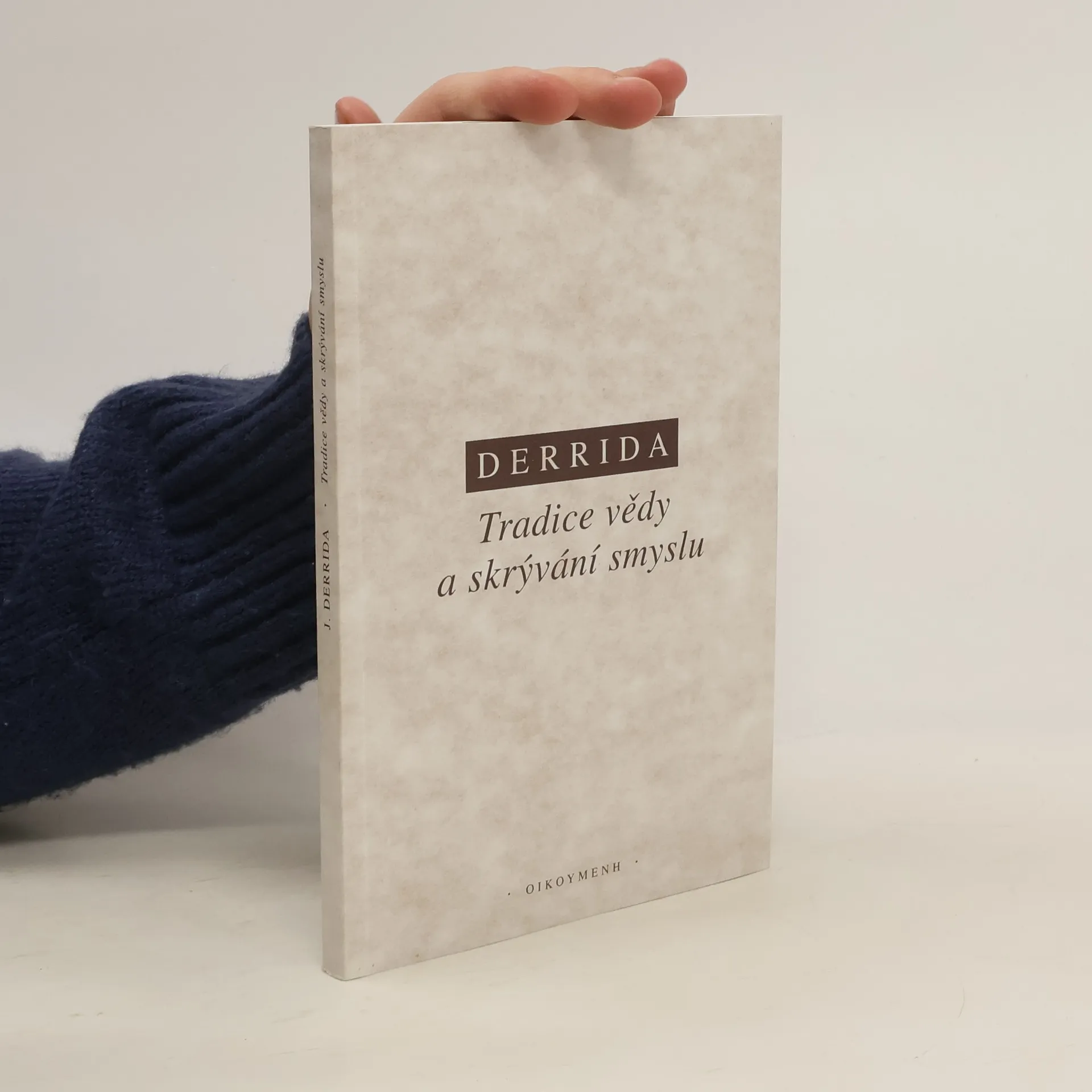
Komentář k Husserlovu "Původu geometrie". Podrobný rozbor této úvahy, která se zařazuje mezi dodatky ke "Krizi evropských věd", je věnován především problémům sedimentace smyslu, různých stupňů ideality a teleologie historického rozumu ve vztahu k možnosti ustavení přísné vědy. Derrida zde překvapivě vystupuje jako obhájce některých Husserlových základních tezí proti kritice vznesené W. Biemelem či M. Merleau-Pontym.
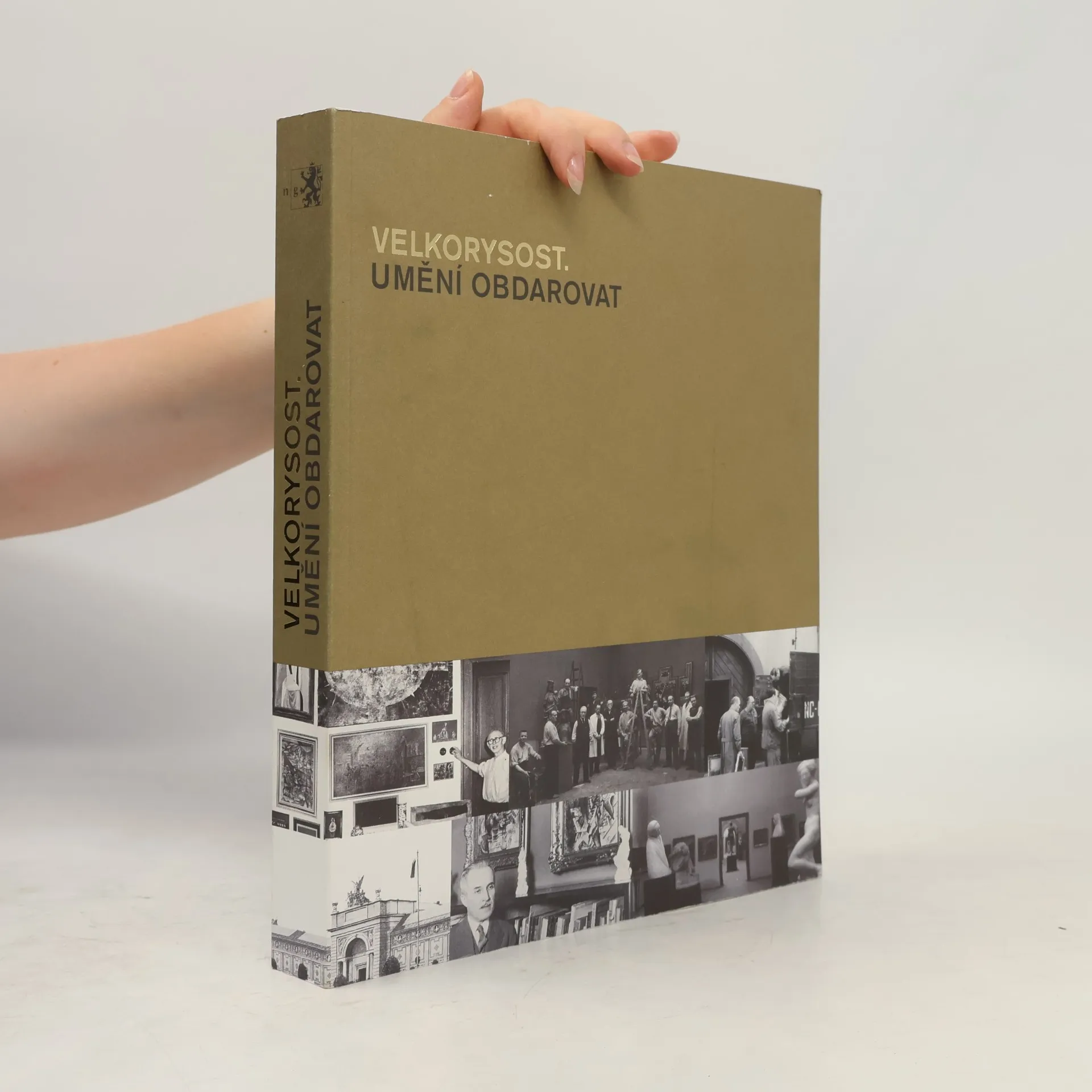
Publikace, jež vyšla k 220. výročí založení Společnosti vlasteneckých přátel umění, předchůdkyně Národní galerie v Praze, je souborem esejů představujících jakousi autobiografii Národní galerie v Praze, jejíž existence je mimo jiné založená na aktu velkorysých gest dávání a sdílení. Eseje vzdávají hold otcům zakladatelům, jednotlivým donátorům a institucím, umělcům a sběratelům, kteří galerijním sbírkám poskytli ničím nepodmíněný dar či dočasnou výpůjčku, provedli směnu nebo galerijním sbírkám – od starých mistrů přes grafiku a kresbu, umění Asie a Afriky až po umění 19. století a moderní a současné umění včetně architektury – a návštěvníkům prospěli jakýmkoli jiným způsobem. Kniha zahrnuje také texty věnované historii sběratelství a formativní roli štědrosti a velkorysosti v procesu vzniku sbírkových institucí. Komplexní obrázek dokreslují výňatky z filozofických, literárních a básnických děl, které problematiku velkorysosti zasazují do širších ideových souvislostí.
Çile, İsim Hariç, Khora, bu üç denemenin her biri bağımsız bir kitap oluşturur ve birbirinden ayrı olarak okunabilir. Bunları eşzamanlı olarak yayımlamak uygun görüldüyse, bunun nedeni her birinin tekil kökenine karşın aynı izleğin içlerinden geçiyor olmasıdır. Bir tür İsim Üzerine Deneme oluştururlar – üç bölümlü veya üç zamanlı. Bu aynı zamanda üç kurmacadır da. Bu kurmacaların kahramanlarının sessizce birbirlerine hitap ettikleri işaretleri izleyerek isim sorusunun çınladığı işitilebilir, orada, çağrının, isteğin veya vaadin kıyısında tereddüt ettiği yerde, yanıttan önce veya sonra. İsim Hariç, Angelus Silesius geleneğine yerleşerek, bütünüyle dil üzerine inşa edilmiş bir önermeye dayalı olan negatif teoloji kavramını aşmayı vaat ediyor. Apophatik düşünce çizgisi üzerinde Tanrı kavramı, mistik temaşa ve benzeşim sorunlarını ele alıyor.
Der Tod der Philosophie, das Ende der Geschichte, das Ende des Menschen, des Subjektes, des Abendlandes, des Fortschritts, der Menschheit – Diskurse über das Ende durchziehen das abendländische Denken.
Rozhovor Jeana Birnbauma s filozofom Jacquesom Derridom uverejnený v denníku Le Monde v predvečer jeho smrti. Je to úvaha o živote a smrti, inšpirovaná myšlienkami Imre Kertézsa v jeho eseji Kadiš. „Naučiť sa žiť“ – hovorí Derrida – to znamená dozrievať, učiť druhých aj seba samých, čo môže vyznievať ako hrozba (budem tvoriť, utvárať, formovať), najmä ak to nehovorí iba na adresu človeka, jednotlivca, či ľudstva, ale celej Európy, majúc pritom na mysli jej globalizáciu, ale inakšiu, inak uplatňujúcu princíp suverenity, politických zásad, aj medzinárodného práva – inú Európu, disponujúcu skutočnou vojenskou silou, nezávislou na NATO a Spojených štátoch a slúžiacou potrebám inej, ozdravenej OSN.
„Der Name Nietzsche nun ist vielleicht heute für uns im Abendland der Name des einzigen (vielleicht in anderer Weise mit Kierkegaard und vielleicht auch mit Freud), der von Philosophie und Leben, von Wissenschaft und Philosophie des Lebens mit seinem Namen, in seinem Namen gehandelt hat.“
Dva Derridovy příbuzné texty o náboženství a odpuštění umisťují současné myšlení do kontextu doby, charakterizované dvěma hlavními jevy. Prvním je „návrat náboženství“, zahrnující náboženské války, fundamentalismus a střet civilizací, ale také moderní projevy náboženství, jako jsou dalajlámova televizní diplomacie a papežovy cesty. Druhým fenoménem je „globalatinizace“, což je aliance mezi tele-technovědeckým kapitalismem a křesťanstvím jakožto zkušeností smrti boha. Tato dualita zahrnuje víru a tradicionalismus na jedné straně a vědění, sekularizaci a demokracii na straně druhé. Kniha se ptá, zda můžeme odmítat globalatinizaci a zároveň věřit v demokracii jako univerzální model. Jak můžeme myslet univerzalitu, která by nebyla pro druhého formou zla? Je dekonstrukce pokračovatelem Kantova projektu osvícenství? Derrida se snaží uchopit přítomnost jako filosof, religionista a teoretik demokracie, přičemž usiluje o myšlení celkovosti, globálnosti a univerzálnosti, avšak s respektem a odpovědností vůči druhému, předcházející sobě samému.
FEMMES, aký titul by bol spravodlivejší a rezonantnejší? V prednáške z roku 1972 sa skutočne objavili takéto návrhy: „Žena bude mojím predmetom“, „Neexistuje bytie alebo esencia ženy alebo sexuálnej diferencie...“, „Žena teda nebude mojím predmetom“, atď. Aby „dešifrovala túto inskripciu ženy“, písanie už nemôže dostávať svoje príkazy od filozofie alebo literatúry. Jacques Derrida tu mobilizuje otázku (za akých podmienok by písanie žien—o ženách a vracajúce sa k ženám—bolo, ak vôbec, možné a písania žien?); uvádza do série svoje nevyhnutnosti, páky, trajektórie, obraty, úskoky, apórie atď. Nevyhneme sa provokácii Nietzscheho. Jeho výroky o štýle, jeho štýly samy o sebe nie sú ničím iným ako výbuchmi za a proti ženám. Ako mohol tento odporca feminismu chápať afirmáciu žien? Ak sa inde obnoví nietzscheovská interpretácia; ak sa vo všetkých smeroch, v jazyku, mimo jazyka, poddáme takýmto „ostrohám“, potom enigmy, na prechode, urobia útes: napríklad heideggerovská interpretácia Nietzscheho alebo, pri jeho opustenej krypte, táto malá veta: „Zabudol som svoj dáždnik.“
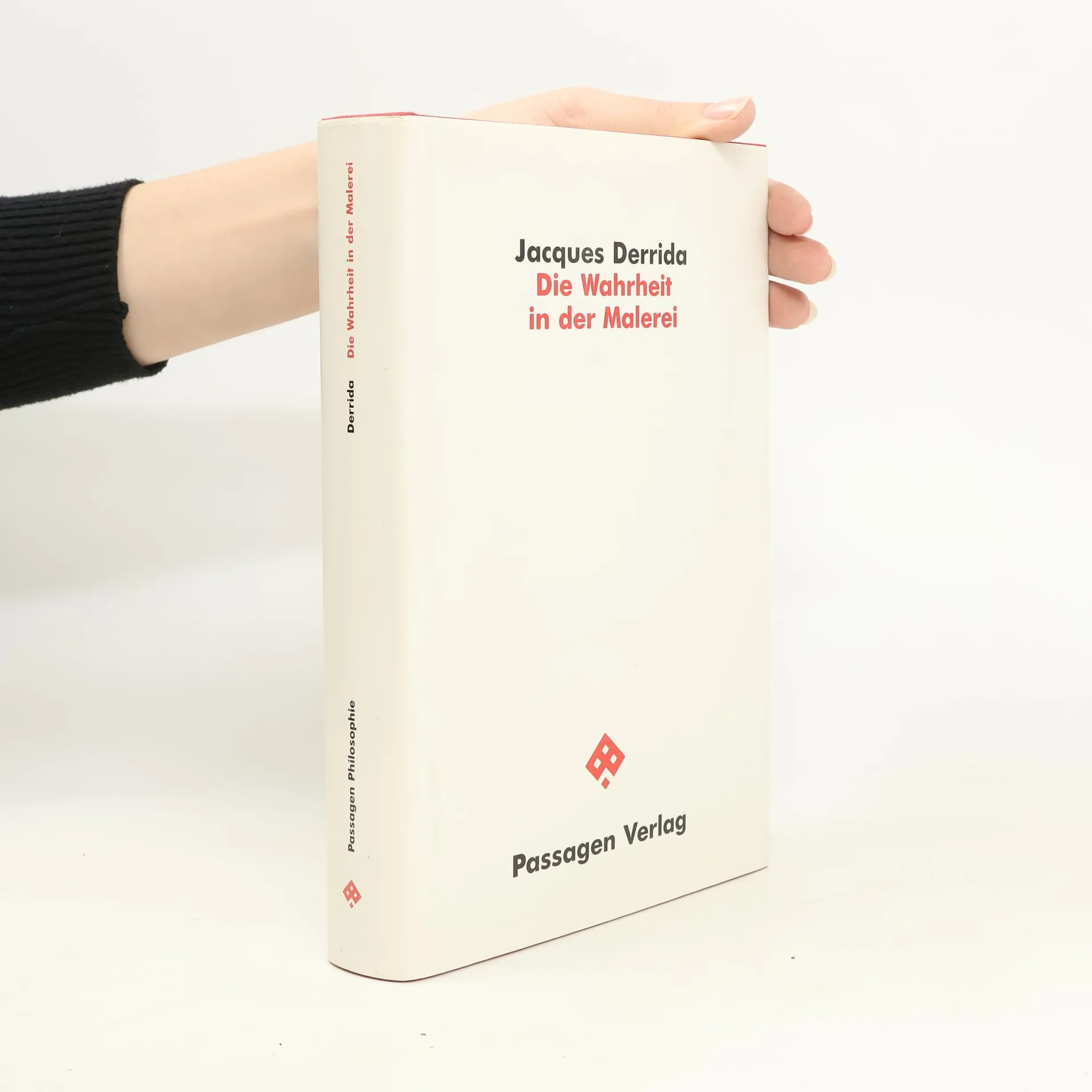
Derridas Buch zur Malerei untersucht die Kunst durch die Linse der Dekonstruktion, inspiriert von Cézannes Zitat. Es beleuchtet oft vernachlässigte Aspekte wie Rahmen und Kunstmarkt, um die Wahrheit der Malerei zu erfassen. Vier Ansätze, darunter Kant und Heidegger, führen zu einem Dialog über Van Goghs Schuh-Bilder und die Natur der Wahrheit.
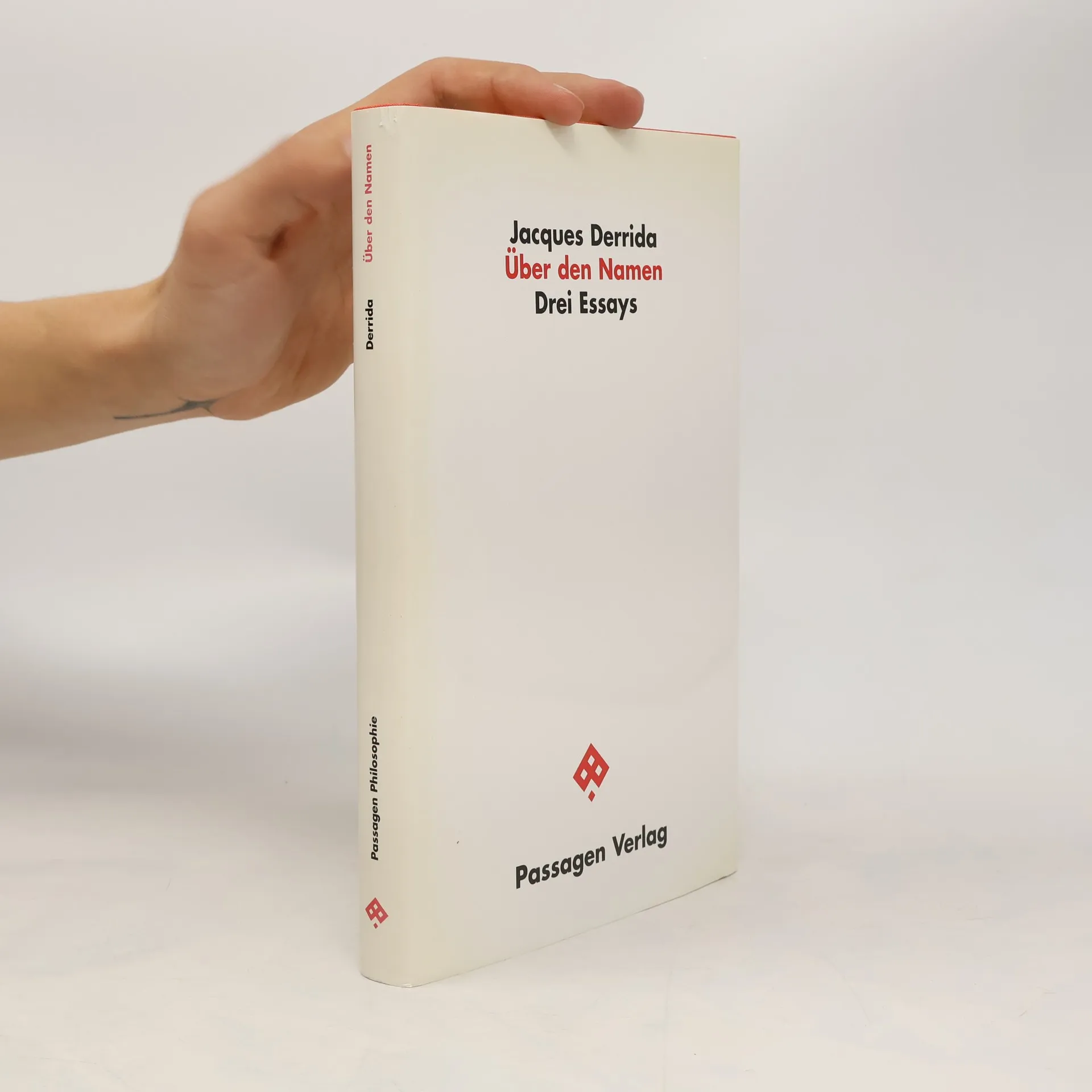
Drei Essays über den gegebenen Namen bilden den Kern von Derridas Überlegungen zu den Themen „Passionen“, „Außer dem Namen“ und „Chora“. Diese Texte sind jeweils eigenständig, beleuchten sich jedoch gegenseitig. In „Passionen“ wird die (Un)Möglichkeit der Antwort und der Verantwortung untersucht, basierend auf Reflexionen über Höflichkeit und Kant. Dabei wird die Frage aufgeworfen, was unter „Pflicht“ zu verstehen sei und ob es nicht eine doppelte Pflicht gäbe, sowohl die Sprache des Rituals als auch die der Pflicht zu vermeiden. Diese Überlegungen bleiben aporetisch und führen zur Feststellung, dass es ein Geheimnis gibt. „Außer dem Namen“ thematisiert in einem fiktiven Dialog den Namen Gottes und das Unnennbare, inspiriert von Angelus Silesius, und öffnet sich dem Anderen, indem es fordert, „den Anderen sein lassen“. Der Essay „Chora“, ein Beitrag zu einer Festschrift für Jean-Pierre Vernant, untersucht die Chora als „Amme allen Werdens“ und beleuchtet eine Aporie im platonischen Text. In allen drei Essays schwingt die Frage nach dem Namen mit einer politischen Dimension mit, die die „Demokratie im Kommen“ reflektiert.
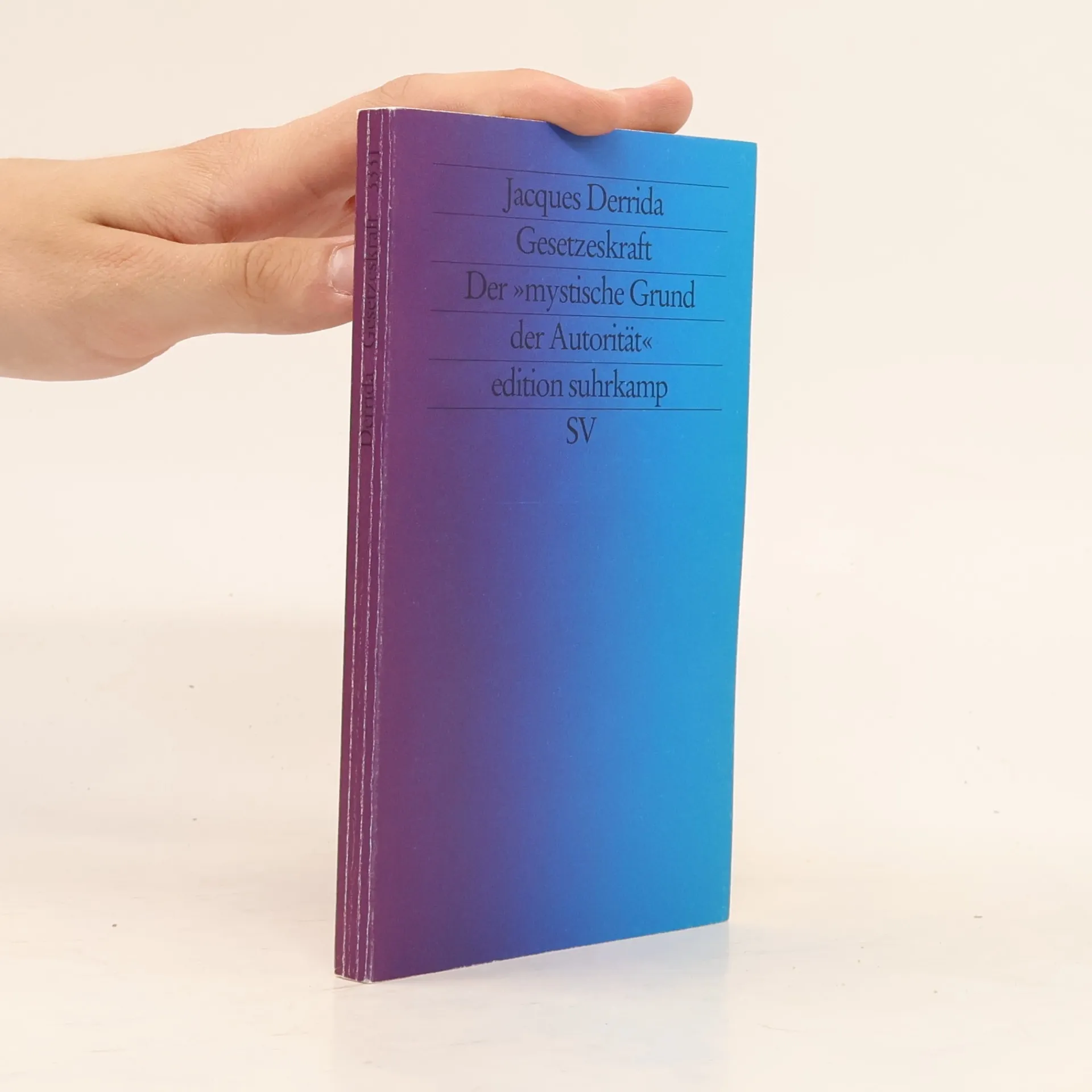
Die Frage nach Begründung und Funktion des Rechtes und dessen Verhältnis zu Gerechtigkeit ist gegenwärtig zu einem Thema geworden, das nicht allein Juristen und Rechtshistoriker beschäftigt, sondern immer stärker ins Zentrum generell philosophisch-geisteswissenschaftlicher Überlegungen rückt. Jacques Derrida geht im vorliegenden Text auf das Verhältnis von Dekonstruktivismus zu Recht und Gerechtigkeit ein. Kann der Begriff der Gerechtigkeit in dessen Diskurs, der ja jede feststehende Opposition aufzulösen sucht, überhaupt eine Rolle spielen, können die Dekonstruktivisten den Begriffen Recht und Gerechtigkeit sozusagen gerecht werden? Ist nicht vielmehr dieses Analyseverfahren von jedem Diskurs über Gerechtigkeit ausgeschlossen? Jacques Derrida, und dies macht sein Buch für die deutsche Tradition besonders interessant, versucht diese Frage zu lösen anhand einer Lektüre von Walter Benjamins »Zur Kritik der Gewalt«. Er leistet damit einen substantiellen Beitrag zu den aktuellen rechtsphilosophischen Fragen und weist zugleich Möglichkeit, Notwendigkeit und Gerechtigkeit einer dekonstruktivistischen Lektüre nach.
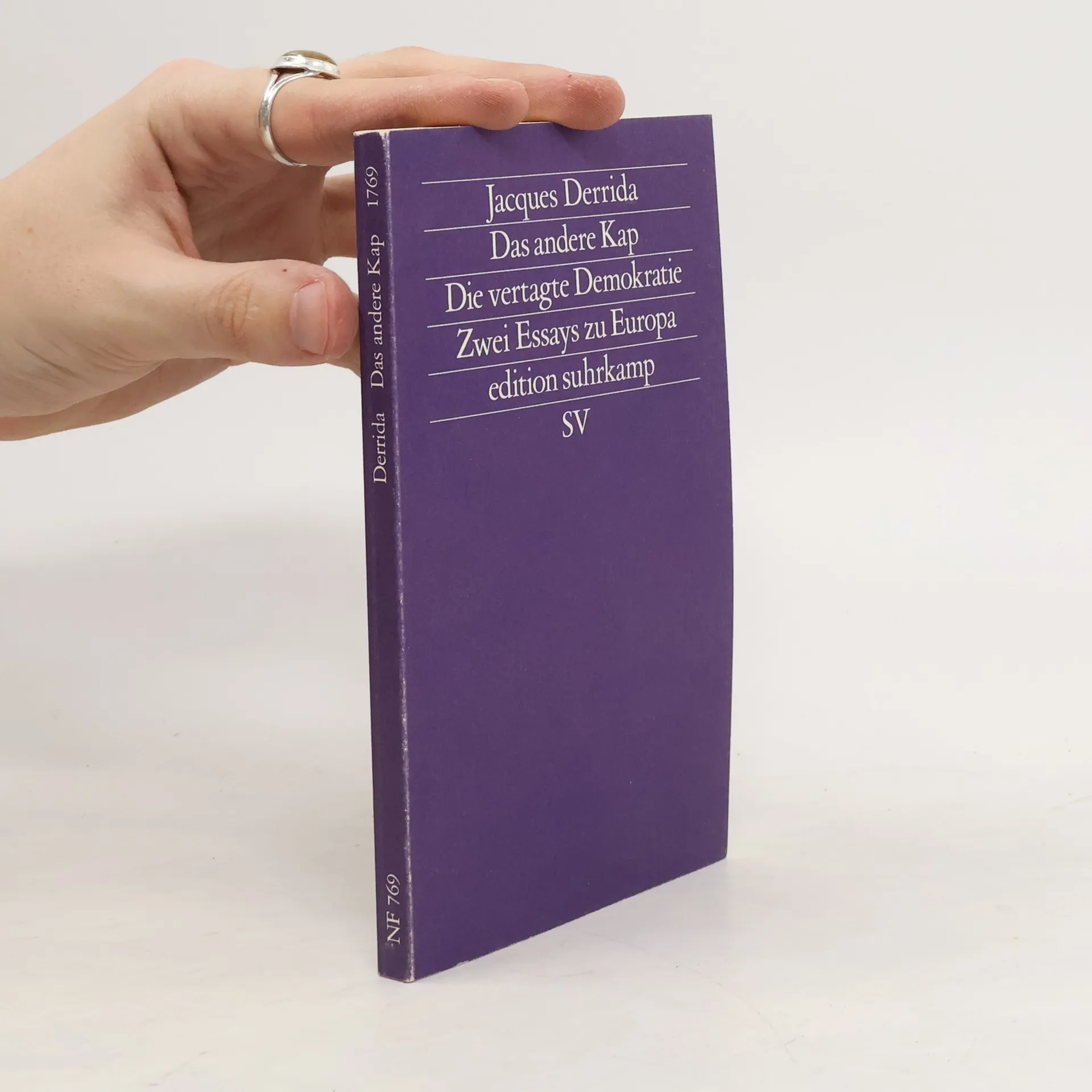
Der Band vereinigt zwei politische Texte Derridas: »Das andere Kap« und »Die vertagte Demokratie«. Im ersten geht es um die Identität Europas heute . Auf der einen Seite gibt es untrügliche Anzeichen, daß der nostalgische Traum eines glorreichen, beherrschenden Europas als der Kapitale der Welt wiederauflebt; auf der anderen Seite ist klar, daß unsere Zukunft als Europäer nur in der Differenzierung von dieser Vergangenheit liegen kann. In dieser Aporie, ihren Spannungen und Divergenzen, ist, so Derrida, Europas künftige Identität begründet. »Die vertagte Demokratie« läßt sich als eine am Verhältnis von öffentlicher Meinung und Medien abgehandelte Konkretisierung dieses Programms lesen: Unter welchen Bedingungen ist eine wirkliche »öffentlichkeit« im Sinne der Aufklärung möglich?
Çile, İsim Hariç, Khora, bu üç denemenin her biri bağımsız bir kitap oluşturur ve birbirinden ayrı olarak okunabilir. Bunları eşzamanlı olarak yayımlamak uygun görüldüyse, bunun nedeni her birinin tekil kökenine karşın aynı izleğin içlerinden geçiyor olmasıdır. Bir tür İsim Üzerine Deneme oluştururlar – üç bölümlü veya üç zamanlı. Bu aynı zamanda üç kurmacadır da. Bu kurmacaların kahramanlarının sessizce birbirlerine hitap ettikleri işaretleri izleyerek isim sorusunun çınladığı işitilebilir, orada, çağrının, isteğin veya vaadin kıyısında tereddüt ettiği yerde, yanıttan önce veya sonra. Çile, esas olarak yanıt, ödev, sorumluluk etiği gibi kavramlardan söz eder. Derrida'ya göre gündelik mübadelelerimizdeki ritüellerin dayattığı davranma biçimleri veya yanıtlar tam da belirli bir ritüel kurala dayandığı için, yani yalnızca ödev gereği olduğu için dostluk ve nezaket alanından uzaklaşır. Derrida bunun yanı sıra ona göre her daim gizde olan giz kavramını da tartışıyor.
In Archive Fever meditiert Jacques Derrida über Erinnerung, Religion, Zeit und Technologie und analysiert dabei dekonstruierend das Konzept des Archivierens. Fasziniert von der evocativen Beziehung zwischen Technologien der Inscription und psychischen Prozessen, bietet Derrida eine bedeutende Aussage über den weitreichenden Einfluss elektronischer Medien, insbesondere von E-Mails, die den gesamten öffentlichen und privaten Raum der Menschheit zu transformieren drohen. Mit charakteristischer Virtuosität konstruiert Derrida eine synergistische Lesart von Archiven und Archivierung, die sowohl provokant als auch überzeugend ist.
Einführung in das Problem des Zeichens in der Phänomenologie Husserls
139 páginas
5 horas de lectura
Mit gleich drei Büchern, die allesamt zu Gründungsdokumenten des postmodernen Denkens geworden sind, hat Jaques Derrida 1967 die philosophische Weltbühne betreten: De la grammatologie, L’écriture et la différence und La voix et le phénomène. Letzteres, das hier in der Neuübersetzung von Hans-Dieter Gondek vorgelegt wird, entwickelt anhand einer gleichermaßen skrupulösen wie erhellenden Lektüre von Edmund Husserls Logischen Untersuchungen Derridaas Sicht auf zentrale zeichentheoretische Theoreme der abendländischen Metaphysik und phänomenologischen Sprachtheorie. Die Stimme und das Phänomen ist somit nicht nur eine luzide und kritische Einführung in das Denken der différance sowie in den Zeichenbegriff Husserls, sondern geradezu das Paradebeispiel einer dekonstruktiven Lektüre.
Throughout history, some books have changed the world. They have transformed the way we see ourselves - and each other. They have inspired debate, dissent, war and revolution. They have enlightened, outraged, provoked and comforted. They have enriched lives - and destroyed them. Now Penguin brings you the works of the great thinkers, pioneers, radicals and visionaries whose ideas shook civilization, and helped make us who we are. Michel de Montaigne was the originator of the modern essay form; in these diverse pieces he expresses his views on relationships, contemplates the idea that man is no different from any animal, argues that all cultures should be respected, and attempts, by an exploration of himself, to understand the nature of humanity.
Als Jacques Derrida seinen vielbeachteten Vortrag Die Zukunft der Universität auf Einladung von Jürgen Habermas in Frankfurt hielt, stellte ihn die Frankfurter Allgemeine Zeitung in eine Reihe mit den berühmten Reden Kants, Schellings, Nietzsches und Heideggers. Derrida entwirft eine bedingungslose, unbedingte Universität, die zugleich eine mögliche Orientierung für die Geisteswissenschaften insgesamt reflektiert und einschließt. Sein Versuch, eine moderne Form der Universität zu umreißen, kann der aktuellen Debatte über die Reform der Universität entscheidende philosophische Impulse geben. Sein Text verbindet dabei eine subtile und präzise philosophische Argumentation mit einer pointierten politischen Position.