
Compra 10 libros por 10 € aquí!
Bookbot

Peter Heather

    8 de junio de 1960

    Peter Heather es un historiador líder del período medieval, cuyo trabajo se centra en la Antigüedad tardía y la Alta Edad Media. Examina las transformaciones clave que dieron forma a Europa, incluido el impacto de las migraciones y el auge de nuevos poderes. Sus análisis se caracterizan por una profunda comprensión de las fuerzas sociales, políticas y culturales que influyeron en el desarrollo europeo. Los libros de Heather ofrecen ideas penetrantes sobre períodos históricos complejos y su influencia duradera.

    Peter Heather
    Why Empires Fall
    Empires and Barbarians. The Fall of Rome and the Birth of Europe
    The Goths
    Christendom
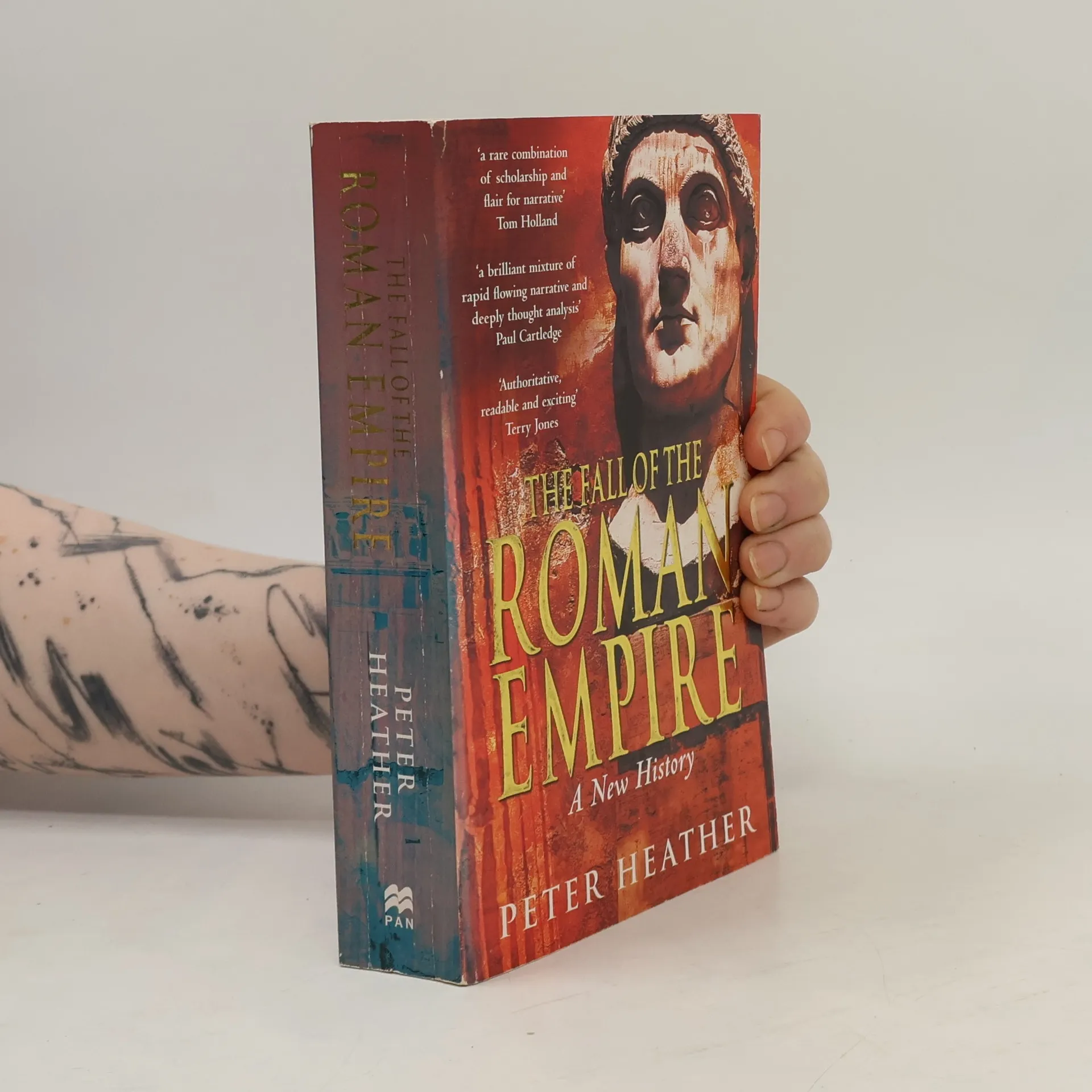
    The Fall of the Roman Empire
    Empires and Barbarians
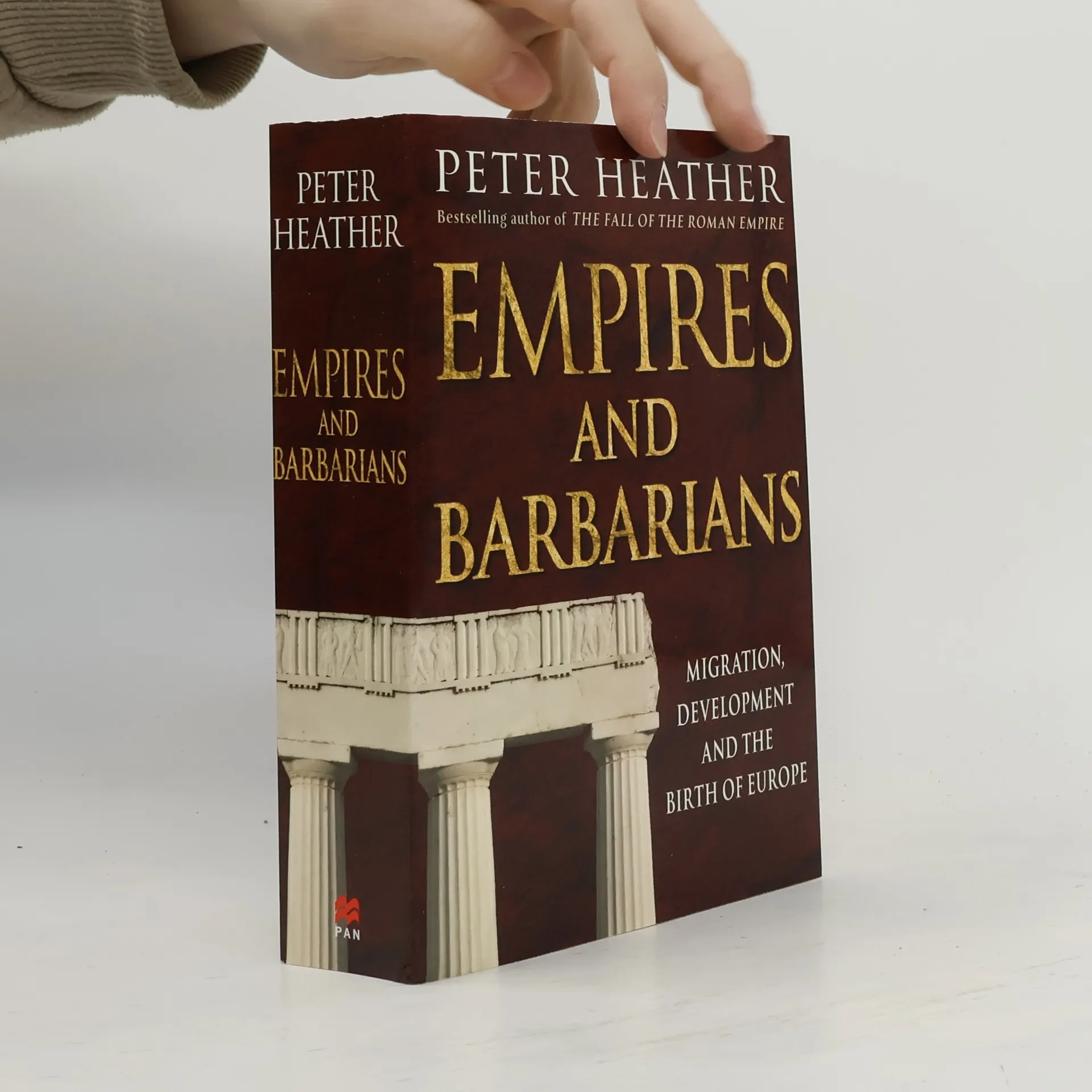
    • Empires and Barbarians

      Migration, Development and the Birth of Europe

      • 770 páginas
      • 27 horas de lectura

      Delving into the formation of Europe, this narrative explores the historical events and cultural shifts that shaped the continent. The author, known for their previous work, examines key moments and influential figures that contributed to the development of European identity. With a blend of engaging storytelling and thorough research, the book highlights the complexities of history, revealing how past conflicts and alliances have forged the Europe we know today.

      Empires and Barbarians
    • The Fall of the Roman Empire

      • 592 páginas
      • 21 horas de lectura

      In AD 378, the Roman Empire had been the unrivalled superpower of Europe for well over four hundred years. This book brings fresh insight into the panorama of the empire's end, from the bejewelled splendour of the imperial court to the dripping forests of Barbaricum. It examines the success story that was the Roman Empire.

      The Fall of the Roman Empire
    • Christendom

      • 360 páginas
      • 13 horas de lectura

      In the fourth century AD, a new faith emerged from Palestine, overwhelming Roman paganism and converting Emperor Constantine. By the end of the first millennium, Christian rulers dominated Europe, with the religion deeply embedded in culture and society. However, Peter Heather reveals that Christendom's rise to power was not inevitable. He examines how Christianity evolved from isolated congregations into a mass movement directed from Rome, constantly battling heresies and competing beliefs. Following the collapse of the Roman Empire, which nearly led to the religion's extinction, the Papacy emerged as a powerful international entity. Heather highlights Christendom's remarkable ability to reinvent itself and mobilize force effectively. Its achievement extended beyond defining official Christianity; it transformed into an institution that exercised significant religious authority over the diverse peoples of medieval Europe, involving scholars, lawyers, provincial officials, and missionaries. This compelling history chronicles the extraordinary journey of Christendom and its profound impact on European society.

      Christendom
    • The Goths

      • 384 páginas
      • 14 horas de lectura

      The book explores Gothic history through three distinct phases: the early history leading up to the fourth century, the societal upheaval triggered by the Huns' arrival, and the evolution of Gothic successor states following the fall of the western Roman Empire. Each section delves into significant events and transformations that shaped Gothic culture and society during these pivotal moments in history.

      The Goths
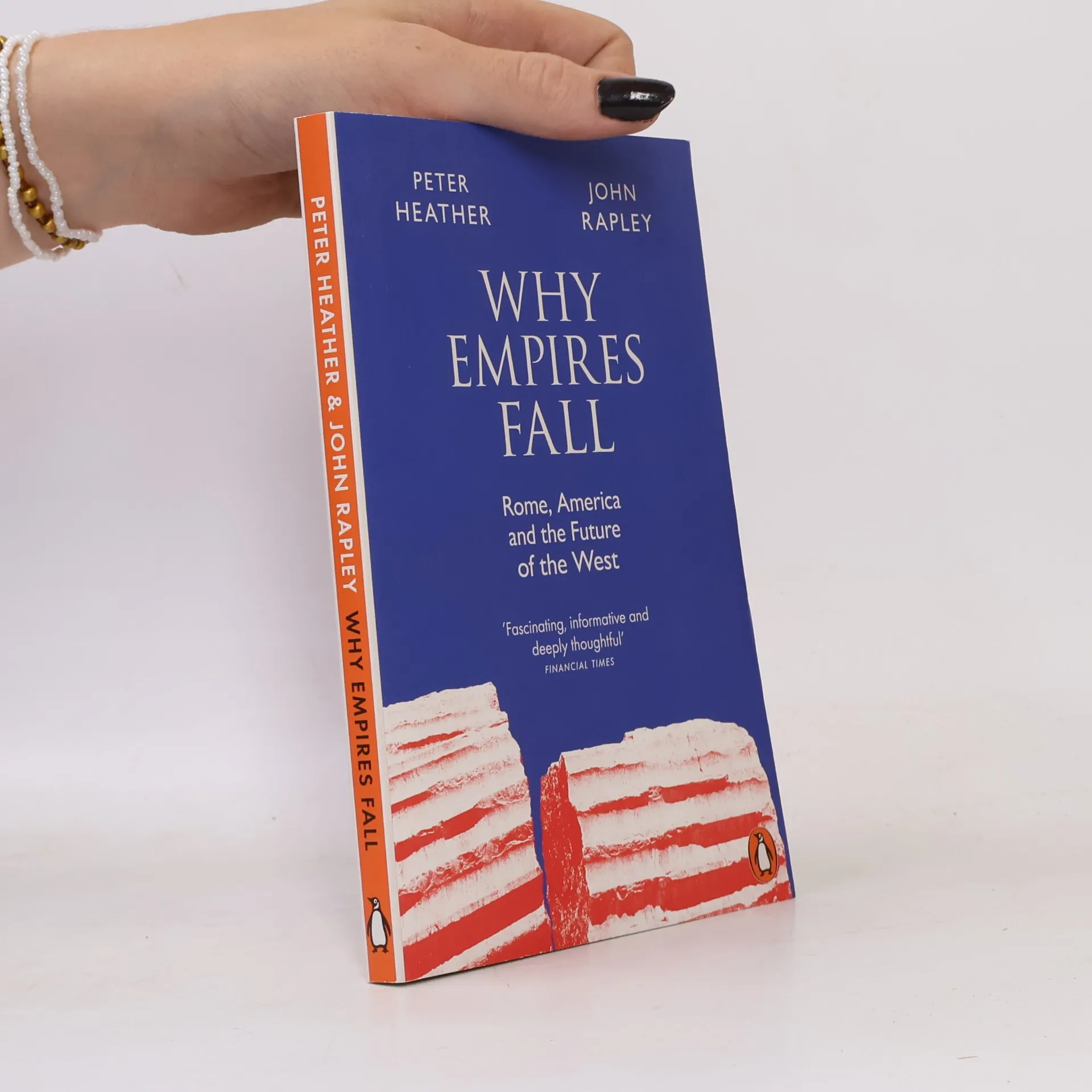
    • What can the fall of Rome teach us about the decline of the West today? A historian and a political economist, both experts in their field, investigateOver the last three centuries, the West rose to dominate the planet. Then, suddenly, around the turn of the millennium, history reversed. Faced with economic stagnation and internal political division, the West has found itself in rapid decline.This is not the first time the global order has witnessed such a dramatic rise and fall. The Roman Empire followed a similar arc from dizzying power to disintegration - a fact that is more than a strange historical coincidence. In Why Empires Fall , historian Peter Heather and political economist John Rapley use this Roman past to think anew about the contemporary West, its state of crisis, and what paths we could take out of it.In this exceptional, transformative intervention, Heather and Rapley explore the uncanny parallels - and productive differences - between the two cases, moving beyond the familiar tropes of invading barbarians and civilizational decay to learn new lessons from ancient history. From 399 to 1999, the life cycles of empires, they argue, sow the seeds of their inevitable destruction. The era of western global domination has reached its end - so what comes next?

      Why Empires Fall
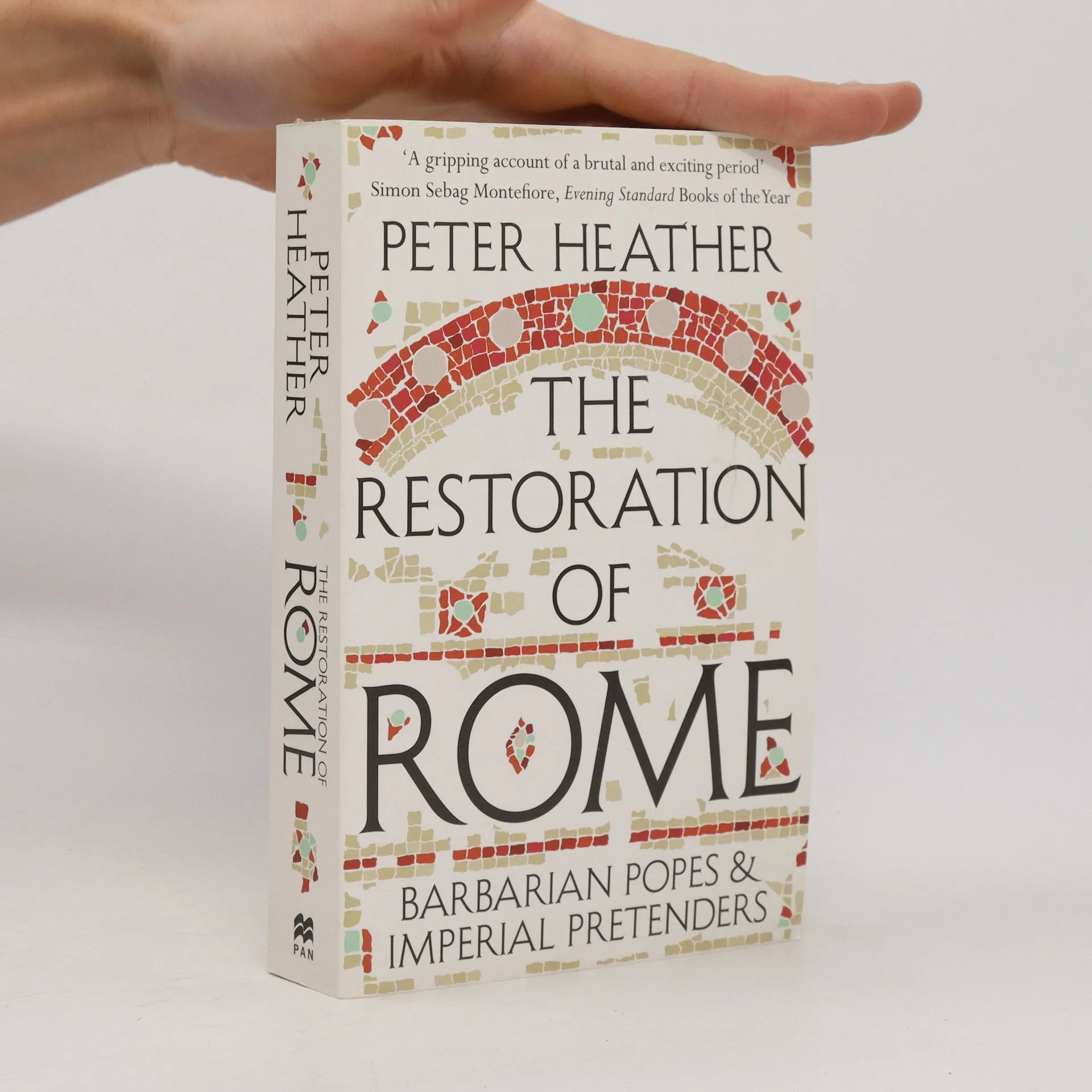
    • The Restoration of Rome

      • 470 páginas
      • 17 horas de lectura

      In 476 AD the last of Rome's emperors was deposed by a barbarian general, the son of one of Attila the Hun's henchmen, and the imperial vestments were despatched to Constantinople. The curtain fell on the Roman Empire in Western Europe, its territories divided between successor kingdoms constructed around barbarian military manpower. But if the Roman Empire was dead, the dream of restoring it refused to die. In many parts of the old Empire, real Romans still lived, holding on to their lands, the values of their civilisation, its institutions; the barbarians were ready to reignite the imperial flame and to enjoy the benefits of Roman civilization, the three greatest contenders being Theoderic, Justinian and Charlemagne. But, ultimately, they would fail and it was not until the reinvention of the papacy in the eleventh century that Europe's barbarians found the means to generate a new Roman Empire, an empire which has lasted a thousand years.

      The Restoration of Rome
    • Die letzte Blüte Roms

      Das Zeitalter Justinians

      Unter seiner Herrschaft erreichte das oströmische Reich seine größte Ausdehnung: Justinian gilt als der letzte große römische Kaiser an der Schnittstelle zwischen Antike und Mittelalter, zwischen Rom und Byzanz. Peter Heather erzählt die Geschichte der Erfolge Justinians als Vorwärtsstrategie eines Herrschers, der mit dem Rücken zur Wand stand.

      Die letzte Blüte Roms
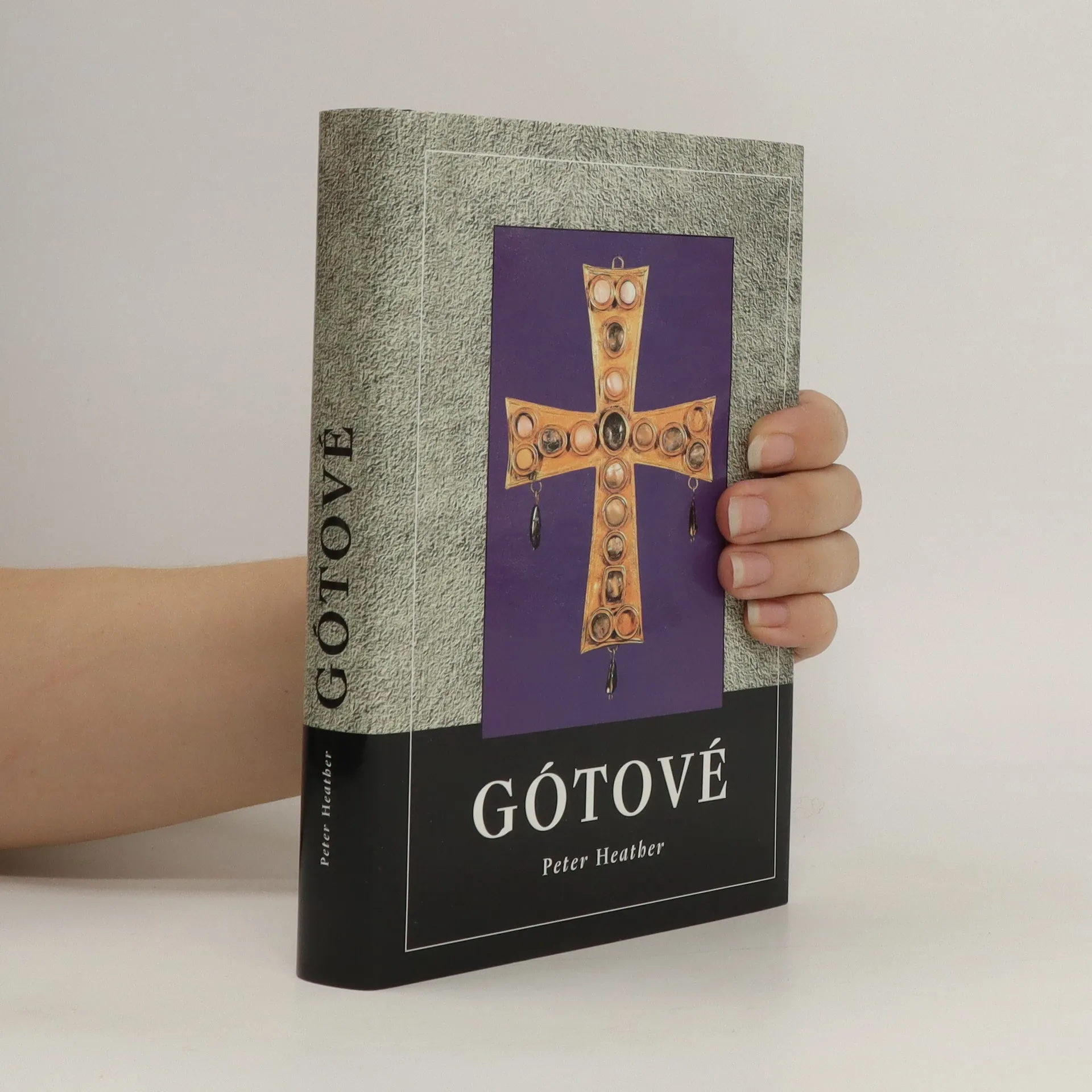
    • Gótové

      • 408 páginas
      • 15 horas de lectura

      Kniha anglického historika je dosud nejnovějším pokusem o zpracování dějin Gótů, národa, který hluboce zasáhl do evropské historie na sklonku antiky a počátku středověku. S využitím posledních poznatků z oblasti archeologie a etnologie nám autor představuje komplikovaný svět gótských kmenových skupin, jejich proměny v čase i sociální, politické a hospodářské struktury. Opomenuta není ani gótská etnicita a kažodennost, která se dnes vykládají mnohem citlivěji, než tomu bylo například před druhou světovou válkou.

      Gótové
    • Invasion der Barbaren

      Die Entstehung Europas im ersten Jahrtausend nach Christus

      Spätrömische Dekadenz und plündernde Vandalen: so lauten die Klischees über die sogenannte Völkerwanderungszeit. Doch wie entstand im ersten Jahrtausend aus dem hochentwickelten römischen Süden und dem barbarischen Norden die neue kulturelle Einheit Europa? Um Christi Geburt war Europa zweigeteilt in den hochentwickelten Süden der Mittelmeerkulturen und den unentwickelten Norden germanischund slawisch sprechender Stammeskulturen. Diese kannten weder die Schrift noch den steinernen Siedlungsbau, ein stehendes Heer oder die Geldwirtschaft, geschweige denn Städte mit Feuerwehr und Müllabfuhr. Wie konnte der »Ansturm der Barbaren« dem römischen Imperium den Todesstoß versetzen? Peter Heather stellt diese alte Frage im Licht der Erkenntnisse zur Ethnogenese und der modernen Migrationsforschung neu. Vom Hunnensturm bis zu den Wikingern untersucht er die Dynamik der europäischen Wanderungsbewegungen. Die sozialen und wirtschaftlichen Wechselwirkungen zwischen beiden Kulturräumen veränderten diese von Grund auf und ließen sie langfristig zu einer neuen kulturellen Einheit werden: dem Europa, das wir in weiterentwickelter Form noch heute kennen.

      Invasion der Barbaren