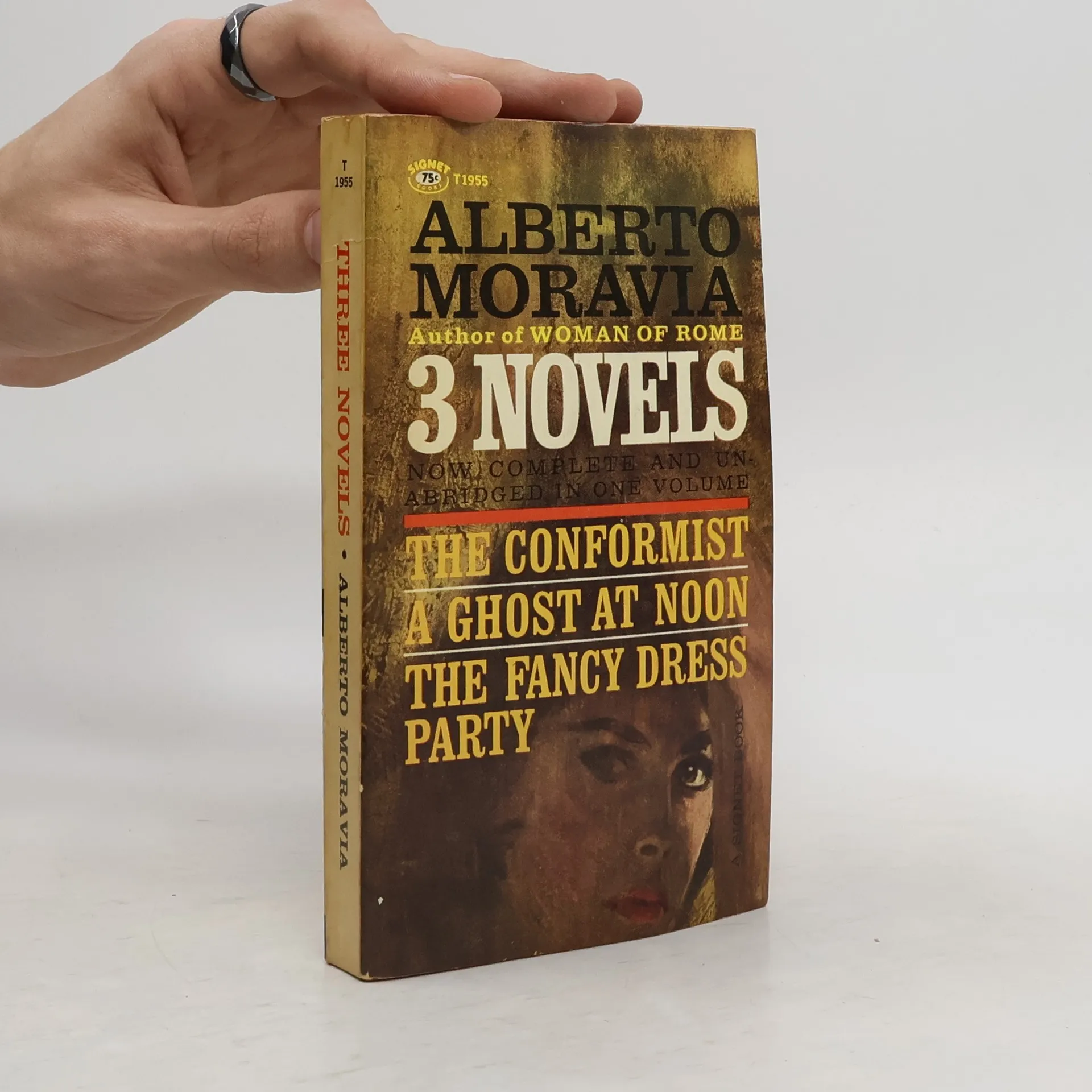
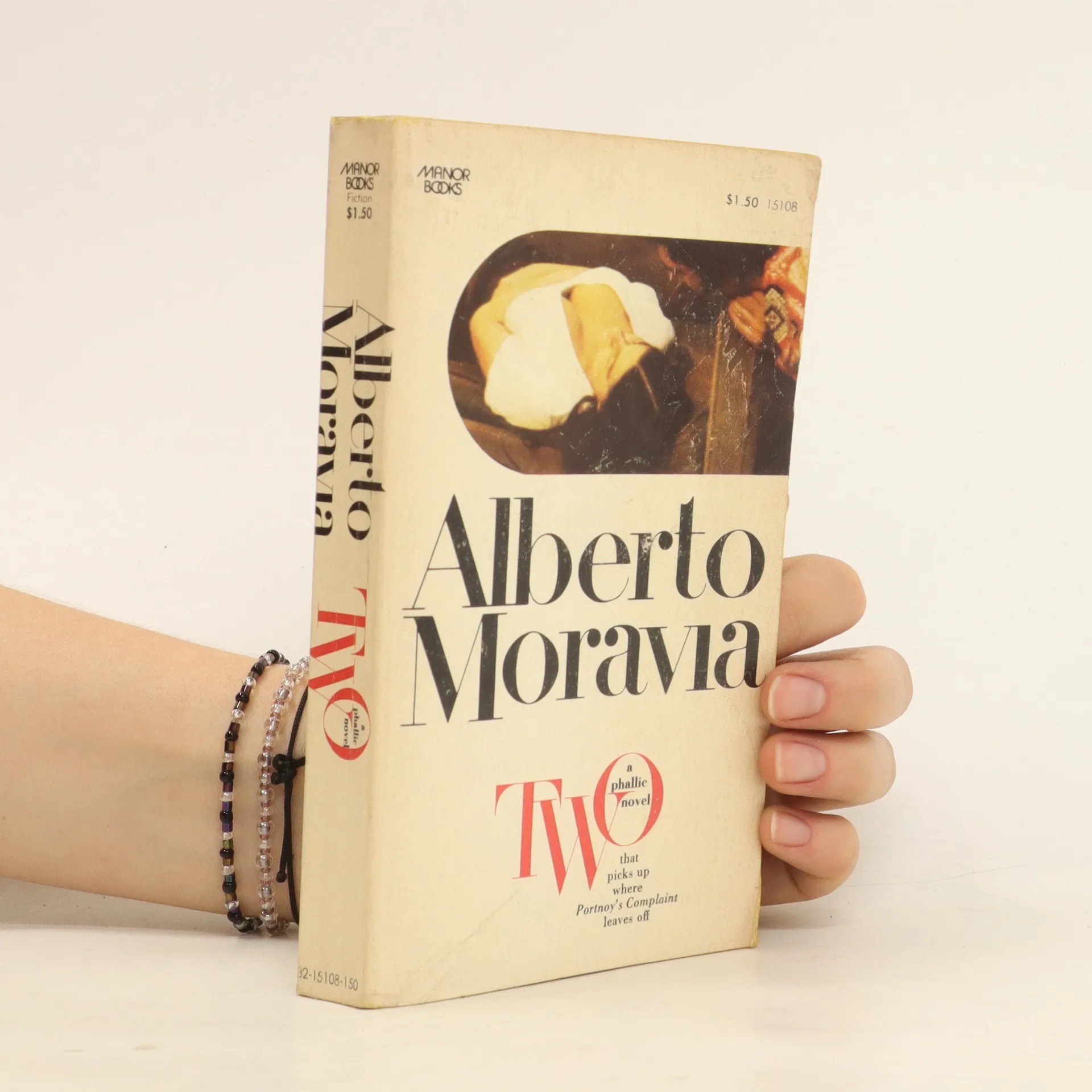
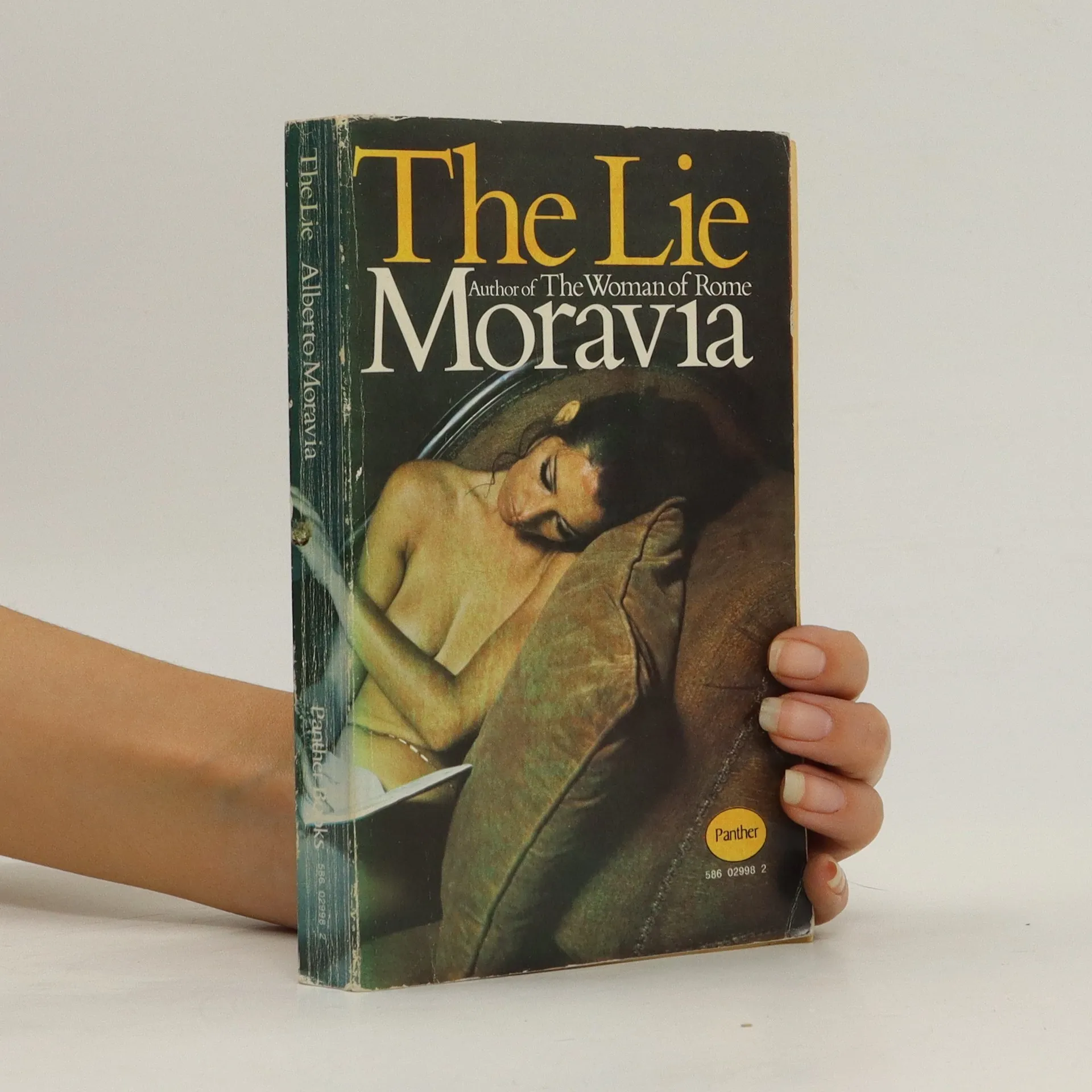
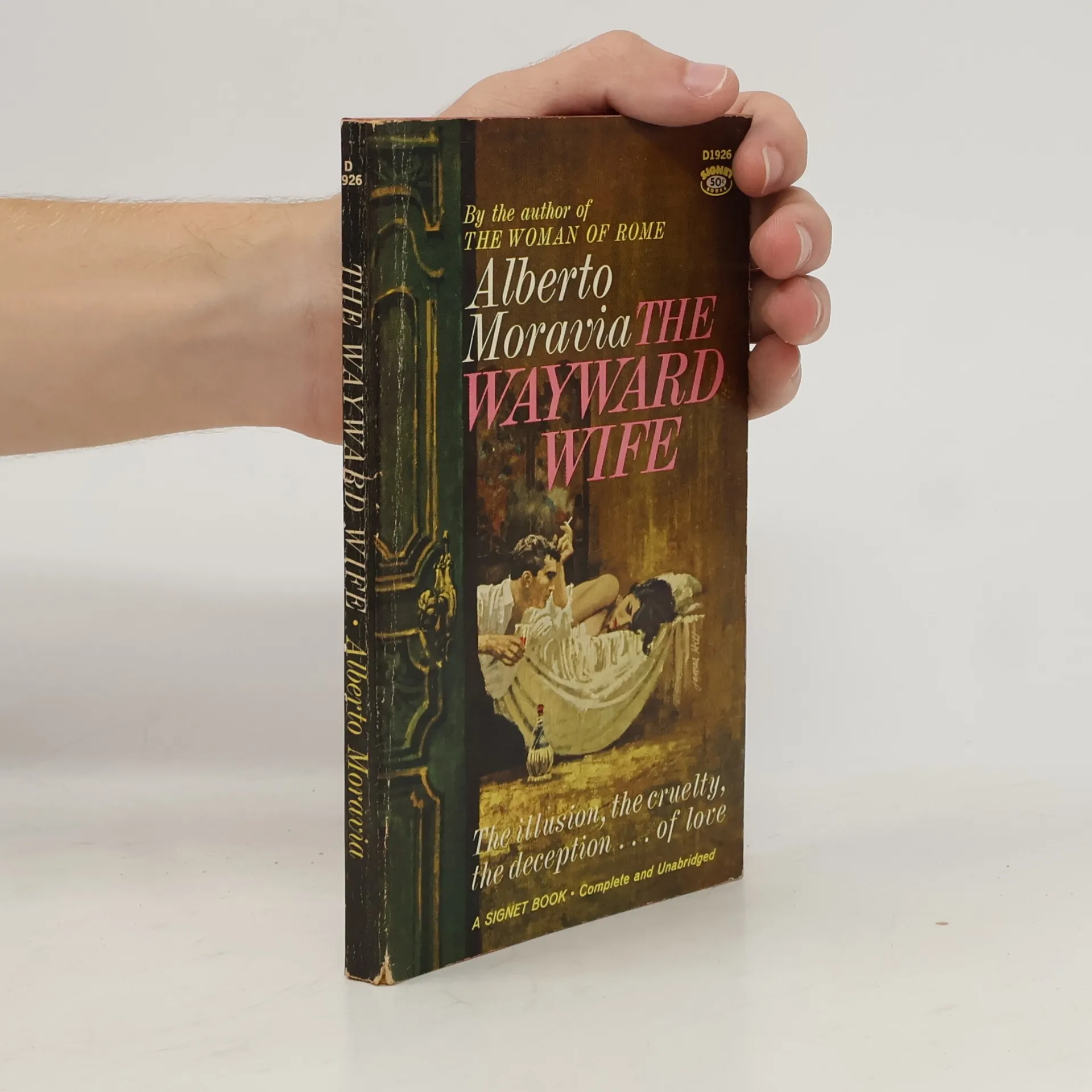
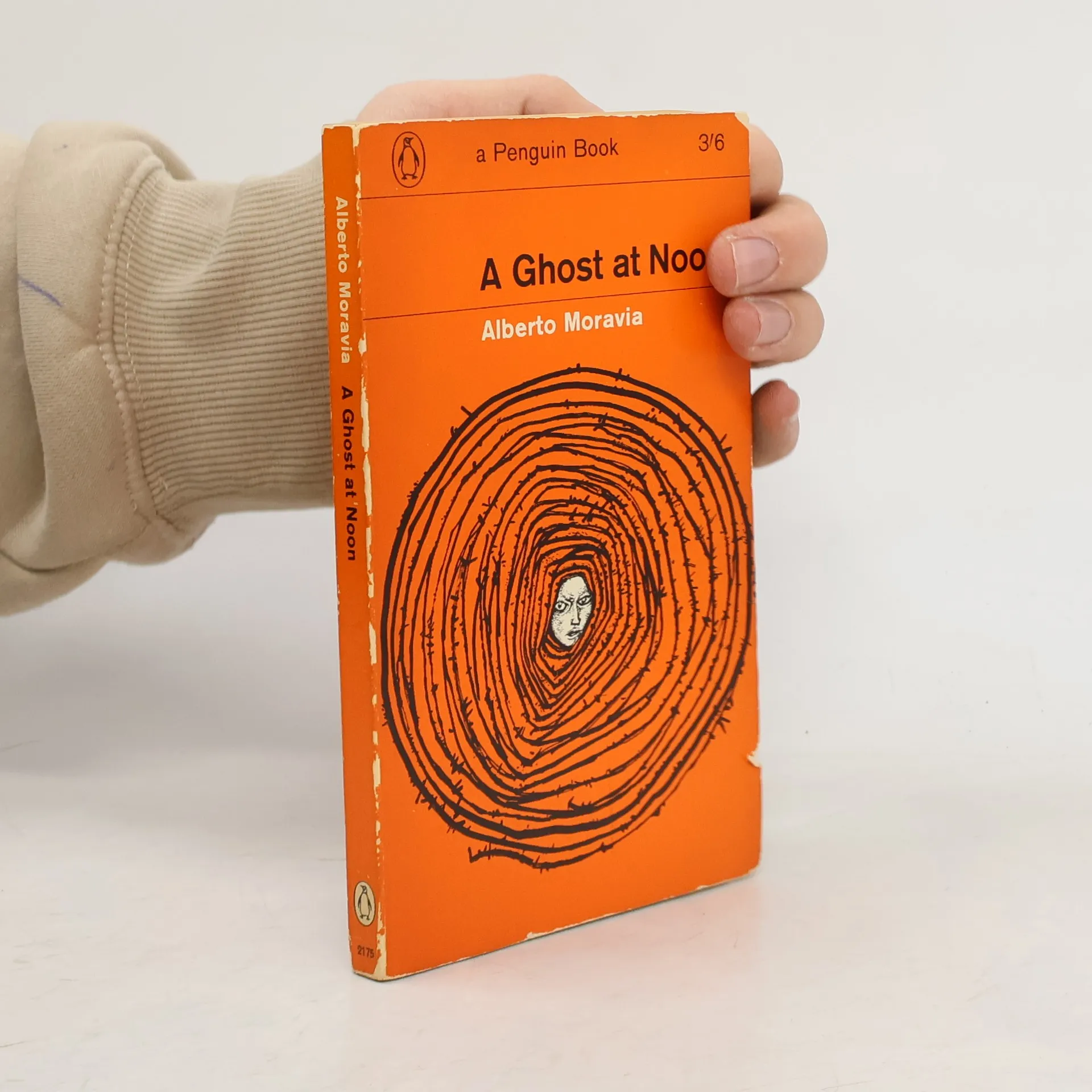
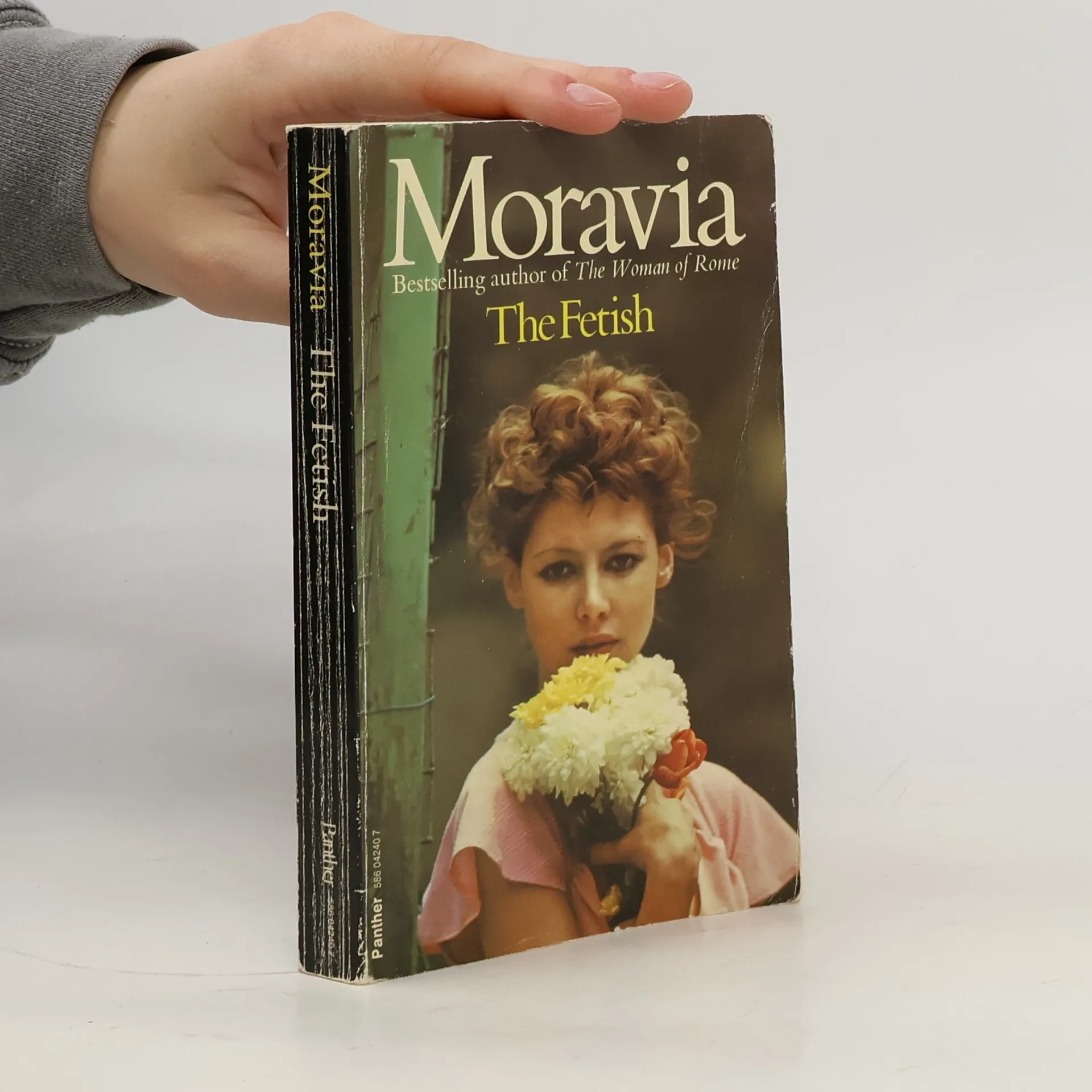
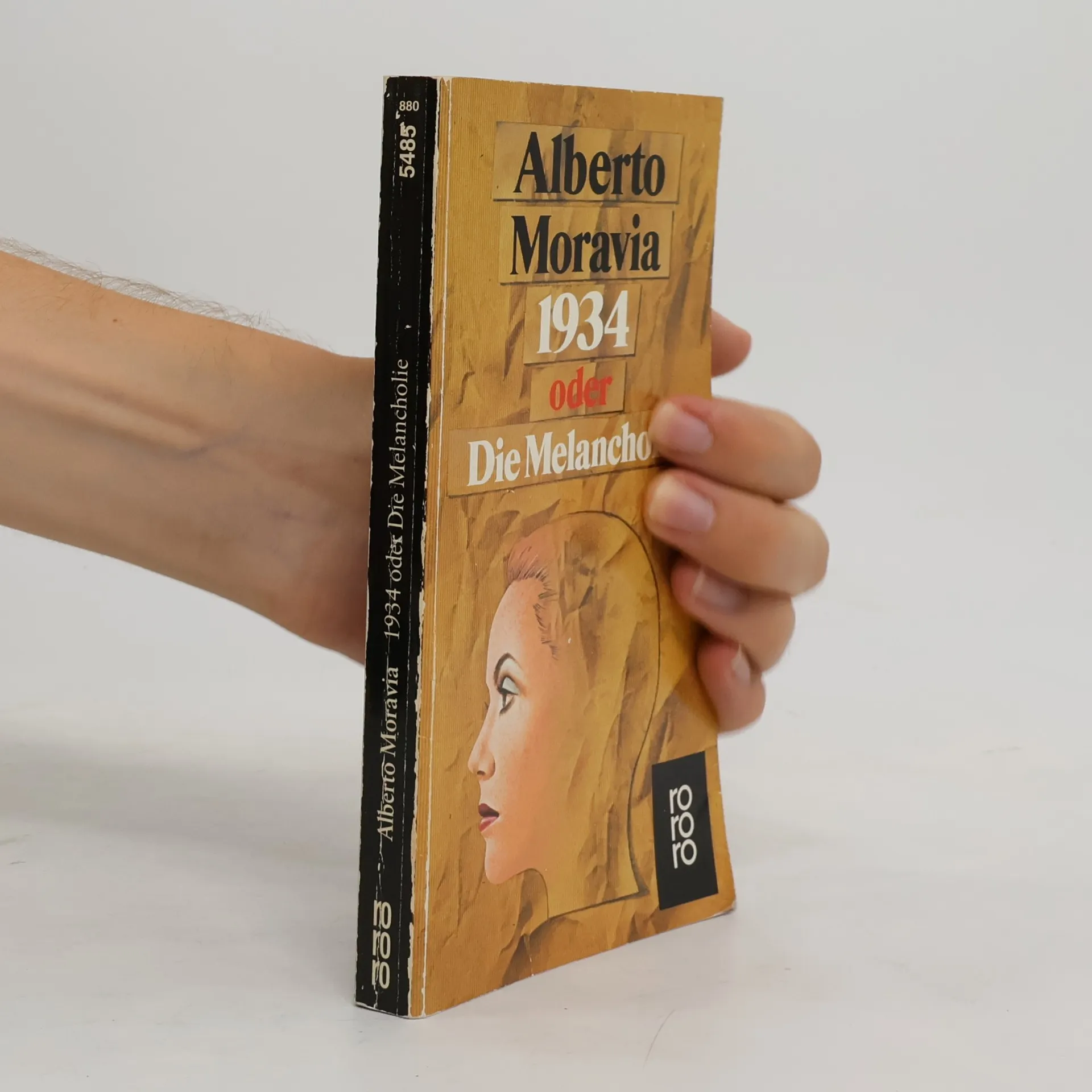
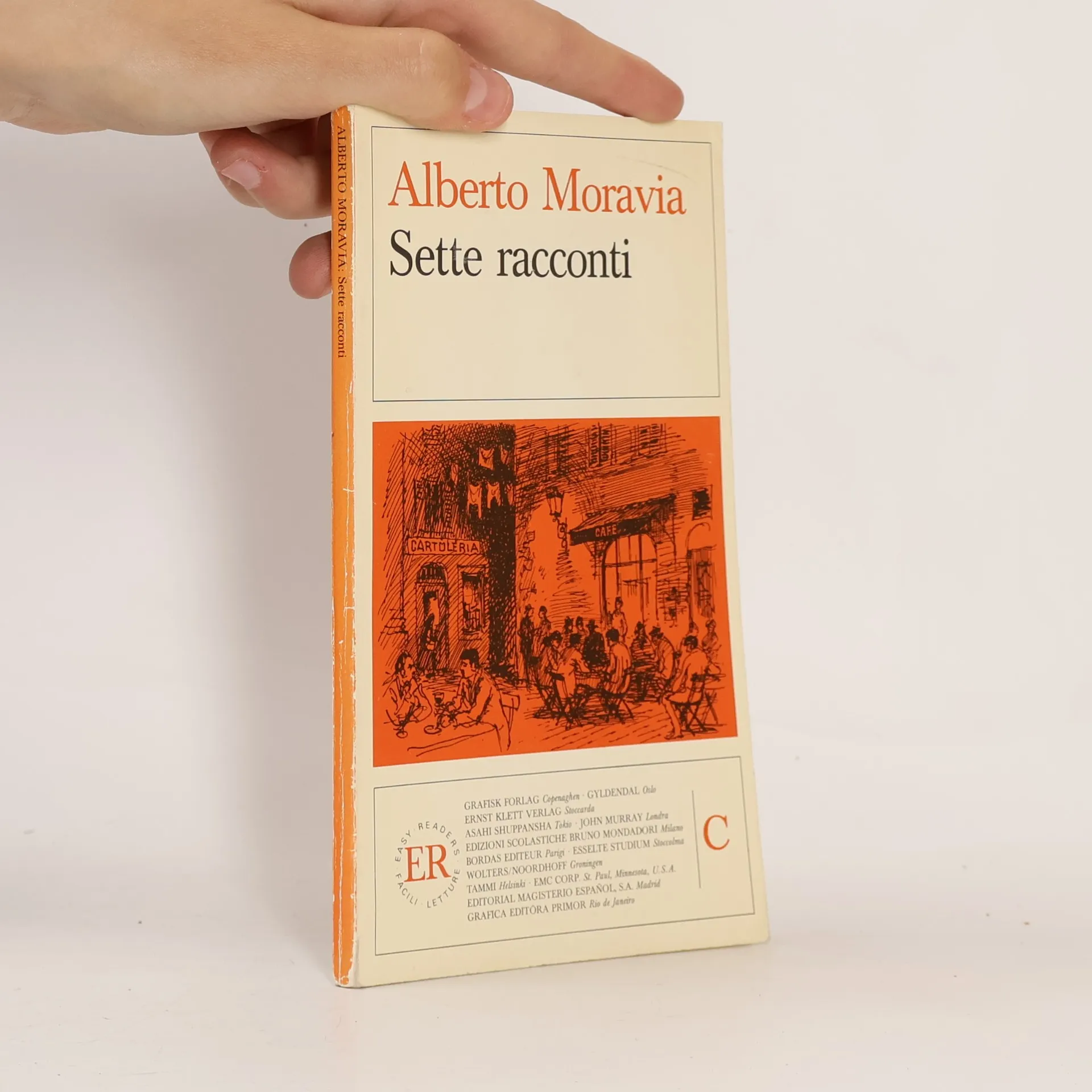
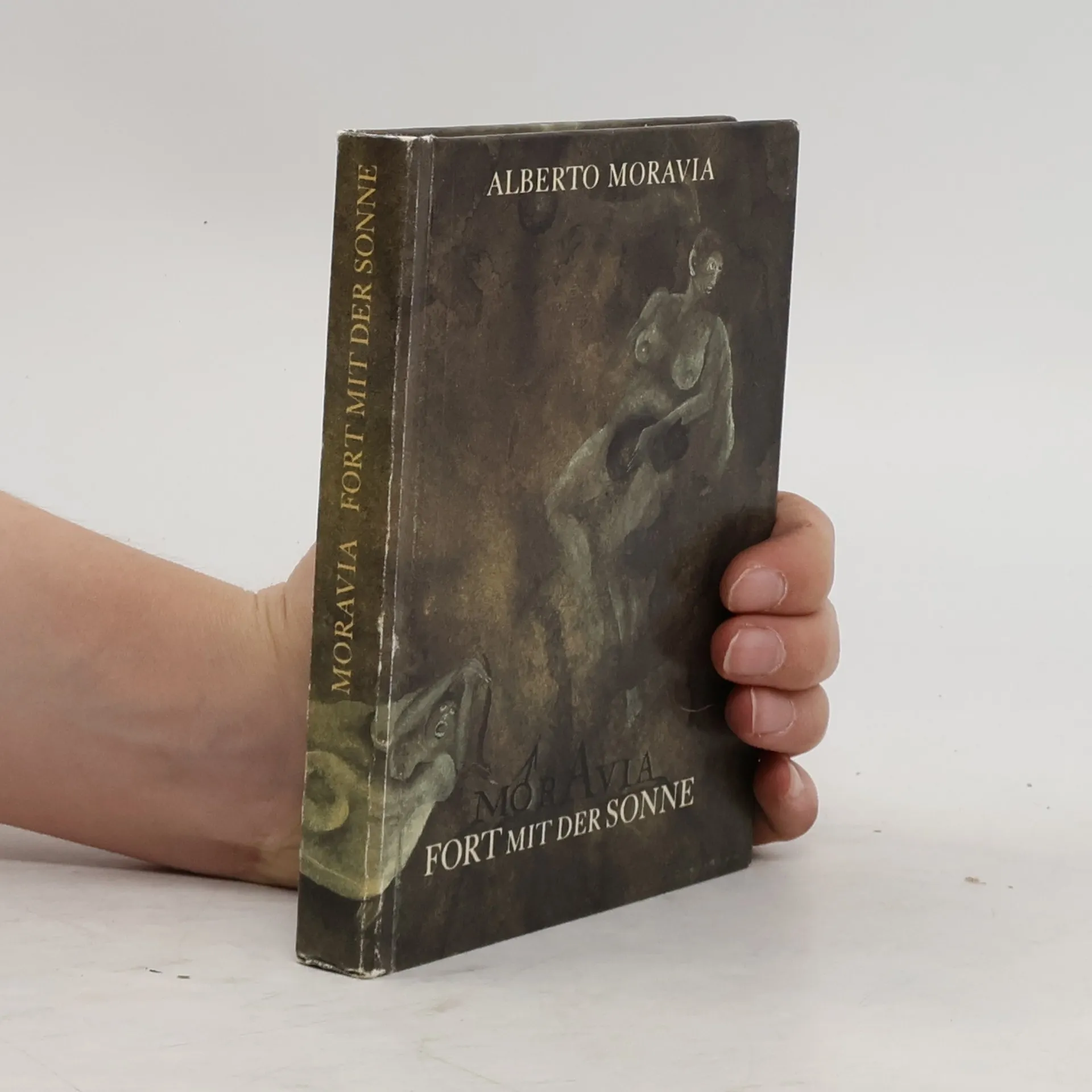
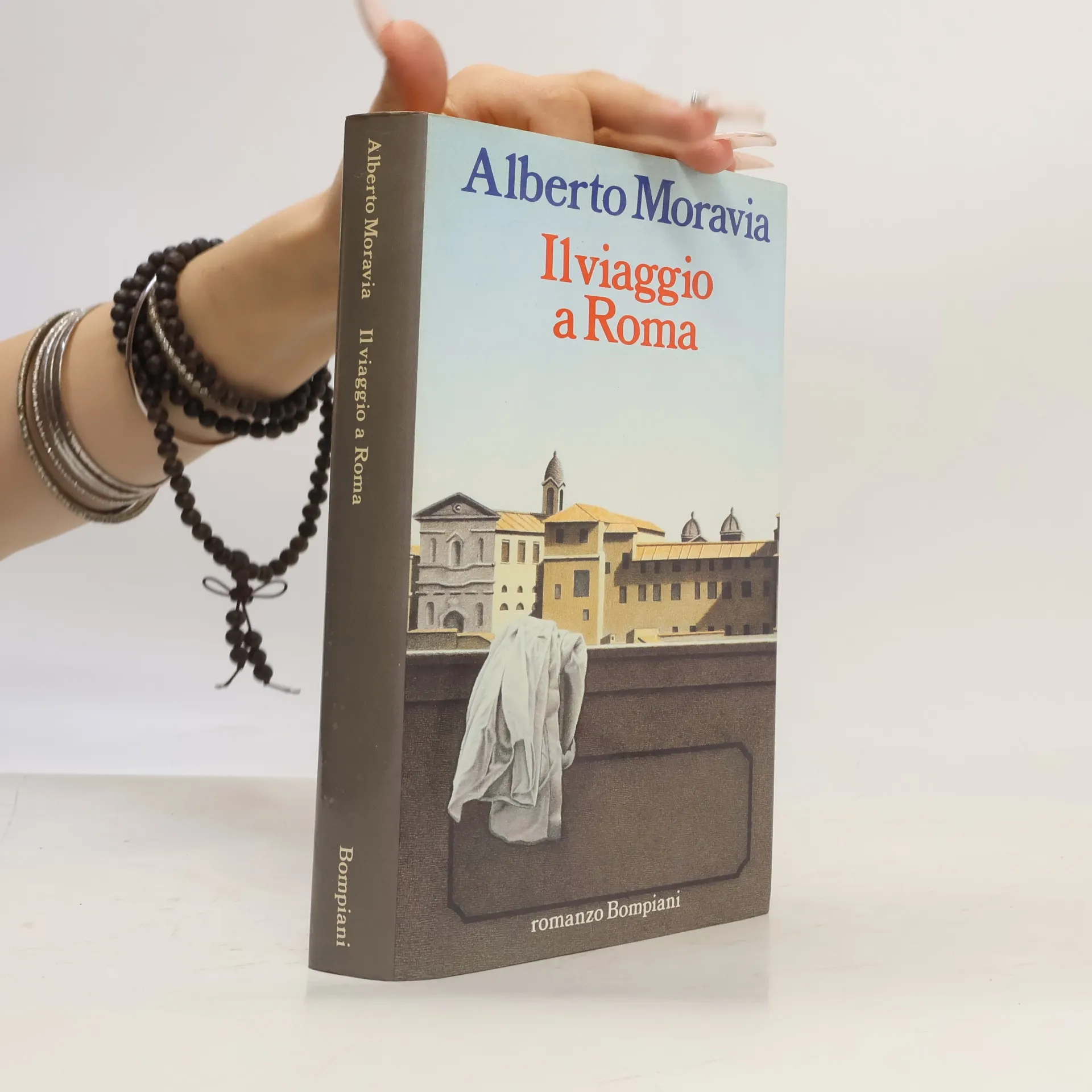
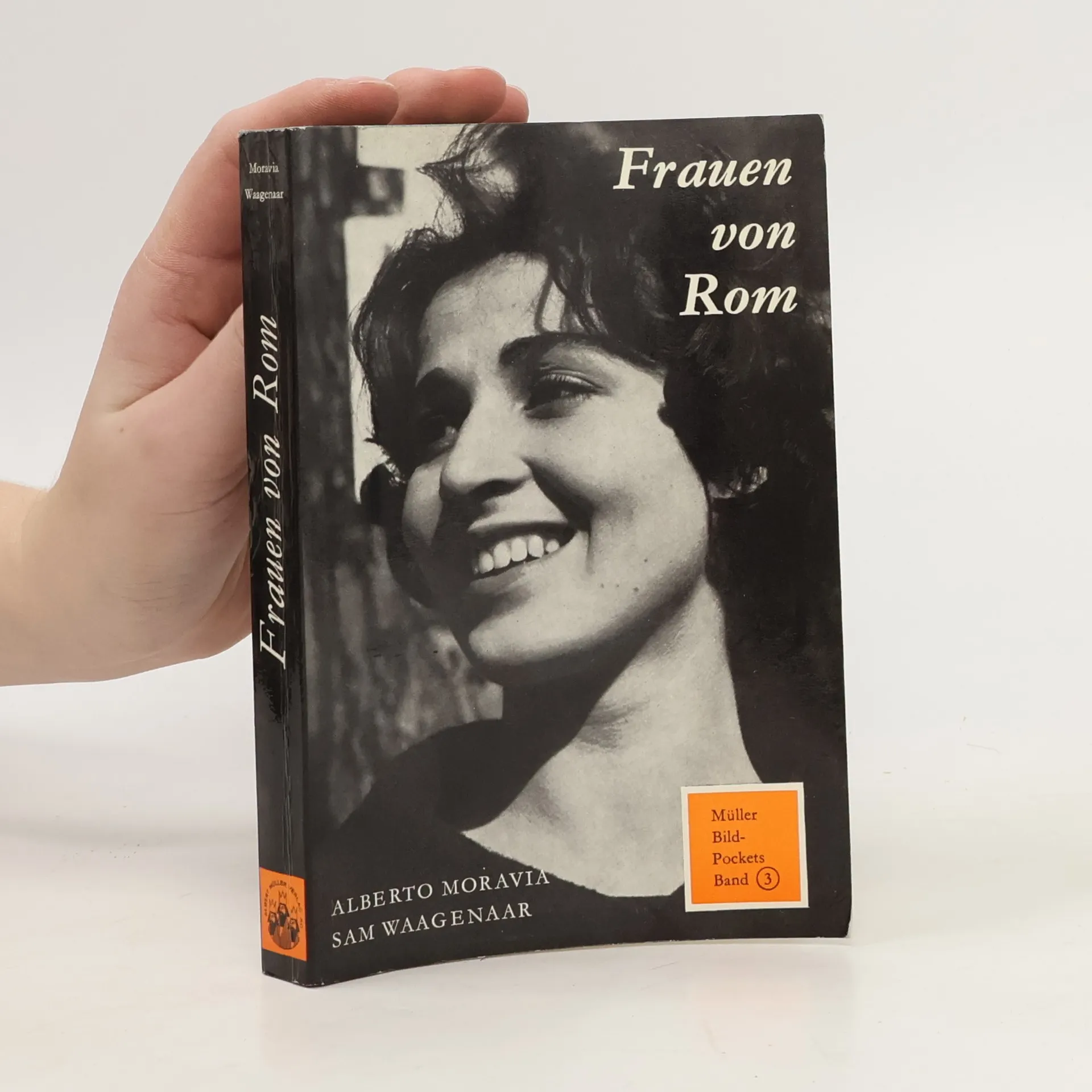
El libro contiene veintinueve historias cortas. Alberto Moravia, escritor italiano, en esta obra, presenta un retrato impactante de las diferentes clases sociales. En la historia "Sonámbulo", se narra la vida de una mujer atrapada en el sonambulismo. Su esposo no trabaja, pero tiene diversas amantes. La mujer decide matarlo y entra en la habitación de su esposo para llevar a cabo su decisión. Sin embargo, en ese momento, él se despierta y ella descubre las verdades de la vida de su marido.
Alberto Moravia Libros
28 de noviembre de 1907 – 26 de septiembre de 1990
Alberto Moravia fue uno de los principales novelistas italianos del siglo XX, cuyas obras exploran la sexualidad moderna, la alienación social y el existencialismo. Su estilo, marcado por una precisión fáctica, fría y precisa, a menudo representa el malestar de la burguesía, enmarcado en una alta conciencia social y cultural. Creía que los escritores deben adoptar una postura moral para representar la realidad, pero también que, en última instancia, un escritor sobrevive a pesar de sus creencias.


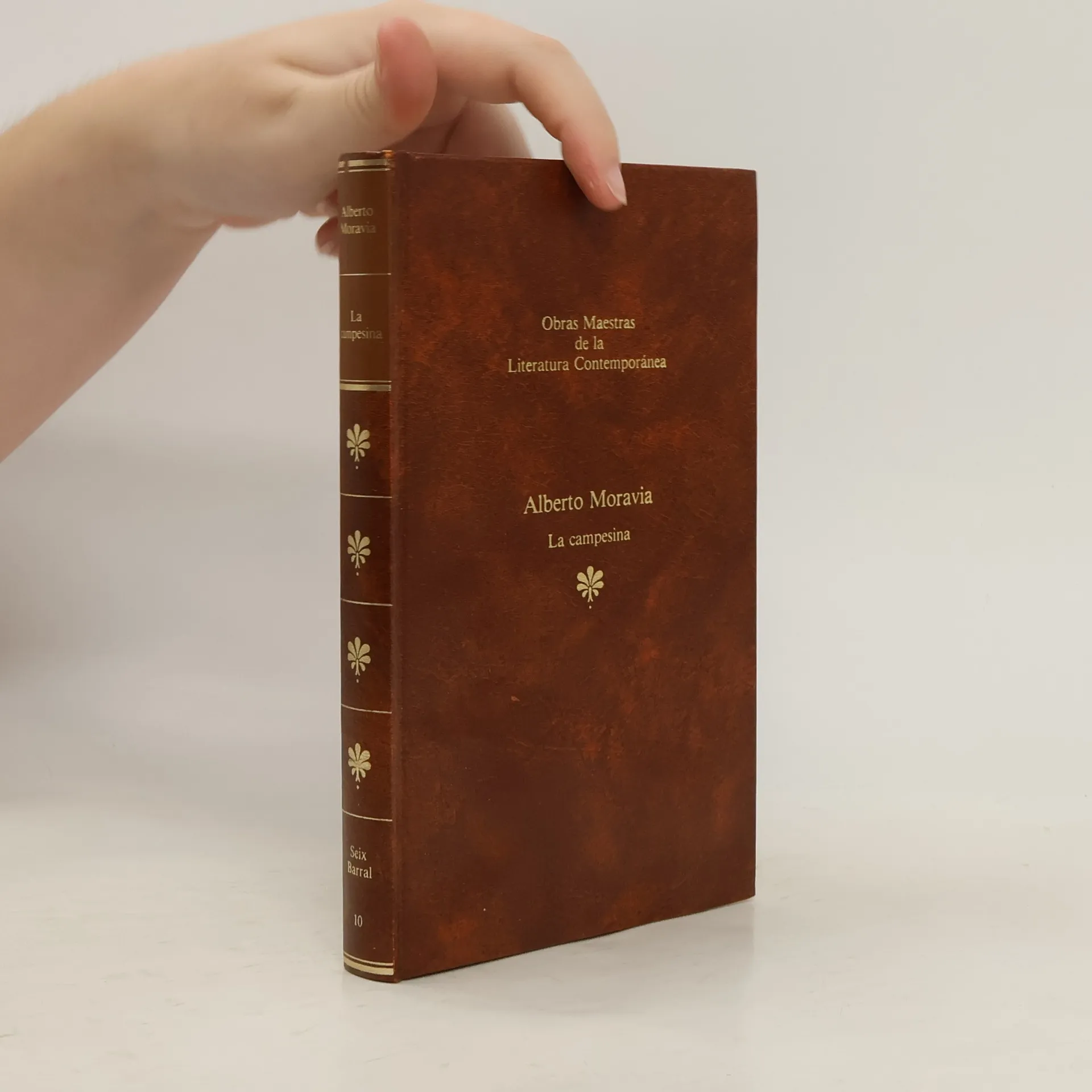
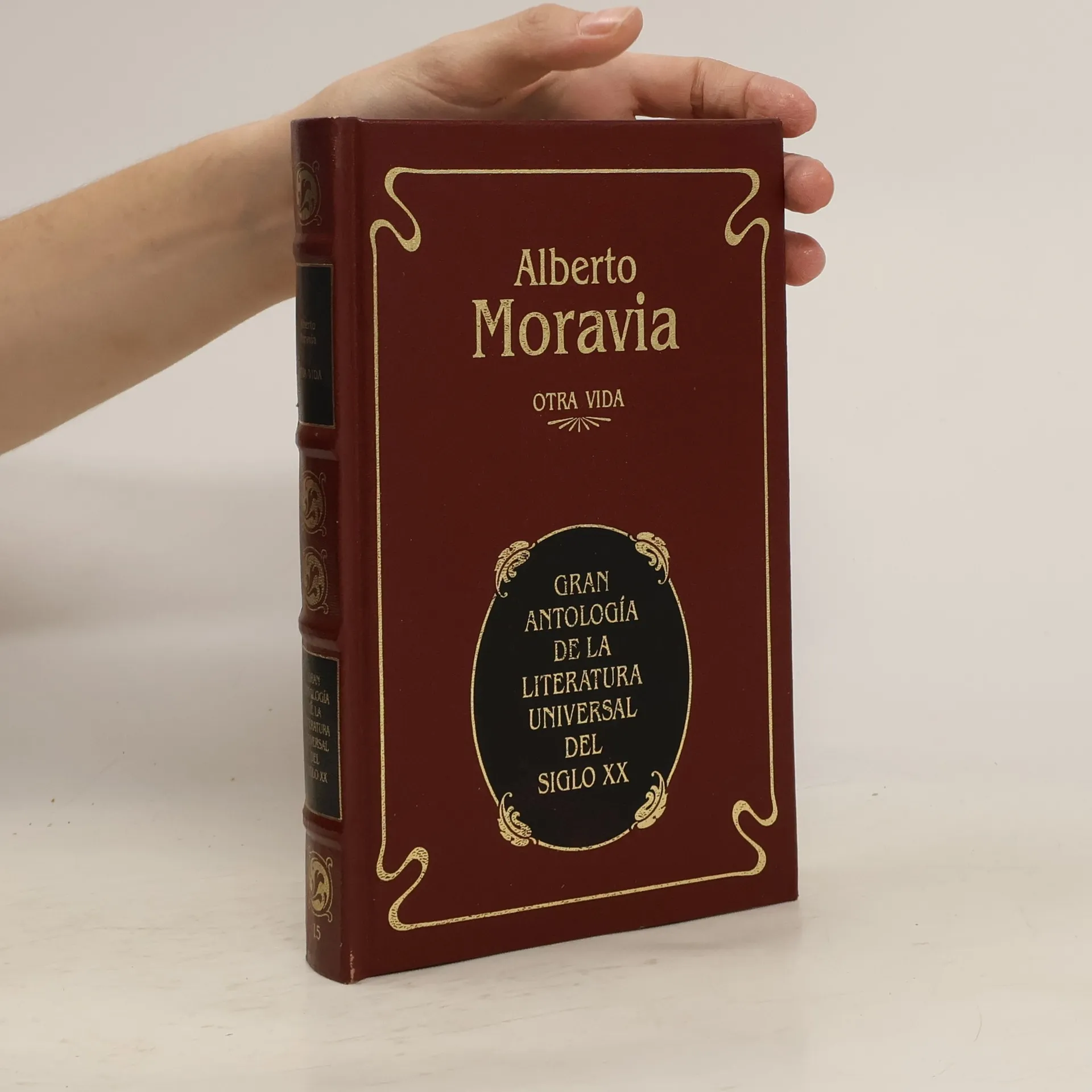
La campesina
- 284 páginas
- 10 horas de lectura
FIRST PUBLISHED in English in 1958, Two Women is a compassionate yet forthright narrative of simple people struggling to survive in war. The two women are Cesira, a widowed Roman shopkeeper, and her daughter Rosetta, a naive teenager of haunting beauty and devout faith. When the German occupation of Rome becomes imminent, Cesira packs a few provisions, sews her life savings into the seams of her dress, and flees with Rosetta to her native province of Ciociara, a poor, mountainous region south of Rome. Cesira's currency soon loses its value, and a vicious barter economy, fraught with shifty traffickers and thieves, emerges among the mountain peasants and refugees. Mother and daughter endure nine months of hunger, cold, and filth as they await the arrival of the Allied forces. Cesira scarcely cares who wins the war, so long as victory comes soon and brings with it a return to her quiet shopkeeper's life. Instead, the Liberation brings tragedy. While heading back to Rome the pair are attacked by a group of Allied Moroccan soldiers, who rape Rosetta and beat Cesira unconscious. This act of violence and its resulting loss of innocence so embitters Rosetta that she falls numbly into a life of prostitution. Throughout these hardships Moravia offers up an intimate portrayal of the anguish and destruction wrought by war, both on the battlefield and upon those far from the fray.
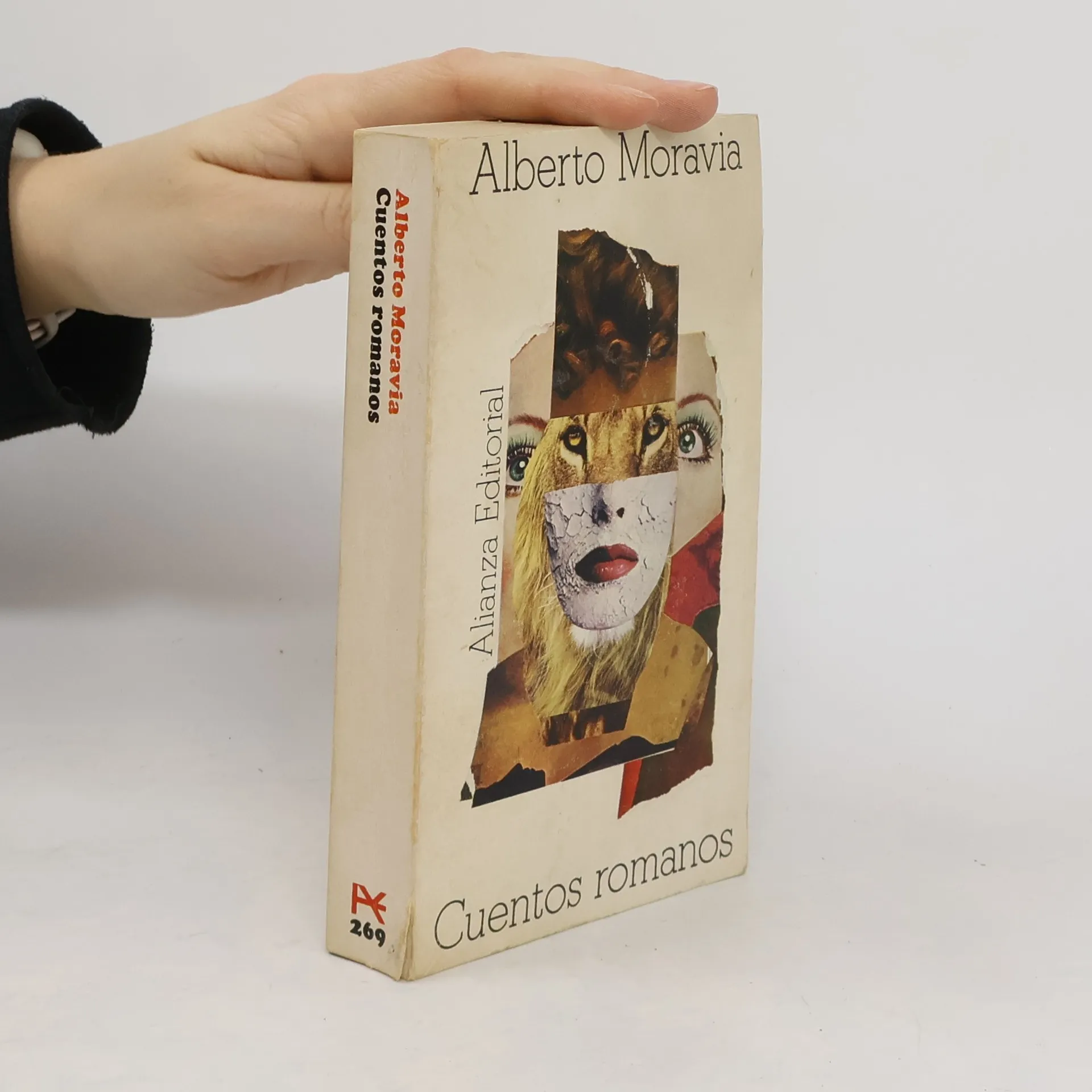
Madrid. 21x13 cm. 320 p. Encuadernación en cartoné de editorial con sobrecubierta ilustrada. Traducido del Italiano. Traducido por Ortenbach García, Enrique .. Este libro es de segunda mano y tiene o puede tener marcas y señales de su anterior propietario. ISBN: 978-84-932645-9-8; 84-932645-9-8
El tedio
- 328 páginas
- 12 horas de lectura
«Una de las novelas más reveladoras de Alberto Moravia. La cama es el territorio del bien y del mal, porque el adolescente seriamente enfermo que fue Alberto Moravia hizo de la cama no sólo un lugar de postración y convalecencia, sino también un territorio límite del comportamiento. El sexo revela pautas de conducta y repercute en lo individual y lo social, conclusión que subyace en la novelística de Moravia. El sexo es desvelador porque desnuda a los protagonistas de sus disfraces sin que el escritor se pronuncie. El sexo como canibalismo interpersonal le lleva a un pesimismo humanista, no sólo fomentado por la brutalidad de algunos de sus personajes, sino también por la hipocresía o el conformismo que lo hacen posible, aunque siempre filtra una cierta compasión fatalista ante la imposibilidad del hombre para ser feliz o simplemente cumplir cualquier canon de ética necesaria.» Manuel Vázquez Montalbán
La primera novela del escritor italiano, publicada en 1929, que narra las reacciones de una familia burguesa ante su inminente bancarrota.
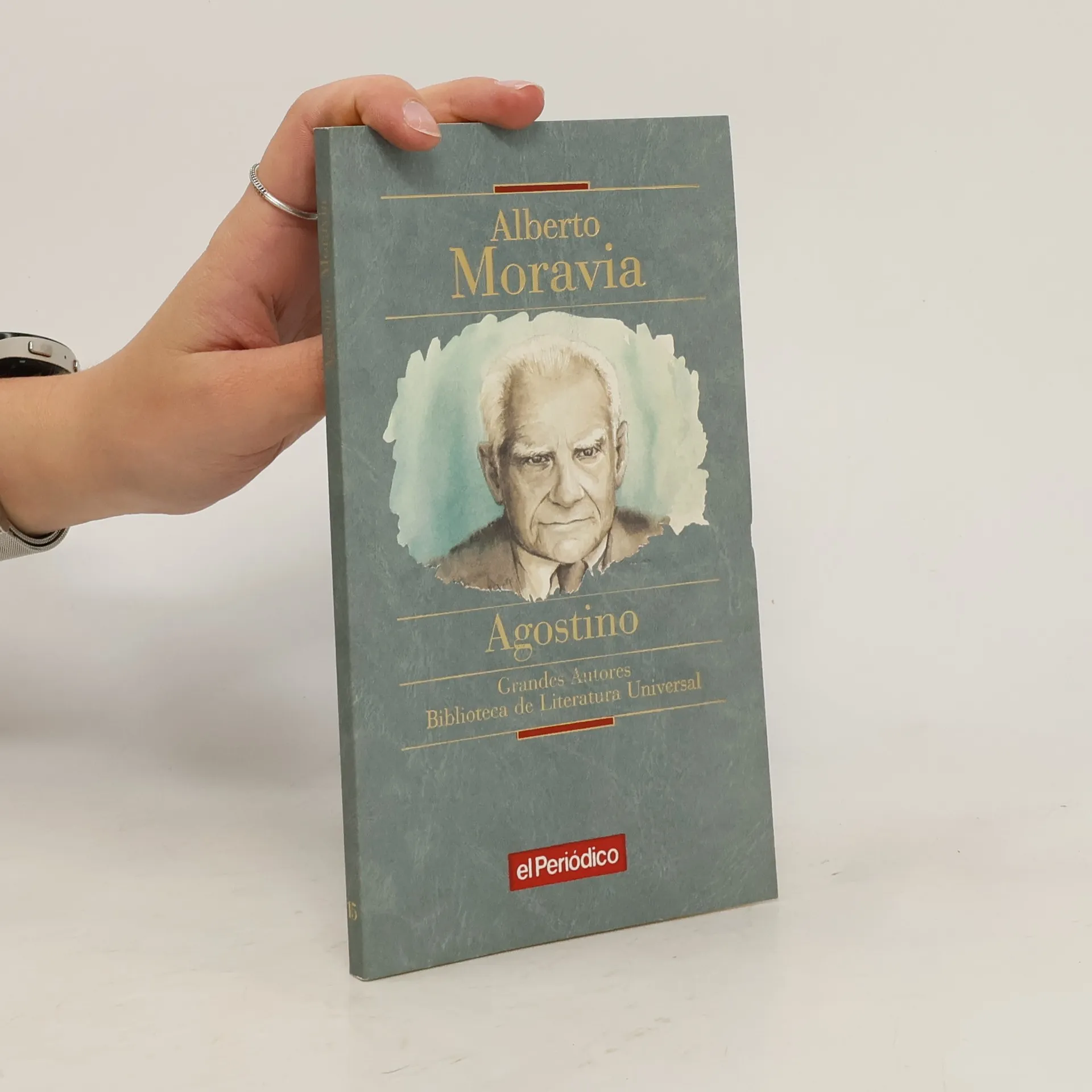
Agostino
- 96 páginas
- 4 horas de lectura
En Agostino (1944), Alberto Moravia recrea el despertar sexual de un joven adolescente, mientras veranea con su madre viuda en un balneario del Mediterráneo. Un encuentro fortuito en la playa con un chico de muy distinta condición social a la suya (Berto), y movido por la curiosidad y el amor propio, lo induce a conocer un mundo opuesto, a pesar de ser tratado por la pandilla de Berto como un niño estúpido, ya sea por su riqueza o ingenuidad.
Coleccion Diez Relatos: 10 relatos de mujeres
- 211 páginas
- 8 horas de lectura
Contents:Intuición femenina / Isaac Asimov -- Traducción de Lorenzo CortinaProfesor Miseria / Truman Capote -- Traducción de Juan VilloroLa romántica / Patrica Highsmith -- Traducción de Jordi BeltránUna madre / James Joyce -- Traducción de Guillermo CabreraParece tan dulce / Rosa Montero --La ciociara / Alberto Moravia -- Traducción de Ma Esther BenítezSilba para llamar al viento / Rosamunde Pilcher -- Traducción de Margarita CavándoliPigmalión / Manuel Vázquez Montalbán --La imagen móvil / Edith Wharton -- Traducción de Rosa S. de NaveiraEl vestido nuevo / Virginia Woolf -- Traducción de Andrés Bosch
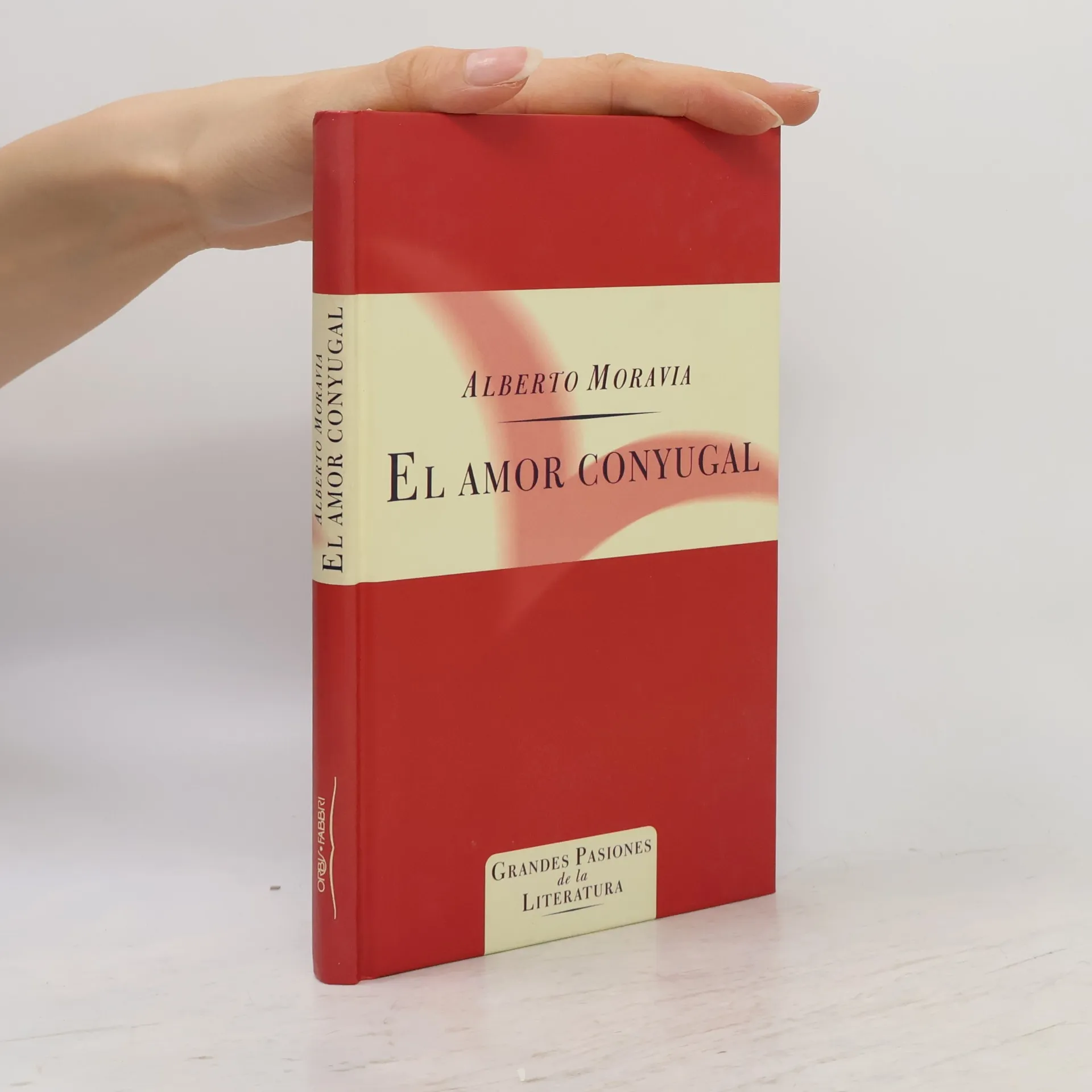
Grandes Pasiones de la Literatura: El amor conyugal
- 131 páginas
- 5 horas de lectura
Silvio sees his bride Leda as the embodiment of perfection and happiness. He is consumed by his love for her — and by the fear of losing her. When forced to acknowledge Leda's infidelity, Silvio must give up his blind obsession and accept the imperfect nature of love — and of his beloved.
Las ambiciones defraudadas
- 500 páginas
- 18 horas de lectura
Andreina, la hermosa, ambiciosa y precozmente seducida hija de una buena familia, cautiva a todos los que se cruzan en su camino, hasta que el ingenioso castillo de naipes que ha construido con sus intrigas se desmorona...
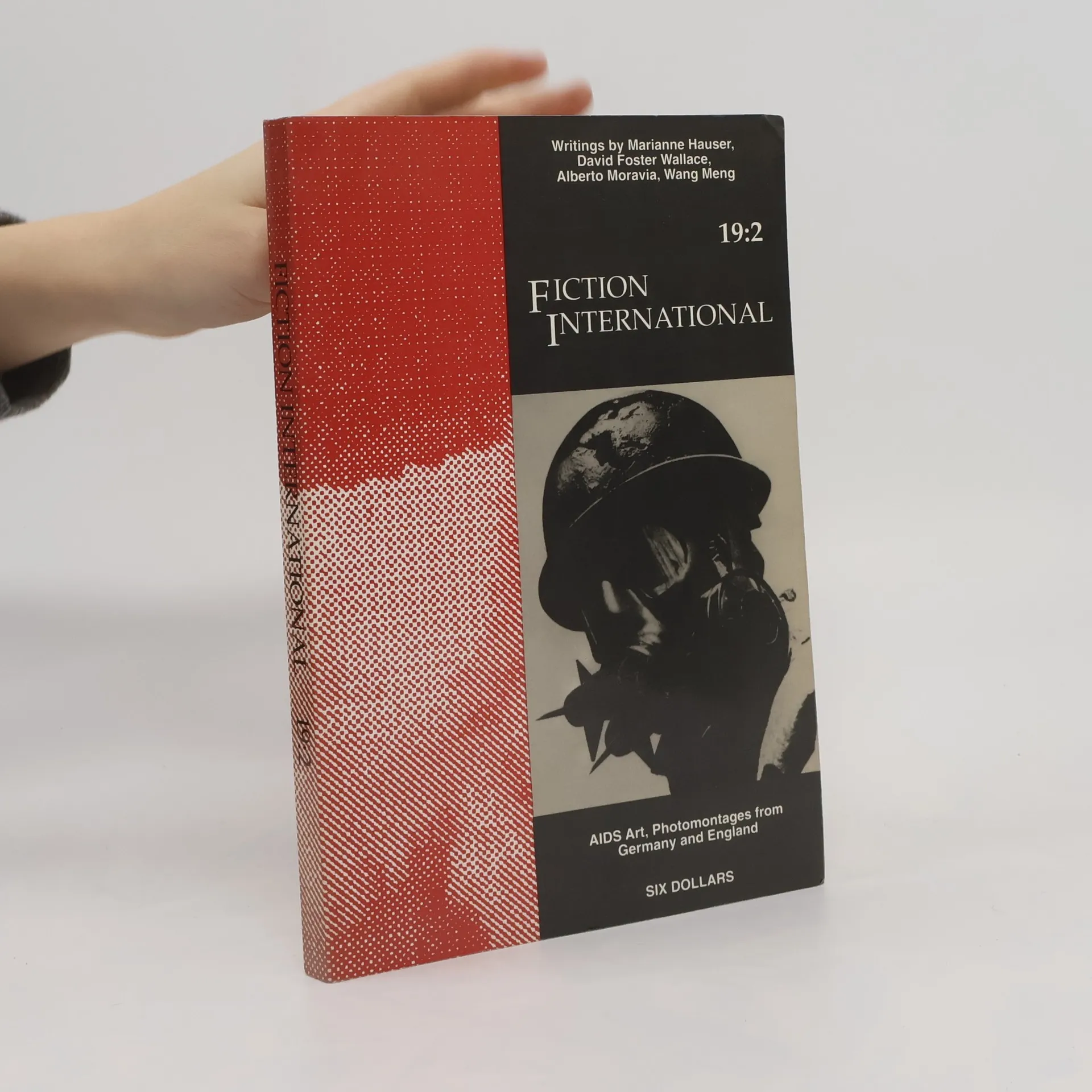
Fiction International 19:2
- 212 páginas
- 8 horas de lectura
Erotic Tales
- 192 páginas
- 7 horas de lectura
This collection of erotic short stories examines human desire and explores the boundaries between reality and fantasy. The stories explore Freudian obsessions, the innocence of youth, frustration and man's addiction to success. The author has also written The Woman of Rome.
In der faschistischen Italien sucht der junge Intellektuelle Lucio nach der besten Möglichkeit, mit seiner Verzweiflung umzugehen, ohne dem tragischen Despair des Suizids zu erliegen. In einem Badeort auf Capri lernt er Beate kennen, eine deutsche Schauspielerin, die mit einem Nazi-Offizier verheiratet ist und scheinbar ebenso verzweifelt ist wie er. Die existenzielle Angst der Hauptfiguren steht in scharfer Sensibilität im Kontrast zu dem düsteren historischen Moment des Wiederauflebens des Faschismus und Nationalsozialismus und schafft ein Werk mit starkem sozialem und politischem Gehalt.
Vita di Moravia
- 289 páginas
- 11 horas de lectura
"Specchio fedelissimo di una strenua, ininterrotta passione tramutatesi in una fede - si chiami questa passione letteratura o romanzo" (E. Siciliano), Vita di Moravia è una autobiografia in forma di intervista: lo scrittore sollecitato dell'incalzare delle domande di Alain Elkann, lentamente dipana il filo della memoria e rievoca la propria vicenda di letterato, di narratore, sempre attento alla realtà che lo circonda, pronto a tradurre il vissuto nella favola romanzesca. Dagli anni Dieci alla fine degli anni Ottanta - attraverso la rievocazione dell'infanzia e dell'adolescenza difficile, delle prime prove narrative e dei sempre crescenti successi - si delinea la storia di uno scrittore che diviene protagonista della scena letteraria internazionale e testimone tra i più lucidi del nostro tempo. E l'interlocutore non è soltanto un amico, un complice. Alain Elkann entrando nel meccanismo del gioco letterario costringe Moravia ad arrendersi alla narrazione.
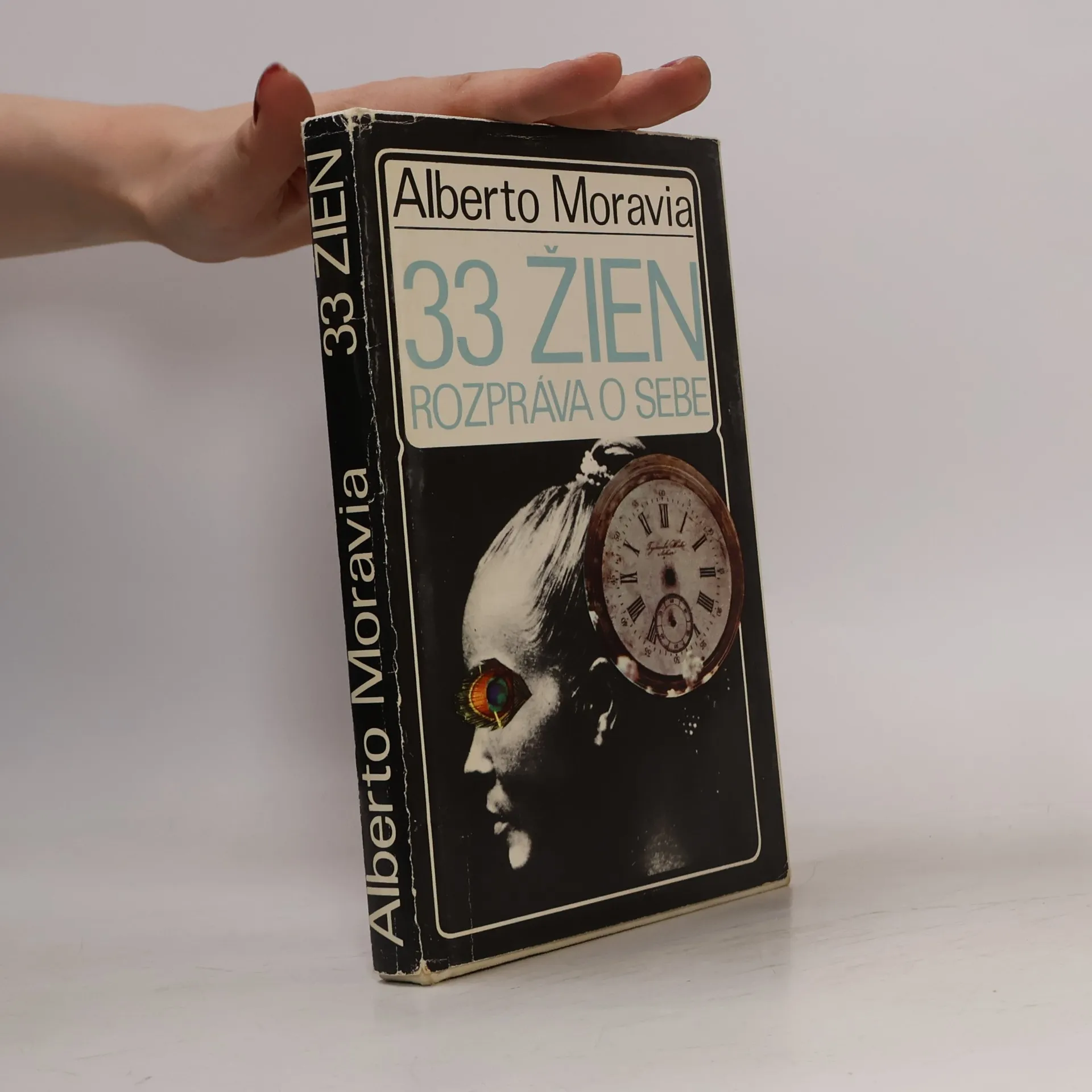
V Tridsiatich troch ženách nastavil zrkadlo ženám z najzámožnejších vrstiev, ženám presýteným, znudeným z nedostatku akejkoľvek činnosti, silne zaťaženým pocitom odcudzenia, vyplývajúcim zákonite z rozkladu všetkých ľudských hodnôt. A odtiaľ je už iba krôčik k morálnej narušenosti,skazenosti, k negatívnym dôsledkom konzumnej spoločnosti, ktoré vyúsťujú až v samovražde a vražde. (Kniha je první částí trilogie o ženách: Il paradiso - Un'altra vita - Boh, zbylé dvě části v češtině ani slovenštině nikdy nevyšly).
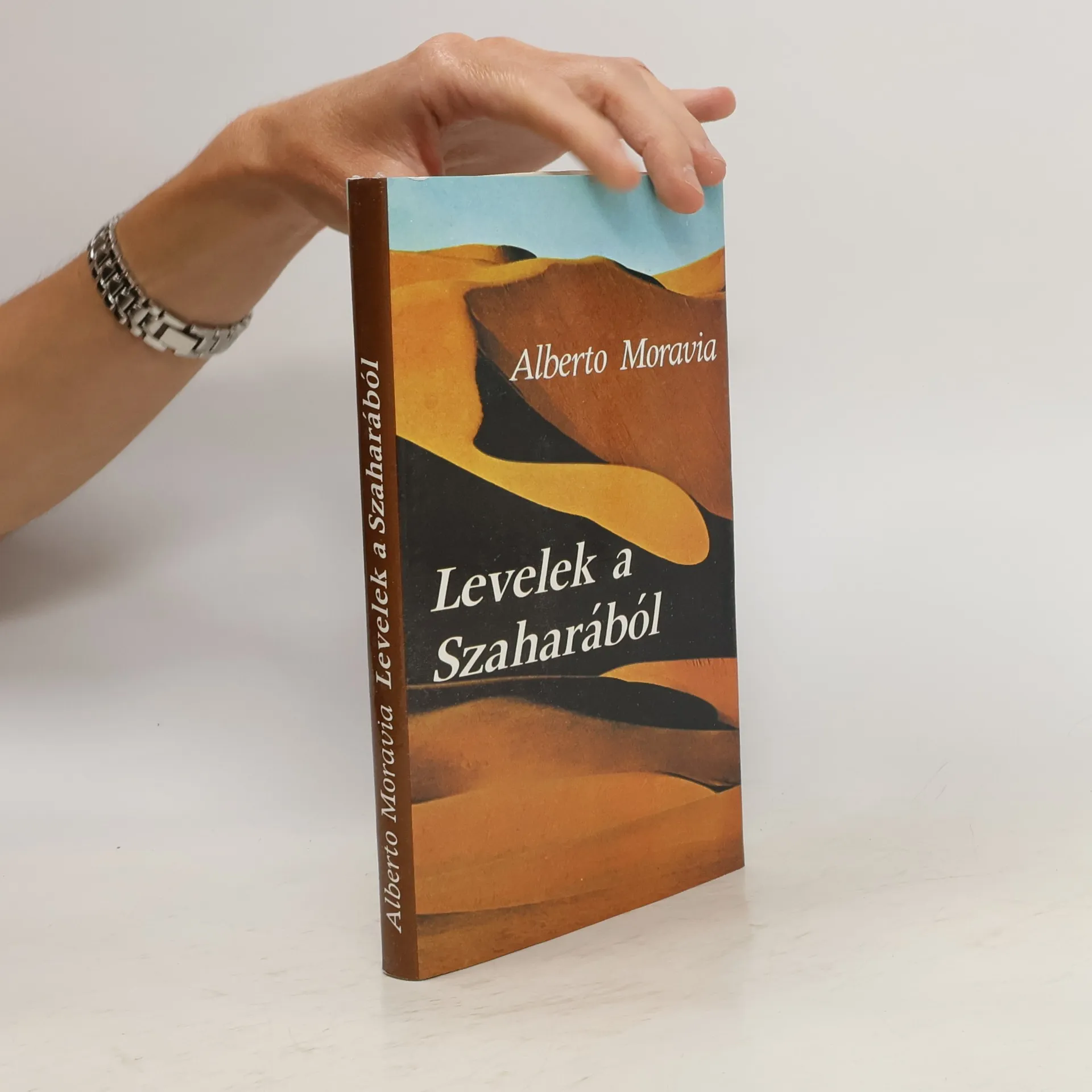
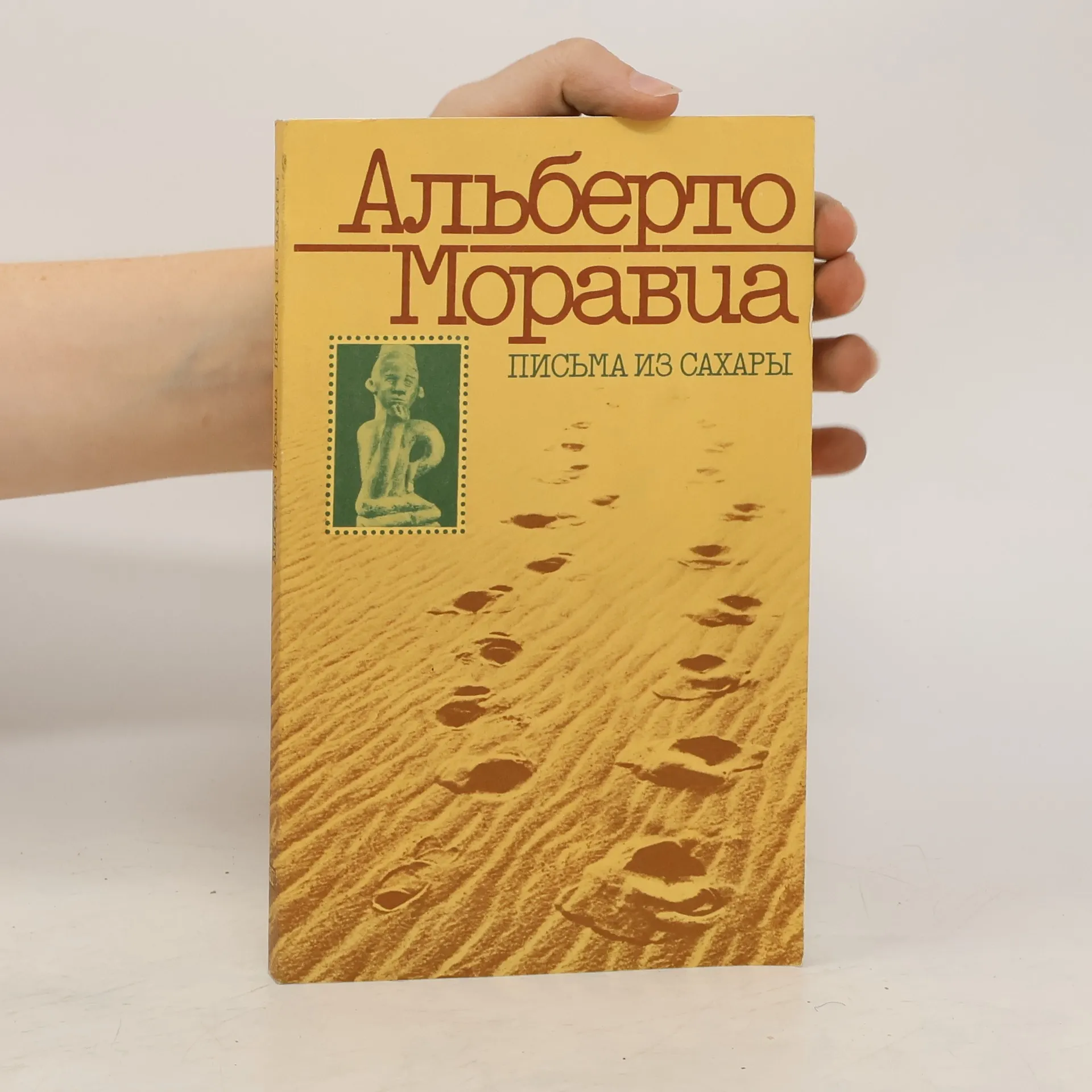
Szaharai tévutakon, Rituális tánc az éjszakai őserdőben, Krokodilvadászaton, Látogatás egy szultánnál. Vendégségben egy varázslónál. Gróf Teleki Sámuel nyomában – ilyen, kedvcsináló alcímek is hirdethetnék ezt a könyvet, Alberto Moravia afrikai útirajzainak gyűjteményét, De ilyenek is: Defoe és Joseph Conrad, Mark Twain és a Grimm testvérek nyomában. Moraviát mindig, minden egyformán és egyszerre foglalkoztatja. Számára természetes, hogy a Zaire folyón hajózva Conrad naplóját olvassa; az Afrika szívében kalandozó értelmiségi számára az úti élmények befogadása, illetve az élmények feldolgozása, a kulturális „hasznosítás” úgyszólván egyidejű művelet. Hápogó lelkendezésnek vagy fölényes, európai legyintésnek ezekben az útirajzokban nincs nyoma. Szigorú pontosságukon legfeljebb a Moraviánál oly szokatlan meghatottság ejt néha-néha csorbát: a sivatag-óceánok, tengernyi szavannák és kútmély dzsungelek időtlenségéből egyszer s mindenkorra kirekesztett ember szomorúsága.
Francesca da Rimini; Ako predtým, lepšie ako predtým; Muž a žena; Svet je taký, aký je
Der neugierige Dieb. Erzählungen
- 442 páginas
- 16 horas de lectura
Alberto Moravia ist ein Meister des Voyeurismus und enthüllt verborgene Details des Lebens. In der Erzählung "Höhlen" bemerkt der Leser das Zucken einer Ehefrau, während in der Titelerzählung ein Dieb einer intimen Szene beiwohnt und das Stehlen vergisst. Diese kurzen Episoden vermitteln eine eindringliche Dramatik.
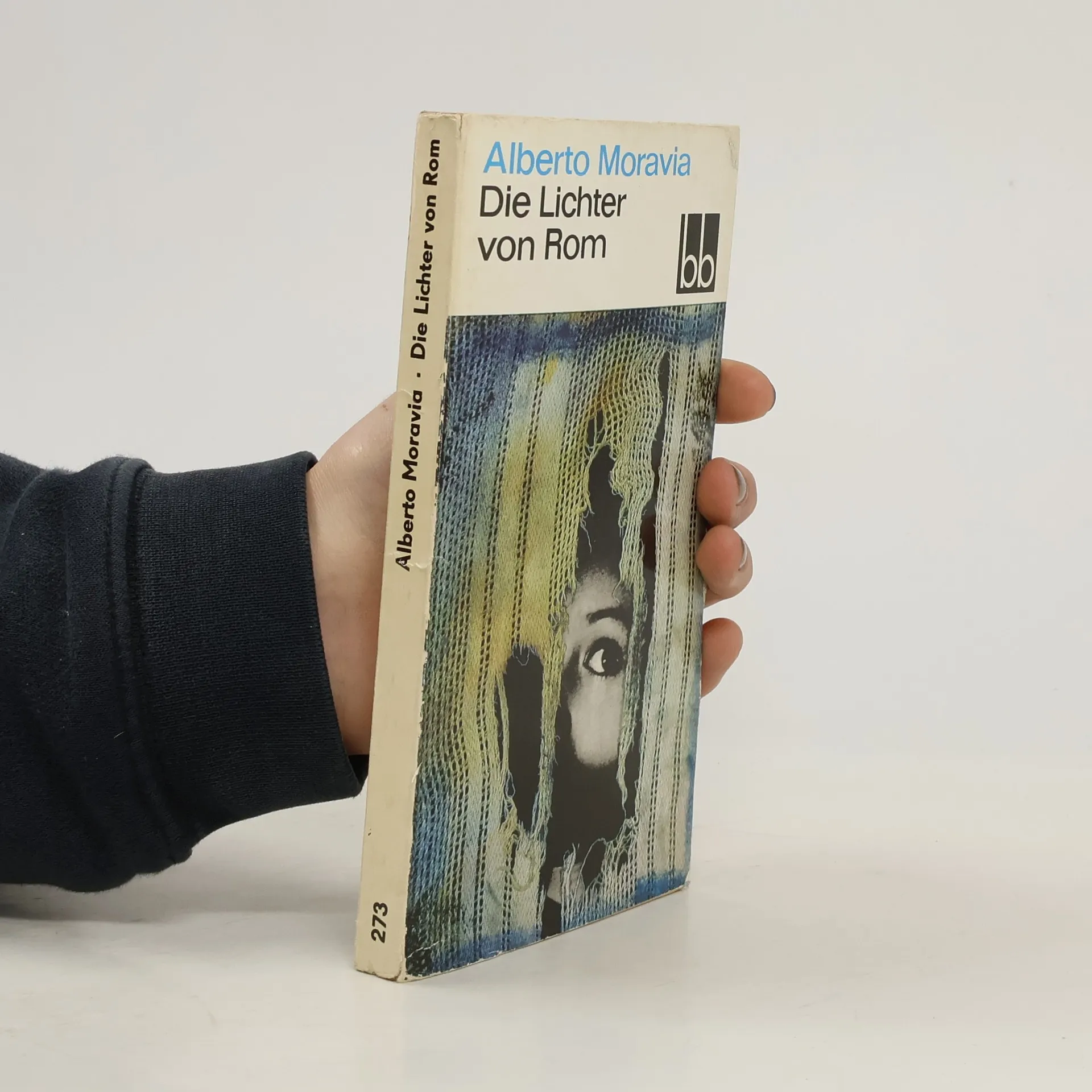
Die Lichter von Rom markiert einen wichtigen Schritt in der Entwicklung von Moravias Erzählkunst. Protagonistin des Romans, der in Rom zur Zeit des Äthiopienkriegs spielt, ist eine außergewöhnliche, lebendige und moderne Frauenfigur. Moravia wollte mit dieser Figur eine Frau voller Widersprüche und Fehler schaffen, die dennoch durch eine naive Vitalität und einen Schwung an Zuneigung in der Lage ist, diese Widersprüche zu überwinden und ihre Fehler zu berichtigen, um zu einer Klarheit und einem Gleichgewicht zu gelangen, die den meisten Intelligenten und Begabten oft verwehrt bleiben.
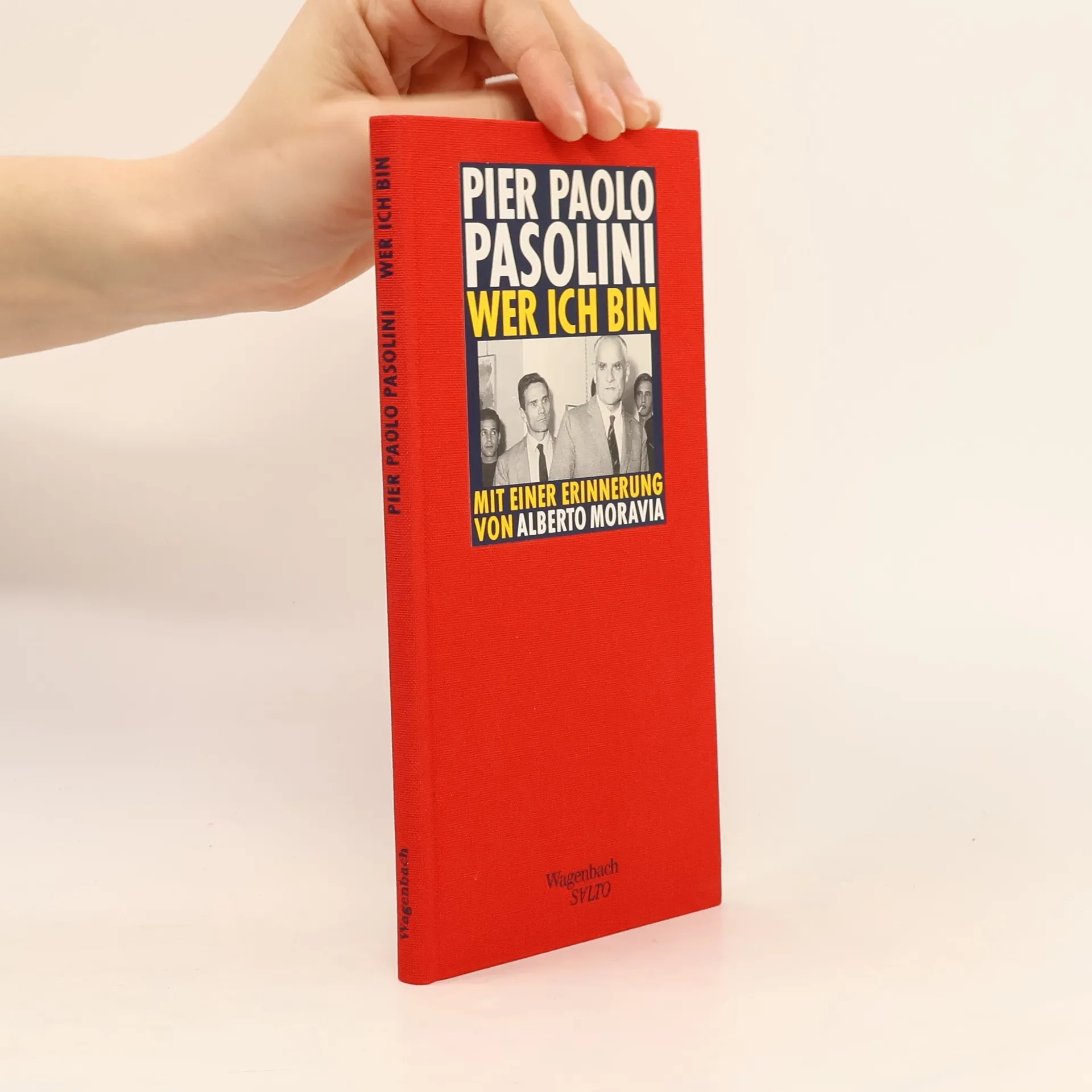
Wer ich bin
- 77 páginas
- 3 horas de lectura
Prólogo de Piero GelliTraducción de Fernando González GarcíaPoeta de las Cenizas es un texto autobiográfico brutal, descarnado, episódico, en el que vemos a Pasolini recorrer momentos importantes de su pasado, ganglios vitales de su el Friuli de Casarsa, la madre, la muerte del hermano, la relación con el padre, la fuga a Roma, las primeras publicaciones, los acontecimientos que el lector italiano de entonces conocía bien, o por estar diseminados en muchas obras, o por pertenecer a la crónica diaria. Además de ello, el autor explica su compleja relación con la poesía y el cine, reflexionando sobre obras tan fundamentales en la creación contemporánea como Teorema.Poeta de las cenizas se convierte así en un intenso retrato de Pasolini, de su voluntad de enfrentarse al poder en todas sus formas, y también en un largo poema de asombrosa modernidad.Cuando el 2 de noviembre de 1975 el cuerpo destrozado de Pasolini fue hallado en el hidropuerto de Ostia, al horror y al dolor por esa muerte, rápidamente convertida en simbólica por mitografías literarias y religiosas, le siguió una especie de sorpresa, de turbación, de vacío para todos los que, de distintas maneras y por motivos diferentes, habían recorrido su propia existencia cultural reflejándose en aquella presencia dominante, ineludible, en el escándalo con el que aparecía en el candelero y en el que inevitablemente moría.
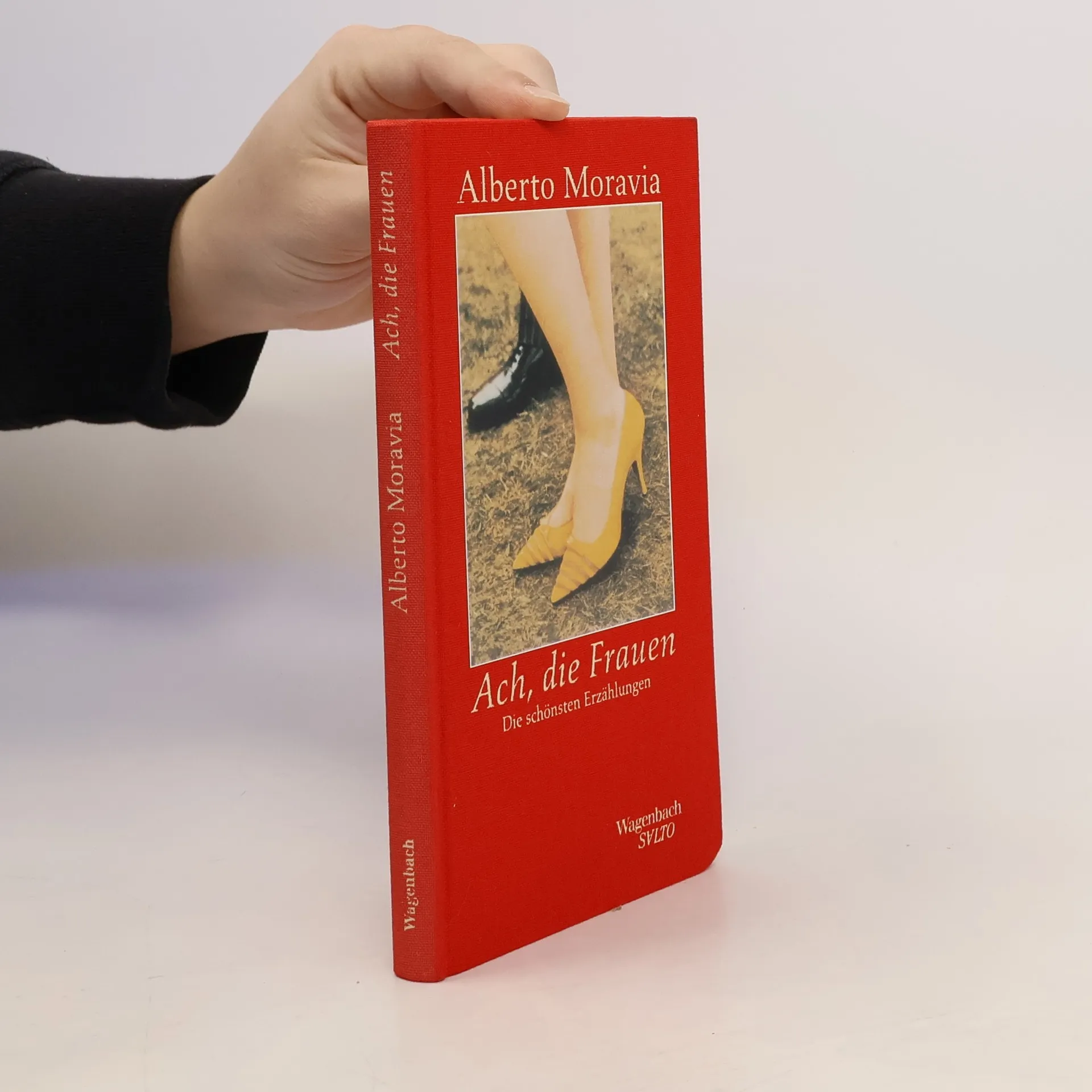
Eine Auswahl aus über dreihundert Erzählungen, die Moravia als legitimen Nachfahr der italienischen Novellisten zeigt: Was zählt, ist die Liebe. Wie gewinnt man sie, wie verteidigt man sie, wie geht sie verloren? Am aufregendsten sind Moravias Paarbildungen: Wie und wodurch werden gerade diese Frau und dieser Mann ein Paar? Durch Blicke, Reden, Arbeit, ein gemeinsames Bad oder ein gemeinsames Bett? Und wie verhalten sich dabei, ach, die Frauen? Auf wenigen Seiten vermag Moravia Schicksale zu erzählen, drastisch, und dennoch lebendig, unsentimental, fast heiter. Ein Erzähler, der nicht nur als Mann, sondern auch als Frau auftritt und jedes Mal förmlich in seinen Figuren verschwindet – ein Voyeur von innen.
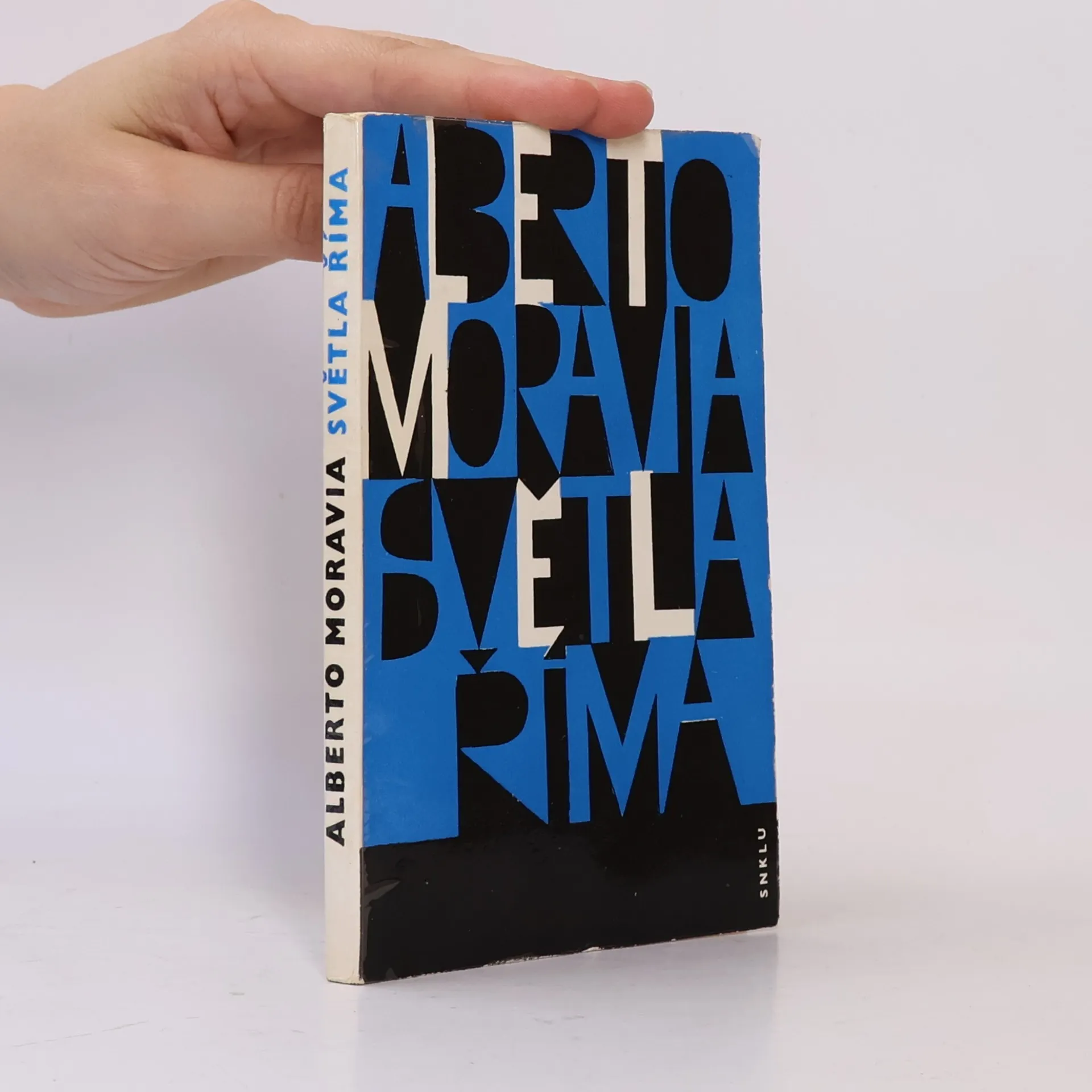
Rodné město Řím, jeho život a obyvatelé, drobní každodenní lidé, poskytli dnes nejúspěšnějšímu z italských spisovatelů látku k dlouhé řadě povídek, z nichž je tu čtenáři předkládán výběr. Stejně jako autorovy velké romány i jeho povídky upoutají vyprávěčským uměním, hlubokou analýzou psychologických a citových stavů hrdinů i věrnou kresbou prostředí a rozmanitých pramenů, z nichž prýští lidské radosti i strasti.
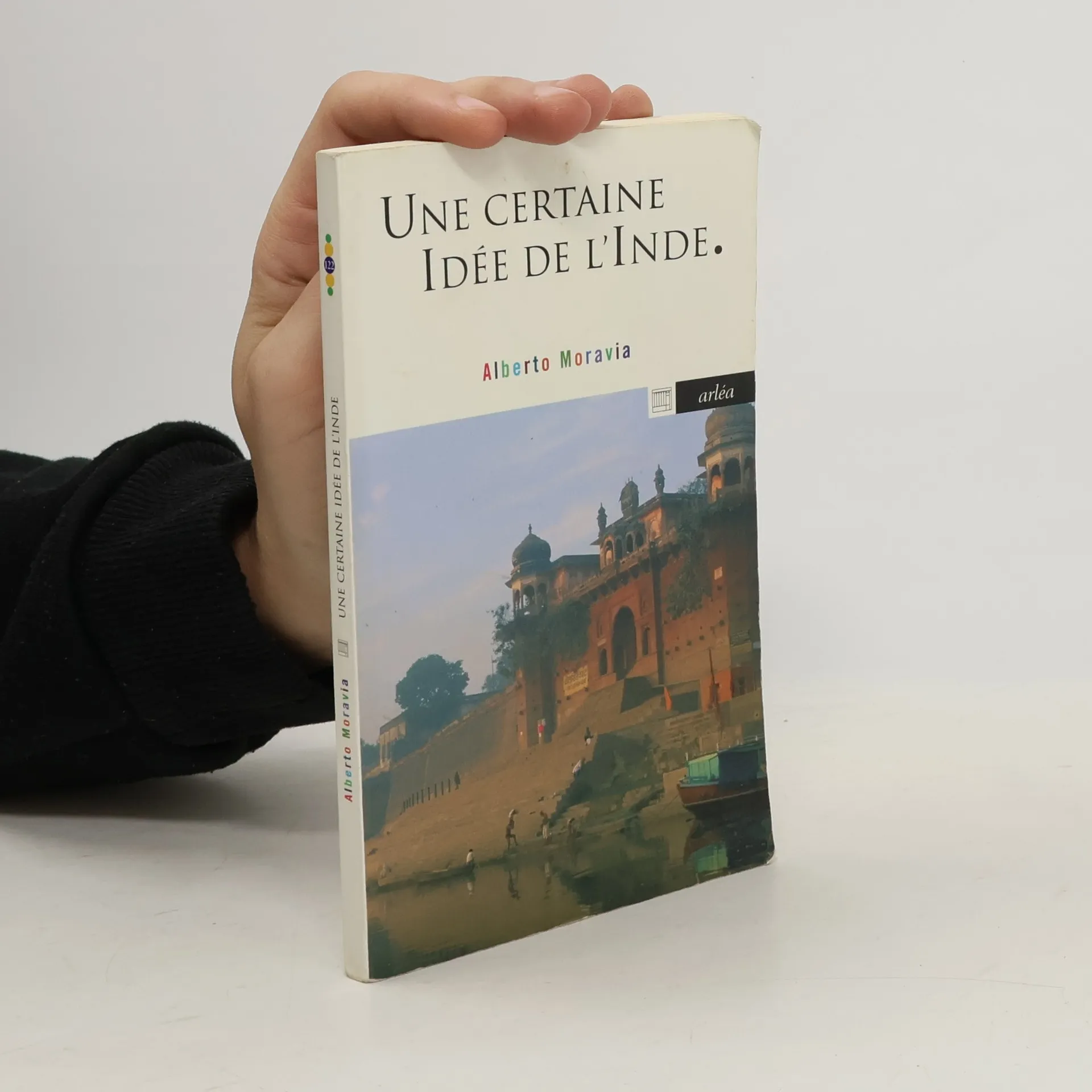
En 1961, Alberto Moravia entreprend un voyage en Inde en compagnie d'Elsa Morante, sa femme, et de leur ami Pier Paolo Pasolini. De ce voyage, la littérature gardera deux livres complémentaires et éblouissants : L'Odeur de l'Inde, de Pier Paolo Pasolini, et Une certaine idée de l'Inde, d'Alberto Moravia. Ce qui saisit Moravia c'est, par-delà la violence du choc culturel, la force d'un pays en train de relever un défi social audacieux. Analysant les causes de l'extrême pauvreté, il s'en entretient avec Nehru, devant lequel il ose dénoncer le système des castes. Enfin, il décrit avec une grande élégance l'immensité et la douceur des paysages
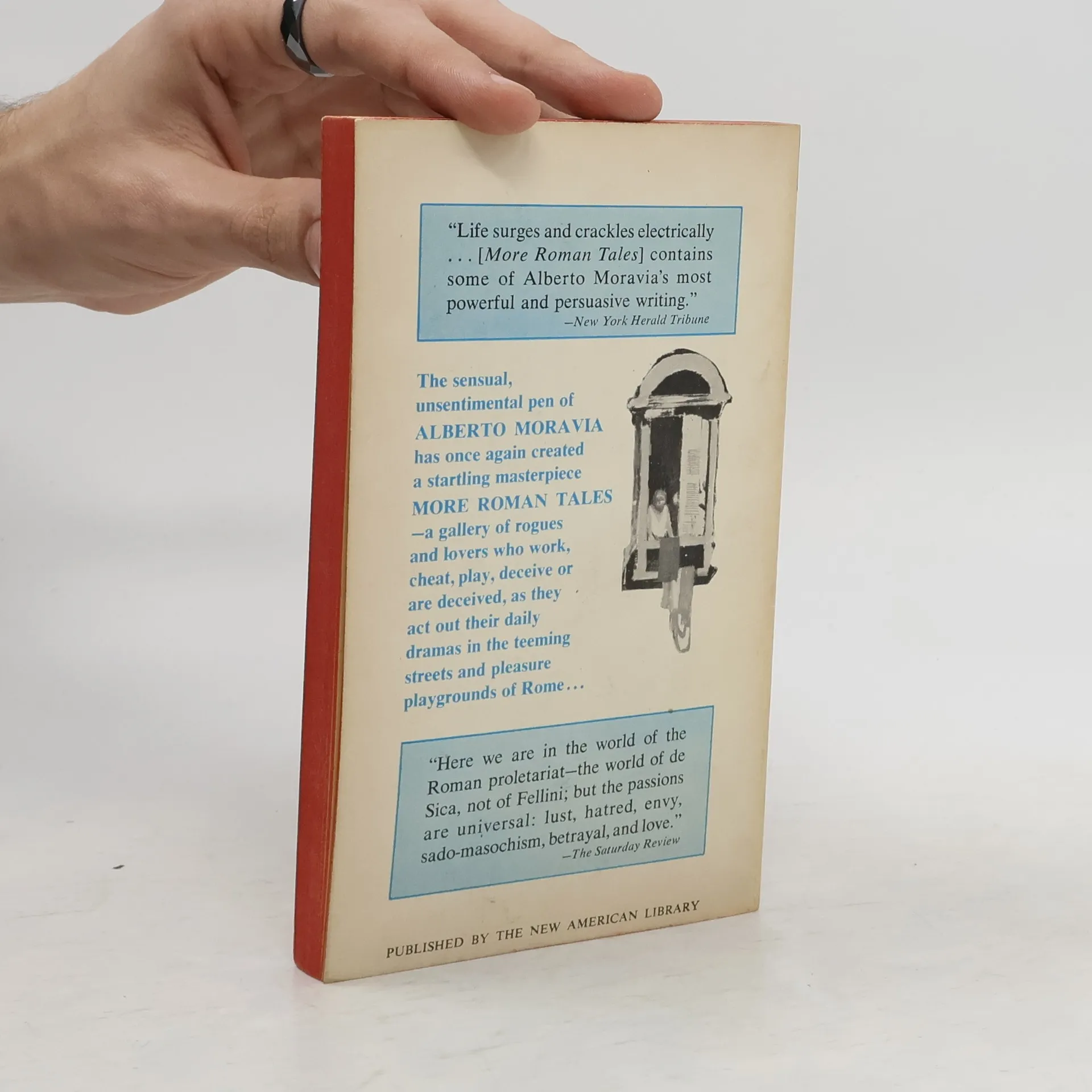
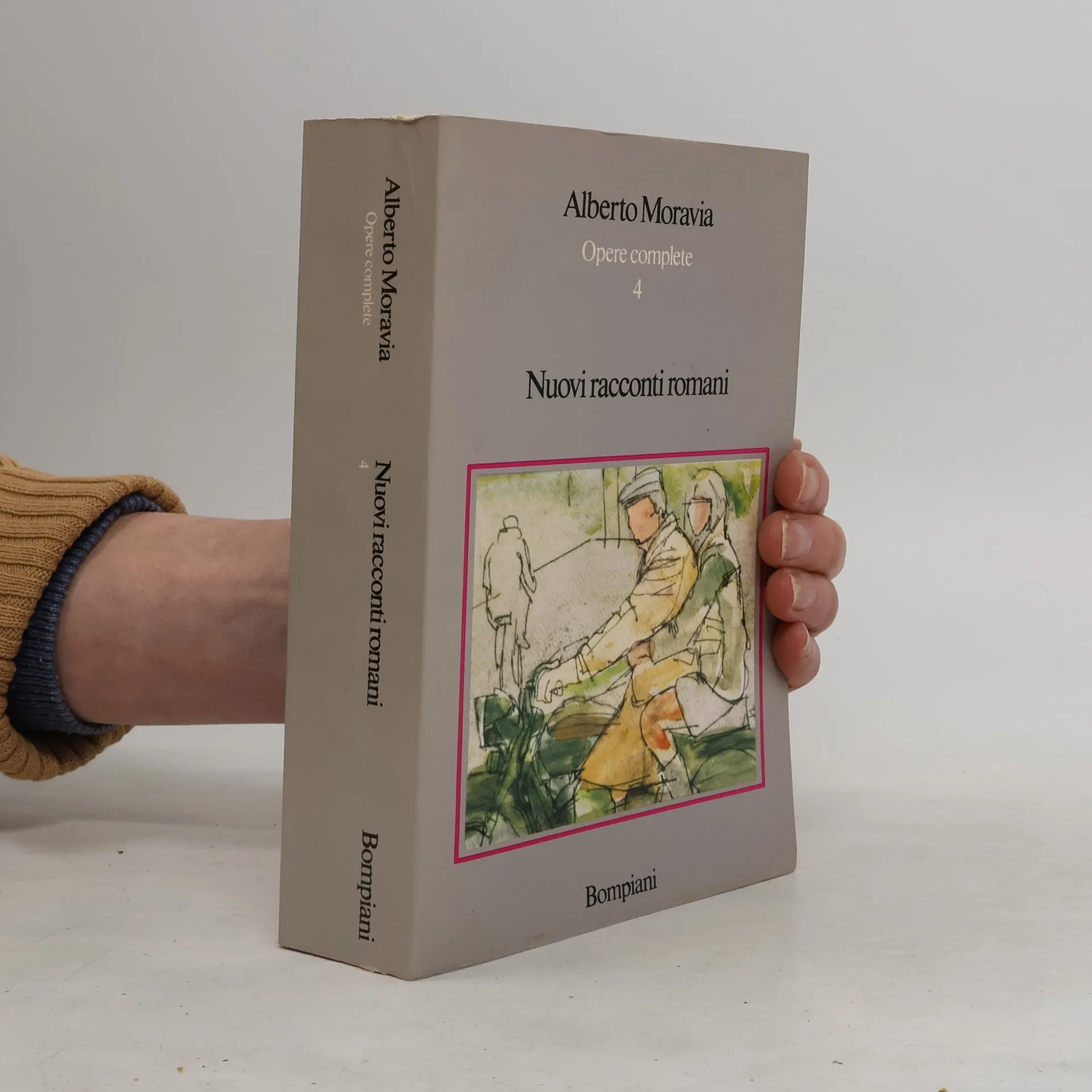
I "Nuovi racconti romani" di Alberto Moravia sono stati scritti tra il 1954 e il 1959 e costituiscono la naturale continuazione del dicorso avviato con i precedenti "Racconti romani", considerati dalla critica centrali nella produzione moraviana. Anche nei "Nuovi racconti romani" il mito proletario influisce non soltanto sulla visione del mondo, ma anche sulla scrittura che è leggermente "romanesca" come appunto il linguaggio corrente di Roma che non è più affatto dialettale come ai tempi dei Belli, ma appena velato da un superstite accento locale. La vastissima compagine di questi racconti, una vera e propria commedia umana, può apparire anche come una puntigliosa verifica della disfatta che insidia i propositi della vita.
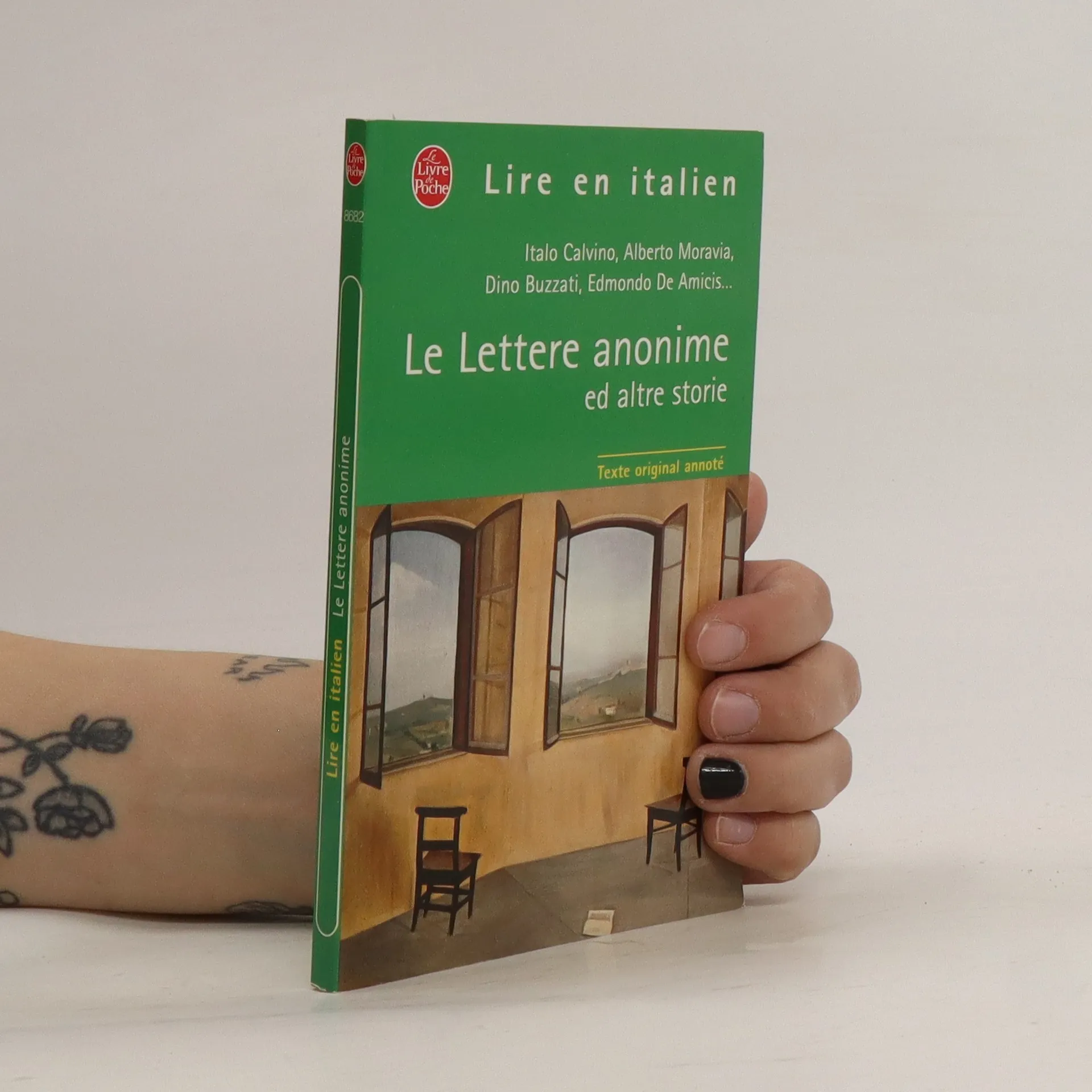
Le Lettere anonime ed altre storie
- 160 páginas
- 6 horas de lectura
Le bref retour d'un fils... La déchéance d'un " homme d'honneur "... Un bon repas apprécié tardivement... Un enfant qui se refuse à dormir... Une fille qui montre qu'elle vaut plus qu'un garçon... Un curieux personnage plus soucieux de son orthographe que la morale... La confession du fils au chevet du père mourant... Est surpris qui voulait surprendre...
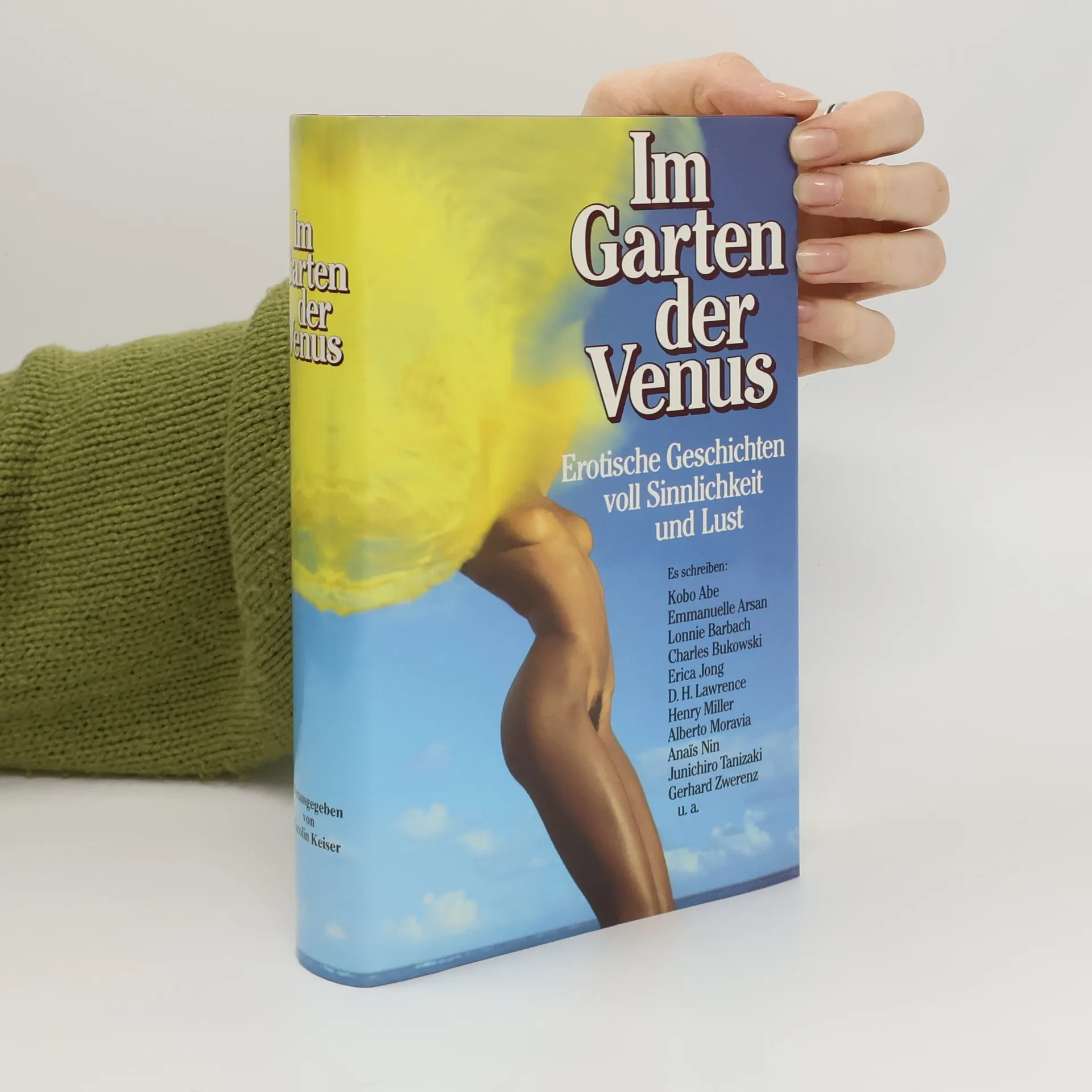
Im Garten der Venus
- 380 páginas
- 14 horas de lectura
Hrsg. Keiser, Carolin. Sonderausgabe. 380 S. N.-A.
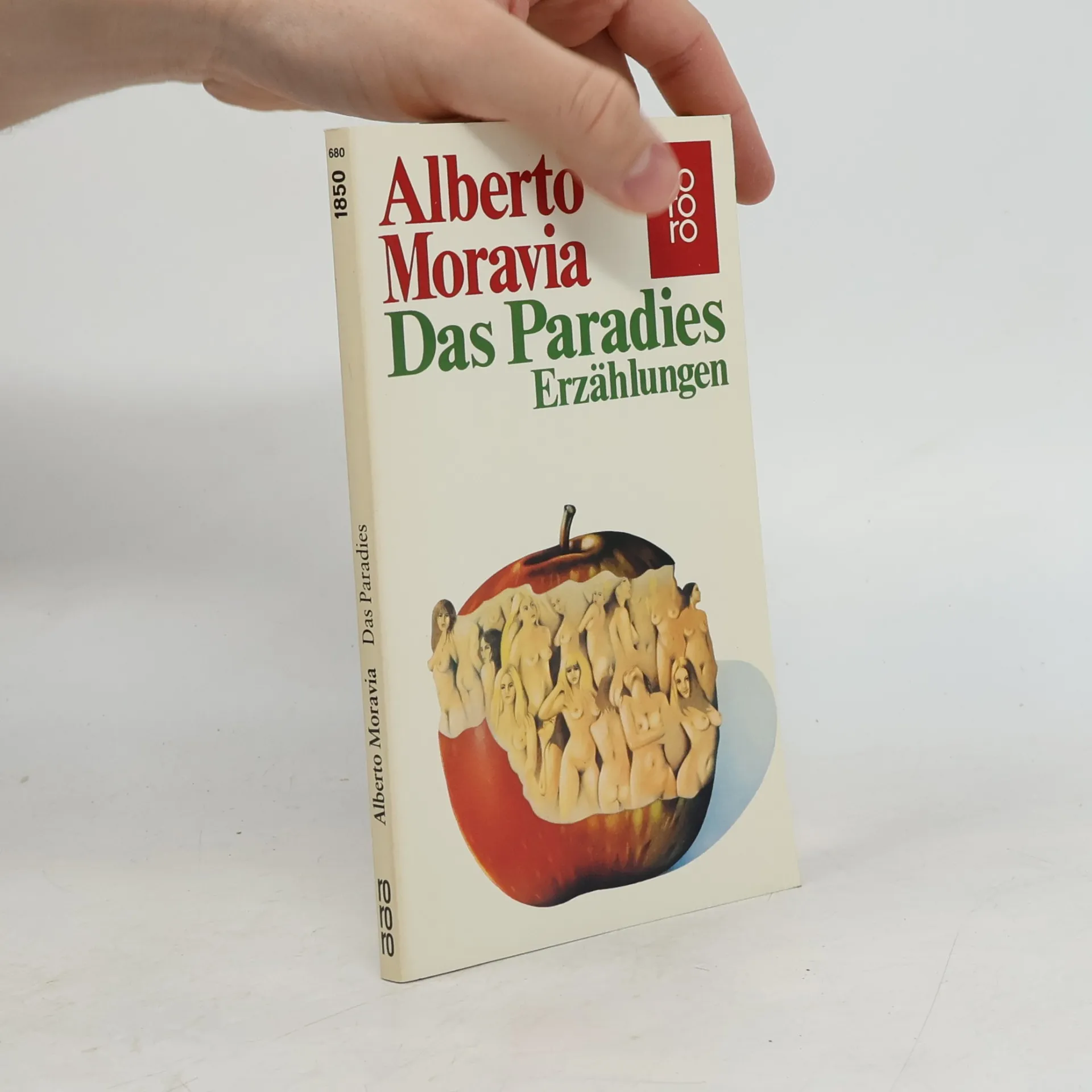
Das Paradies
- 135 páginas
- 5 horas de lectura
In dieser Erzählung beschreibt der Autor vierunddreißig weibliche Figuren, vierunddreißig Frauen, die von sich selbst erzählen und ihre Lebenswahrheiten in der ersten Person mitteilen.
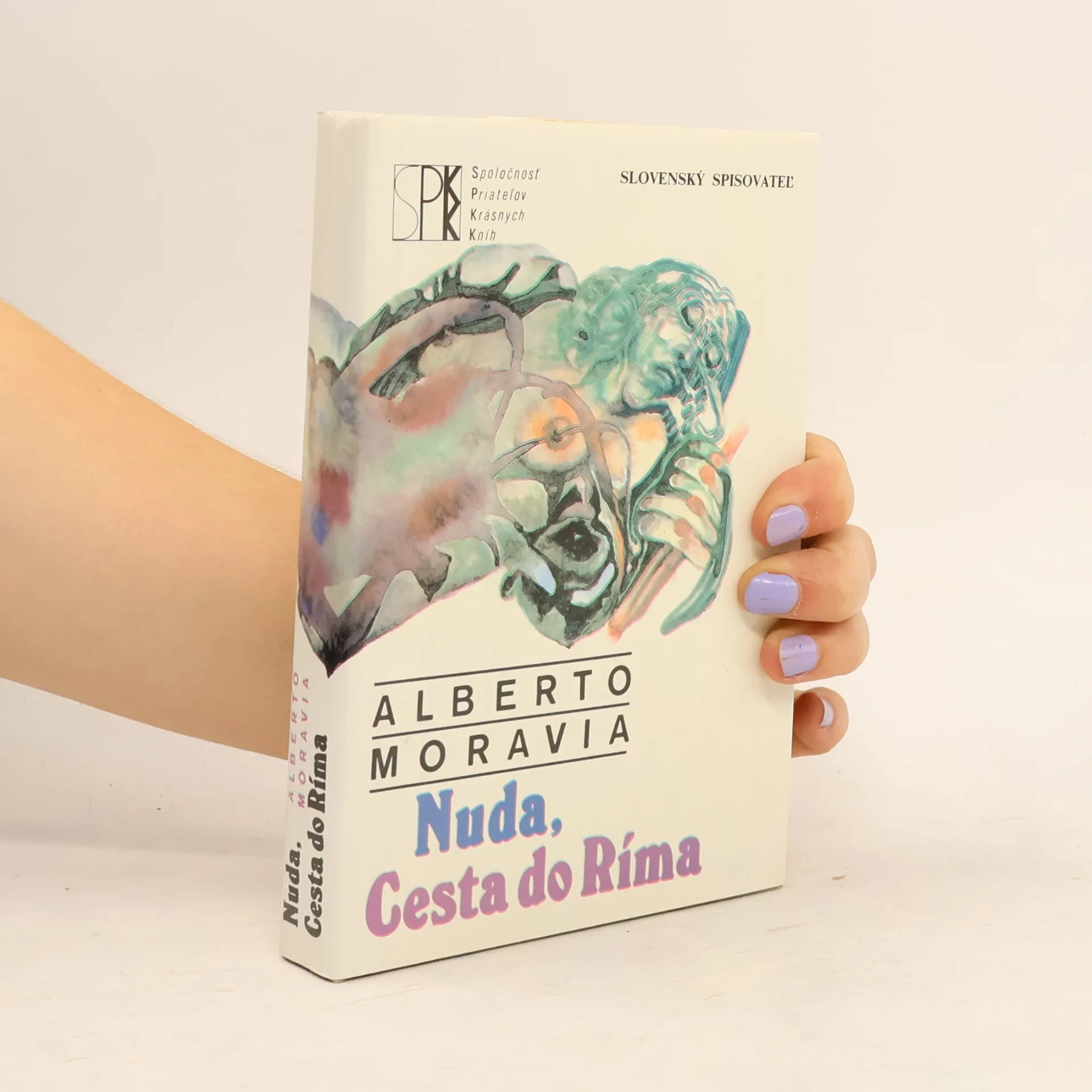
Nuda. Cesta do Ríma
- 336 páginas
- 12 horas de lectura
Nuda (1960): Děj románu se odehrává v Římě 60. let 20. století a protagonista Dino, nadaný malíř, opouští pohodlí matčina domu, aby se mohl nerušeně soustředit na svou práci. Inspirace ale nepřichází ani se změnou prostředí, hrdinu neustále pronásleduje pocit nudy a bezútěšnosti, na kterou nenachází lék ani v prchavých milostných vztazích. Setkání s mladičkou bezprostřední modelkou ho na chvíli zaujme, brzy se ale jejich vztah mění opět na pouhý erotický stereotyp. Teprve když Dino zjistí, že se jeho živočišná milenka schází ještě s jiným mužem, láme se jeho otupělost a nezájem a on poprvé v životě chce vědět o druhém člověku co nejvíce, co si myslí, co cítí, čím a proč ji druhý muž přitahuje. Opravdový zájem o druhého člověka v něm probouzí skutečný cit a hrdina se snaží k sobě dívku všemi prostředky připoutat. Jeho úsilí sice vychází naprázdno, ale on konečně poznává smysl lásky, oproštěné od pocitu vlastnictví, a nalézá i nový zdroj inspirace pro svou tvorbu. Cesta do Říma (1988): V Cestě do Říma se otec, který nacházel zalíbení v nevěrách své ženy, snaží udobřit po její smrti se synem, který kvůli této neobvyklé rodinné situaci odešel pryč. Udobřování je ovšem zkomplikováno, když začnou kolidovat jejich milostné touhy.
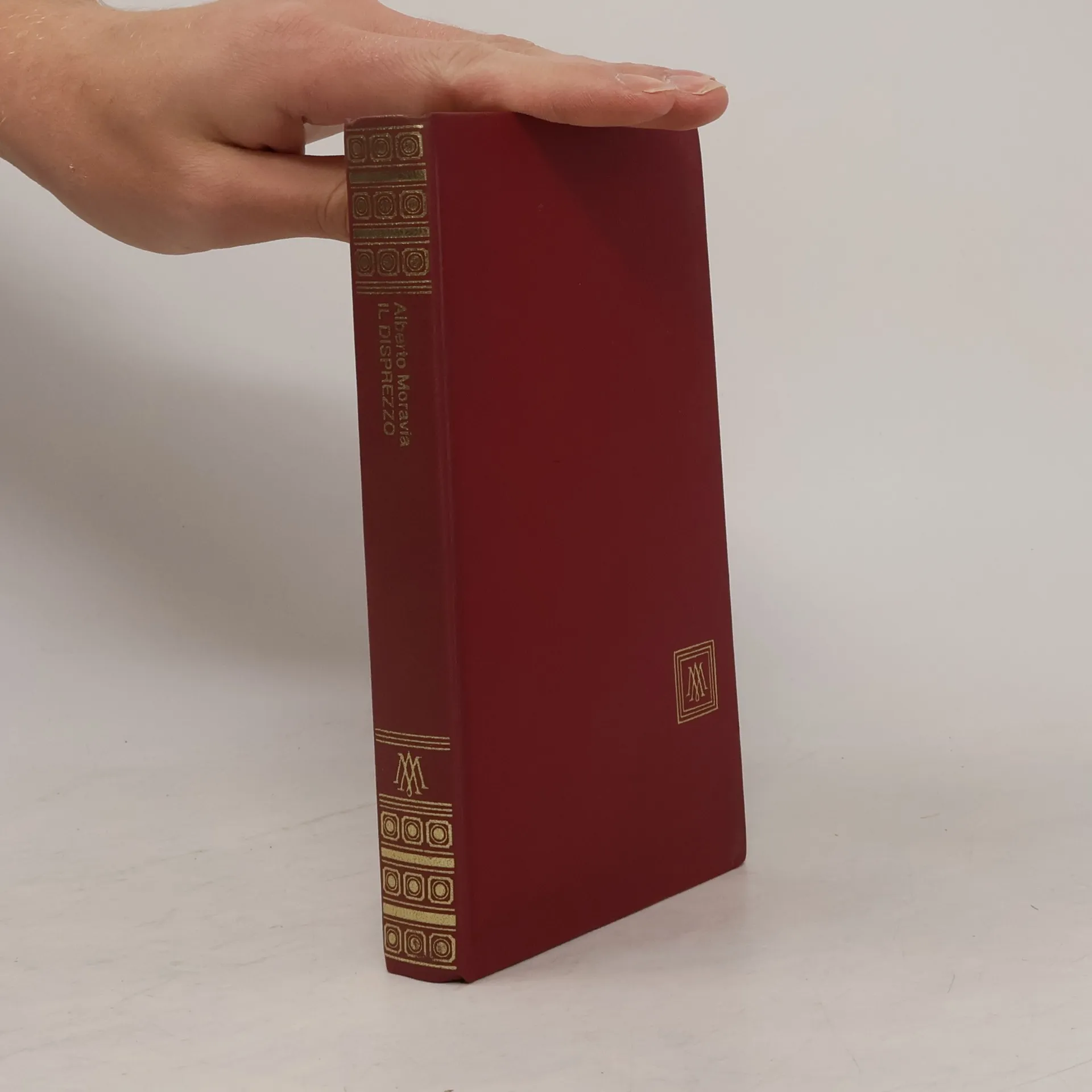
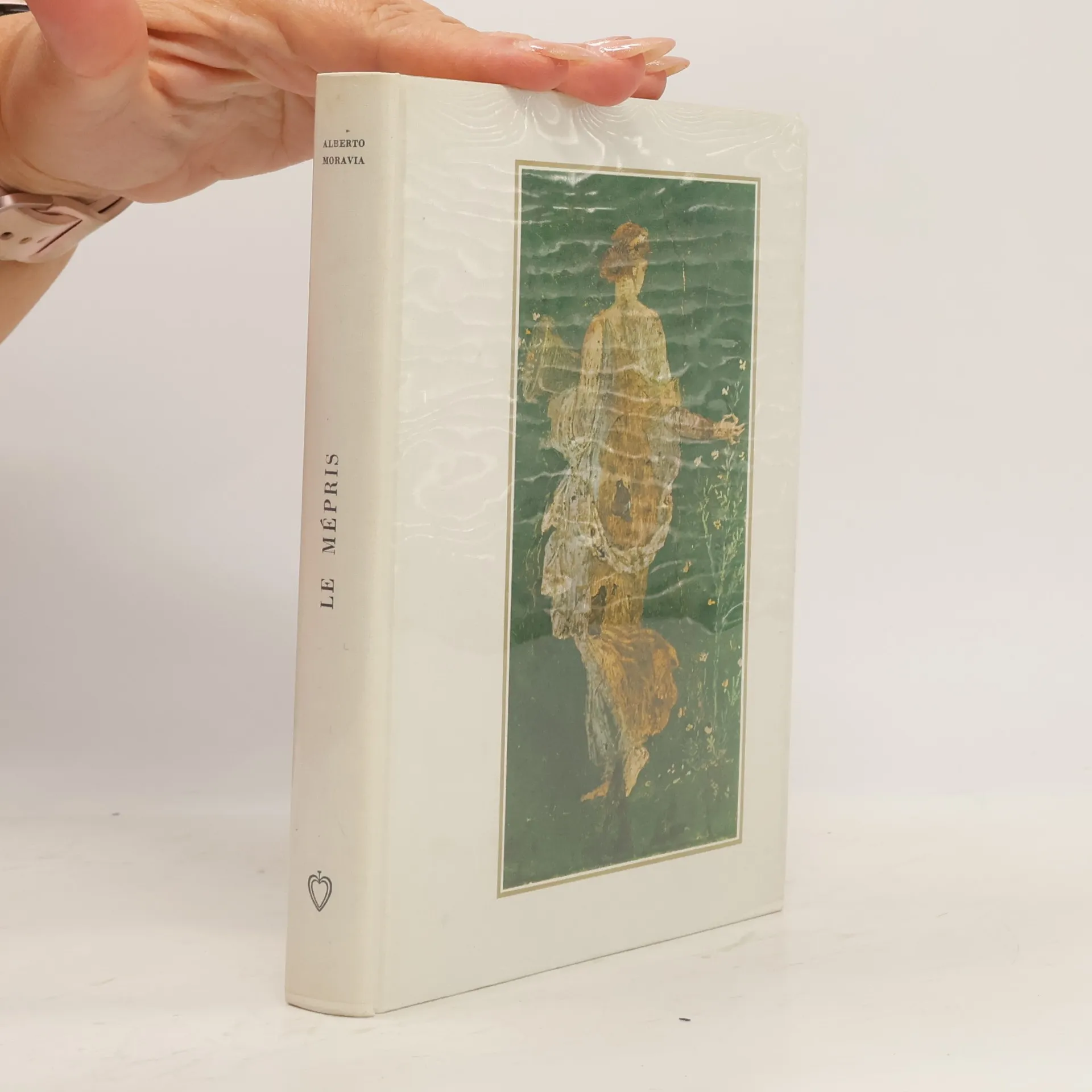
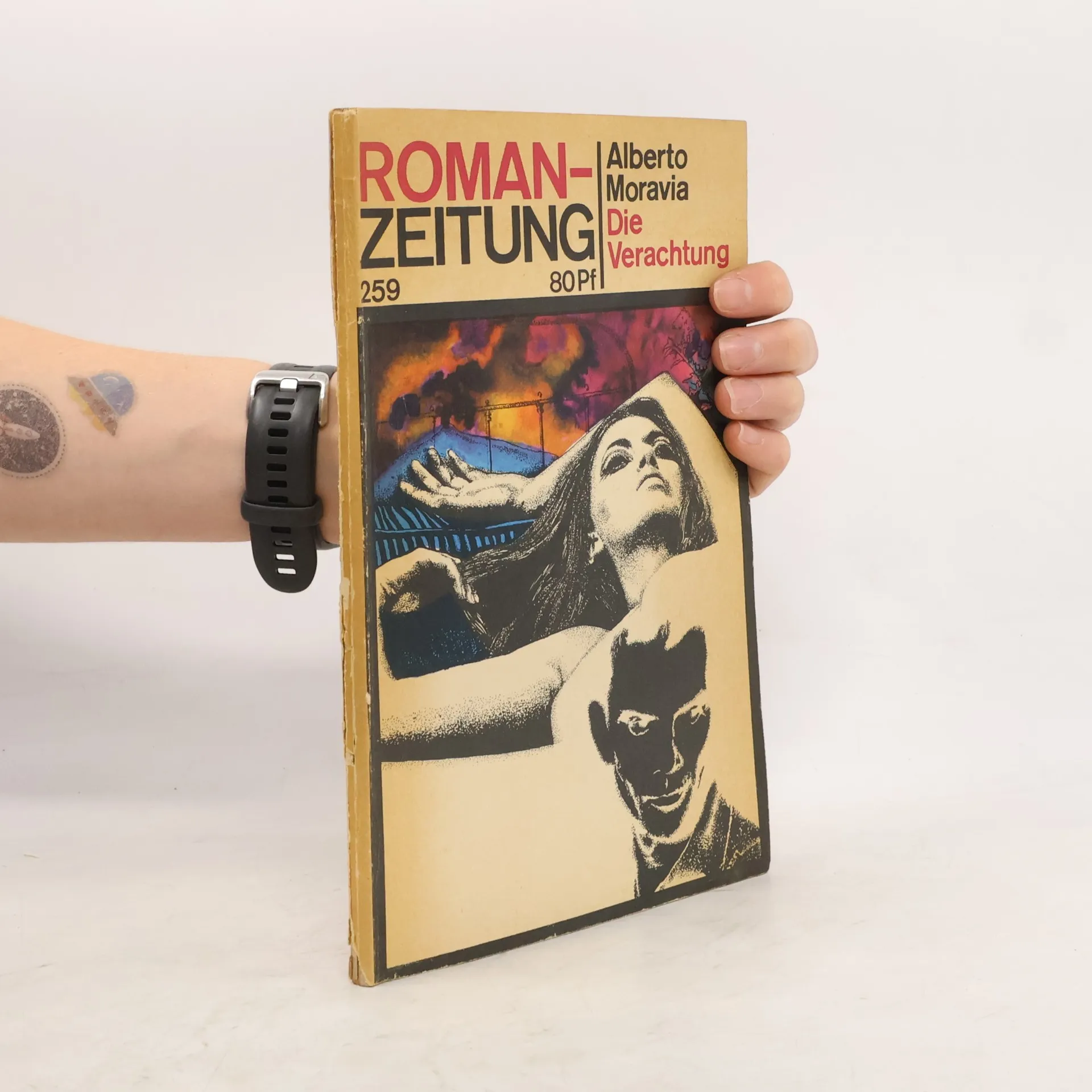
Protagonista è uno scrittore di sceneggiature i cui rapporti con la moglie si illuminano e si complicano a contatto con il mondo della produzione cinematografica, della carriera e del successo. Questo libro muove da un dato positivo, un caso di fedeltà matrimoniale, per chiarirne tutta la natura di illusione, di reale sconfitta e profonda, moderna contraddizione. "...E' nel 'disprezzo' che la problematica centrale di Moravia trova la sua summa più precisa e complessa, quasi una unitaria enciclopedia della sua varia tematica." (Edoardo Sanguinetti)
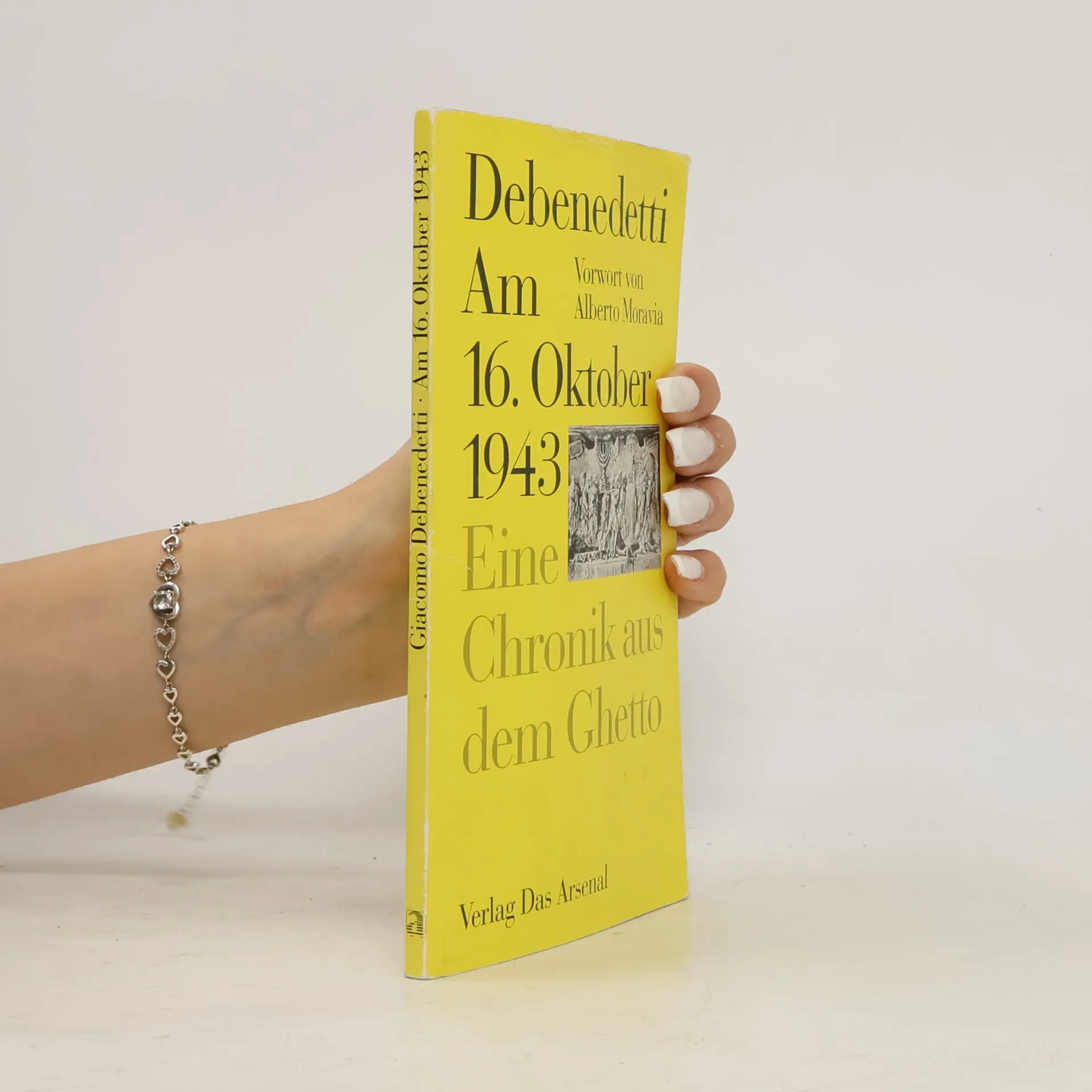
Am 16. Oktober 1943
Eine Chronik aus dem Ghetto
Dieses kurze Werk, mittlerweile als Klassiker der postklandestinen Literatur angesehen, erzählt von der Razzia der Nazis im Ghetto von Rom, die innerhalb eines Morgens mit der Deportation von tausend Juden endete. Leser und Kritiker haben es zu Recht mit den ersten Kapiteln der "Storia della Colonna Infame" verglichen, aufgrund der stilistischen Qualität, die mit dem dokumentarischen Wert einhergeht.
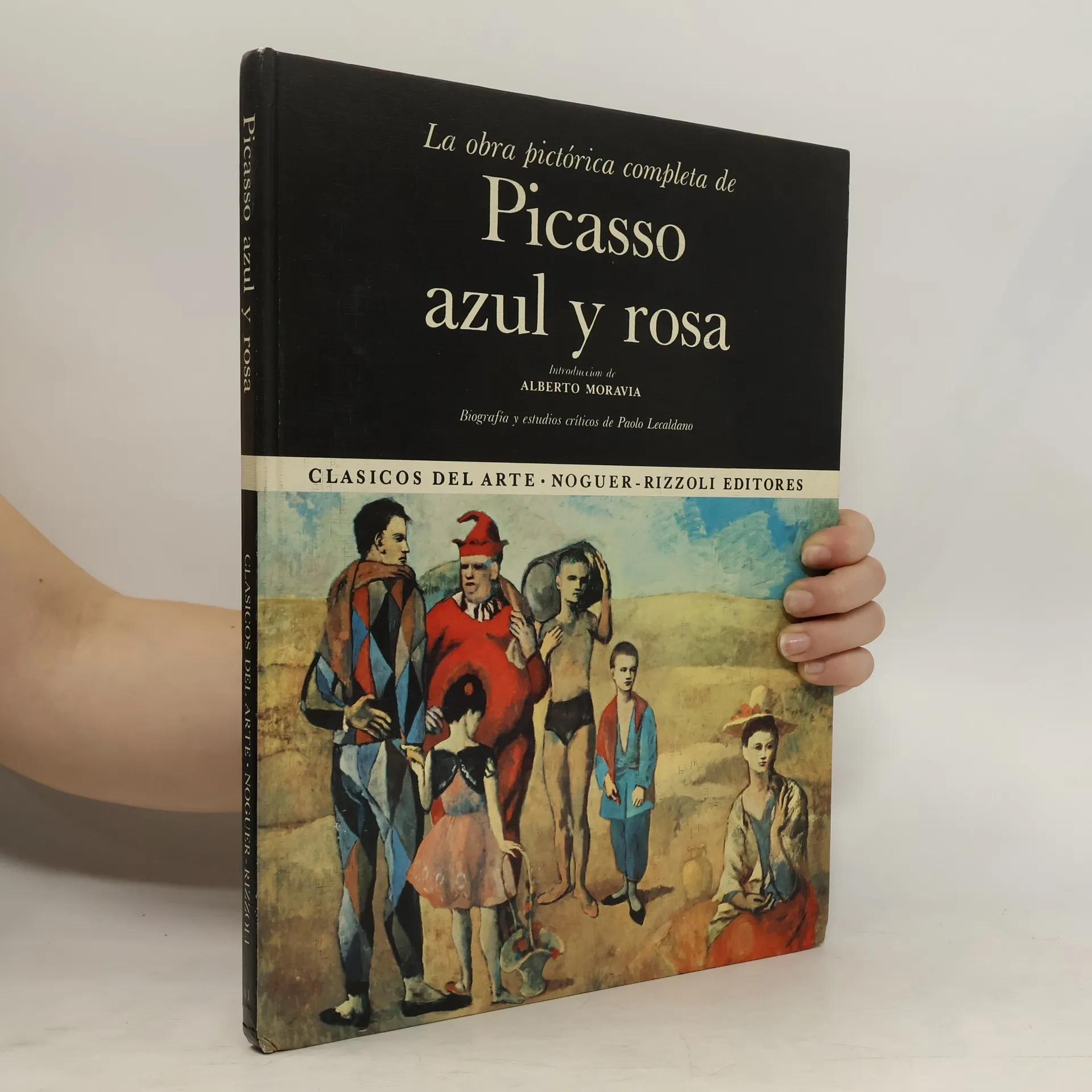
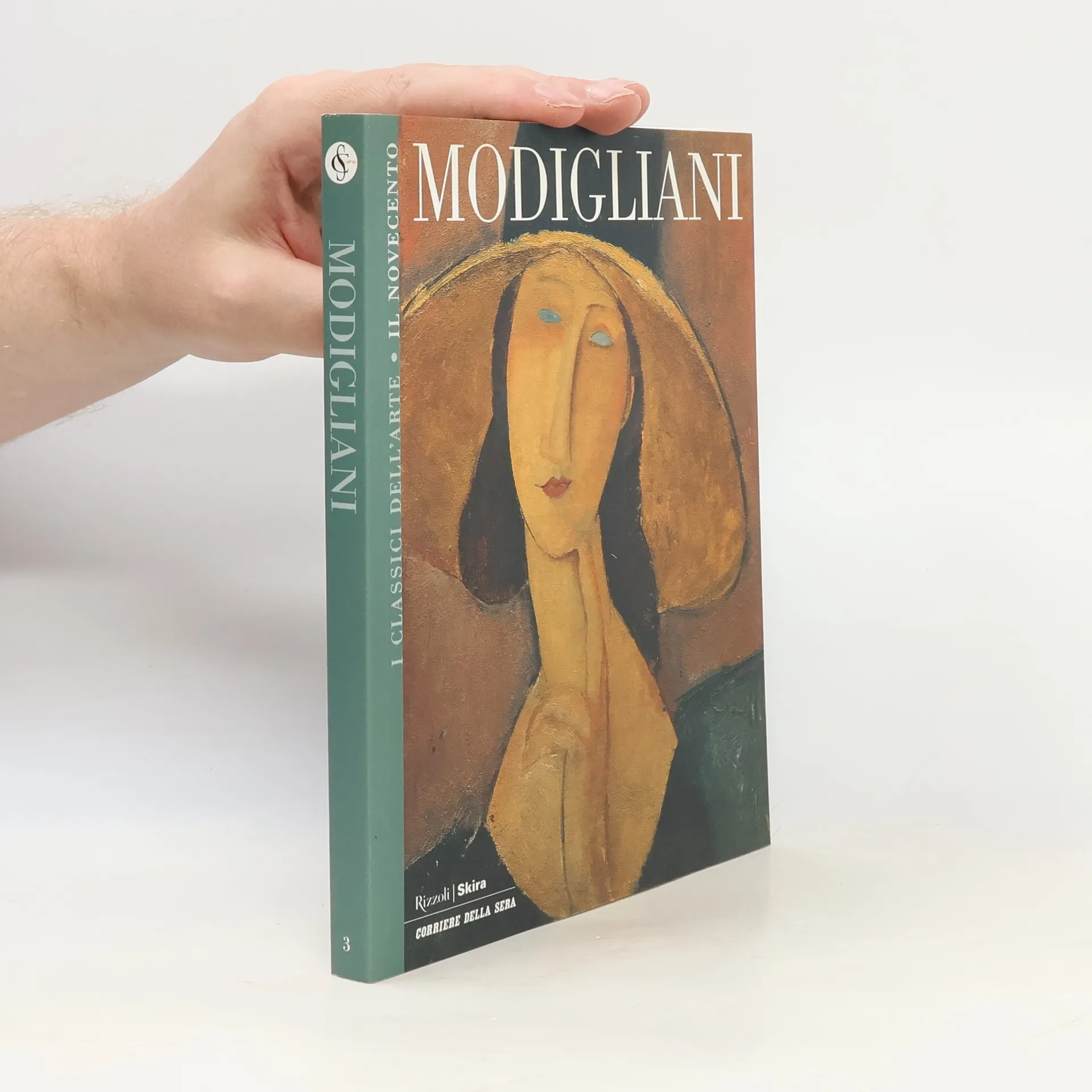
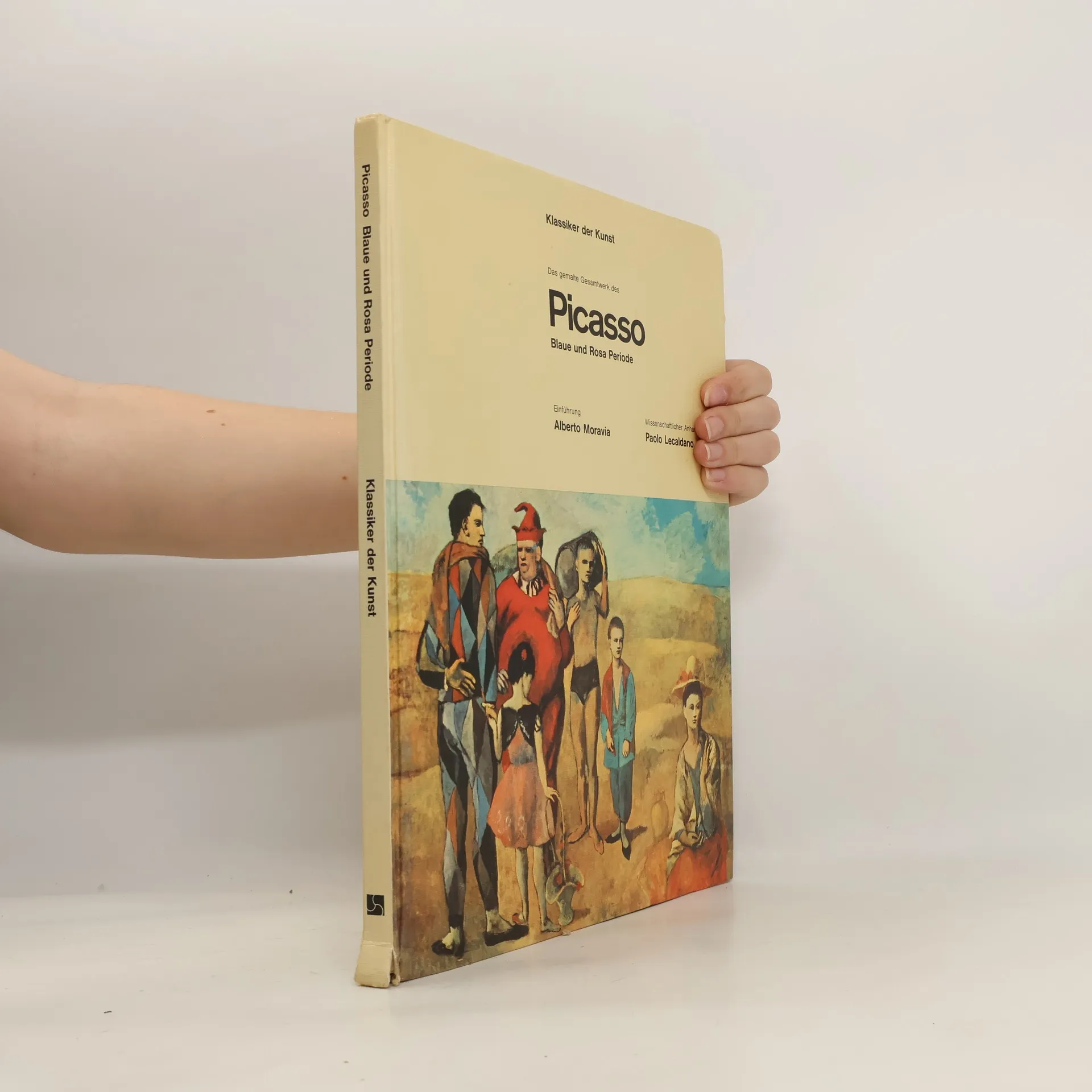
I Classici dell'Arte - 1: Picasso 1881-1914
- 189 páginas
- 7 horas de lectura
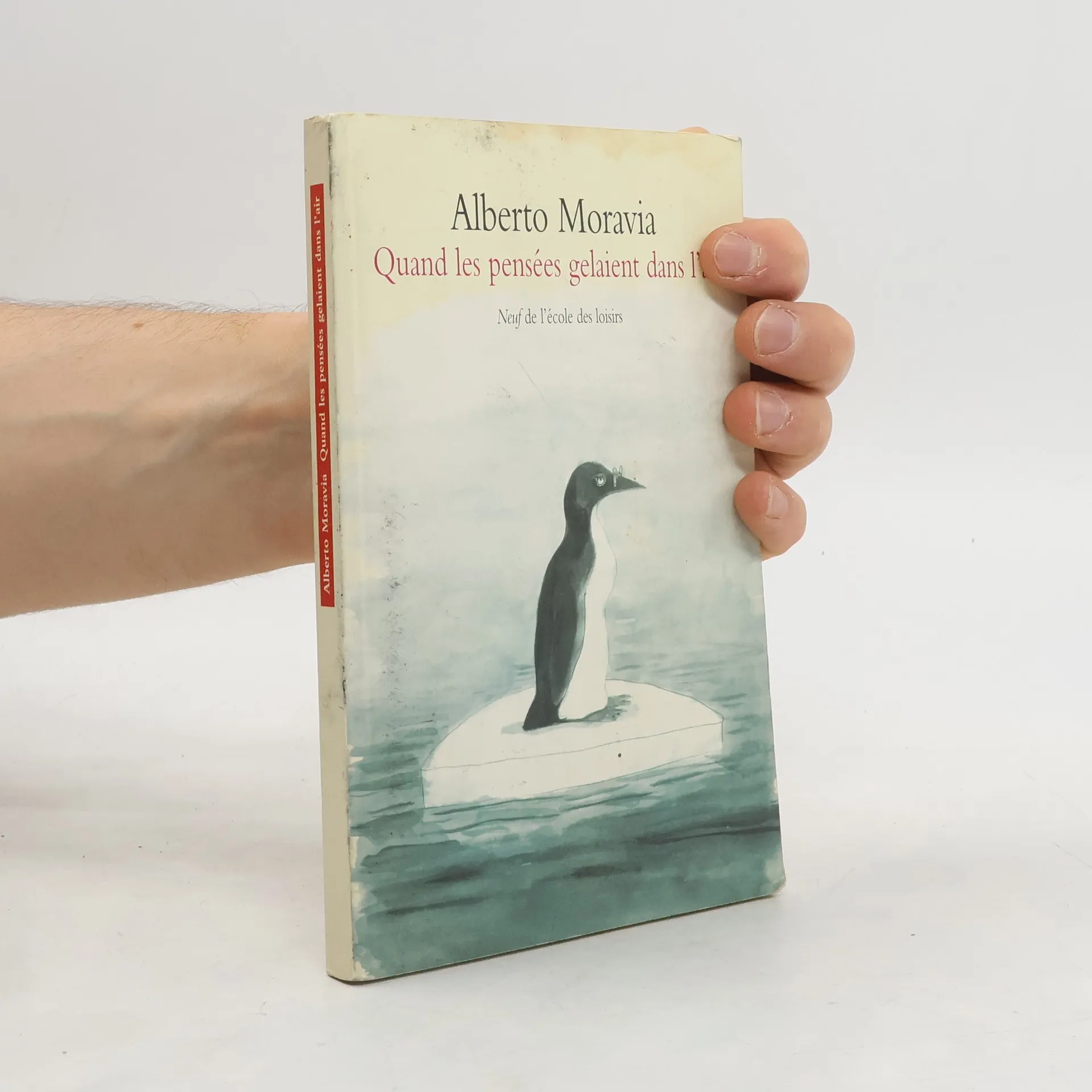
Quand les pensées gelaient dans l'air et autres histoires
- 126 páginas
- 5 horas de lectura
Il y a un milliard d'années, la température était si froide aux pôles que les pensées gelaient au-dessus des têtes, ce qui posait beaucoup de problèmes. Pour pouvoir penser tranquillement, il fallait se rendre dans les pays chauds. Là, on avait enfin le droit d'être un gros hypocrite. En plus, avec un peu de chance, on pouvait voir une baleine traverser la jungle sur ses deux petits pieds. Car à cette époque, la baleine (qui s'appelait Ba Leine) était de taille très modeste et cherchait, de toute la vigueur de ses petits pieds, un endroit pour grossir. A cette époque, les fourmis avaient du cran. Elles décidèrent de prendre pour Superempereur leur pire ennemi, Four Millier. Et puis, c'était le bon temps où des orchestres de grenouilles jouaient dans la gueule des crocodiles. Bienvenue dans le premier tome des histoires de la Préhistoire d'Alberto Moravia.
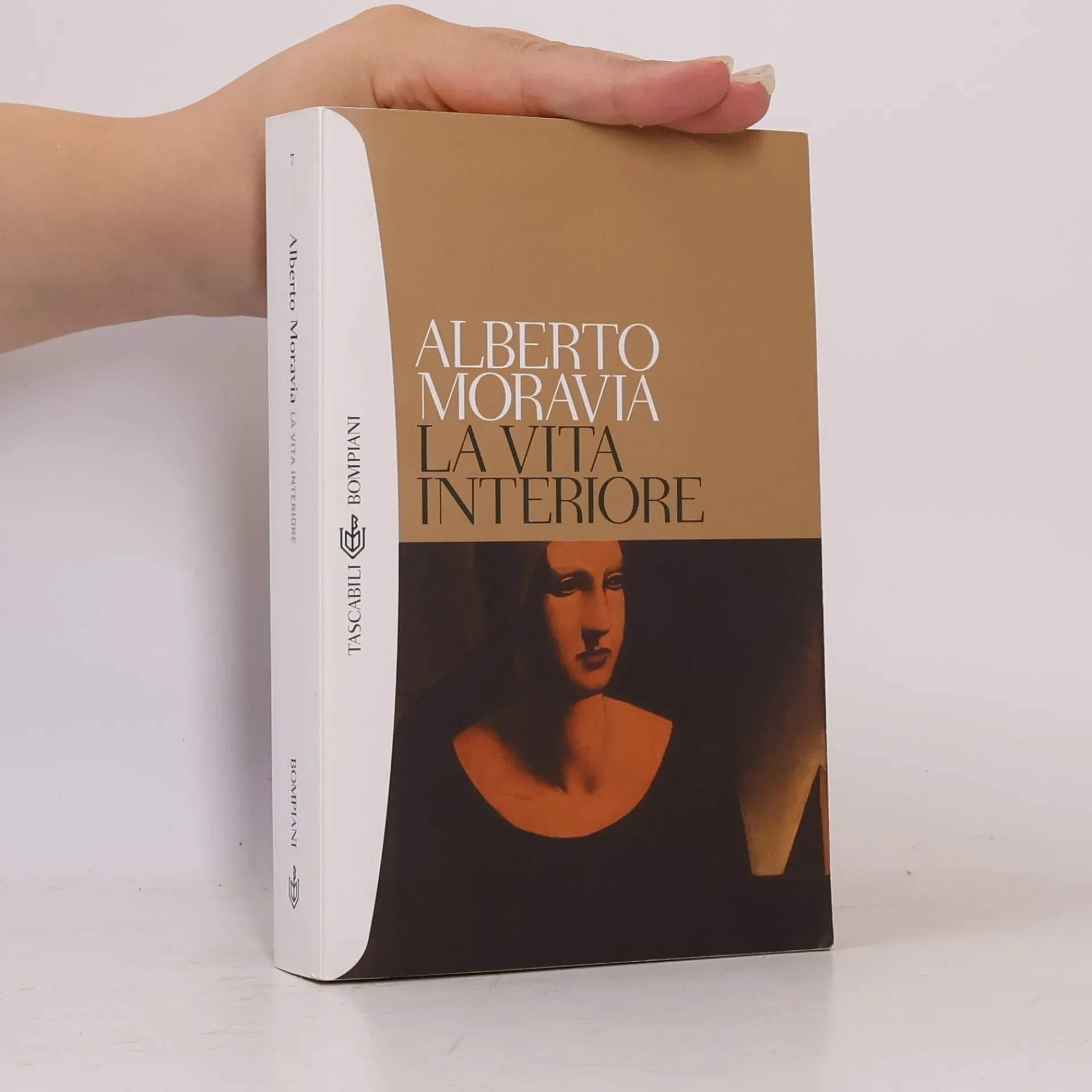
I grandi tascabili - 7: La vita interiore
- 421 páginas
- 15 horas de lectura
Desideria, giovane, bella e spietata, figlia adottiva di Viola, ricchissima e corrotta, confessa al narratore, che la incalza e la induce a una chiarezza estrema, una vita di ribellione alla propria famiglia, alla propria classe, alla stessa società che l'ha generata. Spinta dalla Voce interiore, dallo spirito di rivolta, non esita di fronte alla prostituzione, all'orgia, alla trama di un sequestro, a una rapina, all'incesto. Il romanzo più travagliato di Moravia: sette anni di lavoro, sette stesure, uno sconvolgente ritratto della borghesia omicida e suicida per odio a se stessa e alla vita.
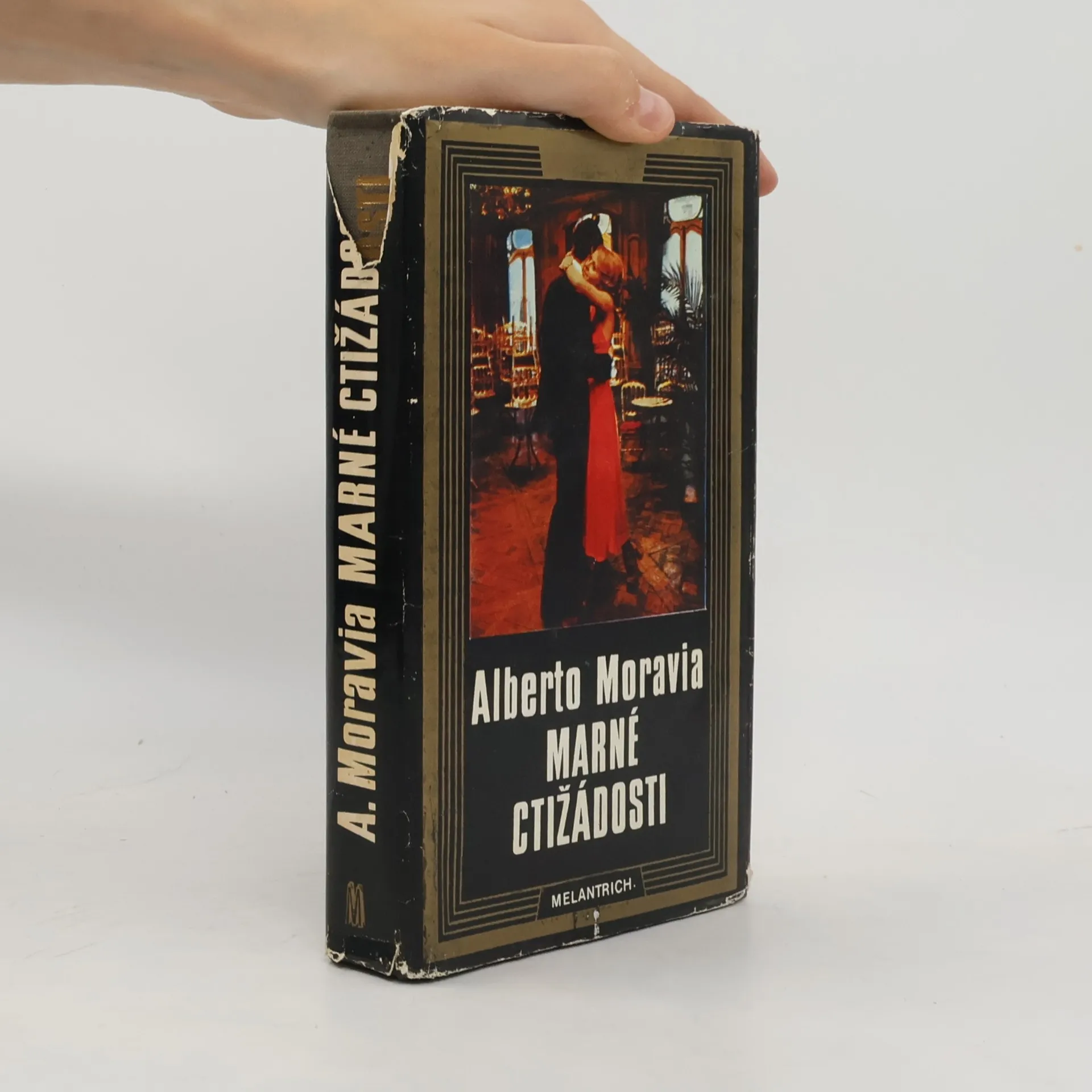
Marné ctižádosti
- 458 páginas
- 17 horas de lectura
Sociálně kritický román z prostředí italské buržoazie dvacátých let.
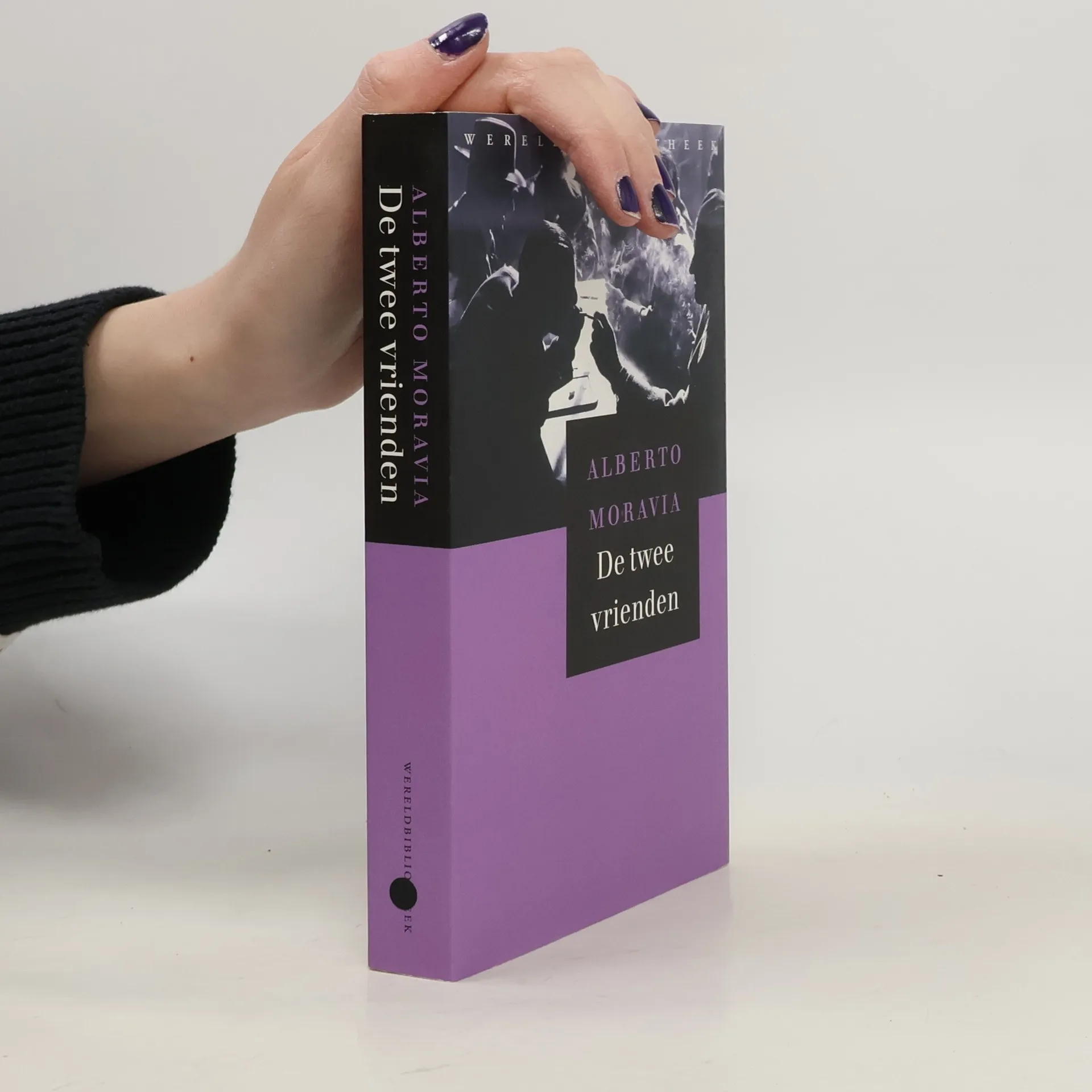
De twee vrienden
- 287 páginas
- 11 horas de lectura
In this set of novellas, a few facts are constant. Sergio is a young intellectual, poor and proud of his new membership in the Communist Party. Maurizio is handsome, rich, successful with women, and morally ambiguous. Sergio’s young, sensual lover becomes collateral damage in the struggle between these two men. All three of these unfinished stories, found packed in a suitcase after Alberto Moravia’s death, share this narrative premise. But from there, each story unfolds in a unique way. The first patiently explores the slow unfurling of Sergio’s resentment toward Maurizio. The second reveals the calculated bargain Maurizio offers in exchange for his conversion to Sergio’s beloved Communism. And the third switches dramatically to the first person, laying bare Sergio’s conflicted soul. Anyone interested in literature will relish the opportunity to watch Moravia at work, tinkering with his story and working at it from three unique perspectives.
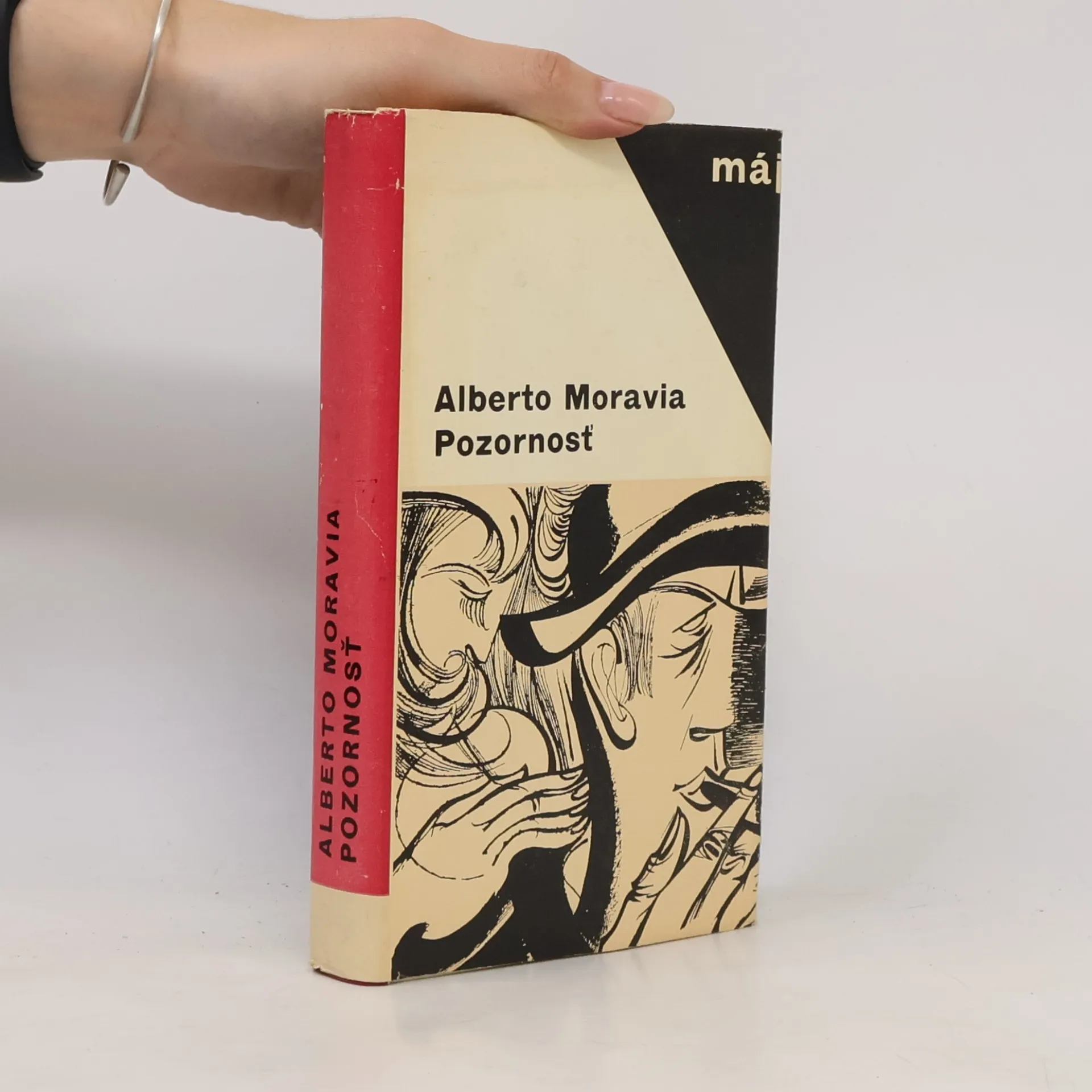
Román o písaní románu, ktorý vo dvoch častiach, tj. Prologu a Deníku, rozpráva o levicovo orientovanom novinárovi meštiackeho pôvodu, ktorý si vytvoril mýtus o ľude ako o jedinom nositeľovi všetkého, čo je vo svete autentické, a ožení sa preto so švadlenou. Jedného dňa však pochopí, že svoju ženu pre veľké povahové rozdiely nemiluje, a náhle sa mu všetko, čo sa až doteraz zdalo autentické, prevracia na neautentické. Pretože túži napísať román s maximálnou mierou autenticity, začne pozorovať život (odtiaľ názov Pozornosť) a zameriavať sa na podstatné veci. O všetkom si vedie denník, ktorý sa má stať základom jeho románu.
Poviedky spod pra(c)hu
- 231 páginas
- 9 horas de lectura
Poviedky spod pra(c)hu reprezentujú celý tvorivý život Alberta Moraviu. Chronologické usporiadanie je ilustráciou toho, ako sa v priebehu rokov menil a vyvíjal autorov štýl, irónia, témy záujmu a ako narastalo hlboké poznanie duše človeka. Mnohé poviedky neboli nikdy uverejnené, našli sa v autorovej pozostalosti, niektoré Moravia uverejňoval v novinách a časopisoch. Hľadanie nových hodnôt bez pokryteckej konvenčnosti, sarkastické odkrývanie ľudských a spoločenských tabu a hlboké porozumenie pre ľudské slabosti – to sú dôvody aktuálnosti provokujúcich poviedok Alberta Moraviu.
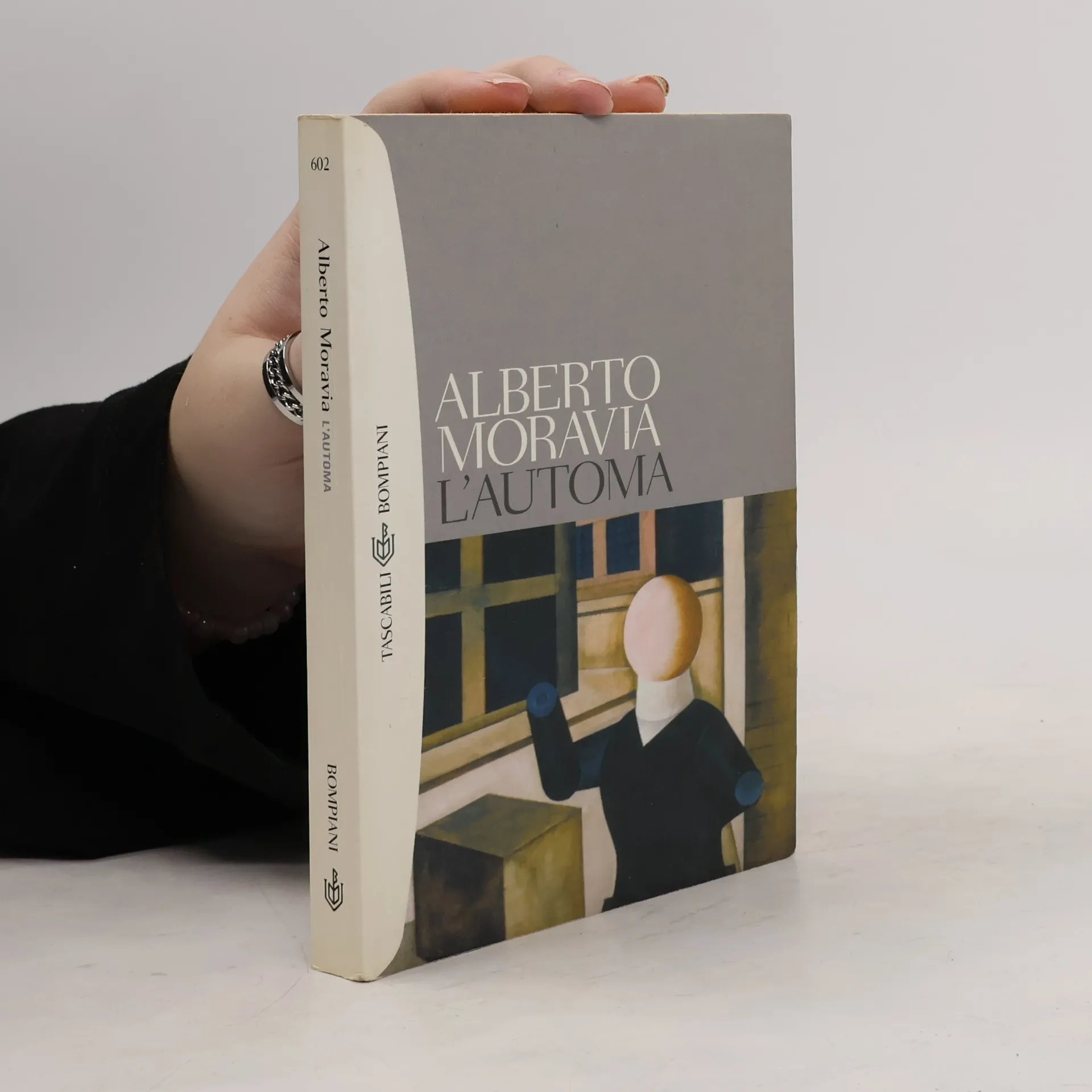
Nella semplicità dello schema della narrazione breve si inserisce una lucida analisi introspettiva che porta Moravia a farsi interprete delle difficoltà psicologiche e morali in cui si dibatte l'uomo moderno. Personaggi che agiscono come macchine, come automi appunto: è il tema sottile che lega questa serie di racconti.
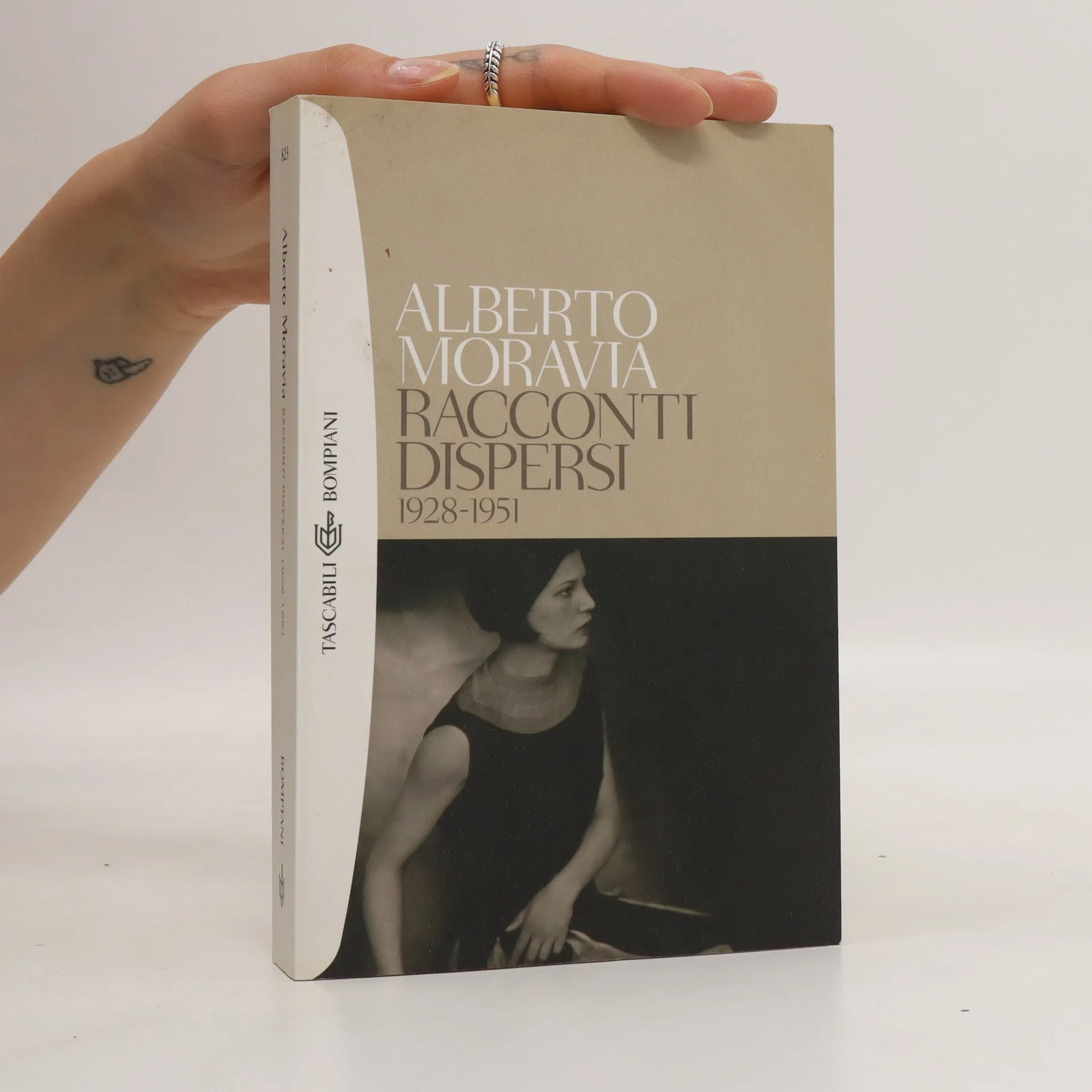
Racconti dispersi 1928-1951
- 389 páginas
- 14 horas de lectura
Prose degli anni venti e trenta che appartengono al periodo degli Indifferenti; racconti surrealisti nella vena dei Sogni del pigro; una sequenza unitaria di racconti che Moravia intendeva pubblicare con il titolo La fortuna di vivere e fu abbandonata dopo gli eventi del 1943.
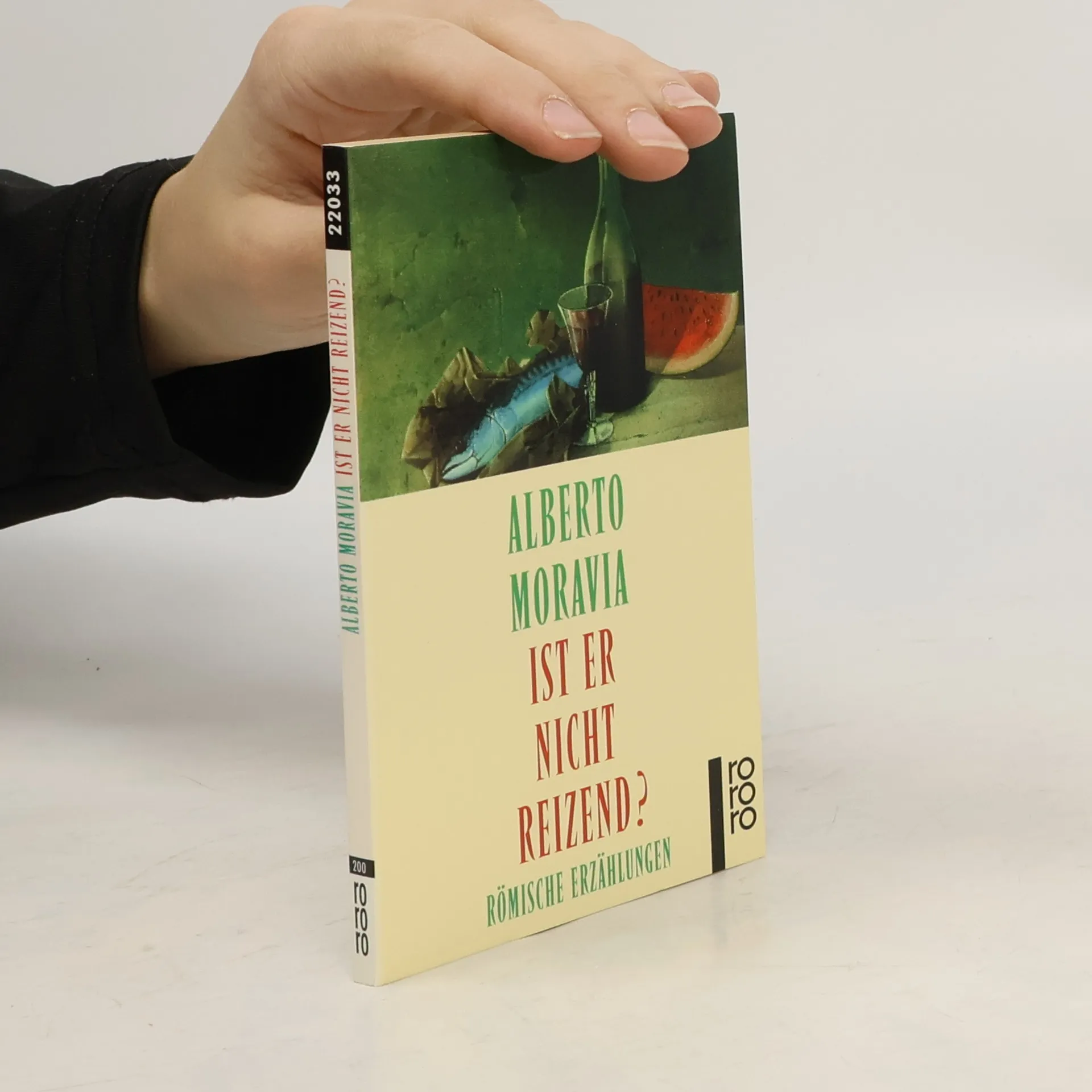
Ist er nicht reizend? - Römische Erzählungen - bk526; Rowohlt Verlag; Alberto Moravia; pocket_book; 1996
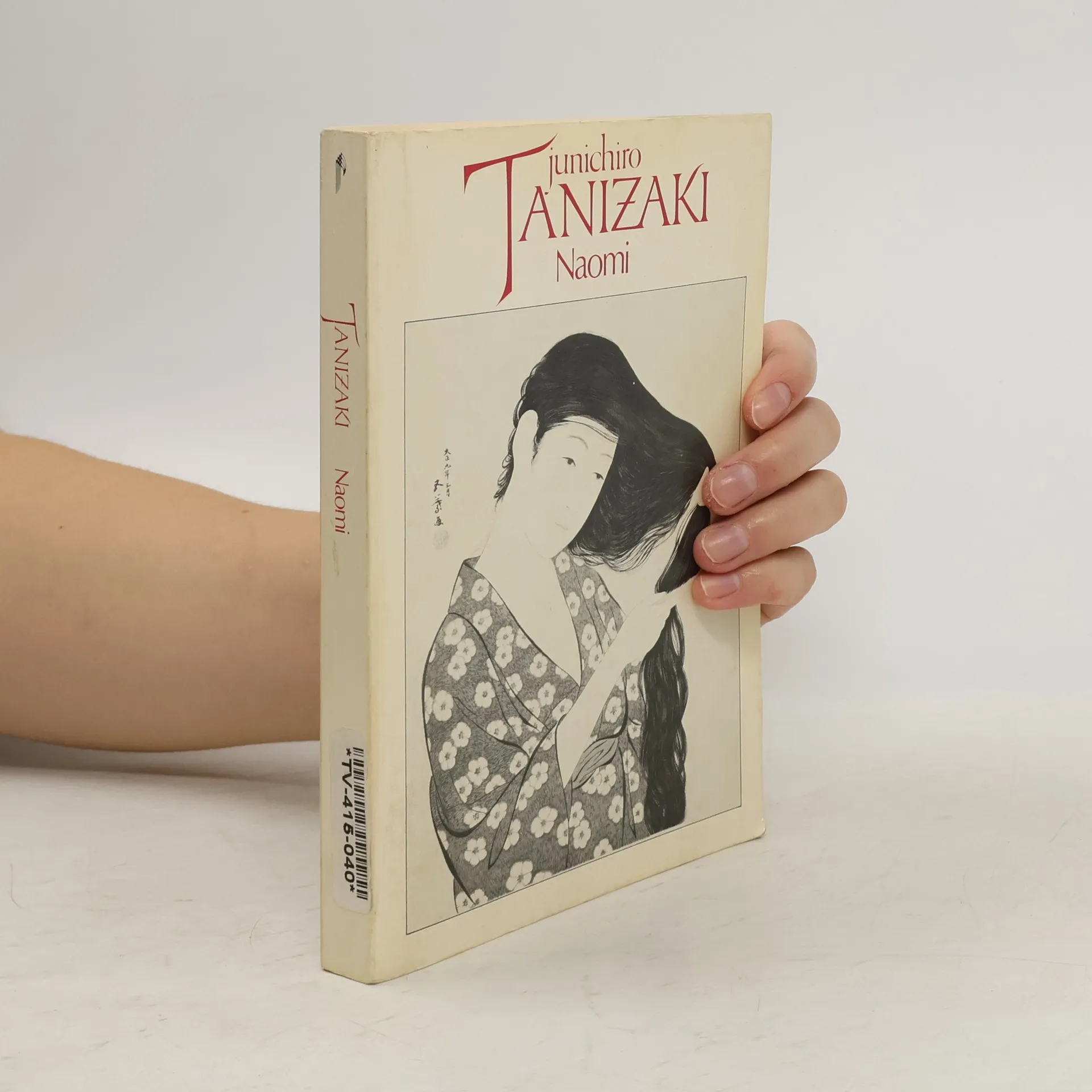
Naomi
- 237 páginas
- 9 horas de lectura
Na-o-mi. The three syllables of this name, unusual in 1920s Japan, captivate a 28-year-old engineer, who soon becomes infatuated with the girl so named, a teenaged café waitress. Drawn to her Eurasian features and innocent demeanor, Joji is eager to whisk young Naomi away from the seamy underbelly of post—World War I Tokyo and to mold her into his ideal wife. But when the two come together to indulge their shared passion for Western culture, Joji discovers that Naomi is far from being the naïve girl of his fantasies, and his passion descends into a comically helpless masochism. A literary masterpiece that helped to establish Junichiro Tanizaki as Japan's greatest novelist, Naomi is both a hilarious story of one man's obsession and torment, and a brilliant evocation of a nation's cultural confusion.
A Bawdy Moravia Masterpiece Federico, balding, paunchy scriptwriter is trying to crack the big time in Italian movies. But he has a few enemies to cope with - and one very big enemy in particular: his gigantic, demanding 'manhood', which he wryly dubs Federicus Rex. Rico and Federicus Rex are in continual conflict, Rico believing that abstinence makes the mind grow stronger, his remarkable member contradicting in a most forthright and obvious way. Together the two of them bounce through a series of hilarious, Decameron-like sexual misadventures...
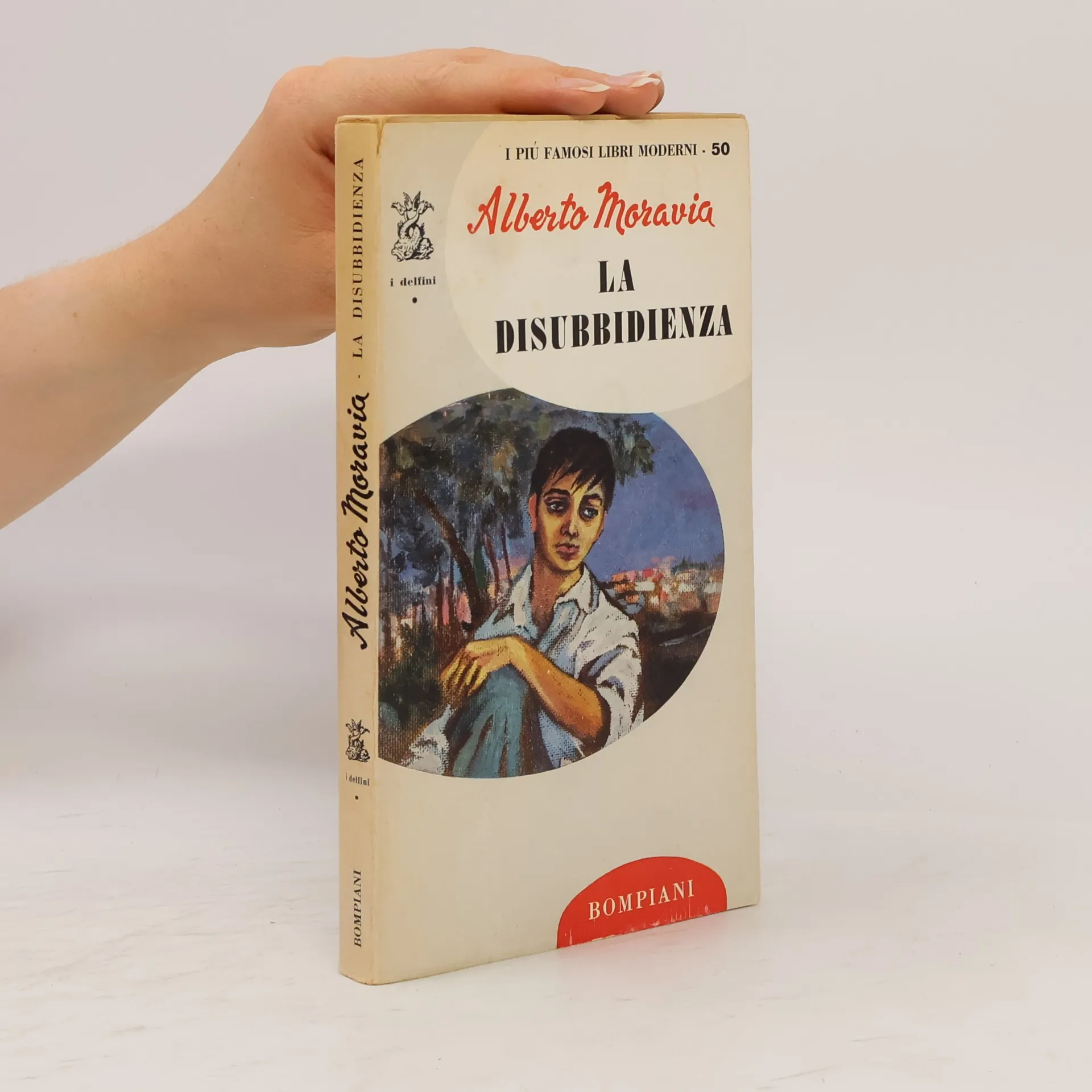
Edito nel 1948, questo breve romanzo riprende, ampliandola e approfondendola, l'avventura già narrata in Agostino, la guarigione, cioè, attraverso l'iniziazione sessuale, di un adolescente incapace di trovare un vitale equilibrio tra sé e l'ambiente, tra le sue aspirazioni e la realtà. Per risolvere il conflitto causato dalla sua incapacità di adattamento, Luca, il protagonista, ricorre a una continua e sistematica disubbidienza ai doveri, agli affetti, ai piaceri, fino al rifiuto della vita stessa. Sarà l'esperienza suprema dell'adolescenza, l'incontro con l'altro sesso, a sottrarlo a questo incantesimo negativo indicandogli una alternativa più gioiosa e vitale.
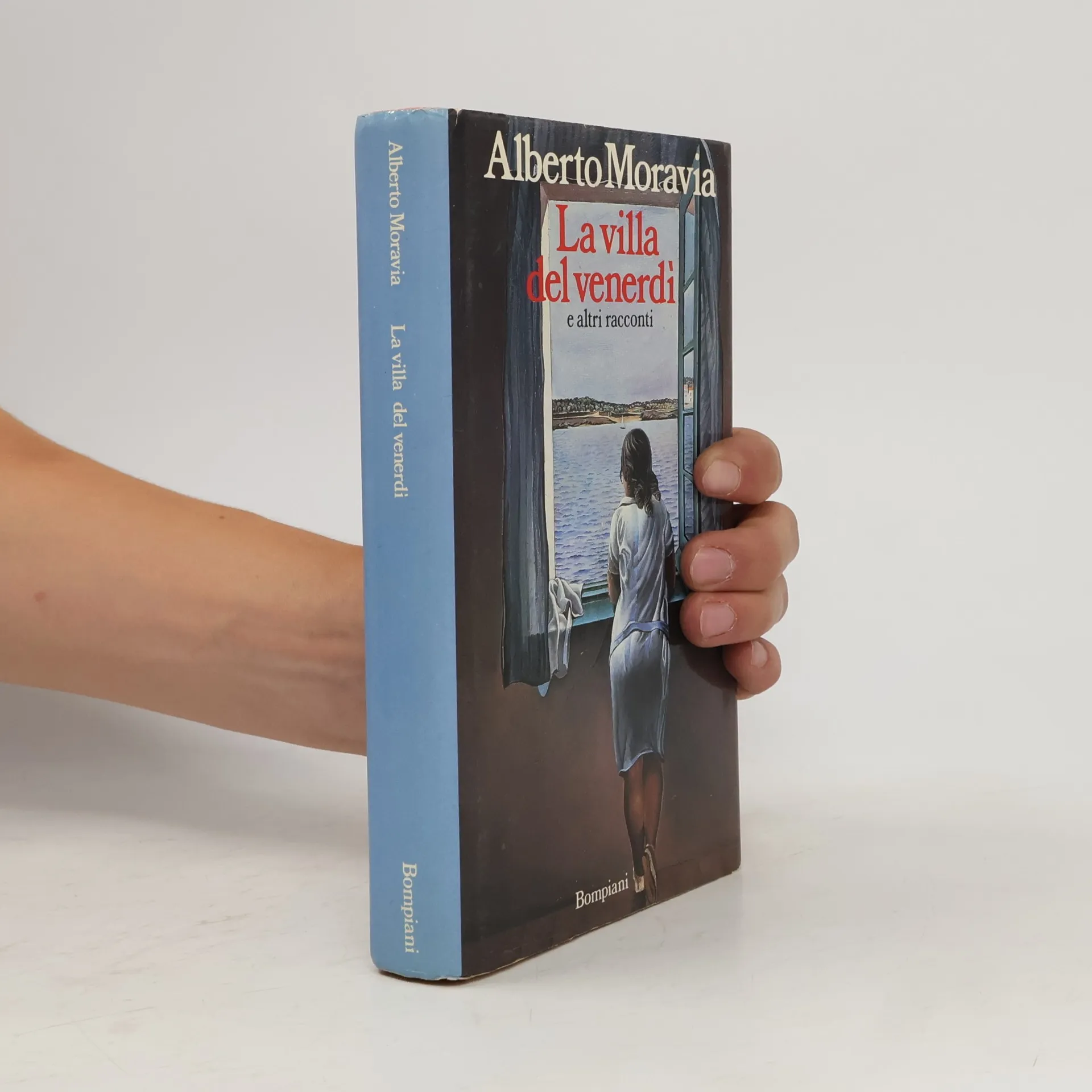
La villa del venerdì e altri racconti
- 217 páginas
- 8 horas de lectura
Sedici racconti, scritti fra il 1980 ed il 1989, di lunghezza varia. Ricca l'eco che suscita: un intarsio di vibrazioni dentro cui i personaggi sono avvolti, così che lo loro fisionomie vanno a sfumarsi, con naturalezza, nella profondità del mistero psicologico.
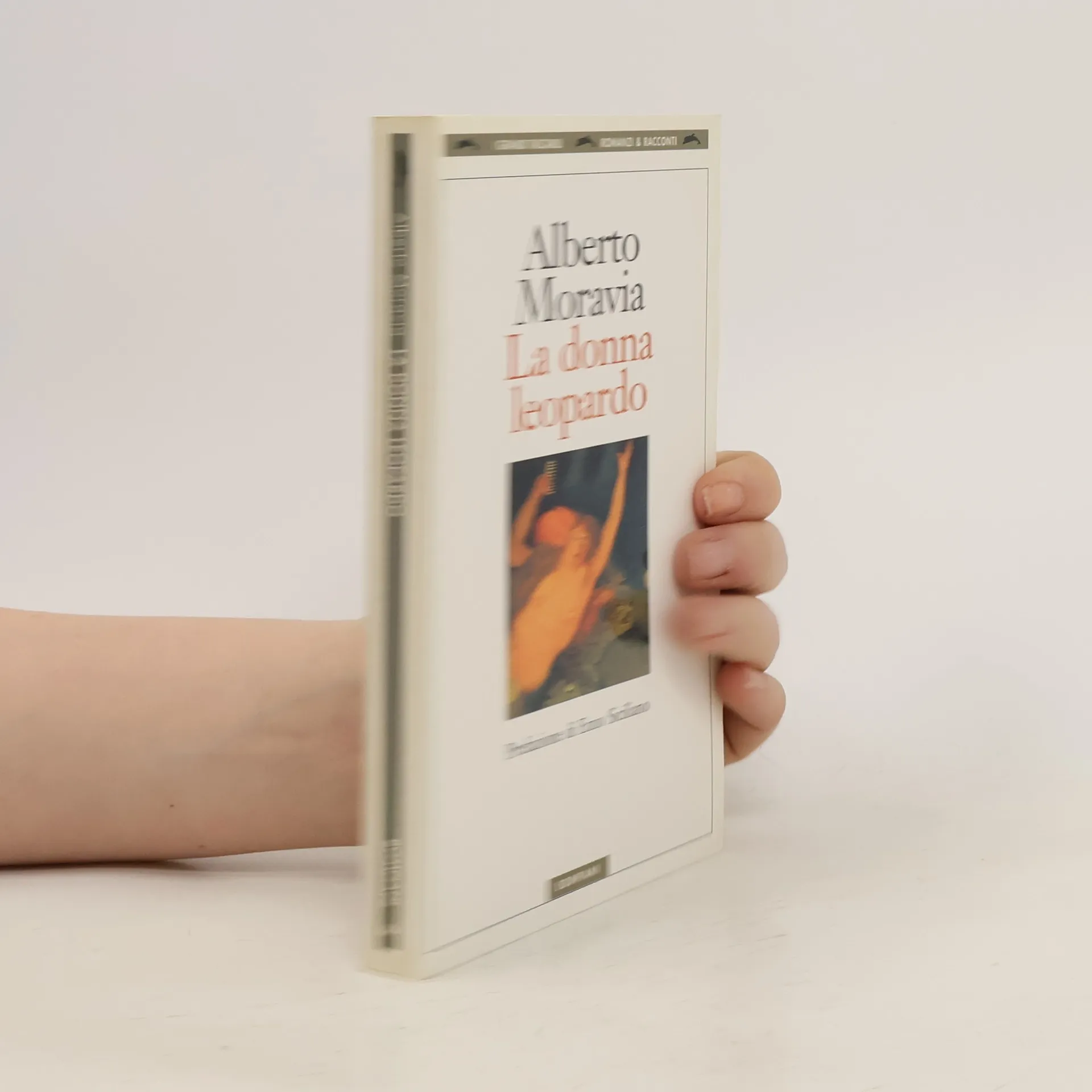
"La donna leopardo" appartiene alla serie dei romanzi moraviani a respiro breve, come "Agostino", "La Disubbidienza", "L'Amore coniugale". È la storia, volutamente priva di soluzione, di un tradimento amoroso, di una sofferenza voyeuristica e di una dolente incapacità di comprensione, e segna uno dei punti più alti della meditazione esistenziale di Moravia: la vita non si conosce e noi non la conosciamo. Pubblicato nel 1991, "La donna leopardo" è ascrivibile a quello che Cecchi definiva "il Moravia migliore".
Historia de la columna infame
- 174 páginas
- 7 horas de lectura
Precursora de la novela de investigacion judicial, los hechos que analiza esta historia se remontan a 1630. Milan, entonces bajo dominio espanol, sufre una epidemia de peste. Una vieja chismosa lanza una acusacion contra el comisario de sanidad: lo habia visto untar las paredes del vecindario. Los acusados son brutalmente torturados y confiesan. La sentencia condena a los acusados a una muerte atroz."
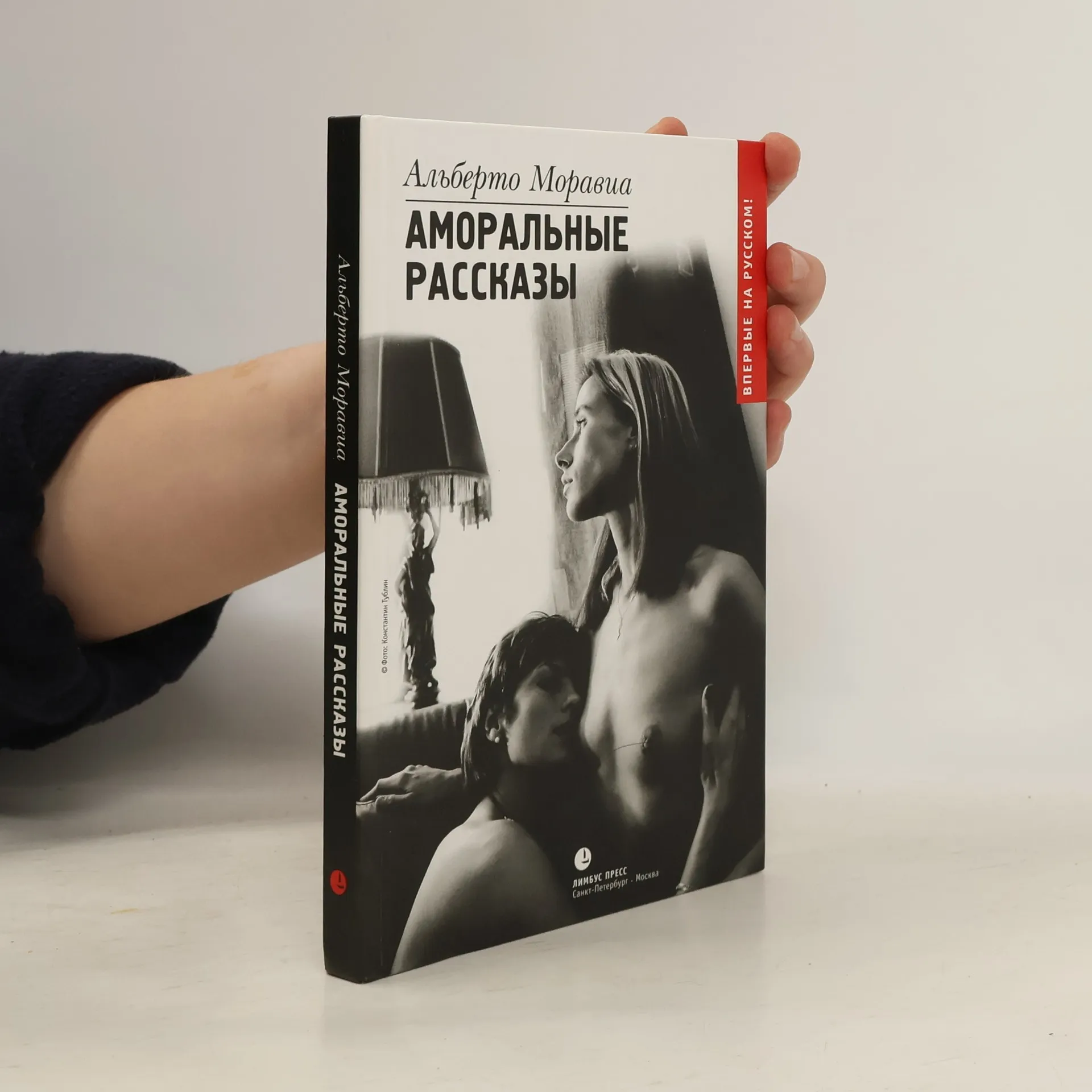
Аморальные рассказы
- 240 páginas
- 9 horas de lectura
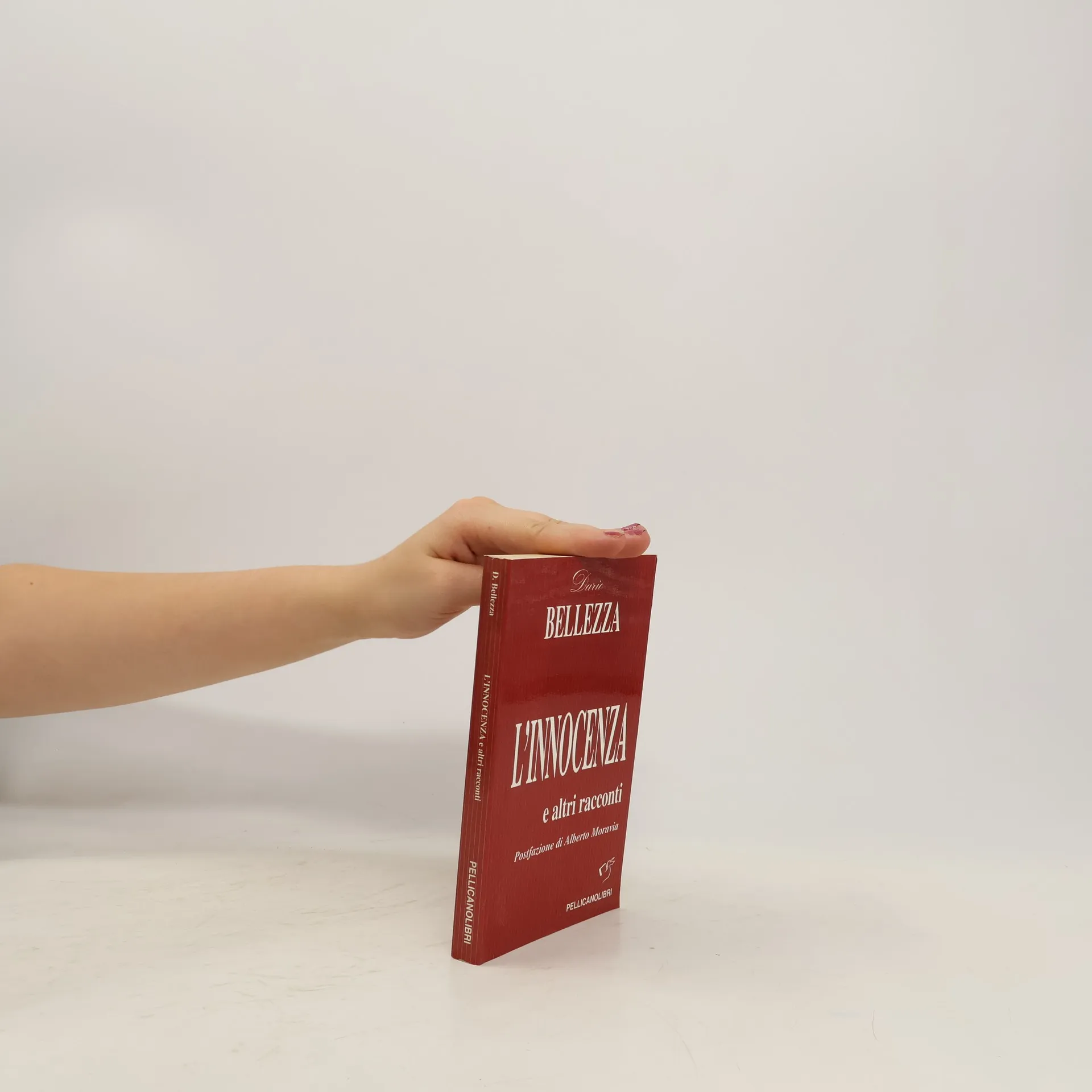
Storia di Nino fu pubblicato alcuni anni fa col titolo L'innocenza, troppo programmatico secondo Dario Bellezza, a rileggerlo oggi. "La storia di Nino" scrive Moravia "è insieme semplice ed emblematica. Mantenuto fino a quindici anni in un buon collegio da tre misteriose zie che abitano a Roma, d'improvviso ne deve sloggiare perché ha finito gli studi... Nino sbarca a Roma, va difilato all'antico palazzo nel quale vivono le zie, ma non le trova, il palazzo è chiuso e sprangato. Disperato, va a suonare (dopo una lunga e impaurita perplessità) alla porta di un convento lì vicino. A questo punto cominciano le avventure di specie omosessuale dalle quali Nìno si desta dopo un periodo di tempo indeterminato... in una casa di gente ricca, in un letto sconosciuto, tra le braccia dì una donna che gli si presenta come madre e lo chiama figlio... Nino si rende conto quasi con stupore che la tanto sognata e sospirata atmosfera familiare, con una madre, un padre, una casa, eccetera, non glì piace affatto. Aveva sognato tutte queste cose perché era orfano, solo e derelitto; ma appena le ottiene, le scopre false e illusorie..." Al romanzo Storia di Nino, Dario Bellezza ha aggiunto quattro racconti inediti, per testimoniare la stravagante vocazione narrativa di un poeta...
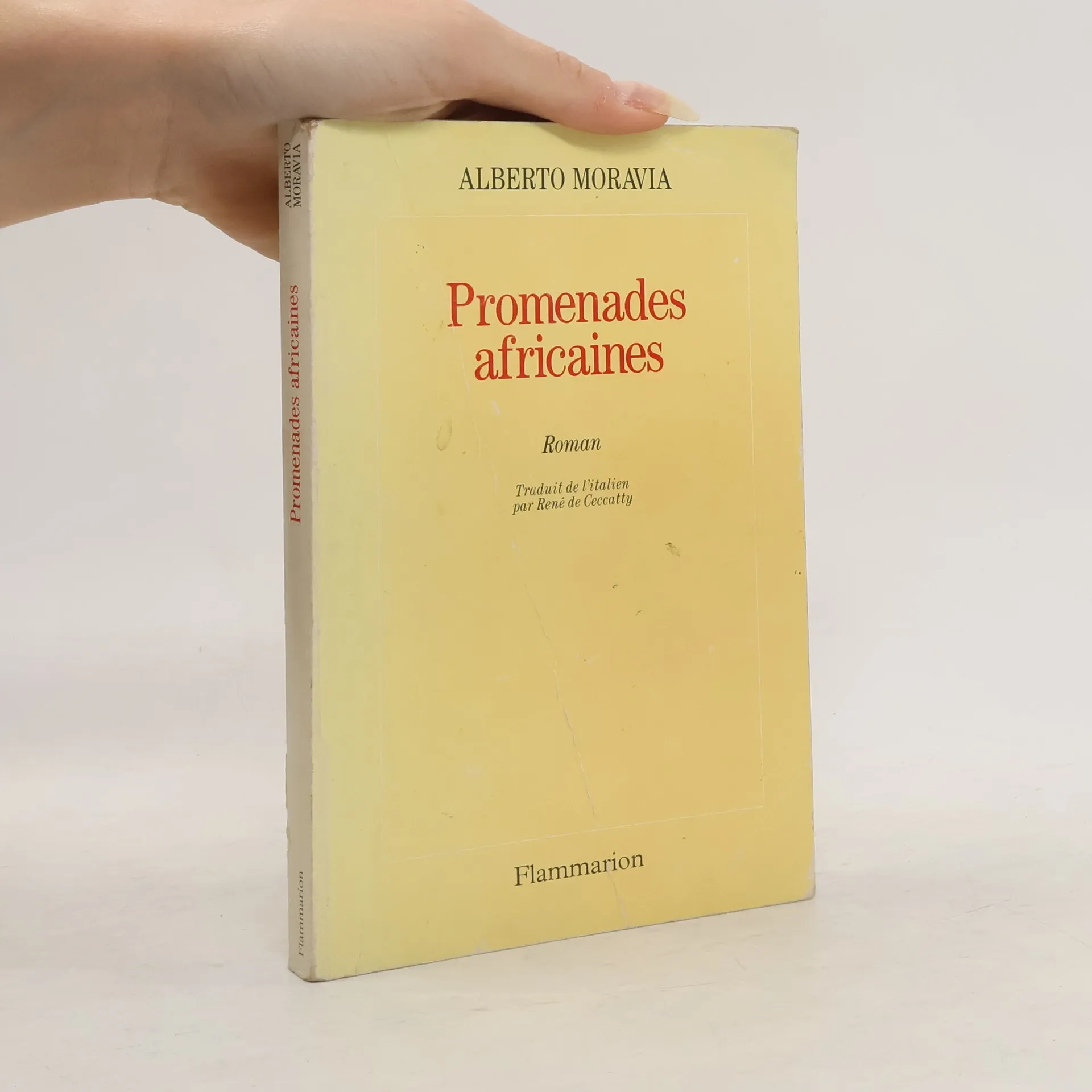
"Ho cercato di scoprire le mystère de l'Afrique". C'est le sens, l'esprit des Promenades africaines. Chaque année, pendant dix-huit ans, Alberto et moi sommes allés en Afrique. Mais qu'est-ce qui nous attirait si puissamment vers l'Afrique noire, au point de pousser nos meilleurs amis à nous suivre et à tomber eux aussi amoureux de ces lumières, de ces vents ? "Alors que nous courons dans les avenues d'Arusha, je réfléchis au caractère profond du paysage africain", écrit Alberto dans l'un de ses journaux africains de 1984, "je le trouve religieux, comme l'Attique, comme la Terre Sainte, comme le Népal. On sent que sur ces montagnes excellentes ont habité et habitent peut-être encore des divinités bizarres et terrifiantes dans lesquelles s'exprime le seul sentiment religieux propre à l'Afrique : la peur". Aujourd'hui, en relisant ces journaux, j'ai l'impression d'entendre encore une fois la voix âpre d'Alberto, j'ai l'impression d'en saisir la secrète douceur. Je suis sûre que même pour ceux qui n'ont jamais entendu sa voix, ce journal a aujourd'hui un son et parle à l'oreille avec la séduction d'un chant à la mélodie étendue, où les rythmes d'une intelligence leonine se perdent dans les déserts de la mémoire.
Die Verachtung
Roman-Zeitung 259
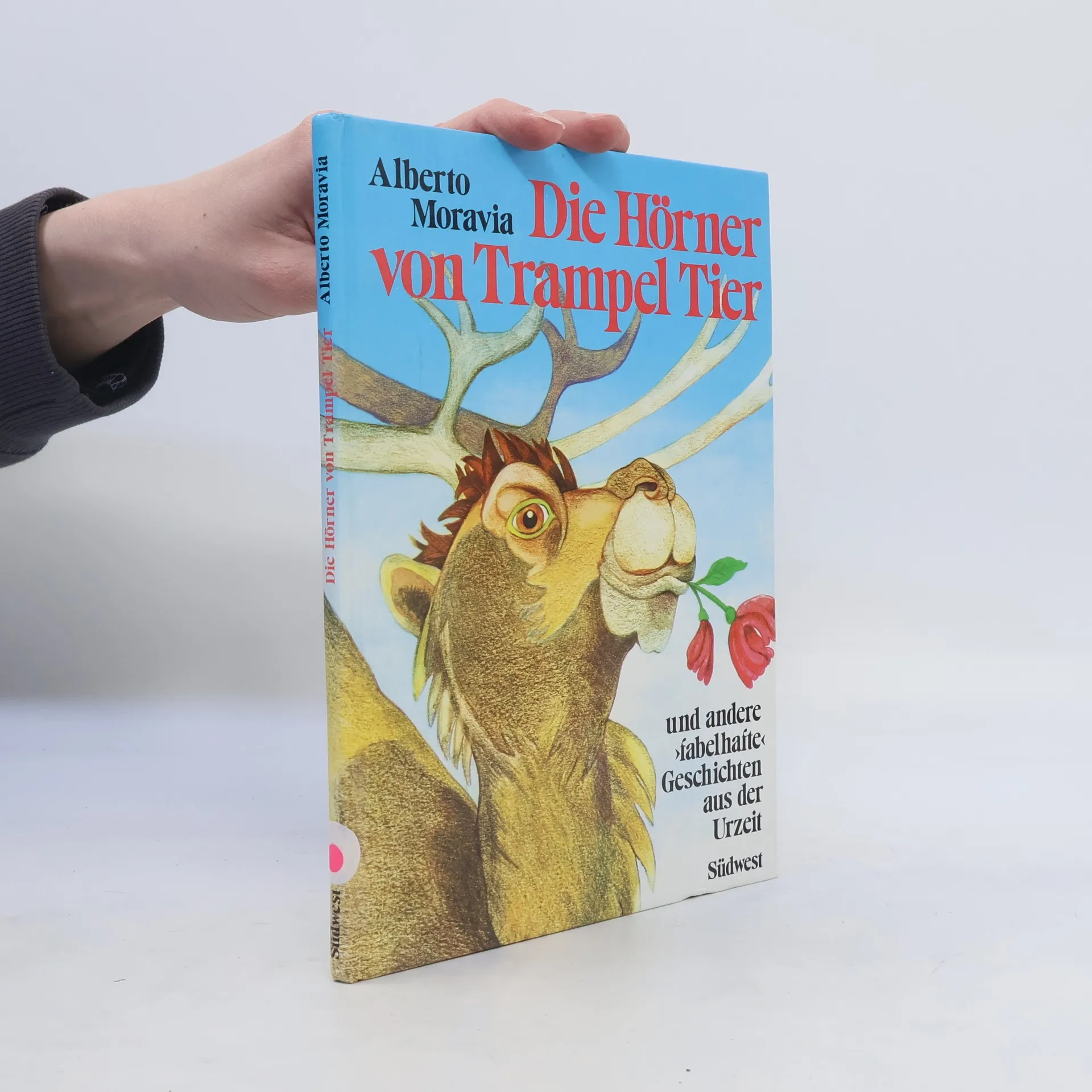
Die Hörner von Trampel Tier und andere fabelhafte Geschichten aus der Urzeit
- 27 páginas
- 1 hora de lectura
Kän Guruh und Kroko Dil
- 140 páginas
- 5 horas de lectura
Phantastische Tiergeschichten voller hintergründigem Humor.
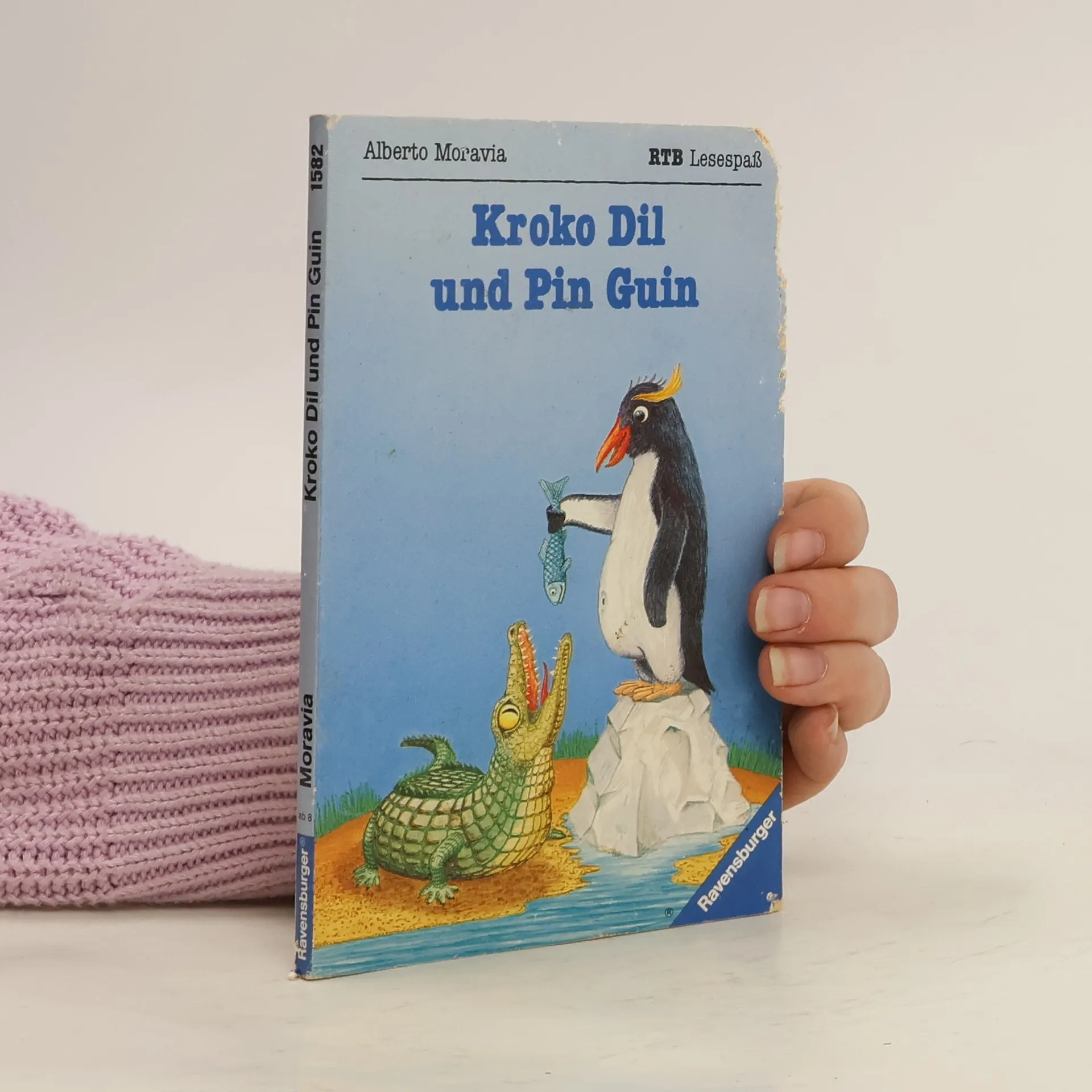
Kroko Dil und Pin Guin
- 95 páginas
- 4 horas de lectura
Römische Passion
- 611 páginas
- 22 horas de lectura