Barcelona. 21 cm. 364 p. retr. Encuadernación en tapa dura de editorial. Colección 'Literatura norteamericana', numero coleccion(5.). Faulkner, William 1897-1962. Traducción, Ana Antón-Pacheco. Traducción de: The sound and the fury. Clásicos del siglo XX. 5. Literatura norteamericana .. Este libro es de segunda mano y tiene o puede tener marcas y señales de su anterior propietario. ISBN: 84-473-0978-9
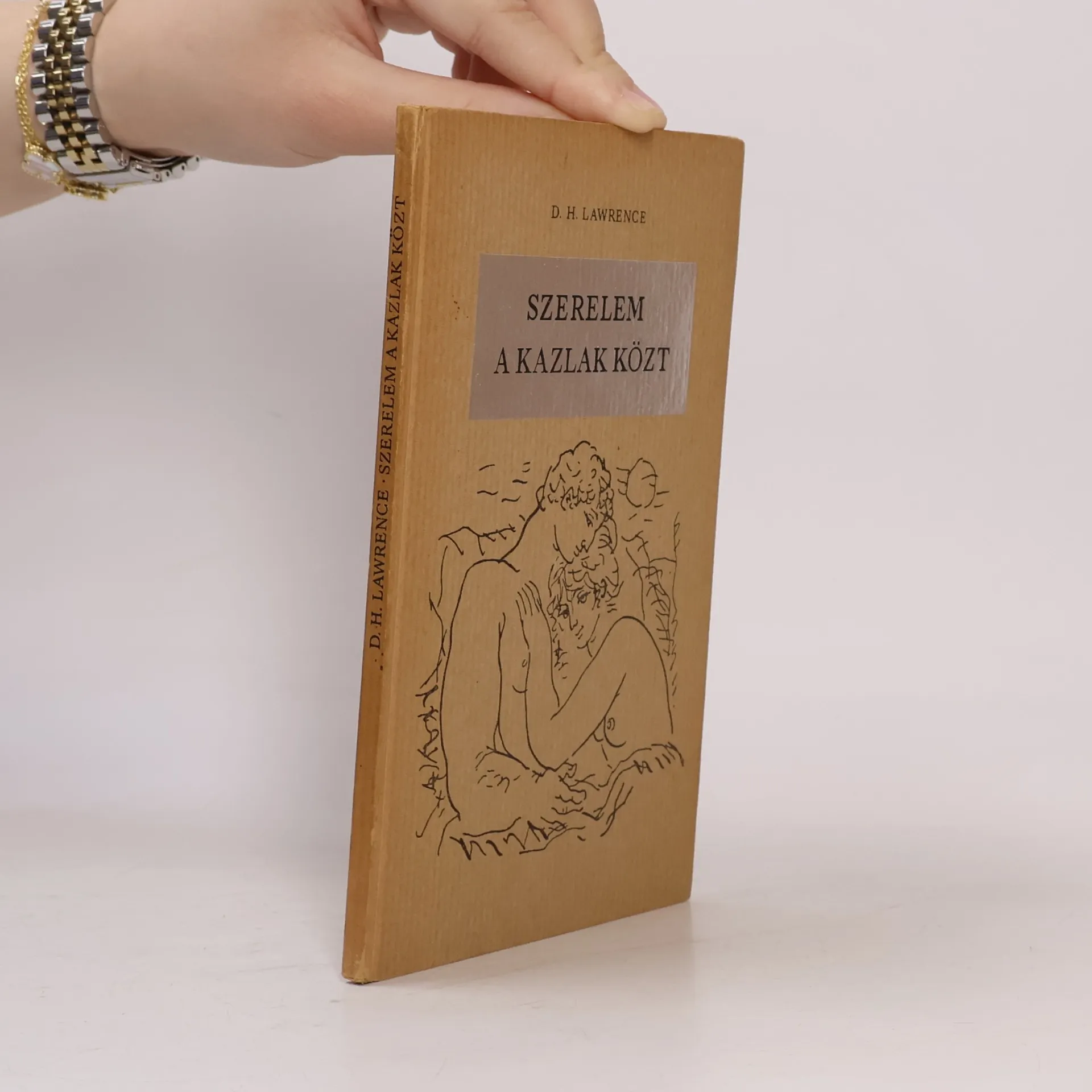
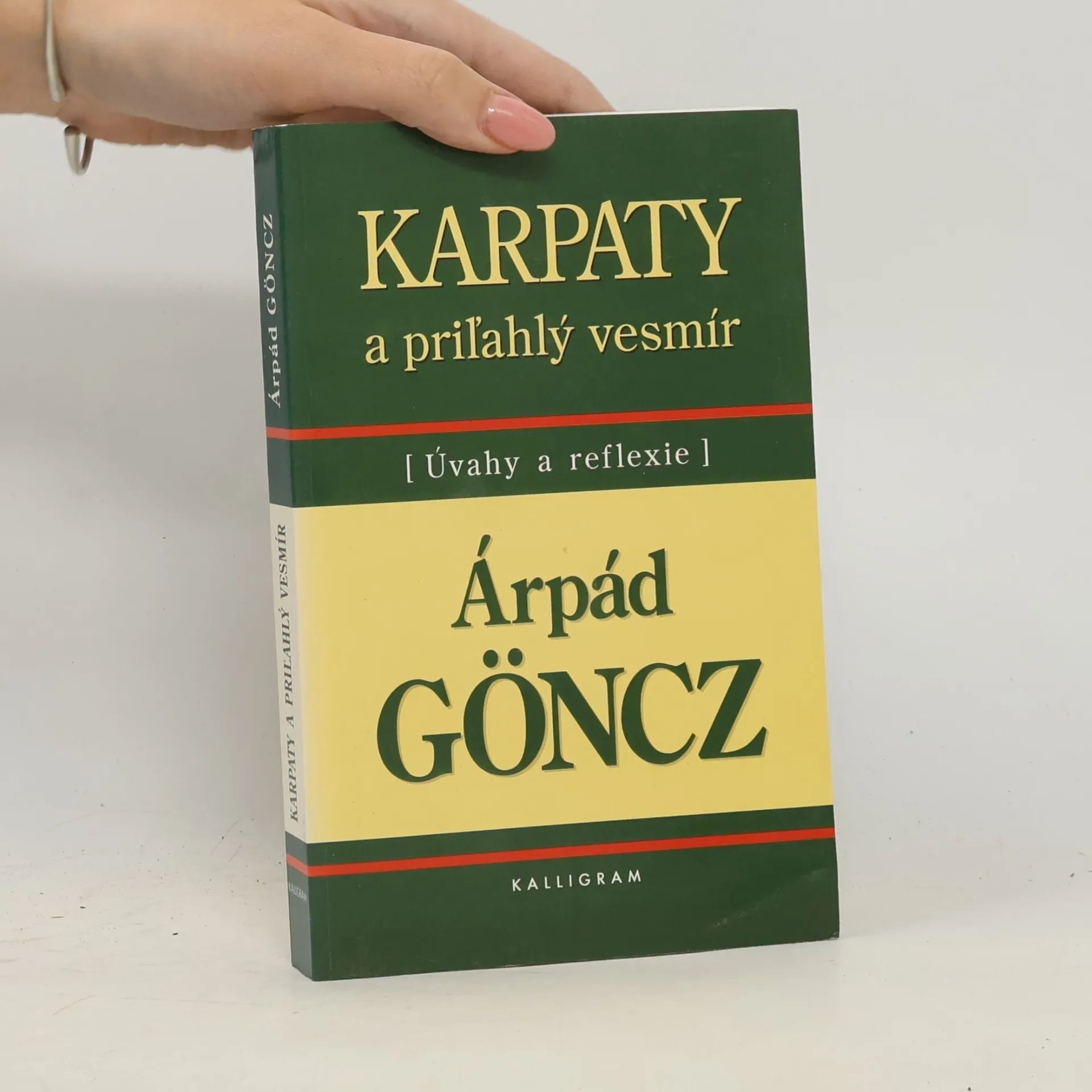
Úvahy a reflexie subjektívne opisujú Strednú Európu ako hmatateľný geografický pojem a to, čo je nehmatateľné - prežívanie strednej Európy, očami bývalého maďarského prezidenta.
The Thorn Birds is a sweeping romantic saga centered on the Cleary family, beginning in the early 20th century when Paddy Cleary relocates his wife, Fiona, and their seven children to Drogheda, a vast Australian sheep station owned by his domineering sister. The narrative spans over fifty years, culminating in the life of Justine O'Neill, the last of the third generation, who seeks her path far from her origins. Central to the story are Meggie, the only daughter, and her deep love for the handsome, ambitious priest Ralph de Bricassart. Ralph's journey takes him from a remote Outback parish to the Vatican, while Meggie's life is anchored to Drogheda, despite a brief, unhappy marriage. Their enduring feelings shape their lives across distances. The novel features a cast of compelling characters, including Paddy, who harbors a hidden past; Fiona, who struggles with love; and Frank, a tormented soul. The hardworking Cleary sons pour their devotion into the land, which is depicted as both harsh and bountiful, reflecting the cycles of drought and flood. The vivid portrayal of Drogheda adds depth to the family's story, making it a unique and unforgettable setting.
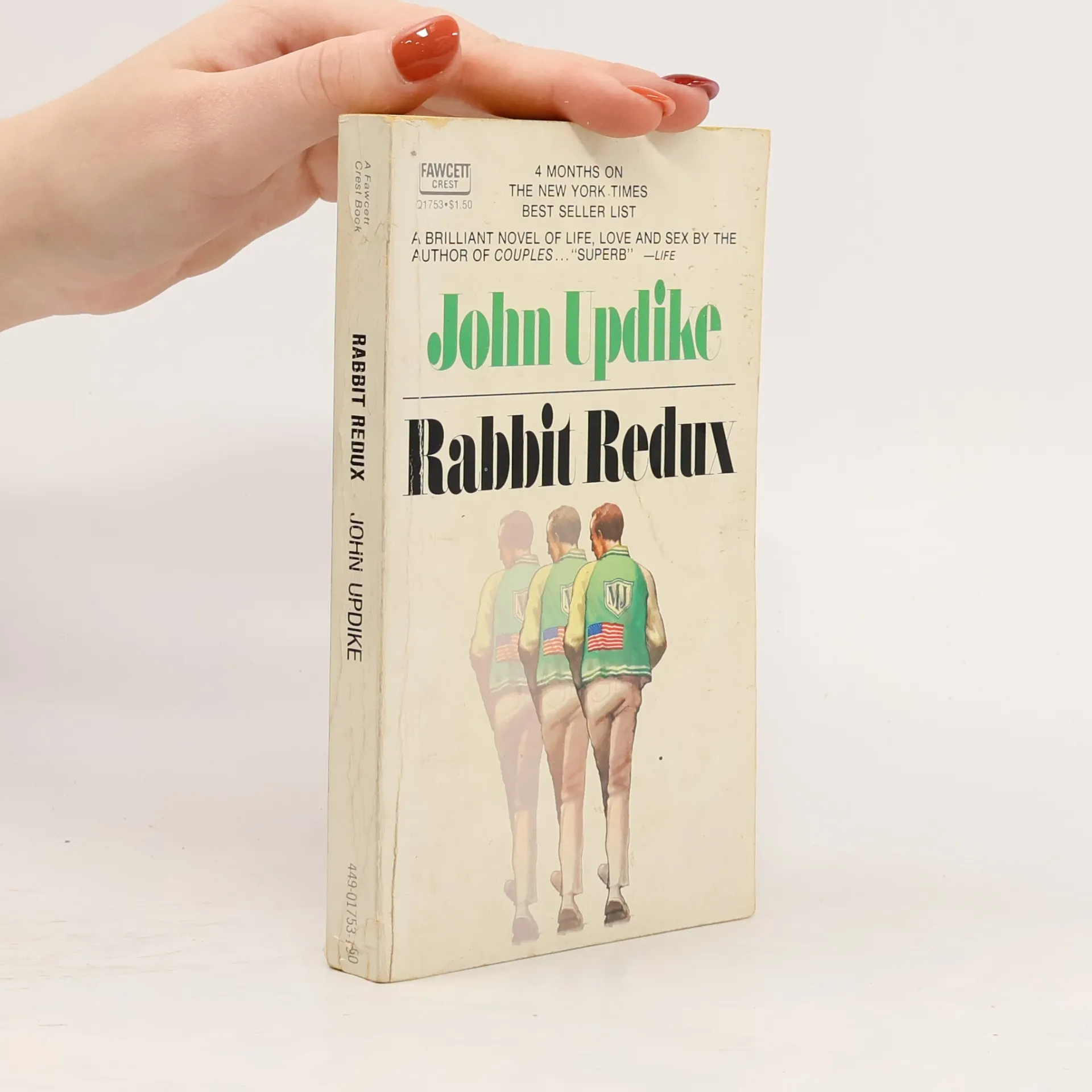
It's 1969 and Rabbit has changed, as America has changed in the intervening ten years since the book "Rabbit, Run". His marriage is collapsing, his job is redundant and the urgency of racial tension present a challenge neither his consciousness nor his sexuality can resist.
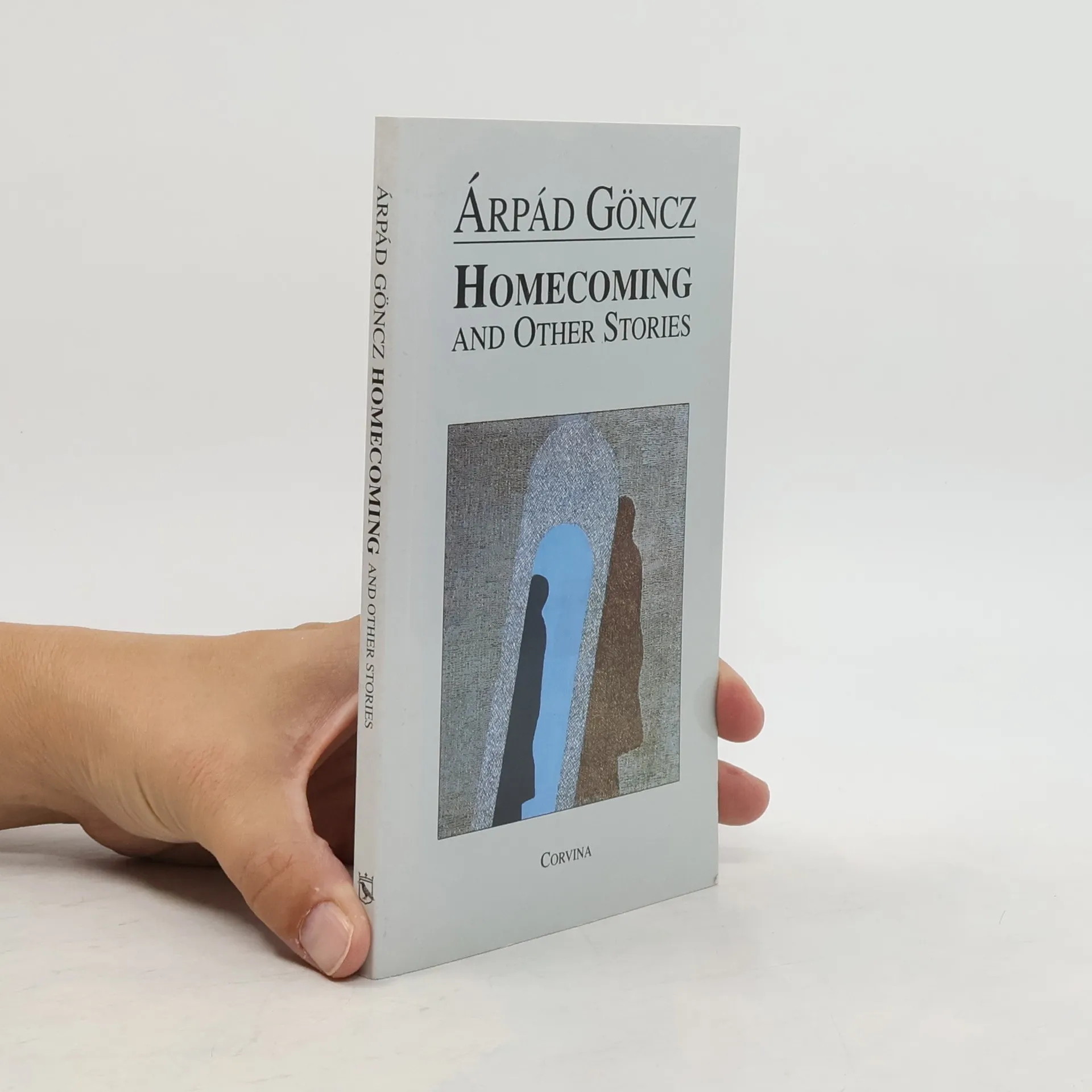
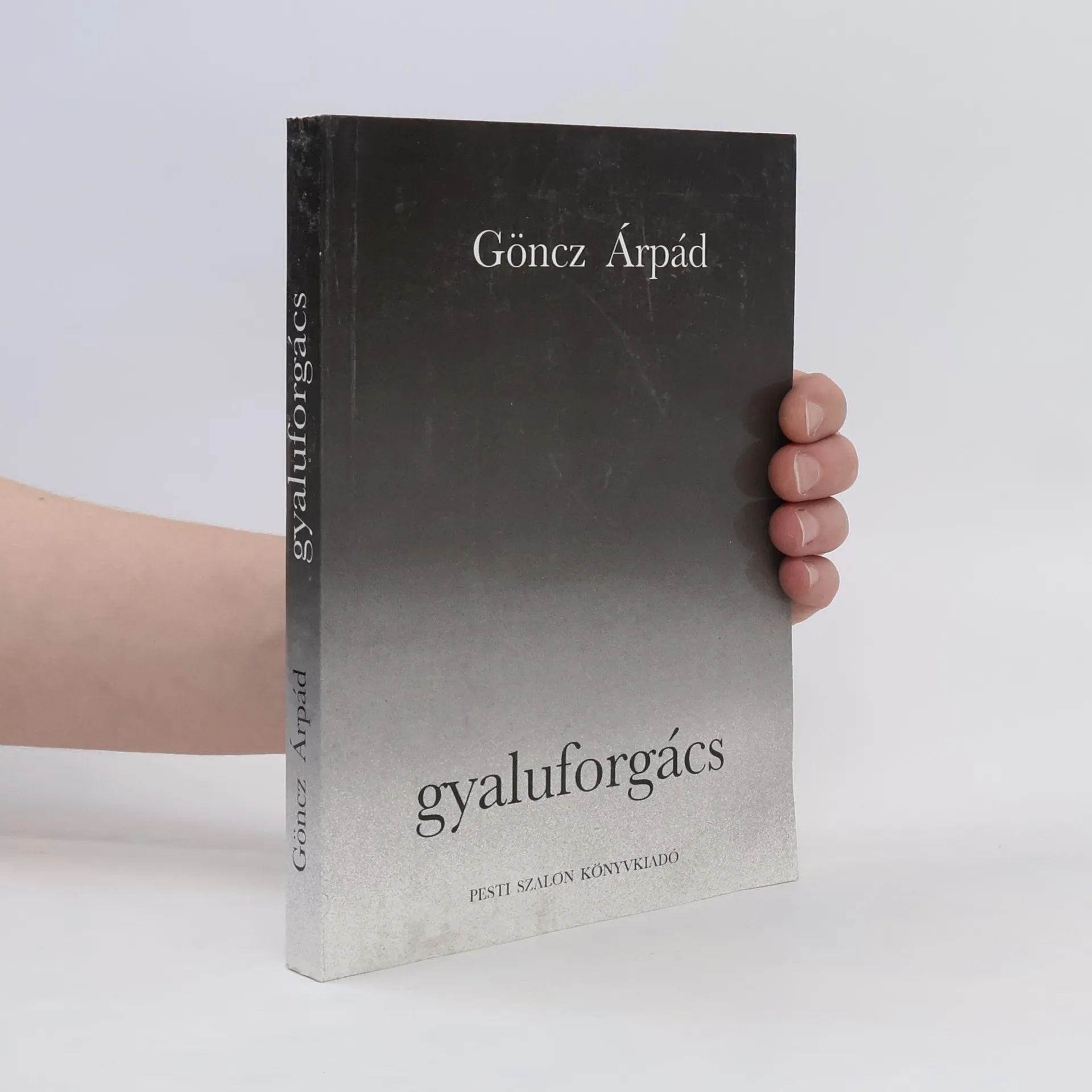
Warum schreibt der Mensch? Damit er, wenn ihm ein Stück Geschichte im Hals stecken bleibt, es wieder herauswürgen kann. Damit er, wenn er sich selbst nicht grob behandeln möchte, jemanden erschafft, dem er ungeniert seine Meinung sagen kann. Damit er, wenn die Welt um ihn herum flüssig ist, sein Kristallgitter gestaltet. Wem schreibt der Mensch? Daraus folgt, dass er sich selbst schreibt. Aber um sich dafür zu entlasten, überzeugt er sich, dass das, was er schreibt, wichtig ist. Dass er anderen etwas mitteilt. Dass er damit dient. Und dass er dadurch, gerade dadurch, irgendwohin gehört. Die Sarus würde den Gegensatz von außen und innen zu einer Einheit auflösen, denn es gibt keinen Häretiker, wenn es keinen Inquisitor gibt, Verfolgte und Verfolger rechtfertigen sich gegenseitig.
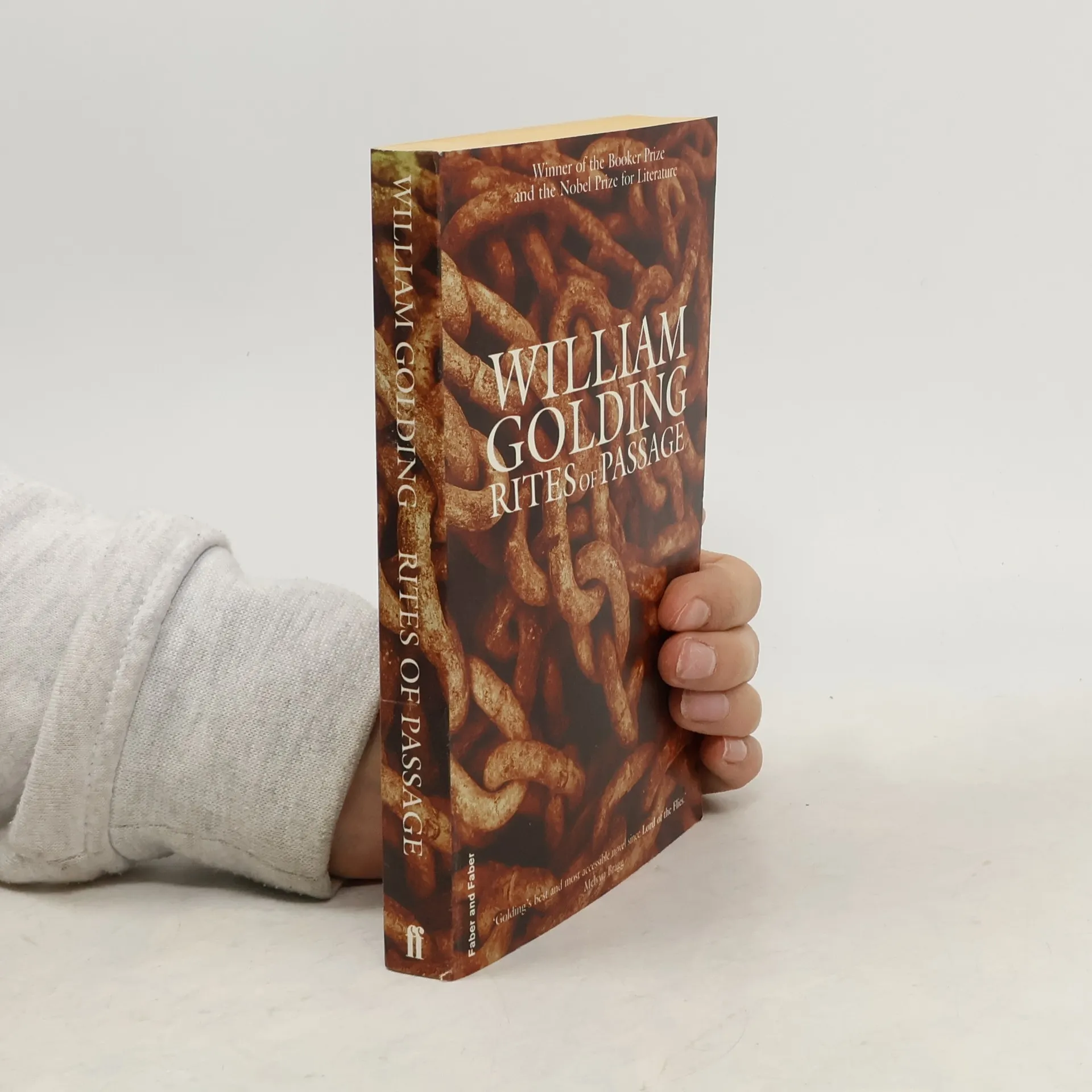
The first volume of William Golding's Sea Trilogy.Sailing to Australia in the early years of the nineteenth century, Edmund Talbot keeps a journal to amuse his godfather back in England. Full of wit and disdain, he records the mounting tensions on the ancient, stinking warship where officers, sailors, soldiers and emigrants jostle in the cramped spaces below decks. Then a single passenger, the obsequious Reverend Colley, attracts the animosity of the sailors, and in the seclusion of the fo'castle something happens to bring him into a 'hell of degradation', where shame is a force deadlier than the sea itself.