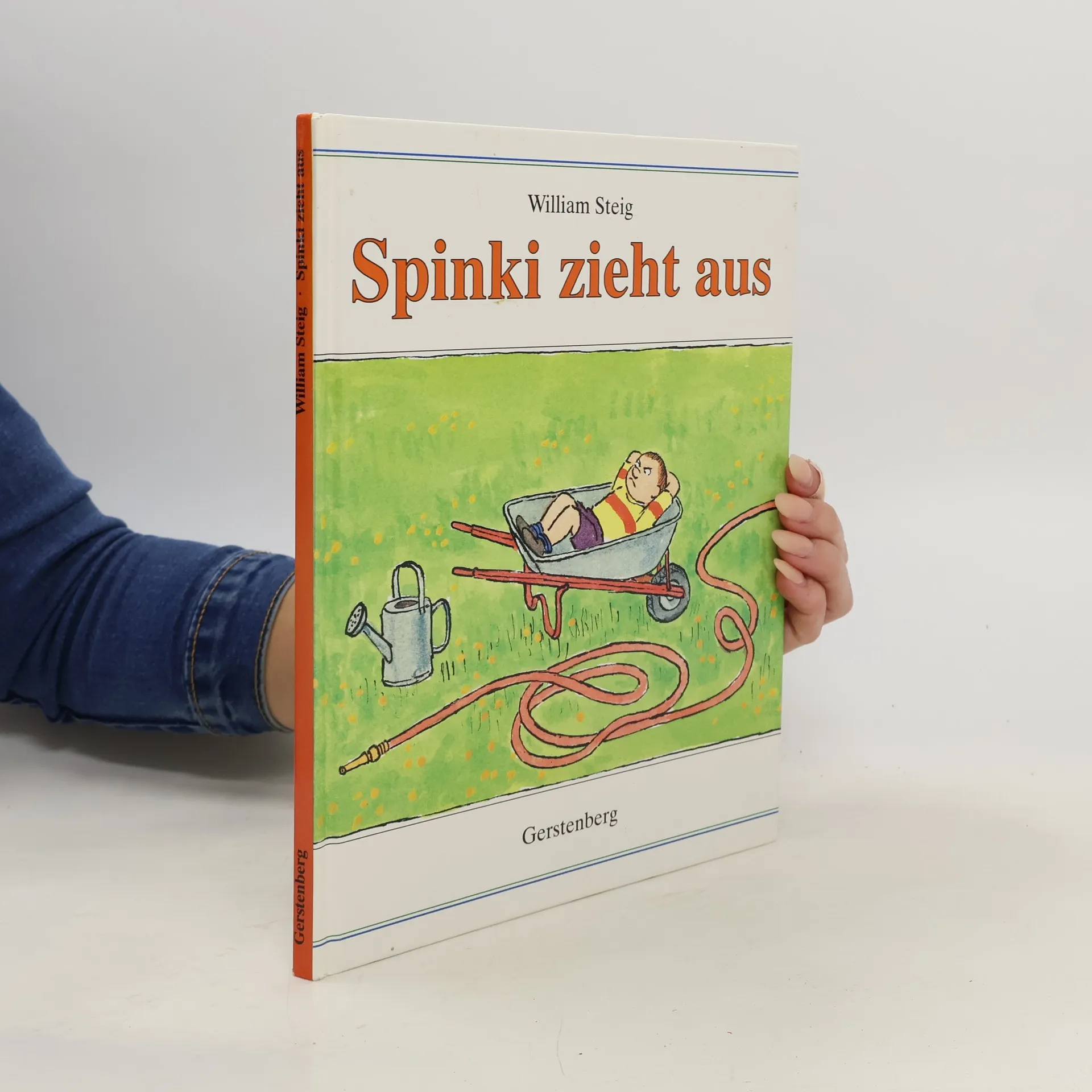
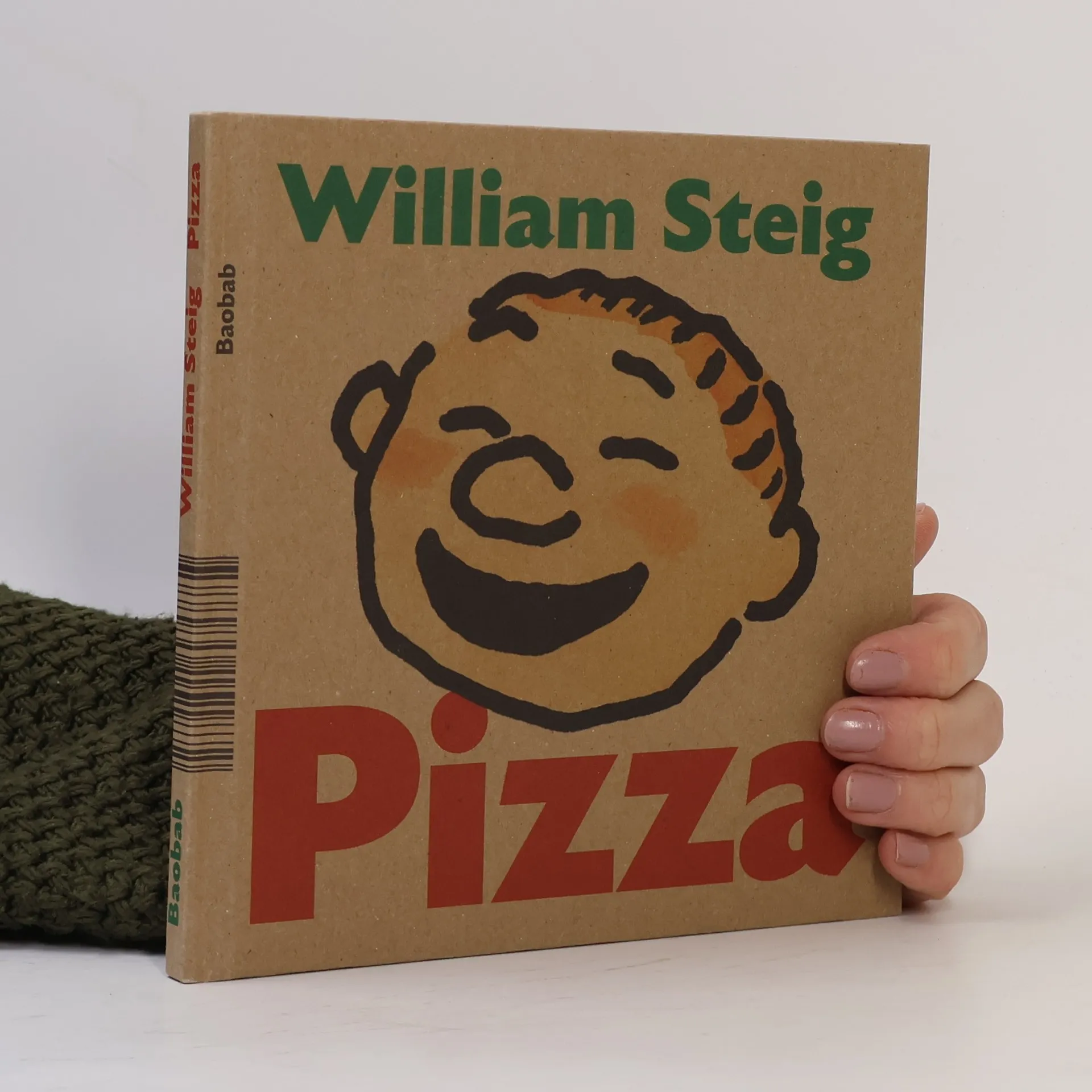
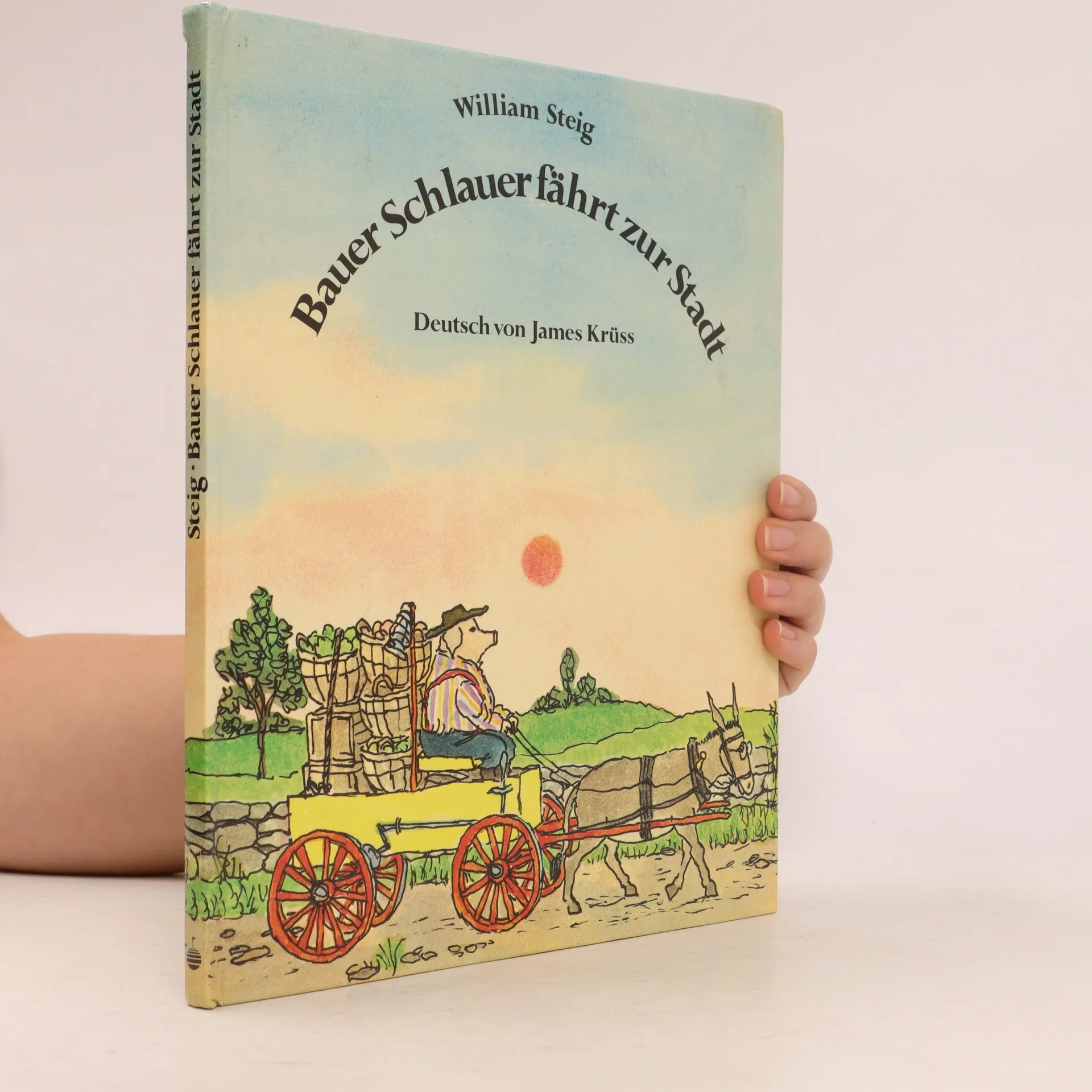
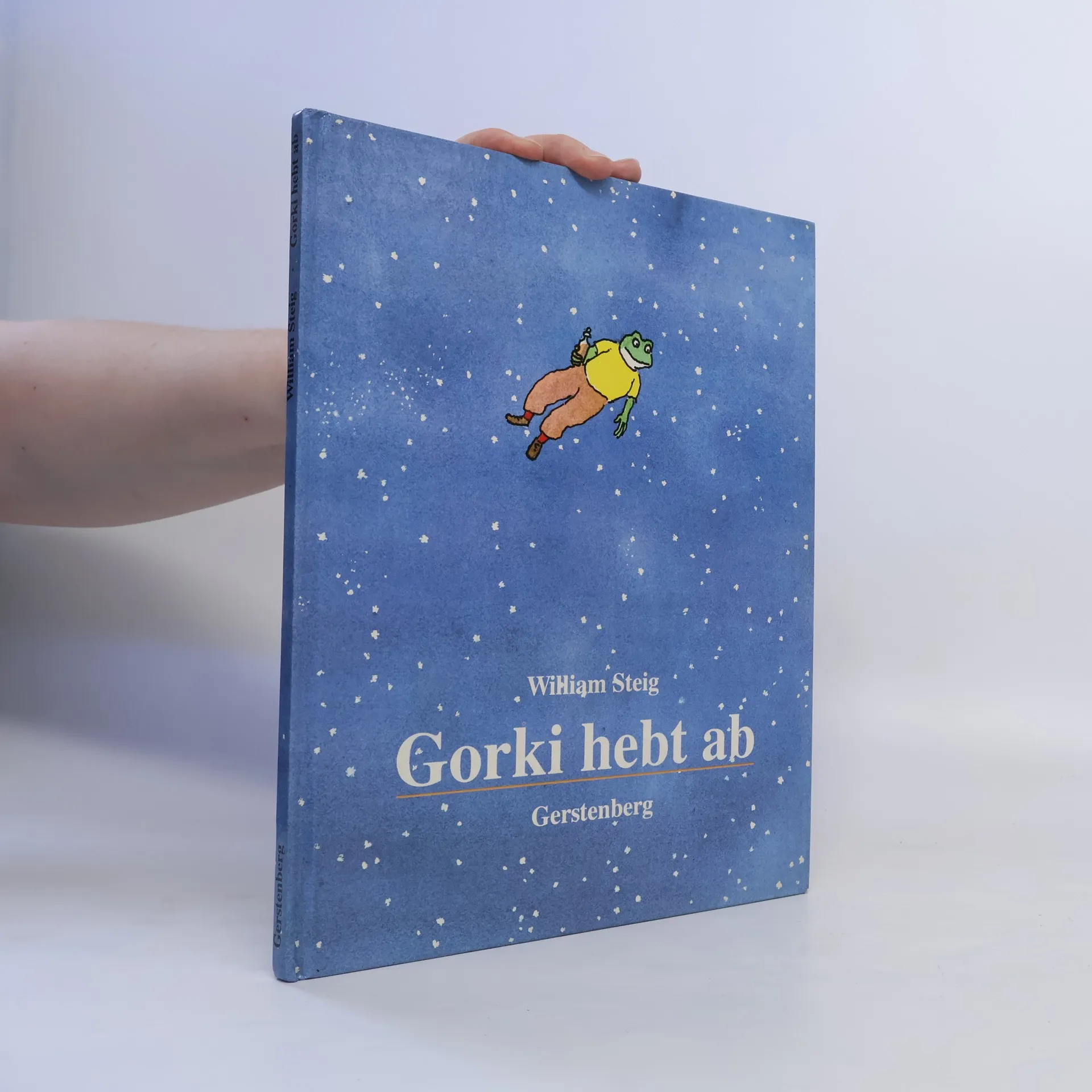
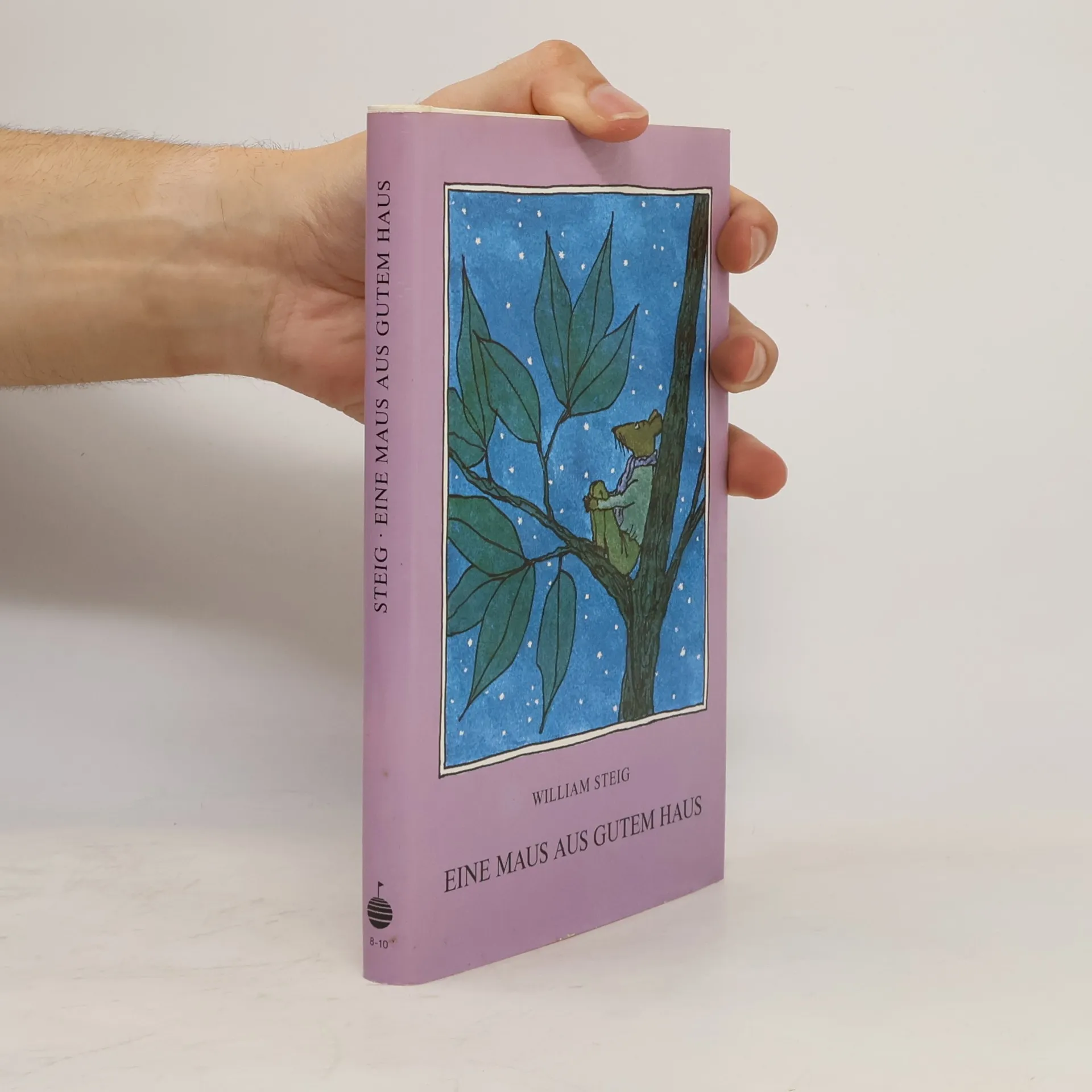
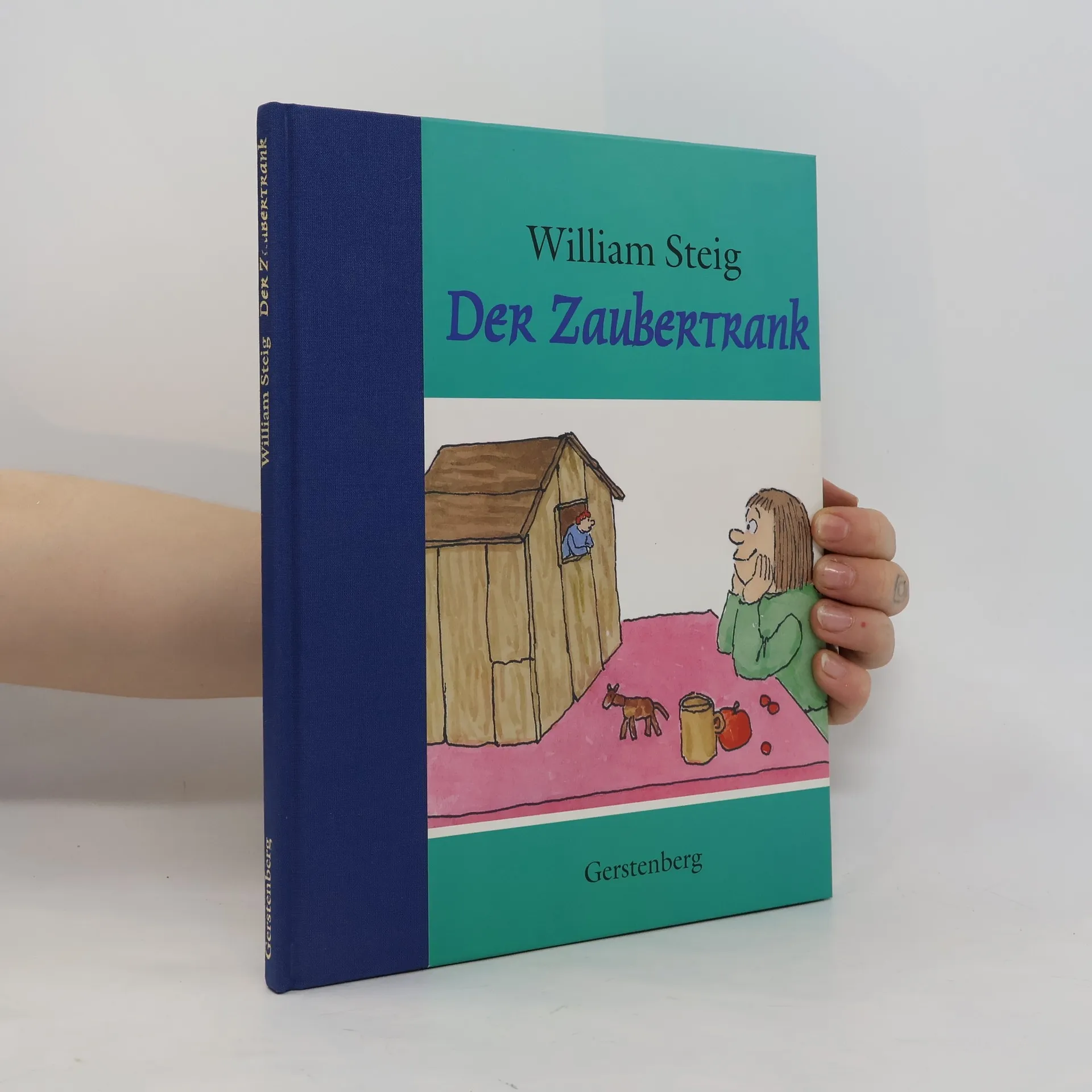
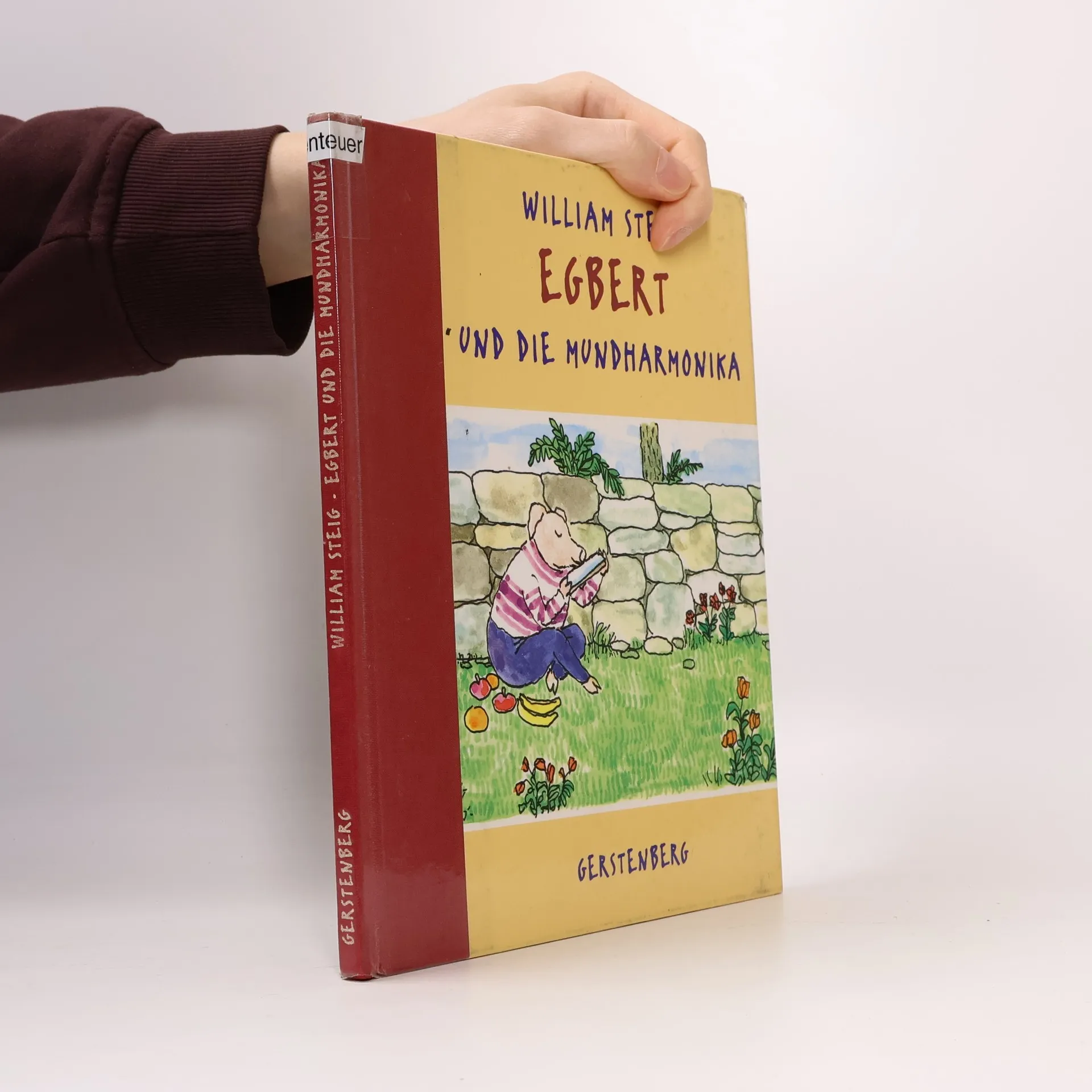
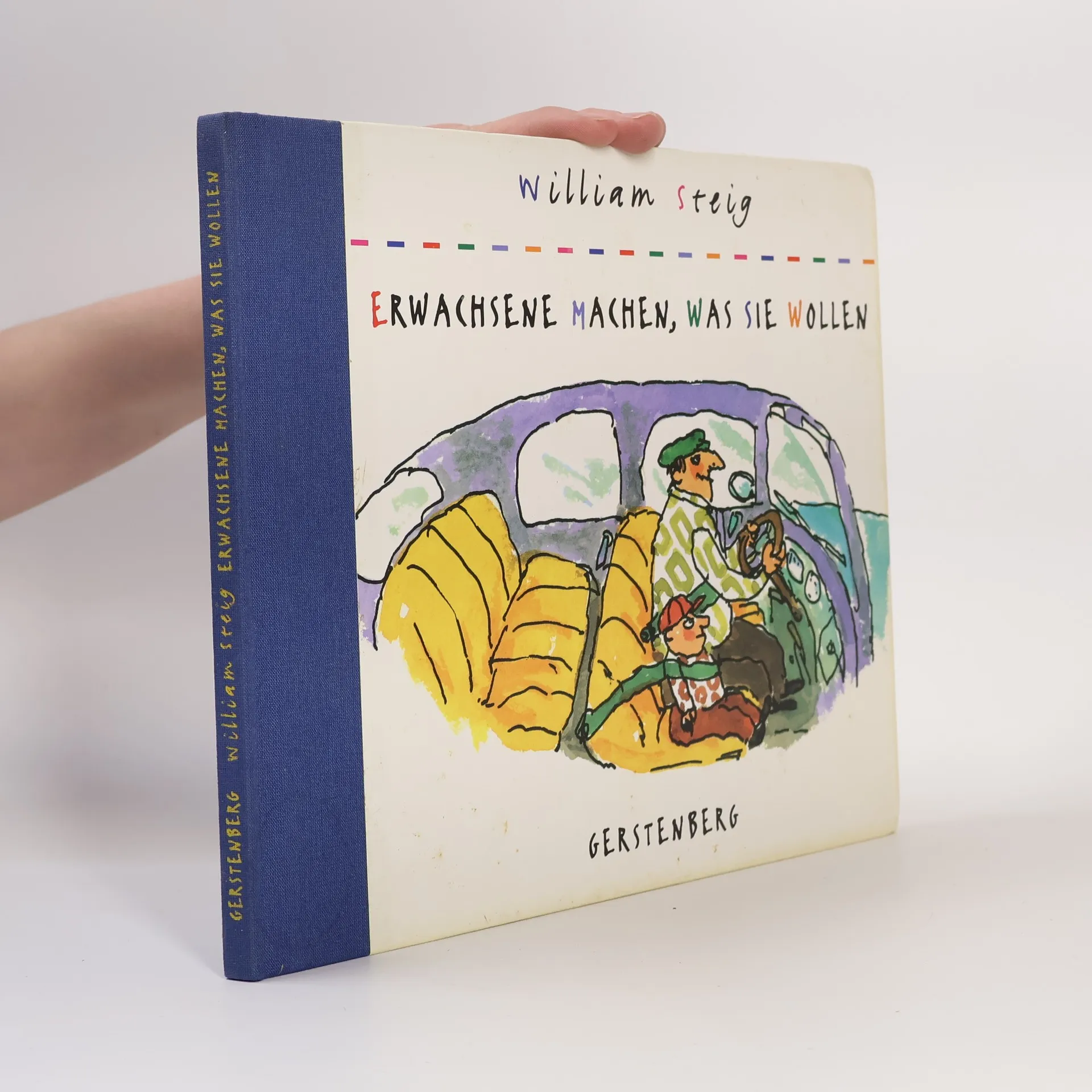
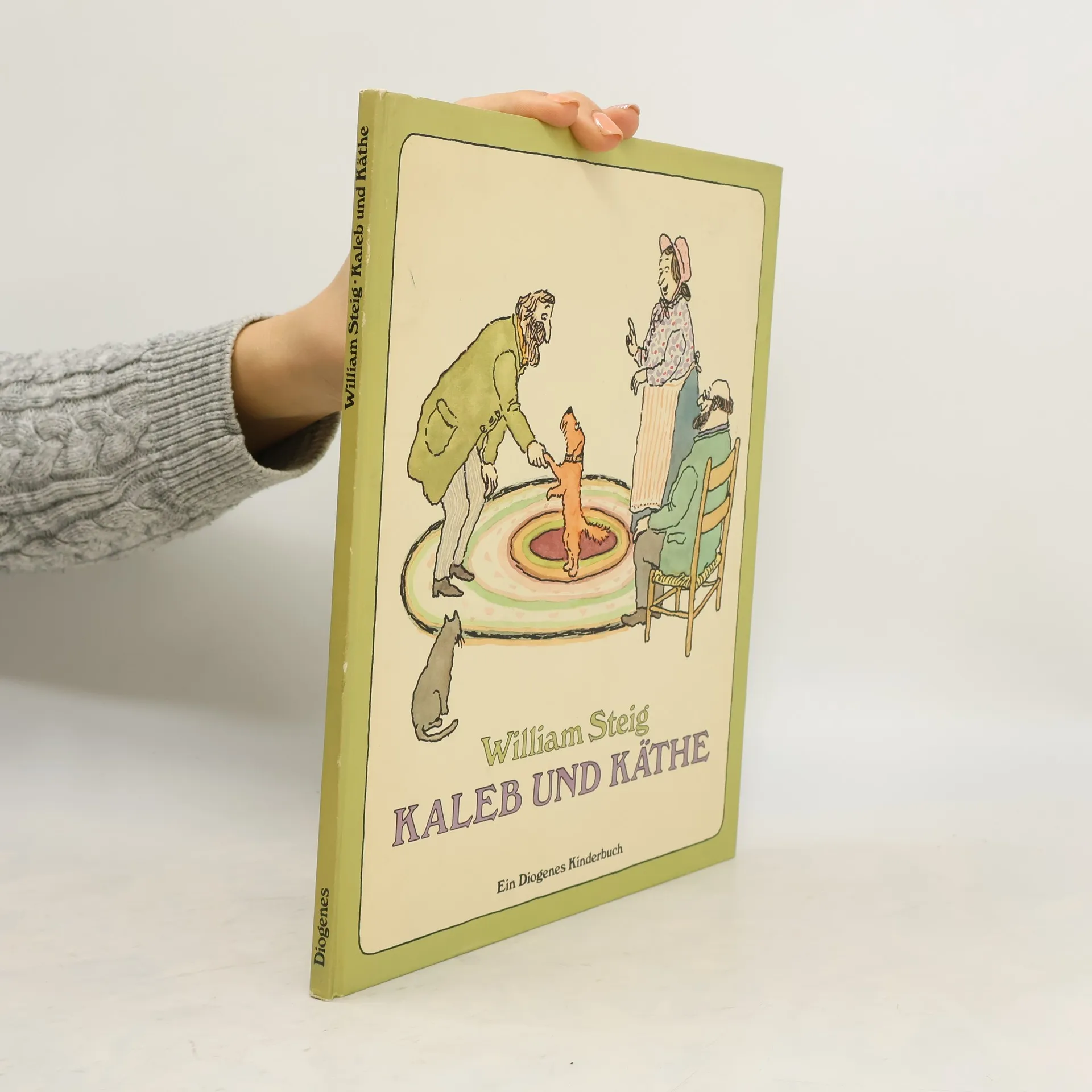
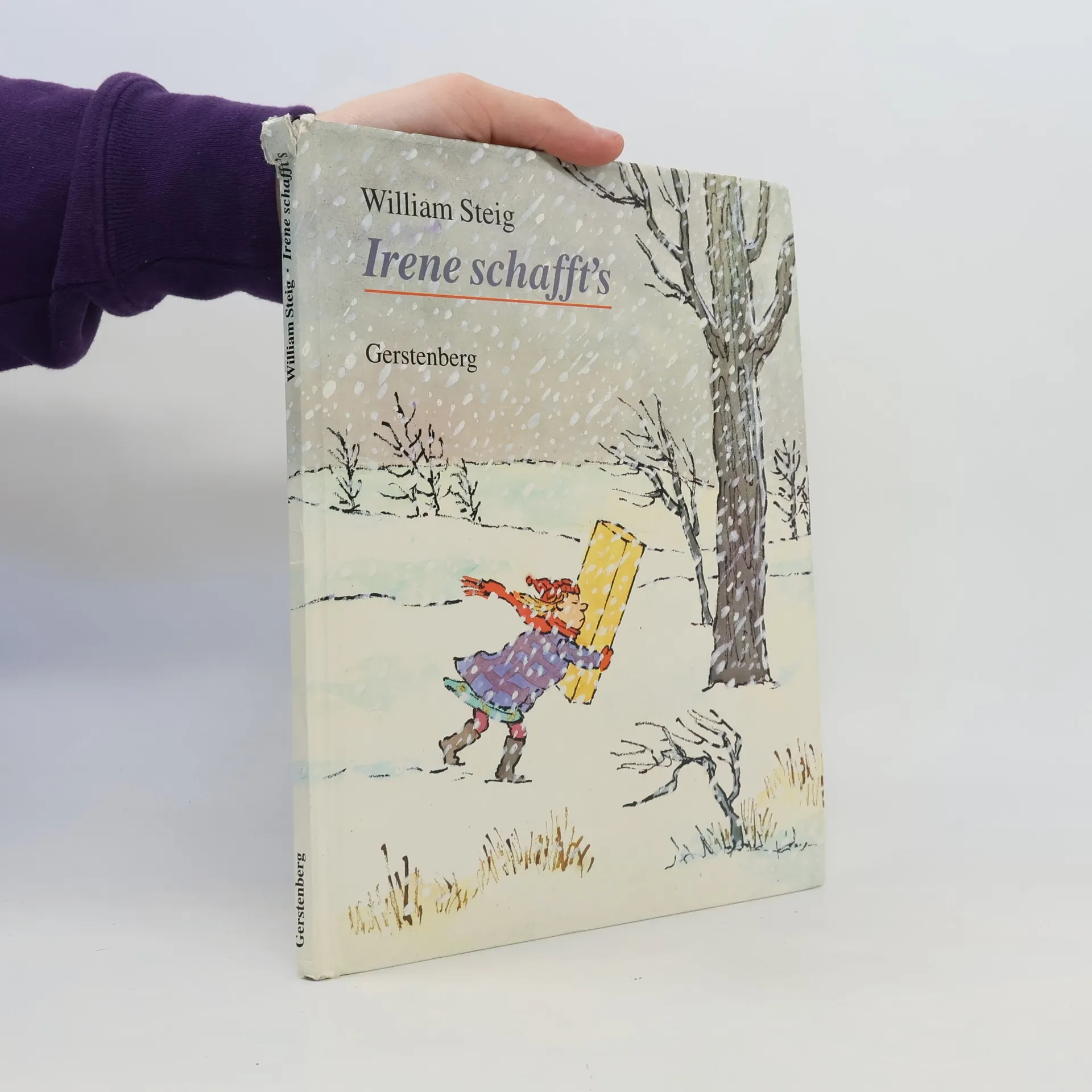
La escritura de William Steig se guía por su convicción de que los niños desean la seguridad de una familia y amigos devotos. Sus historias representan consistentemente personajes que, independientemente de sus aventuras, encuentran el camino de regreso a casa con sus familias esperándoles. Desde el comienzo de su carrera literaria, la amistad ha sido un tema celebrado, que resuena a través de su obra narrativa y ofrece a los lectores una sensación de calidez y conexión.
El Doctor De Soto, un ratón dentista, brinda alivio a animales grandes y pequeños sin causarles dolor, gracias a su habilidad y la ayuda de su asistente, la Señora De Soto. Sin embargo, se enfrenta a un dilema cuando un zorro pide ayuda. ¿Cómo asegurar que el zorro no sucumba a su instinto tras ser tratado?
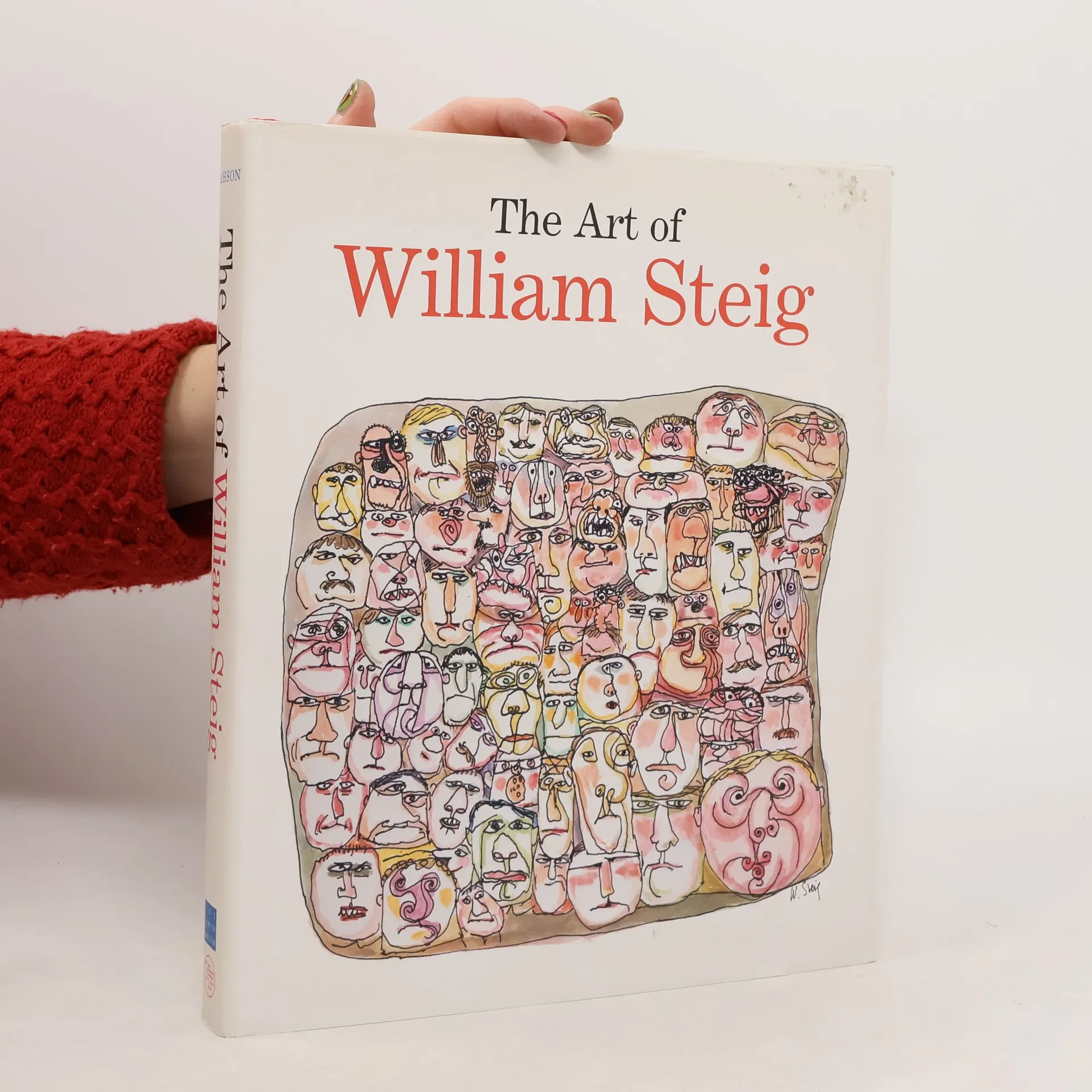
William Steig (1907–2003), celebrated for his cartoons and children's books, left an enduring legacy throughout the twentieth century. This richly illustrated volume showcases over 280 of Steig's drawings, many previously unpublished, and explores the full spectrum of his work. It covers his early "Small Fry" cartoons for the New Yorker, poignant symbolic drawings from the late 1930s and 1940s, and his later, humorously incisive cartoons and beloved children’s books. Over his seventy-three years with the New Yorker, Steig contributed more than 120 covers and over 1,600 drawings in various styles, including classic cartoons and psychologically complex illustrations. His unique voice drew from his background as the son of Eastern European Jewish immigrants. In his sixties, he transitioned to writing and illustrating children's literature, creating iconic works like Sylvester and the Magic Pebble and Shrek! These projects reflect key themes in Steig's oeuvre, such as reverie, the quirks of human nature, and the transformative power of love and art. Claudia J. Nahson, along with fellow artists, writers, and Steig's family, narrates the story of a keen social observer with a vibrant imagination and deep passion for his craft.
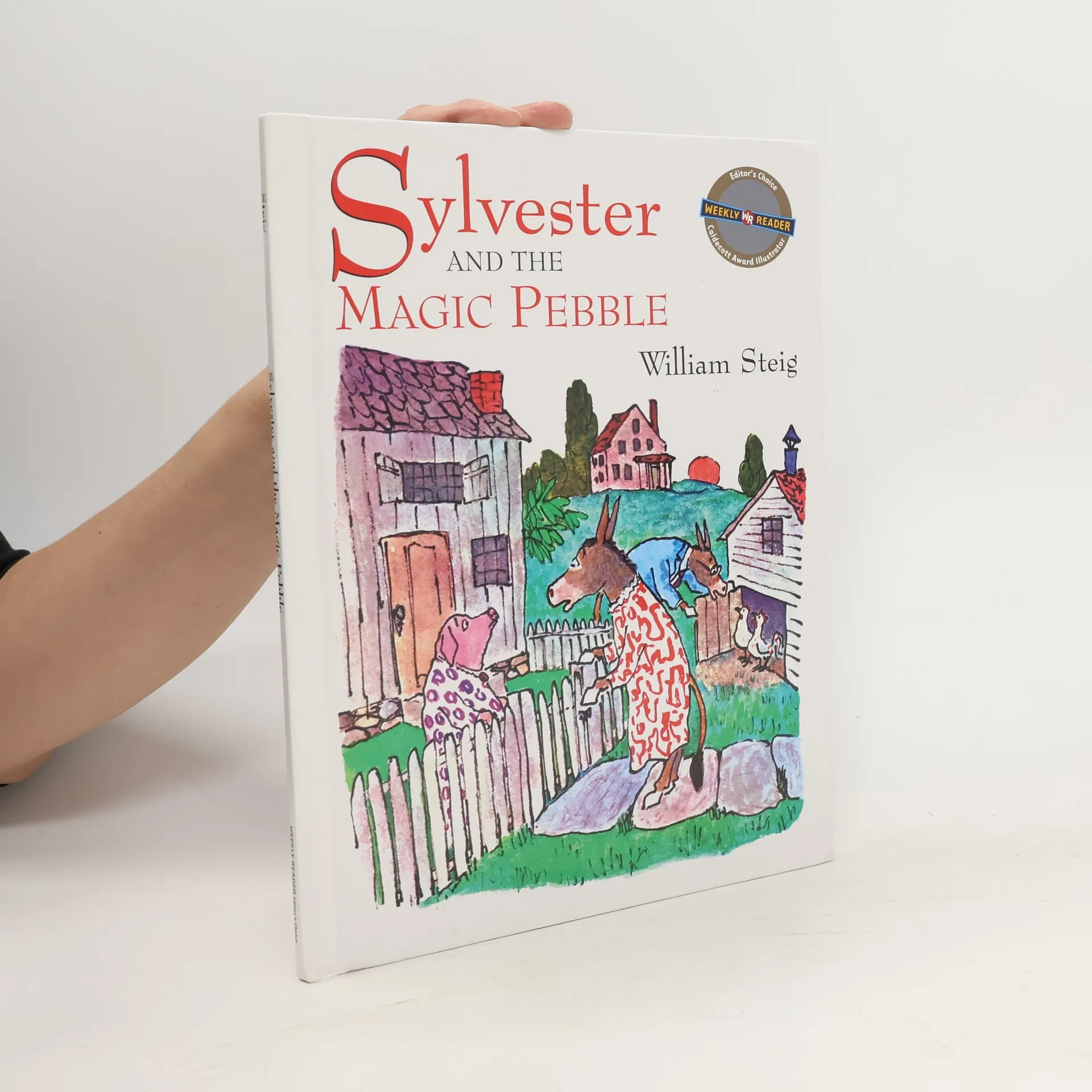
On a rainy day, Sylvester finds a magic pebble that can make wishes come true. But when a lion frightens him on his way home, Sylvester makes a wish that brings unexpected results. How Sylvester is eventually reunited with his loving family and restored to his true self makes a story that is beautifully tender and filled with magic. Illustrated with William Steig's glowing pictures, this is a modern classic beloved by children everywhere. Selected as one of the 100 Best Books of the Century by the National Education Association.
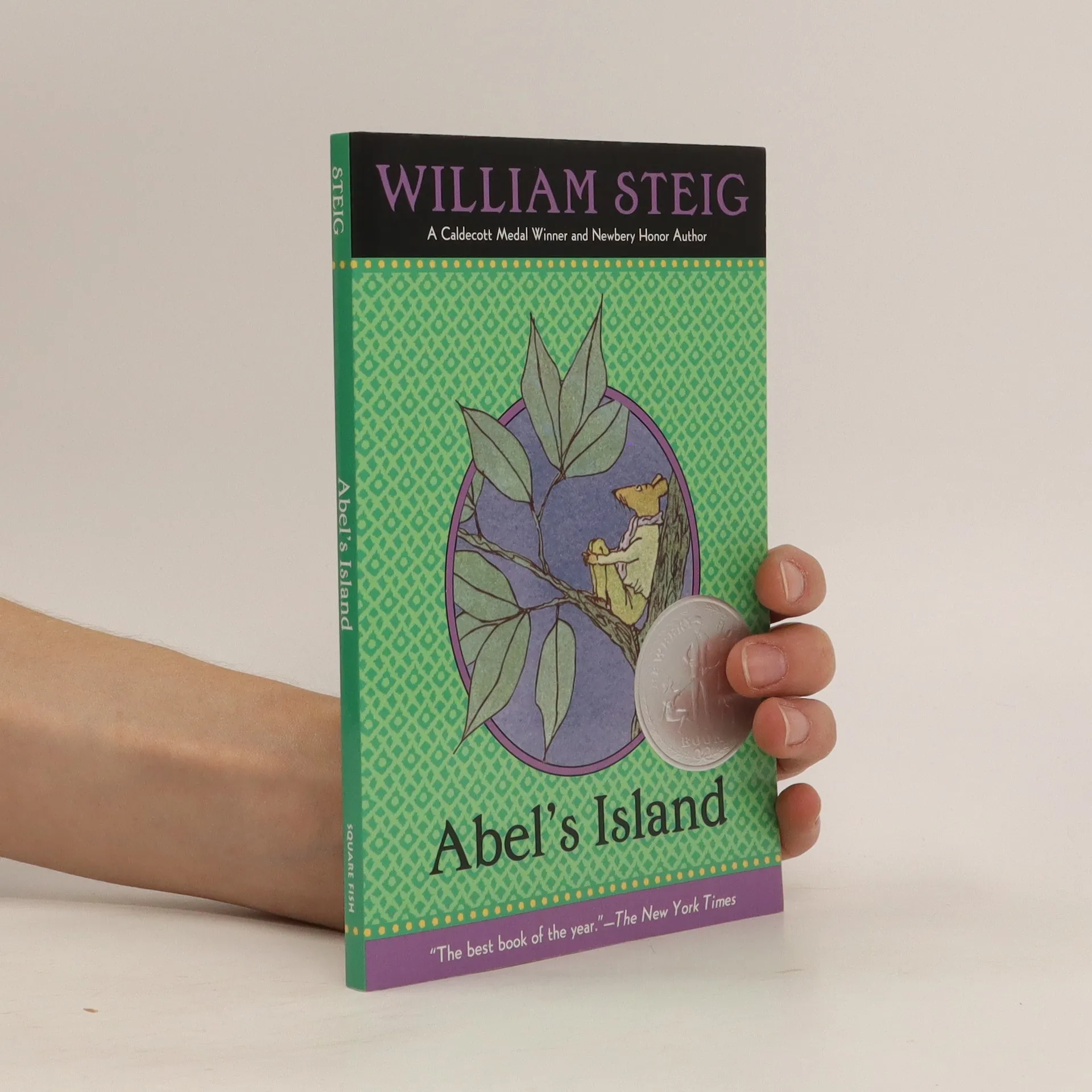
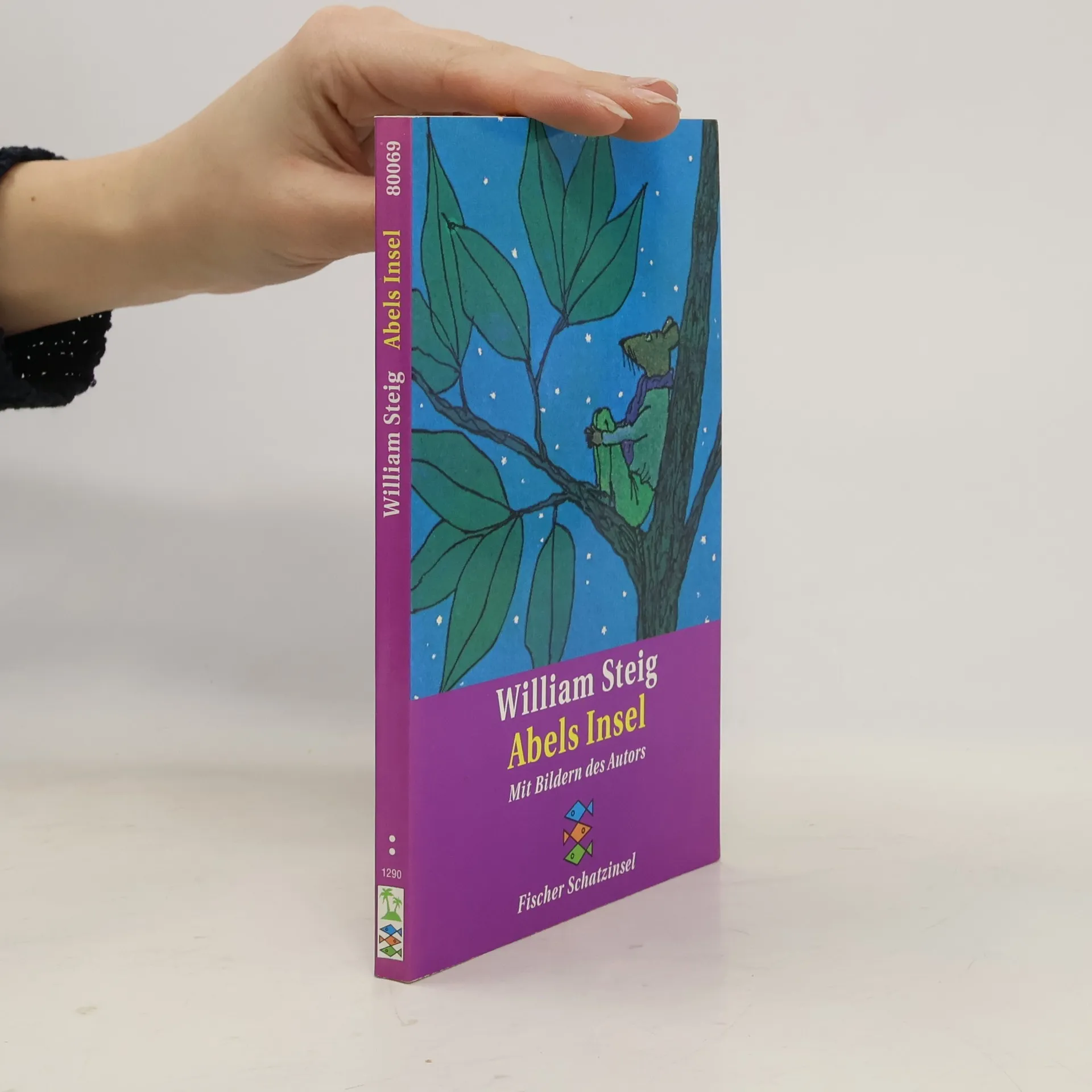
William Steig's Abel's Island narrates the journey of a mouse, Abel, who is separated from his beloved wife, Amanda, due to a sudden flood. Once secure in his comfortable life, Abel finds himself stranded on an uninhabited island, where he struggles to return home. Despite his determination and various attempts to cross the river—using boats, ropes, and stepping-stones—he is unable to find a way back. As days turn into weeks and months, Abel adapts to his new reality, foraging for food and creating a warm nest in a hollow log. He also carves clay statues of his family for companionship while contemplating his predicament. This time on the island forces Abel to reassess the simple comforts of his previous life and discover hidden skills and talents that could lead to a more meaningful existence. His solitary struggle for survival ultimately transforms his understanding of the world he left behind. The story highlights themes of resilience, self-discovery, and the appreciation of life's simple pleasures. Recognized as a 1976 New York Times Book Review Notable Children's Book and a 1977 Newbery Honor Book, it was also adapted into a short animated film in 1988.
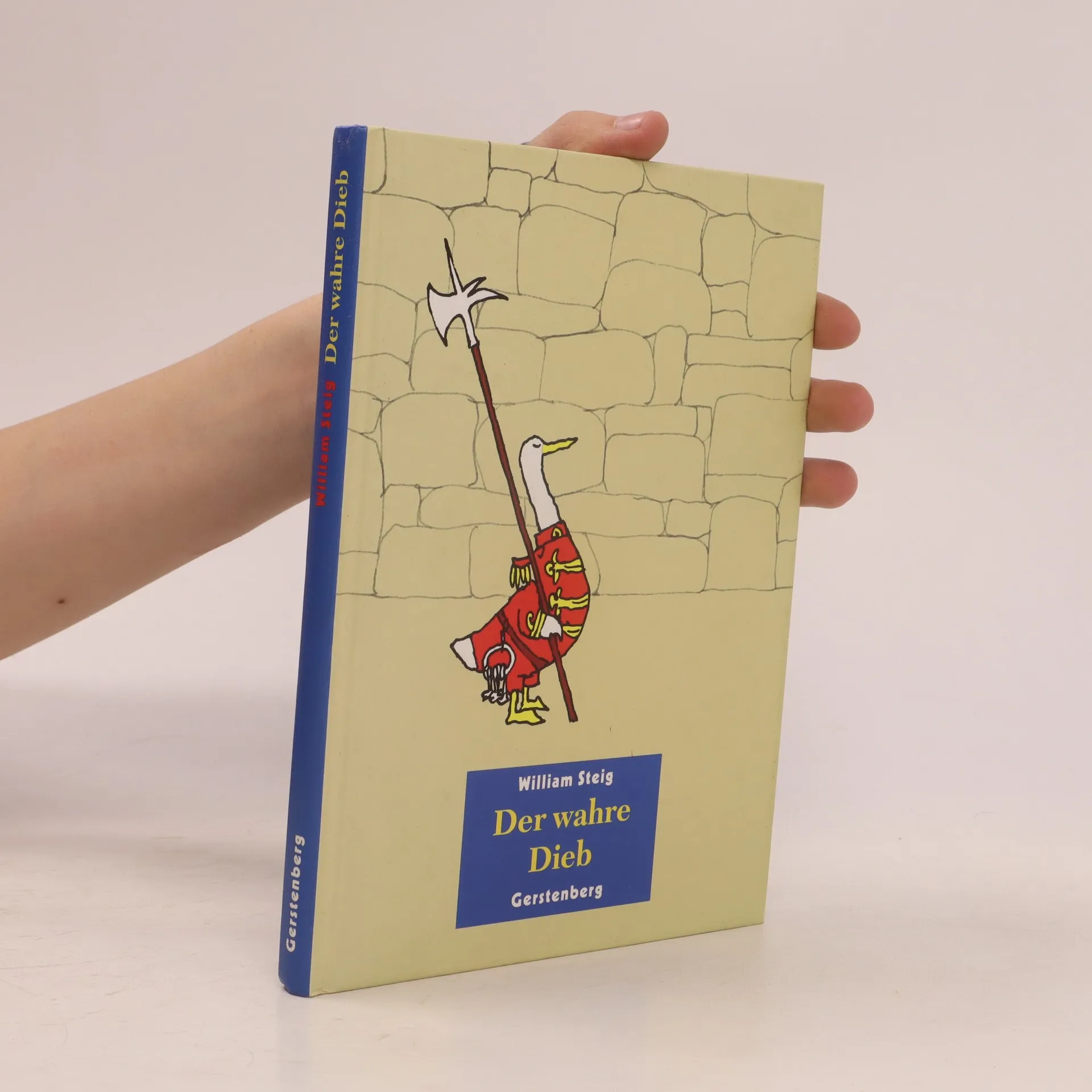
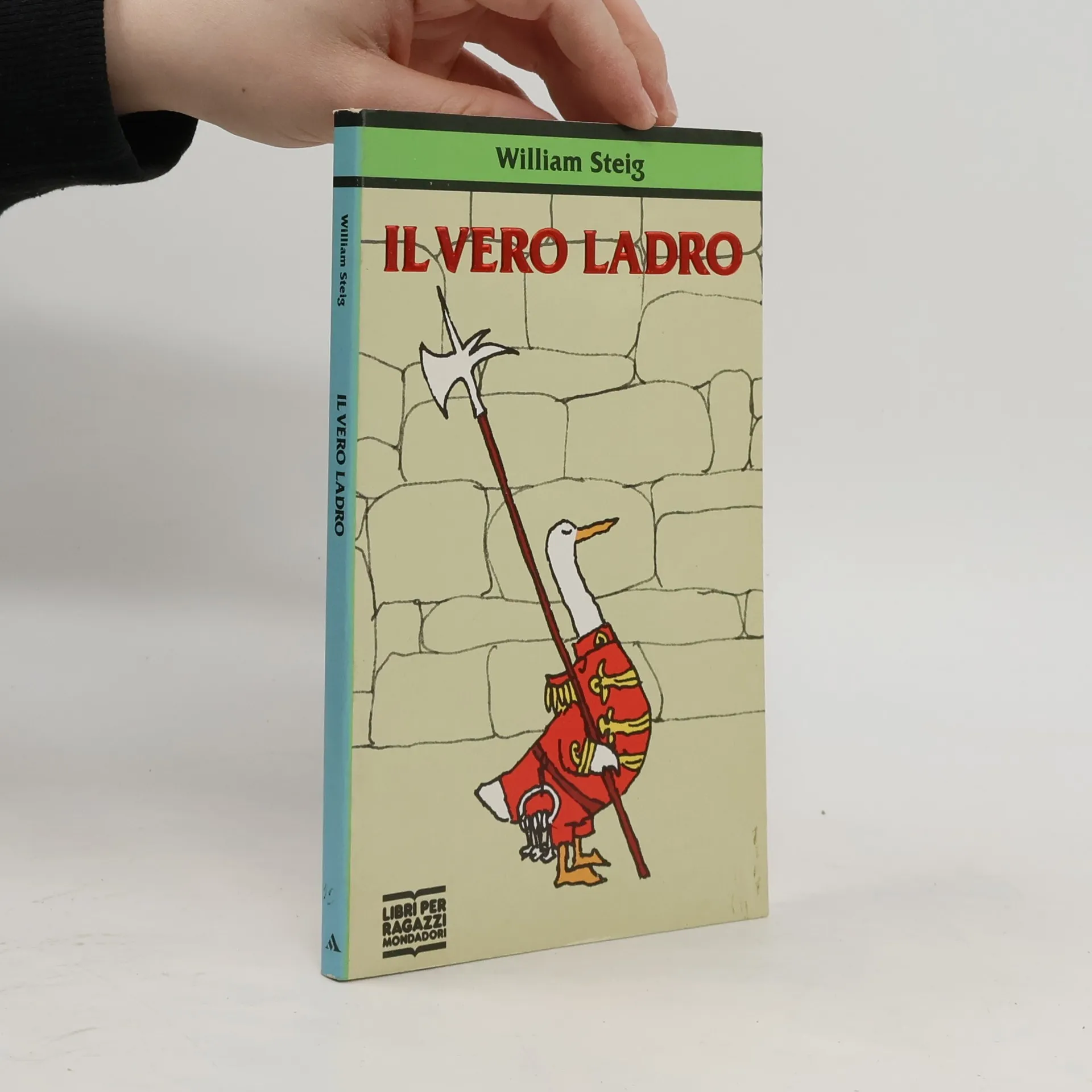
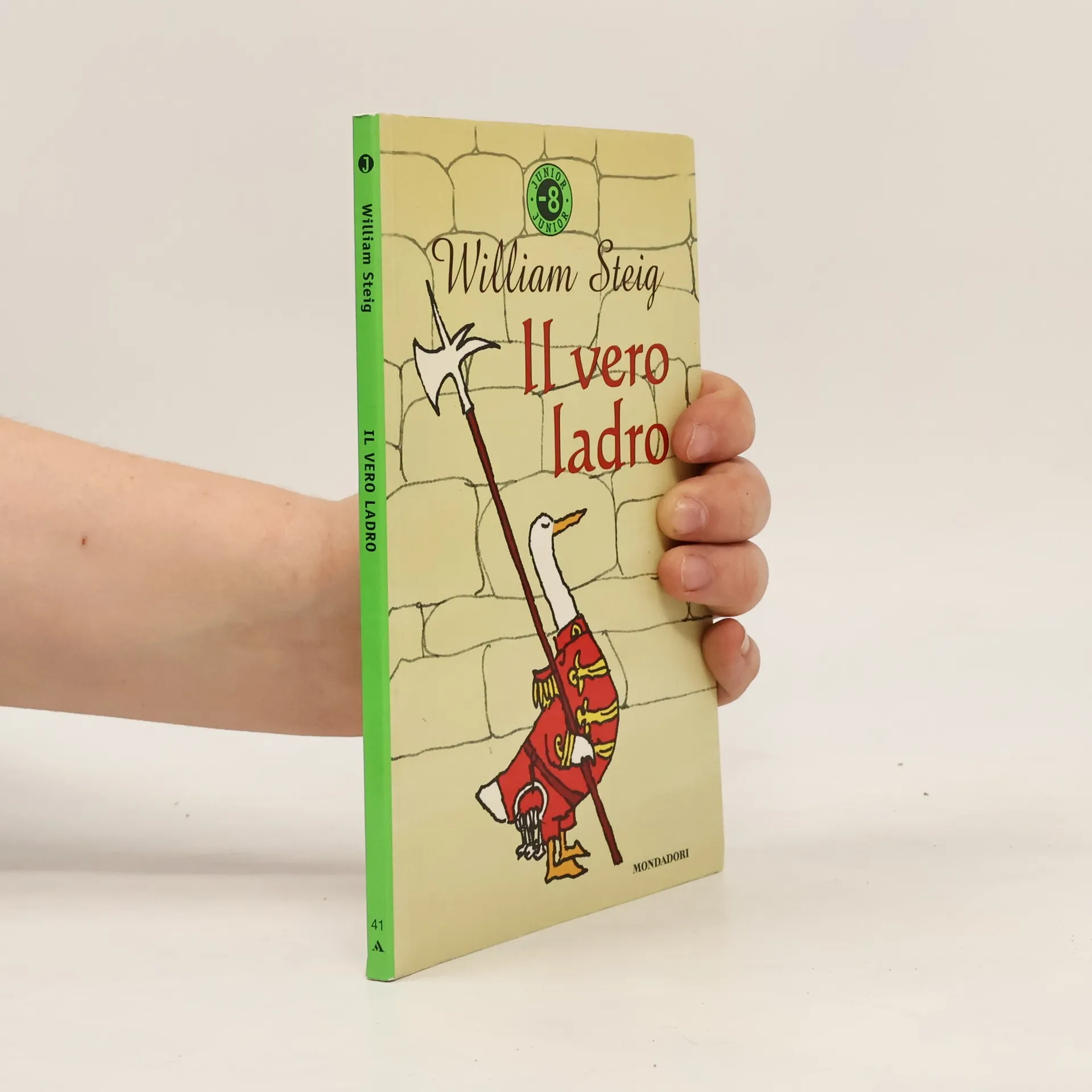
Die Schätze des Bärenkönigs Basilius werden geraubt. Obwohl keinerlei Beweise vorliegen, wird die Gans Gawain, die den Schatz bewacht hat, des Diebstahls verdächtigt. Beschämt über seine habgier gibt der wahre Dieb schliesslich seine Untaten zu.
Der berühmte Zahnarzt Doktor de Soto bekommt ein Telegramm aus Afrika. Der Absender ist ein Elefant namens Mudambo. Er hat schreckliche Zahnschmerzen, und Doktor De Soto ist seine letzte Hoffnung. 10 000 Goldwalulus winken als Belohnung. Da braucht der Zahnarzt nicht lange nachzudenken. Die De Sotos packen ihre Koffer und reisen um die halbe Welt. Die Arbeit in Mudambos Maul fällt den beiden nicht schwer, aber bevor der arme Elefant endlich wieder lachen kann, muss der Zahnarzt ein gefährliches Abenteuer im Urwald bestehen. Wenn man eine kleine Maus ist, hat man's eben mit den Großen und Starken nicht immer ganz leicht, und wäre Doktor De Soto nicht so mutig und entschlossen gewesen, hätte die Afrikareise leicht ein schlimmes Ende nehmen können ...
Von einem Müllauto herab und Schweinchen Egbert direkt vor die Füsse fällt eine Zaubermundharmonika, deren Töne alle auf der Stelle einschlafen lässt, ausgenommen Egbert selbst. Er verlässt seine schlummernde Familie und startet auf einem Floss in die weite Welt.
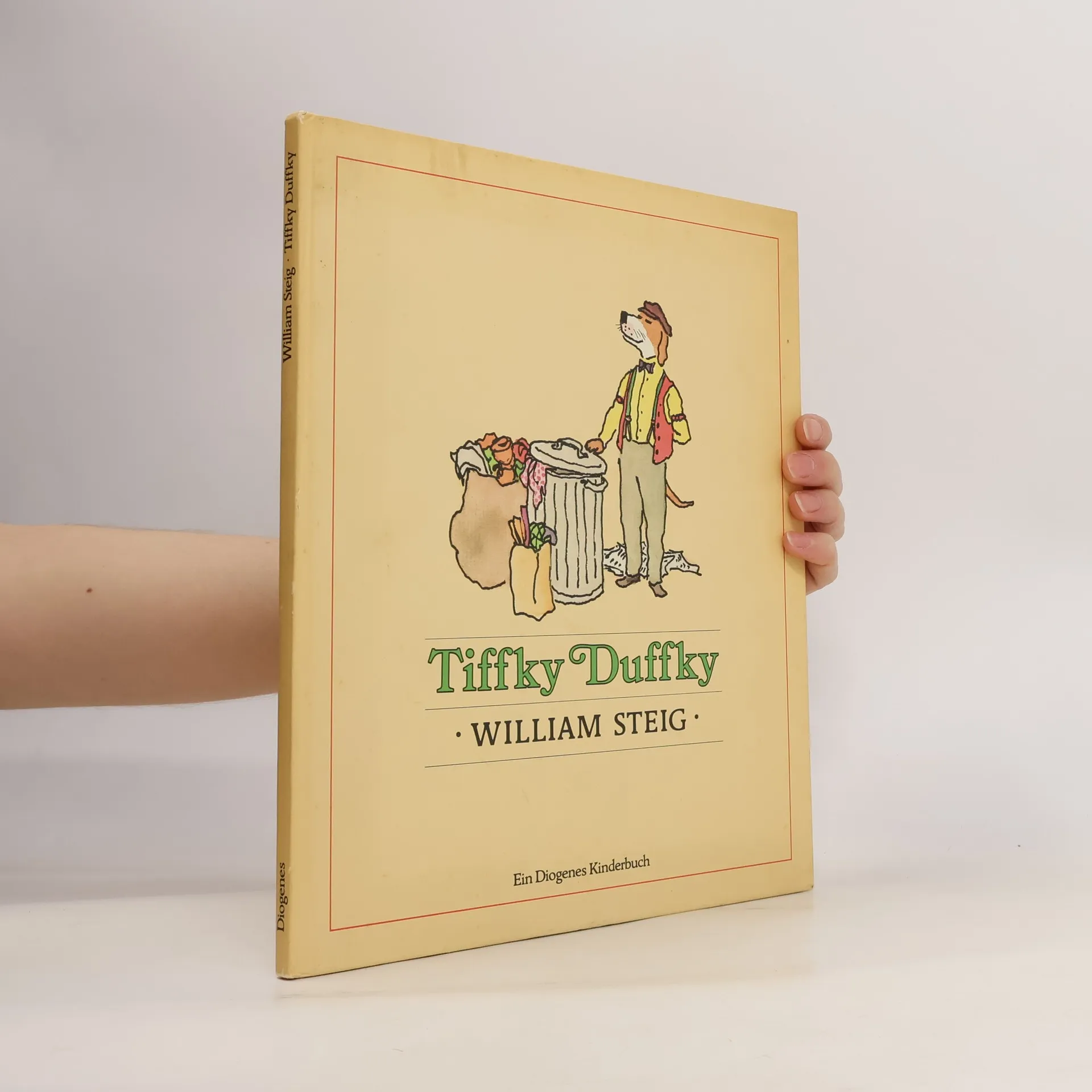
Tiffky Doofky, Müllsammler in der Stadt Popville, ist stolz auf seinen Beruf und ein recht fröhlicher Hund. Eines schönen Frühlingsmorgens, während er seine Runde macht, kommt ihm der Gedanke, dass etwas Besonderes geschehen wird. Madame Tarsal, die Wahrsagerin, bestätigt seine Vorahnung und sagt voraus, dass er an diesem Tag seine wahre Liebe treffen wird – bevor die Sonne untergeht! Der Tag verläuft jedoch ganz anders als Tiffky Doofky oder sogar Madame Tarsal erwartet hatten. Eine schlecht gelaunte Hexe ist am Werk, obwohl sie wie eine harmlose alte Dame aussieht, mit ihrem Fahrrad und ihrem roten Kopftuch. Tiffkys Abenteuer unter ihrem Zauber führen ihn weit weg von Popville und so nah an den Sonnenuntergang, dass er zu verzweifeln beginnt, jemals seine Geliebte zu treffen. Er beschließt sogar, dass Madame Tarsal eine neue Kristallkugel bekommen sollte. Doch gerade als die Sonne den Horizont berührt, hat Tiffky seine gefährlichste Begegnung, die ein für alle ganz zufriedenstellendes Ende bringt.