Tao Te Ching
- 128 páginas
- 5 horas de lectura
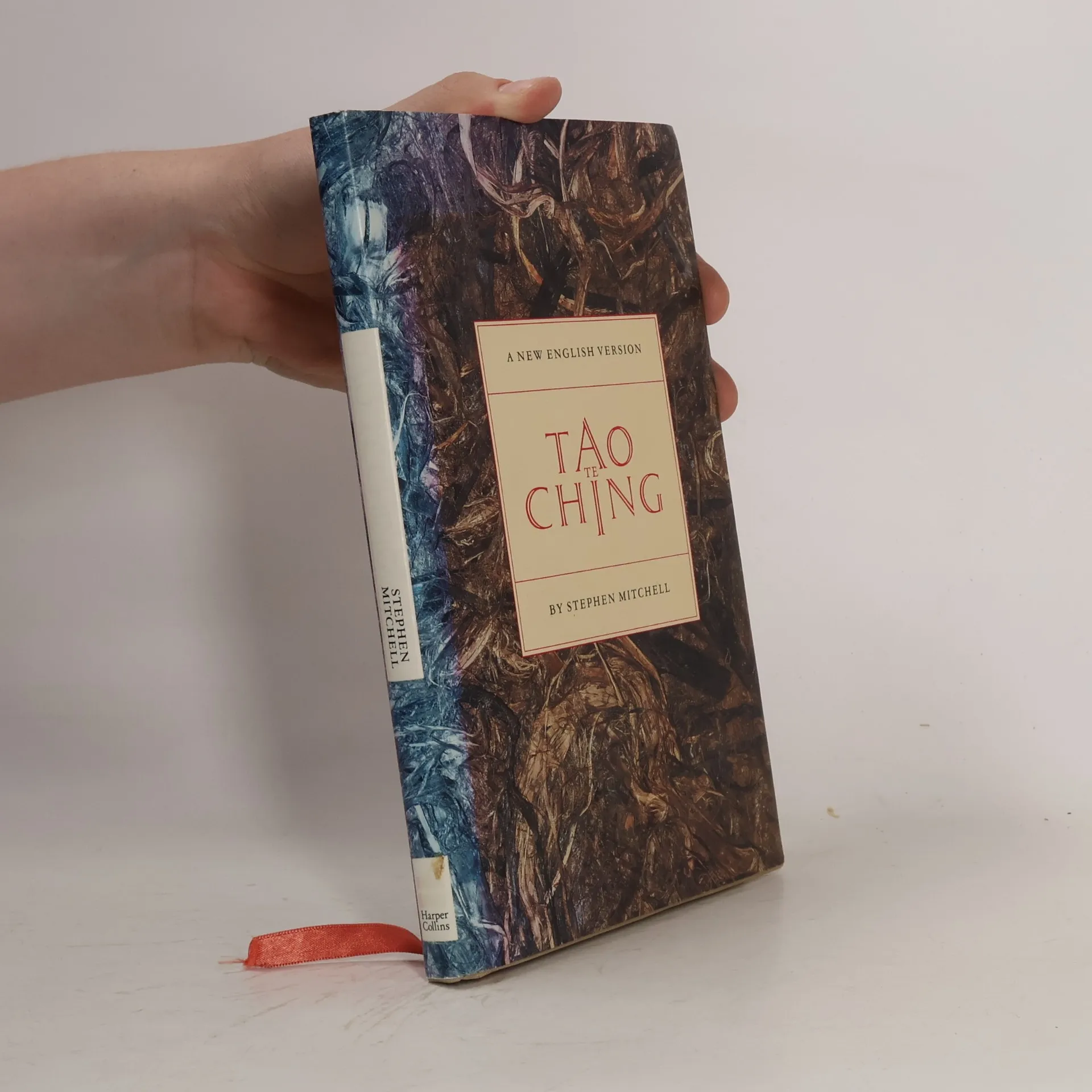
Printed throughout in two colors is this new, definitive version of one of the great books of world literature--comparable in its sales and influence to the Bible, the Bhagavad Ghita, and the Koran.



Printed throughout in two colors is this new, definitive version of one of the great books of world literature--comparable in its sales and influence to the Bible, the Bhagavad Ghita, and the Koran.
In the past hundred years, haiku has gone far beyond its Japanese origins to become a worldwide phenomenon—with the classic poetic form growing and evolving as it has adapted to the needs of the whole range of languages and cultures that have embraced it. This proliferation of the joy of haiku is cause for celebration—but it can also compel us to go back to the to look at haiku’s development during the centuries before it was known outside Japan. This in-depth study of haiku history begins with the great early masters of the form—like Basho, Buson, and Issa—and goes all the way to twentieth-century greats, like Santoka. It also focuses on an important aspect of traditional haiku that is less known in the haiku art. All the great haiku masters created paintings (called haiga ) or calligraphy in connection with their poems, and the words and images were intended to be enjoyed together, enhancing each other, and each adding its own dimension to the reader’s and viewer’s understanding. Here one of the leading haiku scholars of the West takes us on a tour of haiku poetry’s evolution, providing along the way a wealth of examples of the poetry and the art inspired by it.
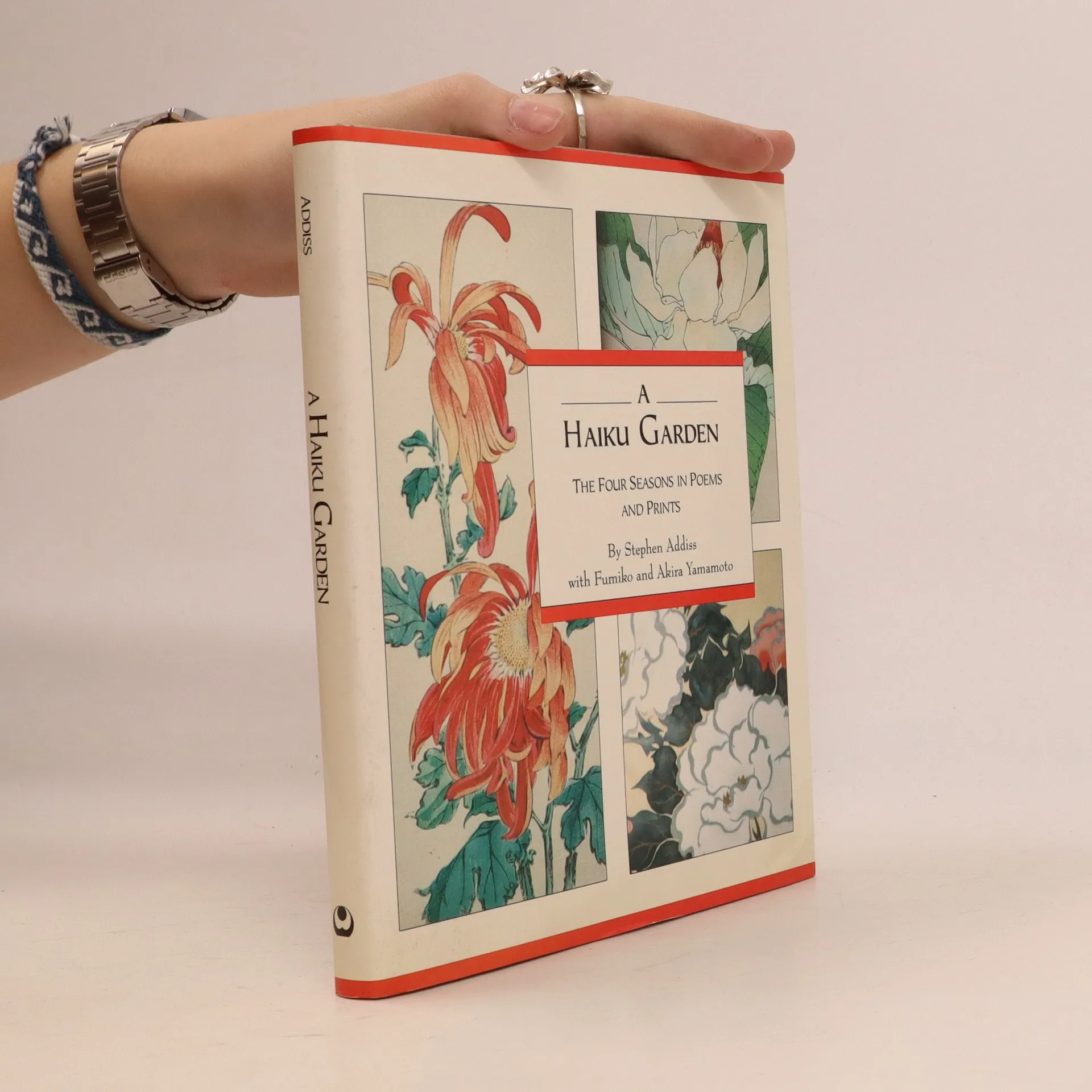
Some 120 haiku by such masters as Basho, Issa, and Buson—all written on themes of the beauty of nature—are combined with the woodblock prints and paintings of the great artists of classical Japan. The poems appear both in skillful English translation, as well as in the original Japanese.
Disciplines in Art Education: Contexts of Understanding
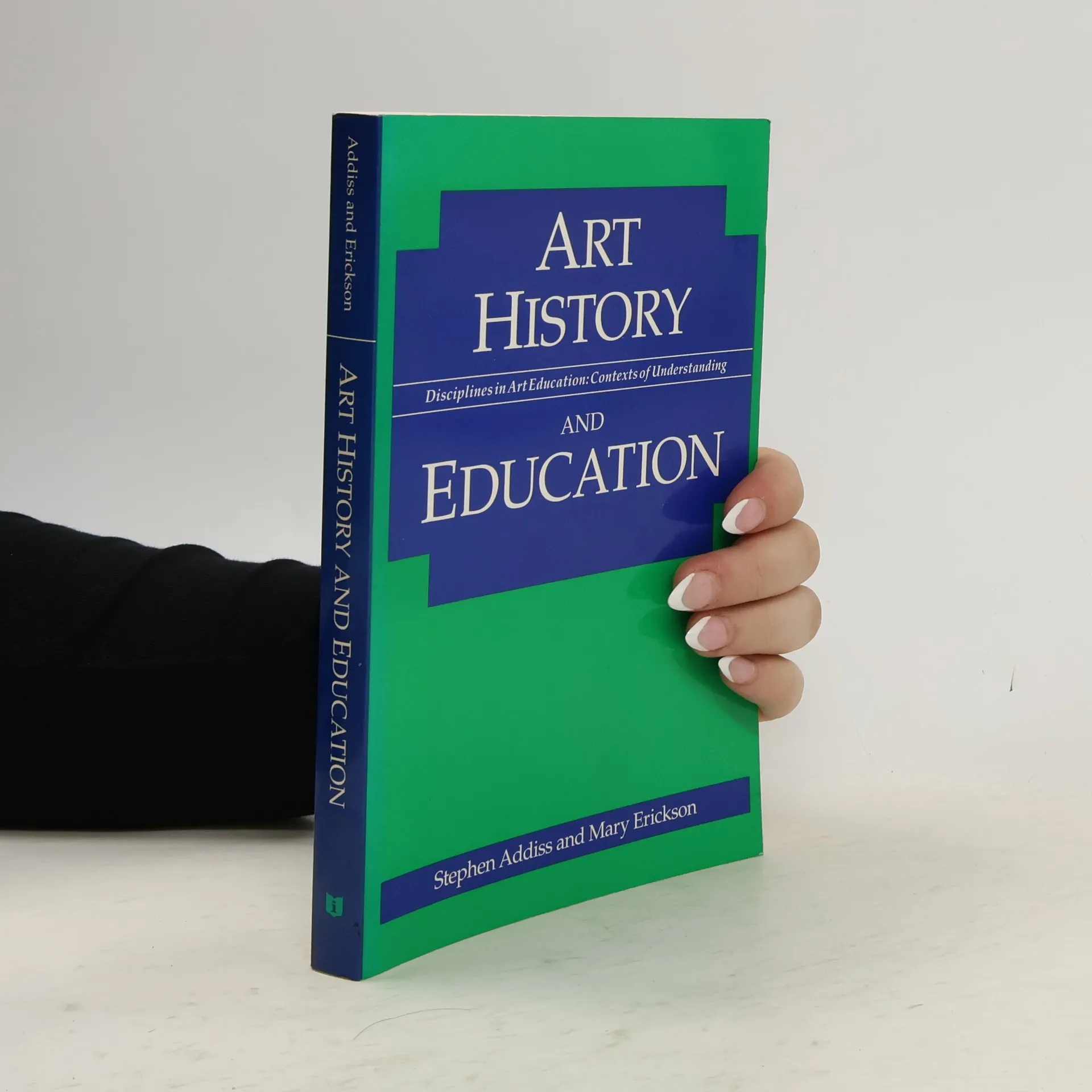
Guided by Stephen Addiss's grounding in art history scholarship and Mary Erickson's expertise in art education theory and practice, this volume approaches the issue of teaching art history from theoretical and philosophical as well as practical and political standpoints. In the first section, Addiss raises issues about the discipline of art history. In the second, Erickson examines proposals about how art history can be incorporated into the general education of children and offers some curriculum guides and lesson plans for art educators.
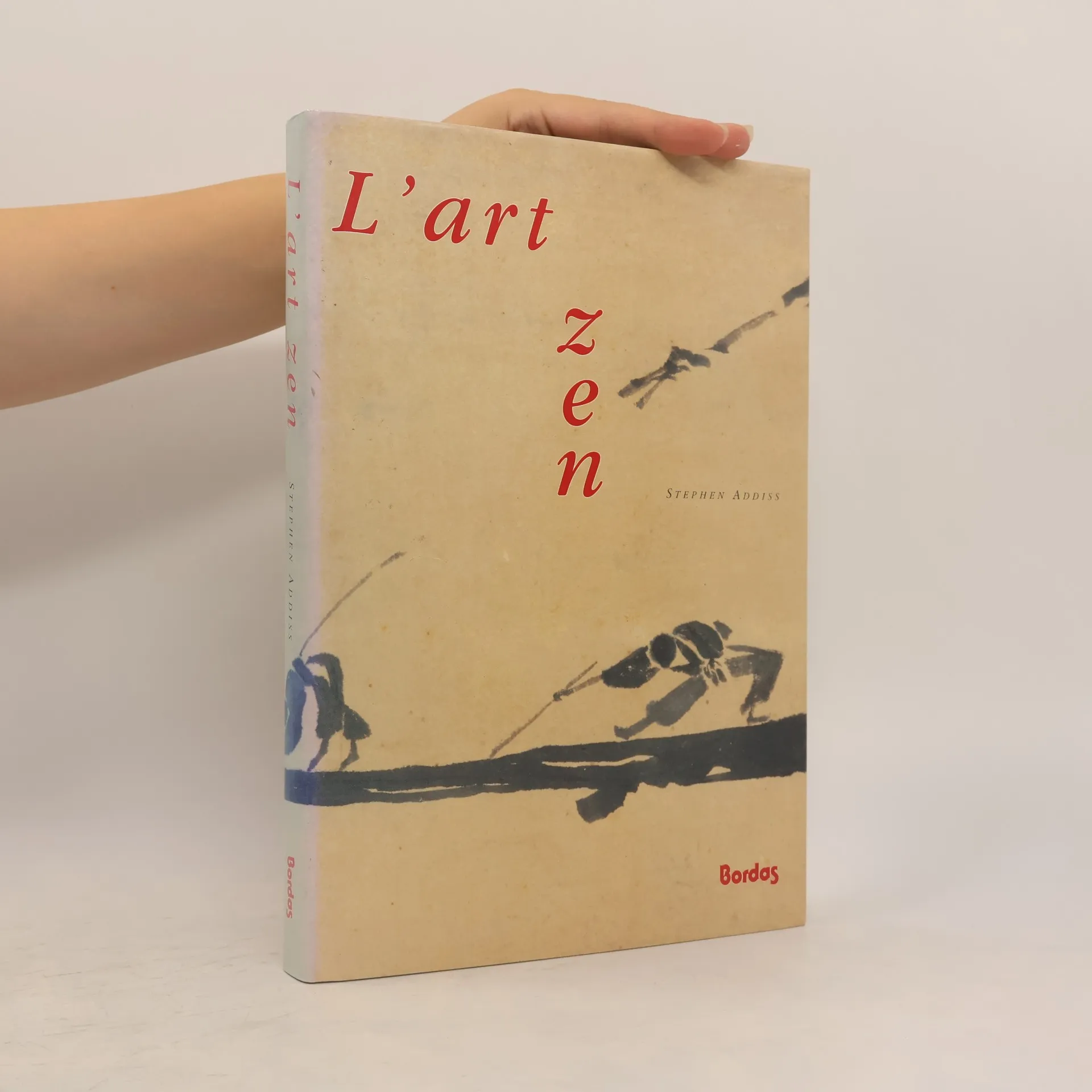
L'art zen rassemble pour la première fois un ensemble unique d'oeuvres issues de monastères japonais ou de collections privées souvent inaccessibles au public. Ces peintures et calligraphies "zenga" expriment la vision du monde développée par le bouddhisme Zen. Bien plus que le minimalisme du Nô, le dépouillement ascétique des jardins de sable ou le raffinement de la cérémonie du thé, le zenga est la plus parfaite expression de la méditation, le passage nécessaire vers l'illumination. Spontanéité du geste longuement intériorisé, usage du paradoxe, humour, conscience du néant, emphase du mouvement ou tracé volontairement hâtif et grossier au contraire, président à ces créations où l'on retrouve les fondements de la sagesse zen. Le livre permet au lecteur d'enrichir sa compréhension de l'art zen, expression d'une philosophie. Il en retrace l'évolution. Emaillé de poèmes et de maximes zen, il met en scène et fait revivre ces moines singuliers, parfois excentriques qui, de 1600 à 1925, ont exploré les voies de cette philosophie.