Estrella Oscura
- 464 páginas
- 17 horas de lectura
Alan Furst es ampliamente reconocido como el maestro indiscutible de la novela de espías histórica. Sus obras sumergen al lector en la tensa atmósfera de la Europa de preguerra y de guerra, donde personas comunes se ven arrastradas al peligroso mundo del espionaje. Furst capta hábilmente el suspense, las complejidades morales y el coraje silencioso de personajes que navegan por circunstancias peligrosas. Su evocadora prosa transporta a los lectores directamente a escenarios históricos meticulosamente investigados, convirtiéndolo en una voz destacada del género.


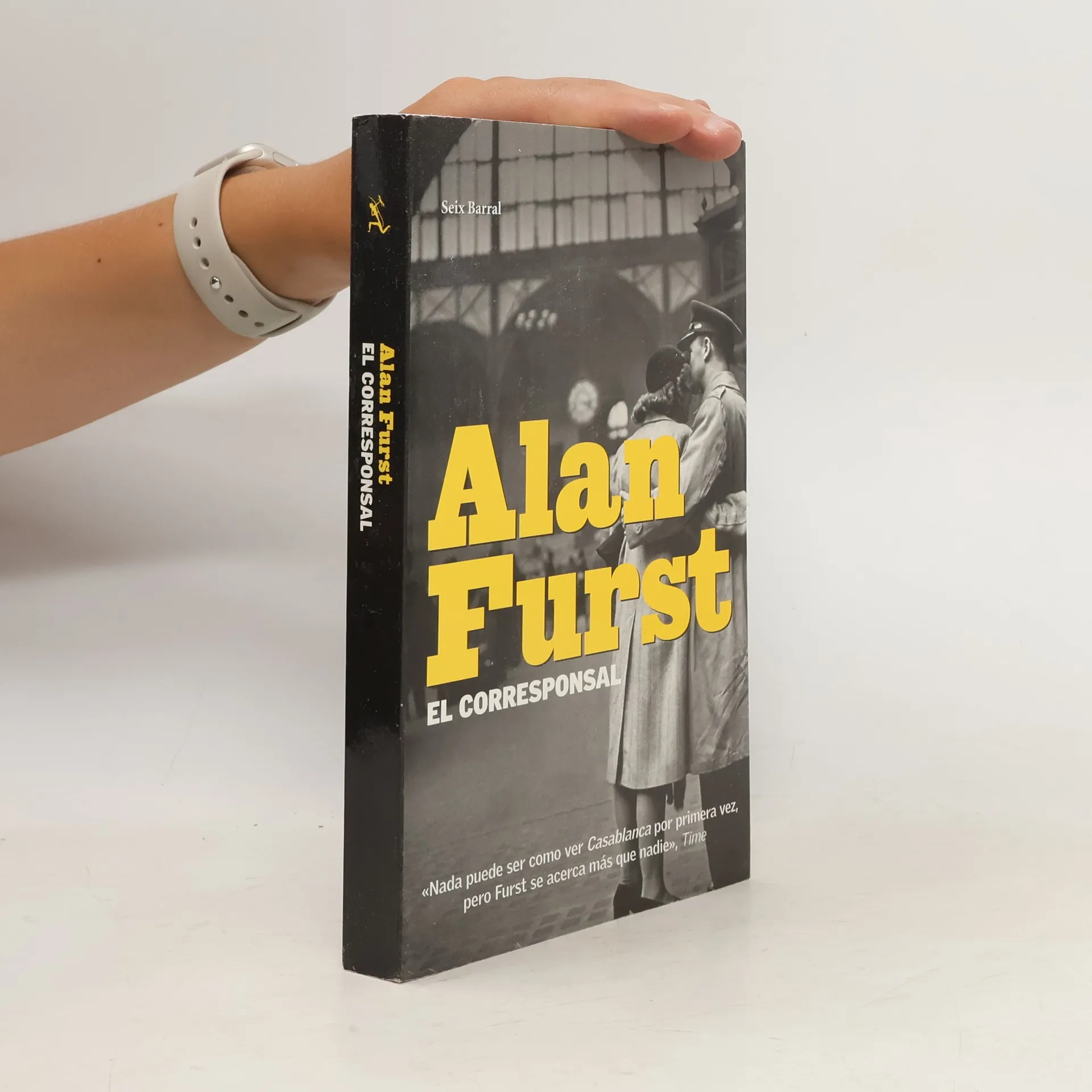
From Alan Furst, hailed as “America’s preeminent spy novelist,” comes an epic tale of romantic love, patriotism, and the quest for freedom, set against the backdrop of a secret war fought in elegant hotel bars and first-class railway cars, from the mountains of Spain to the backstreets of Berlin. By 1938, many Italian intellectuals, lawyers, and journalists had fled Mussolini’s fascist regime for Paris, where they established an Italian resistance with an underground press that smuggled news back to Italy. This resistance fought fascism with typewriters, producing 512 clandestine newspapers. The story begins on a winter night in Paris, where a murder/suicide at a discreet hotel is orchestrated by Mussolini’s OVRA, targeting the editor of a clandestine newspaper. Carlo Weisz, who has escaped from Trieste and become a foreign correspondent for Reuters, steps into this role. At that moment, he is in Spain, covering the final campaign of the Spanish Civil War. Upon his return to Paris, he finds himself pursued by the French Sûreté, OVRA agents, and British intelligence. The narrative follows Weisz and a group of antifascists, including “Colonel Ferrara,” who fights in Spain, Arturo Salamone, a resistance leader in Paris, and Christa von Schirren, Weisz’s love, involved in a doomed Berlin underground. This gripping tale showcases Furst’s taut, powerful writing, leading readers through a world of darkness and intrigue to a stunn
'A wonderfully evocative picture of wartime Paris and the moral maze of resistance' Mail on Sunday
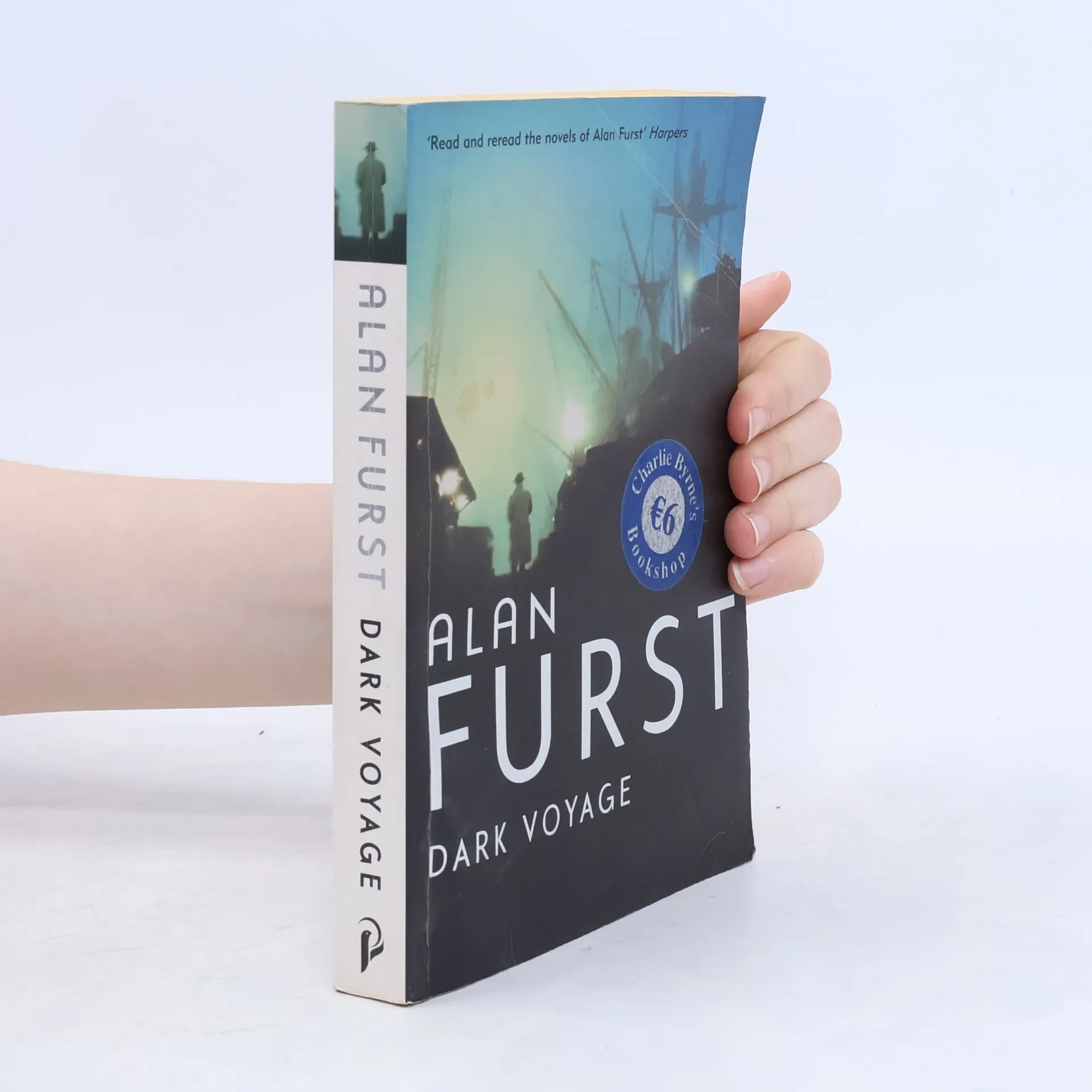
From the master of the wartime espionage novel; a thrilling story of subterfuge at sea
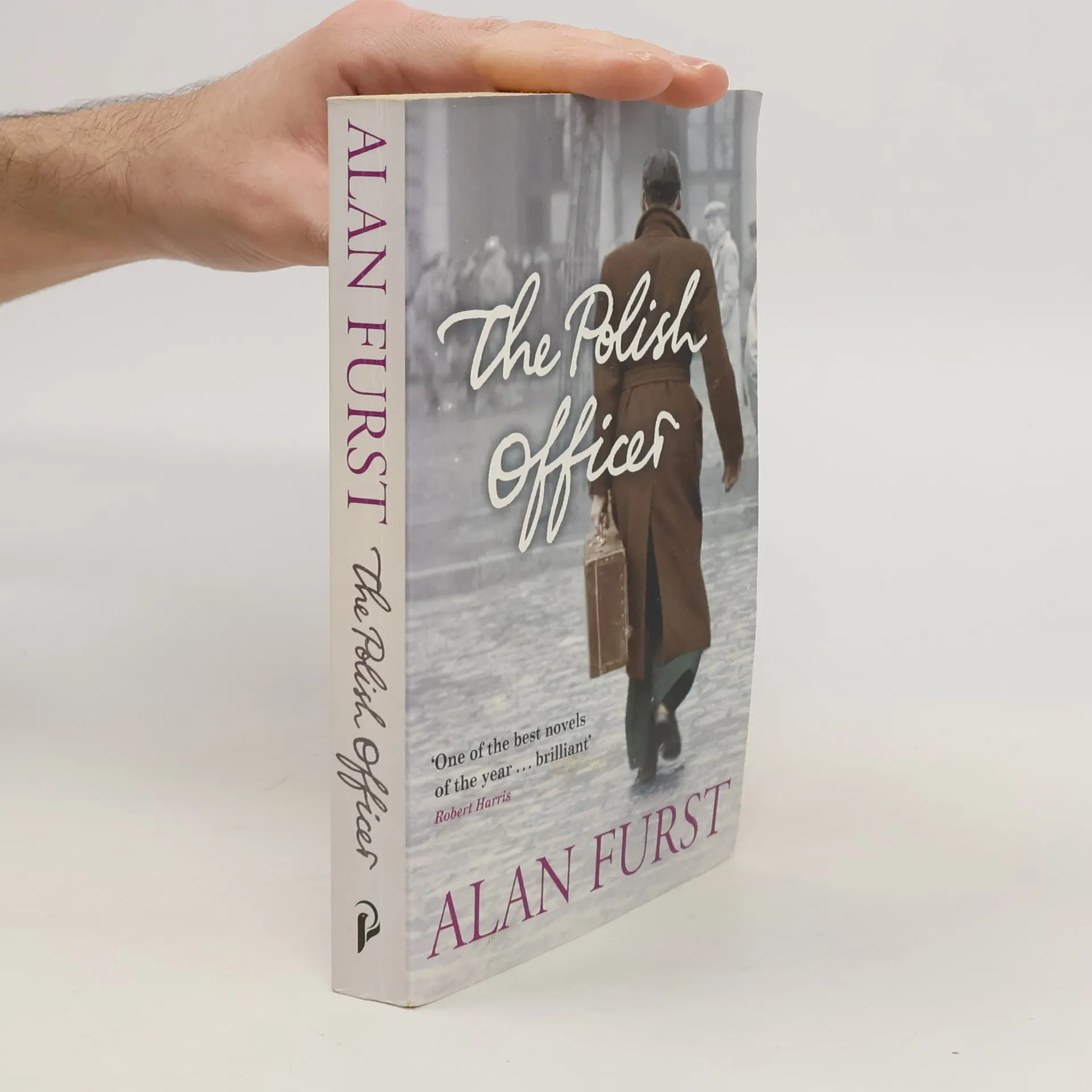
The story of Polish officer Captain Alexander De Milja, who is recruited into the Polish secret service just before the Germans overrun Warsaw. As the war progresses, De Milja is involved in a number of missions against the Germans, constantly risking his own life for the sake of a free Europe.
Paris, 1938. Nicholas Morath, former Hungarian cavalry officer, returns home to his young mistress in the 7th arrondissement. He's been in Vienna where, amid the mobs screaming for Hitler, he's done a quiet favour for his uncle, Count Janos Polanyi. Polanyi is a diplomat and, desperate to stop his country's drift into alliance with Nazi Germany, he trades in conspiracy - with SS renegades, Abwehr officers, British spies and NKVD defectors, leading Morath deeper and deeper into danger as Europe edges towards war.
Set against the backdrop of 1930s Europe, a young man's murder ignites a series of dramatic events for his brother, Khristo Stoianev. After joining the NKVD and fighting in the Spanish Civil War, Khristo faces the looming threat of Stalin's purges, prompting his escape to Paris. The narrative intricately weaves historical events with personal turmoil, exploring themes of loyalty, betrayal, and the impact of political upheaval on individual lives.
"Autumn 1941: In a shabby hotel off the place Clichy, the course of the war is about to change. German tanks are rolling toward Moscow. Stalin has issued a decree: All partisan operatives are to strike behind enemy lines--from Kiev to Brittany. Set in the back streets of Paris and deep in occupied France, Red Gold moves with quiet menace as predators from the dark edge of war--arms dealers, lawyers, spies, and assassins--emerge from the shadows of the Parisian underworld. In their midst is Jean Casson, once a well-to-do film producer, now a target of the Gestapo living on a few francs a day. As the occupation tightens, Casson is drawn into an ill-fated mission: running guns to combat units of the French Communist Party. Reprisals are brutal. At last the real resistance has begun. Red Gold masterfully re-creates the shadow world of French resistance in the darkest days of World War II."--Back cover
A tale set in World War II Macedonia finds senior police official Costa Zannis working with a resistance cell and secret operatives from various European regions to organize an escape route from Berlin to neutral Turkey. By the author of The Spies of Warsaw.
Paris, 1938. Democratic forces are locked in struggle as the shadow of war edges over Europe. Cristián Ferrar, a handsome Spanish lawyer in Paris, is approached to help a clandestine agency supply weapons to beleaguered Republican forces. He agrees, putting his life on the line. Joining Ferrar in his mission is an unlikely group of allies: idealists and gangsters, arms dealers, aristocrats and spies. From libertine nightclubs in Paris to shady bars by the docks in Gdansk, Furst paints a spell-binding portrait of a continent marching into a nightmare - and the heroes and heroines who fought back.