Bookbot

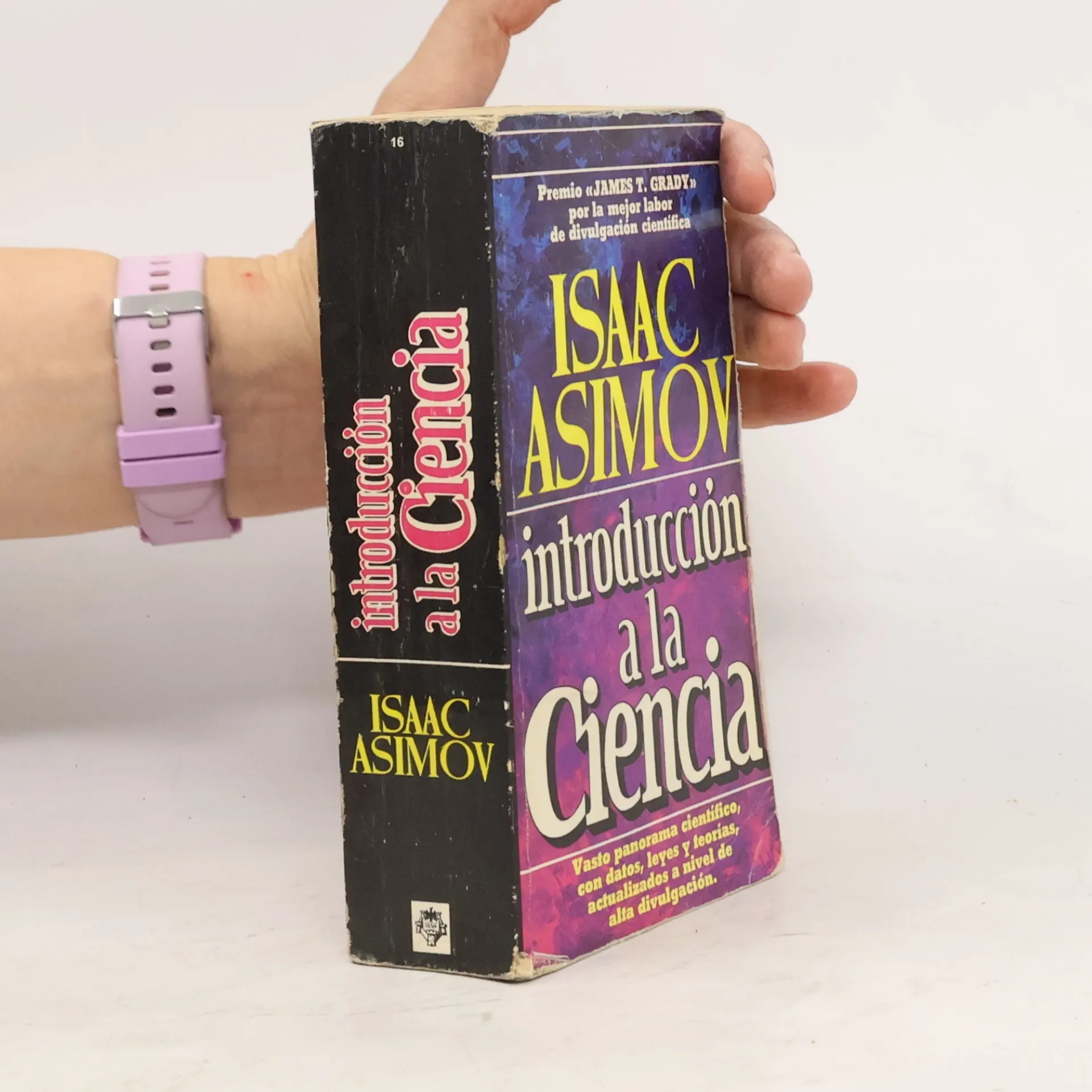
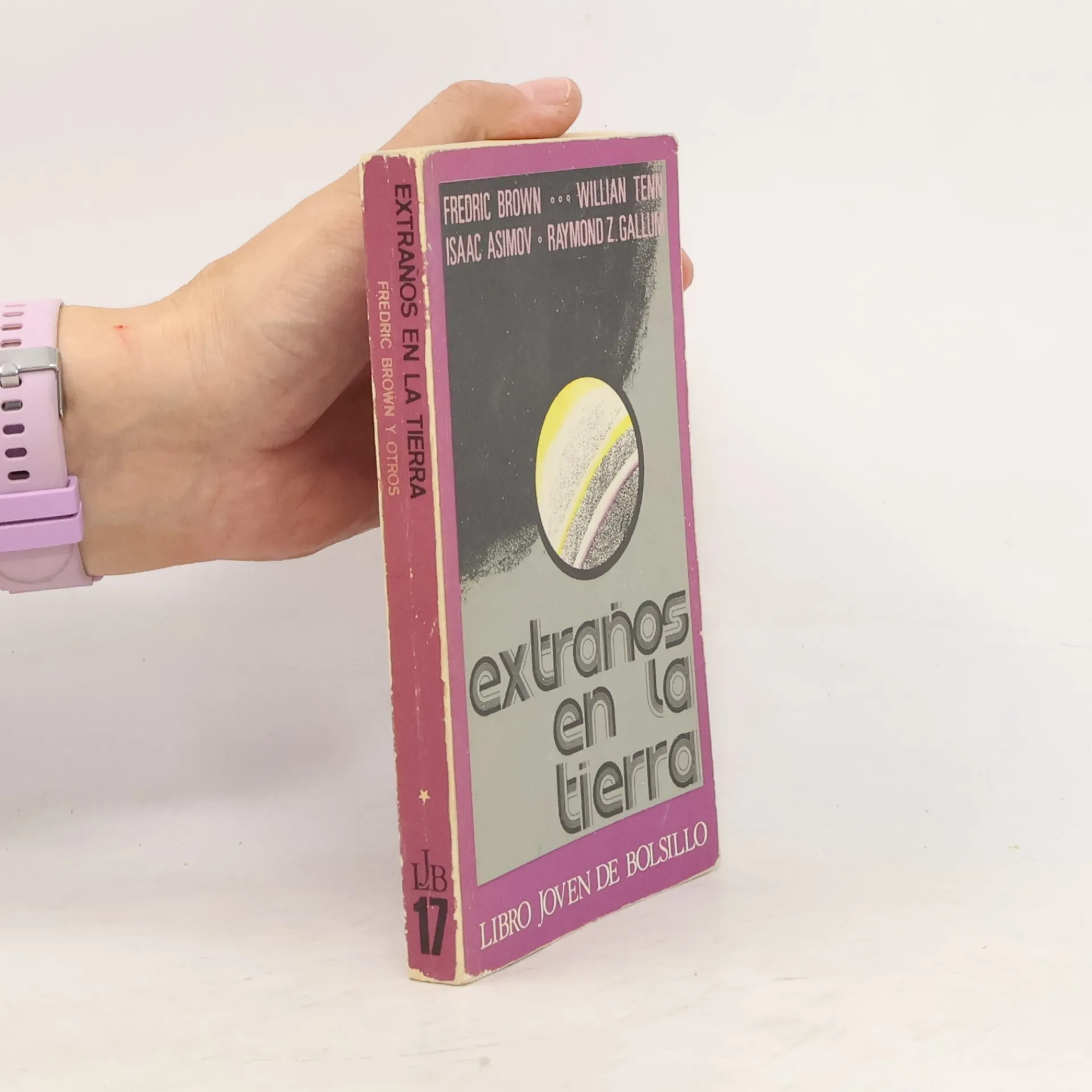
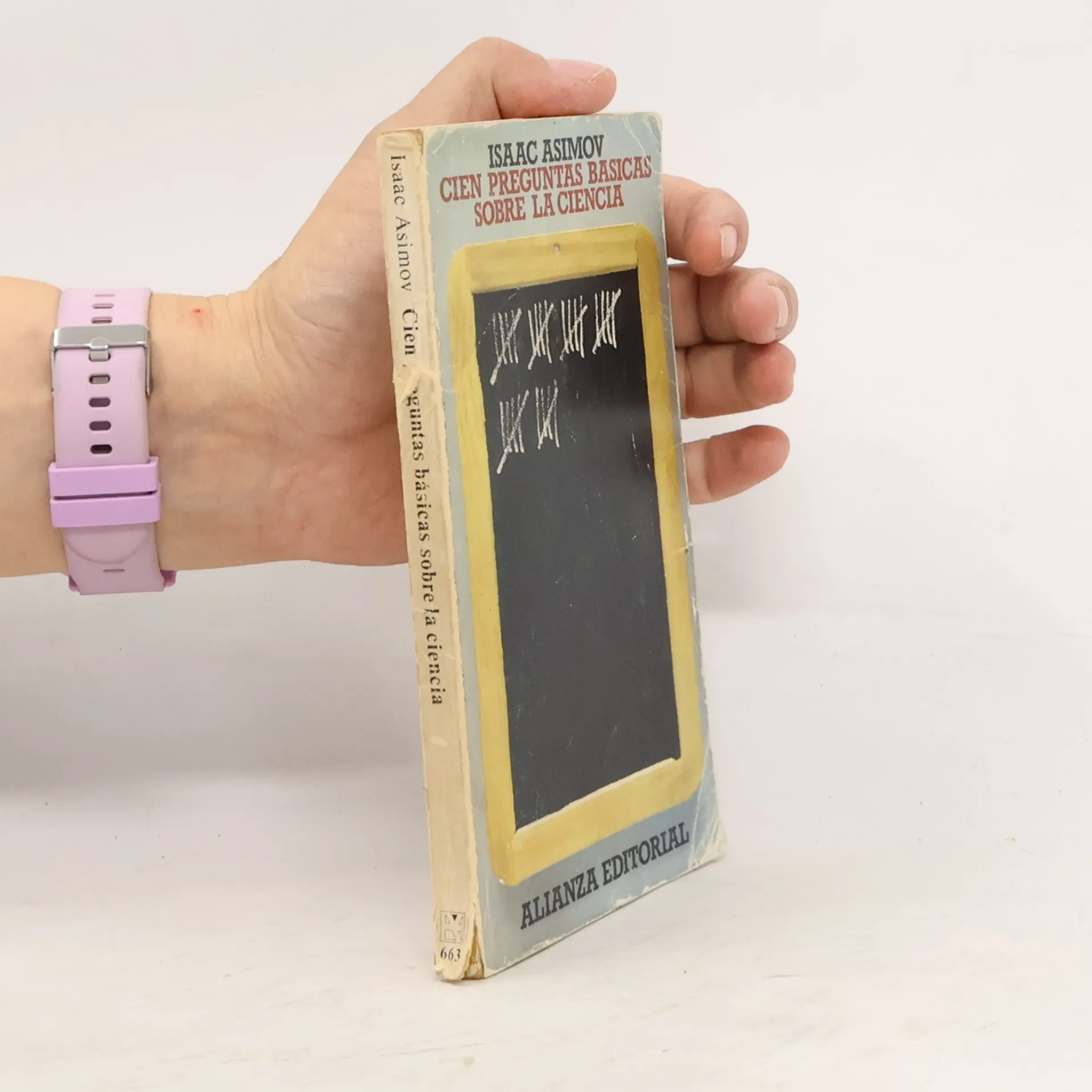
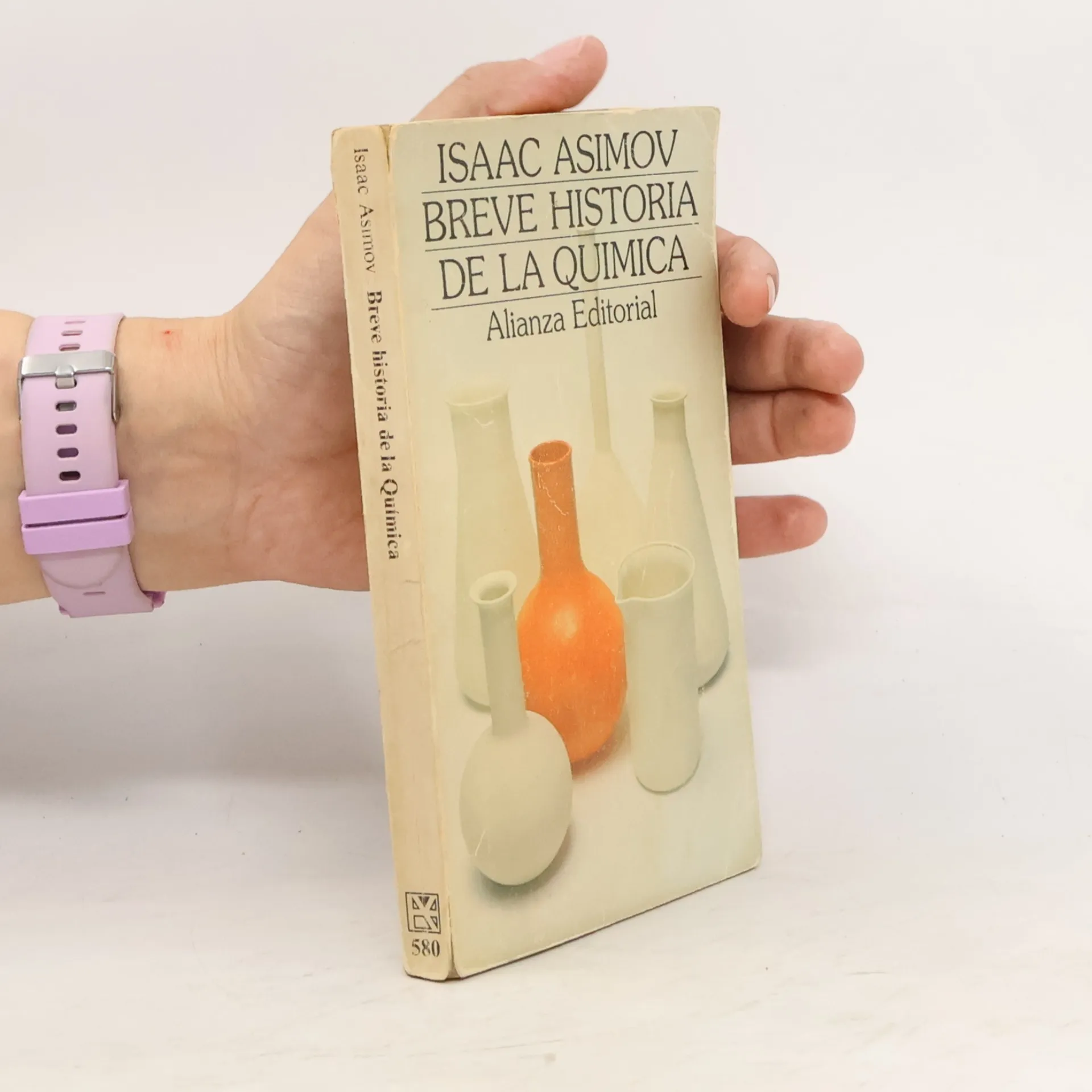
Isaac Asimov

  • Paul French
  • H. B. Ogden
2 de enero de 1920 – 6 de abril de 1992

Isaac Asimov fue un autor prolífico, celebrado como un maestro de la ciencia ficción, que dio forma significativamente al género. Sus extensas sagas y cuentos cortos, a menudo entrelazados en un universo de ficción unificado, demuestran su narrativa visionaria. Más allá de su imaginativa ficción, Asimov destacó en la divulgación científica, explicando conceptos complejos a través de atractivas narrativas históricas que hicieron accesibles las ideas científicas a un público amplio.

Isaac Asimov
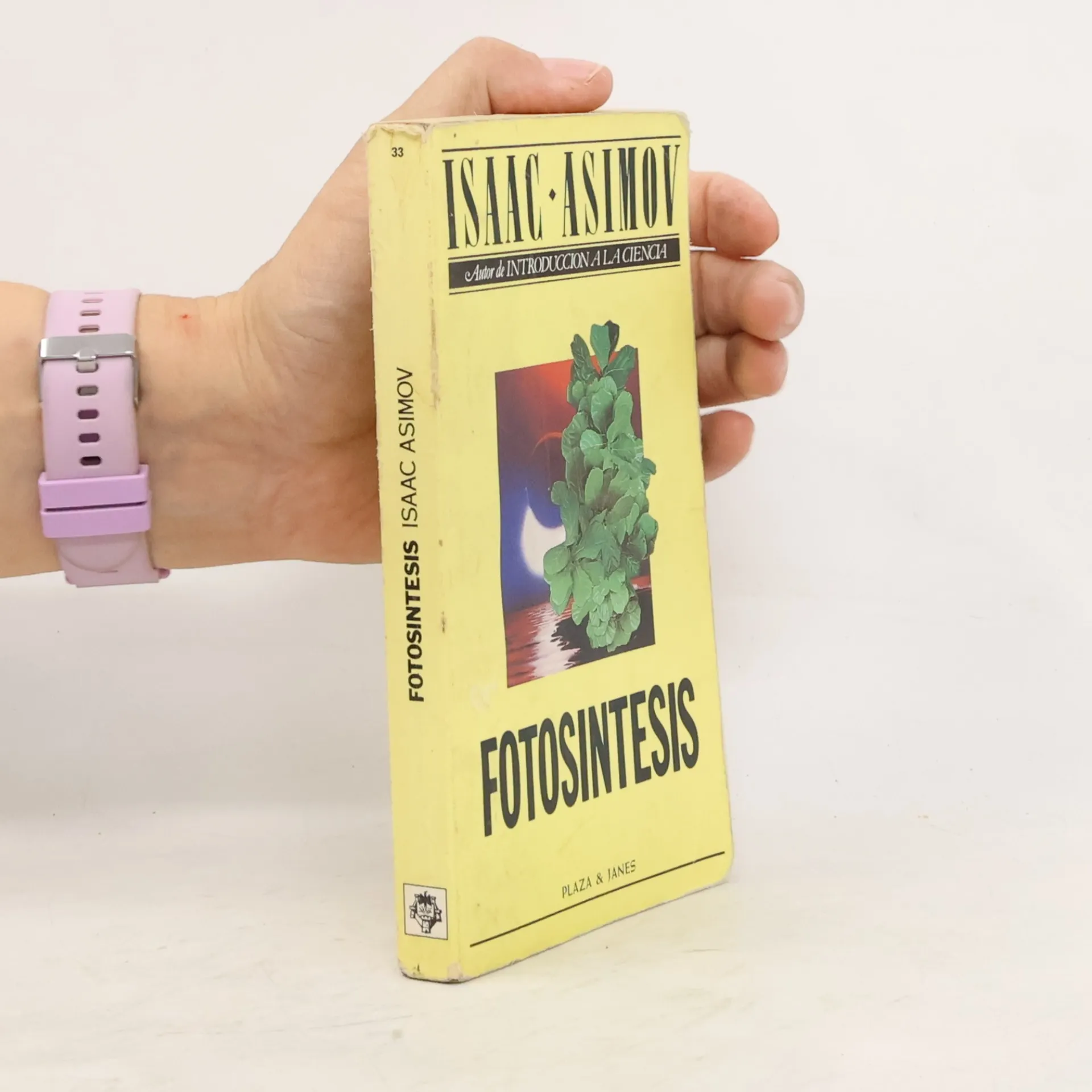
Fotosintesis
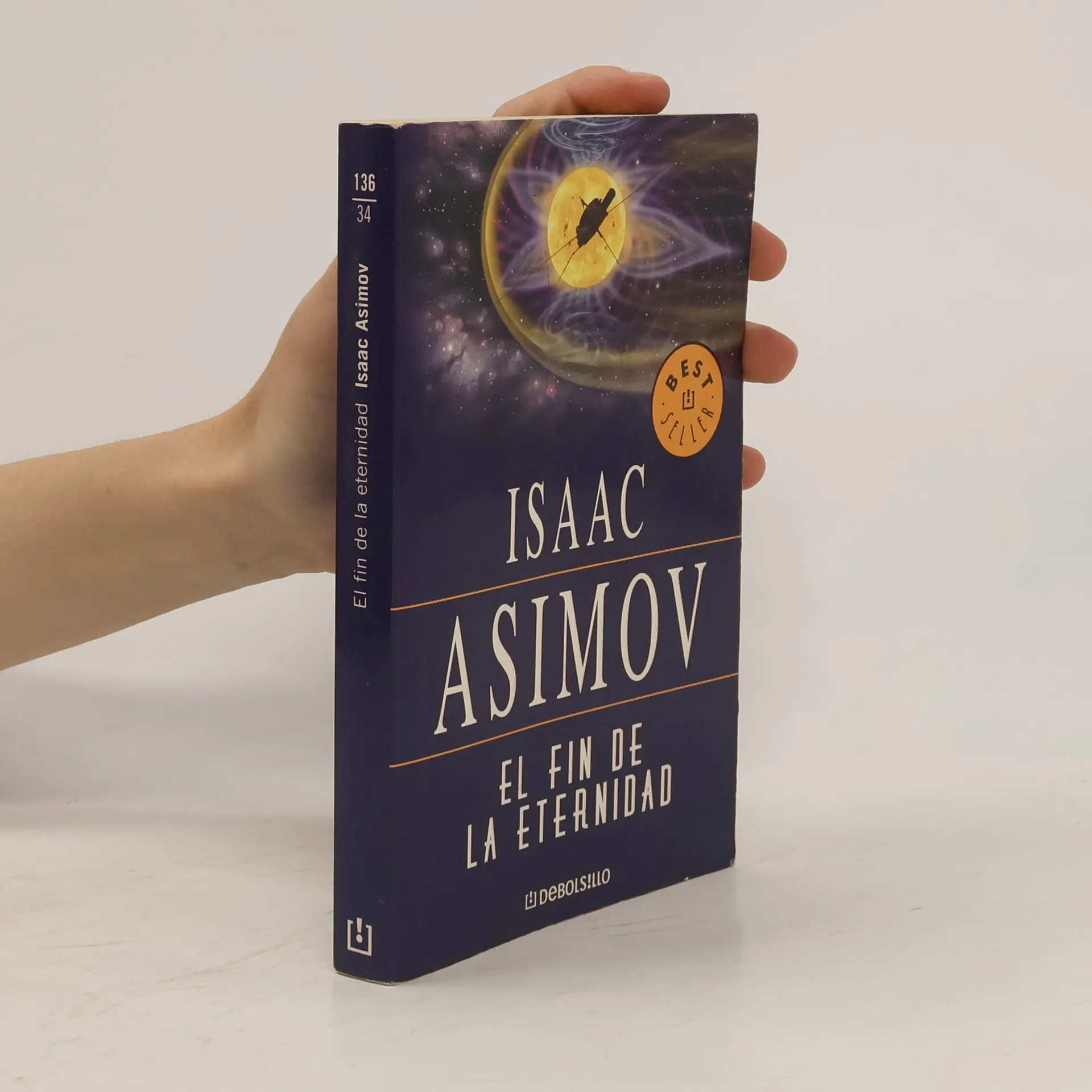
El Fin De La Eternidad
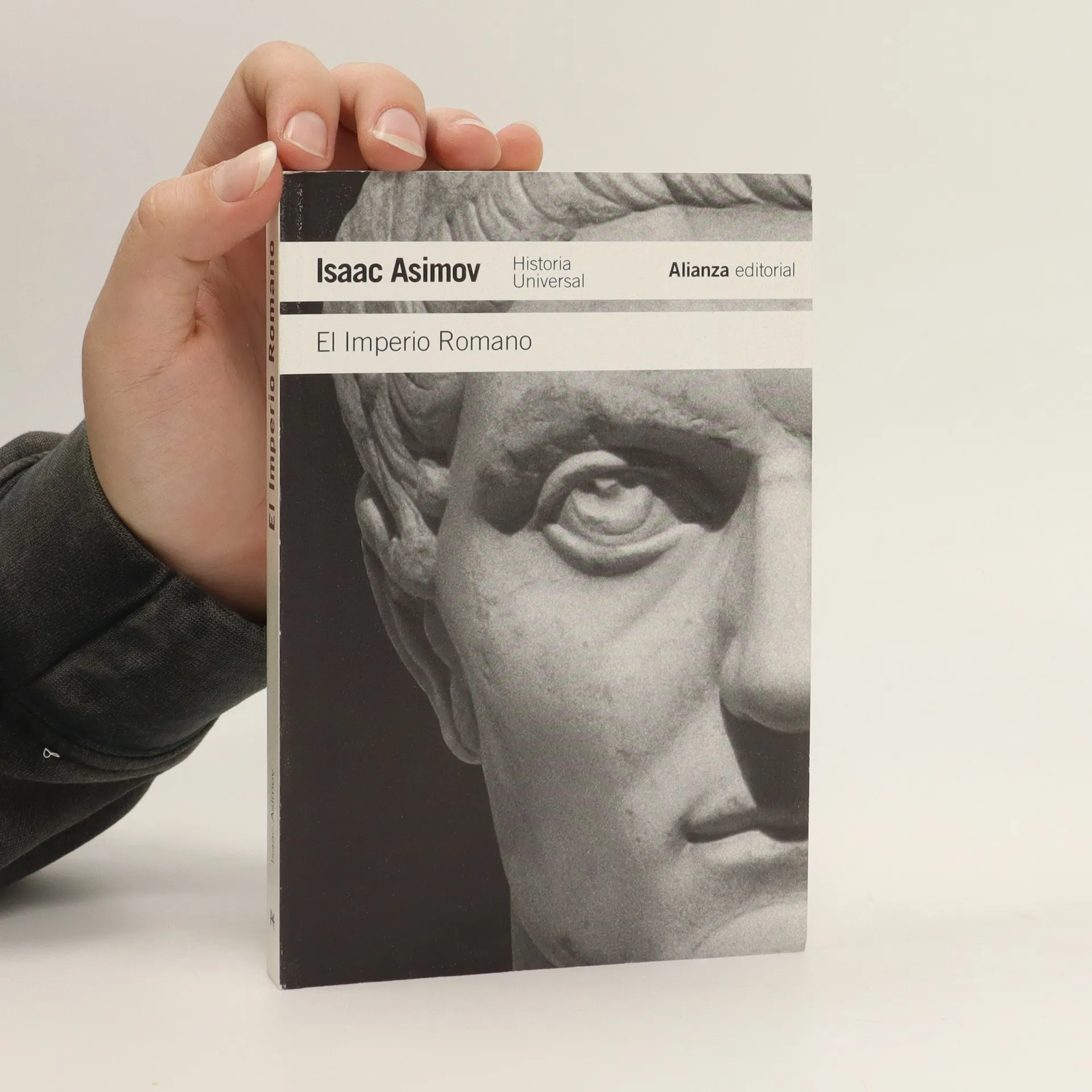
El Imperio Romano
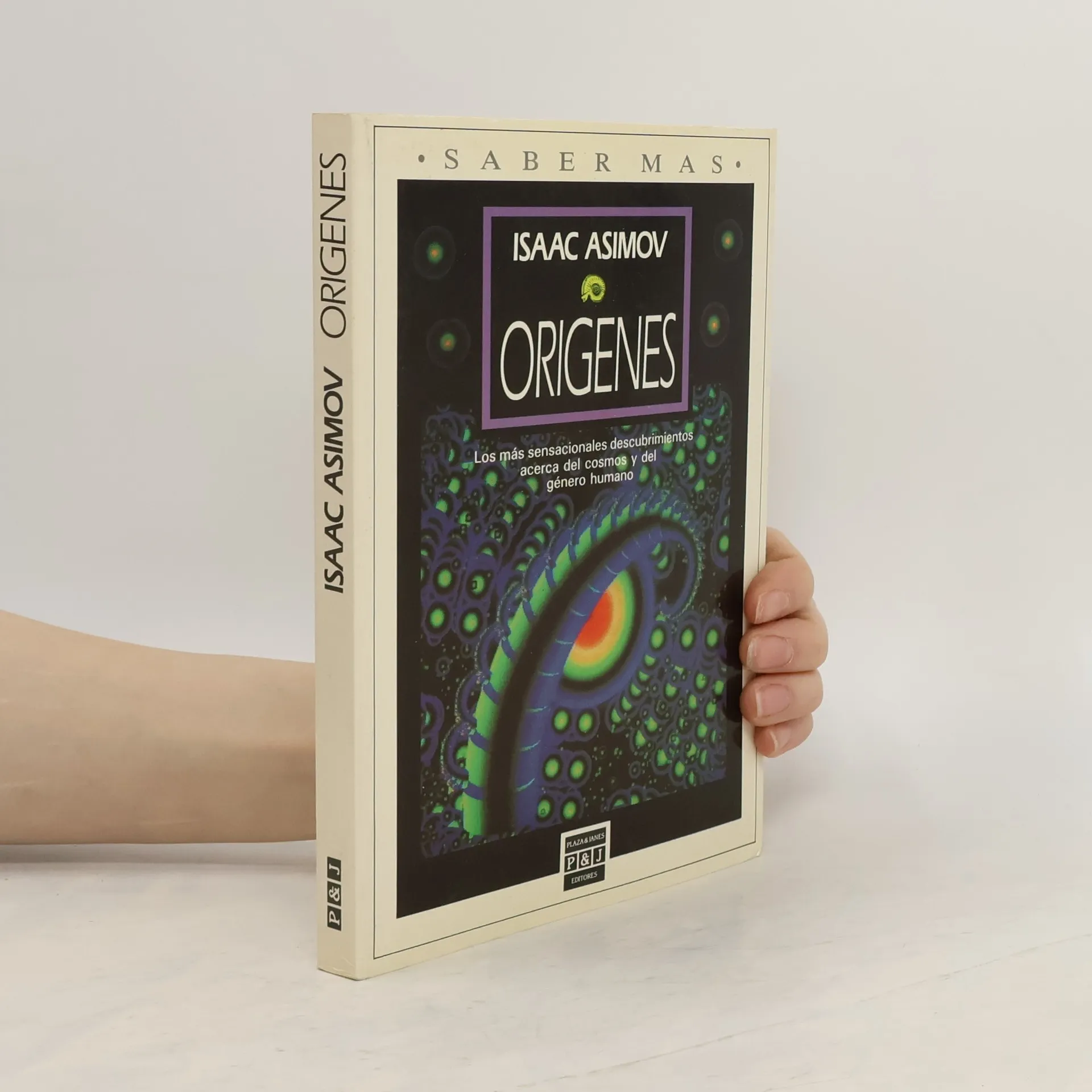
Origenes
Cuentos completos II
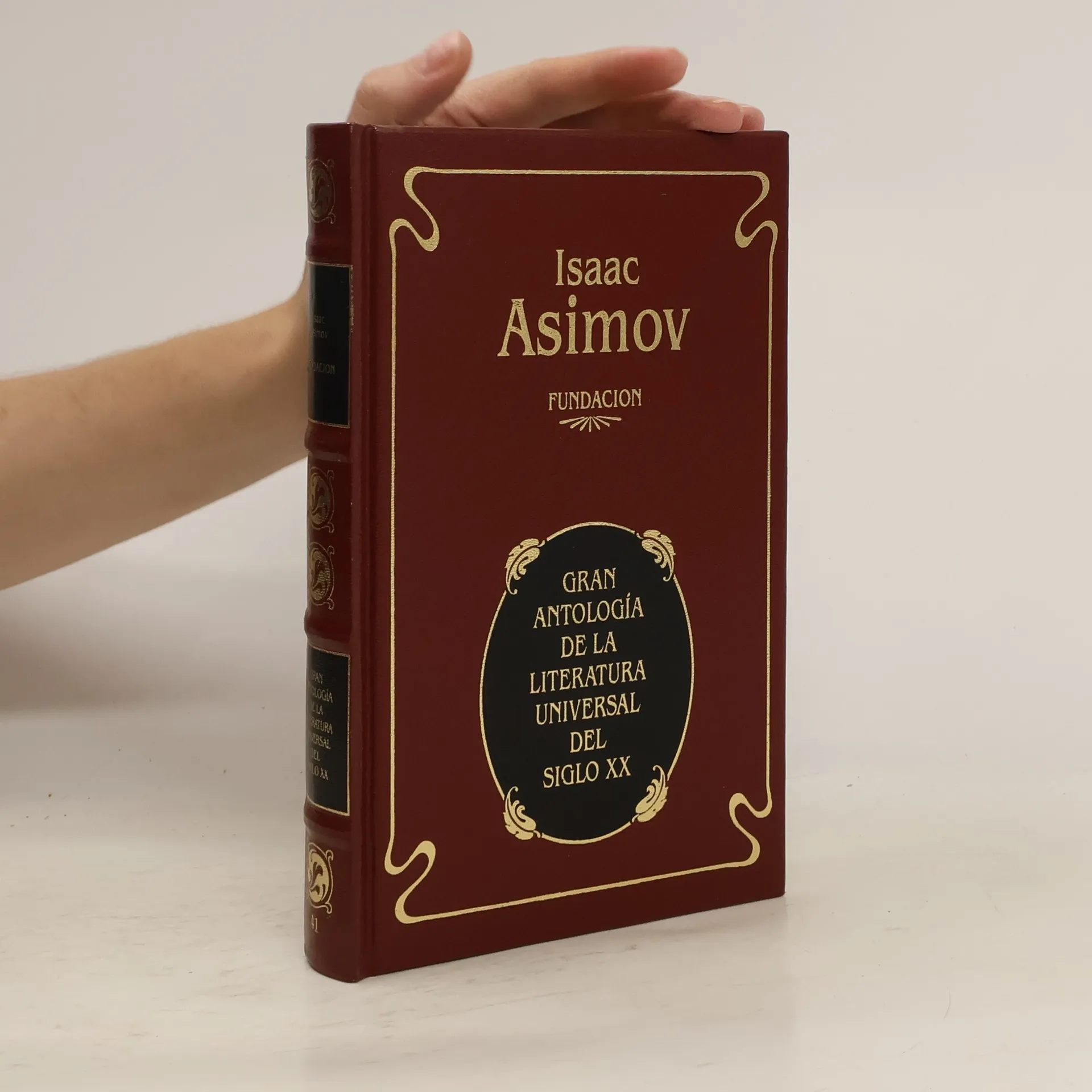
Fundación
  • Fundación

    • 253 páginas
    • 9 horas de lectura

    Fundación es el comienzo de la primera trilogía de Las Fundaciones, una de las obras maestras del género. Mucho tiempo después de que la Tierra pasara al olvido, la galaxia se unificó alrededor de un Imperio pacífico gobernado desde la majestuosa ciudad de Trántor. El sistema funcionó y prosperó durante incontables generaciones. Todo el mundo creía que duraría eternamente... Todos menos Hari Seldon, la mente científica más poderosa de su tiempo. Sus investigaciones en el campo de la psicohistoria (las matemáticas aplicadas a las grandes aglomeraciones humanas) auguraban un desastre imposible de prevenir. El Imperio estaba condenado... Pero el Plan Seldon era una estrategia a largo plazo, destinada a minimizar las peores consecuencias del futuro que se avecinaba. Para ello se establecieron dos Fundaciones en ambos extremos de la galaxia. Esta es la historia de la primera. Fuente: casadellibro.com
    Fundación
    4,4
  • Cuentos completos II

    • 736 páginas
    • 26 horas de lectura

    Los miles de lectores de Asimov que vienen apasionándose desde hace más de cincuenta años con sus cuentos de ciencia ficción, se han topado muy a menudo con el problema de que se trata de un autor tan prolífico que resulta imposible tener la certeza de haber leído todo lo que publicó en este género. Este volumen contiene cuarenta cuentos cortos que demuestran, una vez más, el desbordante talento de Asimov. Se cuentan entre ellos algunos de sus más célebres relatos: Al estilo marciano, La piedra parlante o Intuición femenina. "Hay que sentarse y relajarse para disfrutar de estos relatos." Chicago Sun Times. "Nadie ha podido superarlos." Houston Post.

    Cuentos completos II
    4,4
  • El Imperio Romano

    • 352 páginas
    • 13 horas de lectura

    La serie informalmente titulada «Historia Universal Asimov» reúne las obras dedicadas por el gran novelista y divulgador científico a la evolución política, cultural y material de la especie humana. EL IMPERIO ROMANO expone las grandes líneas de desarrollo histórico de esta potencia del mundo antiguo desde la proclamación de Augusto como emperador hasta la caída del Imperio Romano de Occidente y la instauración de los reinos germánicos.

    El Imperio Romano
    4,3
  • En el siglo XXVII, la Tierra funda una organización llamada Eternidad, enviando sus emisarios al pasado y al futuro para abrir el comercio entre las diferentes épocas, y para alterar la larga y a veces trágica historia de la raza humana. El proyecto estaba integrado sólo por los mejores y más brillantes exponentes de cada siglo: personas que dejaron de lado sus propias vidas para dedicarse a servir a los demás.

    El Fin De La Eternidad
    4,3
  • Fotosíntesis de Asimov Isaac. Plaza & Janés, 1984.

    Fotosintesis
    4,0
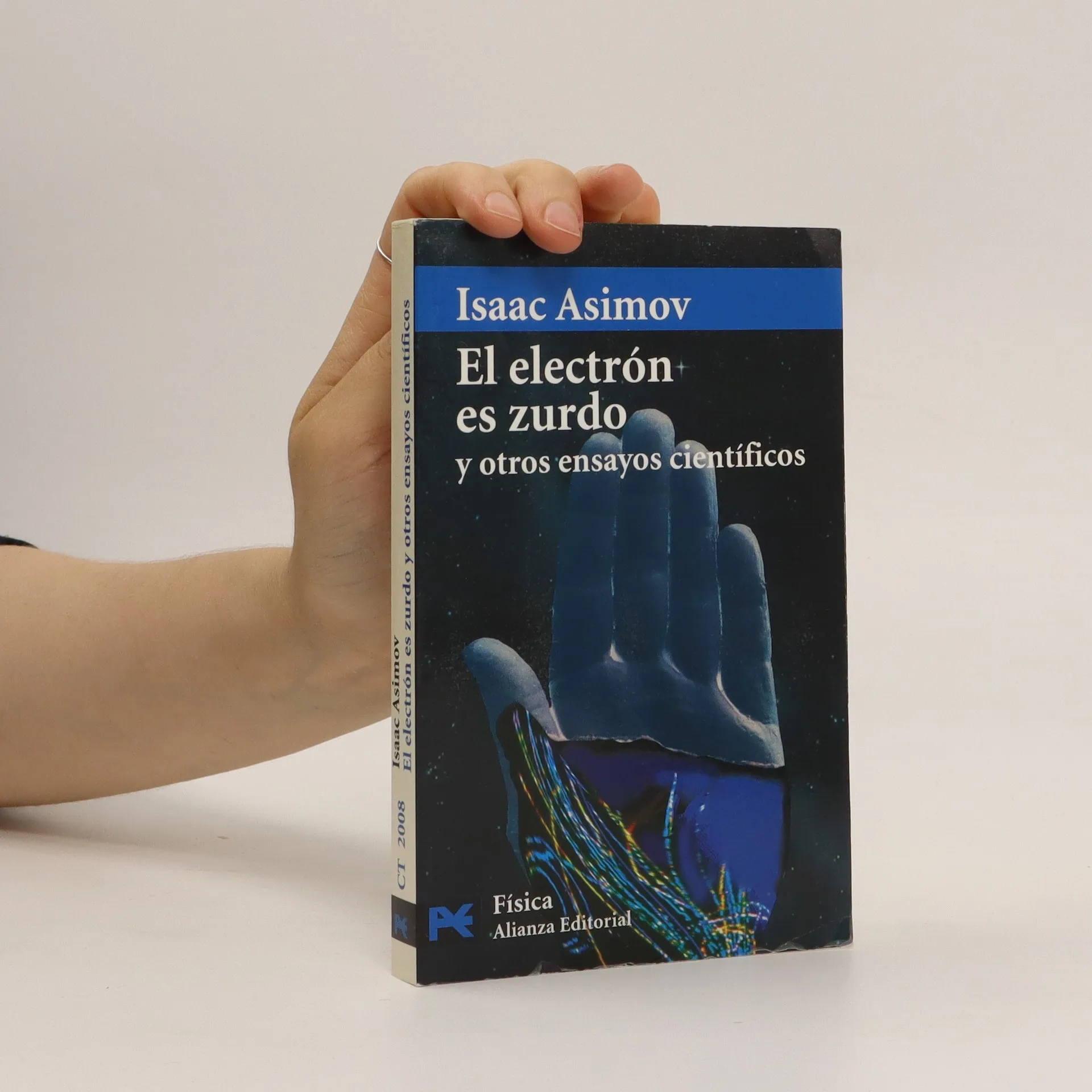
  • Esta nueva recopilación de artículos de divulgación científica escritos por ISAAC ASIMOV se abre con un divertido trabajo sobre la capacidad pronosticadora de la novela científica, al que siguen dos ensayos en torno a las leyes que gobiernan la expansión y miniaturización en la naturaleza. EL ELECTRÓN ES ZURDO pertenece a una serie de cinco trabajos que se ocupan de la paridad y la simetría en el mundo inanimado y en los seres vivos. El resto de los artículos examinan muy diversos temas: los océanos, la certidumbre y la incertidumbre en la física, los axiomas de Euclides y las razones por las cuales fueron considerados como una verdad absoluta durante dos mil años, etc. Otras obras de Isaac Asimov en esta colección: «Los lagartos terribles y otros ensayos científicos» (CT 2510), «Grandes ideas de la ciencia» (CT 2502), «Momentos estelares de la ciencia» (CT 2503).

    El electrón es zurdo y otros ensayos científicos
    4,3
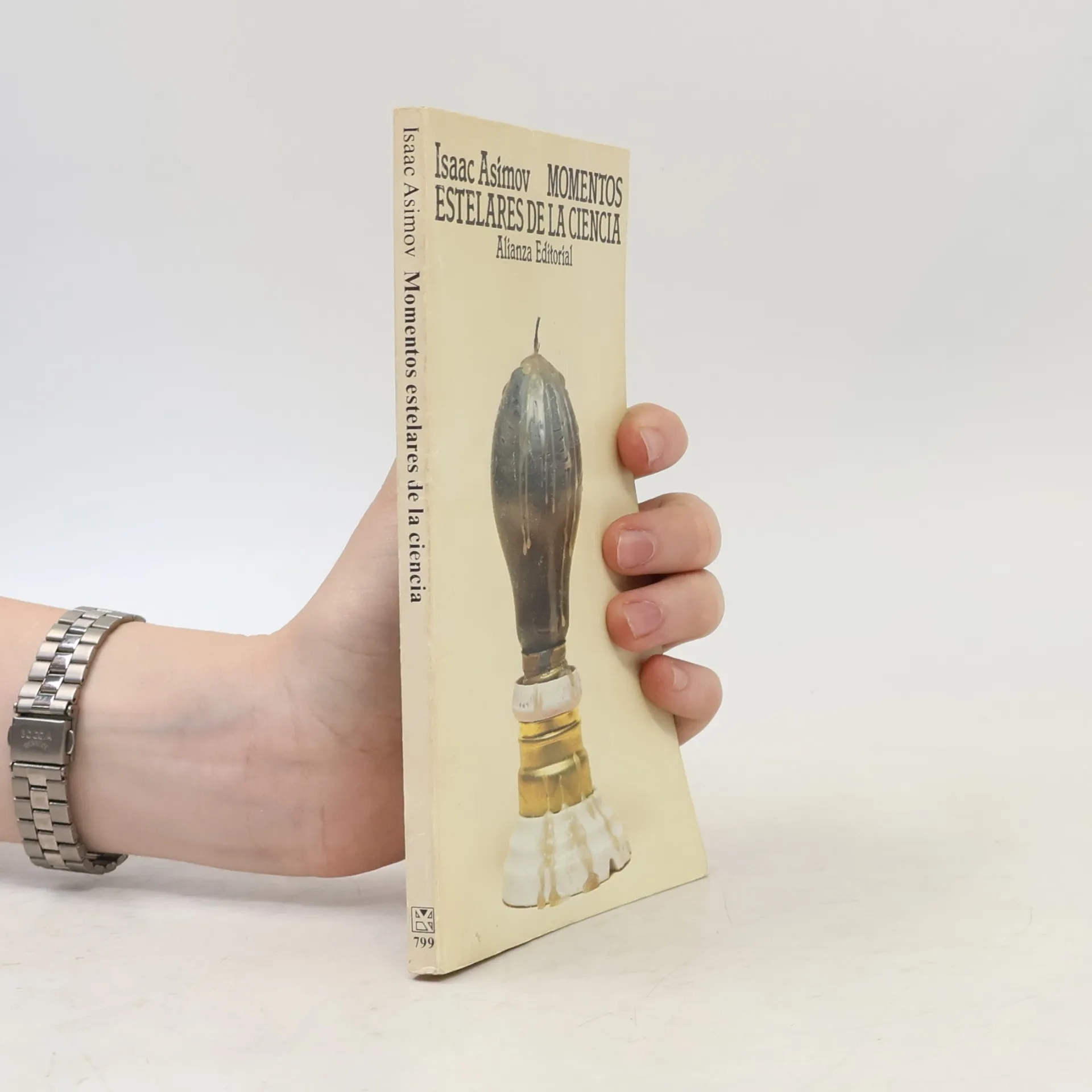
  • Momentos estelares de la ciencia

    • 150 páginas
    • 6 horas de lectura

    Algunos descubrimientos científicos constituyen auténticos hitos históricos, ya sea por la extraordinaria utilidad de sus aplicaciones prácticas, ya por sus revolucionarias repercusiones en el pensamiento teórico. Isaac Asimov rememora en este volumen las figuras de treinta protagonistas de estos Momentos estelares de la ciencia, como Newton, Lavoisier, Watt, Faraday, Henry, Edison, Harvey, Jenner, Pasteur, Ehrlich, Roentgen, Becquerel, Curie, Einstein, Rutherford y Lawrence, entre otros.

    Momentos estelares de la ciencia
    4,0
  • Golan Trevize, consejero de la Primera Fundación, se enfrenta a intrigas políticas que lo llevan al exilio en una astronave. Junto al historiador Janov Pelorat, se embarca en la búsqueda del antiguo planeta Tierra, cuestionando la supervivencia de la Segunda Fundación y los poderes mentales de sus científicos.

    Los Límites de la Fundación / Foundation's Edge
    4,2
  • Los robots del amanecer

    • 445 páginas
    • 16 horas de lectura

    Asimov presenta una visión futurista de la vida humana en el cosmos, explorando la armonía entre hombres y robots en el planeta Aurora. La historia se complica con el asesinato del robot más avanzado, lo que podría desatar una feroz lucha por el control del Universo.

    Los robots del amanecer
    4,2
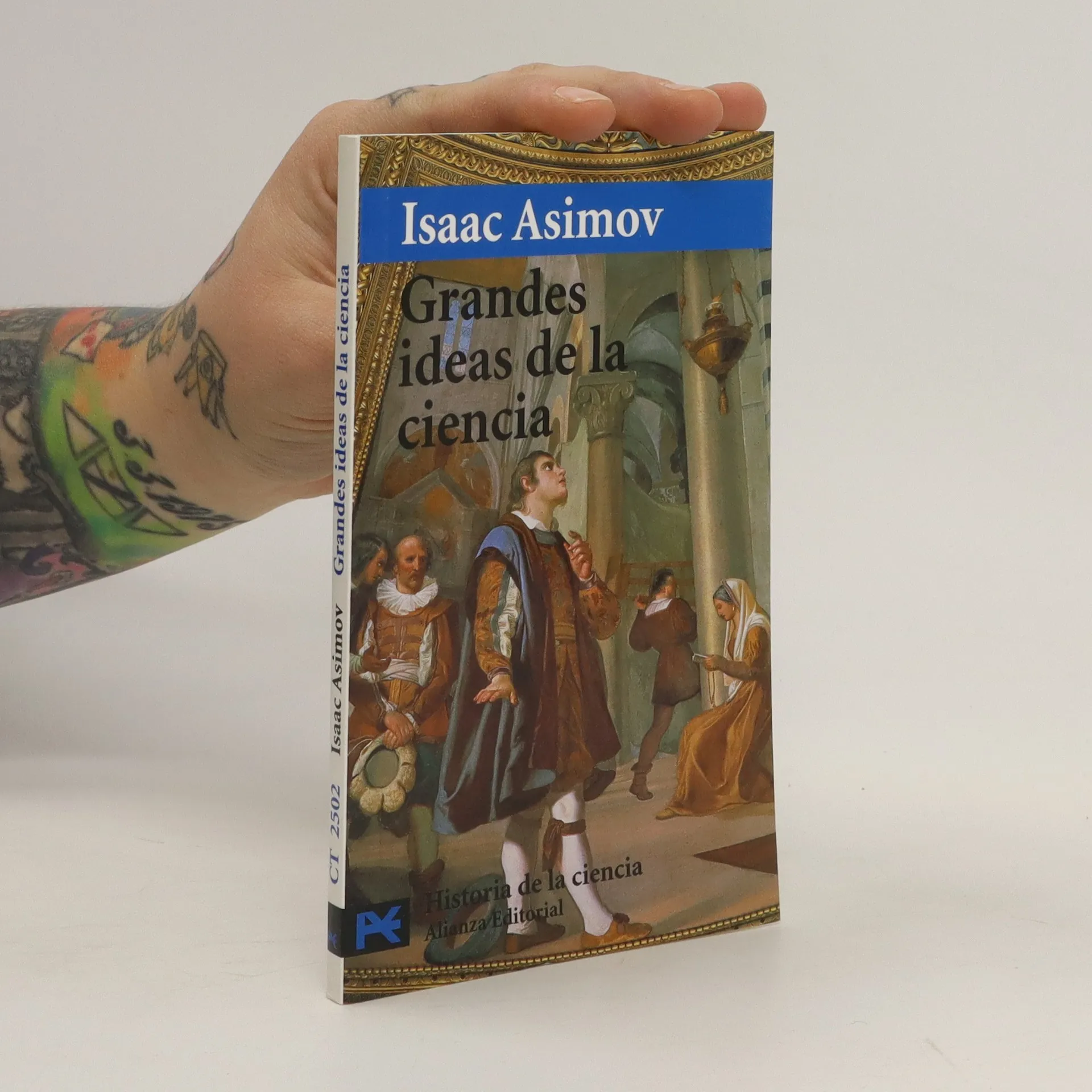
  • Grandes ideas de la ciencia

    • 114 páginas
    • 4 horas de lectura

    CONTENIDO: Tales y la ciencia - Pitágoras y el número - Arquímedes y la matemática aplicada - Galileo y la experimentación - Demócrito y los átomos - Lavoisier y los gases - Newton y la inercia - Faraday y los campos - Rumford y el calor Joule y la energía - Planck y los cuantos - Hipócrates y la medicina - Wöhler y la química orgánica - Linneo y la clasificación - Darwin y la evolución - Russell y la evolución estelar.

    Grandes ideas de la ciencia
    4,1
  • Una de las obras más destacadas de Isaac Asimov, que a menudo queda a la sombra de su ciclo de la Fundación y los Robots. El autor afirmó que está escrita "más allá de los límites de lo posible", lo que se refleja en la historia a través de un inesperado y cautivador contenido emocional. "Los propios dioses" indiscutiblemente pertenece al patrimonio de la ciencia ficción mundial. El invento de la Bomba Positrónica, que permite extraer energía de un universo paralelo de manera casi gratuita y sin límites, ha llevado a la humanidad a una era de abundancia y bienestar. Sin embargo, un grupo de científicos descubre que ambos universos están siendo perturbados por estas transferencias de energía. Si la humanidad no renuncia a su comodidad adquirida fácilmente, ambos universos corren el riesgo de desaparecer. Esta obra, más relevante hoy que nunca, muestra al maestro del género en la cúspide de su talento.

    Los Propios dioses
    4,1
  • Relatos de robots

    • 96 páginas
    • 4 horas de lectura

    Sally, Robbie, Enma Dos y Andrew Martin tienen algo en común: deben cumplr las tres leyes de la robótica. Pero en estos "Relatos de Robots" cualquier cosa es posible.

    Relatos de robots
    4,1
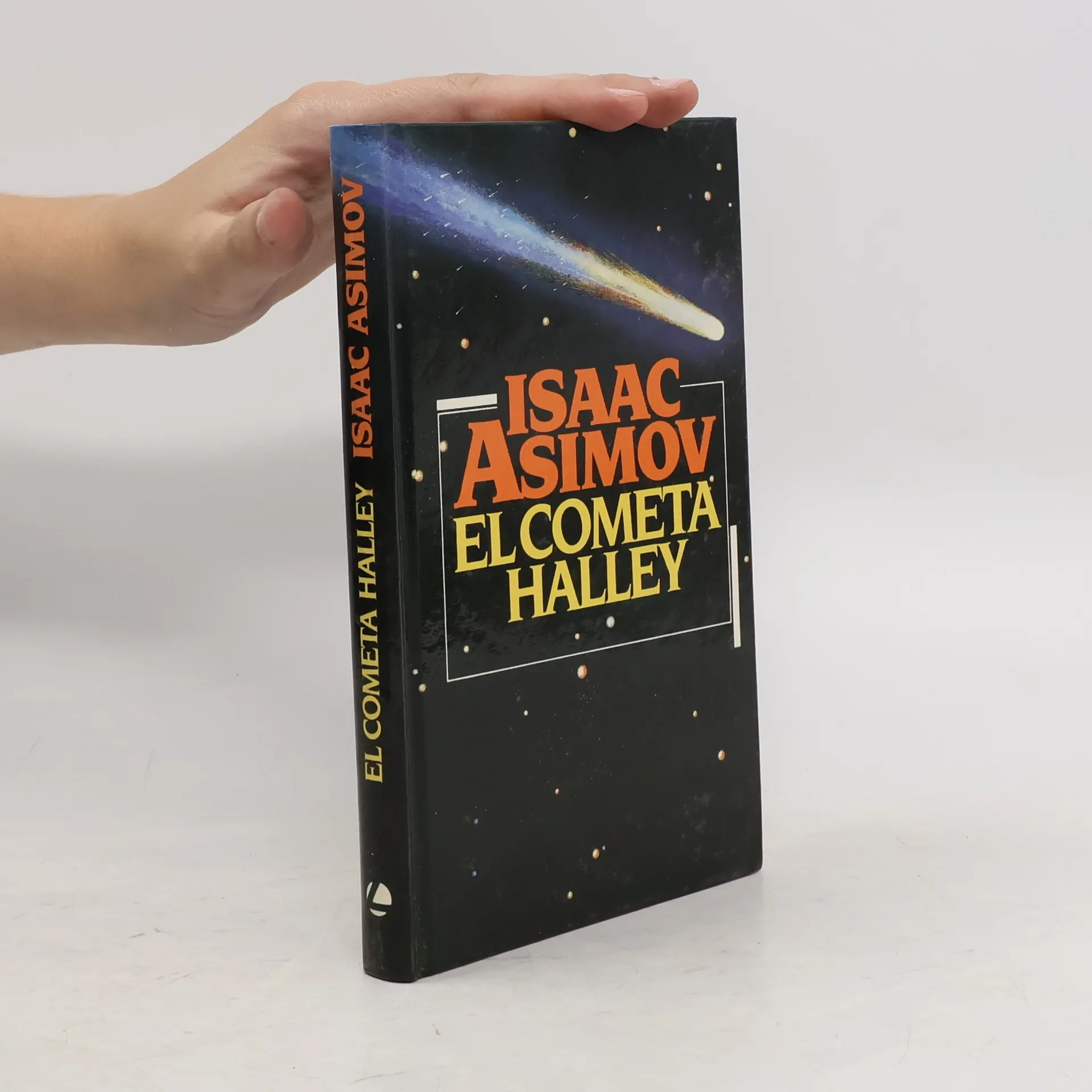
  • El Cometa Halley

    • 149 páginas
    • 6 horas de lectura

    tapa dura, edicion 1985 , 157 paginas, buen estado en general, fotos en blanco y negro

    El Cometa Halley
    4,1
  • El sol desnudo

    • 280 páginas
    • 10 horas de lectura

    En "El sol desnudo", el detective Baley viaja a Solaria, una colonia que depende de robots humanoides, para investigar un asesinato inédito en dos siglos. En una sociedad tecnológica donde los humanos evitan el contacto físico, el caso revela tensiones entre humanos y robots. Una obra destacada de Asimov.

    El sol desnudo
    4,1
  • En esta novela de ciencia ficción de Isaac Asimov, el detective Elijah Baley investiga el asesinato de un científico en el Enclave Espacial. Acompañado del robot R. Daneel Olivaw, debe desentrañar un caso que podría alterar el delicado equilibrio entre humanos y robots en un futuro donde la colonización y la tecnología han cambiado la historia.

    Bóvedas de Acero / The Naked Sun
    4,0
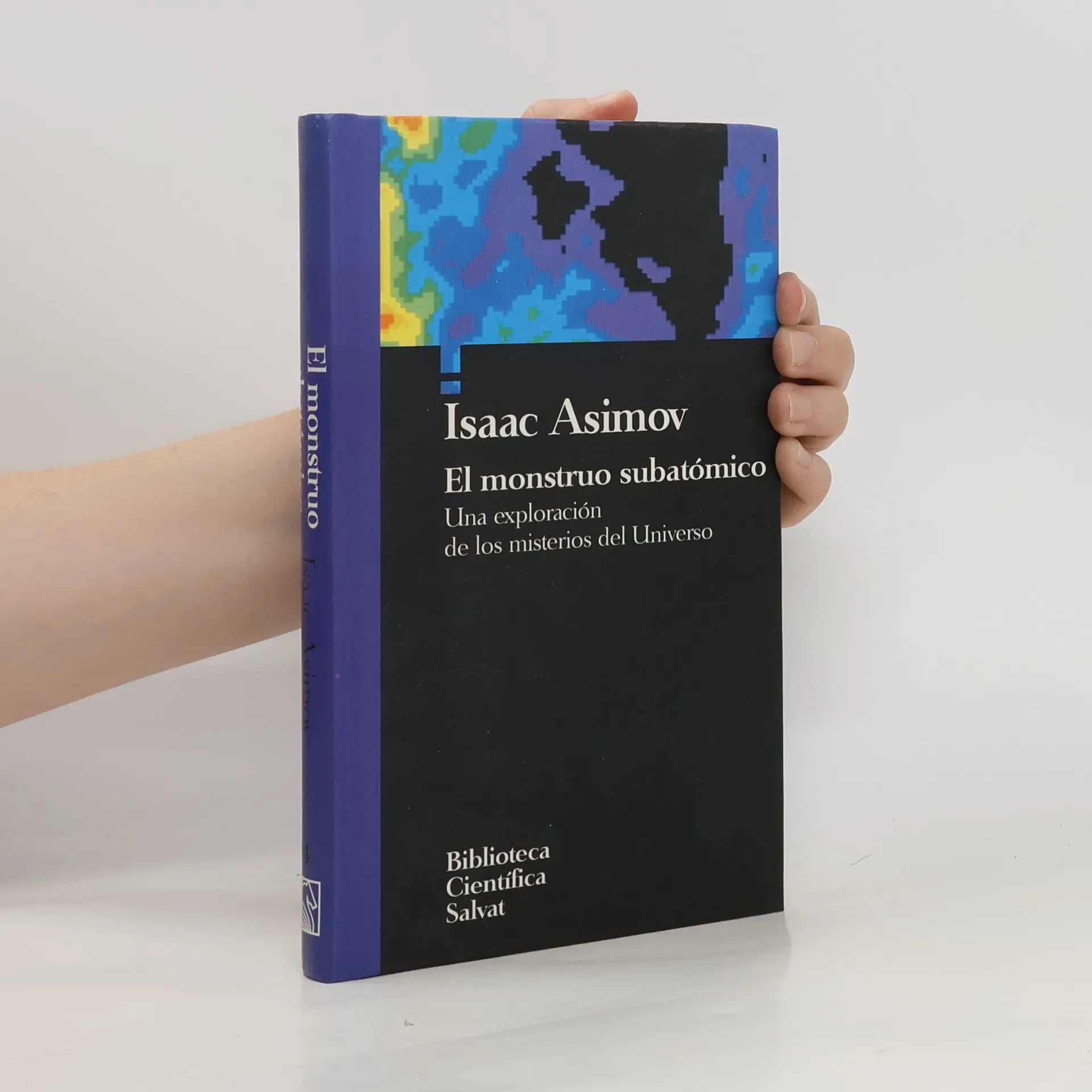
  • El monstruo subatómico

    Una exploración de los misterios del Universo

    • 223 páginas
    • 8 horas de lectura

    Isaac Asimov ha sido el escritor de temas de divulgación científica más conocido de todos los tiempos. Su fama se debe a su capacidad para simplificar los conceptos científicos más complejos sin banalizarlos, y a la gran cantidad de libros que ha escrito. Buena prueba de todo ello es esta obra, una colección de ensayos sobre diversos temas científicos que despertarán la curiosidad del lector y aclararán muchas de sus dudas sobre ámbitos científicos que en la actualidad experimentan grandes avances. En El monstruo subatómico se tratan temas de física, astronomía, química, biología y tecnología. Asimov nos sorprende de nuevo terminando el libro con una original cronología de diversos acontecimientos en la historia del mundo y el Universo.

    El monstruo subatómico
    3,9
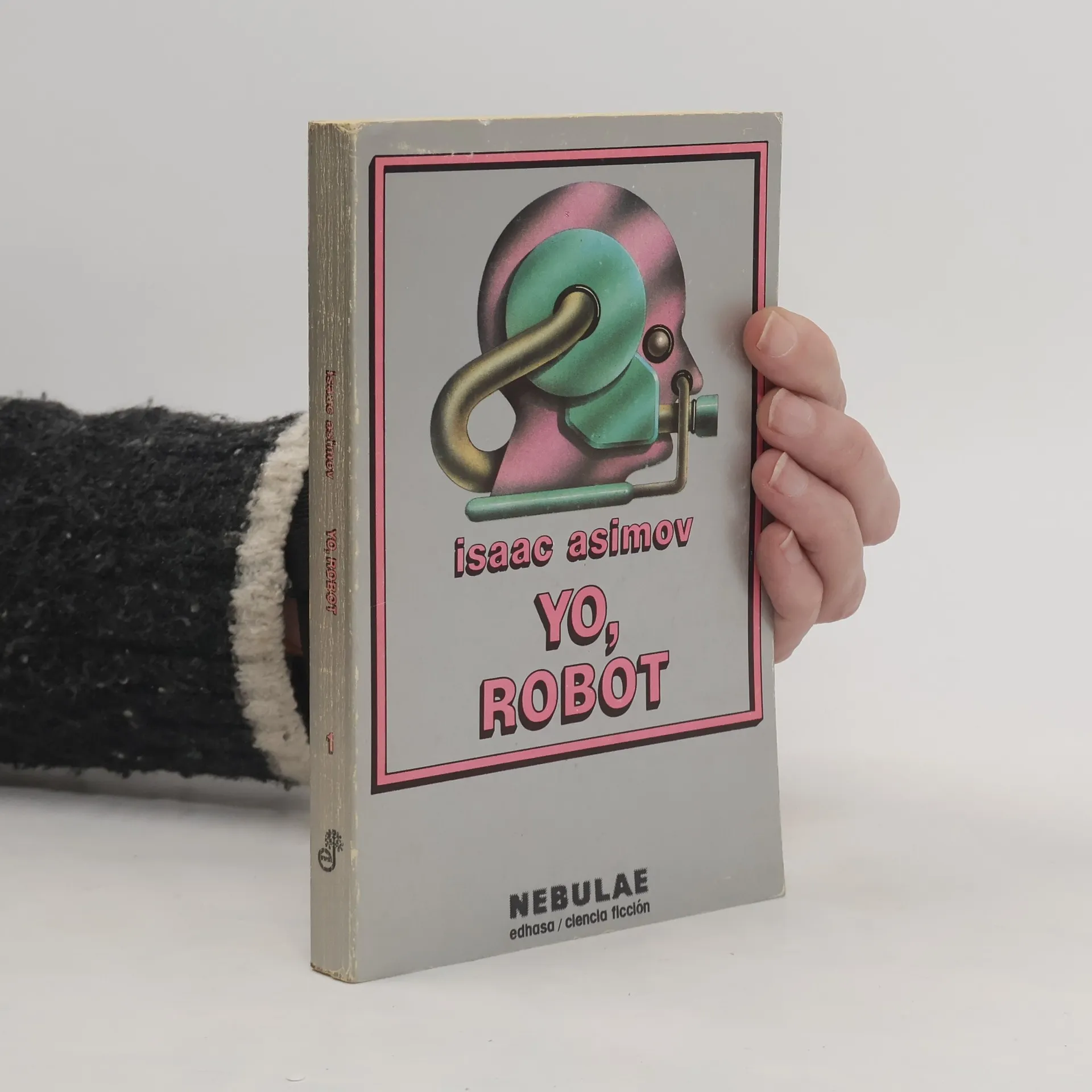
  • Yo, Robot

    • 232 páginas
    • 9 horas de lectura

    Publicada por primera vez en 1950, Yo, robot resultó una obra visionaria, que tendría una influencia enorme no sólo en toda la ciencia-ficción posterior, sino incluso en la propia ciencia de la robótica. Aquí formuló Isaac Asimov por primera vez las tres leyes fundamentales de la robótica, de las que se valdría para plantear interrogantes que se adentran en el campo de la ética: ¿qué diferencia hay entre un robot inteligente y un ser humano? ¿puede el creador de un robot predecir su comportamiento? ¿debe la lógica determinar lo que es mejor para la humanidad? A través de una serie de historias conectadas entre sí por el personaje de la robopsicóloga Susan Calvin, en las que aparecen todo tipo de máquinas inteligentes —robots que leen el pensamiento, robots que se vuelven locos, robots con sentido del humor o robots políticos—, los robots, cada vez más perfectos, llegan a convertirse en un desafío para sus creadores.

    Yo, Robot
    4,0
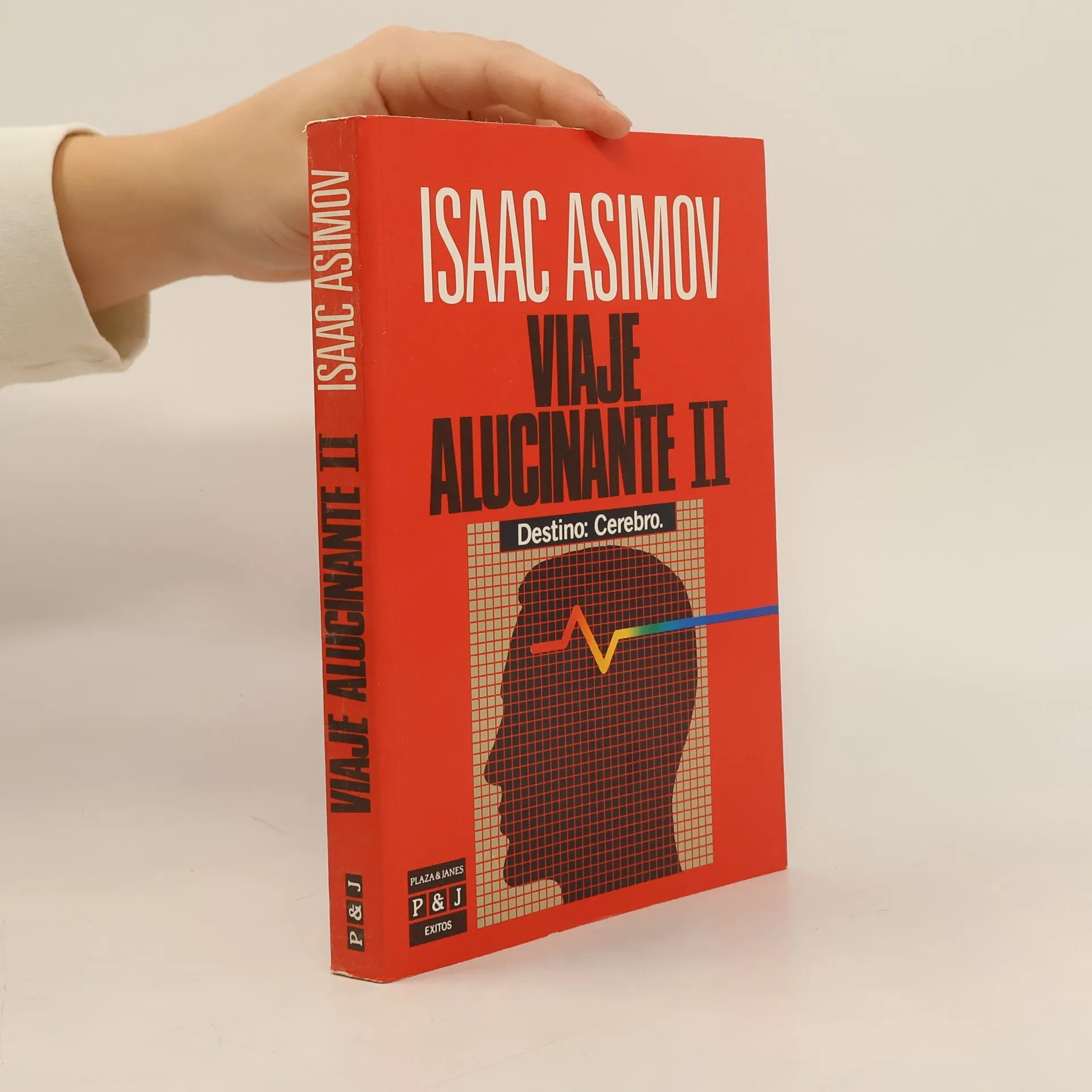
  • Viaje alucinante II

    • 400 páginas
    • 14 horas de lectura

    Un eminente sabio, víctima de un intento de asesinato, yace en estado comatoso a causa de un coágulo cerebral. En su mente lleva un secreto de extraordinaria importancia para la supervivencia del mundo libre. Una operación significaría su muerte. Entonces, un grupo de sabios resuelve miniaturizar a un equipo de médicos y técnicos, con todos sus aparatos, e inyectarlo en el sistema circulatorio del enfermo… Próxima parada: el cerebro.

    Viaje alucinante II
    3,9
  • Coleccion Diez Relatos: 10 relatos de mujeres

    • 211 páginas
    • 8 horas de lectura

    Contents:Intuición femenina / Isaac Asimov -- Traducción de Lorenzo CortinaProfesor Miseria / Truman Capote -- Traducción de Juan VilloroLa romántica / Patrica Highsmith -- Traducción de Jordi BeltránUna madre / James Joyce -- Traducción de Guillermo CabreraParece tan dulce / Rosa Montero --La ciociara / Alberto Moravia -- Traducción de Ma Esther BenítezSilba para llamar al viento / Rosamunde Pilcher -- Traducción de Margarita CavándoliPigmalión / Manuel Vázquez Montalbán --La imagen móvil / Edith Wharton -- Traducción de Rosa S. de NaveiraEl vestido nuevo / Virginia Woolf -- Traducción de Andrés Bosch

    Coleccion Diez Relatos: 10 relatos de mujeres
    3,3
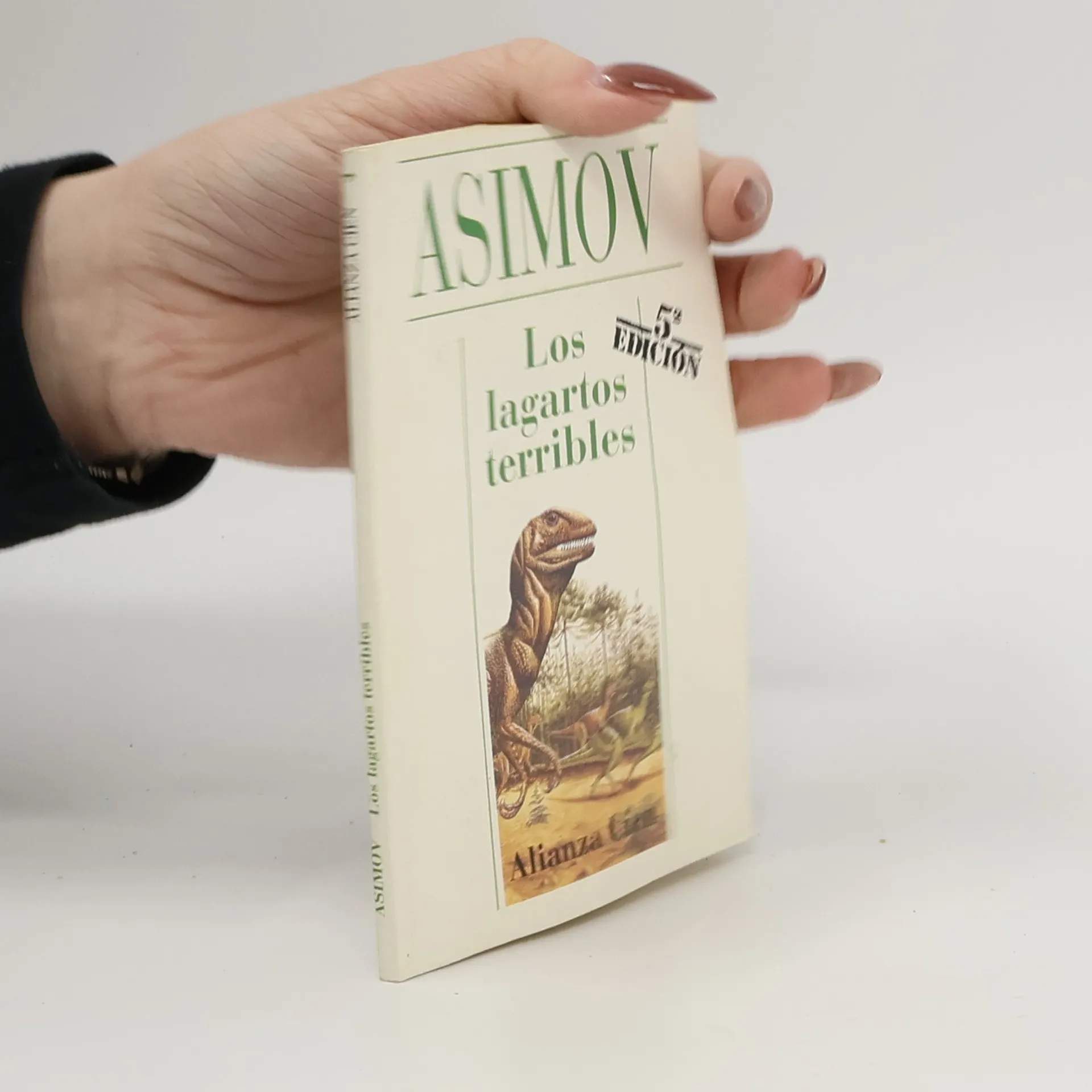
  • Isaac Asimov (1920-1992), bioquímico y escritor norteamericano de origen ruso, ha sido capaz de poner al alcance de todos los grandes temas científicos de nuestra época. Sus numerosos campos de interés van desde la física o la química hasta la historia, siendo además uno de los grandes creadores de ciencia ficción. De entre sus innumerables obras cabría destcar El Universo y Cien preguntas básicas sobre la ciencia Esta edición incluye: -Los Lagartos Terribles -Monstruos agonizantes -Orificios en la cabeza

    Los lagartos terribles
    3,6
  • Viaje alucinante II

    Destino, cerebro

    • 348 páginas
    • 13 horas de lectura

    Esplugues de Llobregat, Barcelona. 22 cm. 348 p. Encuadernación en tapa blanda de editorial ilustrada. Asimov, Isaac 1920-1992. Traducción de Rosa S. de Naveira. Plaza & Janés éxitos. Traducción de: Fantastic voyage II .. Este libro es de segunda mano y tiene o puede tener marcas y señales de su anterior propietario. ISBN: 8401322421

    Viaje alucinante II
    3,6
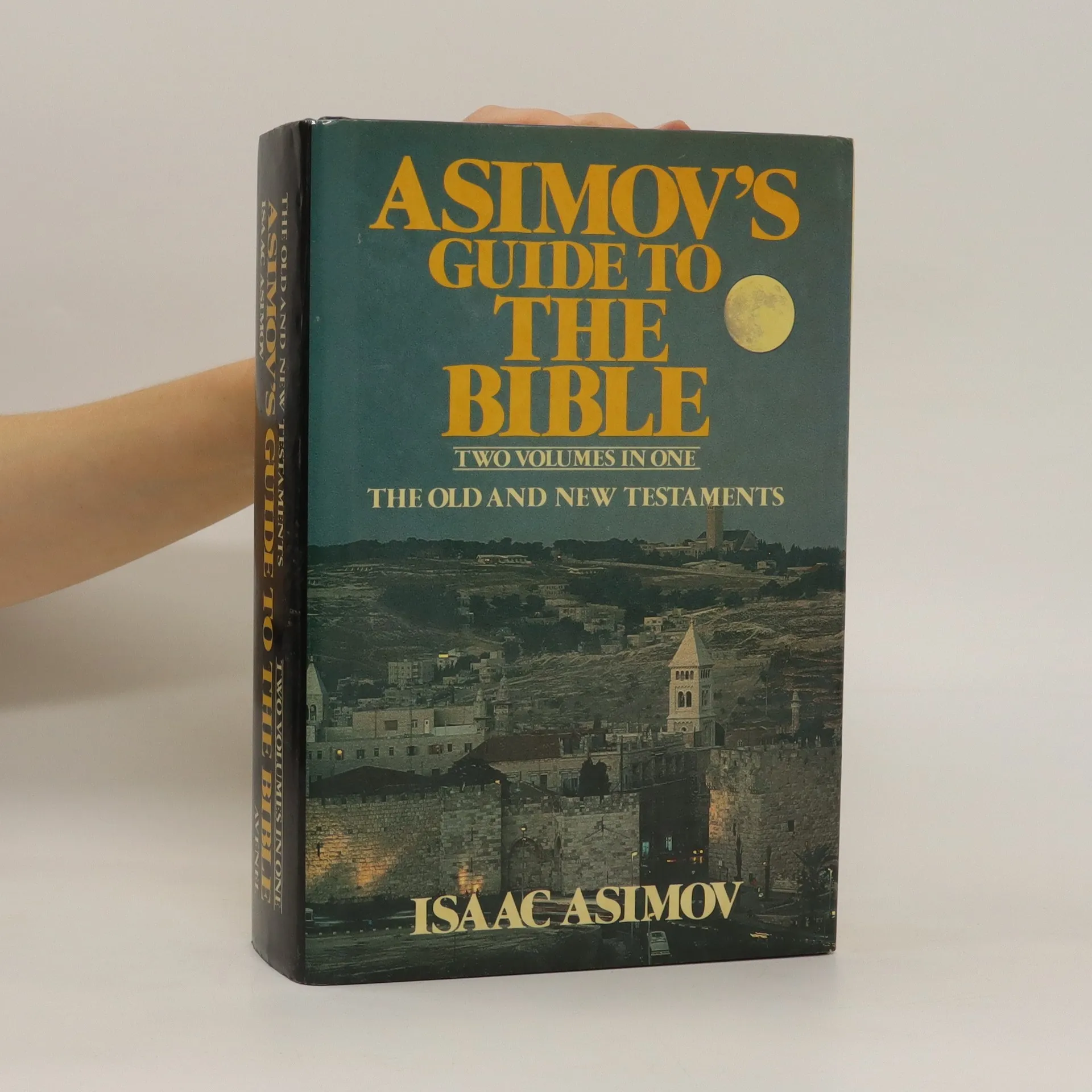
  • Asimov's Guide to the Bible

    • 1296 páginas
    • 46 horas de lectura

    "Explores the historical, geographical, and biographical aspects of the events described in the Old and New Testaments"--Jacket

    Asimov's Guide to the Bible
    4,5
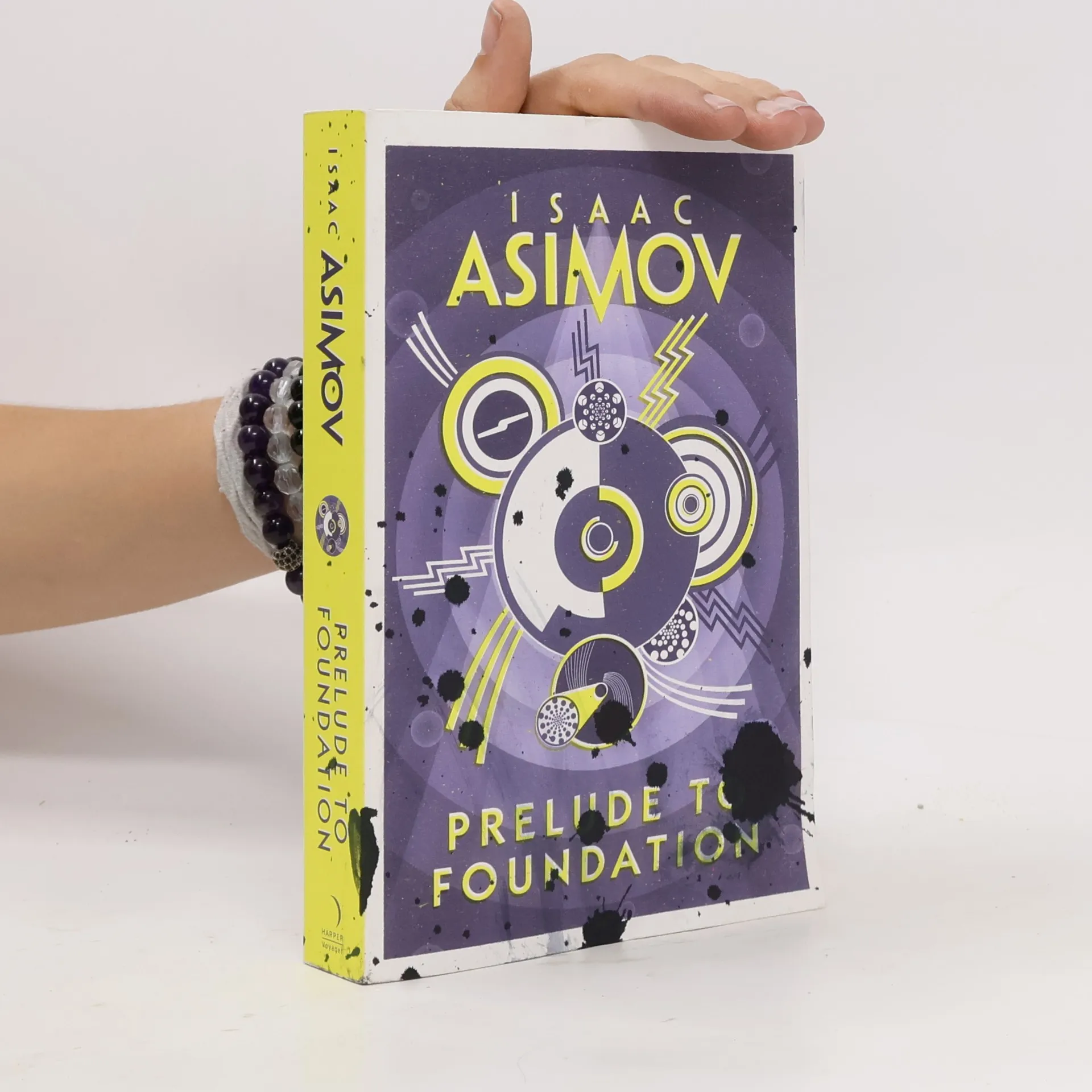
  • Prelude to foundation

    • 493 páginas
    • 18 horas de lectura

    The first of two prequel novels in Isaac Asimov’s classic science-fiction masterpiece, the Foundation series THE EPIC SAGA THAT INSPIRED THE APPLE TV+ SERIES FOUNDATION It is the year 12,020 G.E. and Emperor Cleon I sits uneasily on the Imperial throne of Trantor. Here in the great multidomed capital of the Galactic Empire, forty billion people have created a civilization of unimaginable technological and cultural complexity. Yet Cleon knows there are those who would see him fall—those whom he would destroy if only he could read the future. Hari Seldon has come to Trantor to deliver his paper on psychohistory, his remarkable theory of prediction. Little does the young Outworld mathematician know that he has already sealed his fate and the fate of humanity. For Hari possesses the prophetic power that makes him the most wanted man in the Empire . . . the man who holds the key to the future—an apocalyptic power to be known forever after as the Foundation.
    Prelude to foundation
    4,4
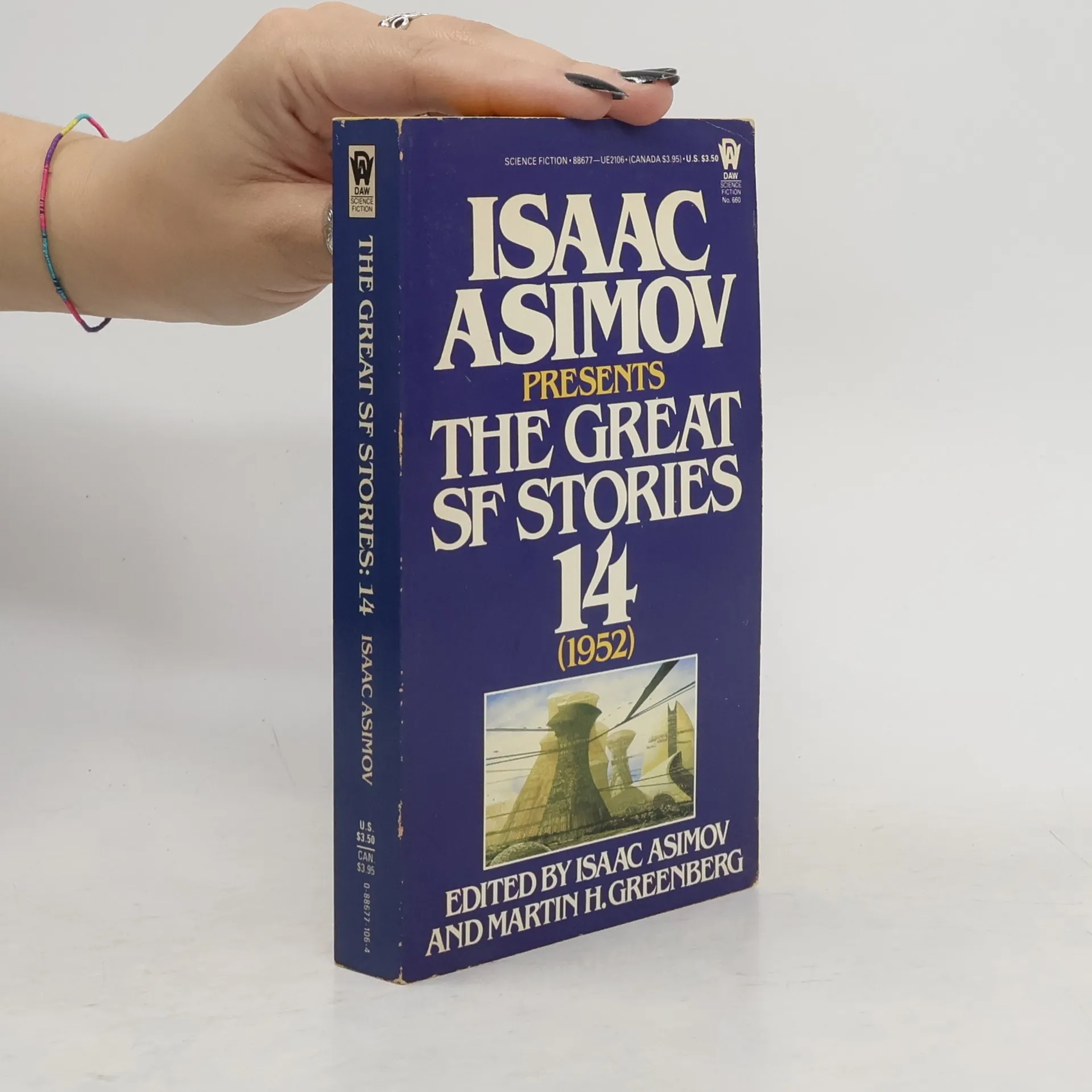
  • Isaac Asimov Presents the Great SF Stories #14

    • 352 páginas
    • 13 horas de lectura

    Short stories deal with underground cities, robot rulers, alien invasions, nuclear war, time travel, artificial life, telepathy, and space exploration

    Isaac Asimov Presents the Great SF Stories #14
    4,4
  • Living Space

    And Other Stories

    • 432 páginas
    • 16 horas de lectura

    This collection features outstanding short stories from one of science fiction's most celebrated authors, Isaac Asimov, showcasing his remarkable storytelling skills. Originally published shortly after his death, the anthology highlights Asimov's unique ability to blend imaginative concepts with thought-provoking themes, making it a significant contribution to the genre. Readers can expect a journey through innovative ideas and compelling narratives that exemplify Asimov's lasting impact on science fiction literature.

    Living Space
    4,4
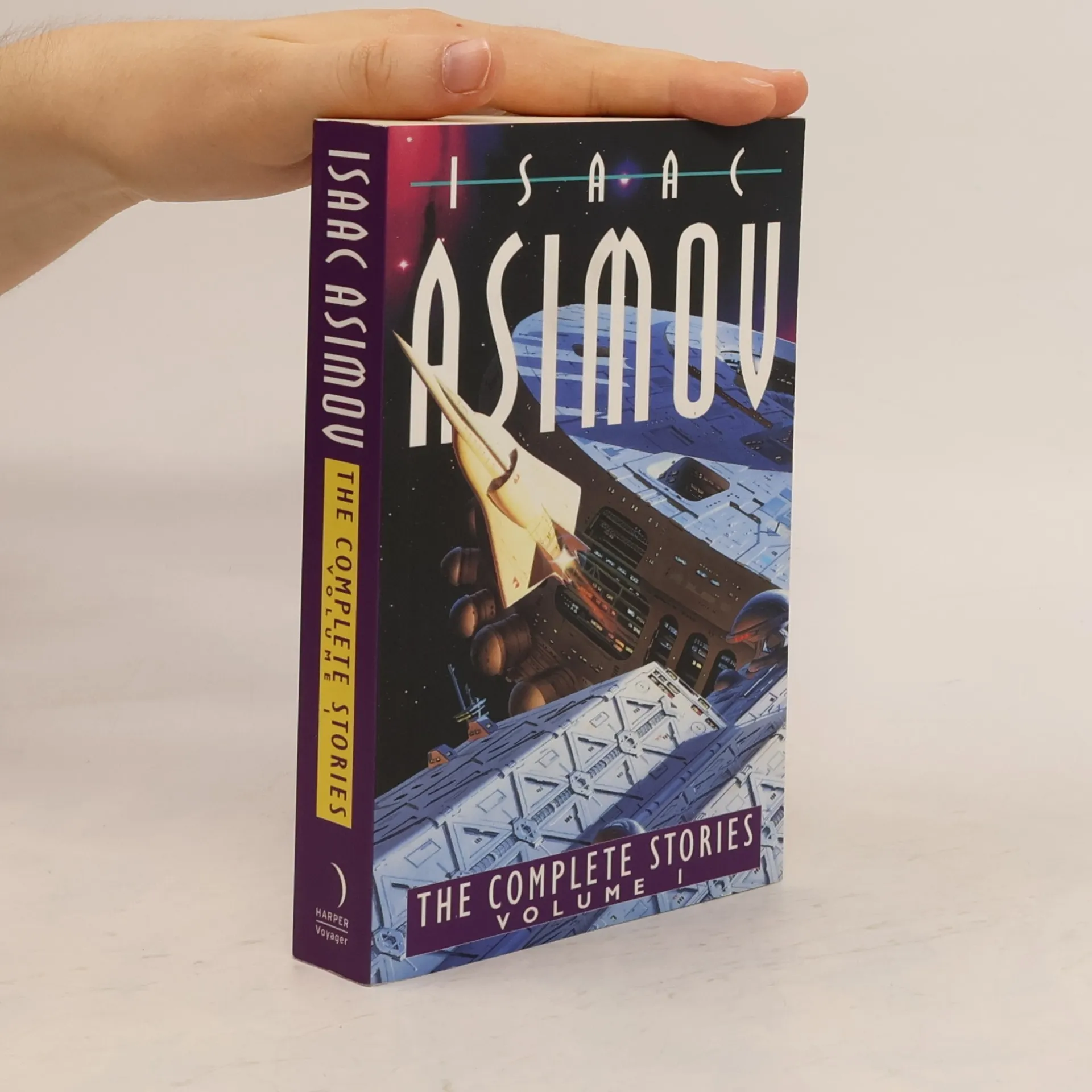
  • First published fifteen years ago, shortly after his death, inside this collection are some of the finest short stories of science fiction writing from one of the genre's greatest writers, Isaac Asimov. Isaac Asimov was the Grand Master of the Science Fiction Writers of America, the founder of robot ethics, and one of the world's most prolific authors of fiction and non-fiction. The Good Doctor's short fiction has been enjoyed by millions for more than half a century. Now the definitive Asimov collection is underway with Volume One of The Complete Stories. Many of these stories are classics of the genre, and the last, 'The Last Question', the absolute personal favourite of Asimov himself. Always entertaining and thought provoking, these stories display Asimov's mastery of the short story form. He remains supreme as the thinking person's science fiction writer.

    The complete stories. Volume one
    4,4
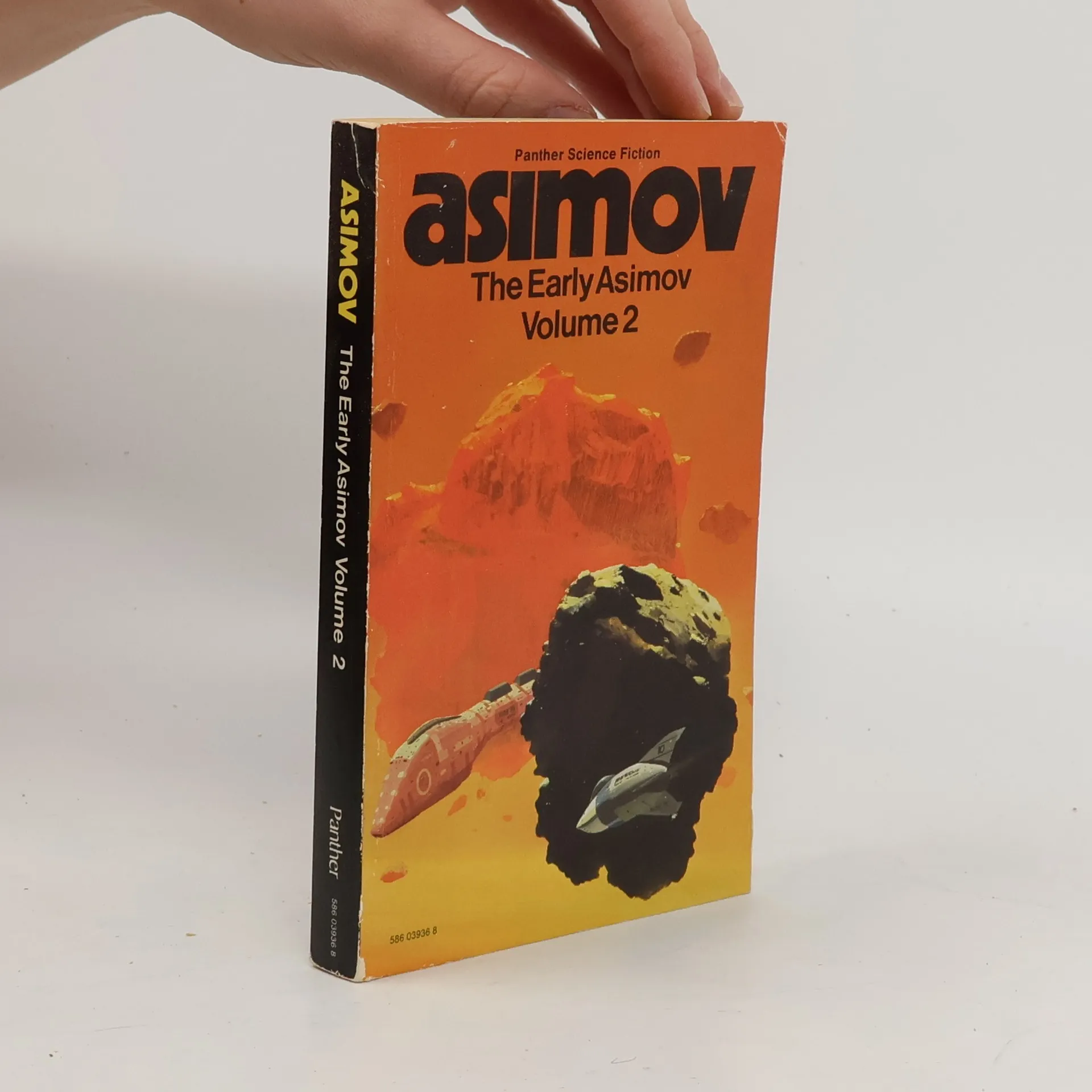
  • Isaac Asimov began his literary career as a science fiction writer, exclusively penning short stories for magazines during the first eleven years. The idea of publishing a book seemed far-fetched due to his inherent modesty. However, as he transitioned to writing books, he sought to compile the materials he had previously created for magazines. Between 1950 and 1969, he published ten collections. While this might seem sufficient, it did not satisfy the insatiable appetite of his readers. When publishers suggested he create a collection of stories that had not made it into those earlier volumes, accompanied by brief introductions, he could not refuse. This volume showcases Asimov's early works, reflecting his imaginative storytelling and the themes that would come to define his illustrious career in science fiction.

    The Early Asimov. Volume 2
    4,4
  • The Great Science Fiction Stories 17

    • 349 páginas
    • 13 horas de lectura

    Contents:9 · 1955 Introduction · Martin H. Greenberg · in 13 · The Tunnel Under the World · Frederik Pohl · nv Galaxy Jan ’55 46 · The Darfsteller · Walter M. Miller, Jr. · na Astounding Jan ’55 112 · The Cave of Night · James E. Gunn · ss Galaxy Feb ’55 130 · Grandpa · James H. Schmitz · nv Astounding Feb ’55 153 · Who? · Theodore Sturgeon · nv Galaxy Mar ’55 187 · The Short Ones · Raymond E. Banks · nv F&SF Mar ’55 209 · Captive Market · Philip K. Dick · ss If Apr ’55 228 · Allamagoosa · Eric Frank Russell · ss Astounding May ’55 243 · The Vanishing American · Charles Beaumont · ss F&SF Aug ’55 254 · The Game of Rat and Dragon · Cordwainer Smith · ss Galaxy Oct ’55 270 · The Star [Star of Bethlehem] · Arthur C. Clarke · ss Infinity Science Fiction Nov ’55 277 · Nobody Bothers Gus [as by Paul Janvier] · Algis Budrys · ss Astounding Nov ’55 292 · Delenda Est [Manse Everard (Time Patrol)] · Poul Anderson · nv F&SF Dec ’55 333 · Dreaming Is a Private Thing · Isaac Asimov · ss F&SF Dec ’55

    The Great Science Fiction Stories 17
    4,3
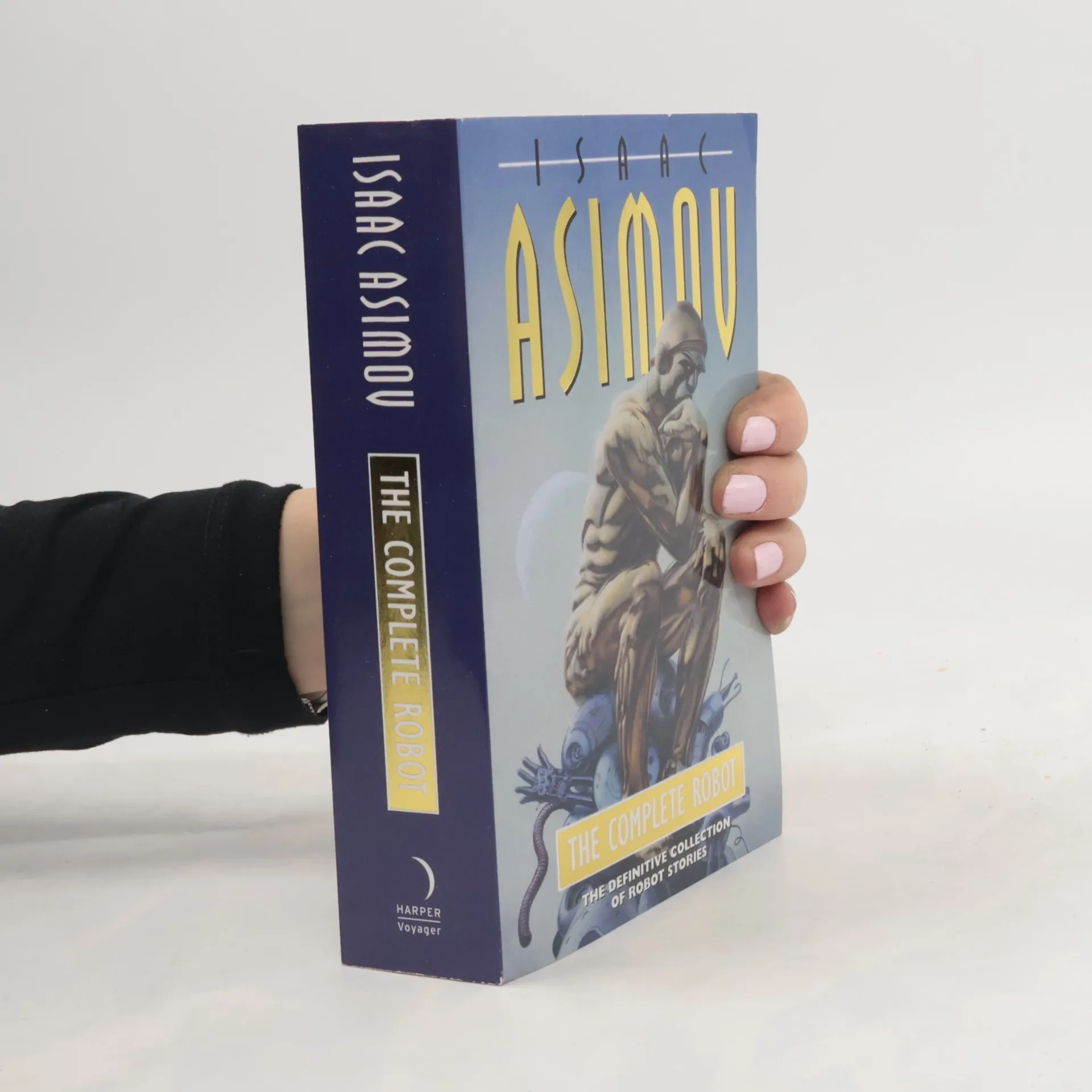
  • A collection of all of Isaac Asimov's robot stories, including some which have never before appeared in book form.

    The complete robot
    4,3
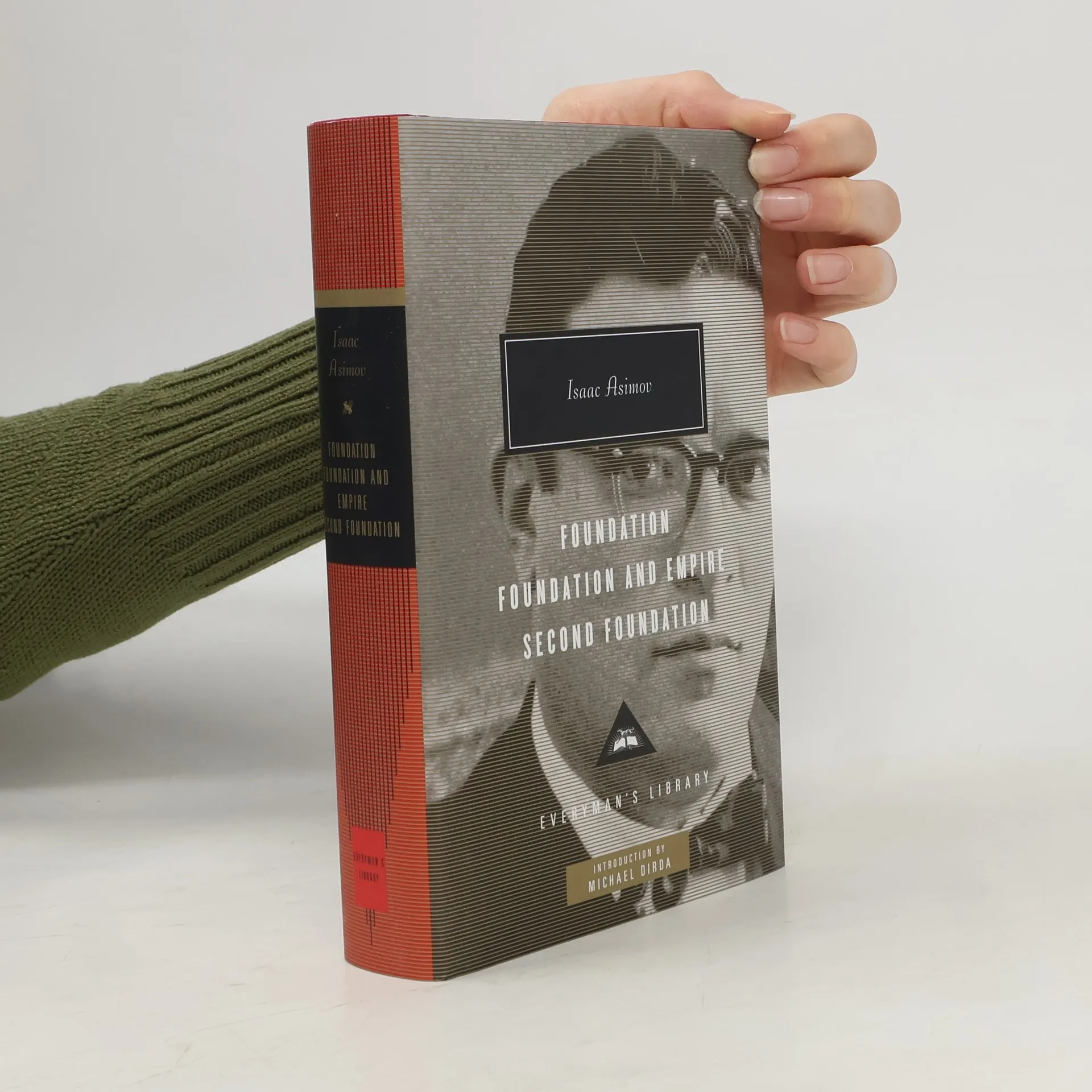
  • This hardcover edition compiles Isaac Asimov's influential Foundation trilogy, a landmark series in speculative fiction that explores themes of psychohistory, the rise and fall of civilizations, and the interplay between science and society. The trilogy delves into the efforts of a group of scientists to preserve knowledge and culture in the face of impending societal collapse, making it a profound exploration of human behavior and the future.

    Foundation, Foundation and Empire, Second Foundation: Introduction by Michael Dirda
    4,3
  • It is the story of the Galactic Empire, crumbling after twelve thousand years of rule. And it is the particular story of psycho-historian Hari Seldon, the only man who can see the horrors the future has in store: a dark age of ignorance, barbarism and violence that will last for thirty thousand years. Gathering together a band of courageous men and women, Seldon leads them to a hidden location at the edge of the galaxy where he hopes they can preserve human knowledge and wisdom against all who would destroy them. Asimov went on to add numerous sequels and prequels to the trilogy, building up what has become known as the Foundation series, but it is the original three books, first published in the Forties and Fifties, which remain the most powerful, imaginative and breathtaking.

    The Foudation Trilogy
    4,3
  • ORAL AND MAXILLOFACIAL SURGERY

    • 152 páginas
    • 6 horas de lectura

    It is the definitive and only resource specifically for undergraduate medical students, brought to you by an author team of both trainees and consultants on behalf of the British Association of Oral and Maxillofacial Surgeons (BAOMS)

    ORAL AND MAXILLOFACIAL SURGERY
    5,0
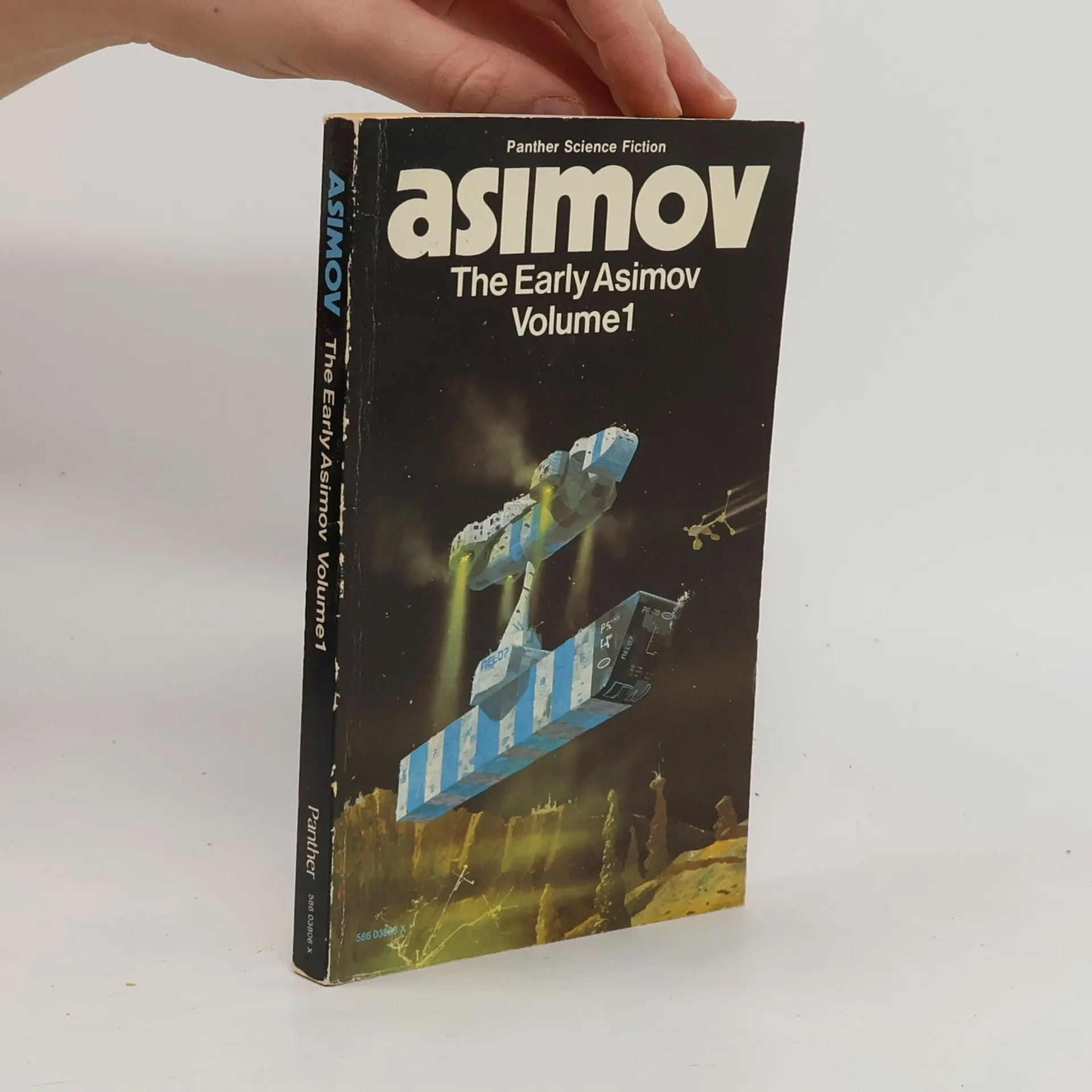
  • Isaac Asimov began his literary career as a science fiction writer, focusing exclusively on short stories for magazines during the first eleven years. The idea of publishing a book seemed distant due to his inherent modesty. However, as he transitioned to writing books, he sought to compile materials previously created for magazines. Between 1950 and 1969, he published ten collections. While this might seem sufficient, it did not satisfy the insatiable appetite of his readers. When publishers suggested he create a collection of stories that did not fit into those earlier volumes, accompanied by brief introductions, he could not refuse. This collection showcases Asimov's early works, reflecting his imaginative storytelling and the themes that would define his career, offering readers a glimpse into the origins of his literary contributions to the science fiction genre.

    The Early Asimov.Volume 1
    4,3
  • Isaac Asimov's Caliban

    • 312 páginas
    • 11 horas de lectura

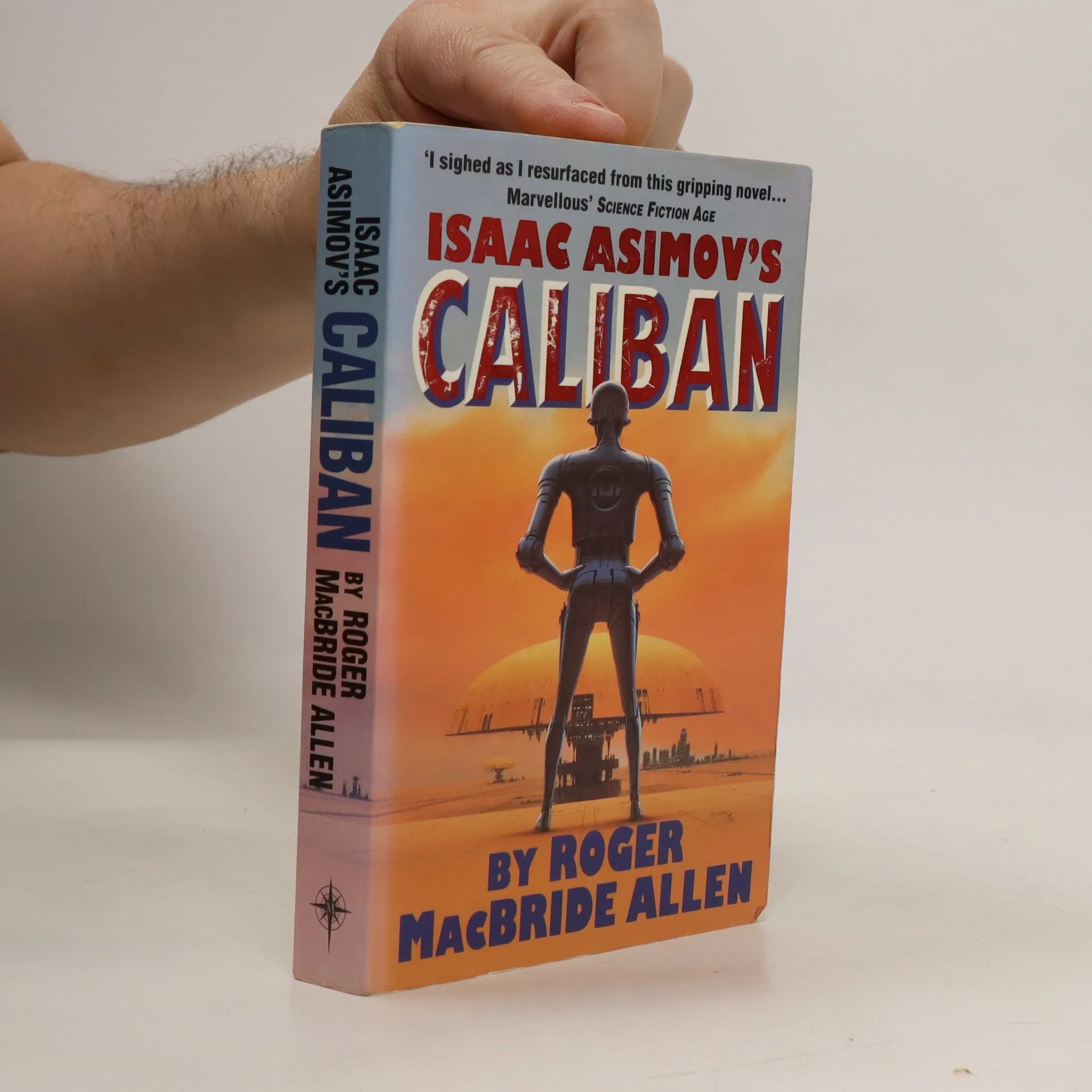
    In a universe protected by the Three Laws of Robotics, humans are safe. The First Law states, A robot may not injure a human being, or, through inaction, allow a human being to come to harm. When an experiment with a new type of robot brain goes awry, the unthinkable happens. Caliban is created... A robot without guilt or conscience. A robot with no knowledge of or compassion for humanity. A robot without the Three Laws. Caliban is a searing examination of Asimov's Three Laws of Robotics, a challenge welcomed and sanctioned by Isaac Asimov, the late beloved genius of science fiction, and written with his cooperation by one of today's hottest talents, Roger MacBride Allen, New York Times bestselling author of Ambush at Corella, The Modular Man, and The Ring of Charon.

    Isaac Asimov's Caliban
    4,3
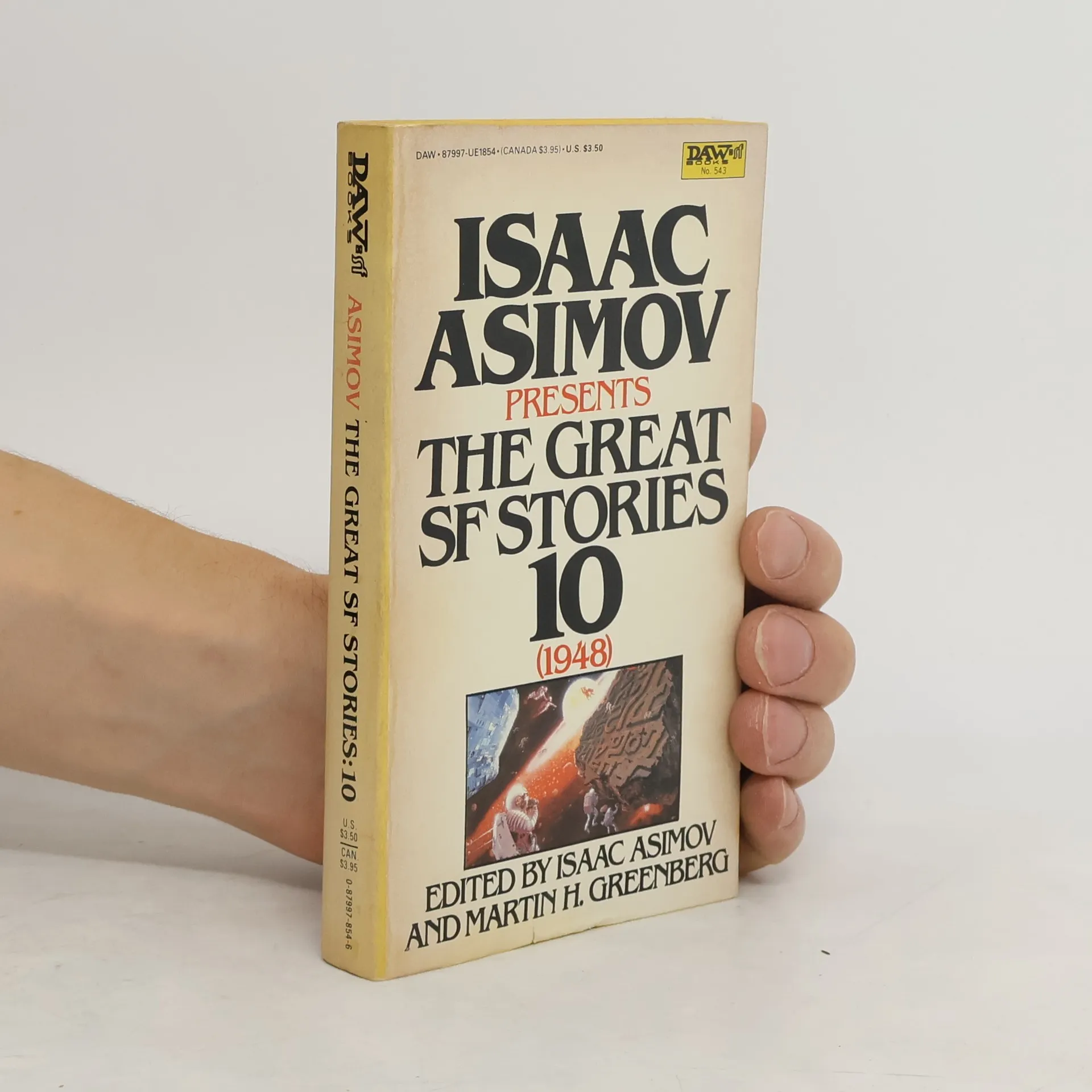
  • This anthology contains:Don't Look Now by Henry KuttnerRedhead by John D. MacDonaldKnock by Fredric BrownHe Walked Around the Horses by H. Beam PiperThe Strange Case of John Kingman by Murray LeinsterThat Only a Mother by Judith MerrilThe Monster Dormant by A.E. Van VogtDreams are Sacred by Peter PhillipsMars is Heaven by Ray BradburyThang by Martin GardnerBrooklyn Project by William TennPeriod Piece by J.J. CouplingIn Hiding by Wilmar H. Shirasand Late Night Final by Eric Frank Russell.

    Isaac Asimov Presents the Great SF Stories 10
    4,3
  • Robot Visions

    • 496 páginas
    • 18 horas de lectura

    From Isaac Asimov, the Hugo Award-winning Grand Master of Science Fiction, comes five decades of robot visions: thirty-four landmark stories and essays—including three rare tales—gathered together in one volume. Meet all of Asimov’s most famous creations including: Robbie, the very first robot that his imagination brought to life; Susan Calvin, the original robot psychologist; Stephen Byerley, the humanoid robot; and the famous human/robot detective team of Lije Bailey and R. Daneel Olivaw, who have appeared in such bestselling novels as The Robots of Dawn and Robots and Empire. Let the master himself guide you through the key moments in the fictional history of robot-human relations—from the most primitive computers and mobile machines to the first robot to become a man. “It’s good to have Isaac’s classic robot stories, and his commentary on them, in one handsome volume.”—Arthur C. Clarke

    Robot Visions
    4,3
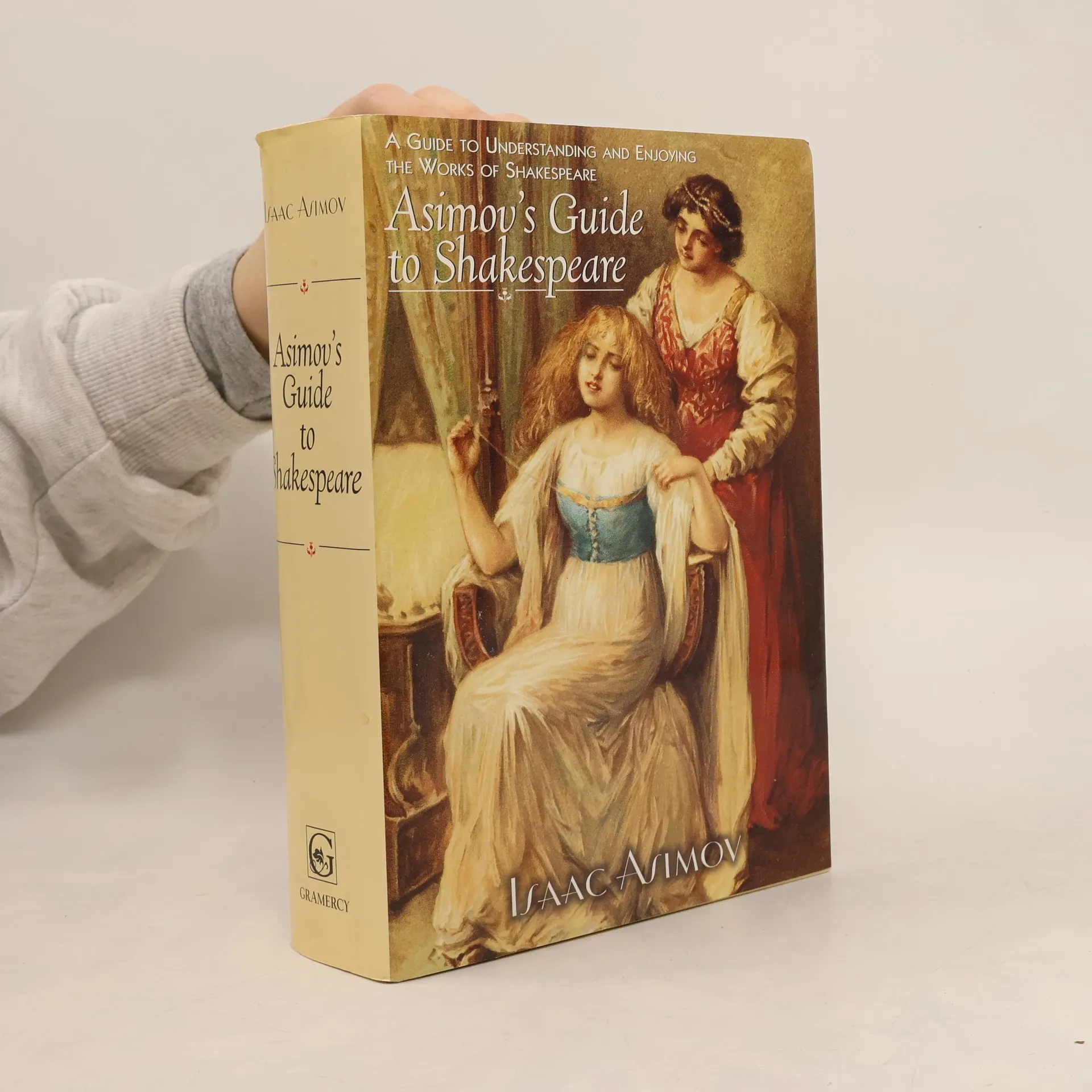
  • Asimov's Guide to Shakespeare

    • 843 páginas
    • 30 horas de lectura

    Highly respected and widely read author Isaac Asimov offers a fresh, easy-to-read approach to understanding the greatest writer of all time.Designed to provide the modern reader with a working knowledge of topics pertinent to Shakespeare's audience, this book explores, scene-by-scene, thirty-eight plays and two narrative poems, including their mythological, historical and geographical roots.

    Asimov's Guide to Shakespeare
    4,3
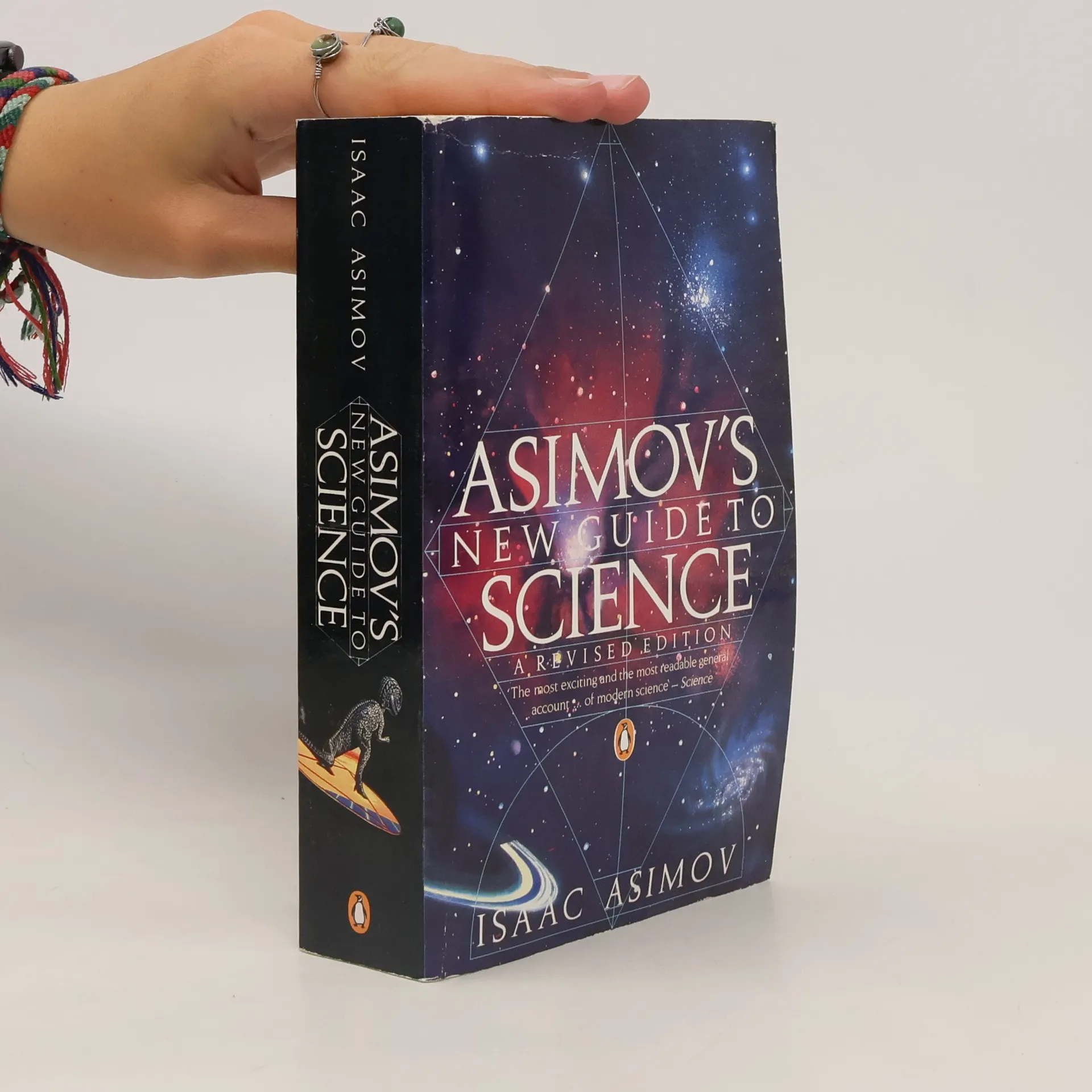
  • Asimov's New Guide to Science

    • 896 páginas
    • 32 horas de lectura

    Tells the stories behind the science - the men and women who made the important discoveries and how they did it. Ranging from Galilei, Achimedes, Newton and Einstein, this title takes the complex concepts.

    Asimov's New Guide to Science
    4,3
  • A collection of some of the greatest science fiction tales.Contents:9 · Introduction · Martin H. Greenberg · in 15 · Make a Prison · Lawrence Block · ss Science Fiction Stories Jan ’59 21 · The Wind People · Marion Zimmer Bradley · ss If Feb ’59 45 · No, No, Not Rogov! · Cordwainer Smith · ss If Feb ’59 69 · What Rough Beast? · Damon Knight · nv F&SF Feb ’59 101 · The Alley Man · Philip José Farmer · na F&SF Jun ’59 159 · Day at the Beach · Carol Emshwiller · ss F&SF Aug ’59 173 · The Malted Milk Monster · William Tenn · nv Galaxy Aug ’59 199 · The World of Heart’s Desire · Robert Sheckley · ss Playboy Sep ’59 209 · The Man Who Lost the Sea · Theodore Sturgeon · ss F&SF Oct ’59 225 · A Death in the House · Clifford D. Simak · ss Galaxy Oct ’59 251 · The Pi Man · Alfred Bester · ss F&SF Oct ’59 273 · Multum in Parvo · Jack Sharkey · gp Gent Dec ’59 279 · What Now, Little Man? · Mark Clifton · nv F&SF Dec ’59 323 · Adrift on the Policy Level · Chandler Davis · ss Star Science Fiction Stories #5, ed. Frederik Pohl, Ballantine, 1959

    Isaac Asimov Presents the Great SF Stories 21
    4,2
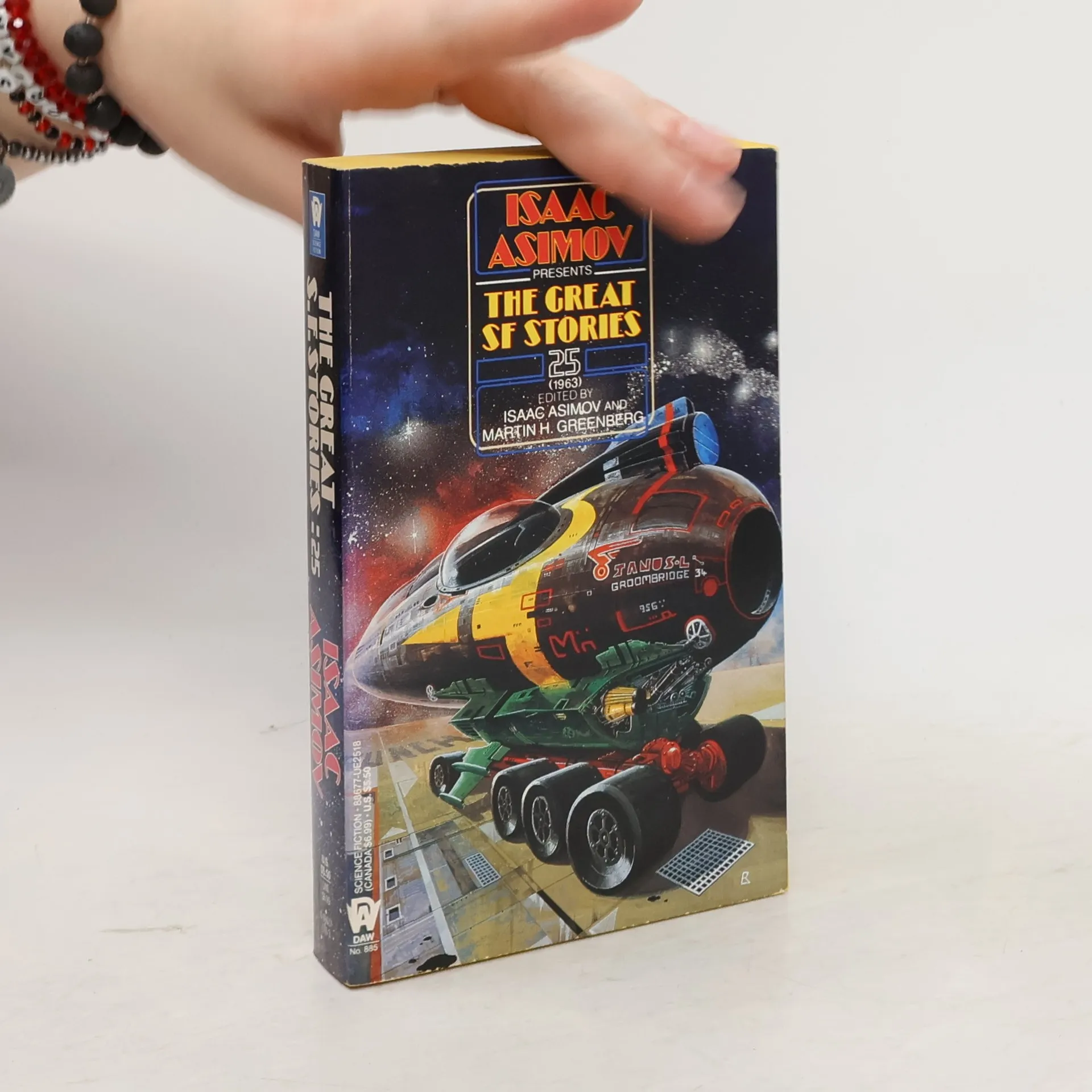
  • A collection of some of the greatest science fiction tales features Fred Saberhagen's "Berserker" series, John Brunner's "The Totally Rich," and other tales. Reprint.

    The Great SF Stories 25 (1963)
    4,2
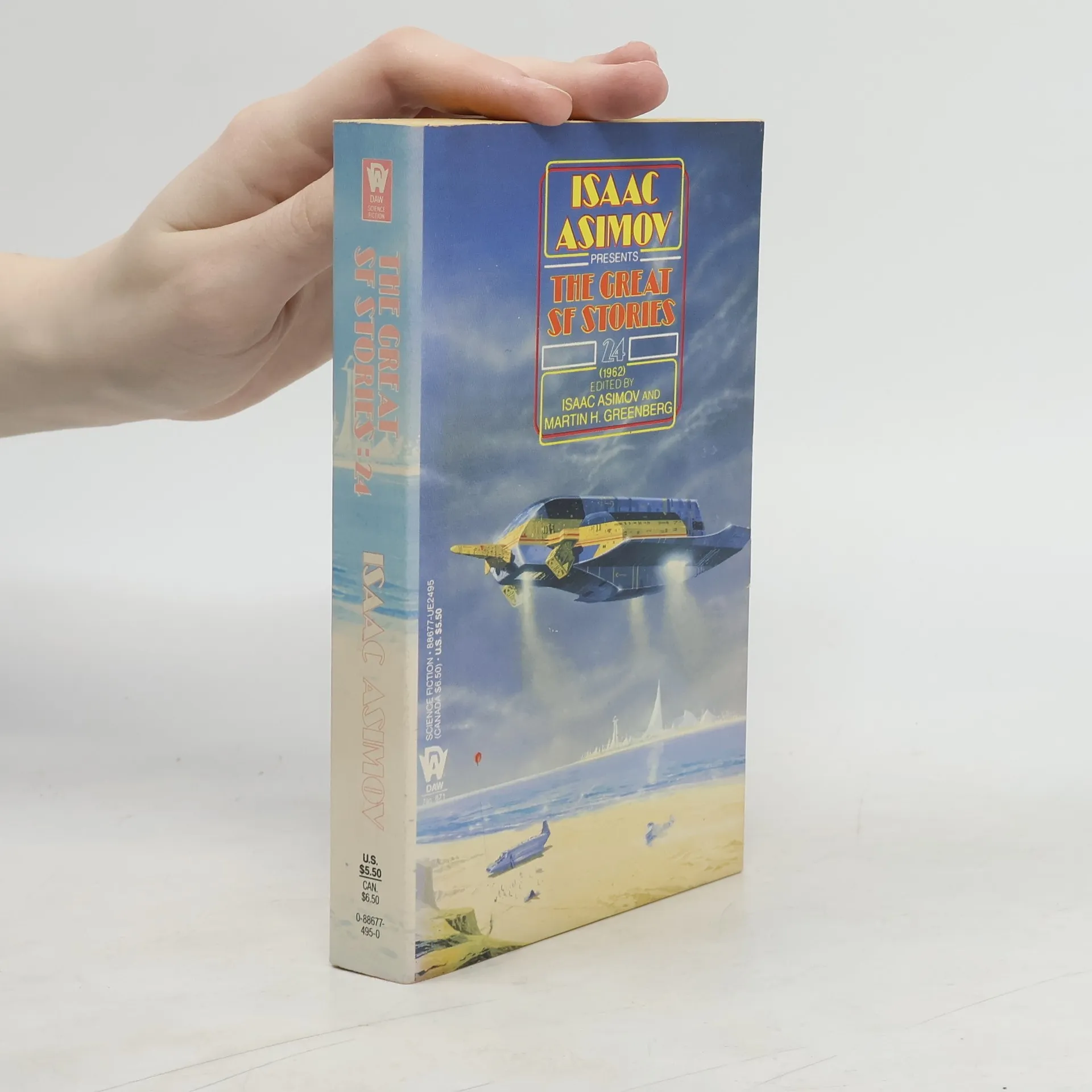
  • Another excellent volume in this unique, ongoing series which, year by year, provides a fascinating overview of both society's and the science fiction community's ever shifting hopes, concerns, and fears about the future. Authors include Fritz Leiber, Poul Anderson, Gordon R. Dickson, Theodore Sturgeon, and others.

    Isaac Asimov Presents the Great SF Stories #24 (1962)
    4,2
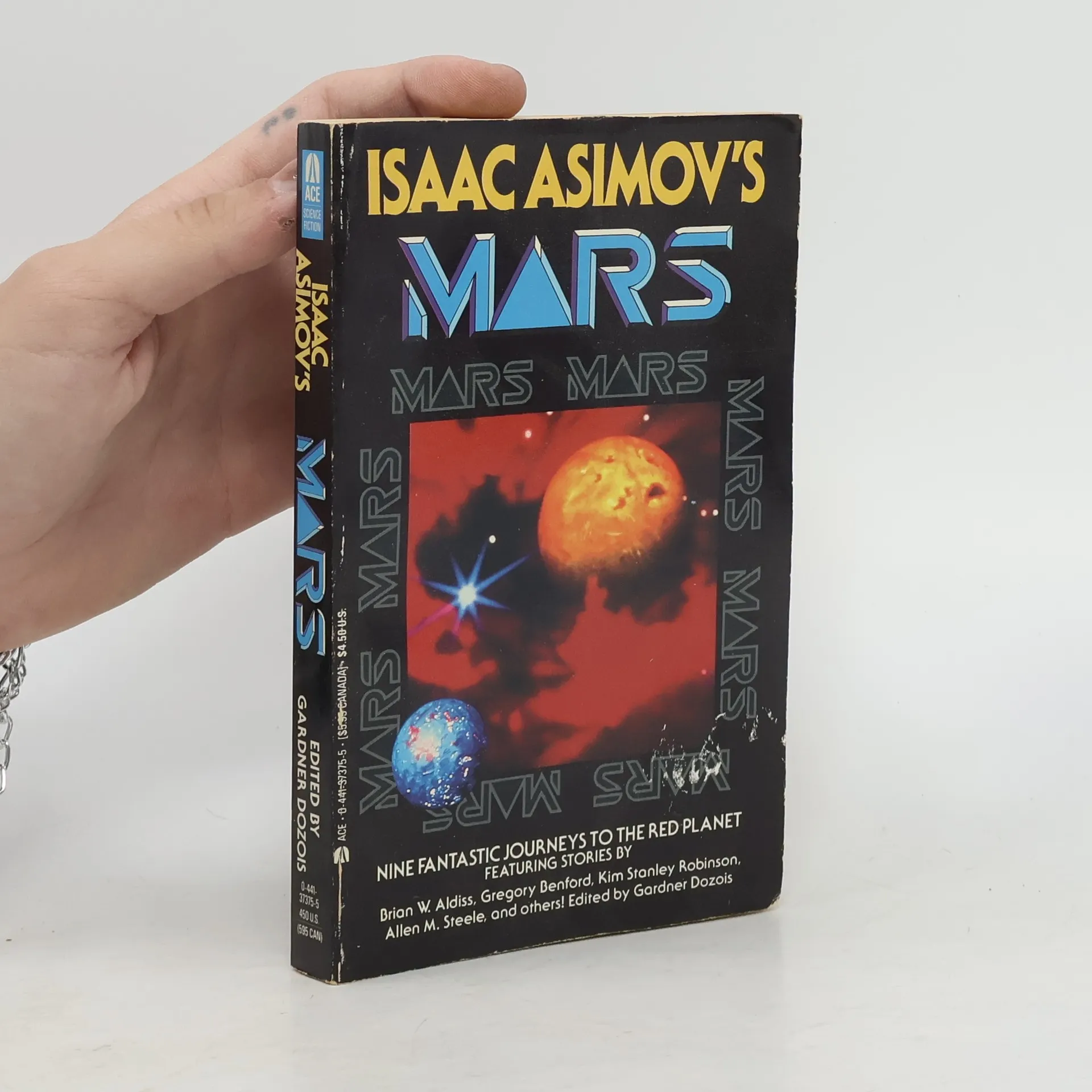
  • Isaac Asimov's Mars

    • 225 páginas
    • 8 horas de lectura

    Contents 1 • Live from the Mars Hotel • [Near Space] • (1988) • shortstory by Allen Steele21 • The Difficulties Involved in Photographing Nix Olympica • (1986) • shortstory by Brian W. Aldiss39 • Windwagon Smith and the Martians • (1989) • shortstory by Lawrence Watt-Evans55 • Retrovision • (1988) • shortstory by Robert Frazier69 • The Great Martian Railroad Race • (1988) • shortstory by Eric Vinicoff87 • All the Beer on Mars • (1989) • shortstory by Gregory Benford107 • The Catharine Wheel • (1984) • novelette by Ian McDonald (aka The Catharine Wheel (Our Lady of Tharsis))129 • Mars Needs Beatniks • (1984) • shortstory by George Alec Effinger145 • Green Mars • (1985) • novella by Kim Stanley Robinson

    Isaac Asimov's Mars
    4,1
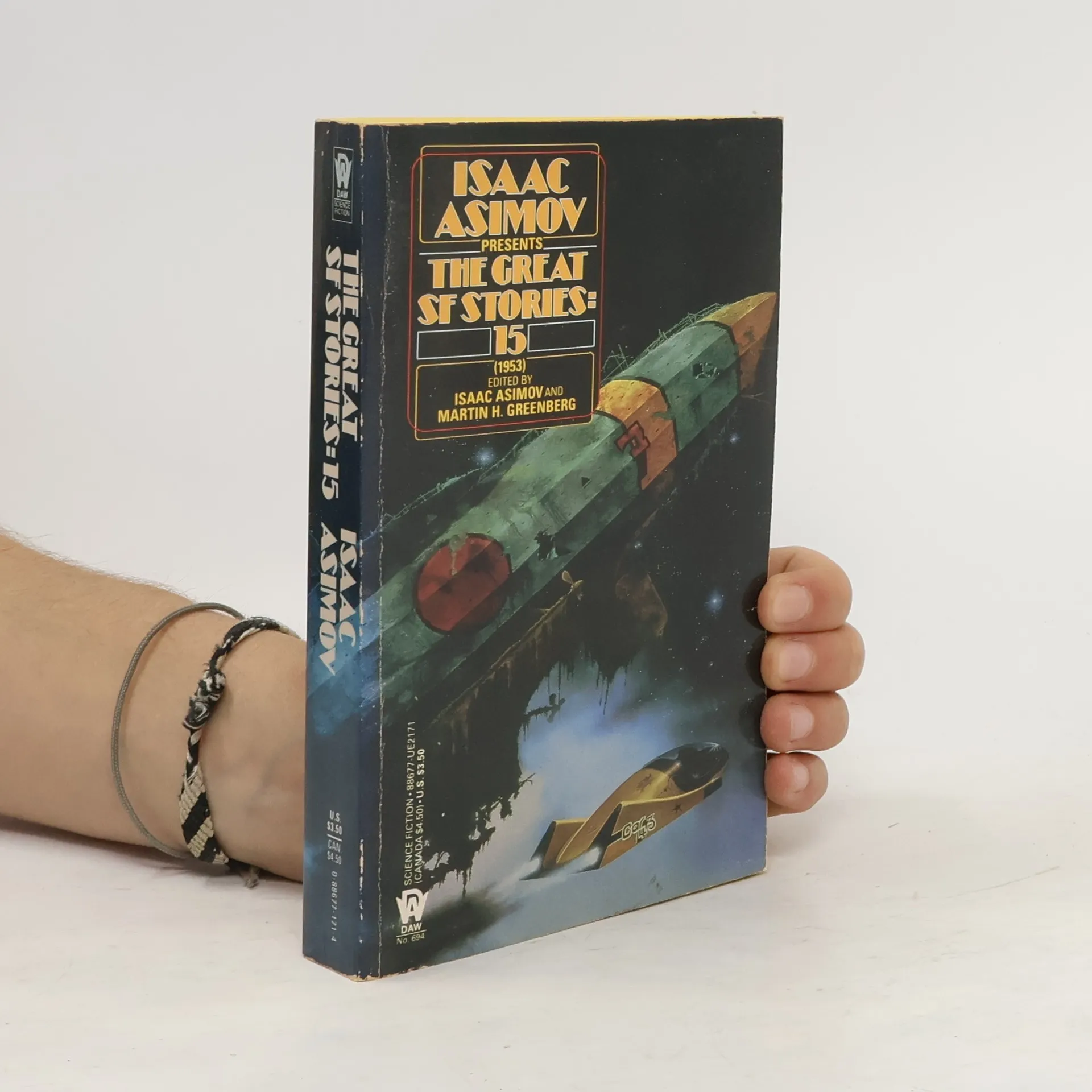
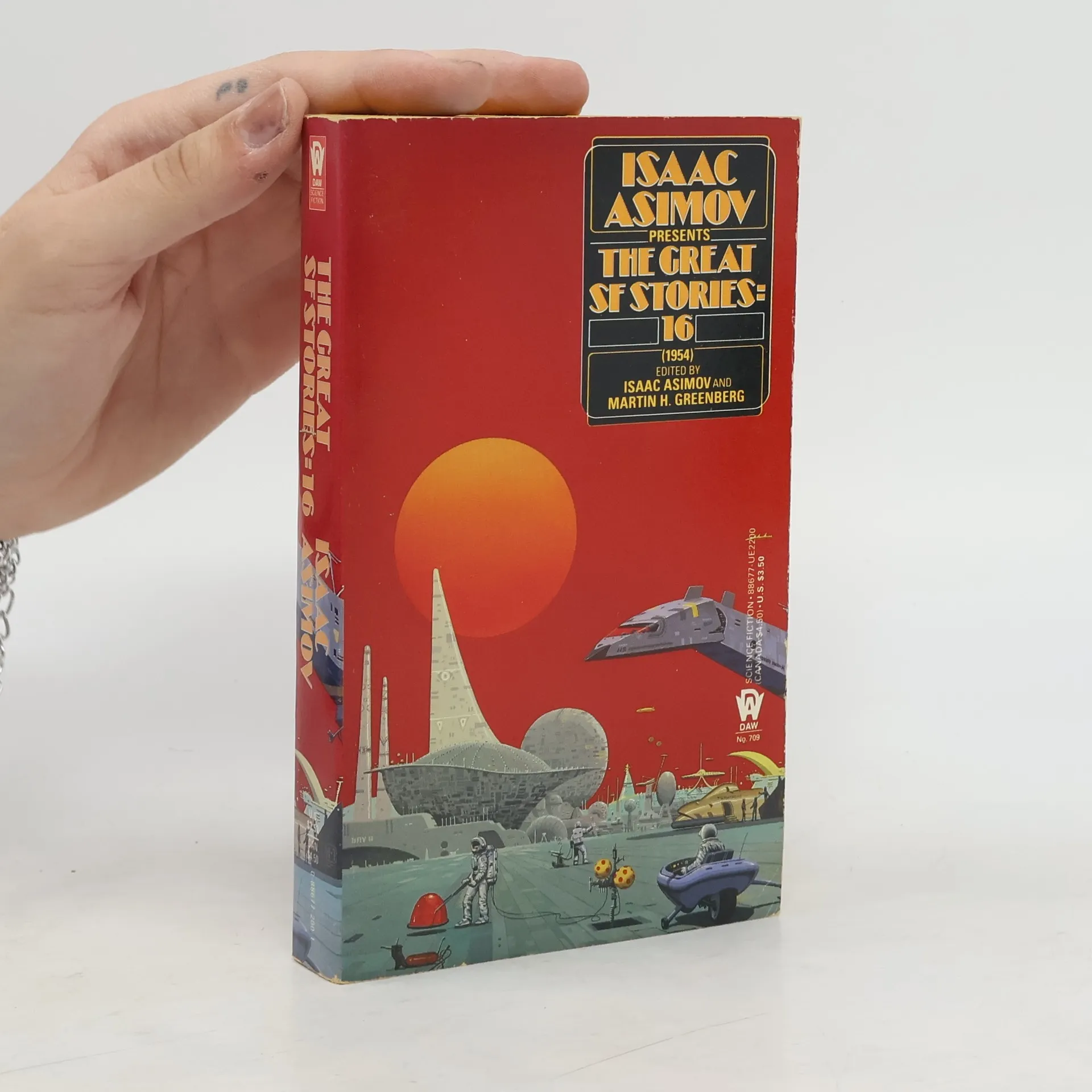
  • Contents:9 · 1954 Introduction · Martin H. Greenberg · in 13 · The Test · Richard Matheson · ss F&SF Nov ’54 34 · Anachron · Damon Knight · ss If Jan ’54 54 · Black Charlie · Gordon R. Dickson · ss Galaxy Apr ’54 72 · Down Among the Dead Men · William Tenn · nv Galaxy Jun ’54 100 · The Hunting Lodge · Randall Garrett · nv Astounding Jul ’54 138 · The Lysenko Maze · Donald A. Wollheim · ss F&SF Jul ’54 151 · Fondly Fahrenheit · Alfred Bester · nv F&SF Aug ’54 174 · The Cold Equations · Tom Godwin · nv Astounding Aug ’54 203 · Letters from Laura · Mildred Clingerman · ss F&SF Oct ’54 211 · Transformer · Chad Oliver · ss F&SF Nov ’54 227 · The Music Master of Babylon · Edgar Pangborn · nv Galaxy Nov ’54 258 · The End of Summer · Algis Budrys · nv Astounding Nov ’54 289 · The Father-Thing · Philip K. Dick · ss F&SF Dec ’54 304 · The Deep Range · Arthur C. Clarke · ss Star Science Fiction Stories #3, ed. Frederik Pohl, Ballantine, 1954 315 · Balaam · Anthony Boucher · ss 9 Tales of Space and Time, ed. Raymond J. Healey, Holt, 1954 332 · Man of Parts · Horace L. Gold · ss 9 Tales of Space and Time, ed. Raymond J. Healey, Holt, 1954 349 · Answer · Fredric Brown · vi Angels and Spaceships, Dutton, 1954

    Isaac Asimov Presents the Great Science Fiction Stories
    4,2
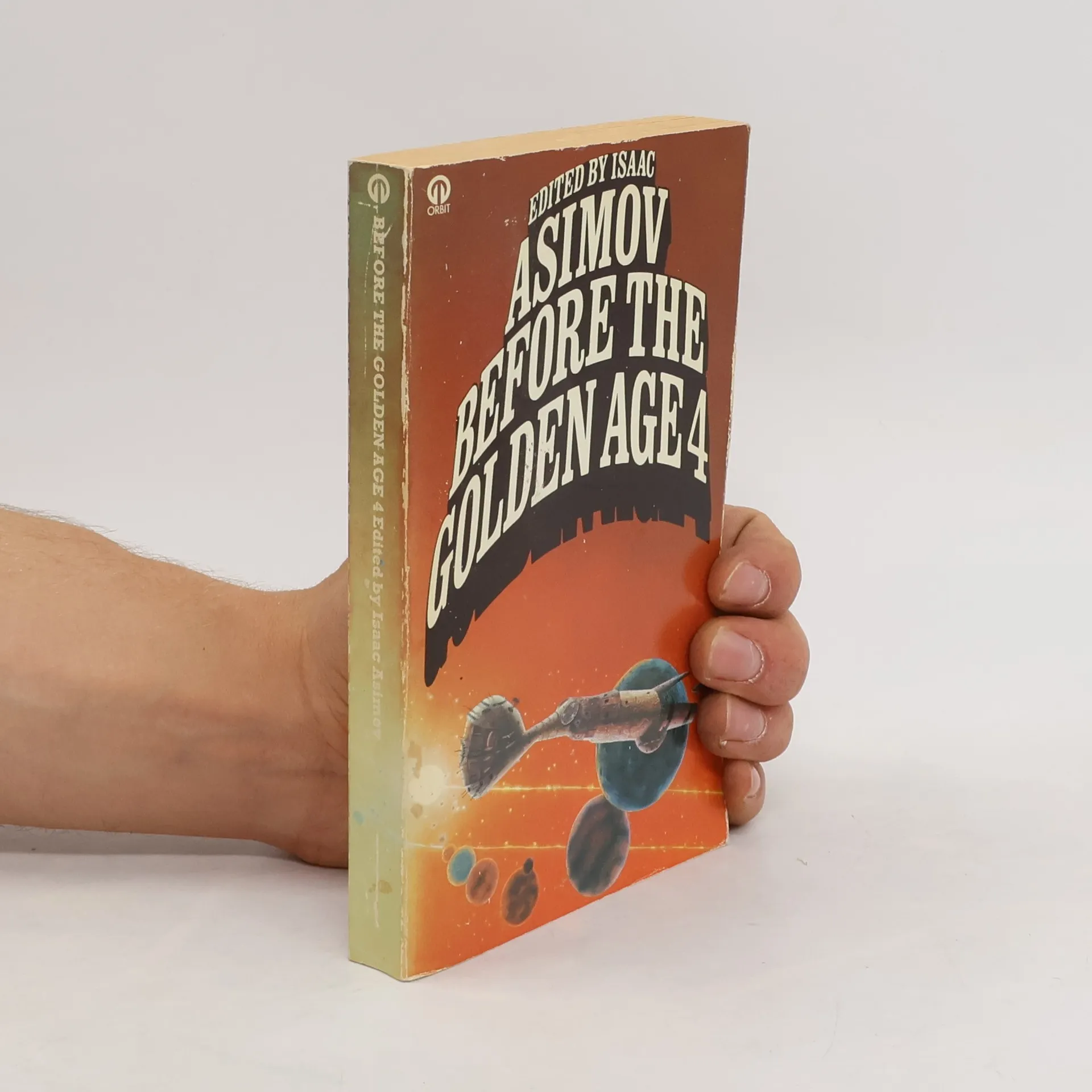
  • Before the Golden Age

    A Science Fiction Anthology of the 1930s

    A Science Fiction Anthology of the 1930s, vol 4 of 4Contents* He Who Shrank / Henry Hasse;* The Human Pets of Mars / Leslie Frances Stone;* The Brain Stealers of Mars / John W. Campbell Jr.;* Devolution / Edmond Hamilton;* Big Game / Isaac Asimov, [Written 11/18/41];* Other Eyes Watching / John W. Campbell Jr.;* Minus Planet / John D. Clark,;* Past, Present, and Future / Nat Schachner;* The Men and the Mirror / Ross Rocklynne.Originally 26 stories published in one hardcover volume.

    Before the Golden Age
    4,2
  • The Foundation trilogy is a saga of humaity's struggle against darkness played on the the grandest possible scale - is one of the corner-stones of modern science fiction. It is the story of the Galactic empire, crumbling after 12,000 years of rule, and the story of psycho-historian Hari Seldon, the only man who can see the horrors the future has in store..

    Foundation ; Foundation and empire ; Second foundation
    4,2
  • Built around the assessment objectives for AS and A2 level English, offering explanations, examples, exercises, summaries, a glossary of key terms and suggested answers.

    The Language of Literature
    4,0
  • All the Troubles of the World

    • 32 páginas
    • 2 horas de lectura

    Multivac, the gigantic computer that controls the entire world and can even predict the probabilities of potential crimes before they happen, suddenly announces that someone is plotting to destroy Multivac.

    All the Troubles of the World
    4,2
  • Tomorrow's Children

    • 431 páginas
    • 16 horas de lectura

    Eighteen stories edited by the master of science-fiction, Isaac Asimov: "No Life of Their Own" by Clifford D. Simak"The Accountant" by Robert Sheckley"Novice" by James M. Schmitz "Child of Void" by Margaret St. Claire "When the Bough Breaks" by Lewis Padgett "A Pail of Air" by Fritz Leiber "Junior Achievement" by William Lee "Cabin Boy" by Damon Knight "The Little Terror" by Will F. Jenkins "Gilead" by Zenna Henderson "The Menace From Earth" by Robert Heinlein "The Wayward Cravat" by Gertrude Friedberg "The Father-Thing" by Philip K. Dick "Star Bright" by Mark Clifton "All in a Summer Day" by Ray Bradbury "It's a Good Life" by Jerome Bixby "The Place of the Gods" by Stephen Vincent Benet "The Ugly Little Boy" by Isaac Asimov

    Tomorrow's Children
    4,2
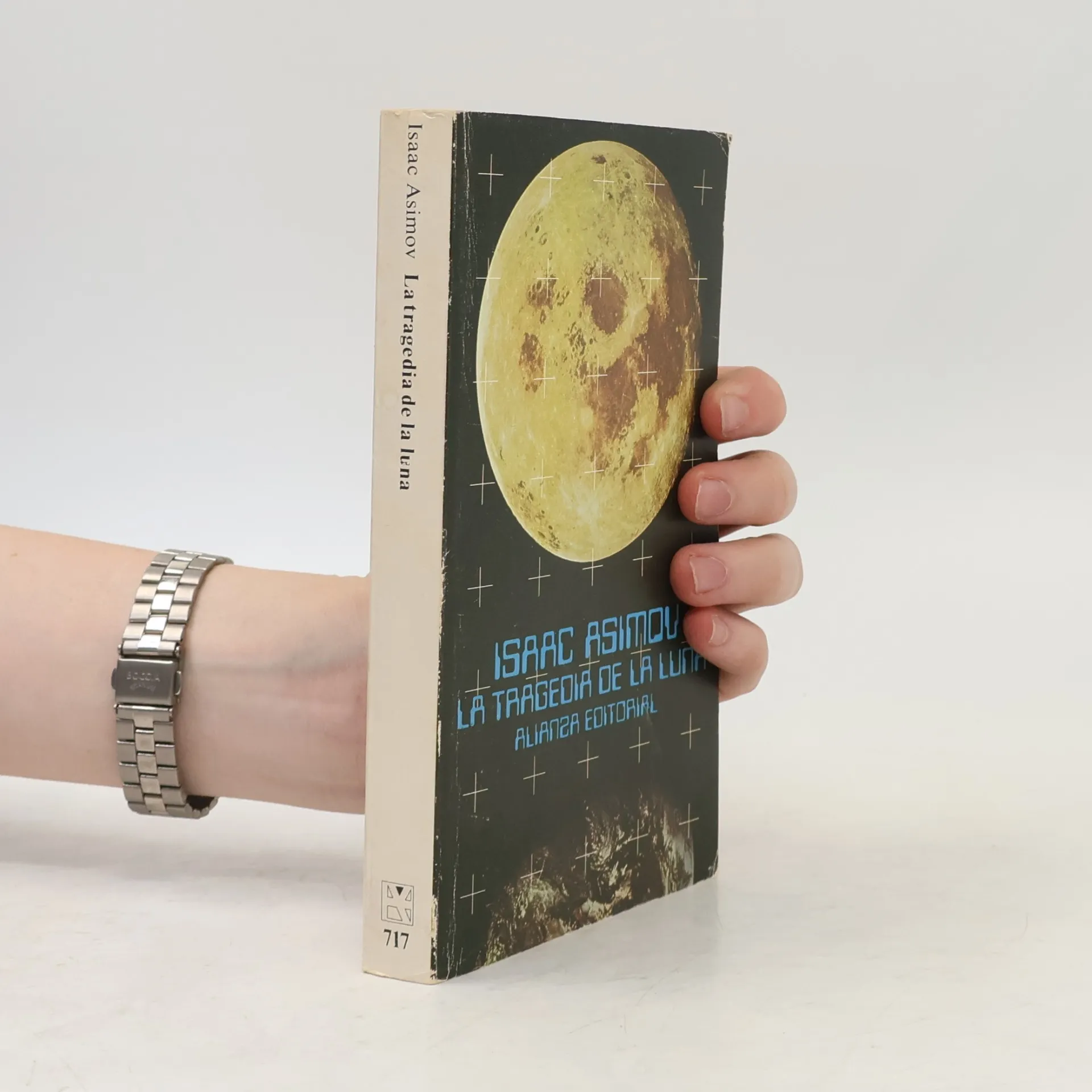
  • The Tragedy of the Moon

    • 224 páginas
    • 8 horas de lectura

    Good reading copy. Some wear from normal use and age.

    The Tragedy of the Moon
    4,2
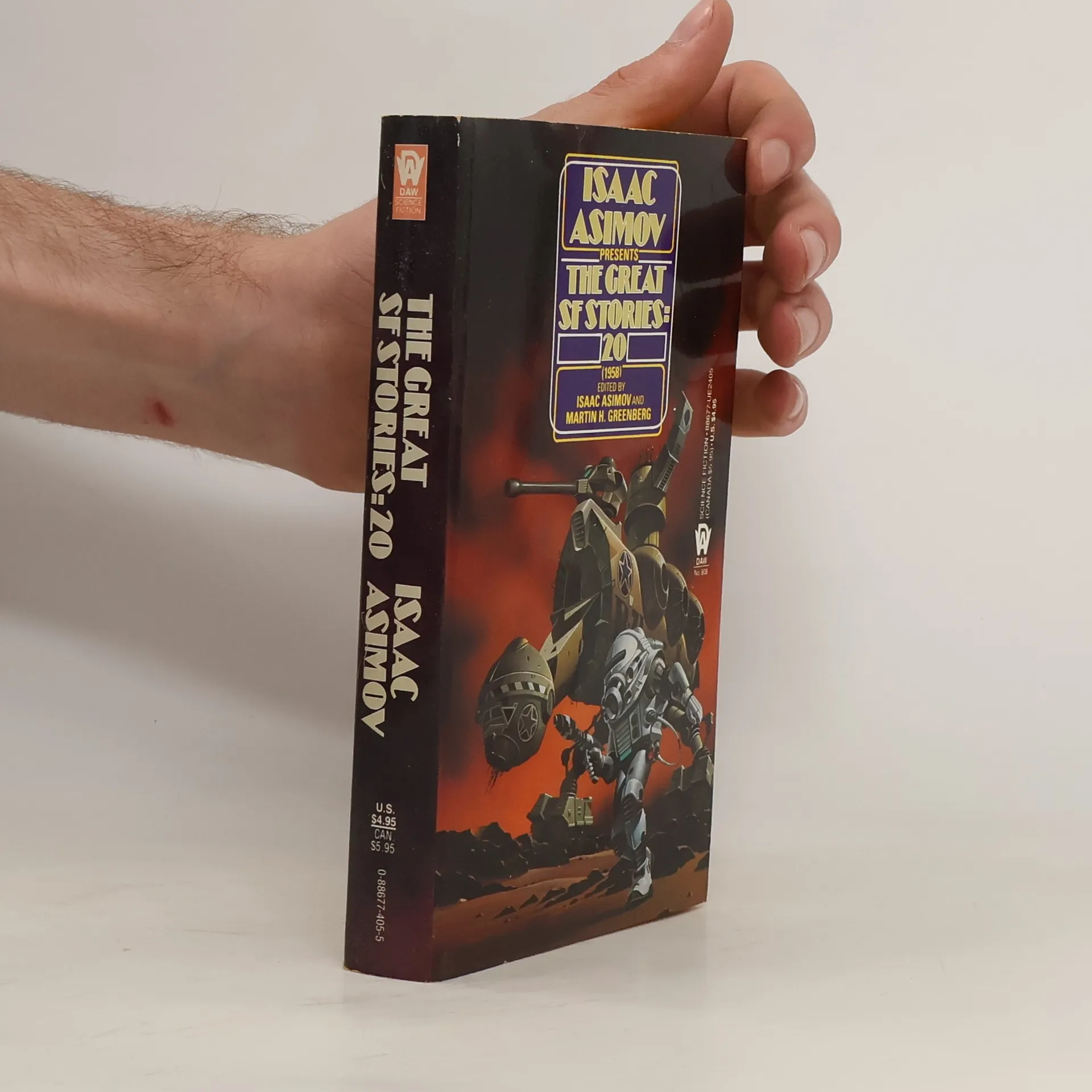
  • Isaac Asimov Presents the Great SF Stories #20

    • 351 páginas
    • 13 horas de lectura

    An anthology of science fiction tales from 1958 features works by Robert Silverberg, Poul Anderson, Brian Aldiss, C.M. Kornbluth, and Clifford Simak, among others

    Isaac Asimov Presents the Great SF Stories #20
    4,2
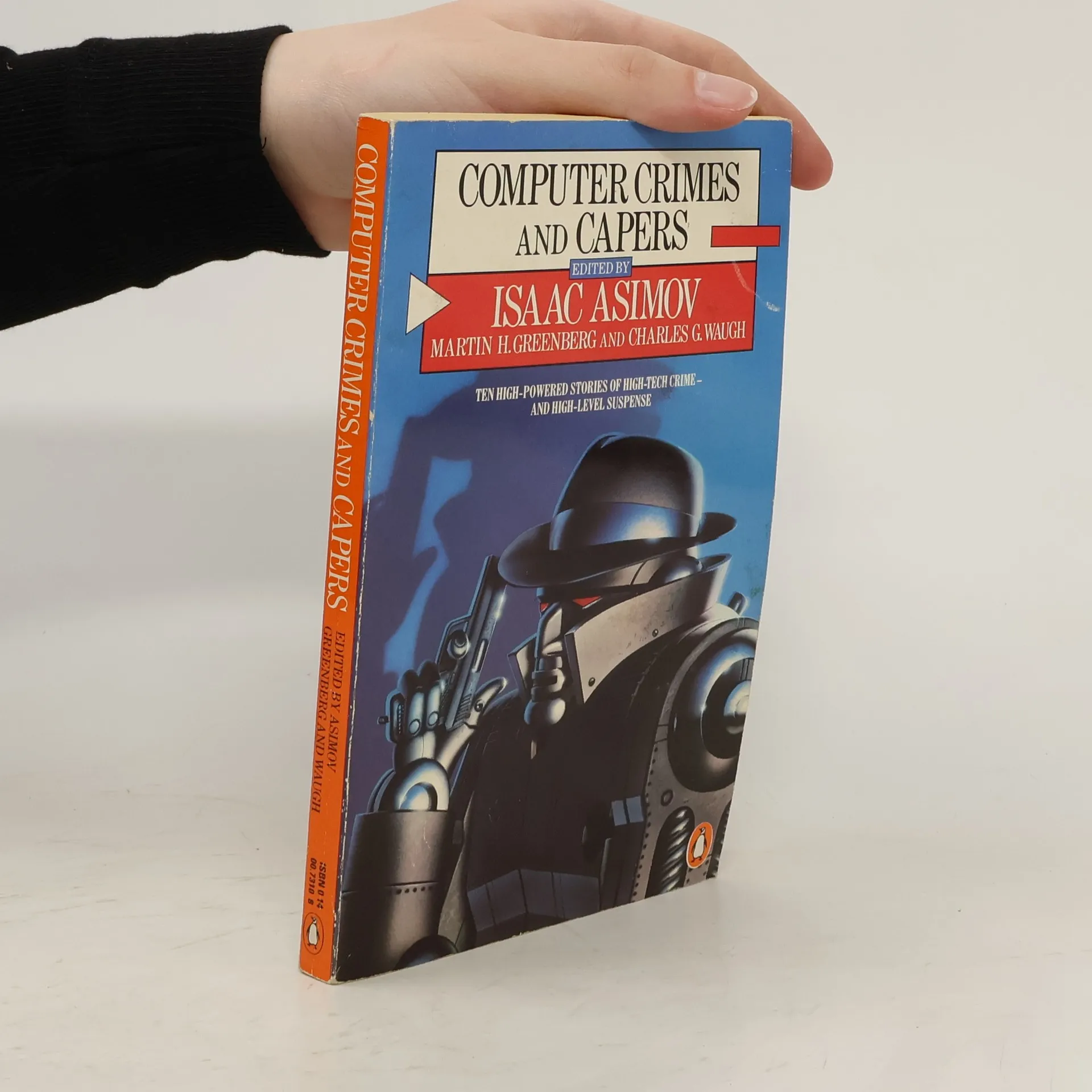
  • In these stories computers appear as both the abused and as abusers. Among the writers represented are Robert Silverberg, Joe Cores, Edward Wellen, Edward Hoch, Gordon R. Dickson, Stan Dryer, J.T. Mcintosh and Isaac Asimov.

    Computer Crimes and Capers
    3,0
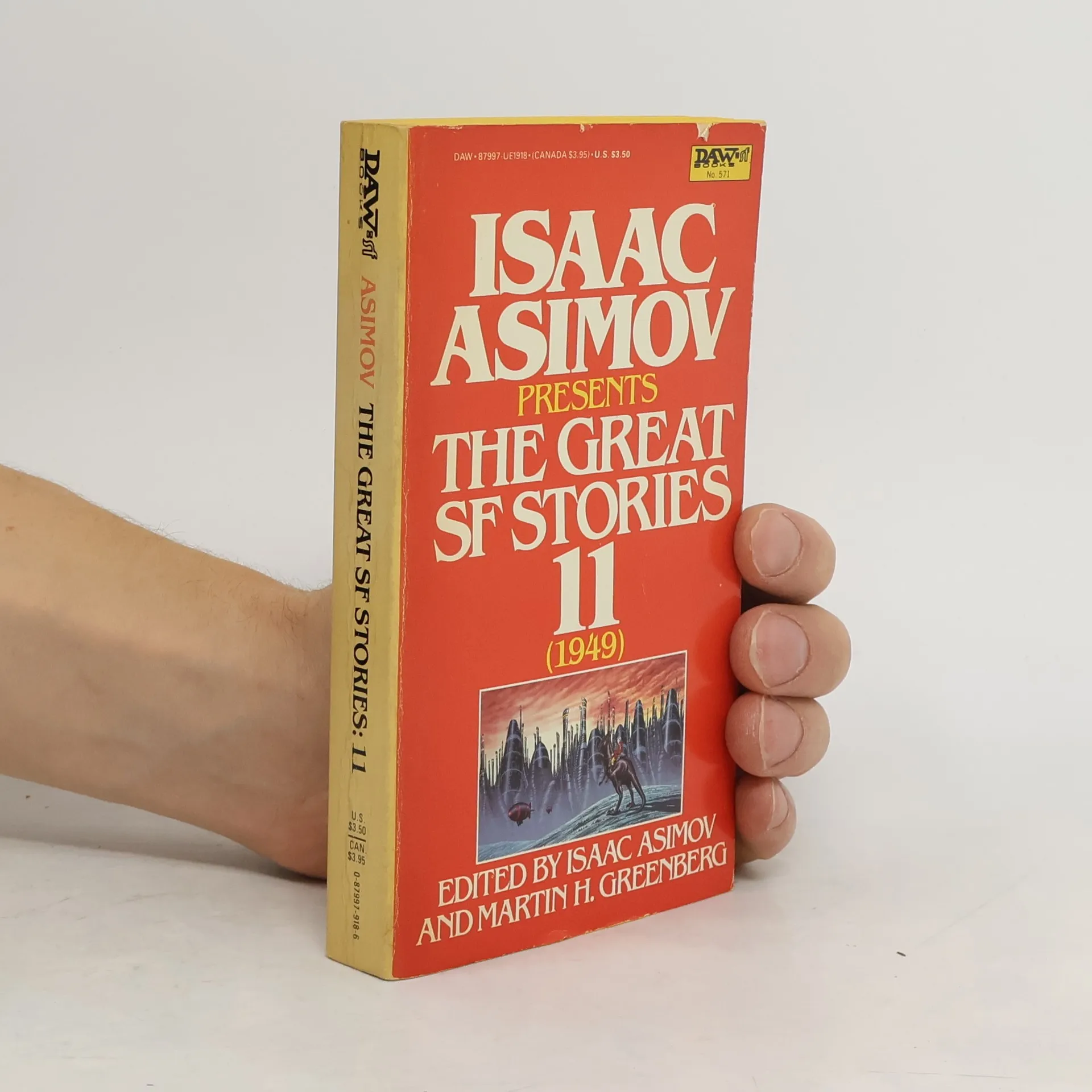
  • This anthology contains:The Witches of Karres by James H. SchmitzFlaw by John D. MacDonaldManna by Peter PhillipsPrivate Eye by Lewis Padgett (Henry Kuttner and C.L. Moore)Cold War by Henry KuttnerAlien Earth by Edmond HamiltonHistory Lesson by Arthur C. ClarkeEternity Lost by Clifford D. SimakPrivate - Keep Out by Philip MacDonaldThe Hurkle is a Happy Beast by Theodore SturgeonKaleidoscope by Ray BradburyDefense Mechanism by Katherine MacLeanand The Red Queen's Race by Isaac Asimov.

    Isaac Asimov Presents the Great Science Fiction Stories, 1949
    4,2
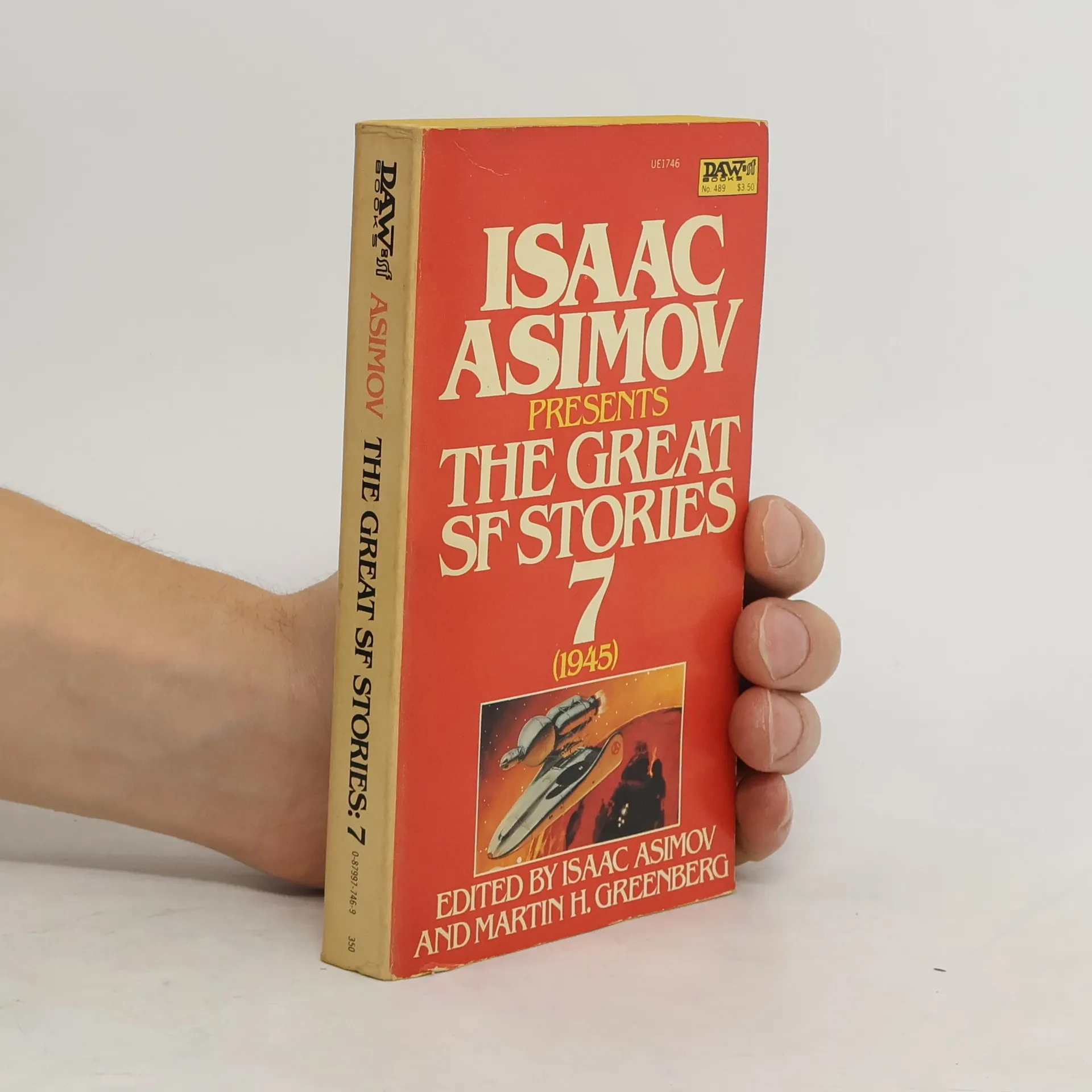
  • 1945-a momentous year: January 9, U.S. forces invade the Philippines; February 13, Dresden firebombed; Iwo Jima falls March 16; F.D.R. dead on April 12; Hitler, April 30. And on August 6, the Enola Gay dropped an atomic bomb on Hiroshima, altering the fate of humanity. And most certainly altering the face of science fiction. Stories of dramatic mutations, "outsiders," aliens, superhumans, were in high gear and the tremendous transition of the times was reflected in powerful stories by Fritz Leiber, Leigh Brackett, Fredric Brown, Lester del Rey, Henry Kuttner, A. Bertram Chandler, Isaac Asimov and more. The world was expanding at a rapid rate, but no more quickly than the world of science fiction!

    Isaac Asimov Presents the Great Science Fiction Stories 7
    4,1
  • Forward the Foundation

    • 419 páginas
    • 15 horas de lectura

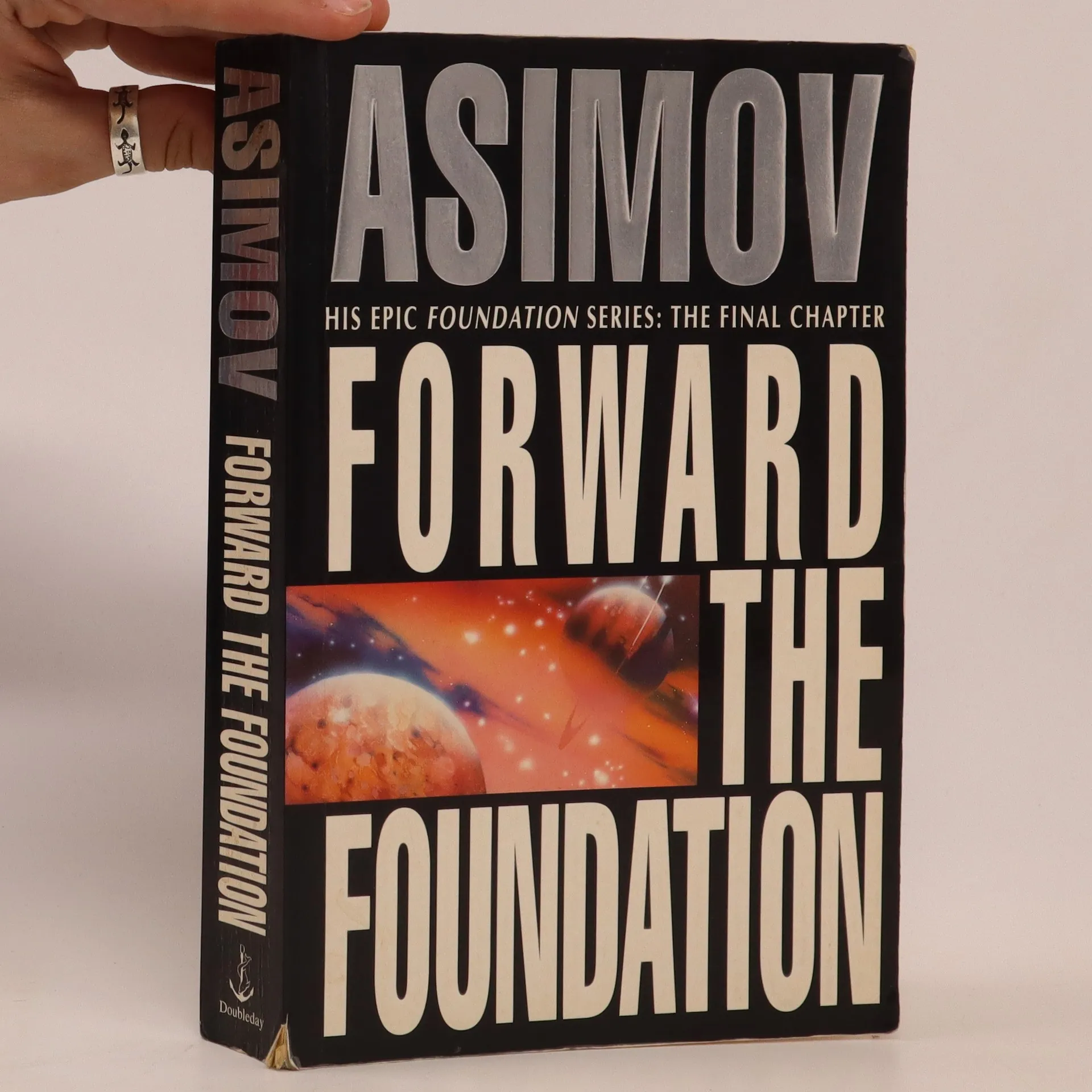
    For use in schools and libraries only. In the final novel of the "Foundation" series, Hari Seldon struggles to perfect his revolutionary theory of psychohistory while the great Galactic Empire totters on the brink of apocalyptic collapse.

    Forward the Foundation
    4,2
  • The Martian Way

    And Other Stories

    • 400 páginas
    • 14 horas de lectura

    This collection features 23 science fiction stories that explore the intersection of technology and human dilemmas, showcasing Asimov's profound insights. From the emotional depth of "The Ugly Little Boy" to the grand scale of "Nightfall," the narratives reveal surprising twists and thought-provoking themes. Published shortly after the author's death, this volume highlights Asimov's unique ability to blend imaginative concepts with relatable human experiences.

    The Martian Way
    4,1
  • One Hundred

    Stories of Science Fiction, Fantasy, and Horror

    • 872 páginas
    • 31 horas de lectura

    Featuring an extensive anthology of one hundred stories, this collection showcases over three hundred thousand words from renowned authors in science fiction, fantasy, and horror. Readers can immerse themselves in a diverse range of narratives, offering hours of captivating entertainment and a glimpse into the imaginative realms crafted by some of the genre's greatest writers.

    One Hundred
    3,5
  • Featuring Asimov's personal choices, this collection offers a variety of science fiction stories that cover the period from 1949 to the present, each accompanied by a brief introduction

    The Best Science Fiction of Isaac Asimov
    4,1
  • While many of us understand complex theories of criticism or finance, we cannot explain why the lights go on when we flick a switch or how a radio works. In this reader-friendly, unabridged edition of three of his best-selling books, renowned science writer Isaac Asimov demystifies physics, teaching the fundamentals in a manner easily understood by lay people. Including the complete text of Motion, Sound and Heat, Light, Magnetism and Electricity, and The Electron, Proton and Neutron, this volume will guide you through the evolution of physics from its early Greek beginnings up to the modern theories of the creation of time, space and matter. Each volume relates the tale of the human quest through the ages for answers to the fundamental questions of how the universe works. Told in its historical context, this quest for knowledge is a story of high drama and uncommon valor, when men put their very lives on the line for the sake of scientific truth.3 Volumes in One: Motion, Sound & Heat; Light, Magnetism & Electricity; The Electron, Proton & Neutron. 1993 Barnes & Noble reprint of three Isaac Asimov classics. Originally published in 1966.

    Understanding physics, 3 volumes in one (3 díly v jednom svazku)
    4,2
  • The Oceans of Venus

    • 142 páginas
    • 5 horas de lectura

    From the distance it seemed an emerald green, fairyland bubble! Aphrodite, the largest city of Venus, deep under the planet's sea. There Earthmen had established an incredible civilization, but now it was threatened by some awesome force which preyed on men's minds.

    The Oceans of Venus
    4,1
  • 9 · Introduction · Martin H. Greenberg · in 15 · Mariana · Fritz Leiber · ss Fantastic Feb ’60 23 · The Day the Icicle Works Closed · Frederik Pohl · nv Galaxy Feb ’60 70 · The Fellow Who Married the Maxill Girl · Ward Moore · nv F&SF Feb ’60 108 · Mine Own Ways · Richard M. McKenna · ss F&SF Feb ’60 132 · Make Mine Homogenized · Rick Raphael · nv Astounding Apr ’60 196 · The Lady Who Sailed the Soul · Cordwainer Smith · nv Galaxy Apr ’60 231 · I Remember Babylon · Arthur C. Clarke · ss Playboy May ’60 247 · Chief · Henry Slesar · vi Playboy Jun ’60; After, gp 250 · Mind Partner · Christopher Anvil · nv Galaxy Aug ’60 297 · The Handler · Damon Knight · ss Rogue Aug ’60 304 · The Voices of Time · J. G. Ballard · nv New Worlds Oct ’60

    The Great SF Stories
    4,2
  • Nine stories: Profession; The Feeling of Power; The Dying Night; I'm in Marsport without Hilda; The Gentle Vultures; All the Troubles of the World; Spell my Name with an S; The Last Question (one of Asimov's most often requested stories); and The Ugly Little Boy (Asimov's own personal favorite).

    Nine Tomorrows
    4,1
  • A medley of tales focusing on humankind's ancestor, the Neanderthal, features works by Poul Anderson, Philip Jose Farmer, Isaac Asimov, L. Sprague de Camp, and Bertram Chandler

    Neanderthals
    4,1
  • Foundation Trilogy - 3: Second Foundation

    Book Three of the Foundation Trilogy, Awarded the Hugo as Best Series Ever!

    • 258 páginas
    • 10 horas de lectura

    So far the Foundation was safe. But there was a hidden Second Foundation to protect the first. The Mule has yet to find it, but he was getting closer all the time. The men of the Foundation sought it, too, to escape from Mule's mind control. Only Arkady, a 14 year-old girl seemed to have the answer, or did she...?

    Foundation Trilogy - 3: Second Foundation
    4,1
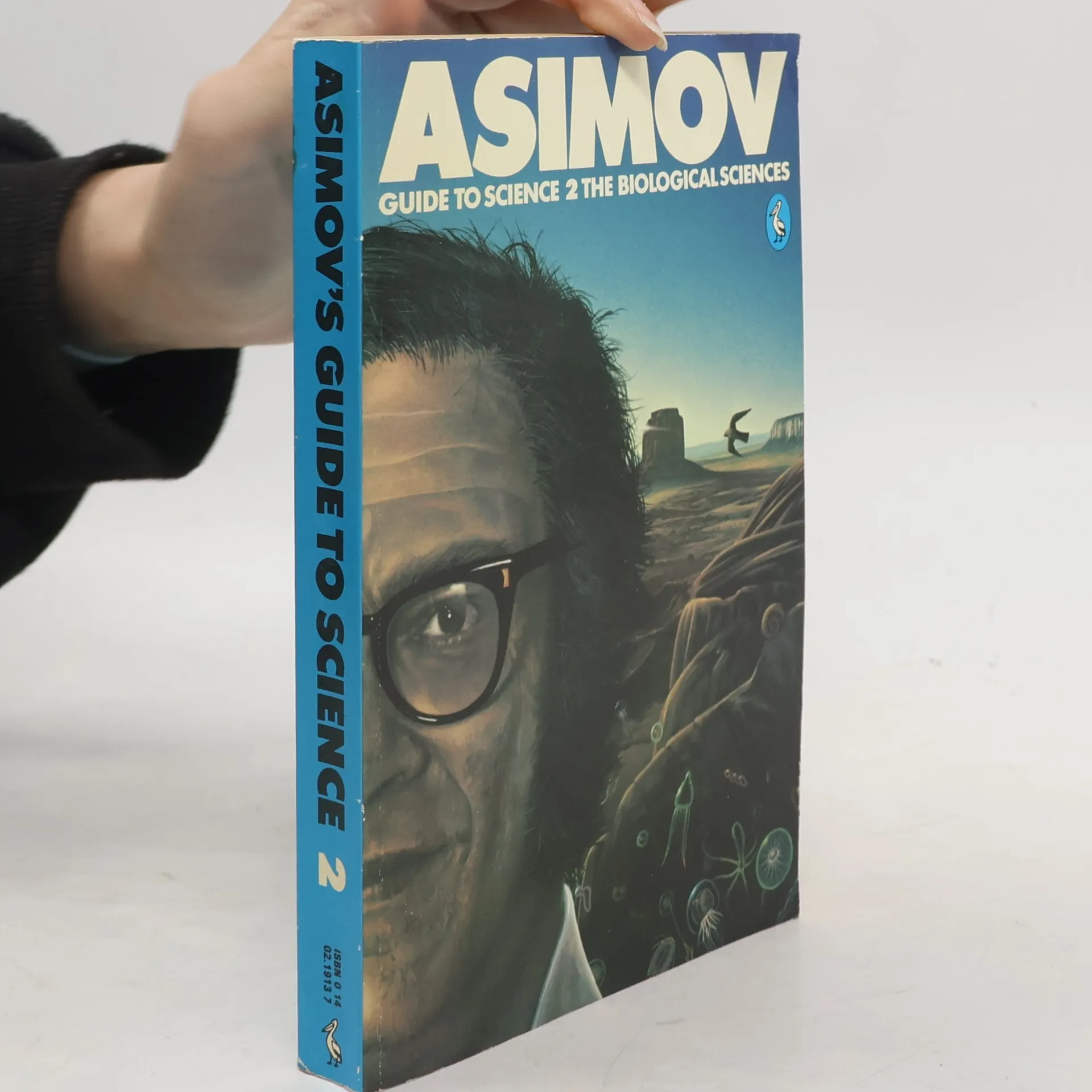
  • A thrilling nonfiction tour of the cosmos that brings the universe down to Earth, from one of the all-time masters of science fiction. No one makes sense out of science like Isaac Asimov. Are you puzzled by pulsars? Baffled by black holes? Bewildered by the big bang? If so, here are succinct, crystal-clear answers to more than one hundred of the most significant questions about the essential nature of the universe—questions that have fired the imagination since the beginning of history. Over the course of this fantastic voyage, the origins, the discoveries, and the stunning achievements of astronomy will unfold before your eyes. You will experience close encounters with giant planets, exploding stars, distant galaxies, and more. For anyone who has ever asked the ultimate questions, who has ever looked up at the sky and asked What in heaven is going on? , Isaac Asimov’s unique vision, skill, and authority will bring the big picture into focus. “A fine introduction to modern astronomical theory.”— Library Journal

    Isaac Asimov's Guide to Earth and Space
    4,1
  • Nightfall One

    • 368 páginas
    • 13 horas de lectura

    Nightfall One is the first half of a collection of Isaac Asimov's science fiction, short stories. Each story has been selected by the author himself, and each has an introduction specifically written for this collection by Dr. Asimov. Together the two volumes showcase Isaac Asimov's story-telling talent.Nightfall --Green patches --Hostess --Breeds there a man --C-chase

    Nightfall One
    4,1
  • Through Isaac Asimov's world-renowned fame, one might forget that he was once an unknown beginner. The three volumes of "Early Works" showcase a less experienced, yet more inspired young Asimov. They contain stories from 1939 to 1948 that have not been previously collected. Each volume stands as a complete entity. Asimov comments on the stories with brief notes on their origins, the criticism he faced, and the modest payments he received. For enthusiasts, these are excellent stories; for fans and connoisseurs, they represent a piece of history from the Golden Age of science fiction.

    The Early Asimov Vol. 3
    3,9
  • The rest of the robots

    • 224 páginas
    • 8 horas de lectura

    The Rest of the Robots is the third timeless volume of Isaac Asimov's robot stories, offering golden insights into robot thought processes.

    The rest of the robots
    4,1
  • The Bicentennial Man

    • 211 páginas
    • 8 horas de lectura

    A classic collection of stories by the world's greatest SF writer schovat popis

    The Bicentennial Man
    4,1
  • Robot Dreams collects 21 of Isaac Asimov's short stories spanning the body of his fiction from the 1940s to the 1980s, exploring not only the future of technology, but the future of humanity's maturity and growth.

    Robot Dreams
    4,1
  • La guerra de los mundos

    • 190 páginas
    • 7 horas de lectura

    El narrador relata el imparable asalto de los invasores de Marte, que conduce a la aparente caída inevitable de la humanidad en esta obra fundamental de la imaginación literaria y novela pionera del género de ciencia ficción. Publicada por primera vez en 1897, La guerra de los mundos se narra en un estilo claro, casi documental. El entorno representado de manera realista, con ciudades y calles descritas con precisión, otorga un impacto inolvidable al ataque marciano y al posterior colapso del orden en la Inglaterra victoriana. El Imperio Británico despliega sus más poderosas máquinas de guerra sin éxito, mientras el narrador, en fuga, se ve reducido a esconderse en las ruinas de la civilización, acechado por un enemigo inhumano. Adaptada repetidamente al cine y la televisión, el concepto central de la novela sobre la humanidad bajo ataque por extraterrestres ha resonado en la cultura popular y ha inspirado numerosas imitaciones en el género de ciencia ficción. Esta novela sigue conservando un sentido de maravilla sobrenatural y una intensidad desgarradora hasta el día de hoy.

    La guerra de los mundos
    4,1