


Compra 10 libros por 10 € aquí!
Bookbot

Alan D. Wolfelt

    The Anger of Grief: How to Understand, Embrace, and Restoratively Express Explosive Emotions After a Loss
    The Guilt of Grief: How to Understand, Embrace, and Restoratively Express Guilt and Regret After a Loss
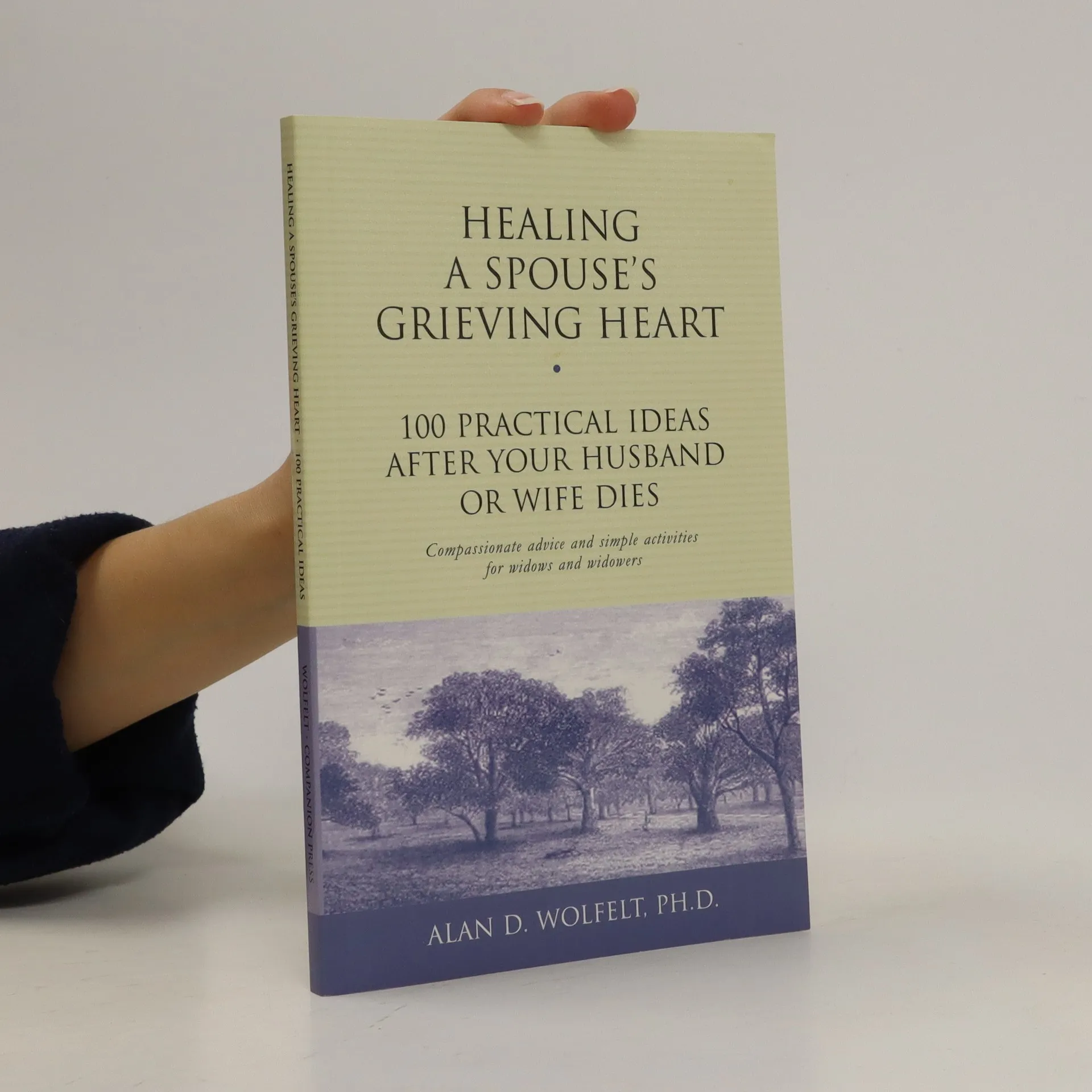
    Healing a Spouse's Grieving Heart
    The Understanding Your Grief Journal: Exploring the Ten Essential Touchstones
    Understanding Your Grief: Ten Essential Touchstones for Finding Hope and Healing Your Heart
    Reframing PTSD as Traumatic Grief: How Caregivers Can Companion Traumatized Grievers Through Catch-Up Mourning
    • An estimated eight percent of Americans are thought to be suffering from posttraumatic stress disorder at any given time. Many are victims of or witnesses to violence. Others have been neglected of abused. Some have experienced a traumatic accident or natural disaster. Still others have experienced the sudden and perhaps violent death of someone they love. No matter the cause, PTSD results in symptoms of acute stress, including anxiety, persistent thoughts or flashbacks, and a host of other physical, emotional, cognitive, social, and spiritual challenges. In this guide for counselors and caregivers, Dr. Alan Wolfelt reframes PTSD as a form of grief. Helping PTSD sufferers mourn their unacknowledged and “carried” grief over the traumatic events that caused their symptoms is the key to helping them heal. Rather than seeking to quickly treat away symptoms of PTSD, caregivers who follow Dr. Wolfelt’s “companioning” philosophy will instead see the natural and necessary PTSD symptoms as indications that the sufferer needs additional support and encouragement to express himself. This holistic new approach acknowledges clinical PTSD treatments as part of the solution while emphasizing that authentic mourning is the primary and most essential healer.

      Reframing PTSD as Traumatic Grief: How Caregivers Can Companion Traumatized Grievers Through Catch-Up Mourning
    • Exploring the complexities of grief, this book encourages readers to embrace their painful emotions as a manifestation of love for those lost. It challenges conventional notions of closure, addressing various aspects of mourning, including complicated and traumatic grief, grief overload, and feelings of loneliness. The second edition expands on the original content, introducing insights on the significance of rituals and other contemporary grief topics, fostering a deeper understanding of the grieving process.

      Understanding Your Grief: Ten Essential Touchstones for Finding Hope and Healing Your Heart
    • This companion workbook to the second edition of Dr. Wolfelt's bestseller Understanding Your Grief helps you explore the many facets of your grief through guided journaling. After you read a section in Understanding Your Grief, the journal asks you questions about what you've just read. It invites you to consider, clarify, and jot down your thoughts and feelings. A good grief journal is a safe place of solace--somewhere you can express yourself no matter what you are experiencing. If you're grieving a death or a significant loss of any kind, this journal and its companion text will help you understand and embrace your grief, actively mourn, and move toward healing. You'll find that the journal can also be used to help honor the person who died and/or work through any lingering relationship issues. As you express your emotions in this journal, you will feel them beginning to soften as well as become more integrated into your ongoing life. Write as much as or as little as you'd like. Even just a little engagement with this journal will help you befriend your grief and give you healing momentum.

      The Understanding Your Grief Journal: Exploring the Ten Essential Touchstones
    • Healing a Spouse's Grieving Heart

      • 128 páginas
      • 5 horas de lectura

      "Helping widows and widowers learn how to cope with the grief of losing their helpmate, their lover, and perhaps their financial provider, this guide shows them how to find continued meaning in life when doing so seems difficult. Bereaved spouses will find advice on when and how to dispose of their mate's belongings, dealing with their children, and redefining their role with friends and family. Suggestions are provided for elderly mourners, young widows and widowers, unmarried lovers, and same-sex partners. The information and comfort offered apply to individuals whose spouse died recently or long ago."

      Healing a Spouse's Grieving Heart
    • We don't only experience grief after a loss--we often experience it before. If someone we love is seriously ill, or if we're concerned about upcoming hardships of any kind, we naturally begin to grieve right now. This process of anticipatory grief is normal, but it can also be confusing and painful. Life is change, and change is hard. This book will help see you through.

      The Guilt of Grief: How to Understand, Embrace, and Restoratively Express Guilt and Regret After a Loss
    • Anger in grief is natural. It's normal to feel anger and other explosive emotions such as hate, blame, terror, resentment, rage, and jealousy after the death of someone you love or another significant life loss. Yet it's challenging to experience these feelings day after day. And it can be hard knowing what to do about them. Allowing them to seethe and build up inside you is not the answer. Neither is lashing out at people who care about you. This book will show you how to understand and express your anger and other explosive emotions in restorative ways. Learning to be with your anger and soothe it will not only help you on your healing journey in grief, it will also give you tools for living the remainder of your days with less suffering and more joy. If you are angry, let us begin.

      The Anger of Grief: How to Understand, Embrace, and Restoratively Express Explosive Emotions After a Loss
    • An in-depth guide to the counseling process and establishing a trusting relationship with clients--from a bestselling author and grieving expert. Helping people in grief means being an empathetic companion--someone who allows grievers to be experts of their own experiences, who bears witness without judging, who gently encourages the expression of thoughts and feelings. But even if you approach the work with this understanding, how you "are" when you spend time with the griever also has a tremendous influence on your capacity to help. How do you develop a relationship with the griever? How do you show empathy, respect, warmth, and genuineness? Could you improve your listening, paraphrasing, clarifying, perception checking, informing, and other essential helping skills? Whether you are a professional counselor or a lay helper, whether you have years of experience or are new to the work, this guide, based on by Dr. Wolfelt's companioning philosophy, will help you be the most effective grief companion you can be.

      Counseling Skills for Companioning the Mourner: The Fundamentals of Effective Grief Counseling
    • When it comes to healing after the death of someone loved, our culture has it all wrong. We're told to be strong when what we really need is to be vulnerable. We're told to think positive when what we really need is to wallow in the pain. And we're told to seek closure when what we really need is to welcome our natural and necessary grief. Dr. Wolfelt's new book seeks to dispel these misconceptions that we hold on to so tightly and help people everywhere mourn well so they can live fuller lives. The Paradoxes of Mourning discusses three truths that grieving people used to know and respect but in the last century, seem to have forgotten: 1. You must make friends with the darkness before you can enter the light. 2. You must go backward before you can go forward. 3. You must say hello before you can say goodbye. In the tradition of the Four Agreements and the Seven Habits, this compassionate and inspiring guidebook by North America's most beloved grief counselor gives you the three keys that unlock the door to hope and healing.

      The Paradoxes of Mourning: Healing Your Grief with Three Forgotten Truths
    • After the death of someone close to you, you enter a time of deep grief. And if you use this time to actively, intentionally engage with your grief, you find helpful ways to express it. You do the work of mourning. You share it outside yourself--in doses and over time--so that you begin to integrate your loss into your ongoing life. In other words, you mourn well so that you can heal well--and live and love well again. Eventually you understand that while your grief is never "over," it is reconciled. It is an integrated part of your life story. Your love is not "over," either, of course. You feel it in the present just as much as you did in the past. So after your time of deep grief has passed, how do you continue to love and honor the special person who died even as you fully live your own remaining precious days here on earth? In response to this common challenge, this book by one of the world's most beloved grief counselors proposes a way of being Dr. Wolfelt calls "cherishing." To cherish means to protect and care for lovingly, and to hold dear. The mindset, suggestions, and practices in this resource will help you build cherishing into your daily routines.

      Cherishing: The Art of Fully Living While Still Loving and Honoring Those Who've Died