Clásicos Contemporáneos: Los desnudos y los muertos
- 670 páginas
- 24 horas de lectura


Norman Mailer fue un novelista, periodista y ensayista estadounidense, reconocido como pionero de la no ficción creativa y del movimiento del Nuevo Periodismo. Su escritura a menudo profundizaba en las crudas realidades de la vida estadounidense, explorando temas de violencia, poder y la psique masculina. El estilo distintivo de Mailer se caracteriza por su inmediatez visceral, personajes cautivadores y agudo comentario social y político. Navegó magistralmente los límites entre la ficción y los hechos, expandiendo las convenciones de la expresión literaria.






Esta brillante novela, tenebrosa y de fuerza sorprendente, narra la historia de Tim Madden, escritor fracasado adicto al bourbon, los cigarrillos y las rubias casquivanas y adineradas en el escenario de arbustos y dunas de Provincetown, cargado de la crudeza y melancolía de la población fuera de temporada. Cuando se cumplen 24 días del abandono de su esposa, Tim Madden amanece con resaca, una acentuada excitación sexual y un nombre del pasado tatuado en rojo en el brazo. Apenas recuerda nada de la noche anterior. De pronto descubre que el asiento del acompañante de su Porsche está empapado de sangre y que, en un bosquecillo cercano, en un rincón semioculto de su escondrijo de marihuana, hay una cabeza rubia cercenada por el cuello.¿Será Madden un asesino? La narración se centra en la violencia física, sexual y emocional mientras asistimos a los esfuerzos de Madden por reconstruir aquella espantosa noche.
Essays and Interviews with and by Norman Mailer covering the decade 1970-1980
Since 1976 Joel Meyerowitz has been photographing the view from his house on Cape Cod Bay in Provincetown. This is the culmination of these years of photographic exploration and observation, featuring 40 colour images of this juncture of sea and sky, taken during all hours of the day, from first light to dusk and beyond. Five of the photos appeared in Meyerowitz's book "Cape Light", and over the years the bay/sky photography has developed into a recurring and central motif of his work.
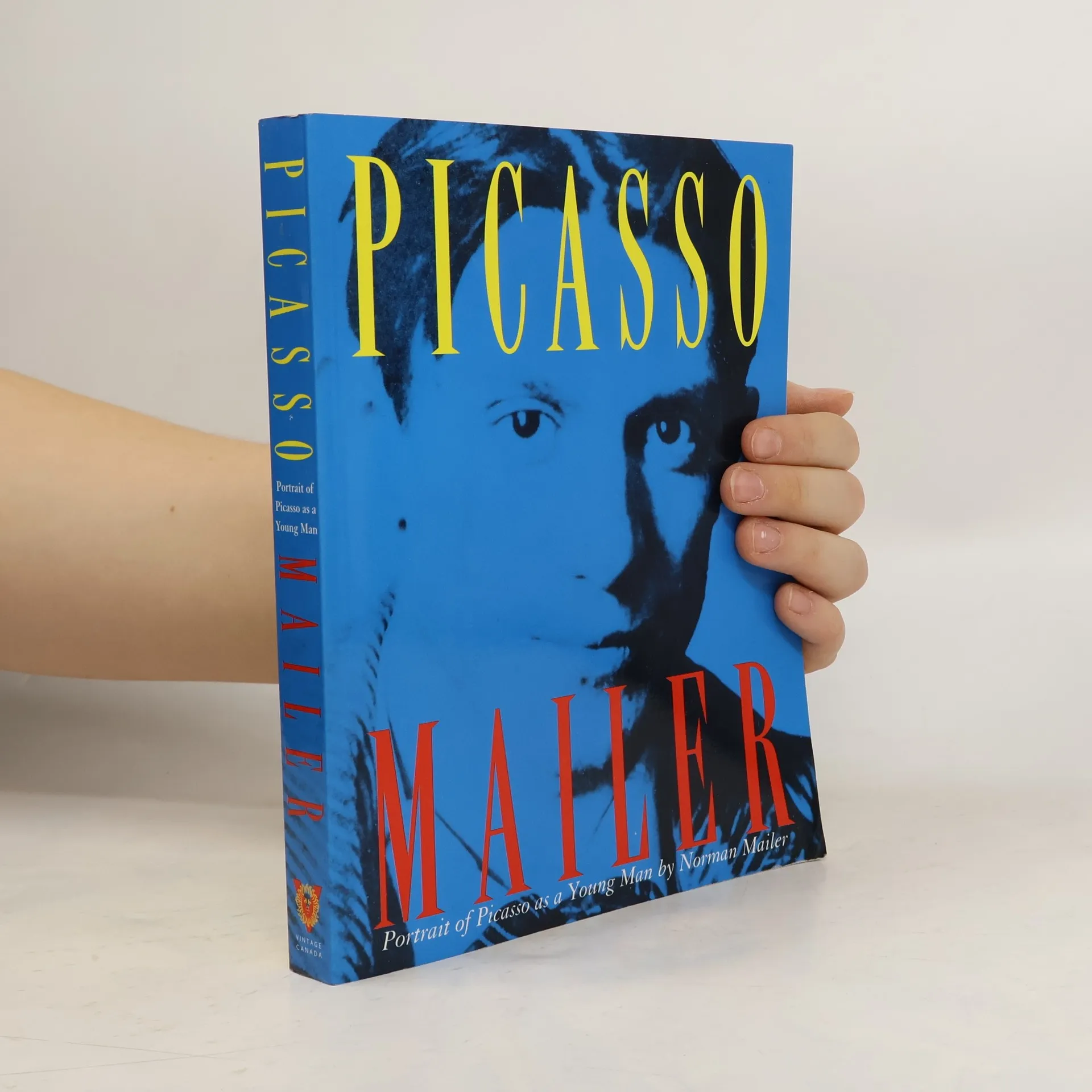
By general consensus, Pablo Picasso is the most brilliant and influential artist of this century, yet he has eluded critics and remains a complex figure. His macho demeanor and diverse styles create a barrier for those seeking to understand him. In this biography, Norman Mailer, another legendary artist, attempts to delve into Picasso's enigmatic mind and capture the essence of his life and art. Mailer critiques existing interpretations and brings readers closer to the young Picasso, focusing on his first great love, Fernande Olivier, with whom he lived for seven years. This relationship coincided with Picasso's most revolutionary works, from the innovations of Les Demoiselles d'Avignon to the mysteries of Cubism. Mailer emphasizes the importance of understanding Picasso through his connection to Fernande, who is given a voice through excerpts from her previously unpublished memoirs. Additionally, the narrative highlights Picasso's friendships with Apollinaire and Gertrude Stein, painting a vivid picture of the bohemian life in early 1900s Paris. Through this exploration, readers gain insight into the personal and artistic influences that shaped one of history's most iconic artists.
The young writer Mike Lovett rents a room in a boarding house in Brooklyn to write a novel. He knows little about his past since he lost his memory due to a severe war injury. His roommates seem to hide their own secrets... Mailer's second novel reflects one of the major themes of the post-war period: the competition of political systems and the development of capitalism and communism. His path to becoming a brilliant chronicler, who engages with America's political crises and cultural myths over decades, is already laid out here.
Gathers essays written during the sixties by such people as Norman Mailer, Marshall McLuhan, Tom Wolfe, Eldridge Cleaver, and others about the changes in art, politics, and the media during that decade
Exploring the aftermath of the 1968 upheaval, this collection showcases the writings of America's most influential literary provocateur, capturing the essence of a turbulent decade. Through powerful prose and thought-provoking insights, the author reflects on societal changes, cultural shifts, and the enduring impact of that era. The book serves as both a historical account and a commentary on the complexities of modern America, revealing how the echoes of the past continue to resonate today.
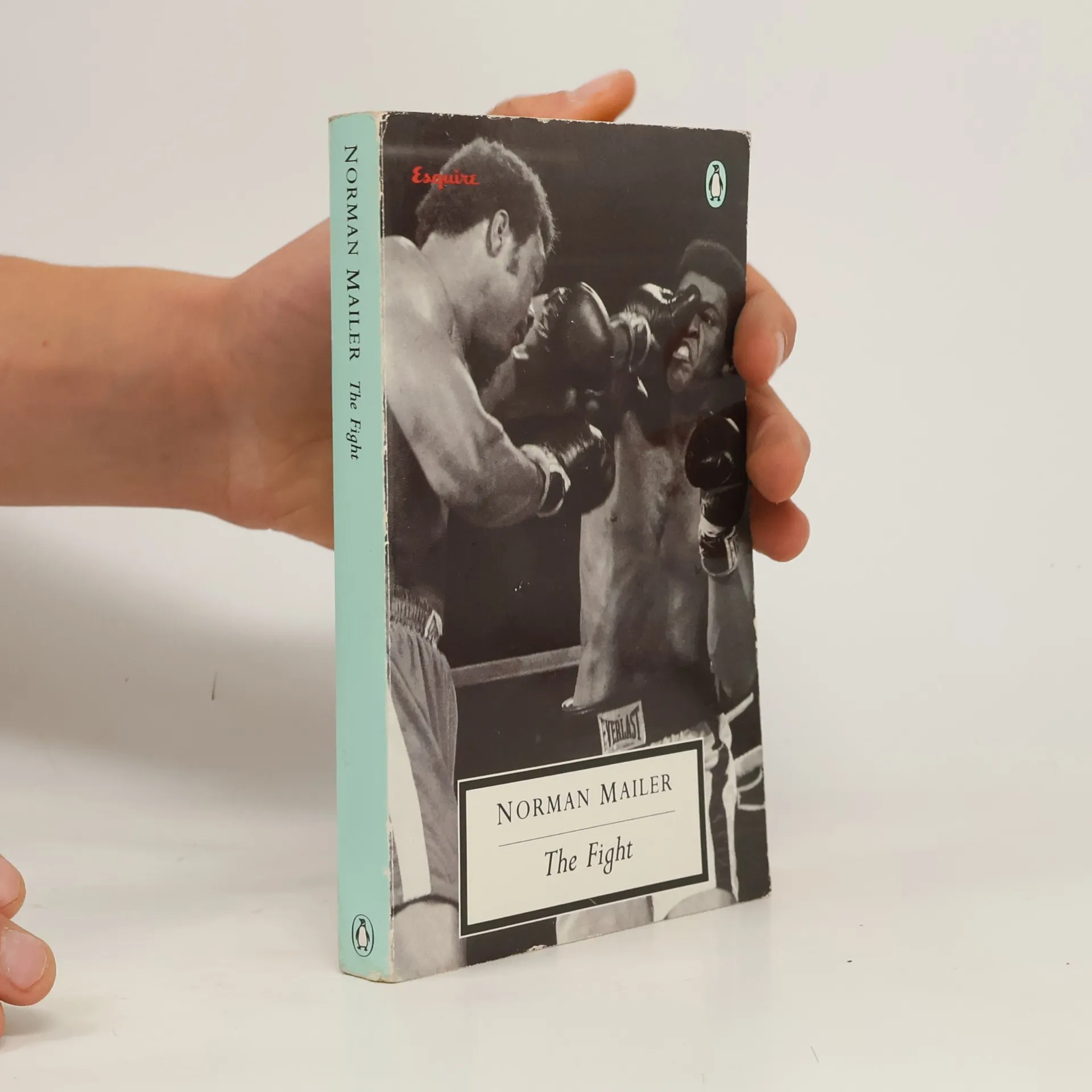
In Kinshasa, Zaire, 1974, Muhammad Ali met George Foreman in the ring. Foreman's famous tactical use of silence, serenity and raw cunning made him the undefeated reigning World Heavyweight Champion. For Ali, the challenger, the contest had to begin in the mind. This legendary fight was to make boxing history with an explosive meeting of indomitable wills, unwavering nerves, and monumental egos.
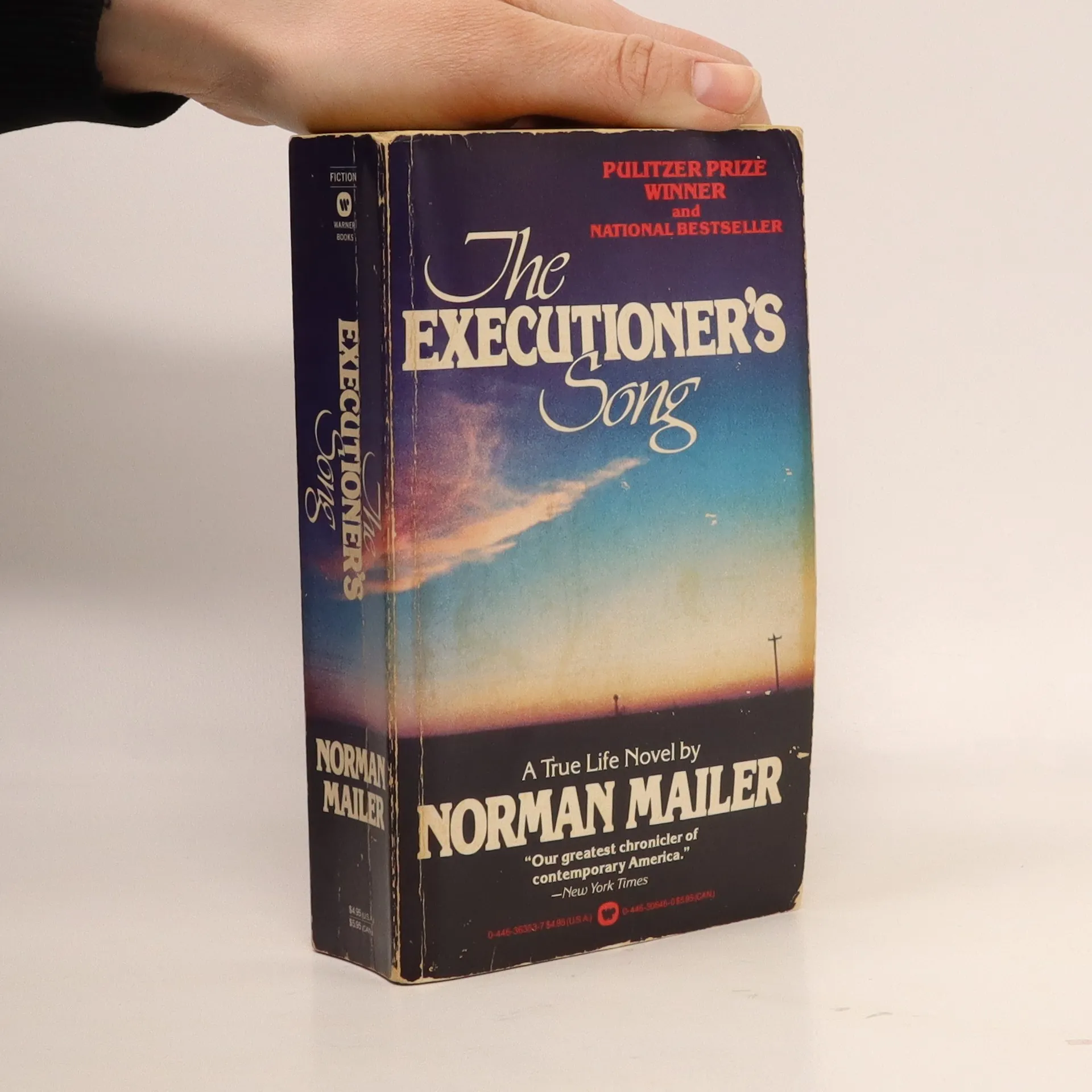
In what is arguably his greatest book, America's most heroically ambitious writer follows the short, blighted career of Gary Gilmore, an intractably violent product of America's prisons who became notorious for two reasons: first, for robbing two men in 1976, then killing them in cold blood; and, second, after being tried and convicted, for insisting on dying for his crime. To do so, he had to fight a system that seemed paradoxically intent on keeping him alive long after it had sentenced him to death.Norman Mailer tells Gilmore's story--and those of the men and women caught up in his procession toward the firing squad--with implacable authority, steely compassion, and a restraint that evokes the parched landscapes and stern theology of Gilmore's Utah. The Executioner's Song is a trip down the wrong side of the tracks to the deepest sources of American loneliness and violence. It is a towering achievement--impossible to put down, impossible to forget.
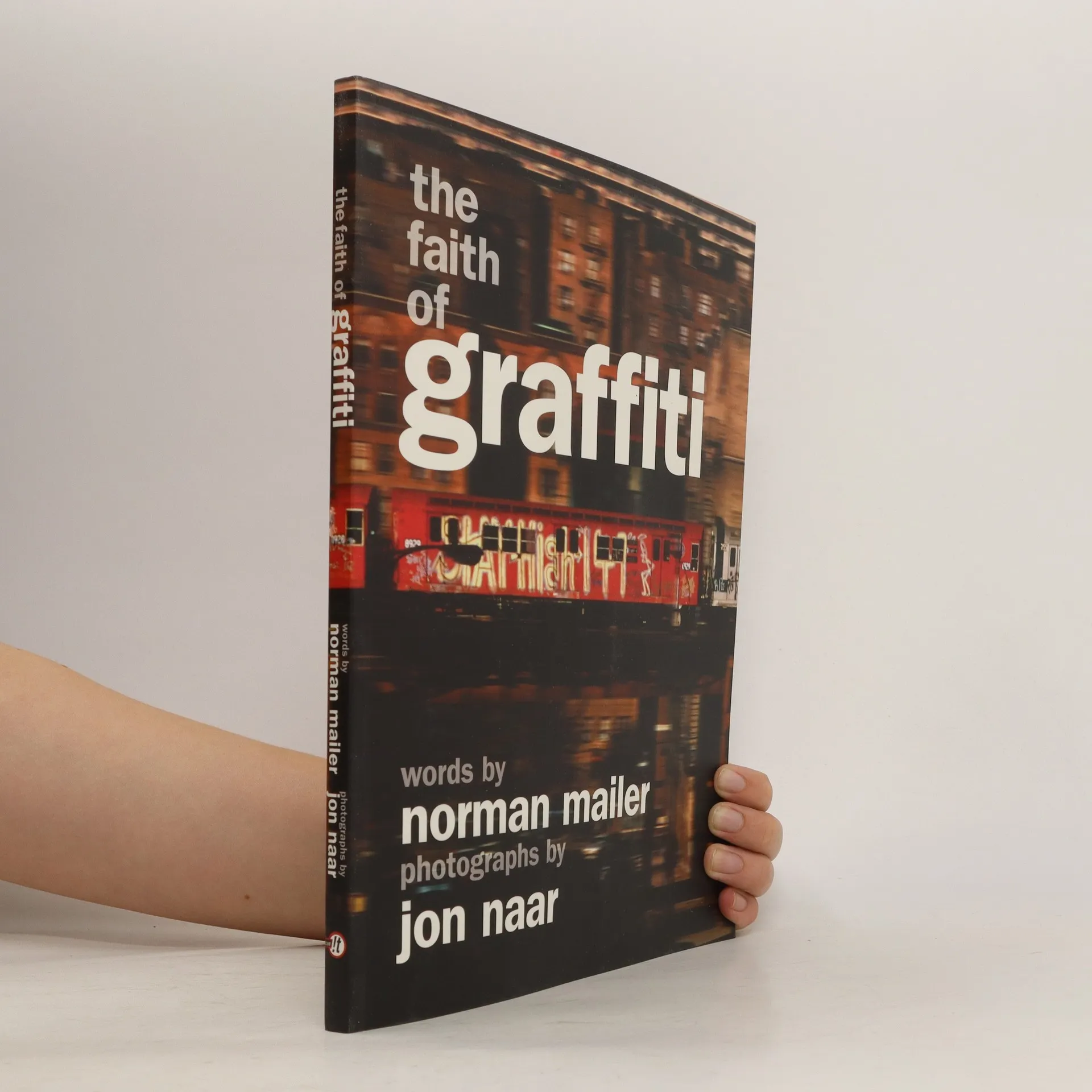
"The Faith is the bible of graffiti. It forever captures the place, the time, and the writings of those of us who made it happen." —Snake I In 1973, author Norman Mailer teamed with photographer Jon Naar to produce The Faith of Graffiti, a fearless exploration of the birth of the street art movement in New York City. The book coupled Mailer's essay on the origins and importance of graffiti in modern urban culture with Naar's radiant, arresting photographs of the young graffiti writers' work. The result was a powerful, impressionistic account of artistic ferment on the streets of a troubled and changing city—and an iconic documentary record of a critical body of work now largely lost to history. This new edition of The Faith of Graffiti, the first in more than three decades, brings this vibrant work—the seminal document on the origins of street art—to contemporary readers. Photographer Jon Naar has enhanced the original with thirty-two pages of additional photographs that are new to this edition, along with an afterword in which he reflects on the project and the meaning it has taken on in the intervening decades. It stands now, as it did then, as a rich survey of a group of outsider artists and the body of work they created—and a provocative defense of a generation that questioned the bounds of authority over aesthetics.
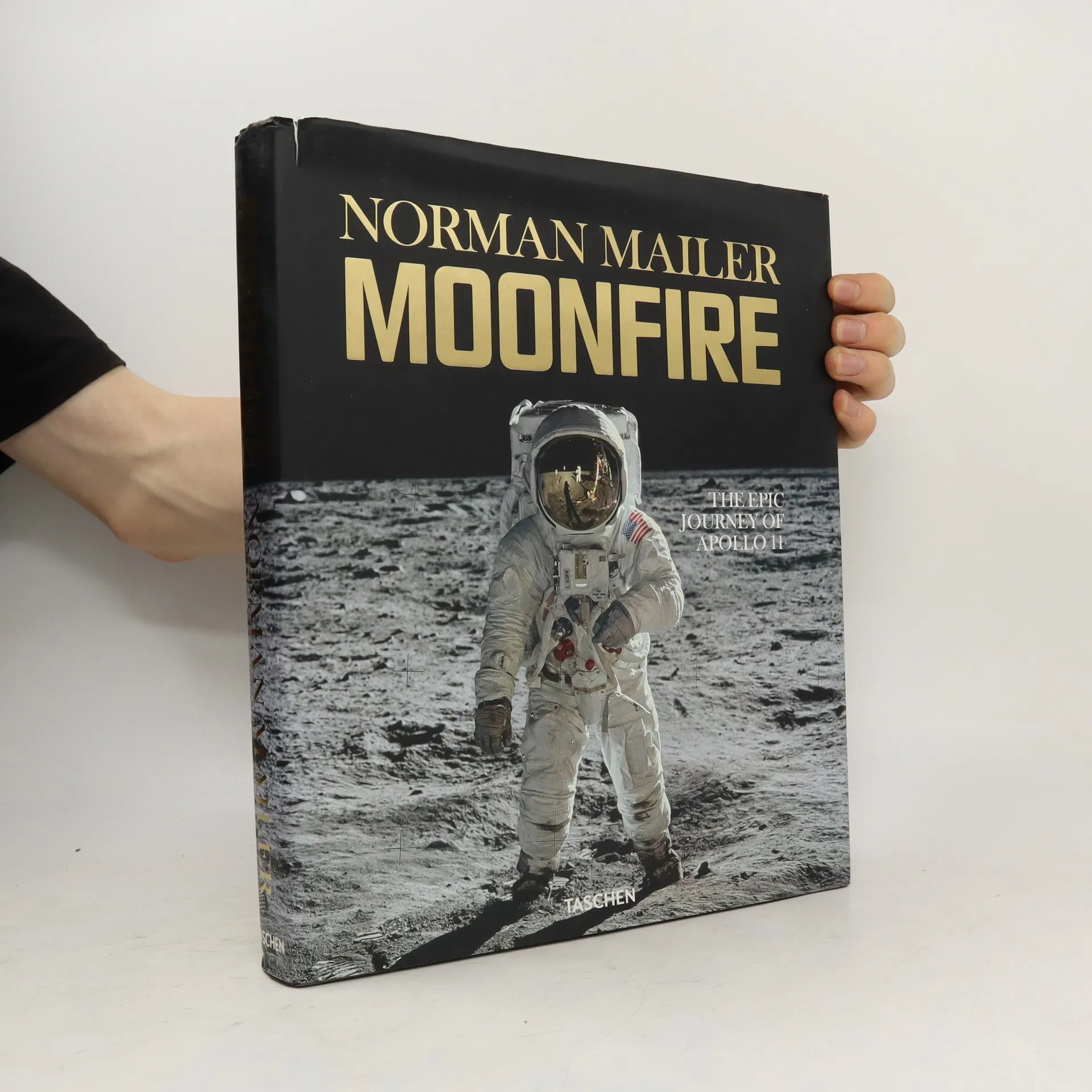
On July 20, 1969, Neil Armstrong, Buzz Aldrin, and Michael Collins met John F. Kennedy's call for a manned Moon landing by the end of the 1960s. And no one captured the men, the mood, and the machinery like Norman Mailer.
Who was Adolf Hitler? It's a question writers have been trying to answer for more than sixty years. But after thousands of biographies, histories, novels, and films, many fundamental questions remain: How do we explain Hitler's hatred? Where did it come from? Could it happen again? Norman Mailer sets out to respond to these and other crucial aspects of Hitler's personality in his compulsively readable new novel. Spanning three generations, and a hundred years of history, the book brings to life the Hitlers - grandparents, parents, aunts, uncles, siblings, and, ultimately, young Adolf - in an energetic and wildly entertaining family saga. Mailer recounts the marriages, incestuous couplings, estrangements, afflictions, and deaths that lead to the birth of young Adolf in 1889. Told in the voice of a mysterious (and unreliable) narrator, this playful yet profound novel blends fact and fiction in a stirring family tale that will cause the reader to re-examine his preconceived ideas about Hitler and the nature of his evil.
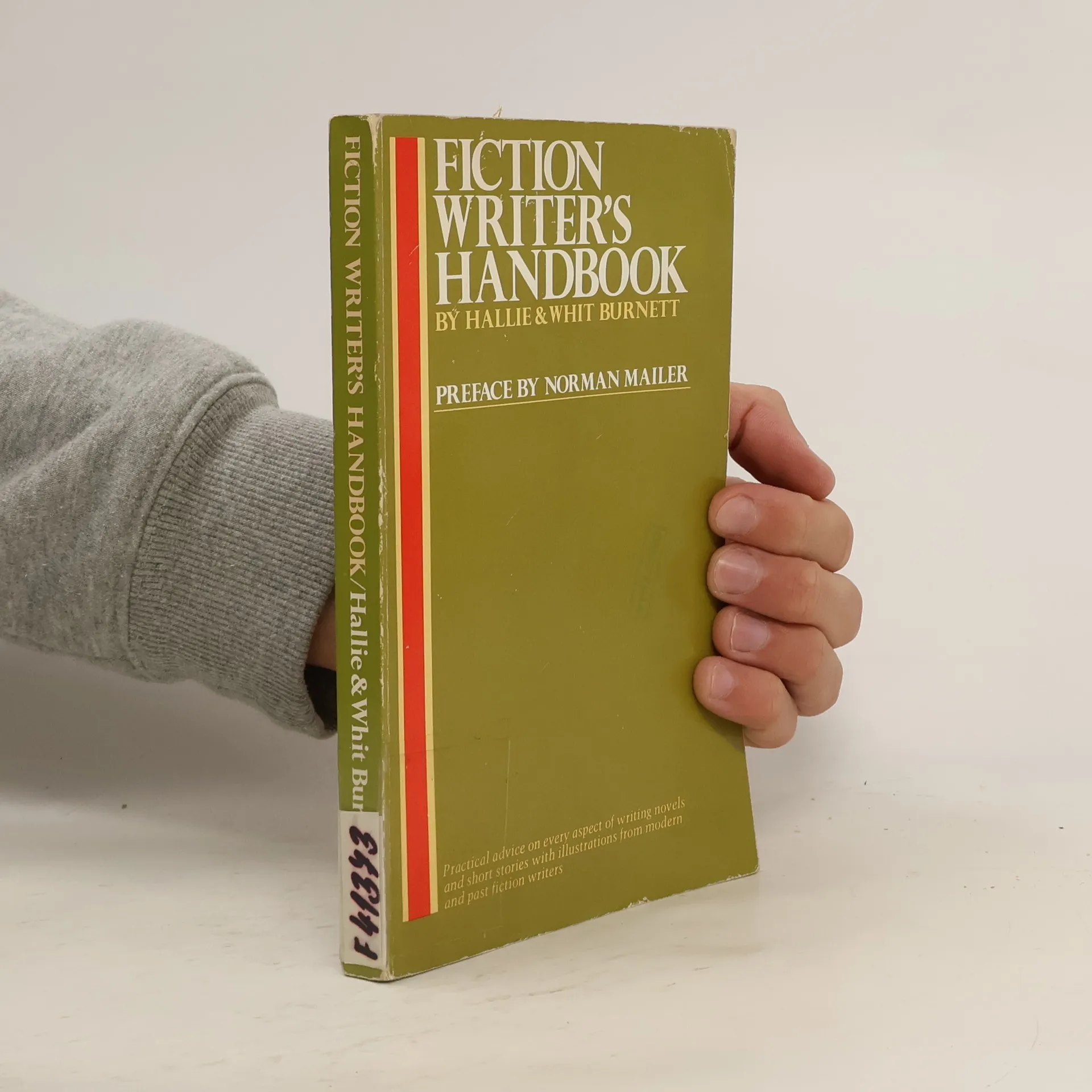
This book offers practical advice on every aspect of writing novels and short stories: plotting and narrative development, characterization and dialogue, sources of material, how to plan an opening, how to rough out chapters of a novel, how to use suspense and emotional color, how to rewrite and highlight, and much more. - Back cover.
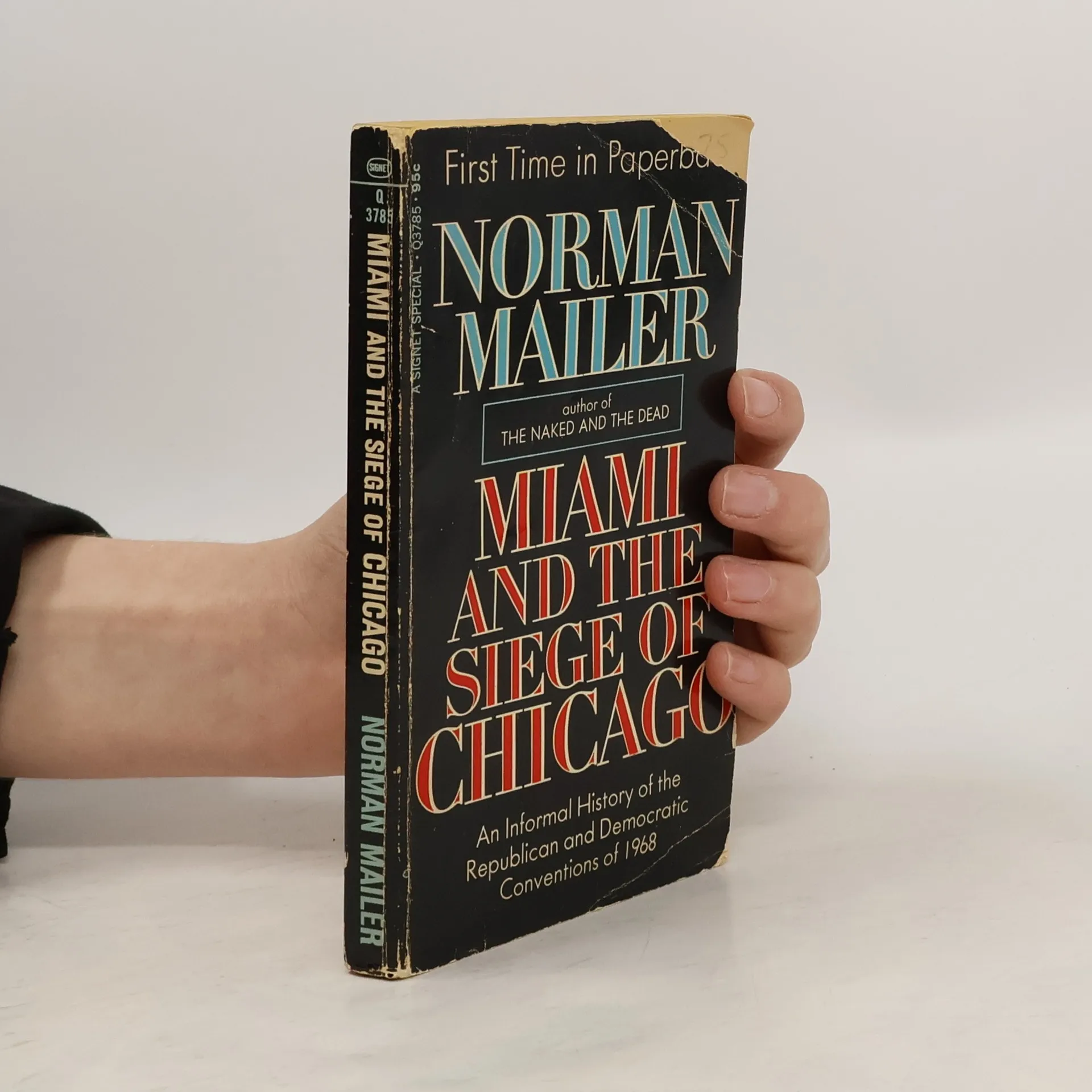
Collected here are Mailer's now famous interpretation of the Goldwater Convention in San Francisco; his devastating analysis of the United States' policy in Vietnam; his views on sexual attitudes in America; the classic interview he gave to the Paris Review; a sheaf of new poems; a new and startling philosophical dialogue; and two brilliant short stories, including "The Last Night," the first work he has ever written in the mode of science fiction. (From the inside cover)
Hugh Tremont Montague - code name HARLOT - is one of the grand old men of the CIA, a man obsessed and nearly - but not quite - the WASP patrician he seems to be. The narrator of Harlot's story is Harry Hubbard, whose famous father also belongs to the foudning generation of the CIA. Harry lives in the shadow of both men, but what he does not sense is the core of madness fromwhich Harlot's remarkable energies emanate, and the demons at the heart of American history...
Focusing on the themes of war and political accountability, this work critiques the American pursuit of empire, particularly during the Iraq War. Mailer examines the rhetoric and decisions of the Bush administration, emphasizing the inherent dangers of exporting democracy. His moral insights highlight the paradox that efforts to spread democracy may inadvertently foster authoritarianism, both domestically and internationally. This powerful argument remains relevant, reflecting Mailer's ongoing commitment to addressing the complexities of warfare and governance.
The hero of this novel is D.J., an 18-year-old "genius" from Texas, who travels with his father to the wilds of Alaska, where a man is only considered a man if he can present the still-warm head of a slain grizzly bear. Surrounding their quest for the great gray bear is a wild tangle of impressions and associations, filled with wordplay and ideas.
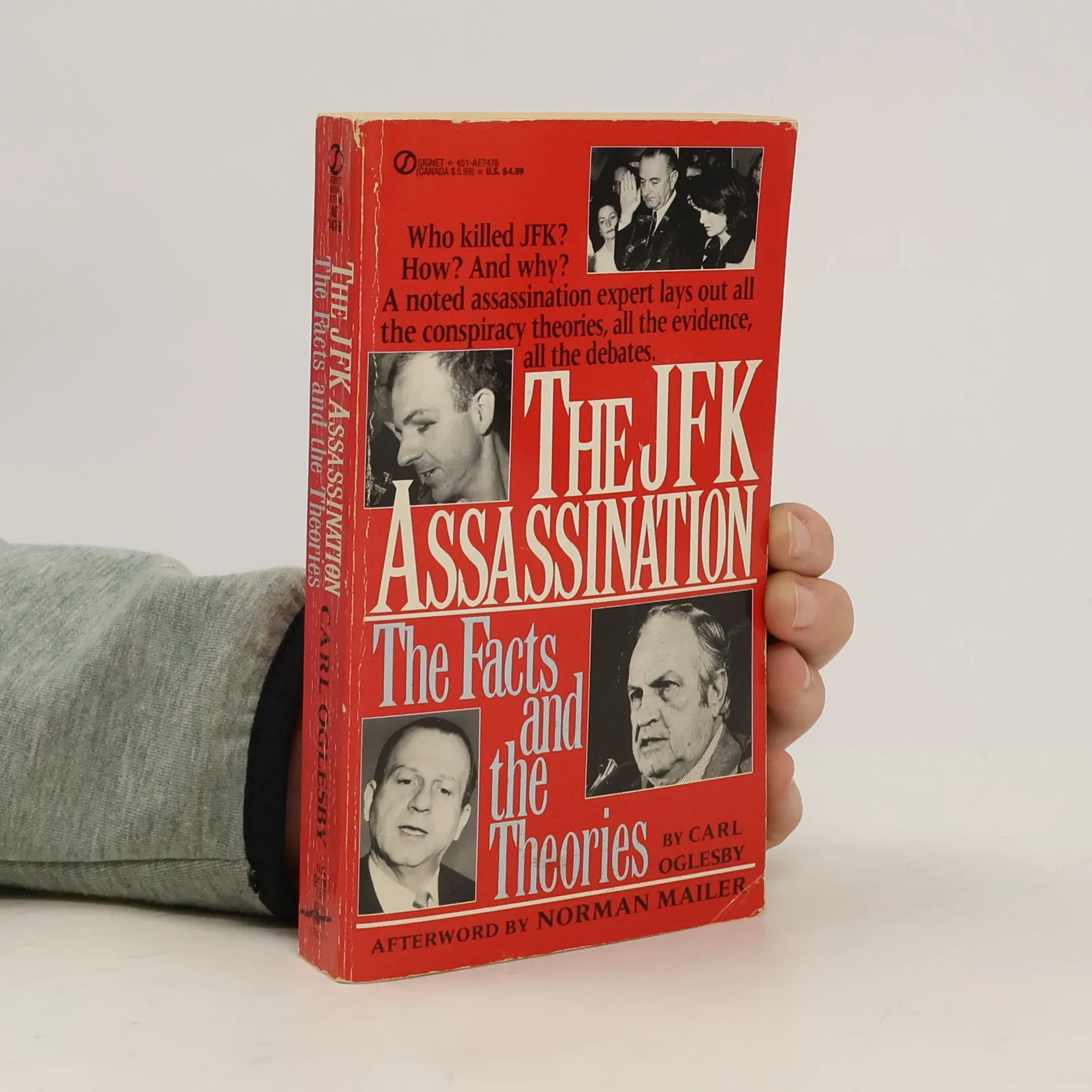
"MARVELOUS...BREATHTAKING."--NY Times Book Review "MAILER SHINES...Explaining Kennedy's assassination through Oswald's character flaws has been attempted before, but none match Mailer's literary imagination and dexterity. This narrative weaves a story not just about Oswald or Kennedy's death, but about the surrounding culture, filled with misunderstandings and unresolved threads, making it more true-to-life than any fact-driven account could achieve....Vintage Mailer."--Philadelphia Inquirer "FASCINATING...A MASTER STORYTELLER...Mailer provides our clearest, deepest view of Oswald yet; within three pages, you are utterly absorbed."--Detroit Free Press "MAILER AT HIS BEST...LIVELY & CONVINCING...EXTREMELY LUCID...Mailer is fierce and courageous; his writing features headlong brilliance. He brings KGB tapes and interviews to life....From the American master conjurer of dark purpose, a moving reflection."--Robert Stone, NY Review of Books "THIS IS A NARRATIVE OF TREMENDOUS ENERGY & PANACHE; THE AUTHOR AT THE TOP OF HIS FORM."--Christopher Hitchens, Financial Times "Mailer has written some wild books, but this isn't one of them. Like its predecessor, it showcases an author relishing the force of his own acuity."--Martin Amis, London Sunday Times
Retain, not only because this is a famous book, and it is well-written, but because of sex in prison passages, e.g., pp. 77, 79, 92-95.--Don.
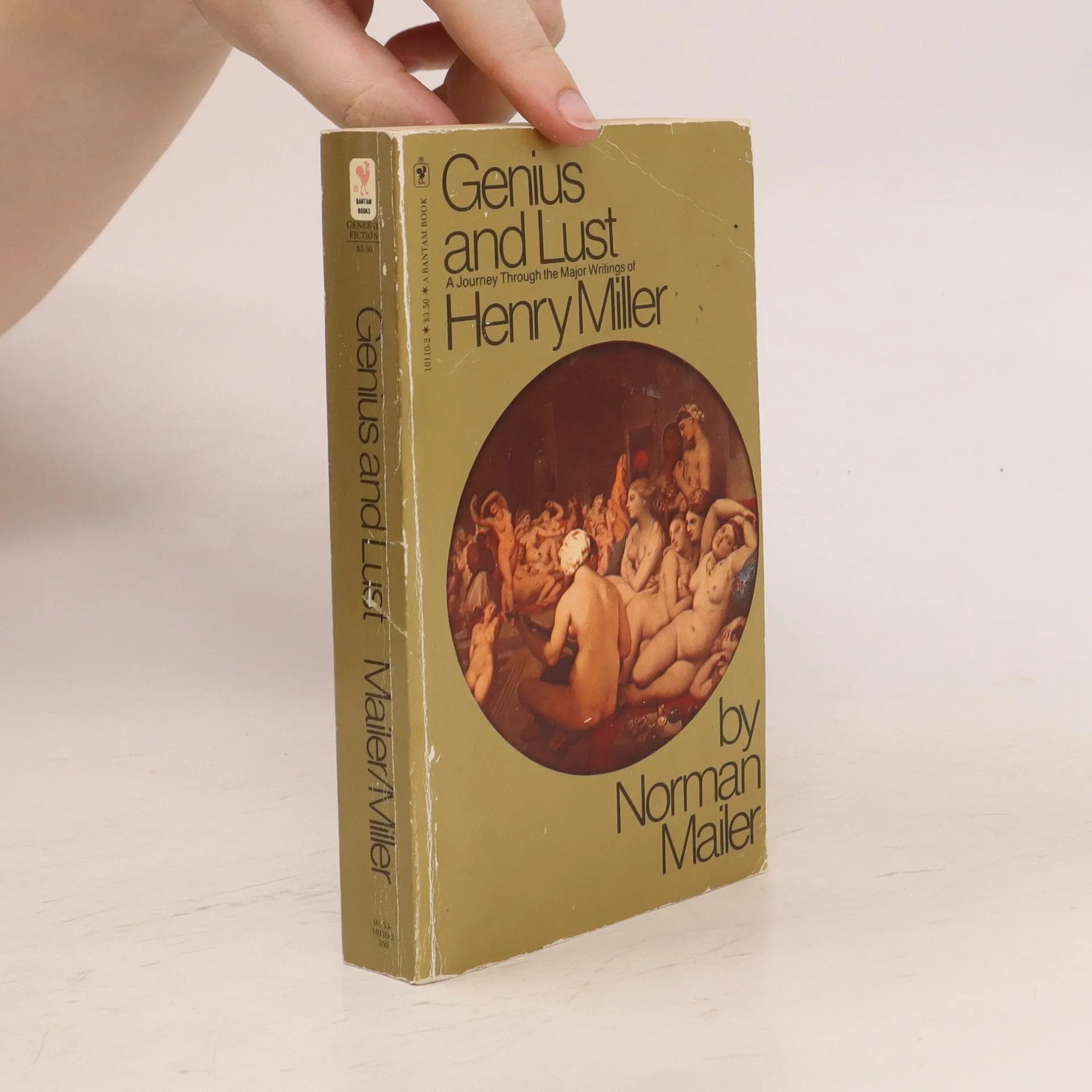
Book by Miller, Henry
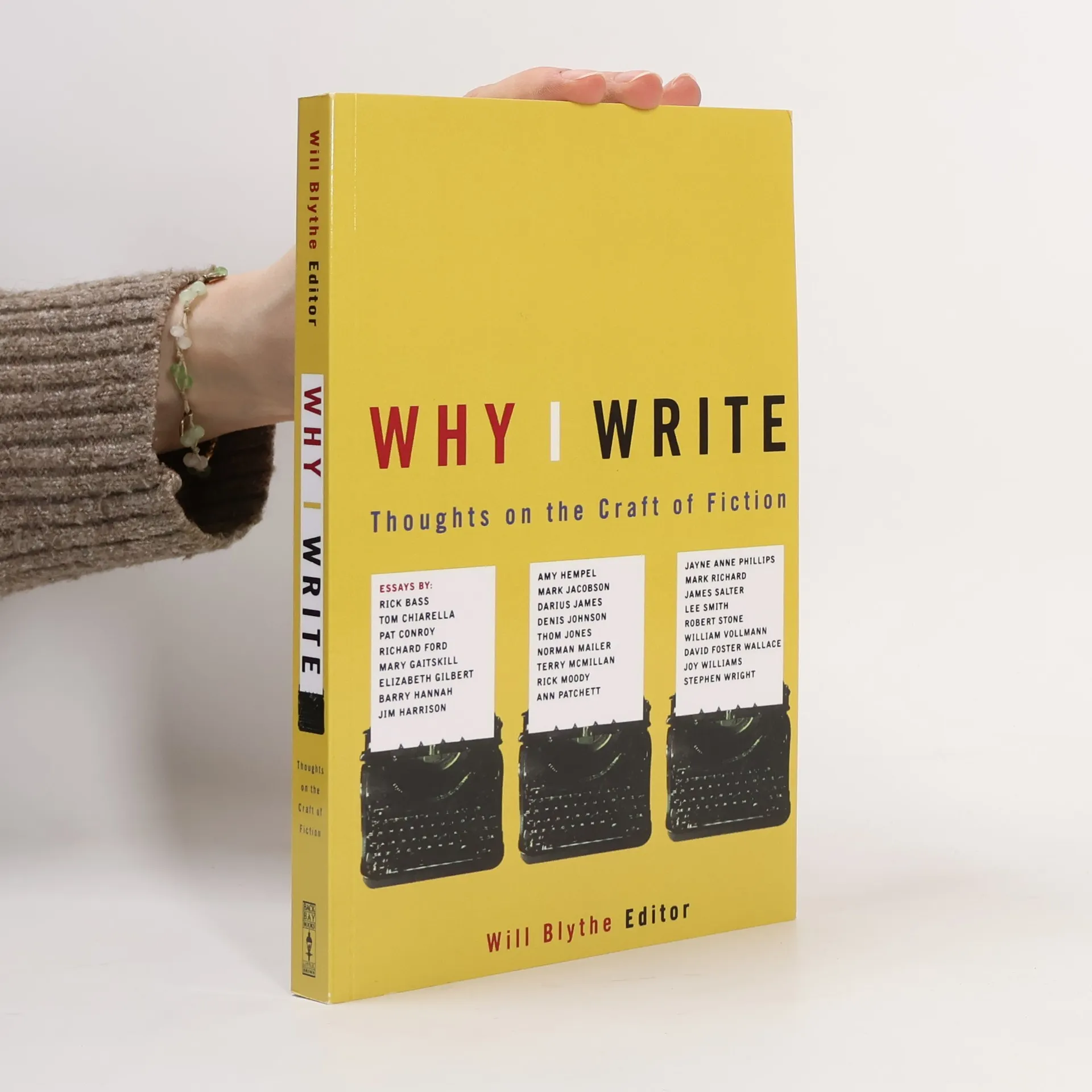
In this anthology, 26 writers illuminate the motivations at the heart of their creative lives in original essays that are as surprising and varied as their fiction. The contributors include Pat Conroy, Norman Mailor, Rick Moody and David Foster Wallace.
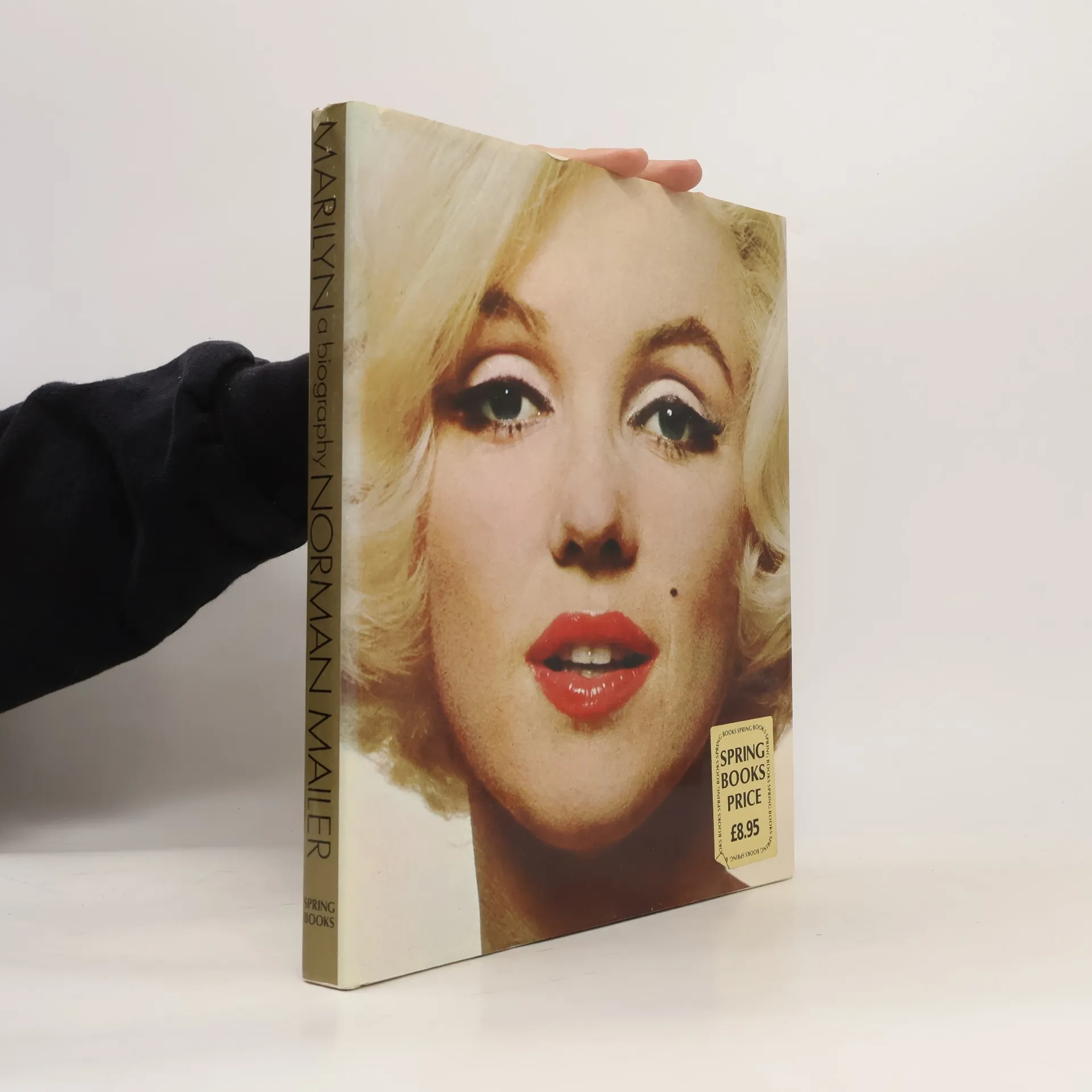
An extraordinary biography of the legendary screen star Marilyn Monroe (originally published in 1973) by Norman Mailer, one of America's most important writers of the second half of the Twentieth Century. Mailer, the winner of two Pullitzer Prizes, was the first writer to explore the relationship between Monroe and Bobby Kennedy .When first published, this book was the subject of Time and Life Magazine cover stories, was on the New York Times Bestseller List and became a full selection of the Book of the Month Club .
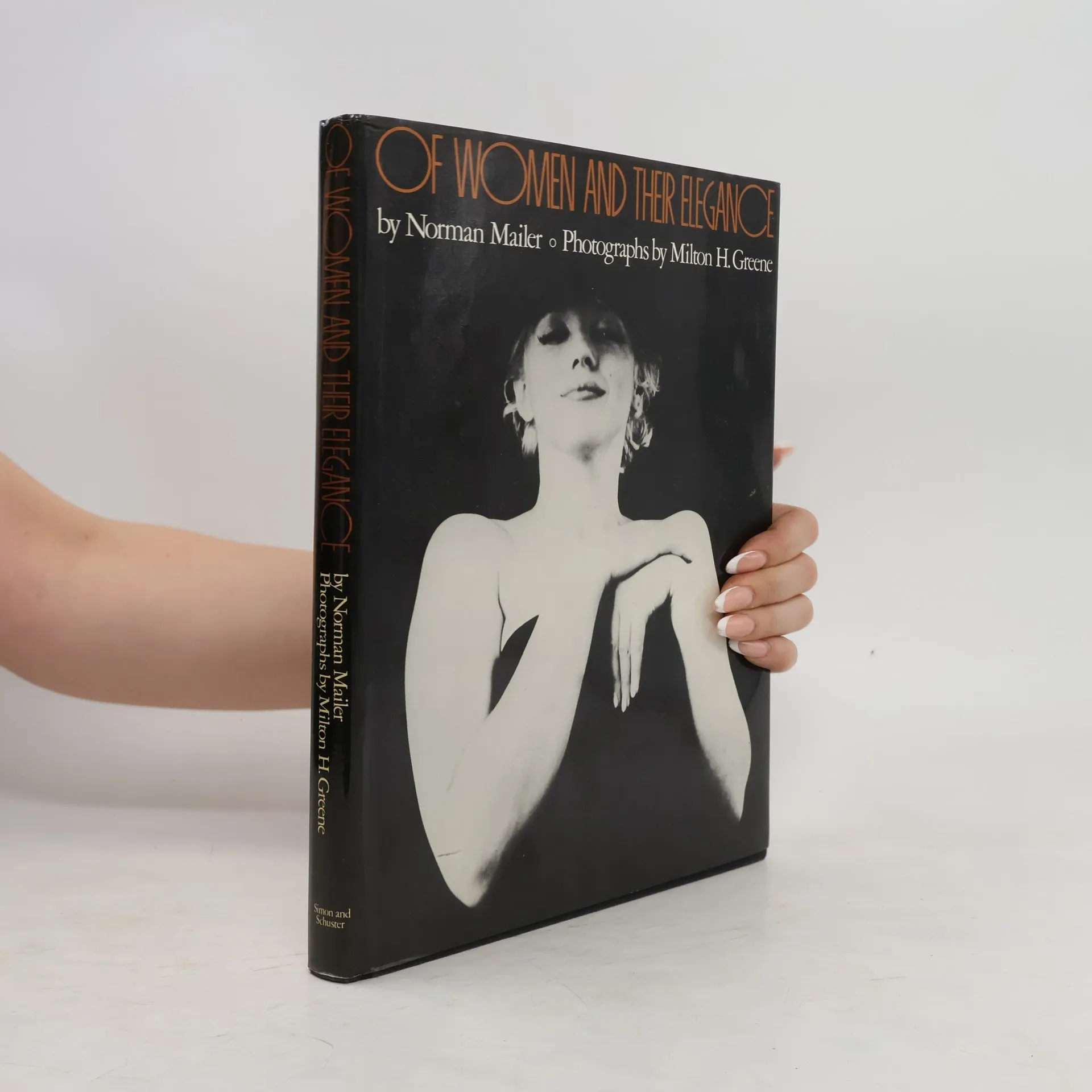
A fictitious memoir of Marilyn Monroe based on actual events in her life as well as the reminiscences of Milton and Amy Greene. Novel interspersed with numerous photographs of predominately of Marilyn but including other stars and socialites of the era by Milton H. Greene.
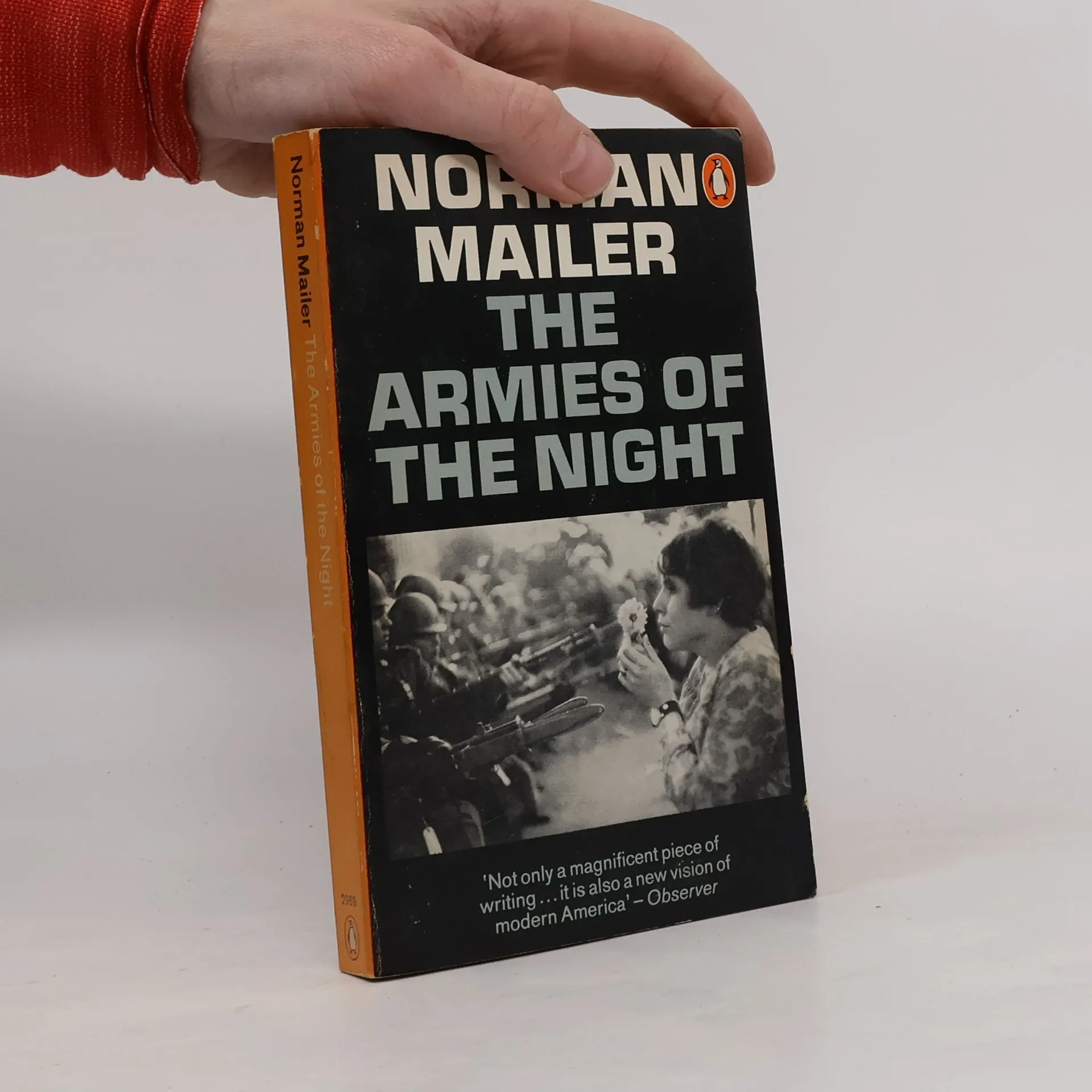
Winner of the Pulitzer Prize and the National Book AwardFifty years after the March on the Pentagon, Norman Mailer’s seminal tour de force remains as urgent and incisive as ever. Winner of America’s two highest literary awards, The Armies of the Night uniquely and unforgettably captures the Sixties’ tidal wave of love and rage at its crest and a towering genius at his peak. The time is October 21, 1967. The place is Washington, D.C. Depending on the paper you read, 20,000 to 200,000 protestors are marching to end the war in Vietnam, while helicopters hover overhead and federal marshals and soldiers with fixed bayonets await them on the Pentagon steps. Among the marchers is a writer named Norman Mailer. From his own singular participation in the day’s events and his even more extraordinary perceptions comes a classic work that shatters the mold of traditional reportage. Intellectuals and hippies, clergymen and cops, poets and army MPs crowd the pages of a book in which facts are fused with techniques of fiction to create the nerve-end reality of experiential truth.
Ancient Evenings, a dazzlingly rich, deeply evocative novel, recreates the long-lost civilisation of Ancient Egypt. Mailer breathes life into the figures of that era; the eighteenth dynasty Pharaoh Rameses and his wife, Queen Nefertiti; Menenhetet, their creature, lover and victim; and the gods and mortals that surround them in intimate and telepathic communion. His hero, three times reincarnated during the novel, moves in the bright sunlight of white temples, in the exquisite gardens of the royal harem, along the majestic flow of the Nile and in the terrifying clash of battle. An outstanding work of creative imagination, Ancient Evenings displays Mailer's obsession with magic, violence and eroticism and lives on in the mind long after the last page has been turned. [Taken from Amazon.com]
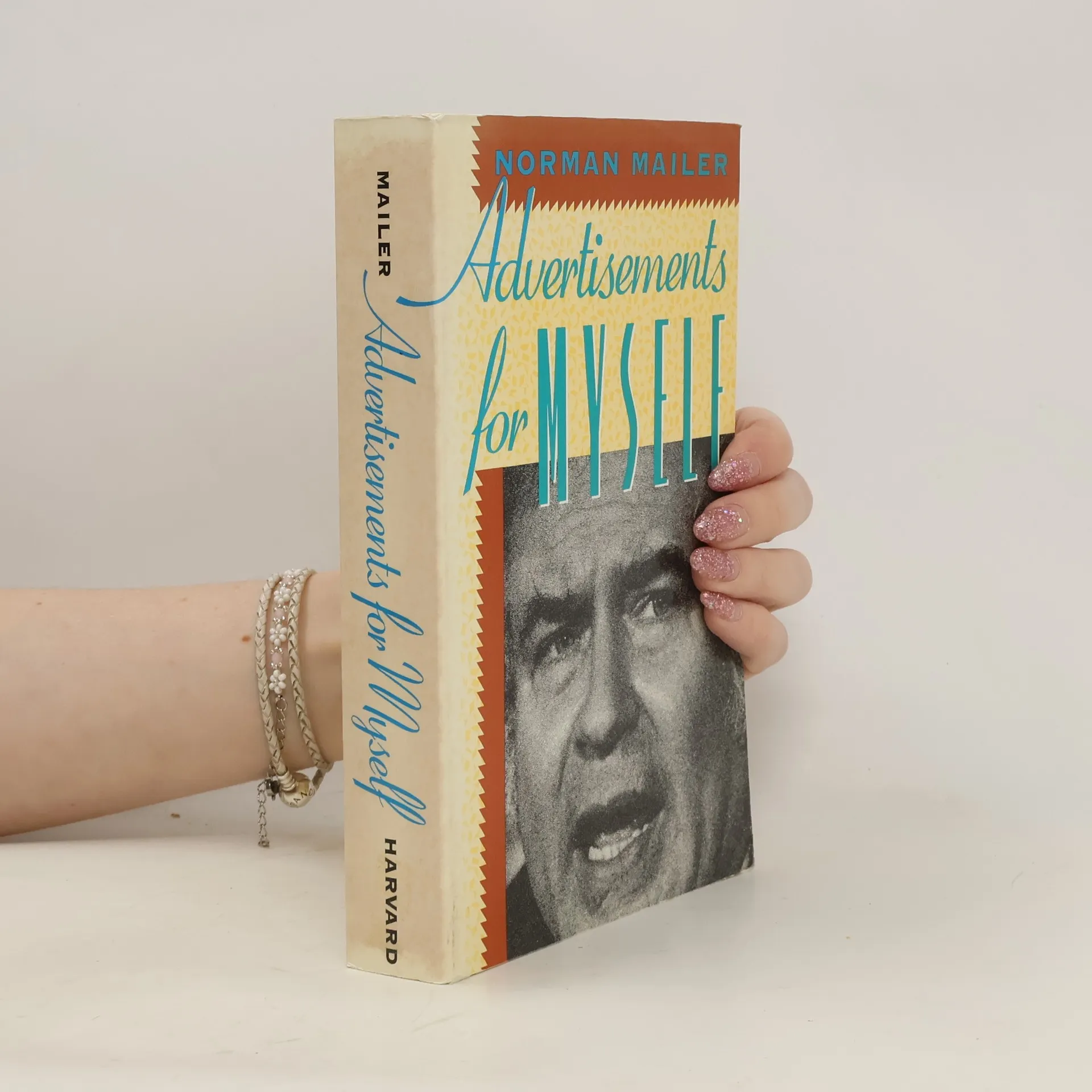
An essential guide to the life and work of one of America's most controversial writers, Advertisements for Myself is a comprehensive collection of the best of Norman Mailer's essays, stories, interviews and journalism from the Forties and Fifties, linked by anarchic and riotous autobiographical commentary. Laying bare the heart of a witty, belligerent and vigorous writer, this manifesto of Mailer's key beliefs contains pieces on his war experiences in the Philippines (the basis for his famous first novel The Naked and the Dead), tributes to fellow novelists William Styron, Saul Bellow, Truman Capote and Gore Vidal and magnificent polemics against pornography, advertising, drugs and politics. Also included is his notorious exposition of the phenomenon of the 'White Negro', the Beat Generation's existentialist hero whose life, like Mailer's, is 'an unchartered journey into the rebellious imperatives of the self'.
A key backlist title from the highly acclaimed author of The Naked and the Dead and The Fight
Focusing on the life of Jesus, the novel explores his transformative visions, impactful sermons, and miraculous deeds, portraying his journey until he faces the culmination of his powers. The narrative is described as bold and daring, offering a compelling and accessible account of a pivotal figure in history.
Amid the cactus wilds some two hundred miles from Hollywood lies a privileged oasis called Desert D'Or. It is a place for starlets and would-be starlets, directors, studio execs, and the well-groomed lowlifes who cater to them. And, as imagined by Norman Mailer in this blistering classic of 1950s Hollywood, Desert D'Or is a moral proving ground, where men and women discover what they really want--and how far the are willing to go to get it. "The Deer Park" is the story of two interlacing love affairs. Sergius O'Shaugnessy is a young ex-Air Force pilot whose good looks and air of indifference launch him into the orbit of the radiant actress Lulu Meyers. Charles Eitel is a brilliant director wounded by accusations of communism--and whose liaison with the volatile Elena Esposito may supply the coup de grace to his career. As Mailer traces their couplings and uncouplings, their uneasy flirtation with success and self-extinction, he creates a legendary portrait of America's machinery of desire.
In this book, Norman Mailer talks about many Sex, Violence, Drugs, Race, Politics, Mohamed Ali, Henry Miller, Richard Nixon, Movies, The Theater, New York, Vietnam.
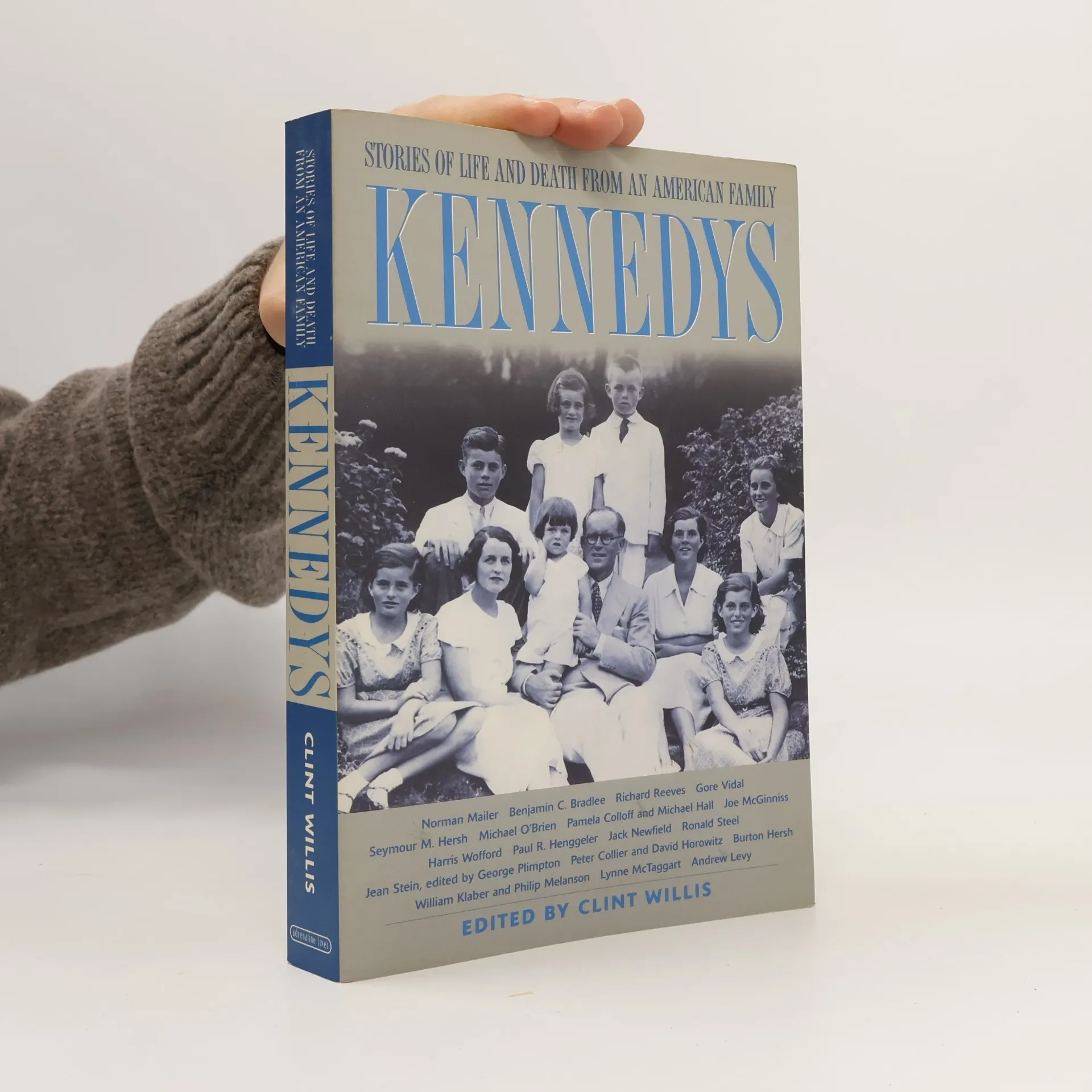
Kennedys: Stories of Life and Death from an American Family collects 21 of the best stories about the Kennedys. Here are the real stories of brothers John, Robert, and Teddy, told by the finest political writers and social observers of the past half-century. Norman Mailer's celebrated Esquire essay about the 1960 Democratic Convention shows JFK and Jackie at the start of a new epoch in American politics and culture. Writers like Richard Reeves and Jack Newfield trace disparate threads in the Kennedy epic, from the first soldier's death in Vietnam on JFK's watch to Teddy's ineffectual but strangely moving run for the presidential nomination in 1979. Inevitably, the book recounts tragedy, from the 1948 plane crash that killed the beloved and impetuous Kathleen to the assassinations of JFK and Robert. Kennedys deals with scandal as well, but writers such as Gore Vidal, Joe McGinniss, and Seymour M. Hersh mine the stories for new meaning. The essays in this collection offer insights into the loves, hatreds, and dearest ambitions of the Kennedys and help to explain their remarkable grip on our culture.
This dazzling tribute to Muhammad Ali and George Foreman's 1974 boxing match in Kinshasa, Zaire, brings together the best of Norman Mailer's classic commentary The Fight with color and black-and-white photographs from the two men who captured Ali like no one else: Neil Leifer and Howard L. Bingham. First published as a signed...
THE TIME OF OUR TIME is a selection of Mailer's best work, chosen by Mailer himself, and ingeniously arranged as a literary retrospective. It is a masterly, boisterous portrait of our times, seen through the fiction and reportage of a great writer. Included are passages from THE NAKED AND THE DEAD, THE ARMIES OF THE NIGHT and THE EXECUTIONER'S SONG, as well as many of his other works and his best-known magazine pieces from Marilyn Monroe to Madonna. This giant omnibus is a testament to Mailer's enormous energies, his vast curiosity, and his amazing talent and amounts almost to a self-chosen literary 'autobiography'.
VG condition book with dust jacket. DJ is clean, has fresh colours and has little wear to edges. Book has clean and bright contents.
Der junge CIA-Offizier Harry Hubbard kommt in geheimer Mission nach Florida. Seine Aufgabe: die Vorbereitung einer Invasion exilkubanischer Kräfte auf Kuba. Doch er ist nur Werkzeug undurchschaubarer Kräfte, die ihn für ihre Zwecke missbrauchen. Diese Kräfte schrecken auch vor der Zusammenarbeit mit dem organisierten Verbrechen nicht zurück und setzen dabei das Leben Unschuldiger aufs Spiel. Unversehens verfängt sich Hubbard im Netz von Harlot, der grauen Eminenz des CIA, und aus den Feinden, an denen er schuldig wird, erwachsen die Gespenster, die ihm zuletzt zum Schicksal werden.
=Ghosts. The epic of the secret powers Wer steckt wirklich hinter dem Mord an Kennedy? Waren Nixon und Kissinger KGB-Agenten? Stimmt es, dass hohe amerikanische Regierungsbeamte den Staat um Billionen Dollar geschädigt haben? Ein Mann, der herausfinden will, ein ehemaliger CIA-Agent, fliegt heimlich und unter falschem Namen von New York nach Moskau. Er glaubt, dort Antwort auf seine Fragen zu finden. Und er ist überzeugt davon, dass unbekannte Mächte im Spiel sind, und dass die Geheimdienste weltweit nach ganz anderen Gesetzen funktionieren als bisher angenommen wurde.
Geschrieben auf dem Höhepunkt ihres Ruhms, aber erst über ein Jahrzehnt nach ihrem Tod veröffentlicht, erzählt diese Autobiografie der Schauspielerin und Sexsymbol Marilyn Monroe (1926-1962) eindringlich von ihrer Kindheit als unerwünschtes Waisenkind, ihrer frühen Jugend, ihrem Aufstieg in der Filmindustrie vom Statisten zum Star und ihrer Ehe mit Joe DiMaggio. In diesem intimen Bericht über ein sehr öffentliches Leben spricht sie von ihrer ersten (nicht einvernehmlichen) sexuellen Erfahrung, ihrer Romanze mit dem Yankee Clipper und ihrer vorausschauenden Vorstellung von sich selbst als "das Mädchen, das tot im Schlafzimmer mit einer leeren Flasche Schlaftabletten in der Hand gefunden wurde." Die Marilyn auf diesen Seiten ist eine Offenbarung: eine begabte, intelligente, verletzliche Frau, die weit komplexer war als das ahnungslose Sexsymbol, das sie auf der Leinwand darstellte.
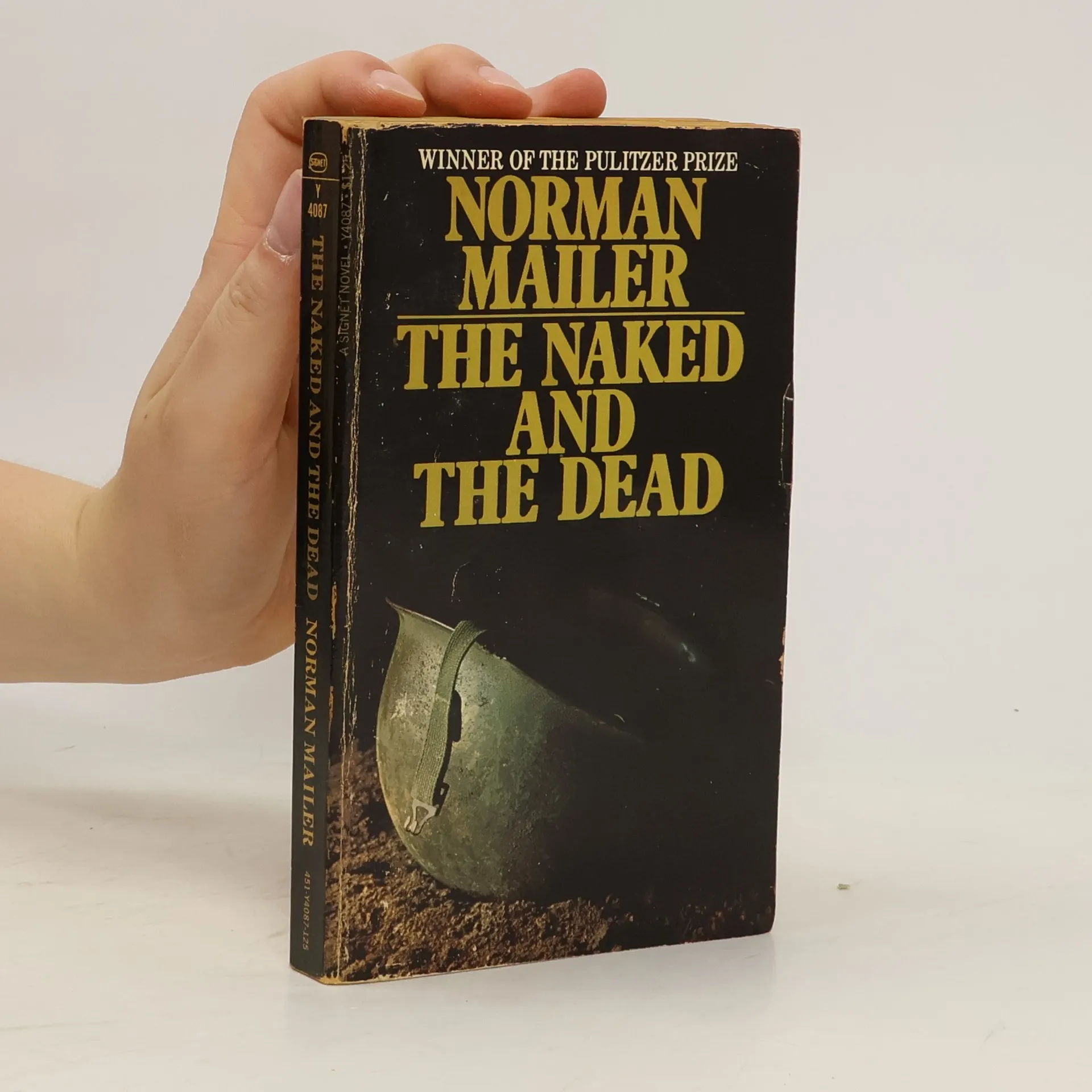
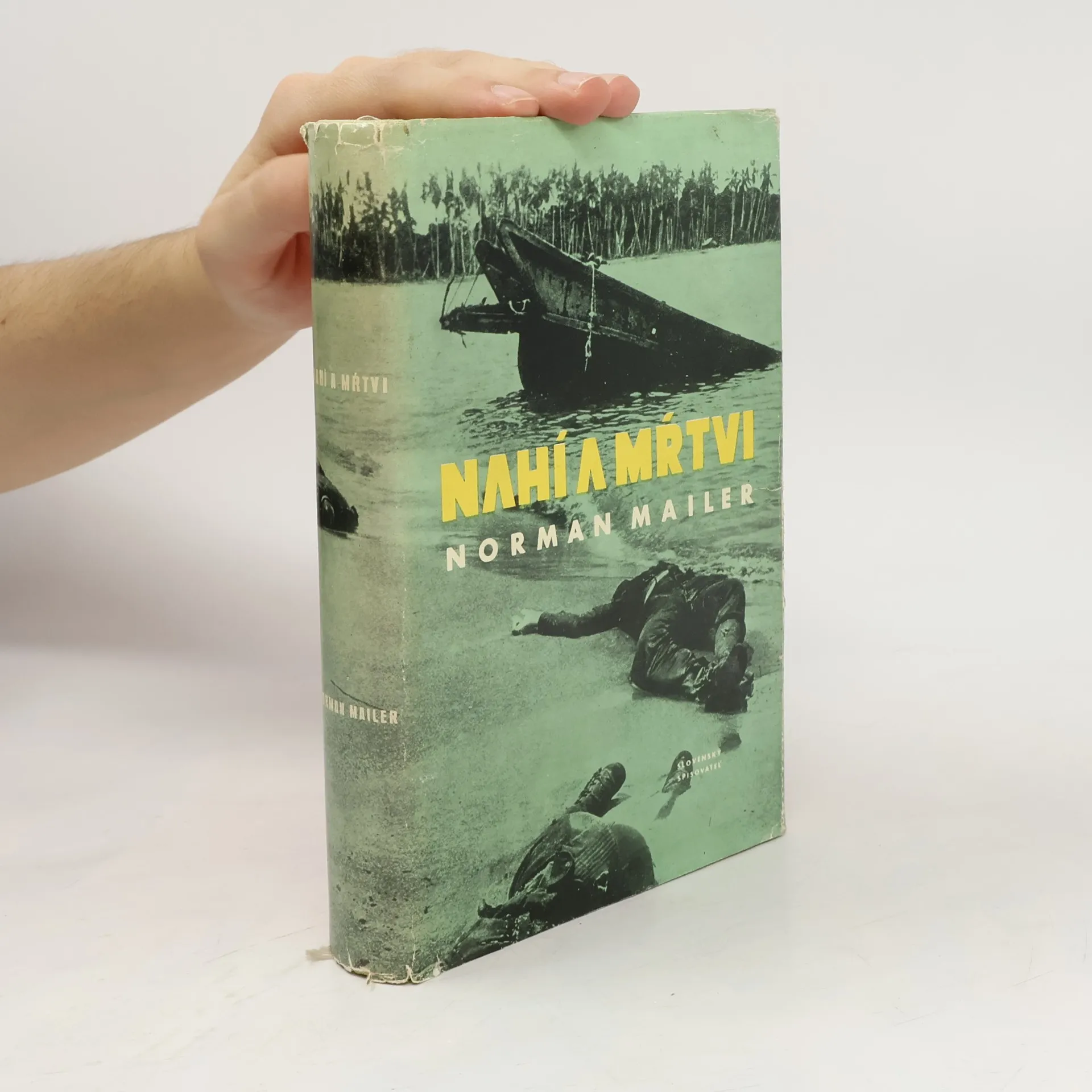
Orotivojnový román, kde Mailer použil niektoré svoje vlastné zážitky z vojny v Pacifiku. Táto kniha bola jeho prvotinou a zároveň jeho najúspešnejšou. Osud vojakov na tichomorskom ostrove sa tu stal podobenstvom spoločenských vzťahov.
Románová reportáž o historickém letu Apolla 11 a přistání prvních lidí na Měsíci je prokládána psychologickými, filozofickými i společensko-kritickými úvahami o smyslu průzkumu vesmíru a kritikou současné americké společnosti. Jde také o zevrubnou studii tří kosmonautů, kteří se vydali dobýt vesmír a kterých autor zbavuje aureoly hrdinů a ukazuje je jako živé bytosti. Zachycuje i miniportréty představitelů NASA a celé širší pozadí výpravy; zachycuje přípravu letu, jeho průběh, přistání na Měsíci a návrat na Zem.
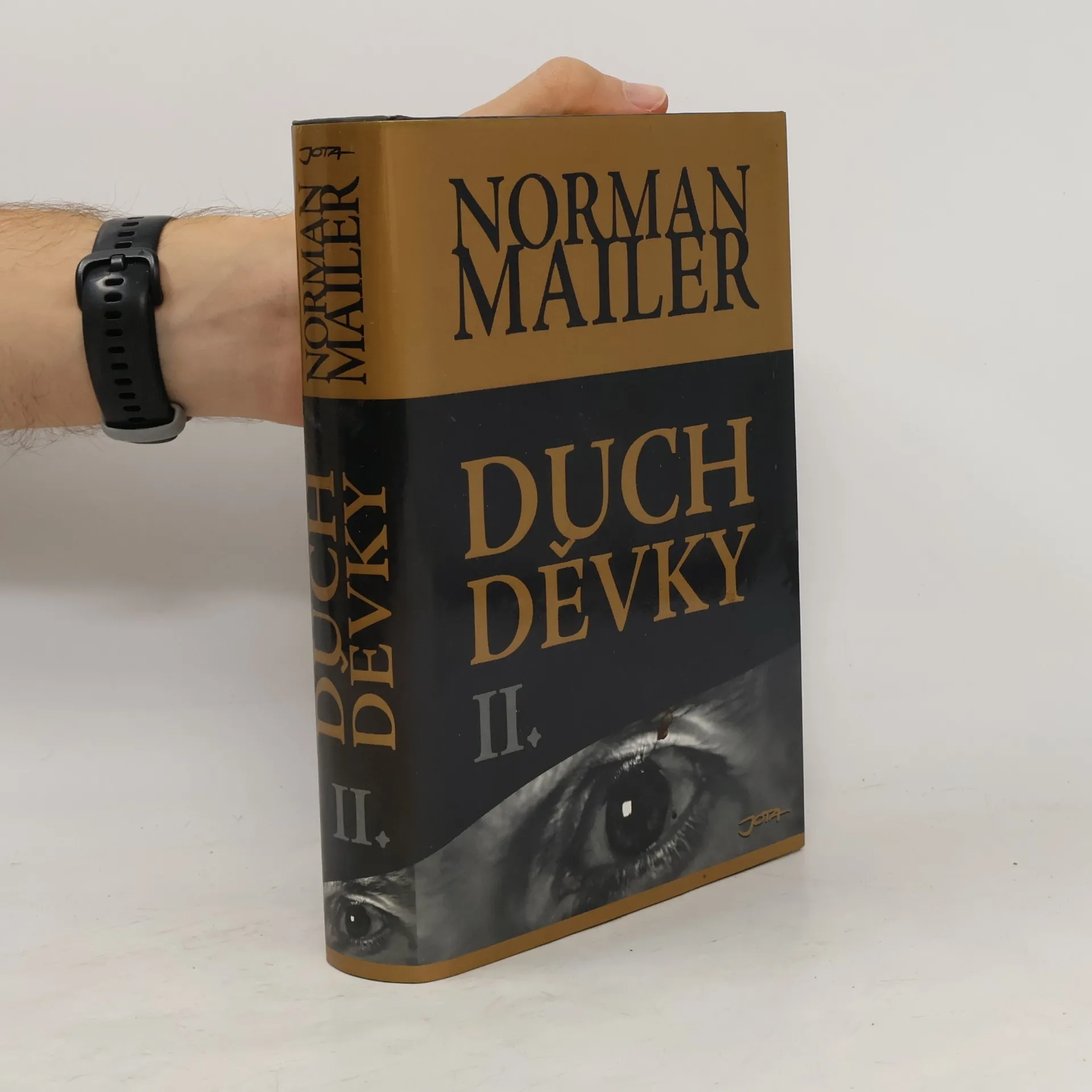
„Špionážní román, který ze všech ostatních špionážních románů dělá trpaslíky,“ napsal americký recenzent, a je nutno dodat, že zdaleka ne pouze svým rozsahem, ale filozofickým a ideologickým vhledem do zpravodajské džungle studené války od založení CIA na konci čtyřicátých let dvacátého století po konec osmdesátých let. Norman Mailer proplétá skutečnost a fikci, skutečné postavy a události s fiktivními postavami a událostmi takovým způsobem, že mezi jedním a druhým nenalézáme sebemenší stopu po neorganickém švu. Román se od běžné špionážní literatury liší naprostou absencí obvyklých žánrových rekvizit, staví se jako nepřikrášlené a upřímné memoáry a profesní bilancování svého vypravěče, řadového člena Firmy, který s rukopisem (překopírovaným na mikrofilm) v bezvýchodné osobní a profesionální situaci prchá do Sovětského svazu. Mailerovy schopnosti, zkušenosti a nesmírný přehled, stejně jako pečlivé studium materiálů dosud nepřístupných veřejnosti povyšují fiktivní skutečnost na realitu, která díky zvoleným literárním postupům působí reálněji než samotné dějiny. Duch Děvky je poslední velký román Normana Mailera a jeden z jeho nejčtivějších, nejhlubších svým záběrem a navzdory četným detailům a změnám vyprávěcích technik i nejnapínavější právě díky pevnému spojení s reálnými postavami a reálnou politickou situací.
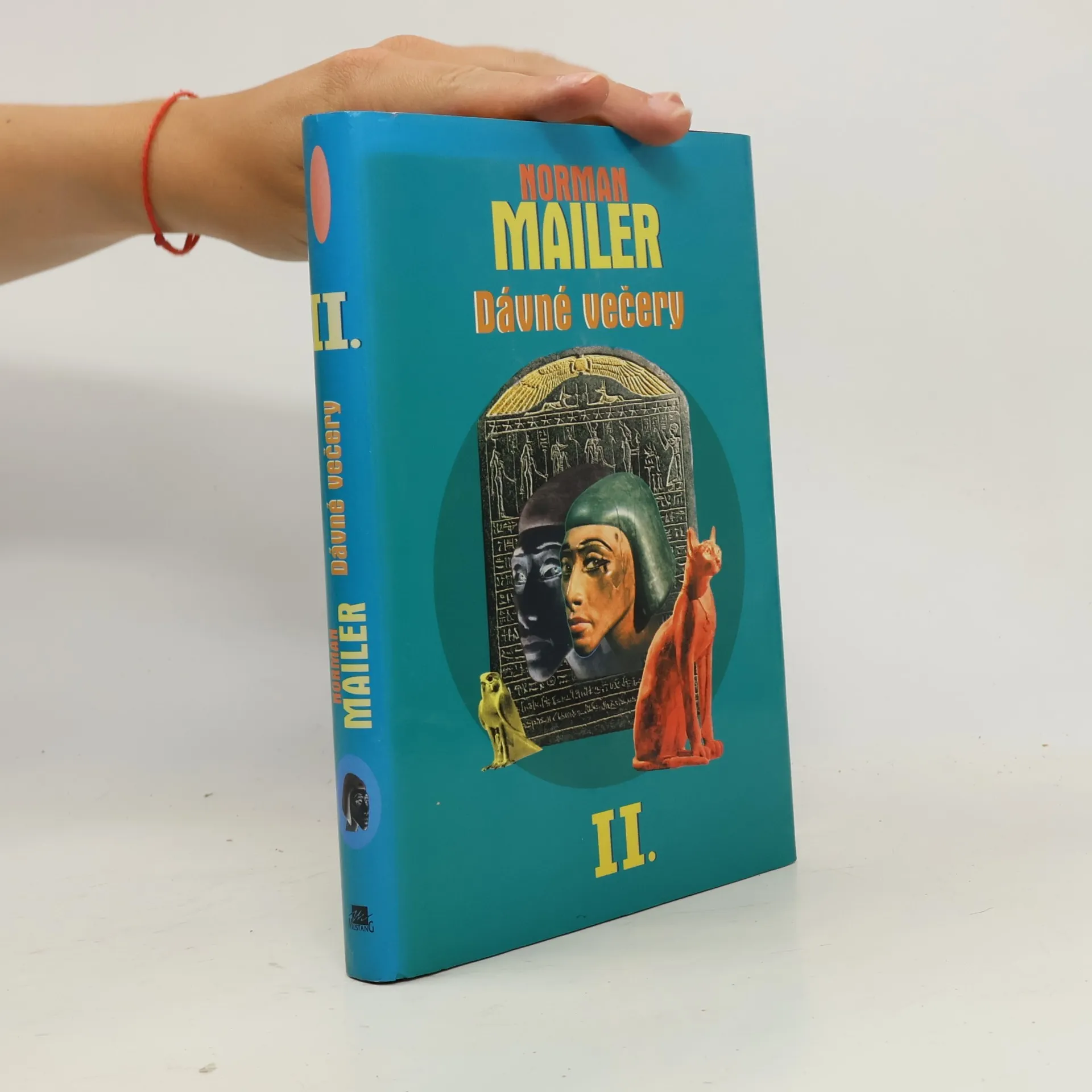
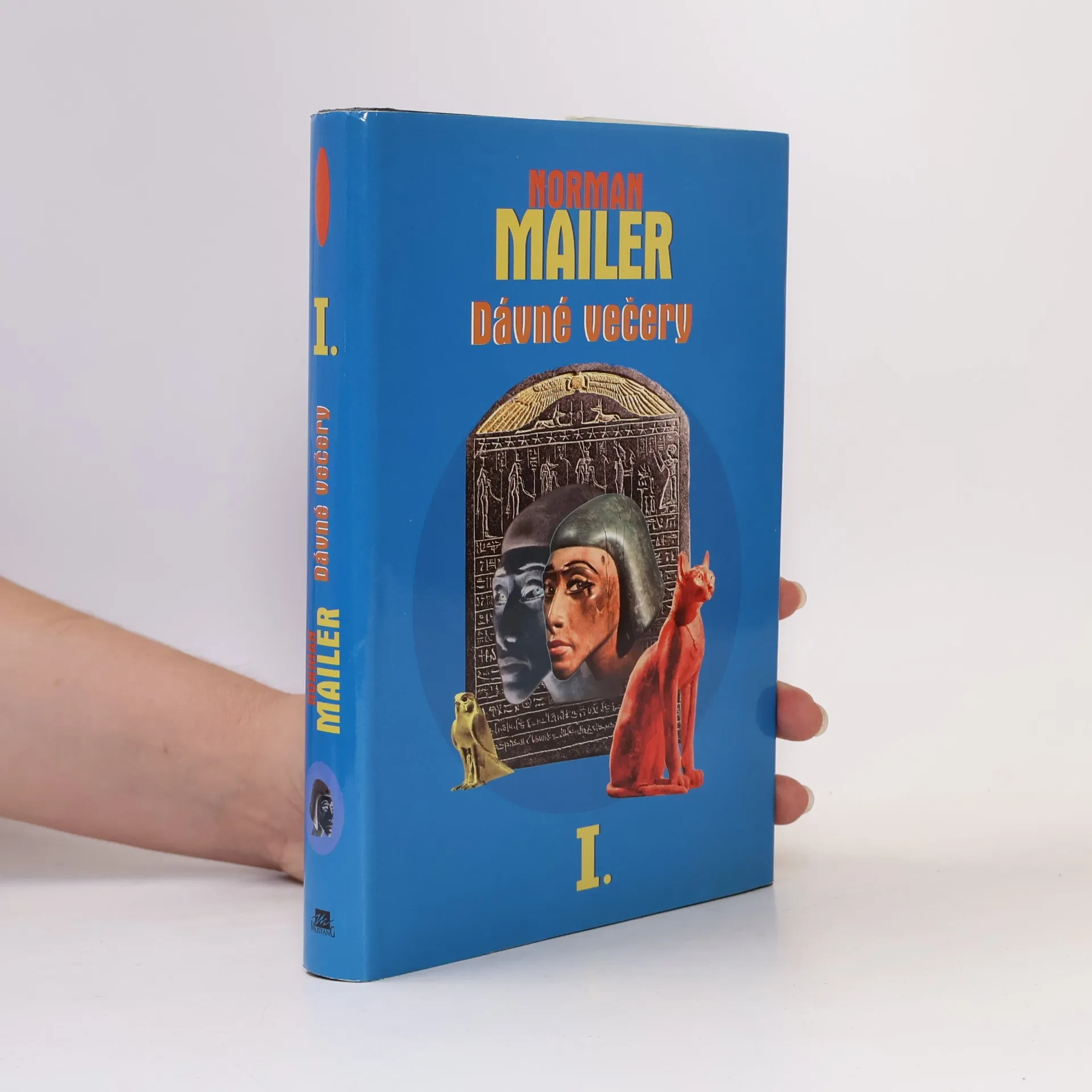
V druhém díle Mailerova historického románu dále sledujeme příběh čtyř Menenhetetových životů po bitvě u Kadeše. Krutý i smyslný svět se před námi otevře ještě hlouběji. Intriky a magické obřady, korunovační slavnosti, všudypřítomný vliv bohů na život prostých i vznešených Egypťanů, to vše v této knize utváří ucelený obraz tak nepodobný tomu, co o starém Egyptě známe z učebnic a muzeí....
První díl rozsáhlé fresky trochu ve stylu Forresta Gumpa. Pomineme-li chybějící komediální stránku věci, zůstane stejně zajímavá mozaika složená z reálných událostí, historických i fiktivních postav a smyšleného silného a přesvědčivého příběhu. Autor nabízí styl zkušeného vypravěče, zajímavé hrdiny a atraktivní prostředí špionážního zákulisí mezinárodních mocenských bojů. Vypravěčem příběhu je člověk, bilancující svůj život v zoufalé osobní situaci. Prostředí vyzvědačské a diplomatické elity, která tahá za nitky na jevišti dějin, je na základě důkladného studia popsáno věrohodně a realisticky, ale přesto zůstává především kulisou lidskému příběhu, v němž hlavní roli hraje láska.
Začíná to jako vzrušující špionážní román, kdy investigativní novinář Peter Levenda zkoumá okultní kořeny nacistického hnutí, které sahají hluboko do historie. Jeho cesta ho zavede do odlehlé chilské osady, kde se po druhé světové válce skrývali uprchlí nacističtí váleční zločinci. Levenda se pouští do zkoumání okultních mýtů, symbolů a nauk, které ovlivnily miliony lidí a přispěly k vzniku Třetí říše. Okultismus se však neomezoval pouze na Německo; jeho mezinárodní síť organizací měla vliv na ideologii a politiku, což mělo dopad na průběh druhé světové války a její pokračování v období studené války. Autor přináší zajímavé a málo známé příběhy o zapojení okultistů do válečných konfliktů a rozvoji psychologického vedení války. Zjištění, že politici a vůdci používají magii jako zbraň, má i současný kontext, kdy náboženský fanatismus a mystické spojení s nadpřirozenem přispívají k teroristickým útokům. Levenda se také zaměřuje na masakr z roku 1999, kdy studenti inspirovaní nacisty zabili své spolužáky, a upozorňuje na souvislosti s moderním okultismem v Americe, který má stejně hluboké kořeny jako v Německu.
Druhý díl románu o činnosti CIA, zaměřené proti Kubě a jejímu nejvyššímu představiteli, se odehrává v dramatických letech 1960–1965. Na počátku roku 1984 se zpravodajský důstojník Harry Hubbard po téměř třiceti letech působení ve službách CIA rozhodne řešit krizovou situaci nečekaným způsobem. Po záhadné smrti svého učitele a bývalého šéfa, u něhož existuje podezření, že pracoval i pro KGB, a po varování, že mu hrozí nebezpečí, opouští New York a vydává se do Sovětského svazu i s rukopisem svých memoárů na mikrofilmech. Osamělý, nejistý, bez iluzí a plný pochybností si v moskevském hotelovém pokoji pročítá zápisky, ve kterých rekapituluje klíčové okamžiky své profesionální kariéry. Ve vzpomínkách se vrací do 1. poloviny 60. let, kdy se v Miami i ve Washingtonu podílel na nejvýznamnějších tajných akcích Ústřední zpravodajské služby, jejichž cílem se stala Kuba. Pomáhal organizovat invazi kubánských emigrantů v Zátoce sviní, sabotáže v rámci operace Mangusta a s pomocí mafie i pokusy o atentát na Fidela Castra. Silně prožívá i dny karibské krize, kdy se svět ocitl na pokraji katastrofy, i smrt prezidenta J. F. Kennedyho v Dallasu. Autor, vycházející z dokonalé znalosti odborné literatury, spojením fiktivních hrdinů se skutečnými postavami v reálných situacích vytváří přesvědčivý obraz americké společnosti a politiky v období vrcholící studené války.
Kniha nás zavede do 2. tisíciletí př. n. l. starověkého Egypta. Ve dvou časových rovinách v ní sledujeme vyprávění starce Menenheteta, který prožil čtyři životy a důvěrně poznal zejména jednoho z nejvýznamnějších egyptských faraonů Ramesse II. Menenhetetův příběh otvírá pohled nejen na historické události tehdejší doby, jako např. slavnou bitvu u Kadeše, ale jeho prostřednictvím pronikneme i do složitého světa všudypřítomných egyptských bohů či do tehdejších sexuálních zvyklostí. Kniha je tak nejen prostým vyprávěním o osudech jednoho hrdiny, ale stává se barvitým, pečlivě vykresleným obrazem každodenního života a myšlení starých Egypťanů.
Beletrie, memoáry, reportáž nebo historiografie? Vše v jednom svazku. Mistrovské dílo novináře, esejisty, dramatika a slavného spisovatele Normana Mailera představuje jedinečnou schopnost experimentovat se žánrem románu. V literárním zpracování protestního pochodu na Pentagon v říjnu 1967, v rámci kampaně proti válce ve Vietnamu, umně spojuje fikci se skutečností. Dílo se skládá ze dvou knih, z nichž každá nabízí odlišnou perspektivu na významnou událost. První část, Dějiny jako román, popisuje autorovy vlastní zážitky účastníka pochodu, přičemž vyprávění ve třetí osobě dodává knize nevšední dynamiku a umožňuje autorovi uplatnit jeho vypravěčský talent, humor a analytické schopnosti. Druhá část, Román jako dějiny, zasazuje pochod do historických a společenských souvislostí, přičemž autor referuje o jeho genezi a líčí událost z perspektivy nezúčastněného reportéra. Tato literární forma umožňuje Mailerovi pronikavě odkrývat problémy soudobé společnosti. Kniha Marilyn, fotografická psychohistorie slavné herečky, tvoří výjimku mezi životopisy této osobnosti. Mailer, původně požádán o předmluvu k souboru fotografií, se nechal její osobností natolik inspirovat, že vytvořil celý románový životopis, doplněný o řadu snímků předních fotografů.
Dies ist die Geschichte von Gary Gilmore, dem Mörder, der unbedingt hingerichtet werden wollte. Doch weil in den USA zum Zeitpunkt des Richterspruchs schon seit zehn Jahren kein Todesurteil mehr vollstreckt worden war, brachte sein „Todeswunsch“ die Justiz in Verlegenheit und sein Fall wurde zur Sensation. Der ehemalige „Life“-Fotograf Larry Schiller investierte 100.000 Dollar für Interviews, Briefe und jedes andere Dokument, das mit Gilmore zu tun hatte. Am 17. Januar 1977 wurde Gary Gilmore erschossen. Danach überließ Schiller Norman Mailer sein gesamtes Material und dem Pulitzerpreisträger gelang mit „Gnadenlos – Das Lied vom Henker“ ein Meisterwerk.
Wer ist hinter Harry Hubbard her? Warum brennt das Haus dieses eher zweitrangigen CIA-Offiziers, verschwindet seine Frau, flieht er in einem panischen Schrecken nach Moskau? Ist es, weil er für „Harlot“ arbeitet, den großen alten Mann des CIA? Harlot war den „Hohen Heiligen“ auf der Spur, einer mächtigen Gruppe innerhalb der „Agency“ und verdächtig, den größten Verrat in der Geschichte der Geheimdienste begangen zu haben. Harlot ist tot. Ermordet? Doch sein Geist sitzt den Hohen Heiligen im Nacken – und Harry Hubbard, der nun allein steht gegen übermächtige Gewalten.
Die Sonne scheint für dich – deinethalben, und wenn sie müde wird, „leuchtet der Mond” und dann werden die Sterne angezündet. Sören Kierkegaard. Der Mond hat seit jeher das Leben der Menschen beeinflusst. Er bestimmt die Gezeiten, die Fruchtbarkeit von Menschen und Tieren, den Zyklus der Frau und das Pflanzenwachstum. Als Ratgeber für das tägliche Leben wurde die Mondgöttin in vielen Kulturen verehrt – als Luna in Rom, Selene in Griechenland, Isis in Ägypten und Sin in Babylon. Während der Mondkalender in unseren Breiten erst seit wenigen Jahrzehnten wiederentdeckt wurde, bleibt die Faszination und der Mythos des Mondes ungebrochen. Der Mond symbolisiert Sehnsucht, Liebe, Romantik sowie Vergänglichkeit und Tod und berührt unsere Seelen, entführt uns in die Welt der Träume und Märchen. Dieses aufwendig gestaltete Buch, reich an wunderschönen Farbfotos, ist ganz dem Mond gewidmet. Es versammelt klassische Gedichte, Liedtexte, Bauernregeln, Spruchweisheiten, Märchen sowie Zitate bekannter Persönlichkeiten und bietet damit ein besinnlich romantisches Lesevergnügen und ein wunderbares Geschenk.
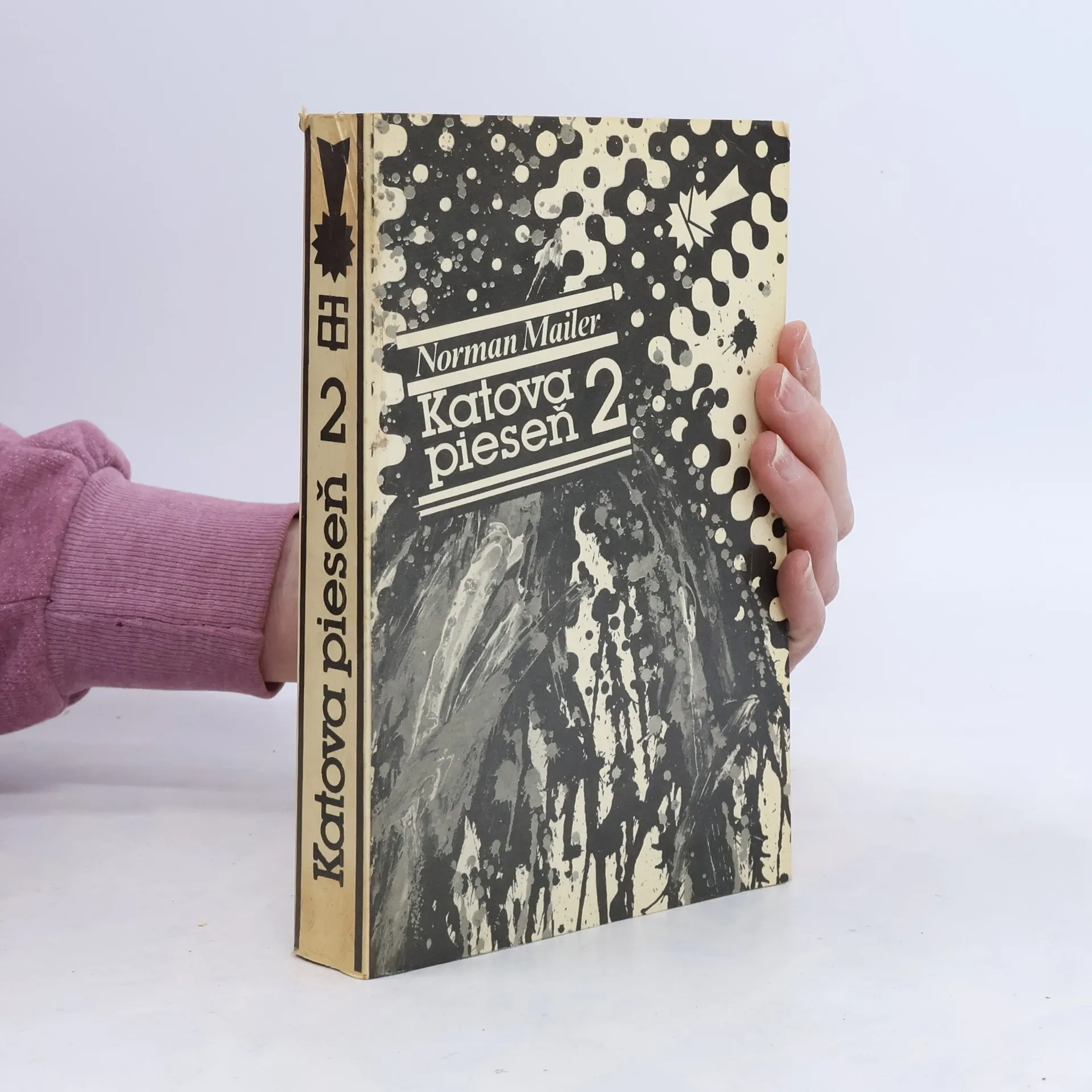
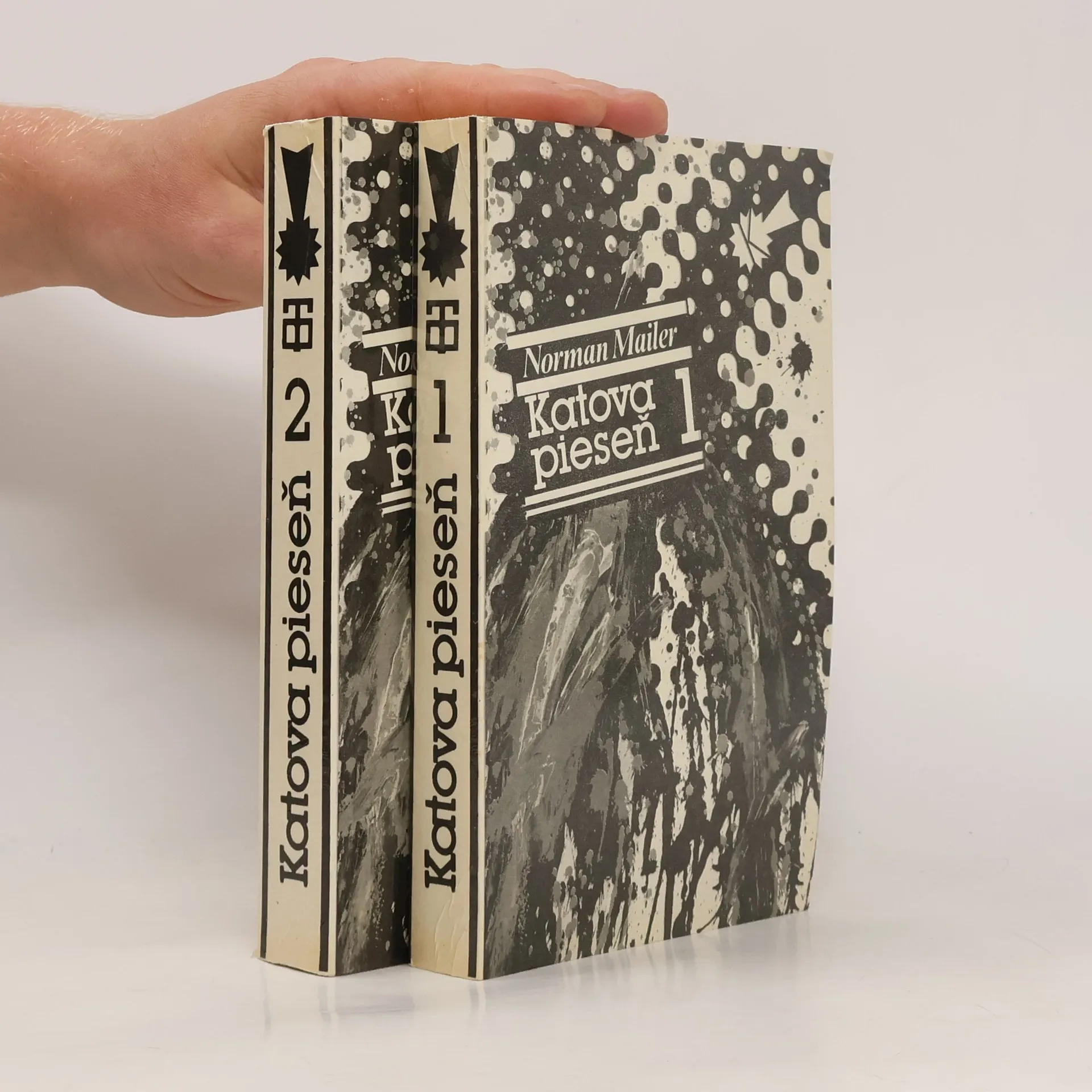
Zločin je v literatúre veľmi starý námet. Hoci sa jeden z najvýznamnejších Mailerových románov zakladá na skutočnom zločine, autor ho odmieta transponovať do čisto fiktívnej podoby a opiera sa o osobné rozhovory, listy, magnetofónové záznamy a novinové články. Tento naoko vecný prístup k téme je o to silnejšou a pôsobivejšou sondou do psychiky vraha a mechanizmu amerického právneho systému v súčasnej spoločnosti s jej morálnou apatiou. Hlavný hrdina Gary Gilmore, ktorý sa po osemnástich rokoch väzenia dostáva na slobodu, nie je sám, ale navzdory tomu sa nevie zaradiť do normálneho života. Na príčine nie je len zlyhanie systému väzenskej prevýchovy, ale aj prostredie silne poznačené mormónskym náboženstvom, subkulúra bezcieľnej mladej generácie, ale aj kult materiálnych statkov a osobná dezorientácia, ktoré nevyhnutne predurčujú blížiacu sa katastrofu.