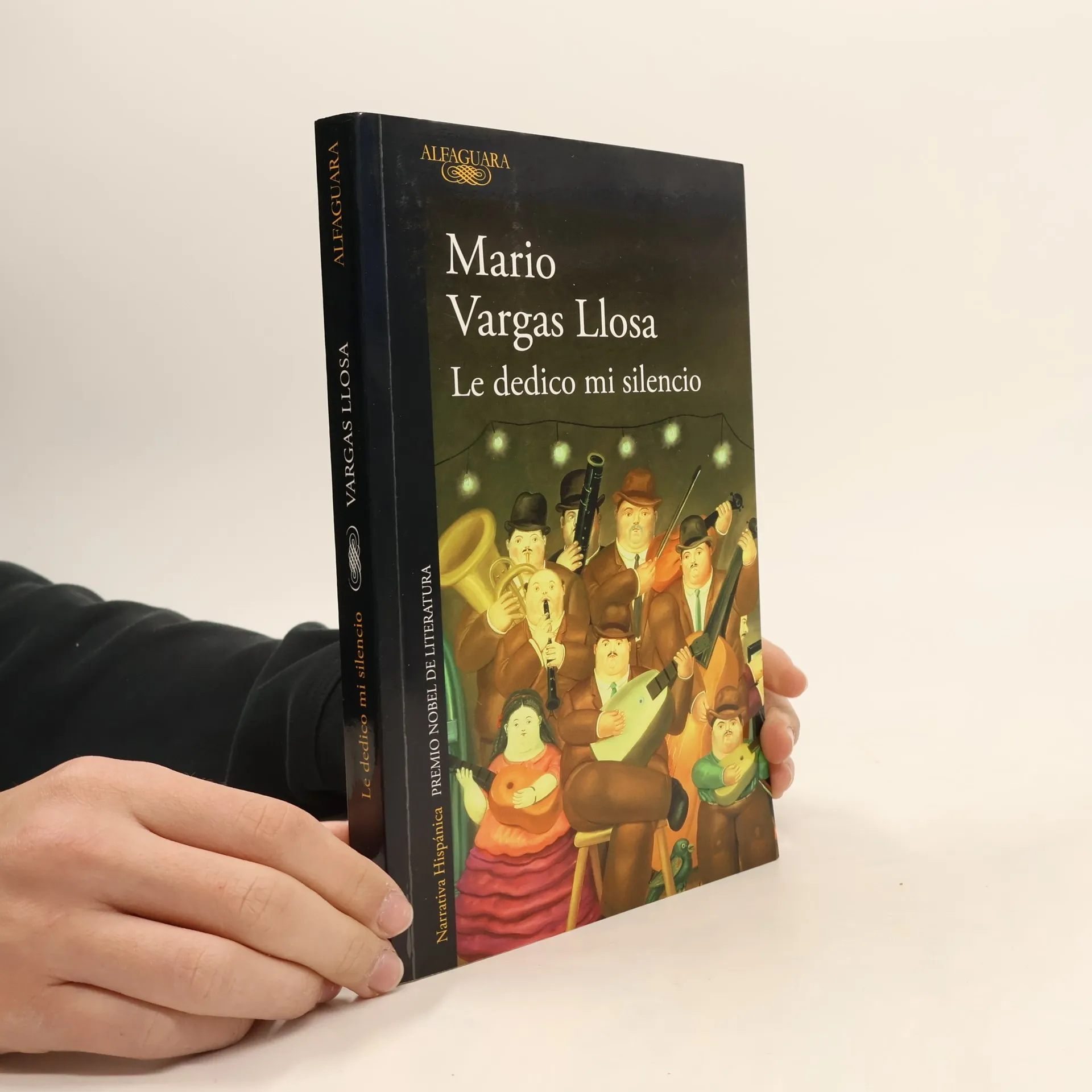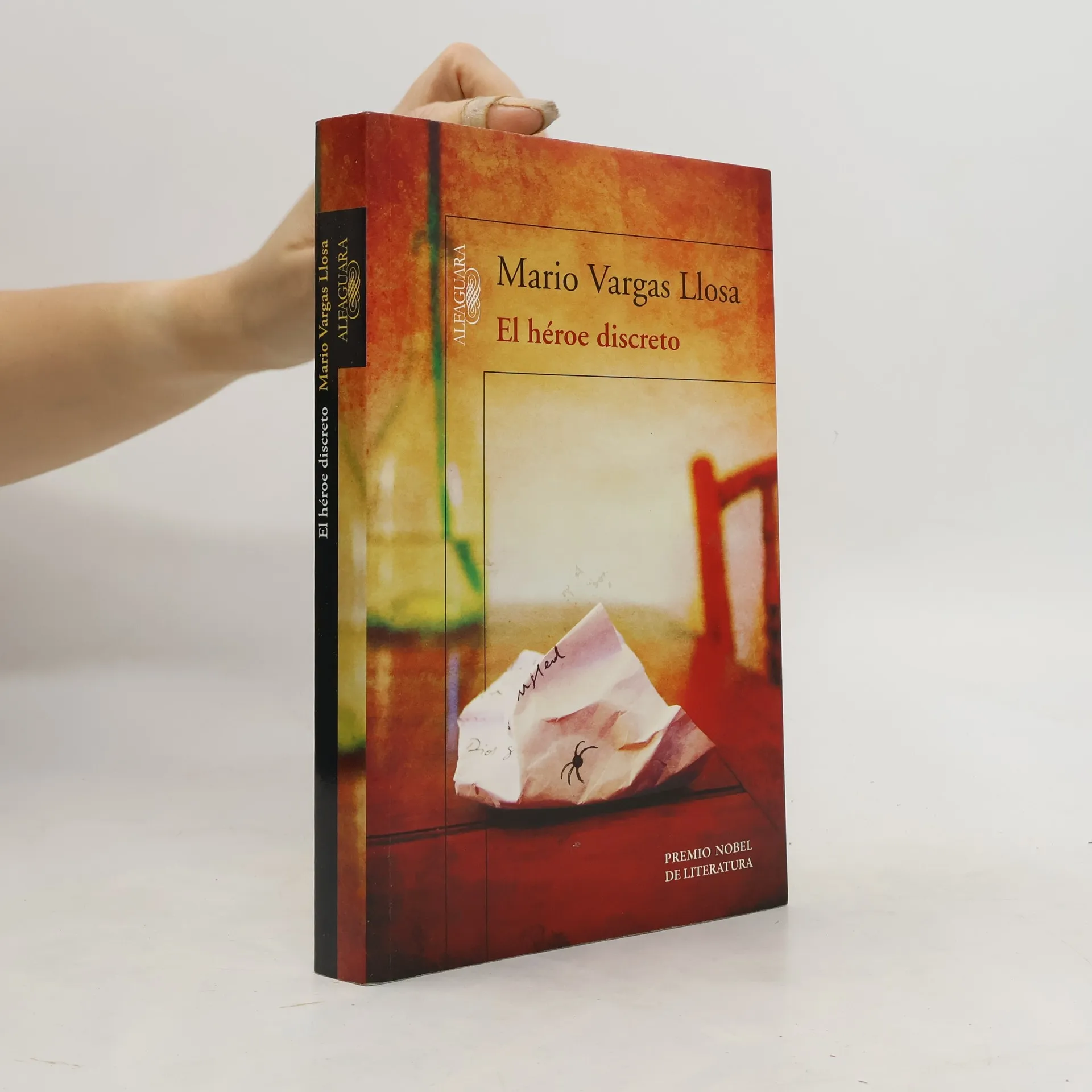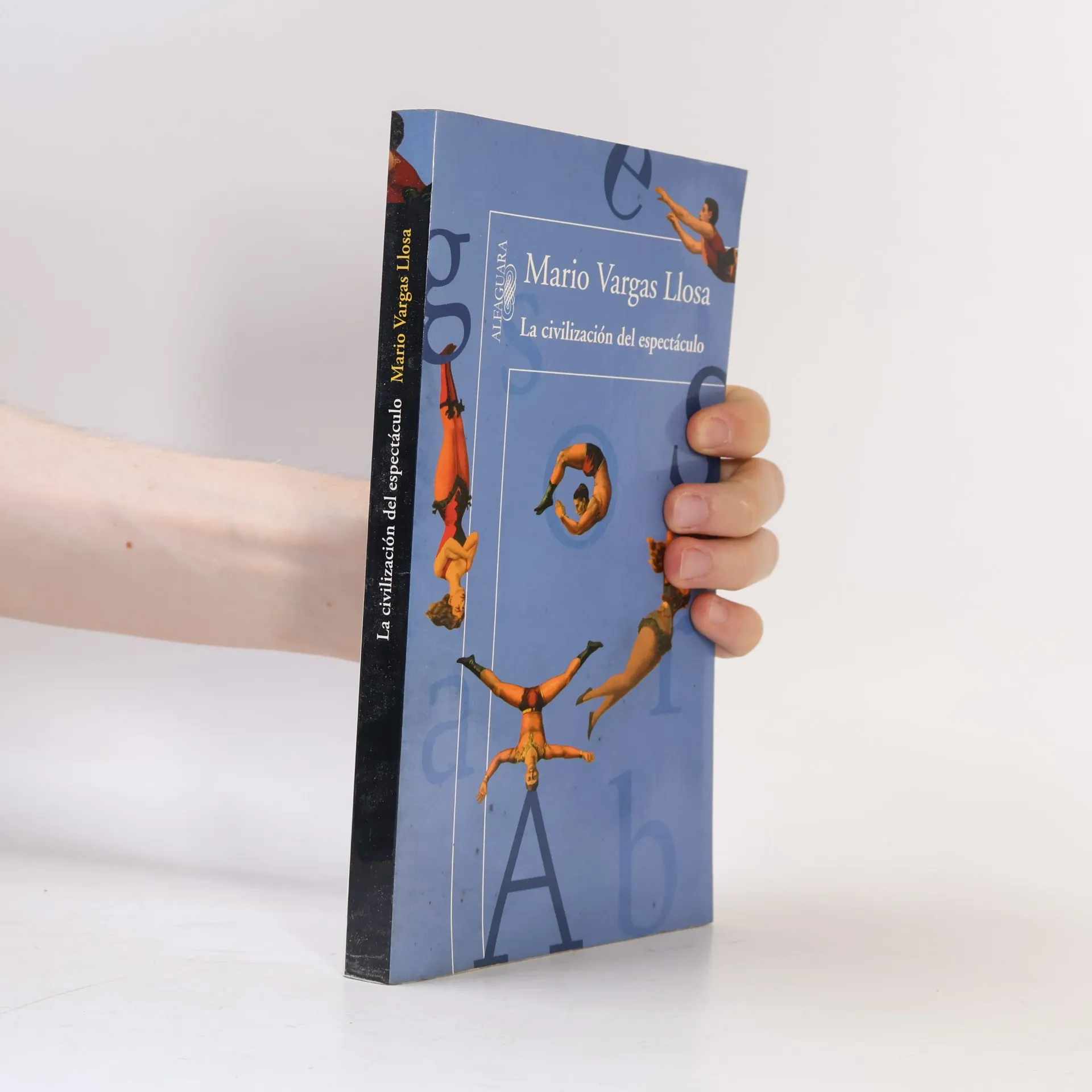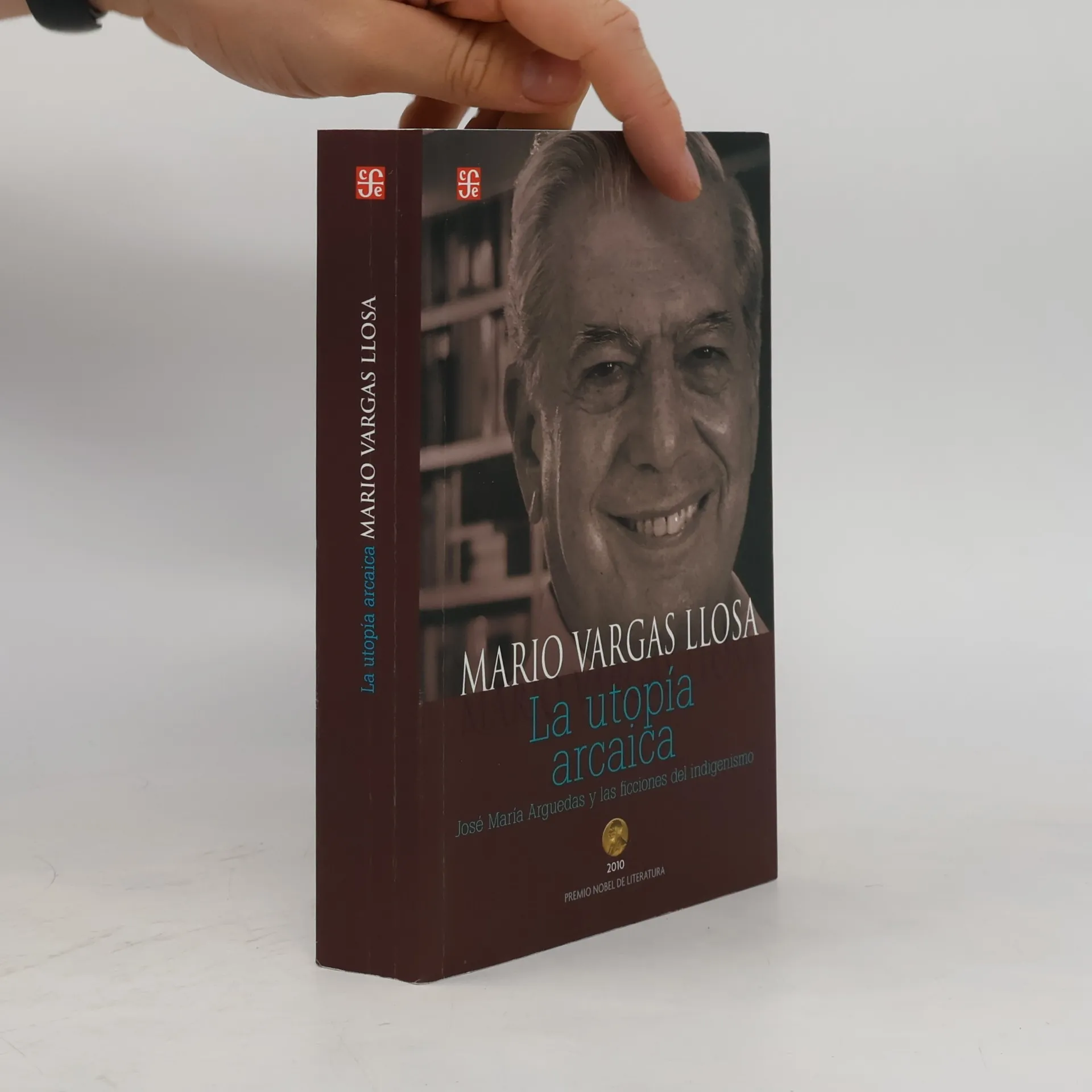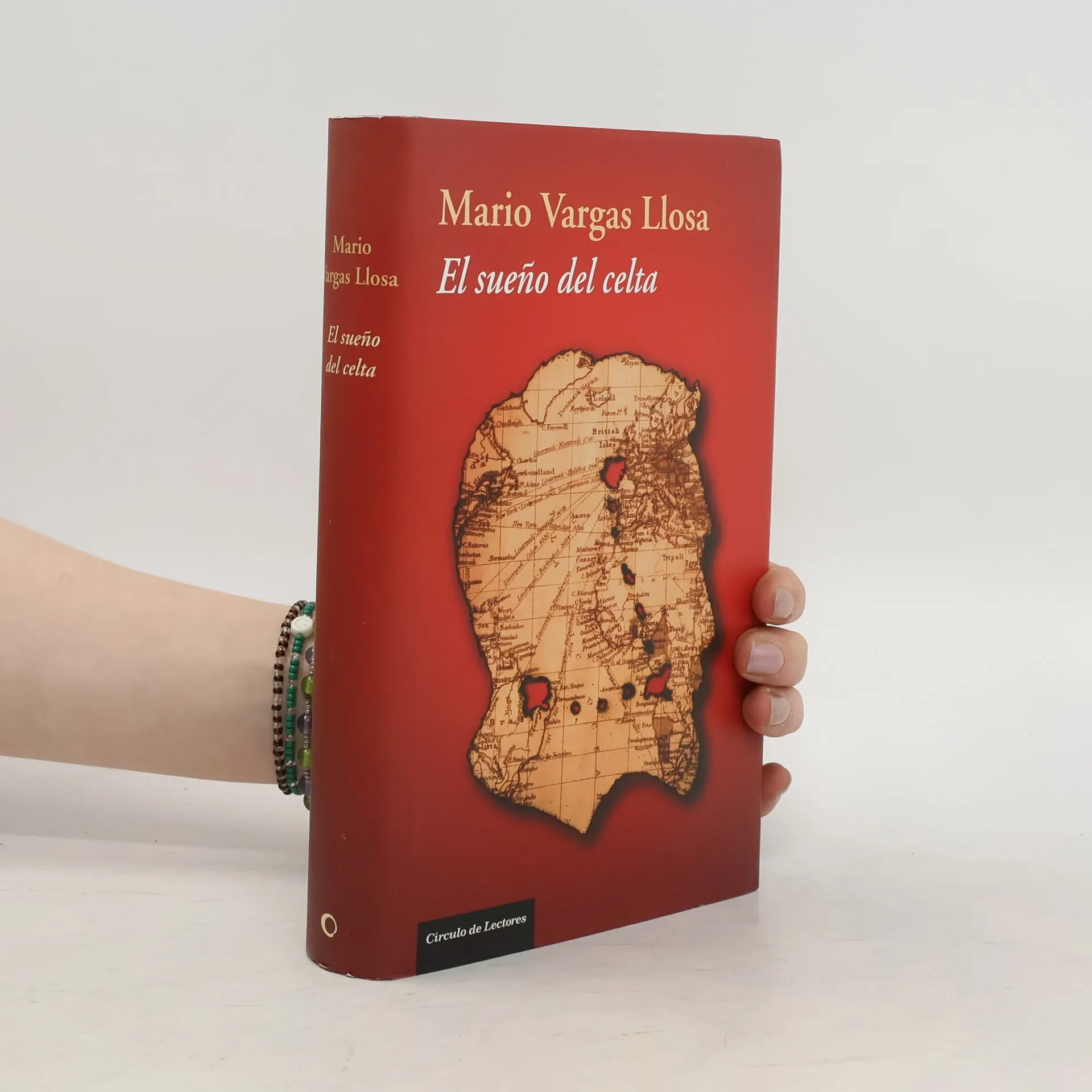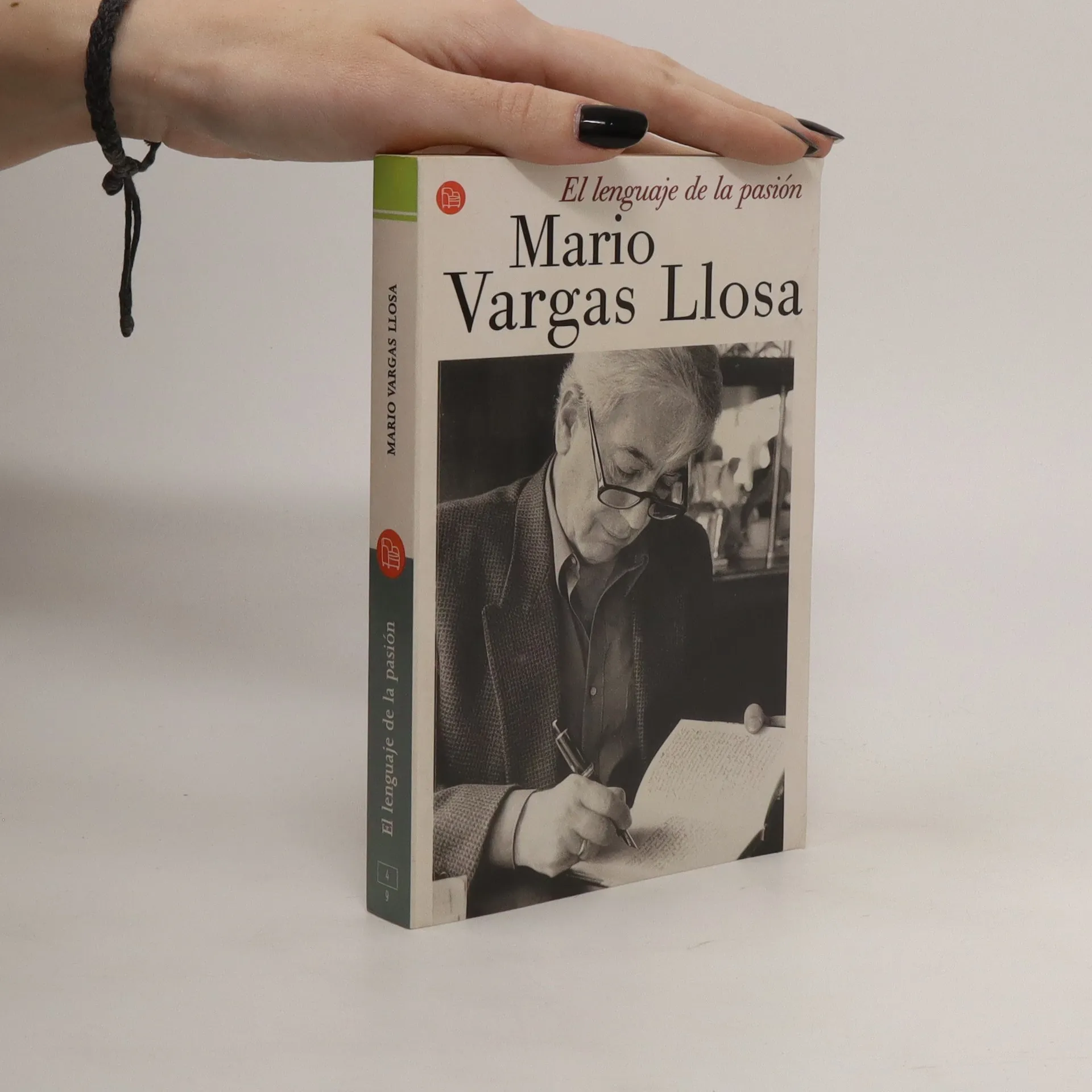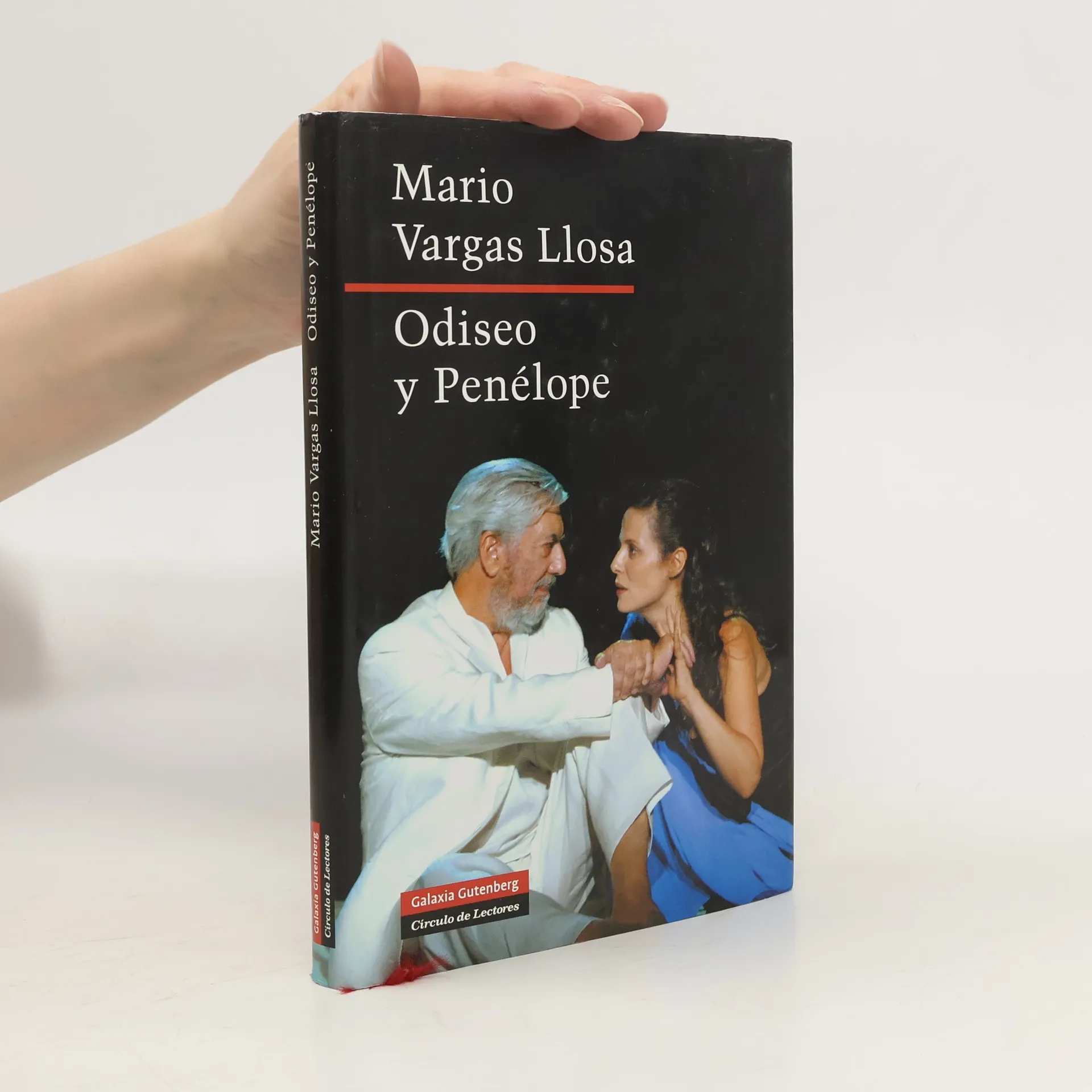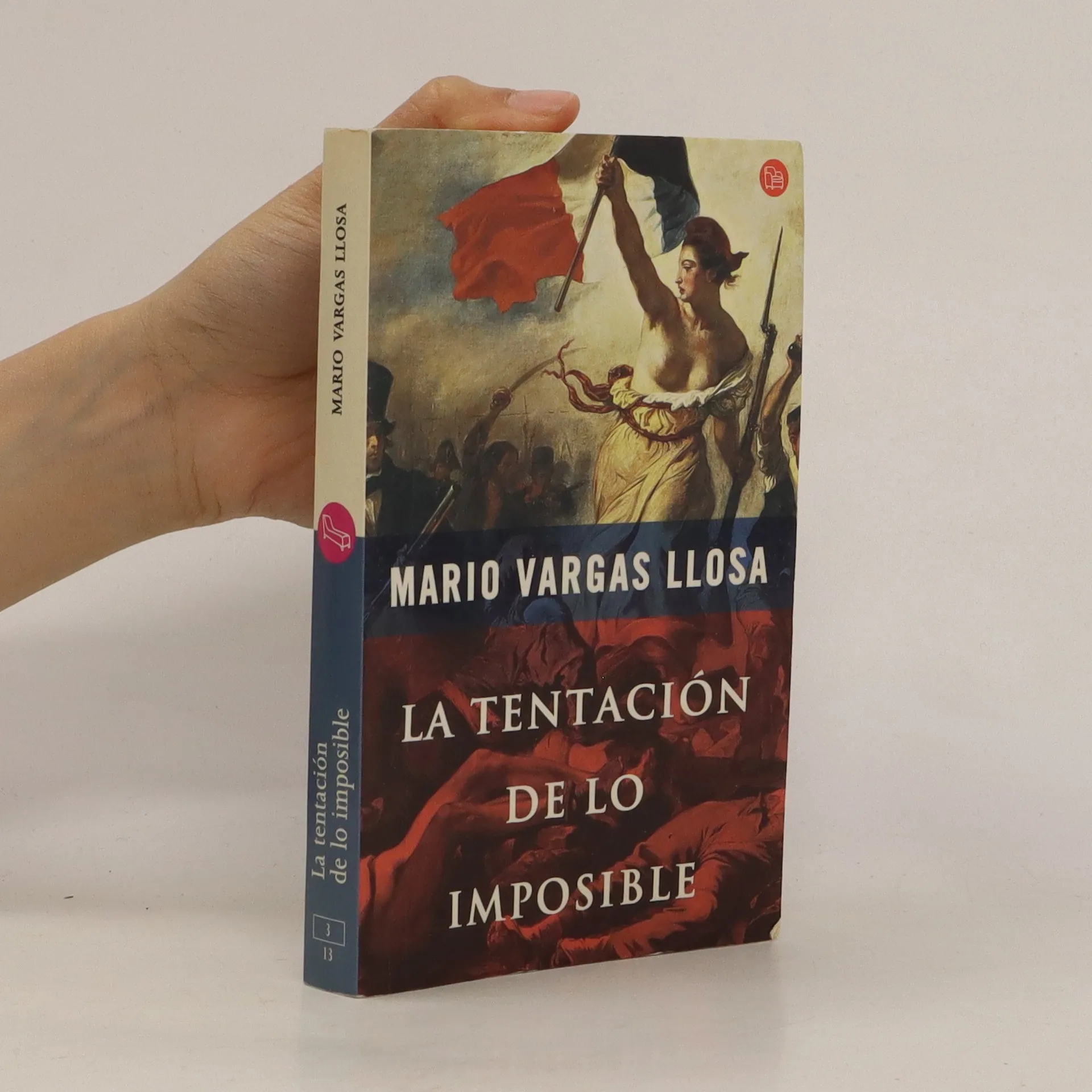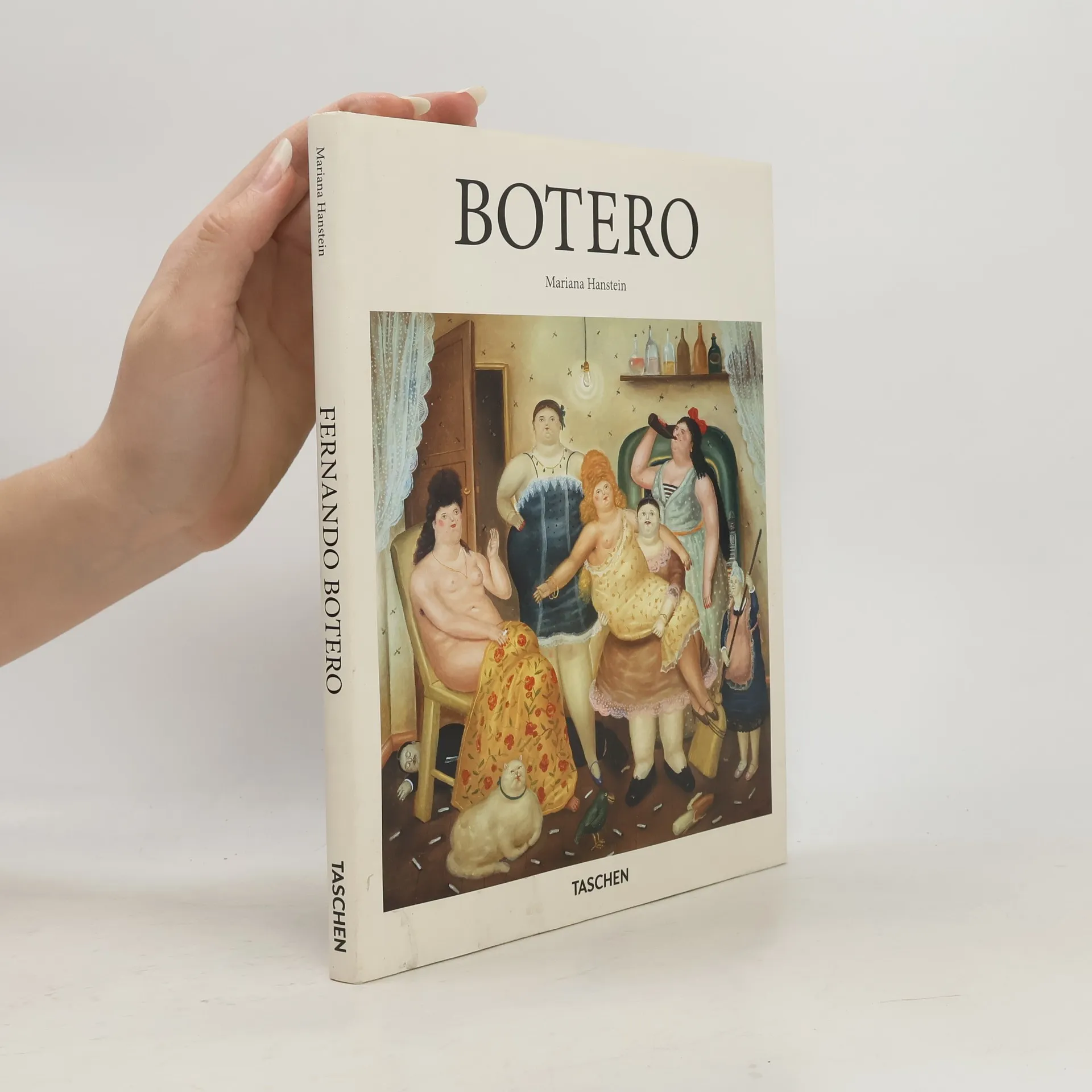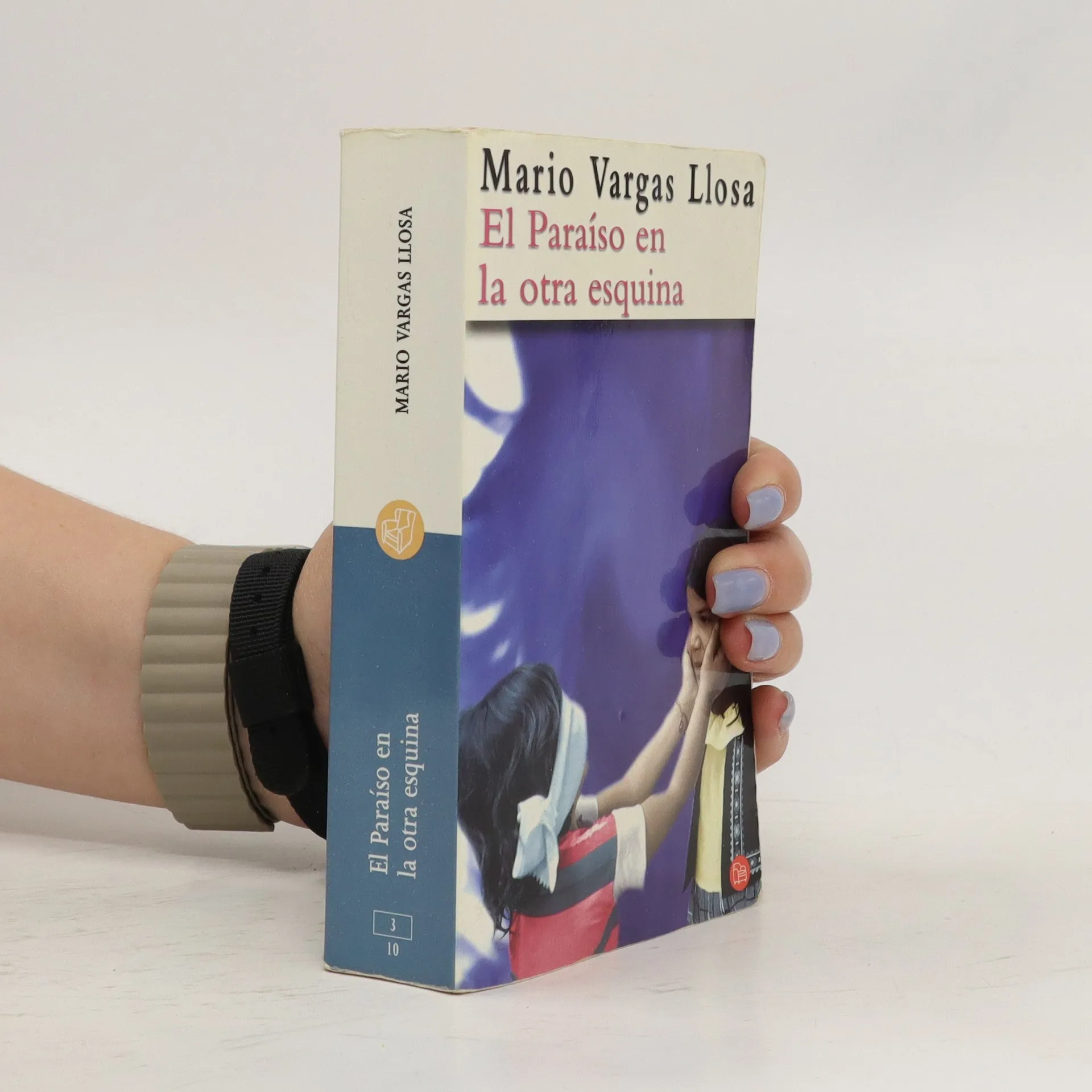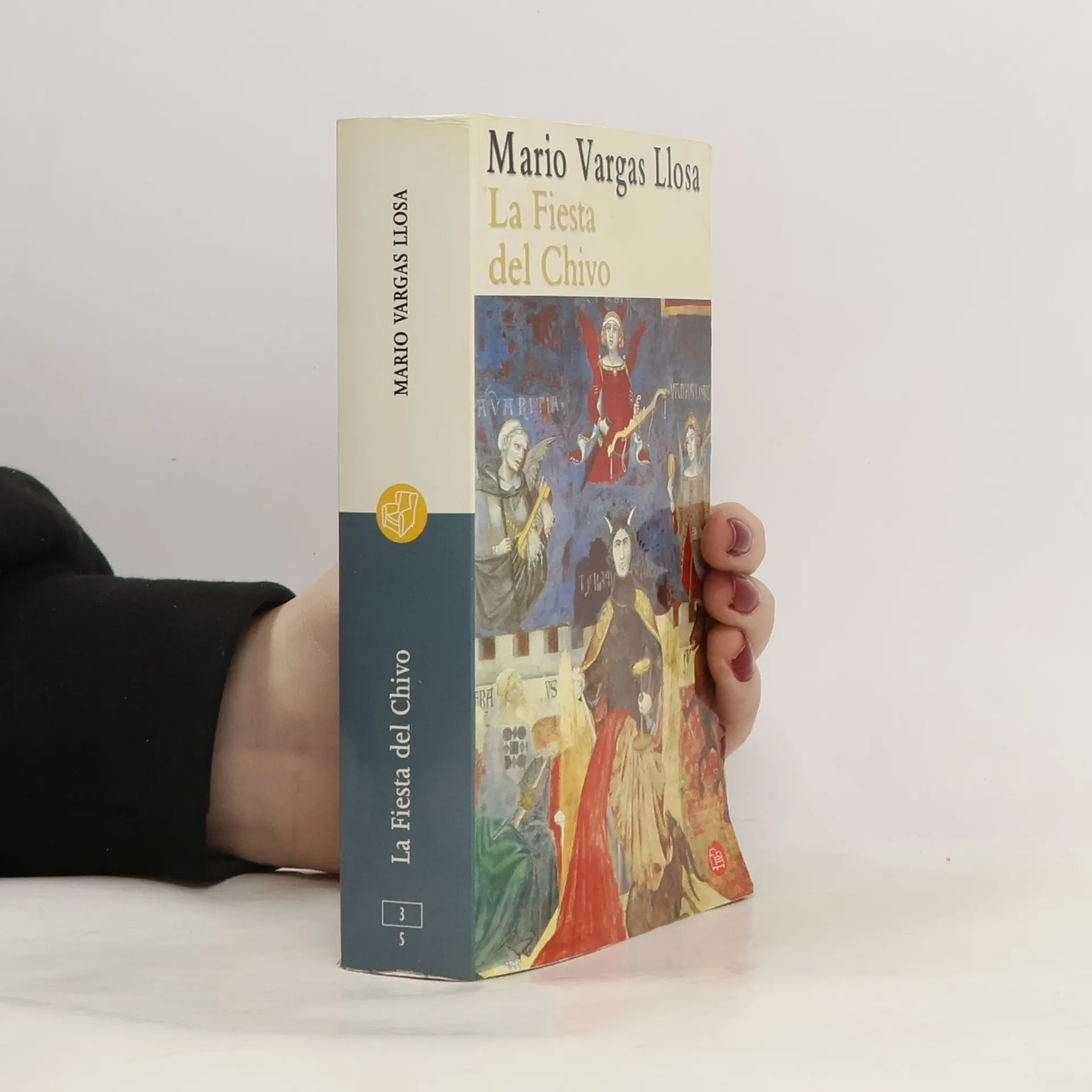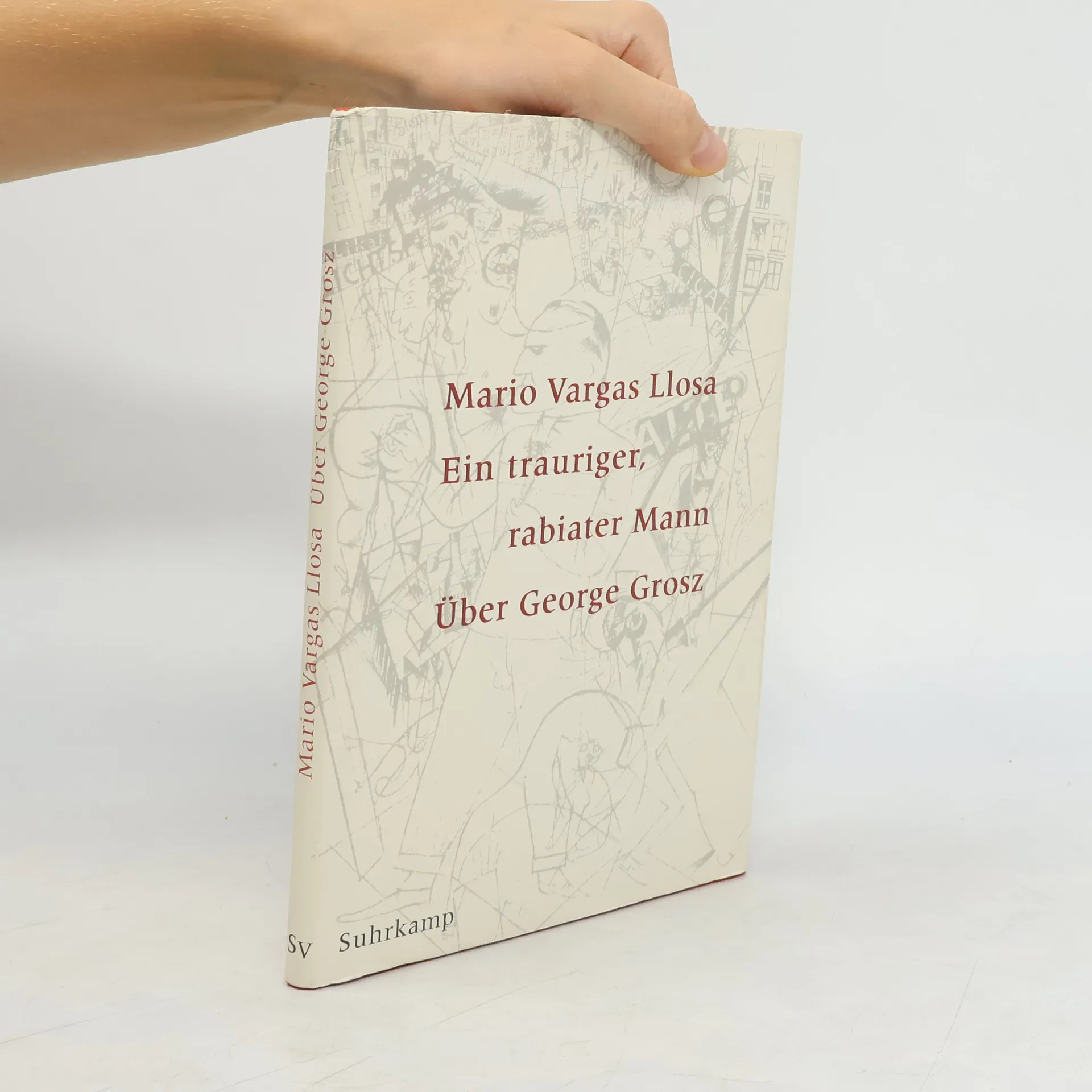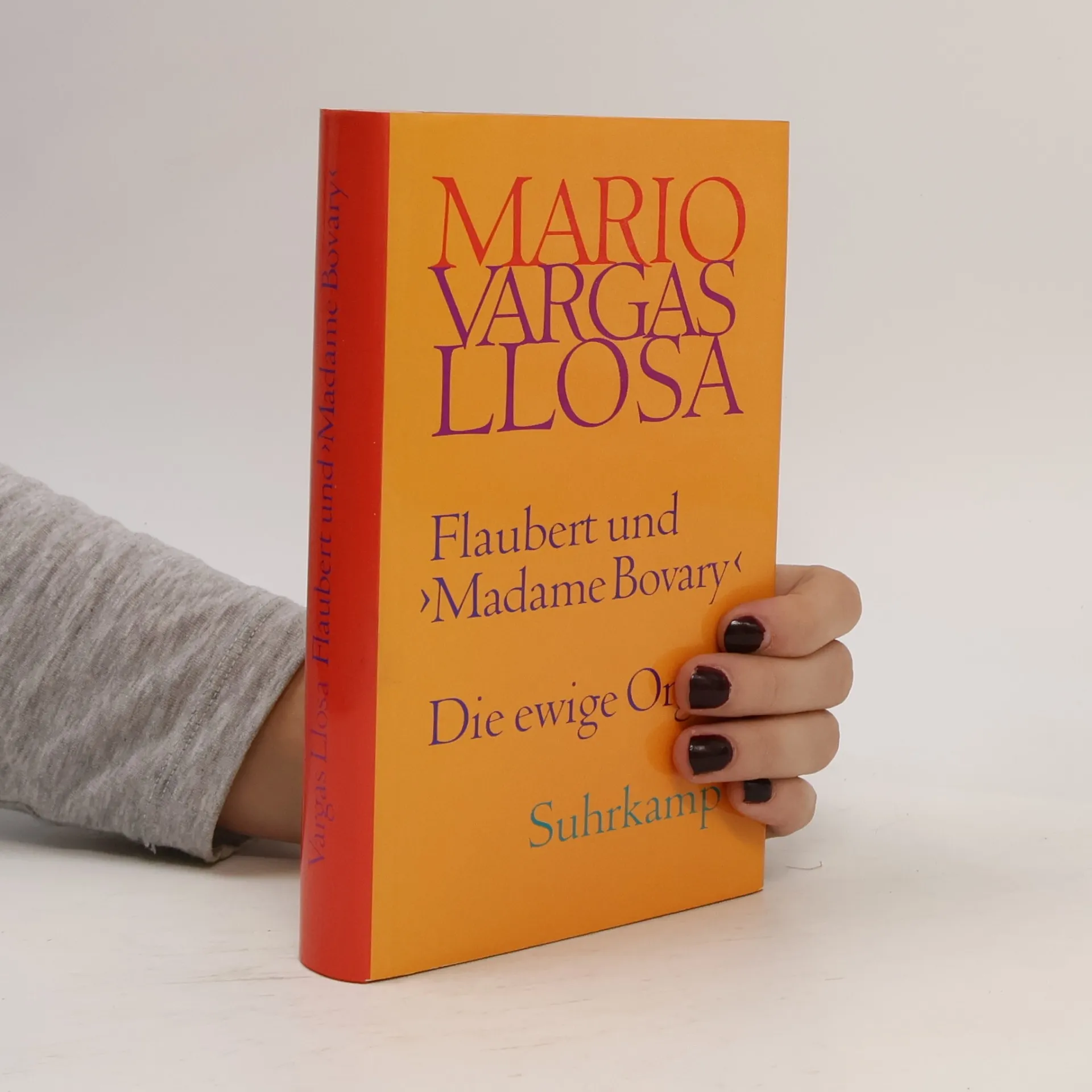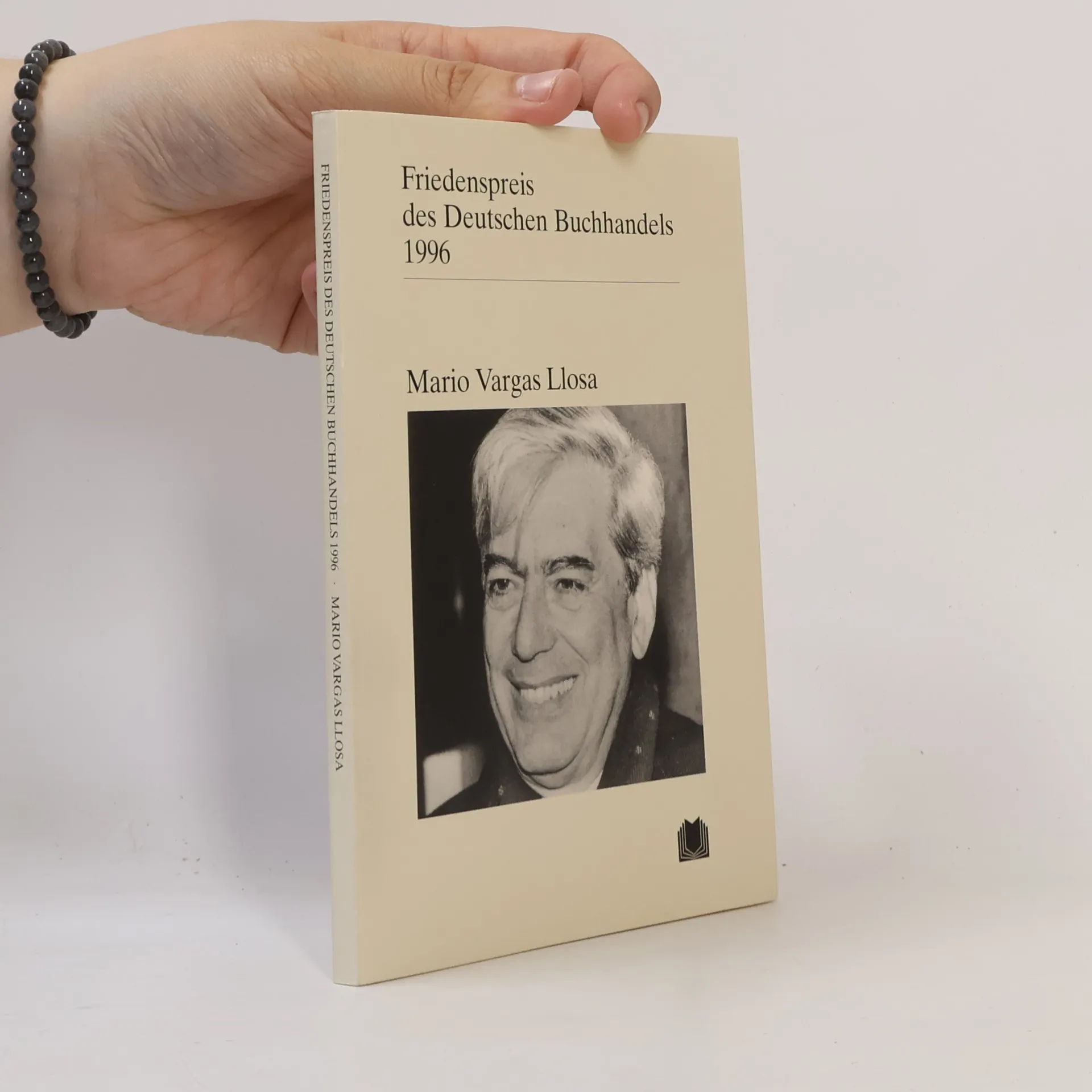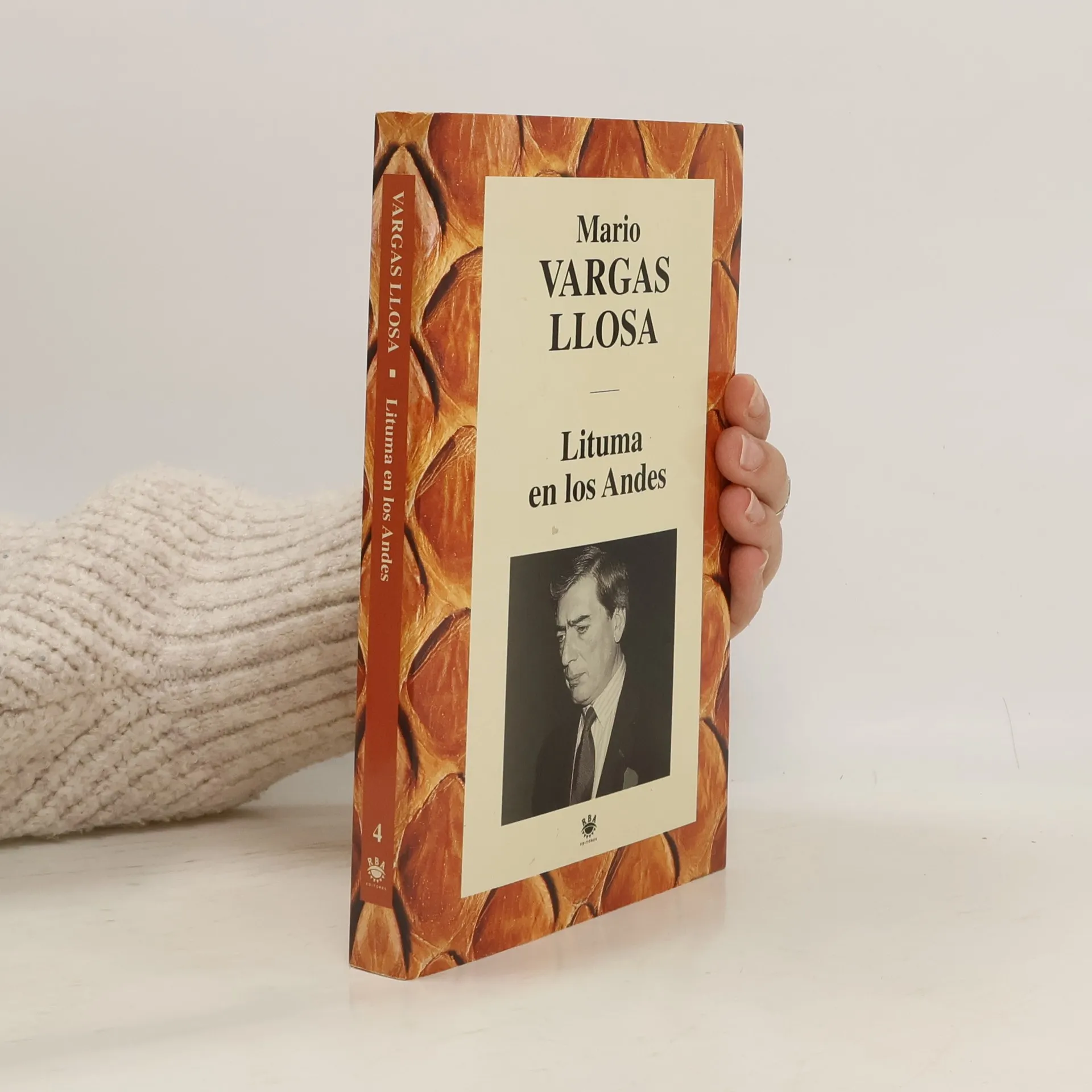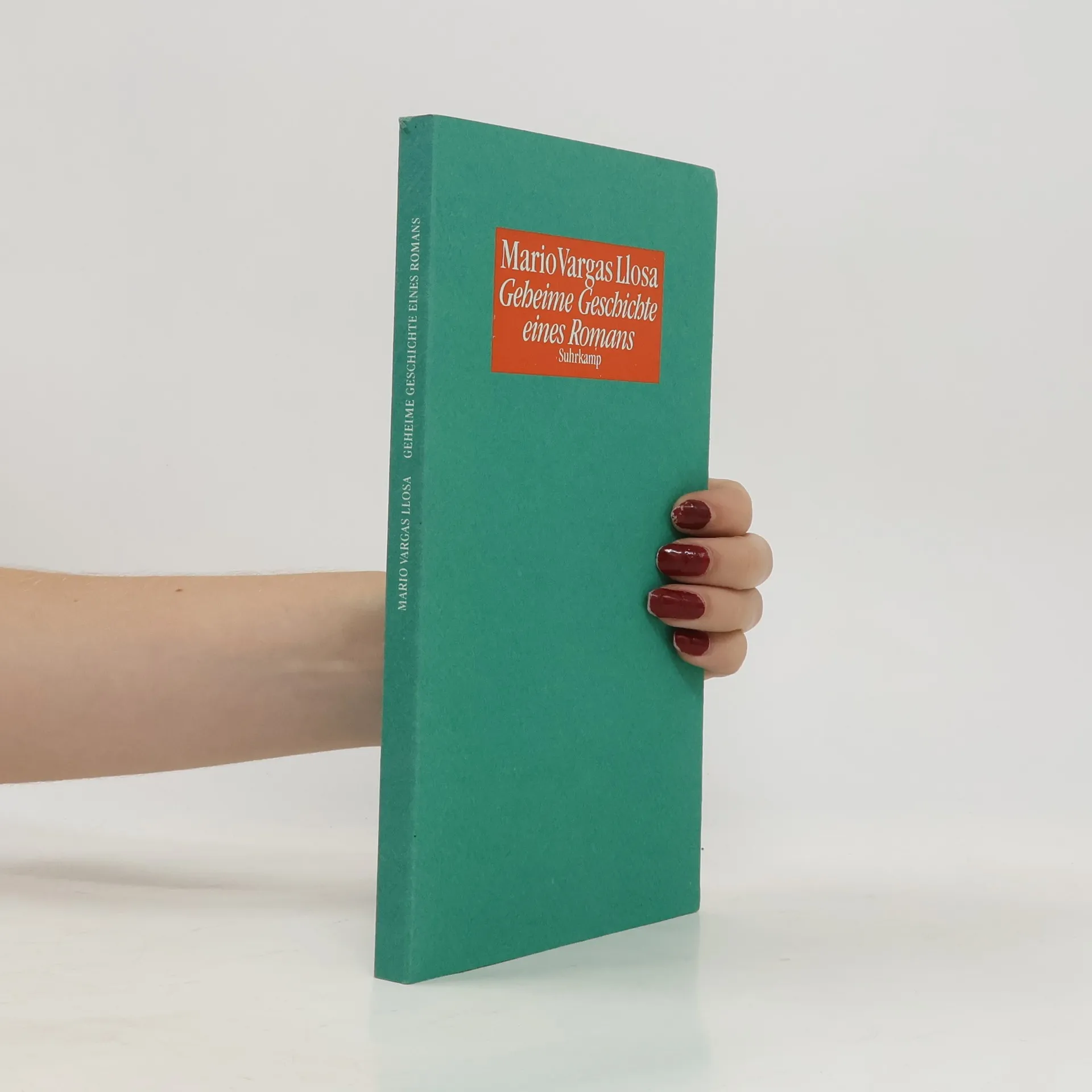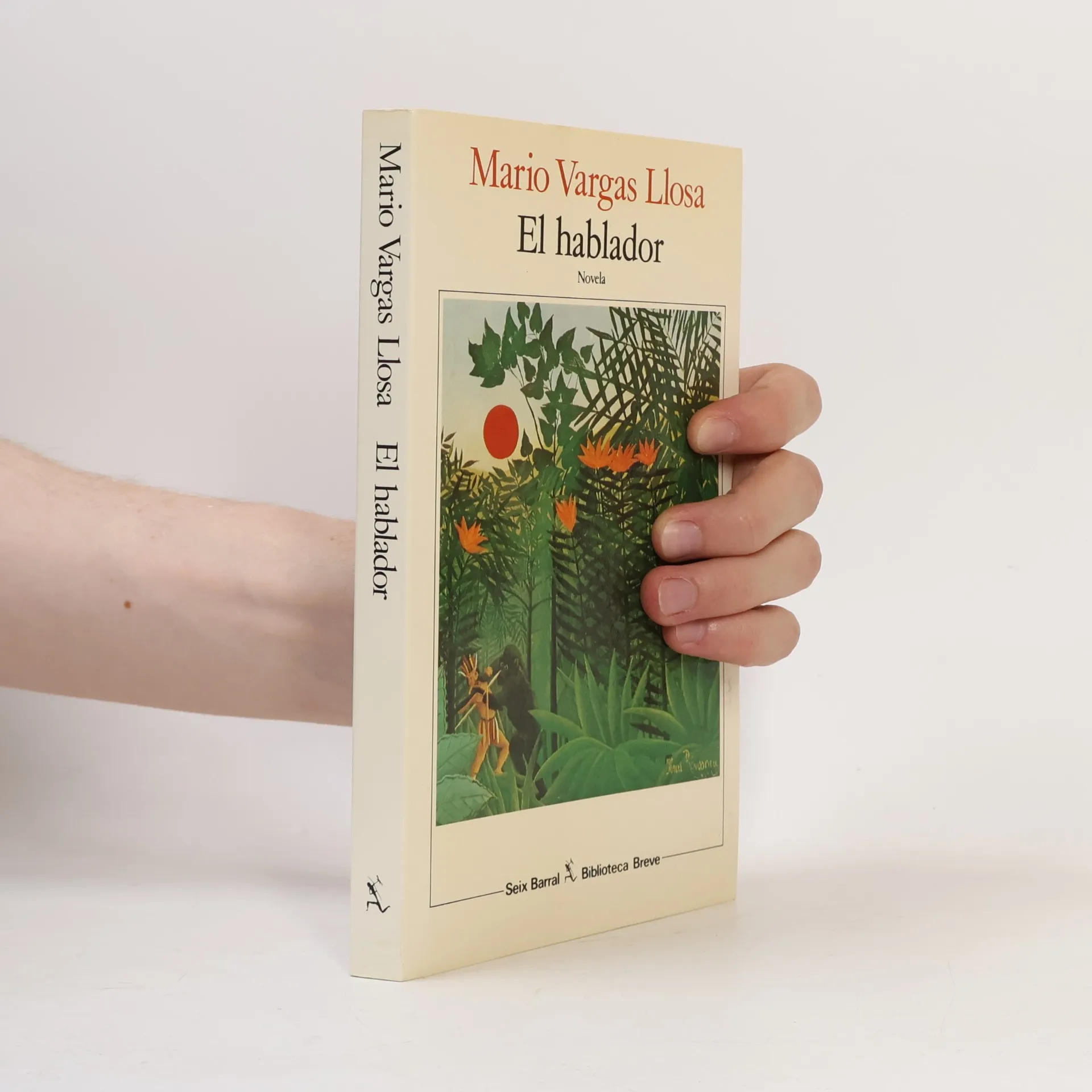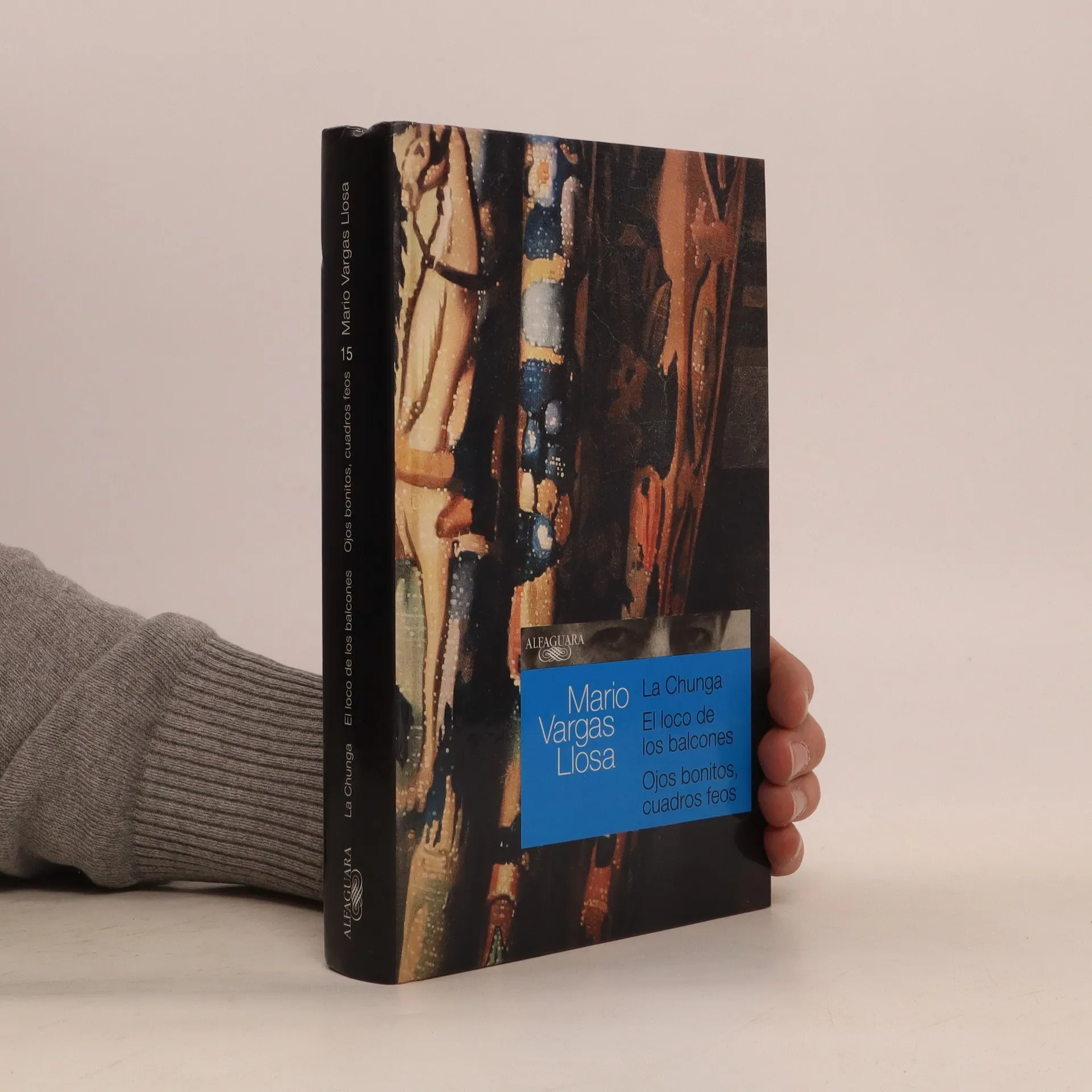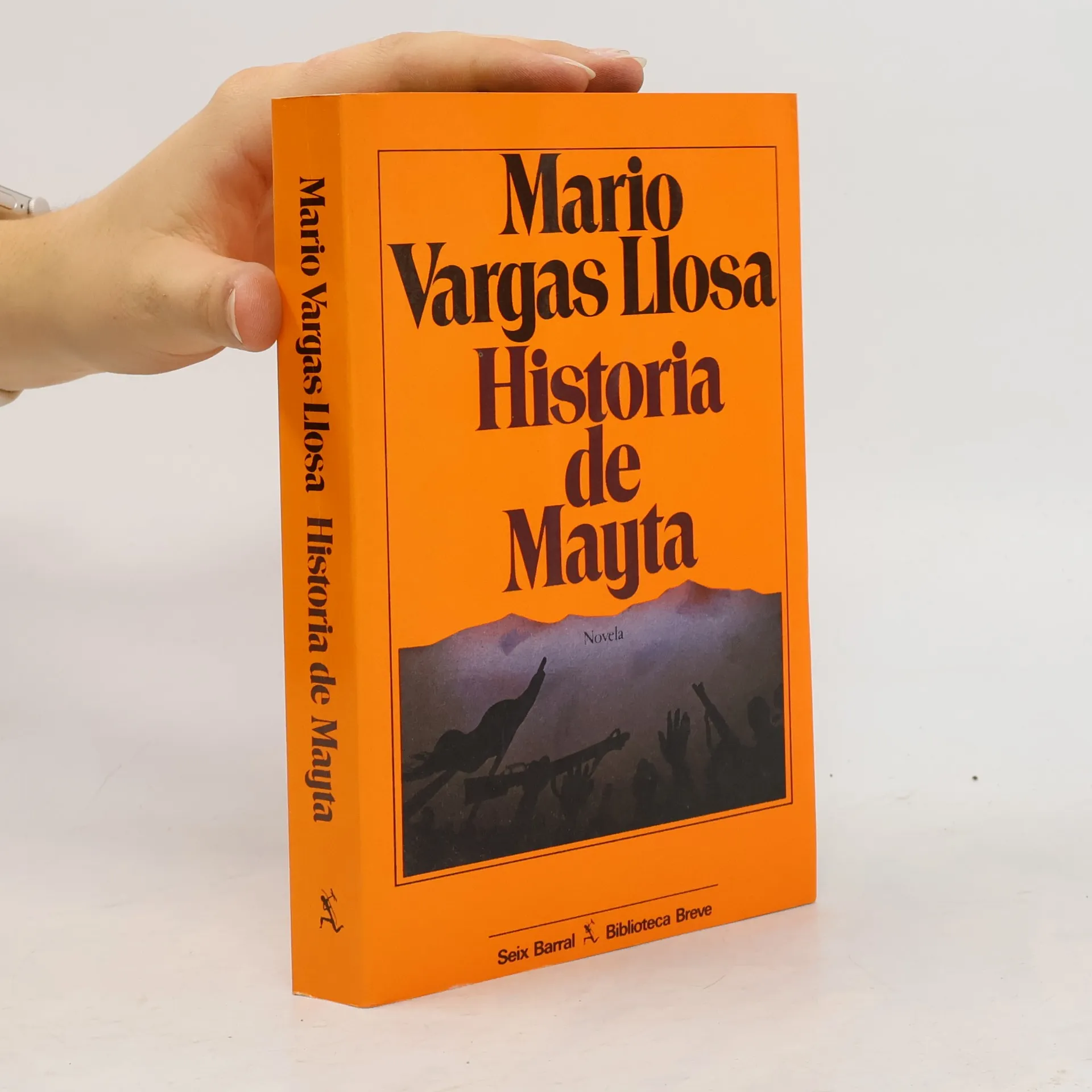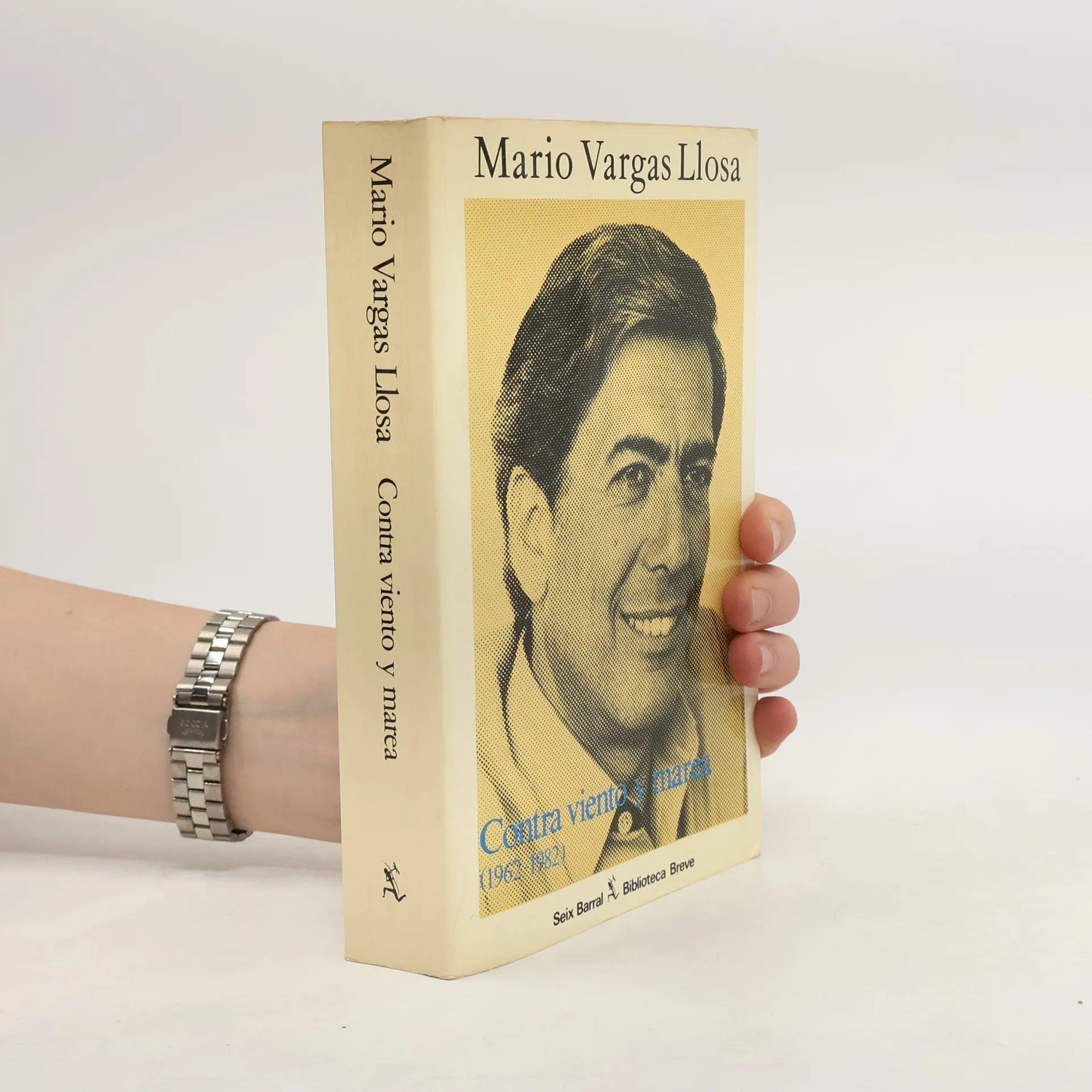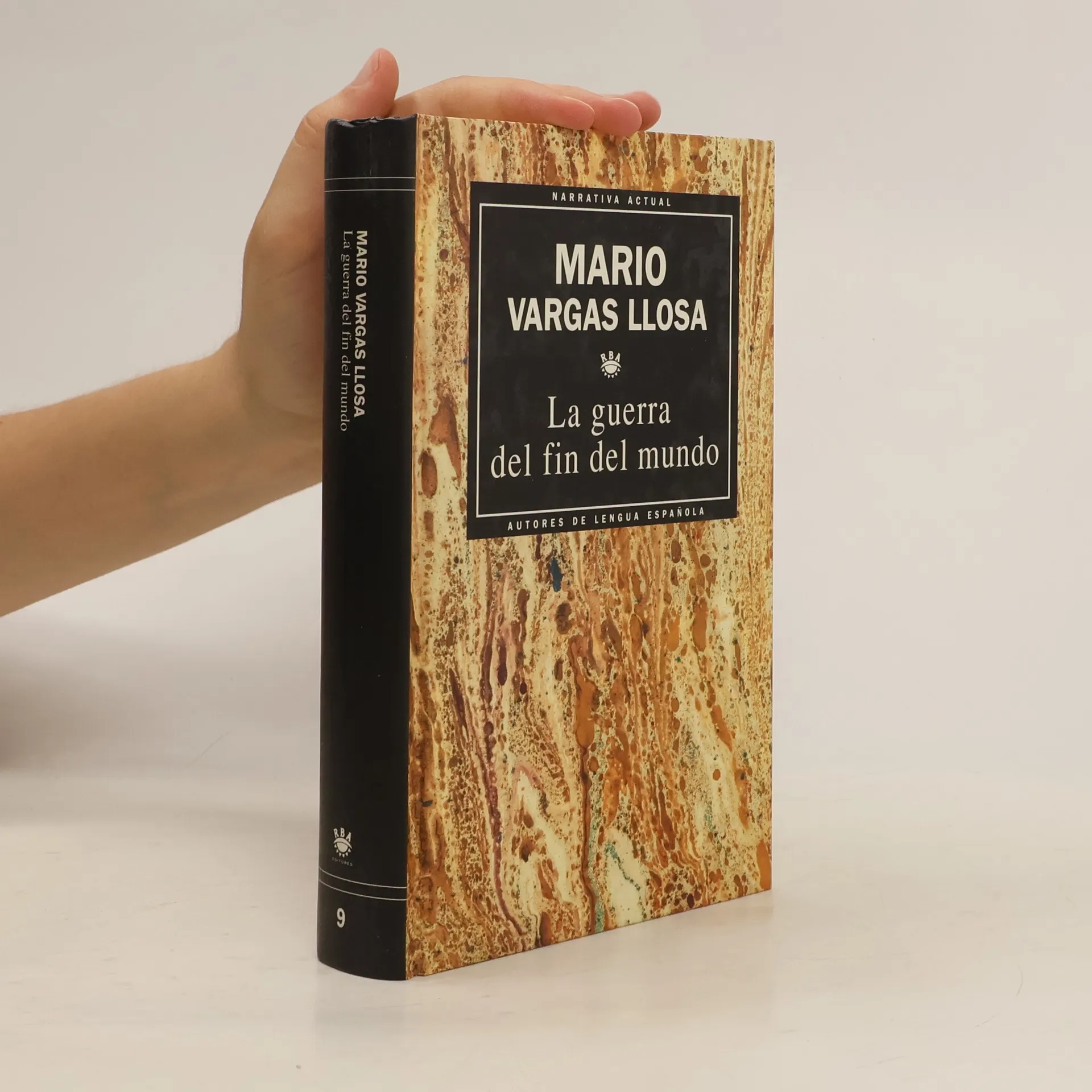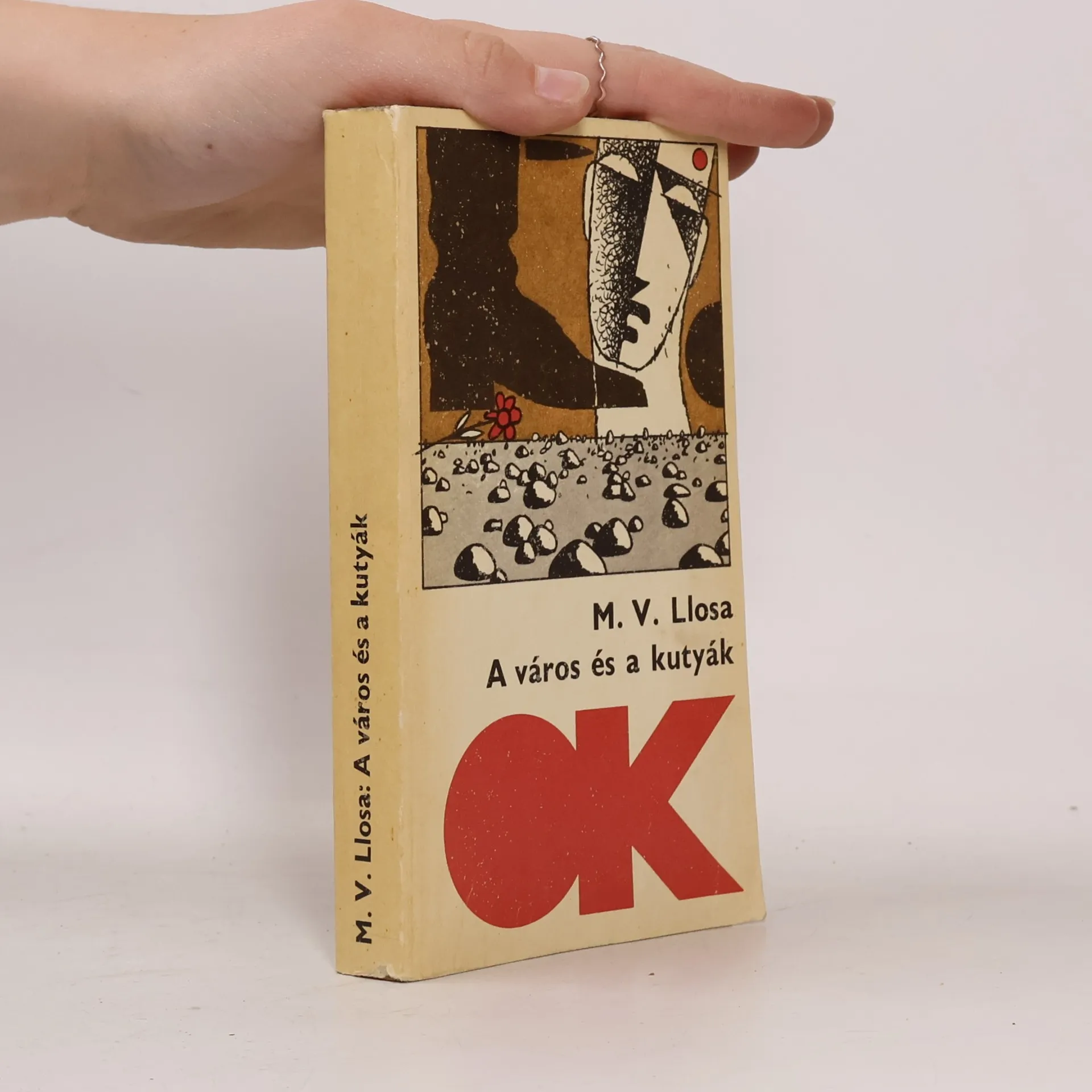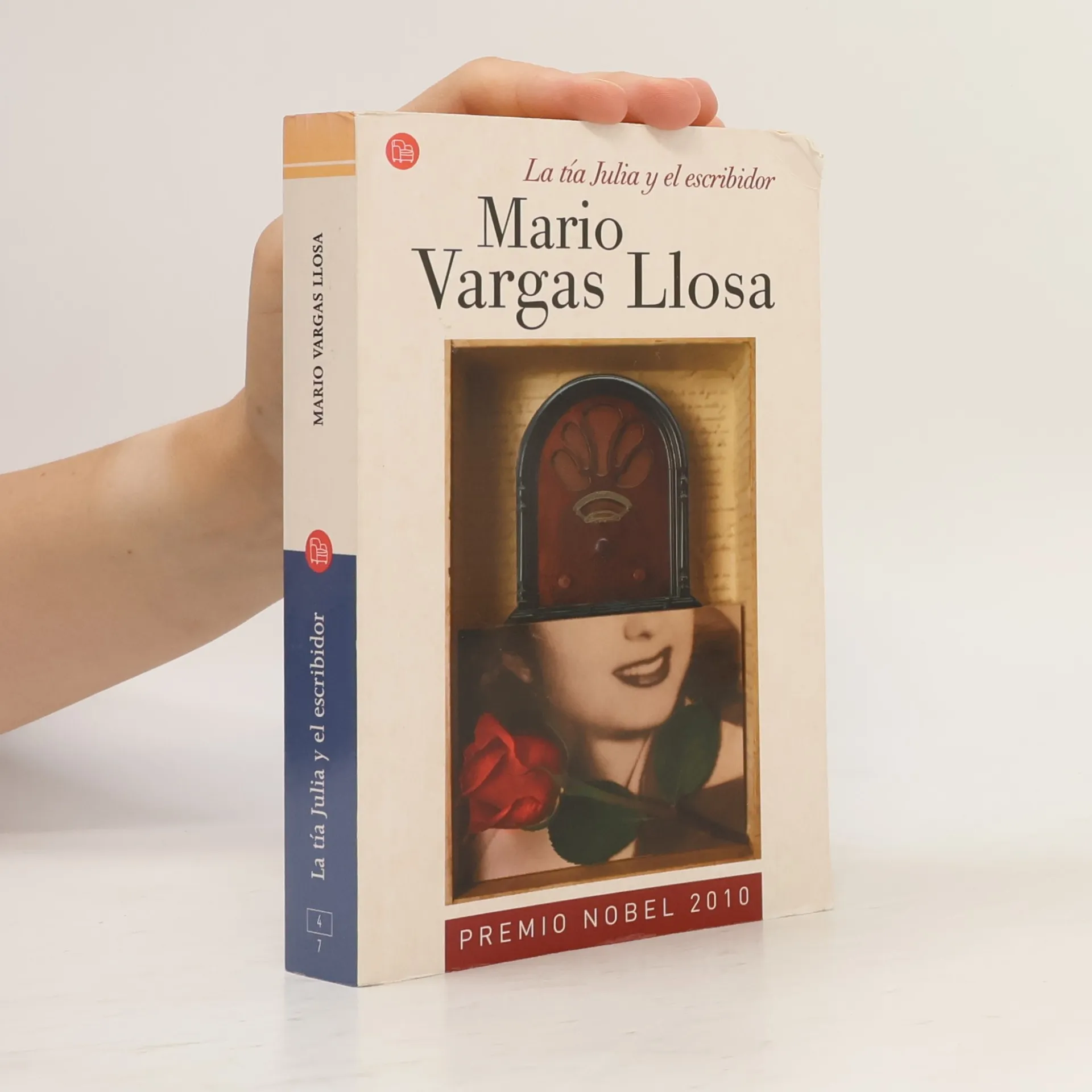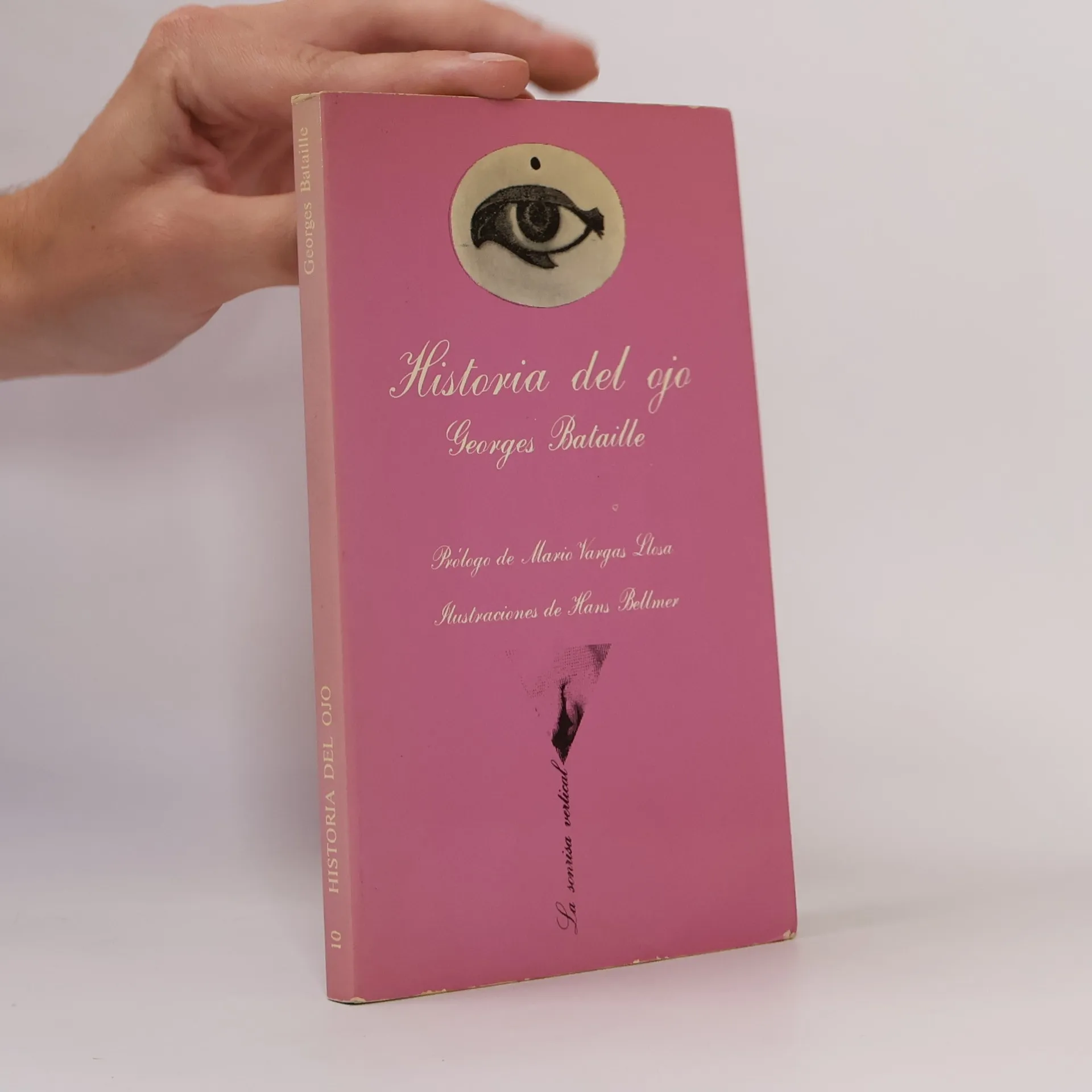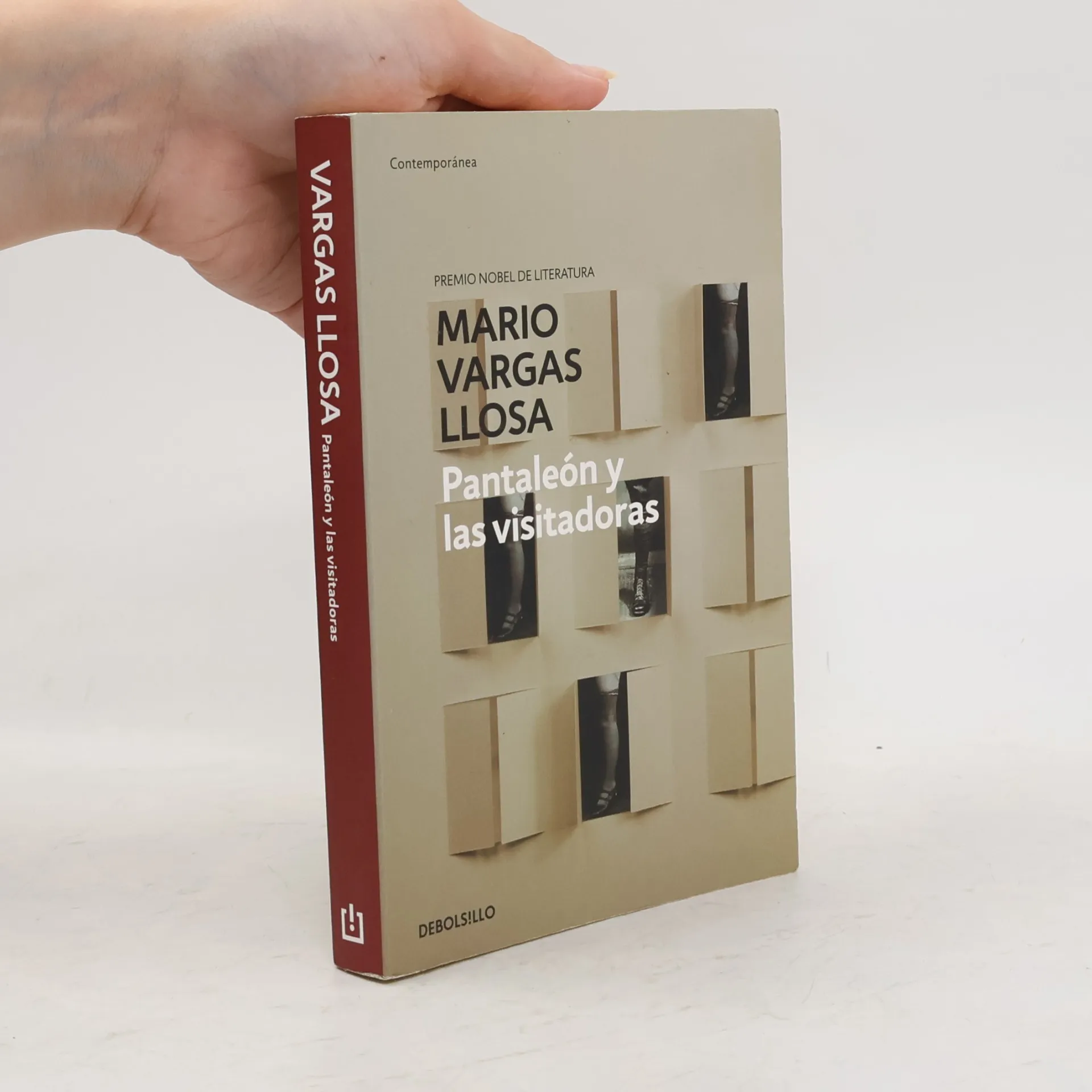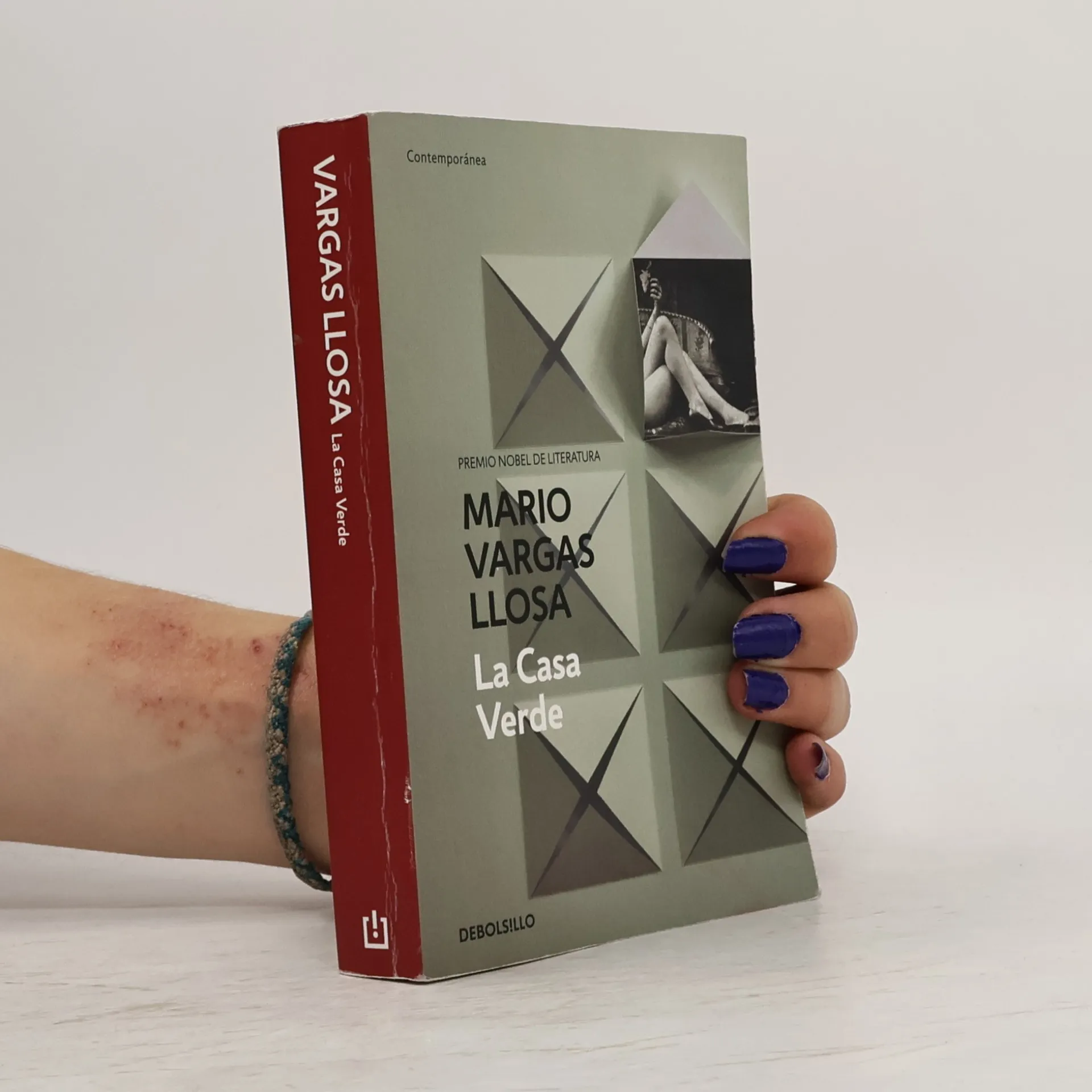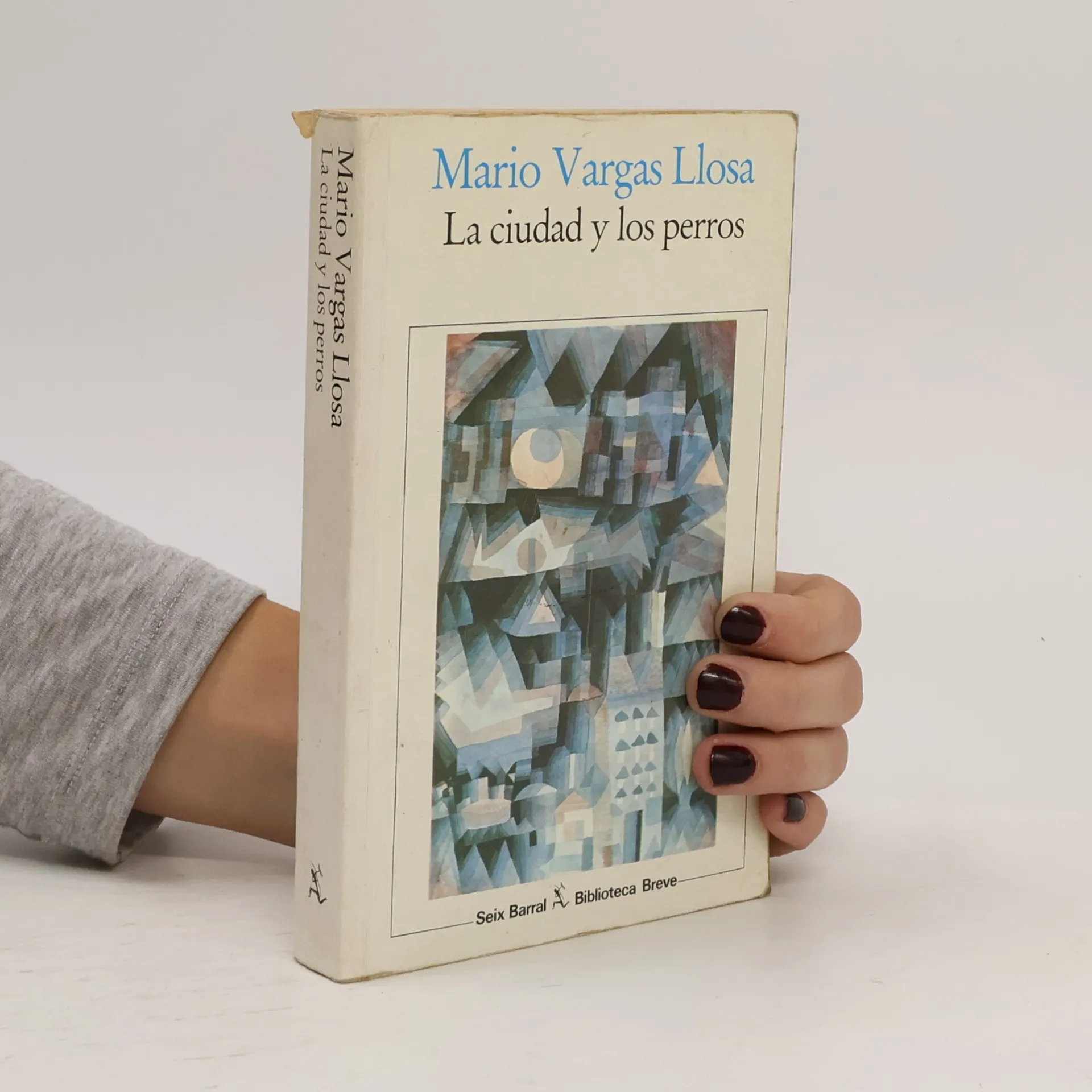
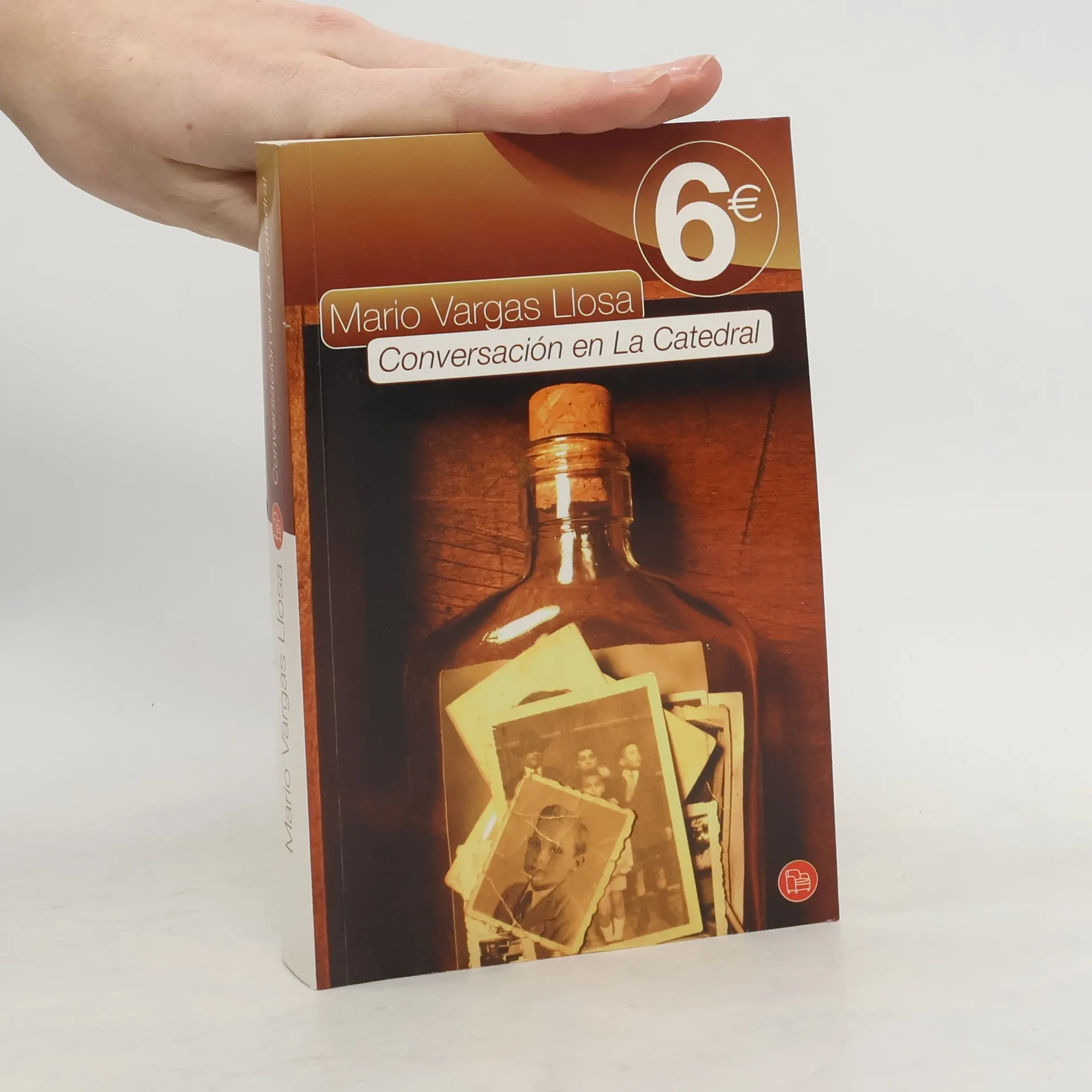
Mario Vargas Llosa hat ein spätes Meisterwerk geschrieben, in dem er seine Lebensthemen virtuos zusammenführt. Von großen und noch größeren Versuchungen erzählt dieser sinnliche, kräftige, lebenspralle Roman, von der Verführungskraft der Musik, der grenzenlosen Leidenschaft für die Kunst und die Welt – und der Schwierigkeit, dabei Maß zu halten. Toño Azpilcueta führt Familien- und Berufsleben mit sehr mäßiger Begeisterung. Seine Leidenschaft gilt der traditionellen Musik seines Landes, dem peruanischen Walzer, den er seit der Jugend akribisch erforscht. Eines Tages lernt er einen unbekannten, aber offensichtlich über alle Maßen talentierten Gitarristen namens Lalo Molfino kennen. Die Begegnung verändert Toños Leben – sehr zur Beunruhigung seiner Familie –, denn Molfino spielen zu hören, ist für ihn eine Offenbarung. Augenblicklich weiß Toño, was seine Mission ist: Er schreibt endlich das Buch, über Molfino, den peruanischen Walzer und vor allem die künstlerische Vision eines besseren Lebens. Es wird ein Erfolg und Toño berühmt. Was läge also näher, als das Buch zu erweitern, sein Land, dessen Geschichte, die ganze Welt darin unterzubringen? Immer mehr, geradezu manisch, schreibt Toño daran, taub gegen die lauter werdende Sorge seiner Familie …
Mario Vargas Llosa Orden de los libros
Mario Vargas Llosa es una voz fundamental en la literatura sudamericana contemporánea, reconocido por sus perspicaces exploraciones de las estructuras de poder y la resistencia individual. Sus novelas profundizan en las complejidades de los paisajes políticos y sociales, presentando a menudo vívidas representaciones de la corrupción y la lucha contra regímenes opresivos. Con un estilo narrativo distintivo, elabora magistralmente personajes y sus conflictos internos, reflejando un profundo compromiso con el examen de la condición humana. Más allá de la ficción, Vargas Llosa es un ensayista respetado que cree que los escritores tienen una responsabilidad cívica de participar en los debates sociales, enriqueciendo la literatura a través de su conexión con la vida misma.


- 2025
- 2024
Mario Vargas Llosa präsentiert in seinem späten Meisterwerk die Geschichte von Toño Azpilcueta, der durch die Begegnung mit dem talentierten Gitarristen Lalo Molfino seine Leidenschaft für die peruanische Musik neu entdeckt. Seine Mission, ein Buch über Molfino und die Kunst zu schreiben, führt zu Ruhm, doch Toños manische Schreibweise belastet seine Familie.
- 2023
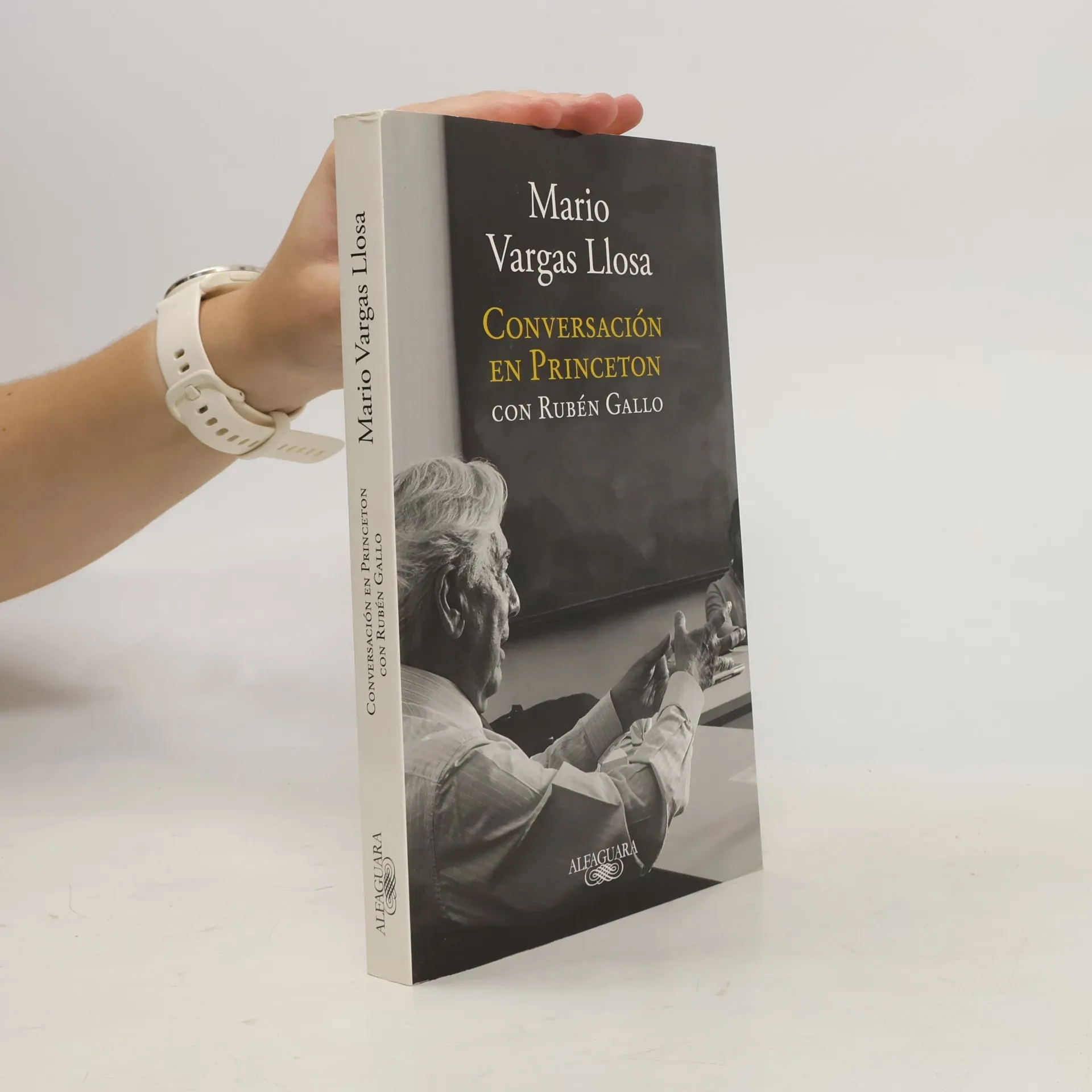
A series of conversations held at Princeton University between the Nobel laureate Mario Vargas Llosa and Rubén Gallo. Princeton University, 2015. For one semester, Mario Vargas Llosa taught a course on literature and politics with Rubén Gallo. Over the course of several classes, the two writers spoke to students about the theory of the novel and the relationship between journalism, politics, and literature through five beloved books by the Nobel laureate: Conversation in the Cathedral, The Real Life of Alejandro Mayta, Who Killed Palomino Molero?, A Fish in the Water, and The Feast of the Goat. Conversation at Princeton records these discussions and captures the three complementary perspectives that converged in the classroom: that of Vargas Llosa, who reveals the creative process behind his novels; that of Rubén Gallo, who analyzes the different meanings the works took on after their publication; and that of the students, whose reflections and questions give voice to millions of Vargas Llosa’s readers. During these talks, Vargas Llosa not only speaks with intelligence and lucidity about the craft of writing, but also offers an absorbing, inquisitive analysis of today’s political and cultural landscape. Conversation at Princeton is a singular opportunity to attend a master class on literature and society, taught by one of our greatest writers and thinkers.
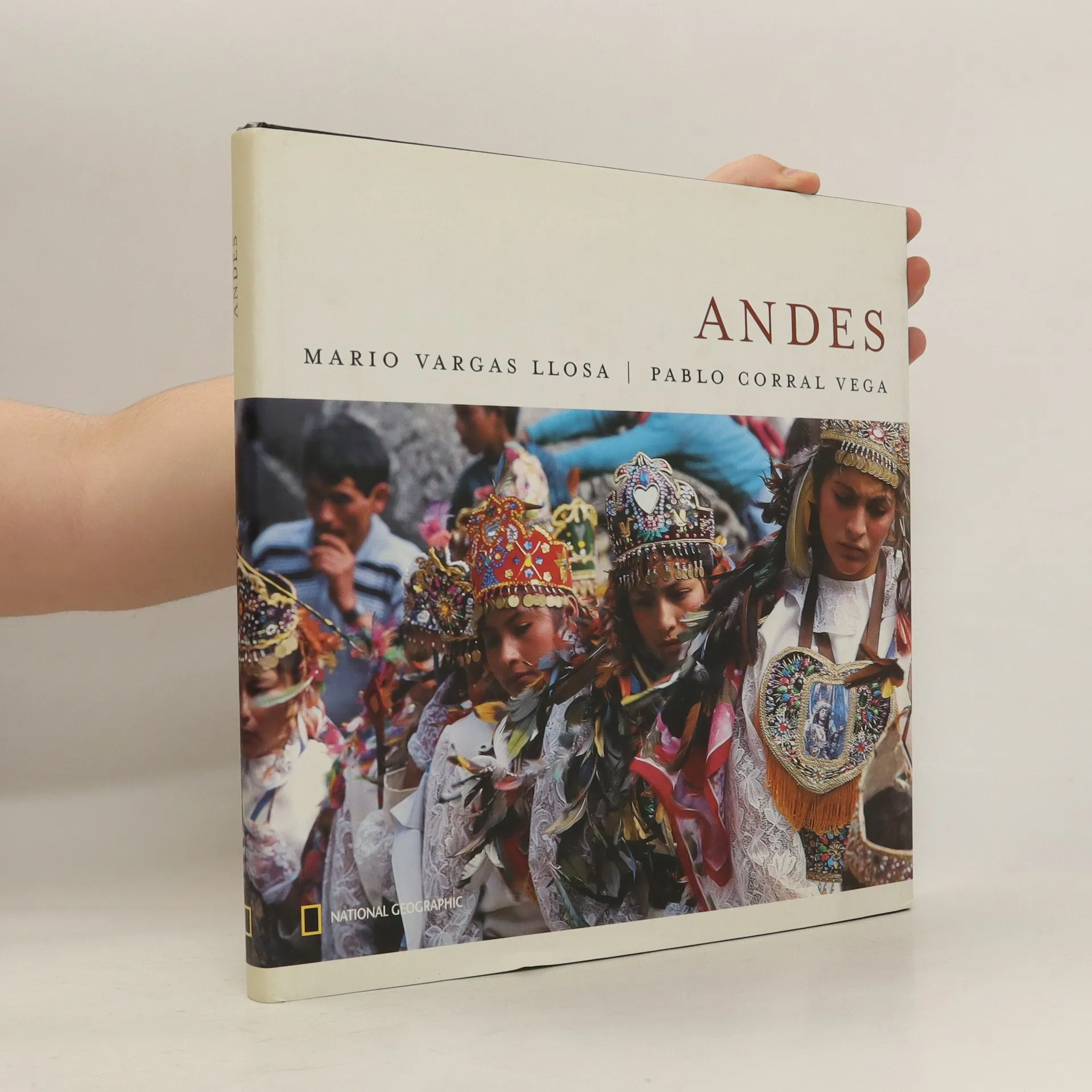
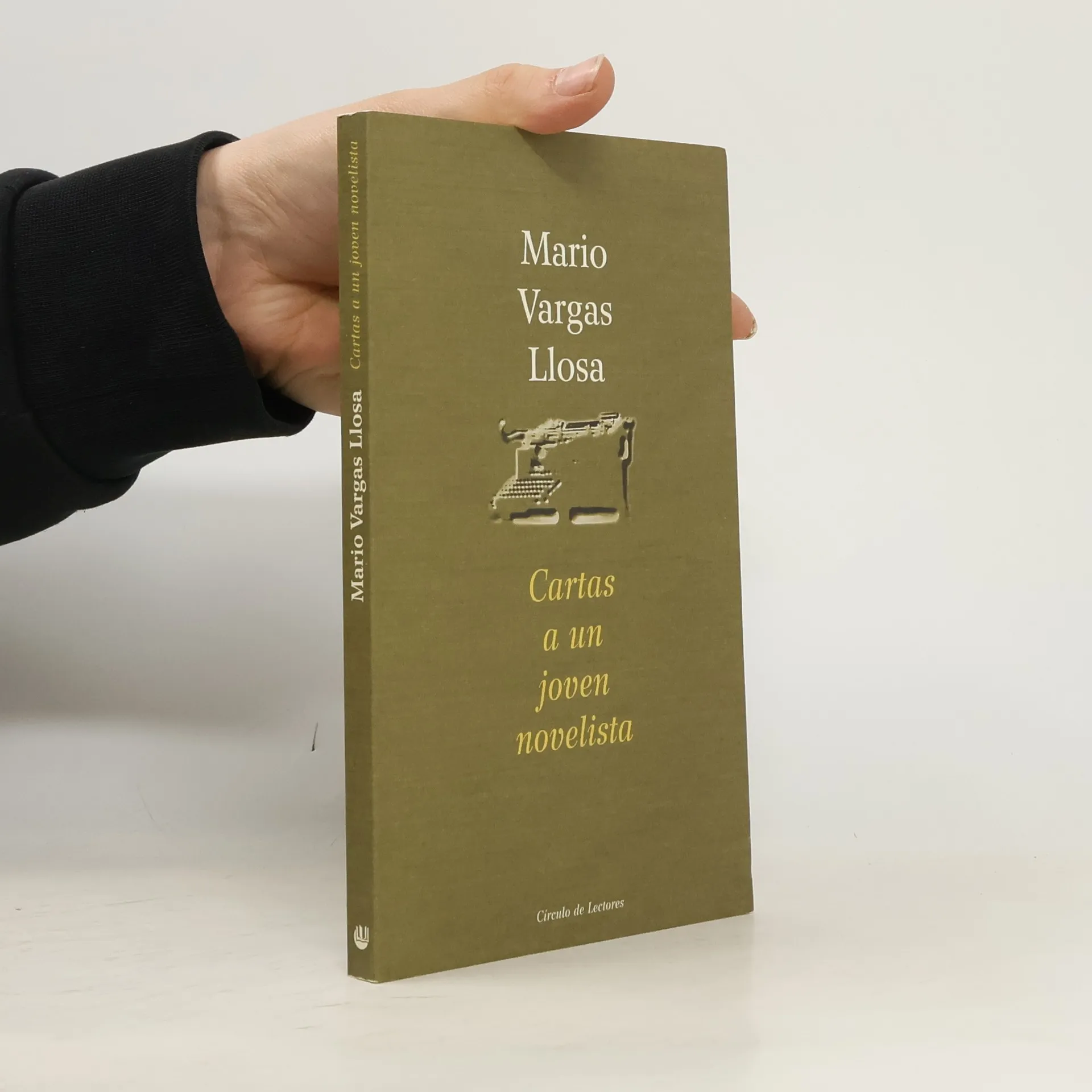
- 2023
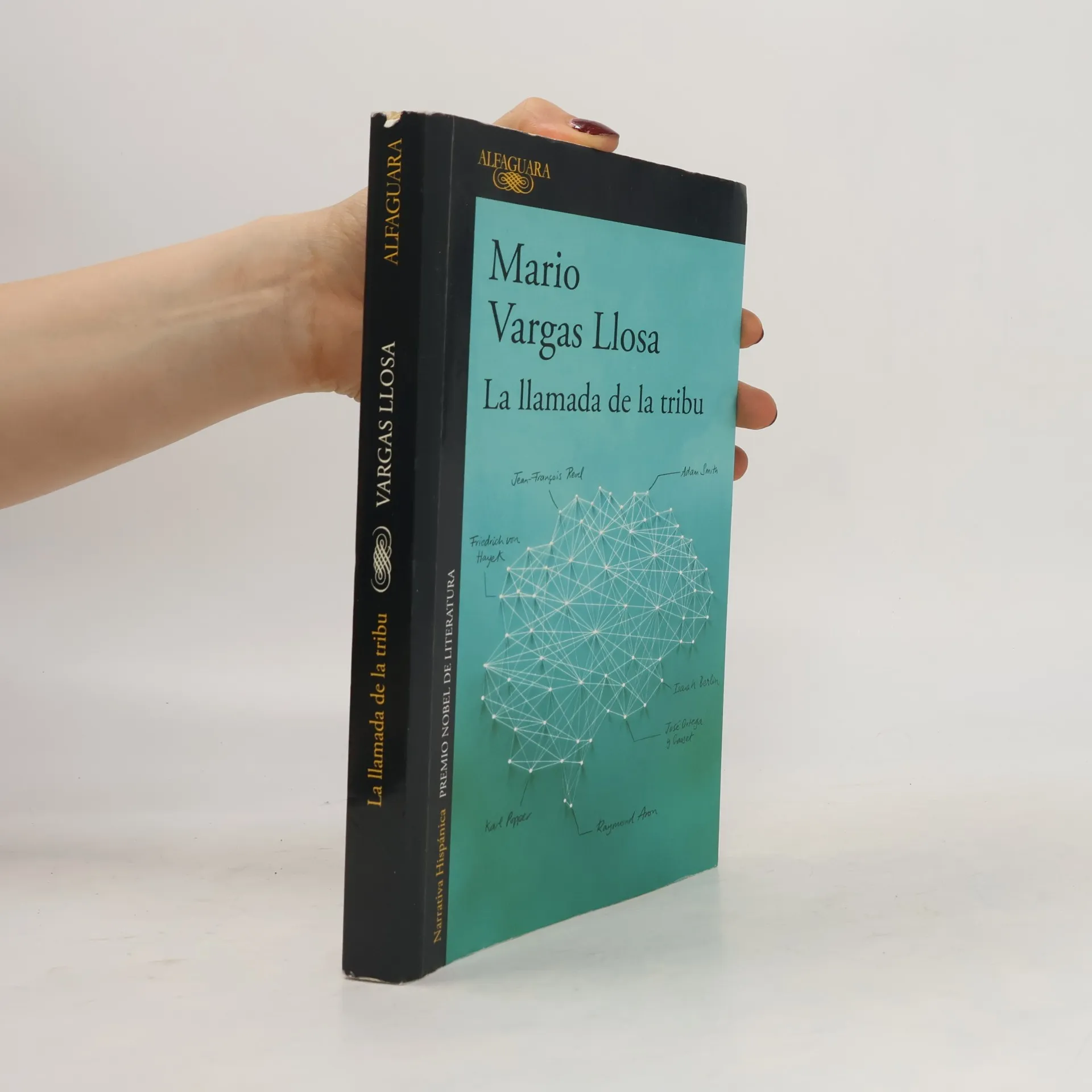
In The Call of the Tribe, Mario Vargas Llosa surveys the readings that have shaped the way he thinks and has viewed the world over the past fifty years.
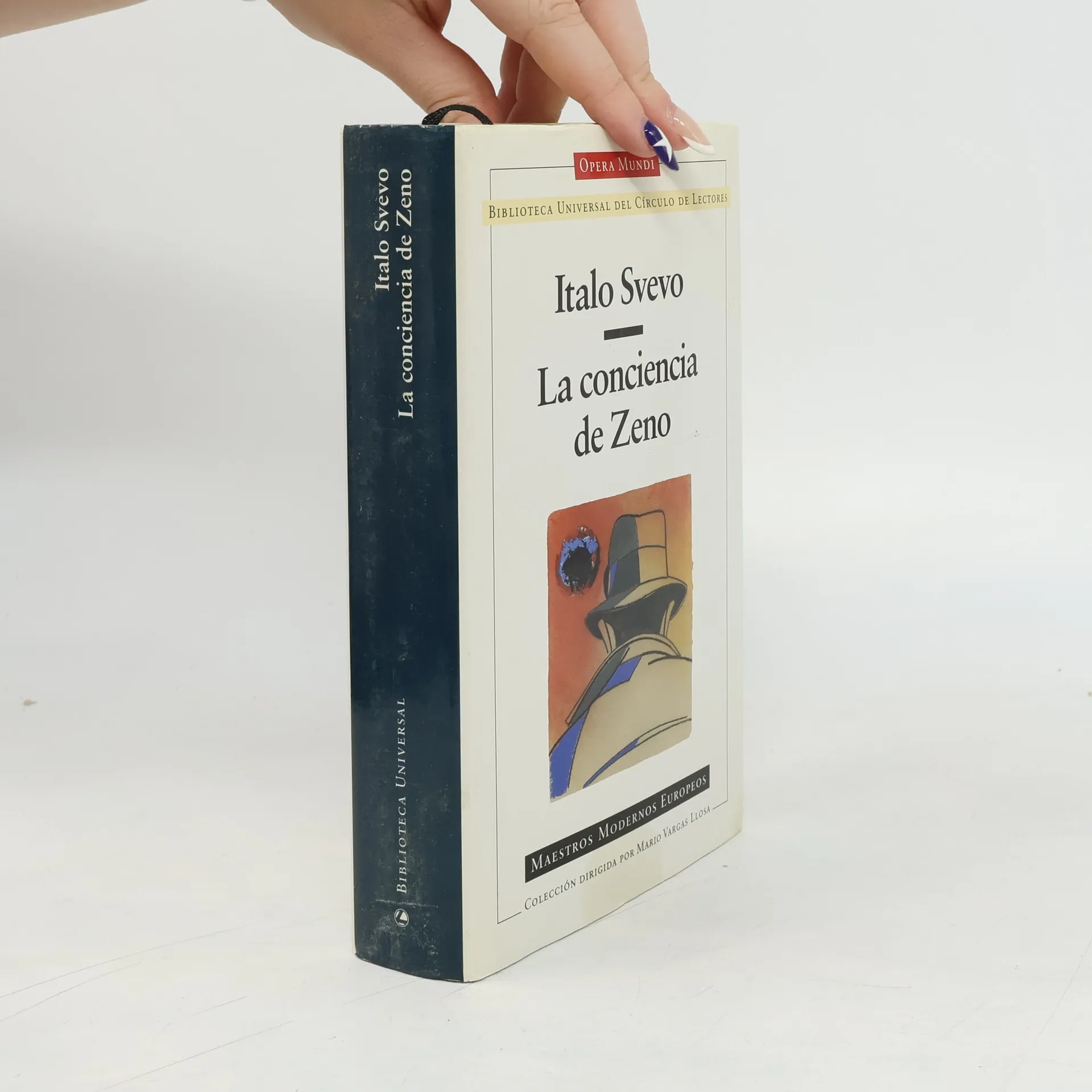
- 2022
WNIKLIWE STUDIUM TERRORU Ojciec Uranii Cabral był ministrem w rządzie dyktatora Rafaela Trujillo i jego zaufanym człowiekiem, częścią nieludzkiej machiny okrucieństwa. Jego posłuszeństwo wystawione zostało na najwyższą próbę w dniu, kiedy dyktator sięgnął po to, co dla Augustina Cabrala było najcenniejsze – jego córkę. Urania opuściła Dominikanę jako dziewiętnastolatka. Po trzydziestu latach wraca do Santo Domingo, by zmierzyć się z koszmarną przeszłością i towarzyszącą jej od dzieciństwa traumą. Święto Kozła to jedna z najważniejszych książek Llosy. Noblista zgłębia mechanizmy terroru, analizuje postępowanie ludzi zwykłych i tych na szczytach władzy, kreśli portrety niepokornych i oportunistów żyjących w cieniu wszechmocnego tyrana. MARIO VARGAS LLOSA – noblista (2010), o którym mówi cały świat. Jeden z najwybitniejszych współczesnych pisarzy. Polityk, w 1990 kandydował na prezydenta Peru. Autor bestsellerowych powieści (m.in. Rozmowa w „Katedrze” , Szelmostwa niegrzecznej dziewczynki i Dzielnica występku ).
- 2022
Notes on the Death of Culture
- 240 páginas
- 9 horas de lectura
'The most approachable and exhilarating Latin American writer of our times.' Robert McCrum, ObserverIn the past, culture was a kind of vital consciousness that constantly rejuvenated and revivified everyday reality.
- 2020
Medio siglo con Borges
- 112 páginas
- 4 horas de lectura
Colección de artículos, conferencias, reseñas y notas da testimonio de más de medio siglo de lecturas, una fuente inagotable de placer intelectual. A diferencia de otros escritores que marcaron mi adolescencia, nunca me decepcionó; revelándome nuevos secretos y sutilezas de ese mundo borgiano tan inusitado en sus temas y tan diáfano y elegante en su expresión
- 2019
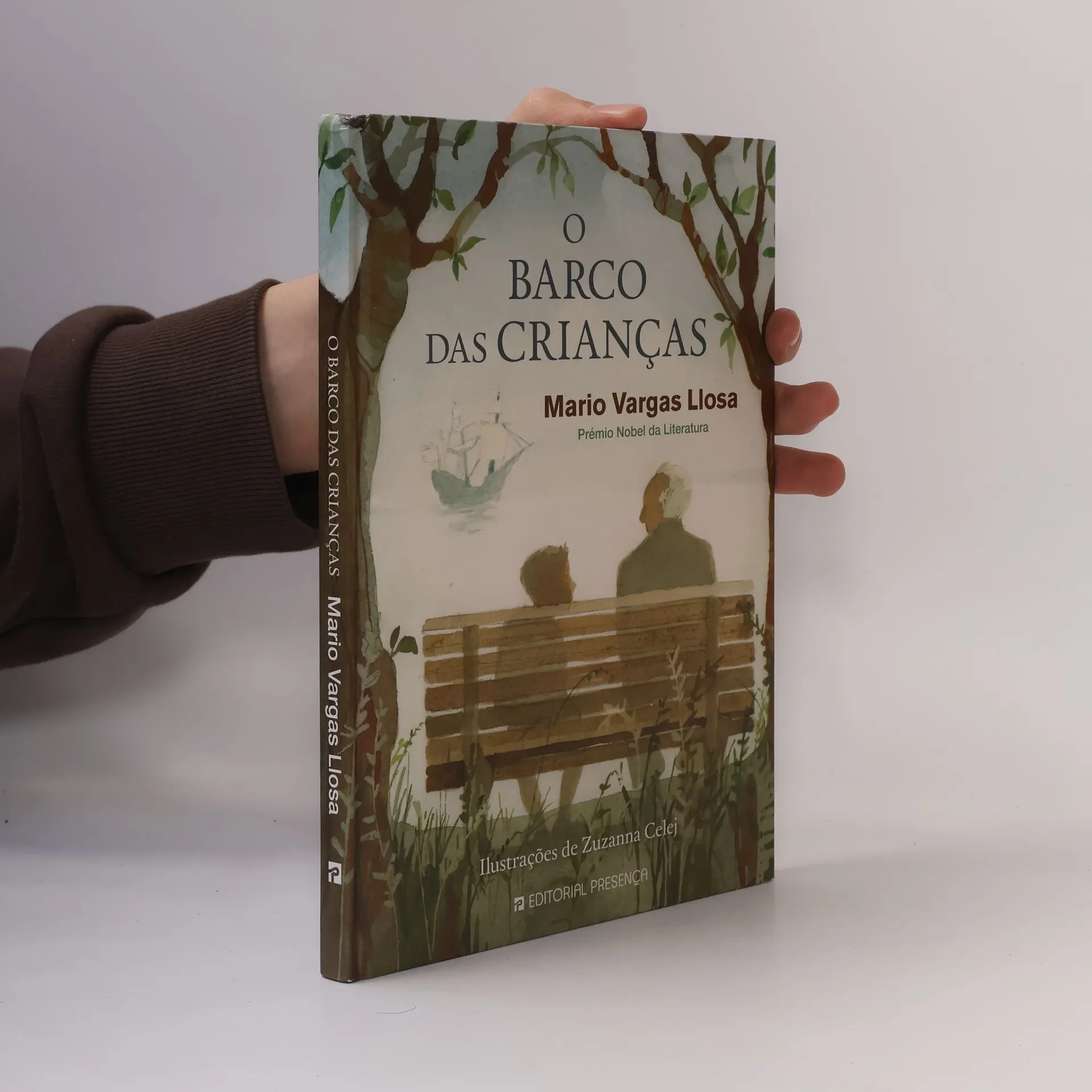
O Barco das Crianças
- 112 páginas
- 4 horas de lectura
De manhã, ao preparar-se para ir para a escola, Fonchito vê um homem sentado num banco do parque, contemplando o mar, Intrigado, por vê-lo ali a cada manhã, decide ir ao seu encontro para lhe perguntar o que procura ele, sempre sentado no mesmo banco, O velhinho, com um sorriso nos lábios, decide partilhar com Fonchito uma história muito antiga e extraordinária. E todos os dias, antes de o autocarro da escola chegar, Fonchito passa a ouvir um novo capítulo das aventuras de um barco cheio de crianças que, desde a época das Cruzadas, navega nos mares do mundo.