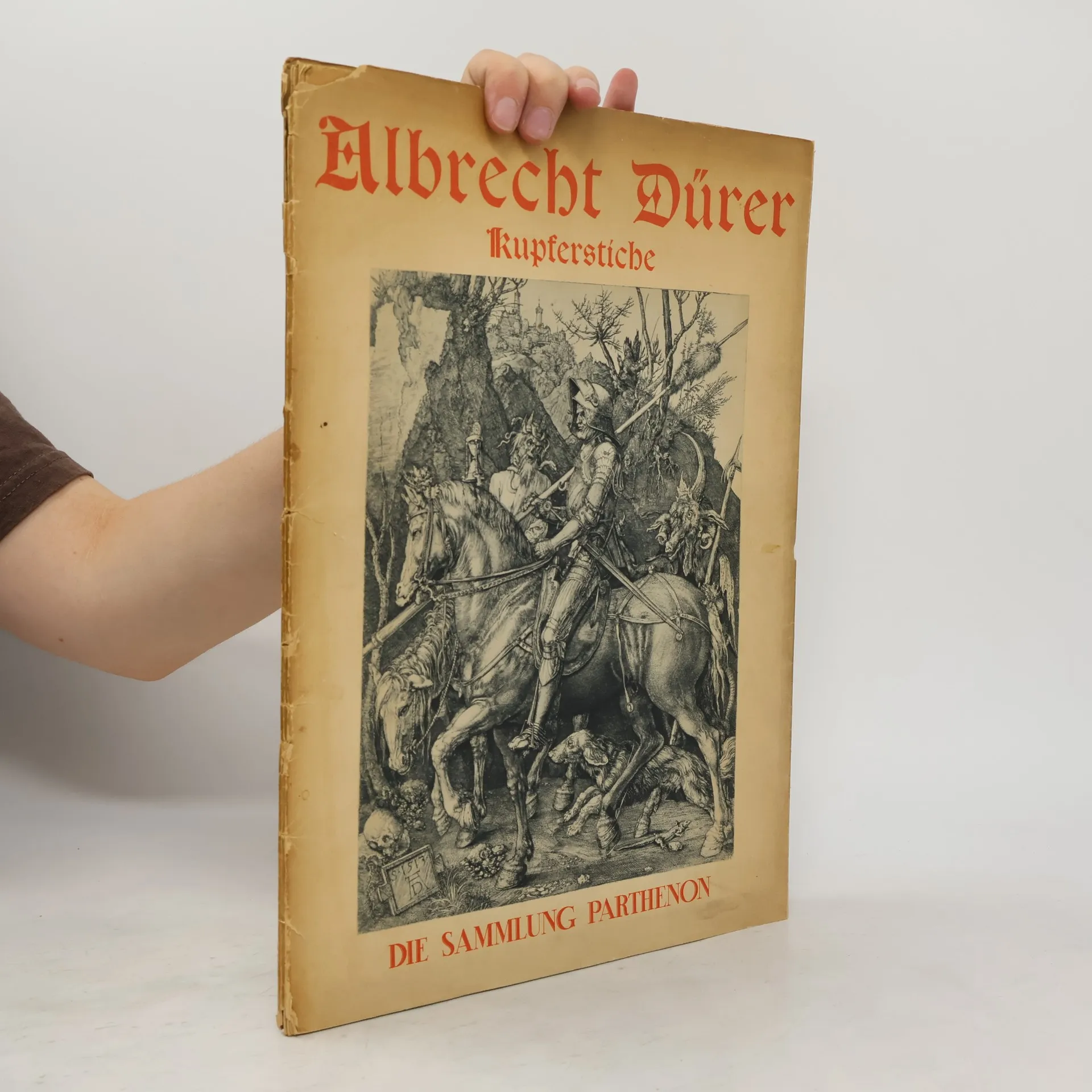
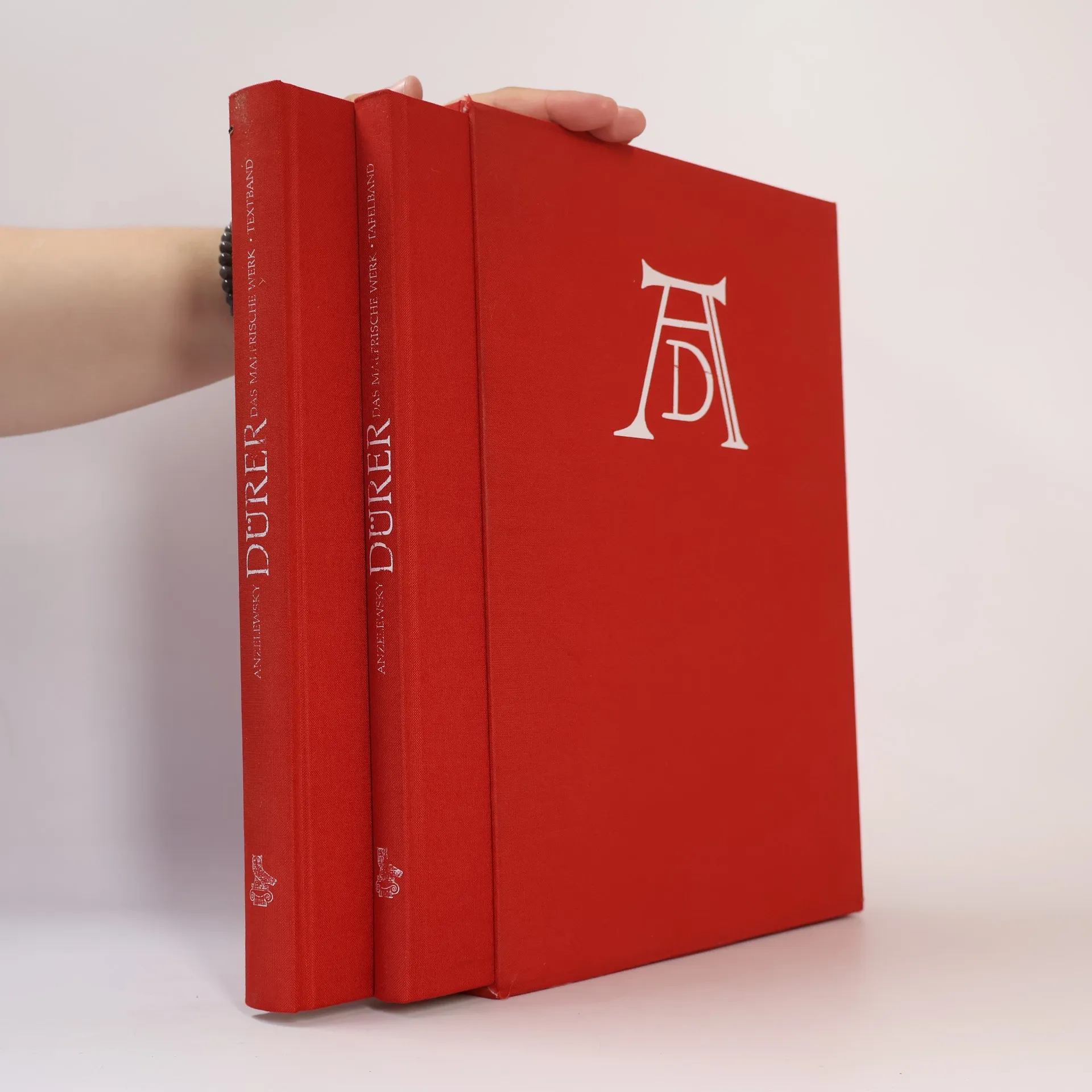
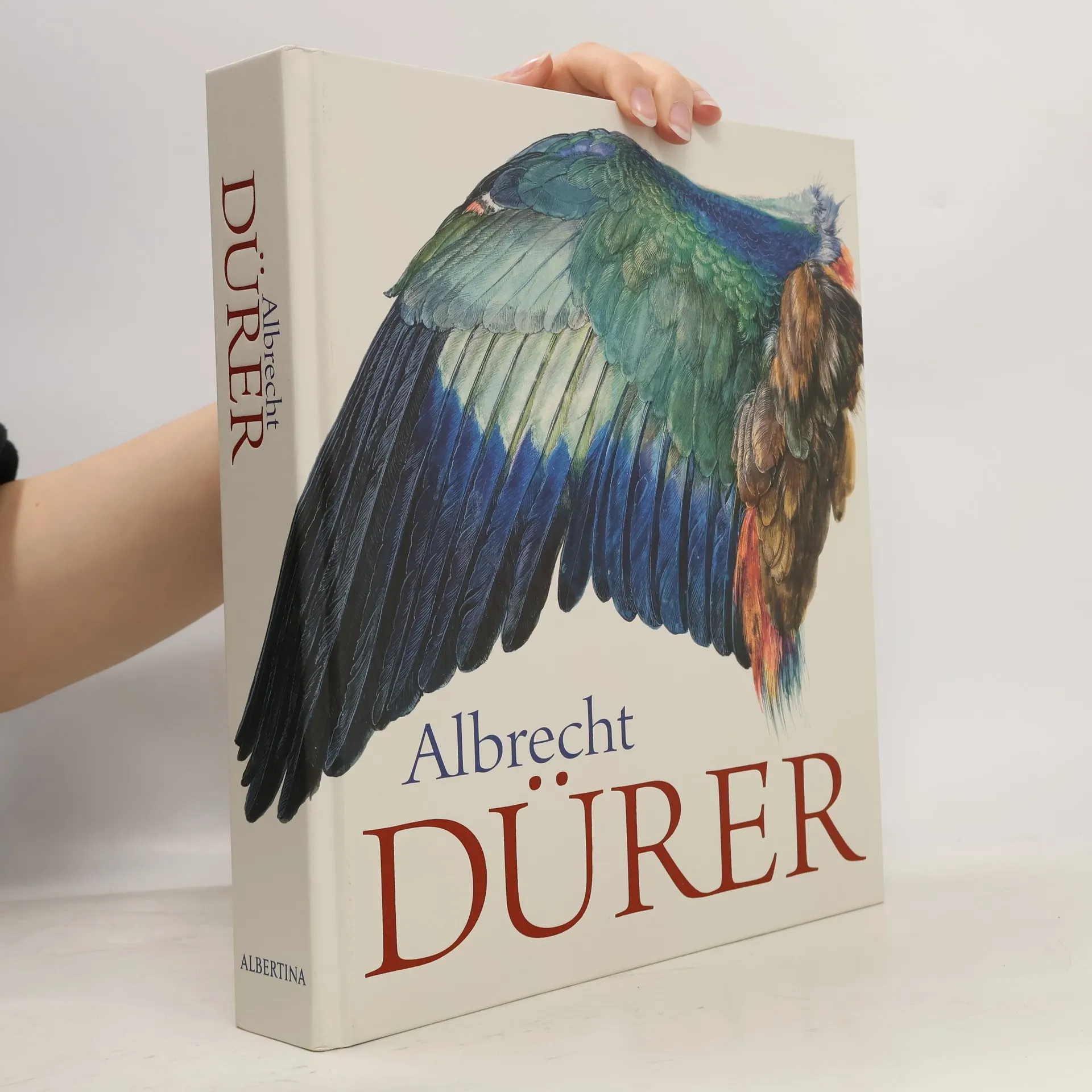
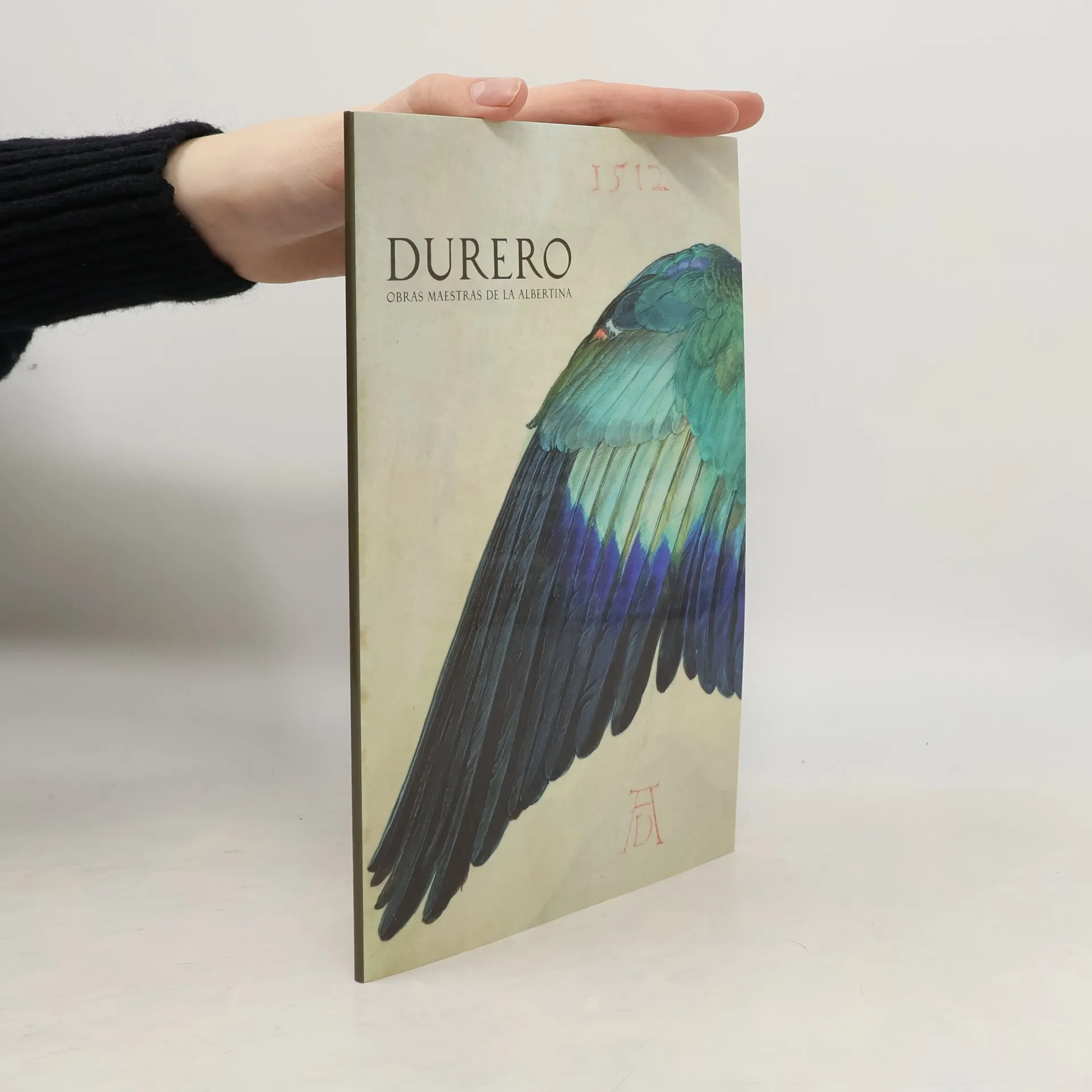
Durero, obras maestras de la Albertina
Exposición celebrada entre el 8 de marzo y el 29 de mayo de 2005
- 31 páginas
- 2 horas de lectura





Exposición celebrada entre el 8 de marzo y el 29 de mayo de 2005
engl.: Begleitbuch zur großen Dürer-Ausstellung in der Albertina in Wien
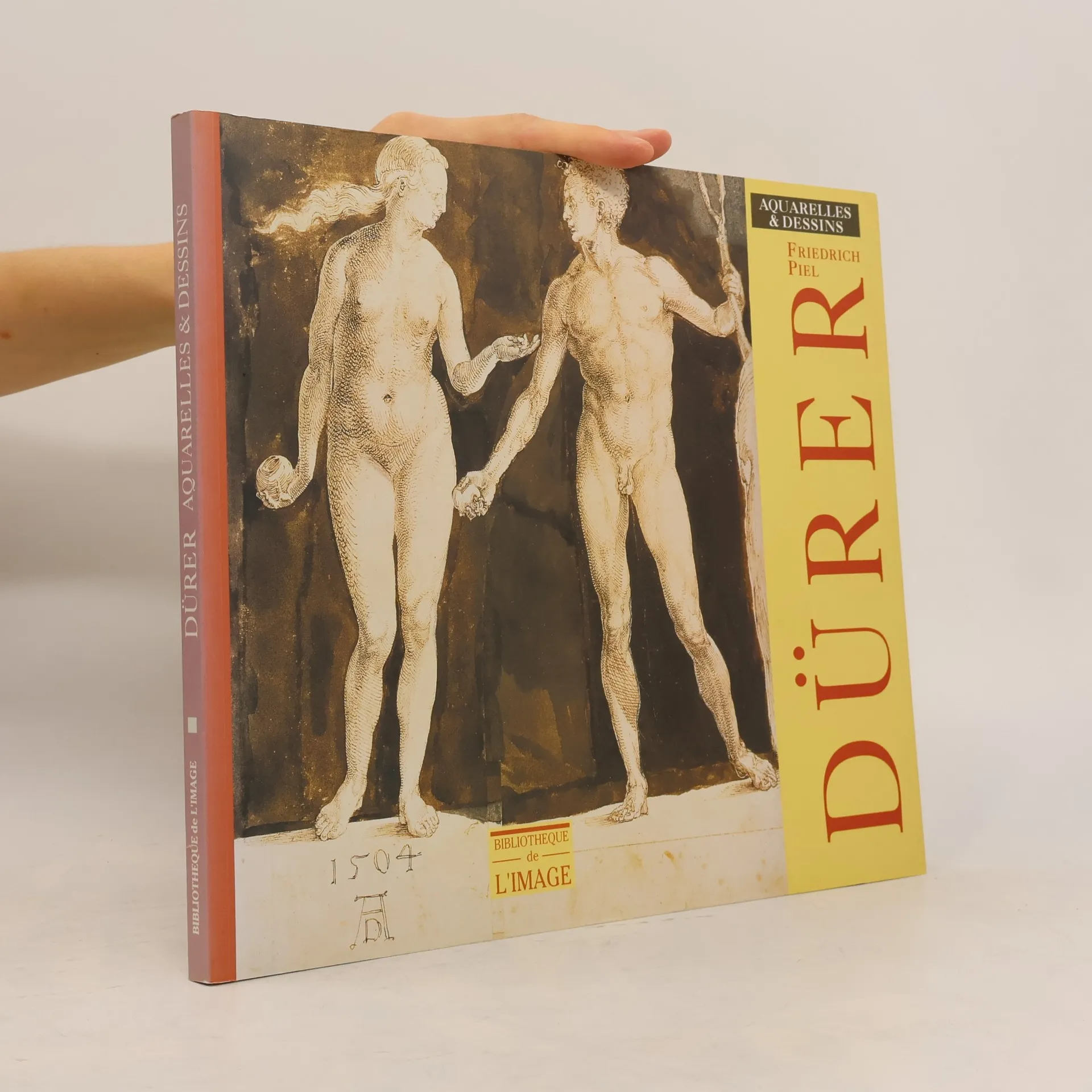
Rediscover the drawings of Albrecht Dürer, one of the most prominent Renaissance artists, known as an incomparable painter and draughtsman with a keen eye for the natural world. During his lifetime, Dürer found tremendous success as a painter and printmaker, taking commissions from prominent figures such as Frederick the Wise and Holy Roman Emperor Maximilian I. His drawings and studies reveal his interest in human proportions, anatomy, and perspective. Featured in this book are Dürer's drawings from the Albertina Museum's preeminent collection including family portraits, studies of animals and plants, and studies of the human body. This book showcases more than 100 of Dürer's drawings including Hare, Self Portrait at the Age of 13, and Melencolia I, along with paintings and prints. Featuring scholarly essays and beautifully reproduced works, this book shows the reader not only how important Dürer's drawings are to his own oeuvre, but also how he helped drawing become an appreciated medium in its own right.
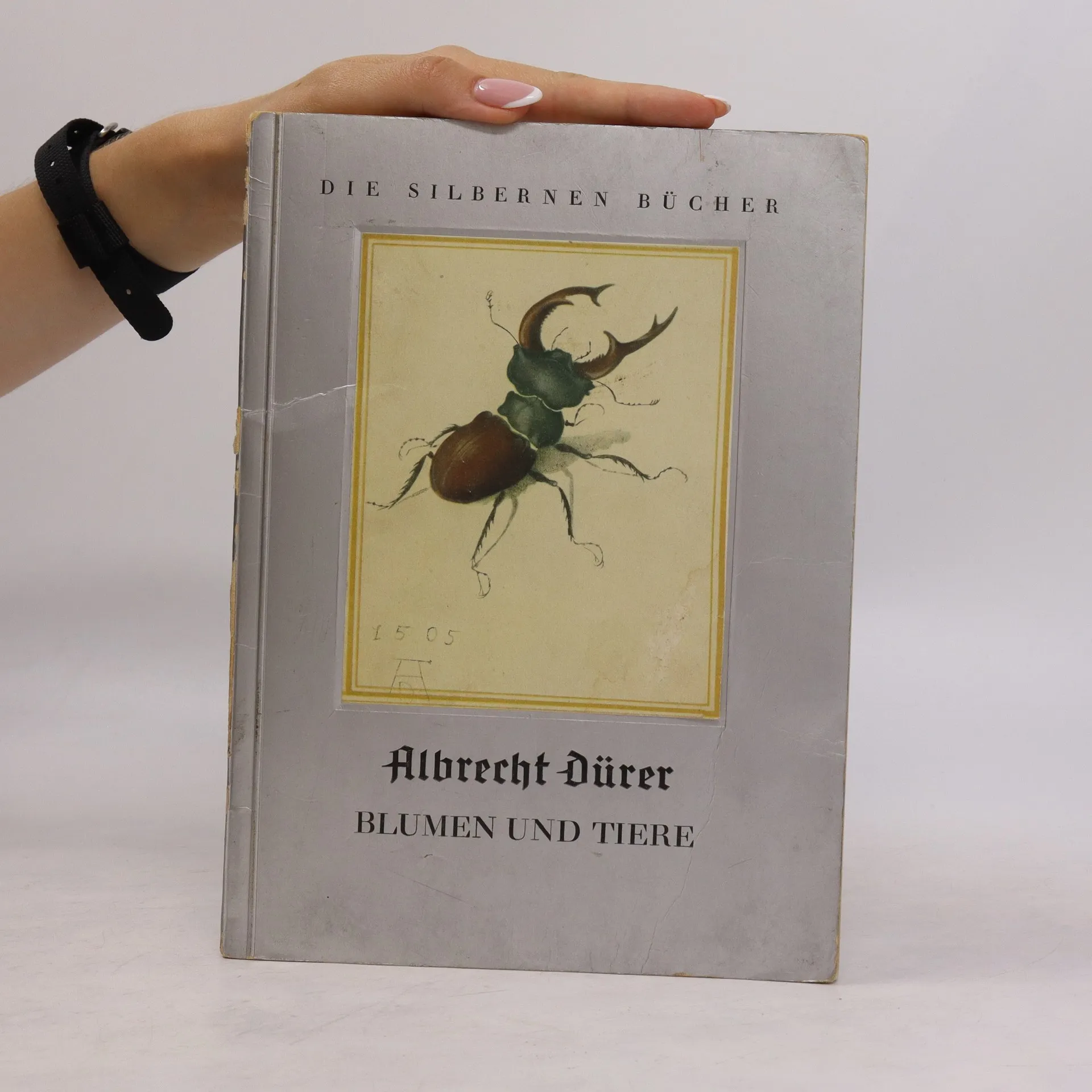
An introduction to the Renaissance genius of Albrecht Durer. It focuses on Durer's studies of the natural world to show how the artist imbued the most ordinary of living things with reverence and emotion. A master graphic artist, Albrecht Durer (1471-1528) was arguably the most important artist of the Northern Renaissance. Although he was extremely influential as a printer, his drawings and paintings reveal a profound scientific curiosity and sensitivity to the world around him. This collection of sketches and watercolours features 34 animal and plant studies, including the masterpieces "Hare" and "Large Piece of Turf". Victoria Salley presents an essay exploring Durer's interest in nature and reproductions which should allow readers to appreciate the intricate beauty of Durer's work as well as his keen powers of observation - traits which continue to inspire and instruct artists today.
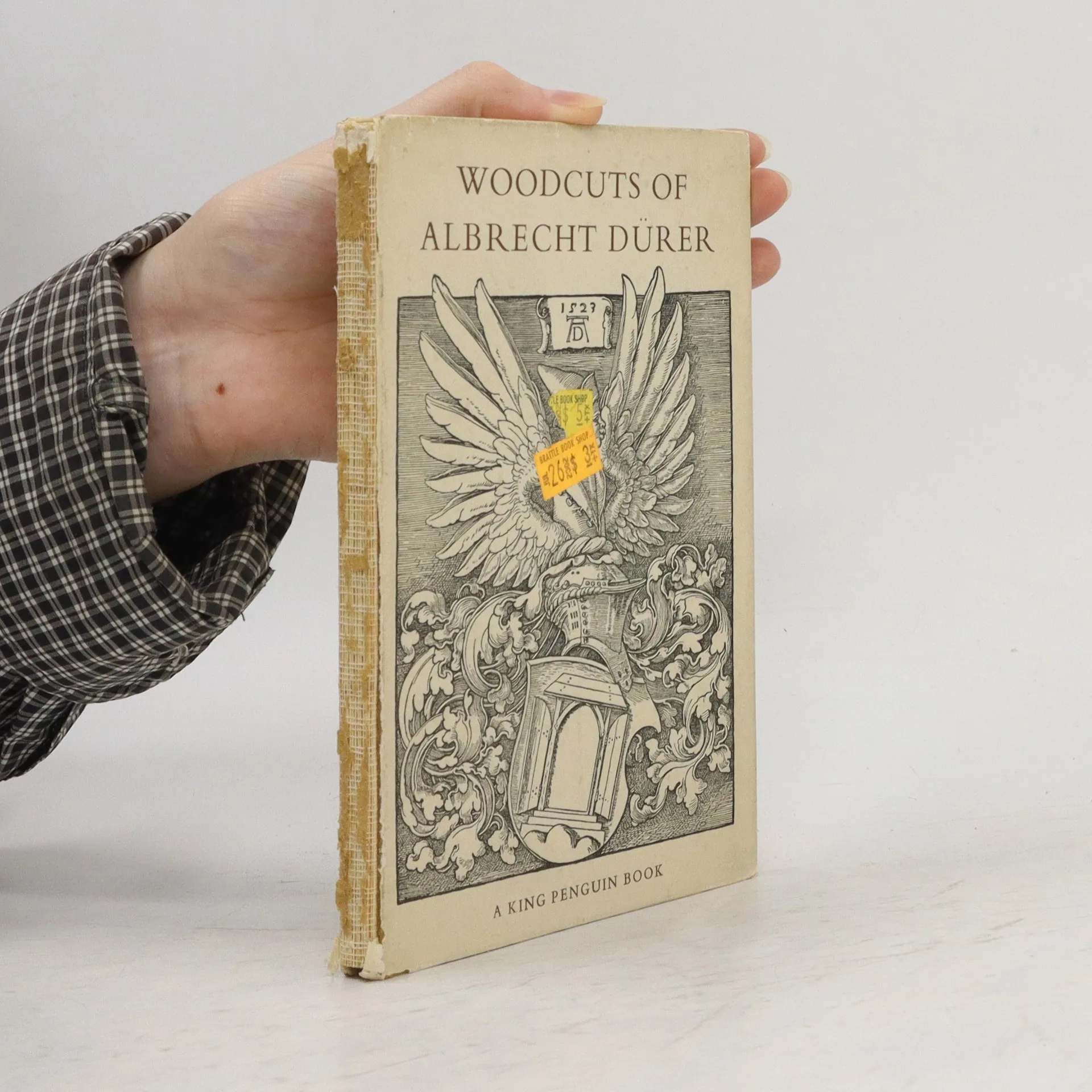
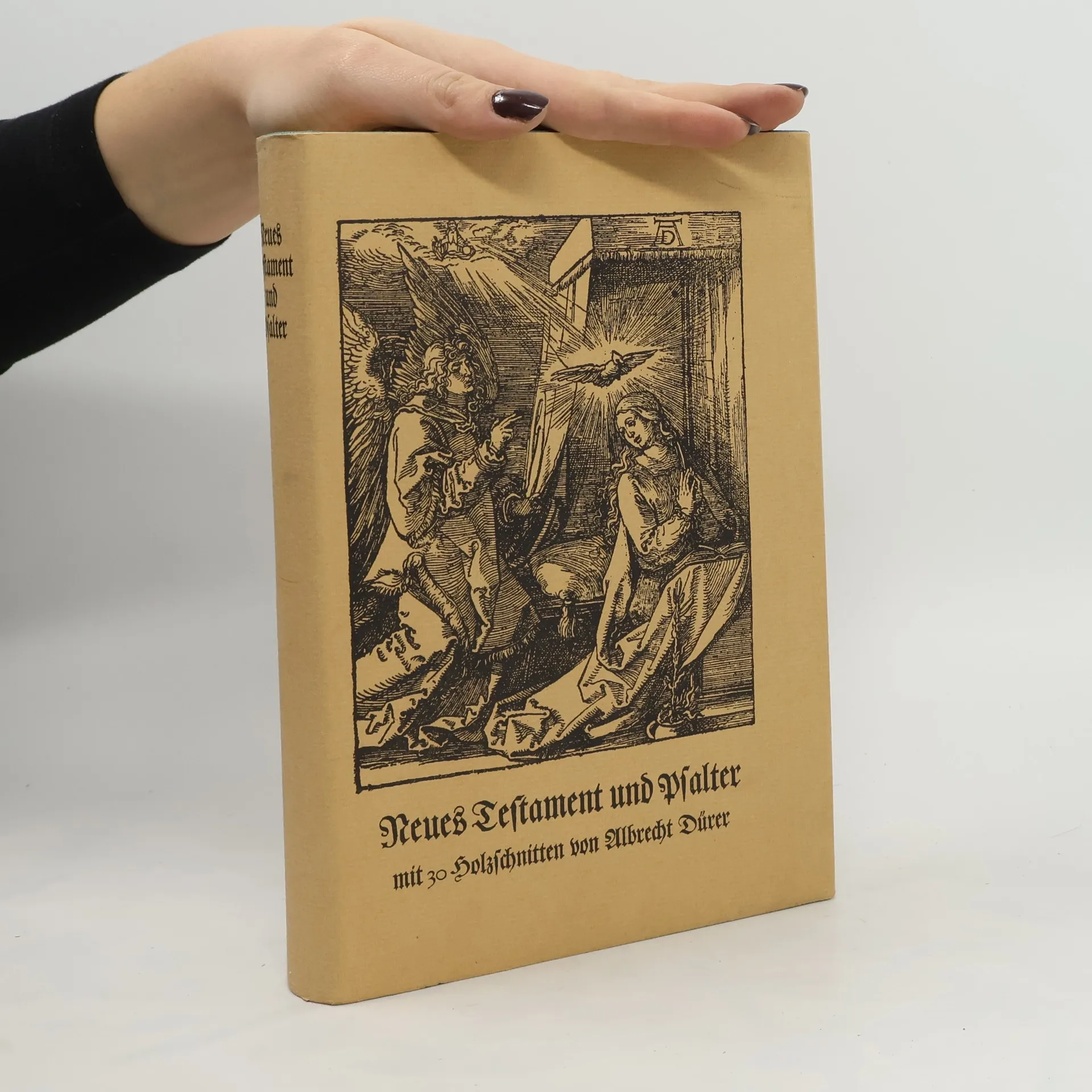
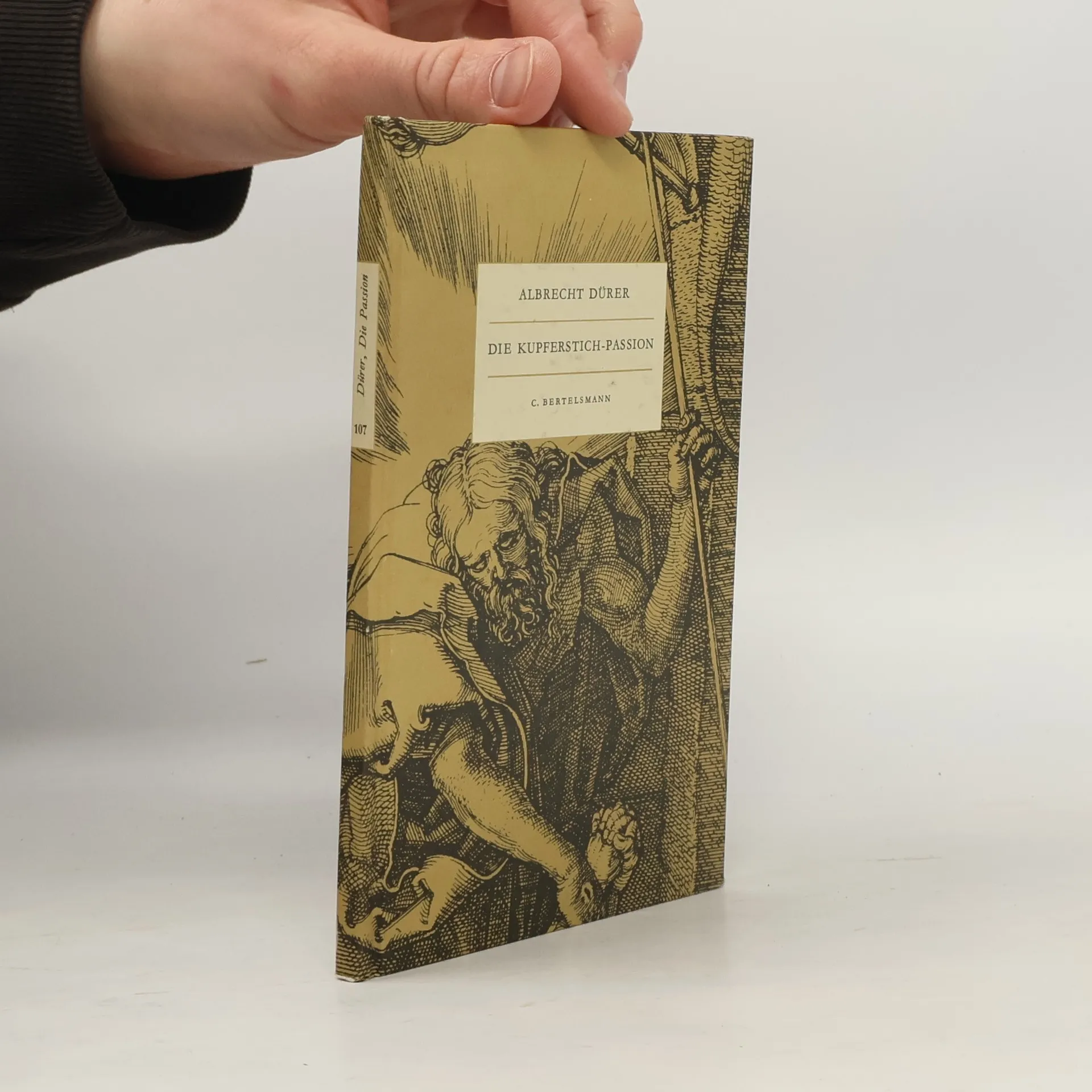
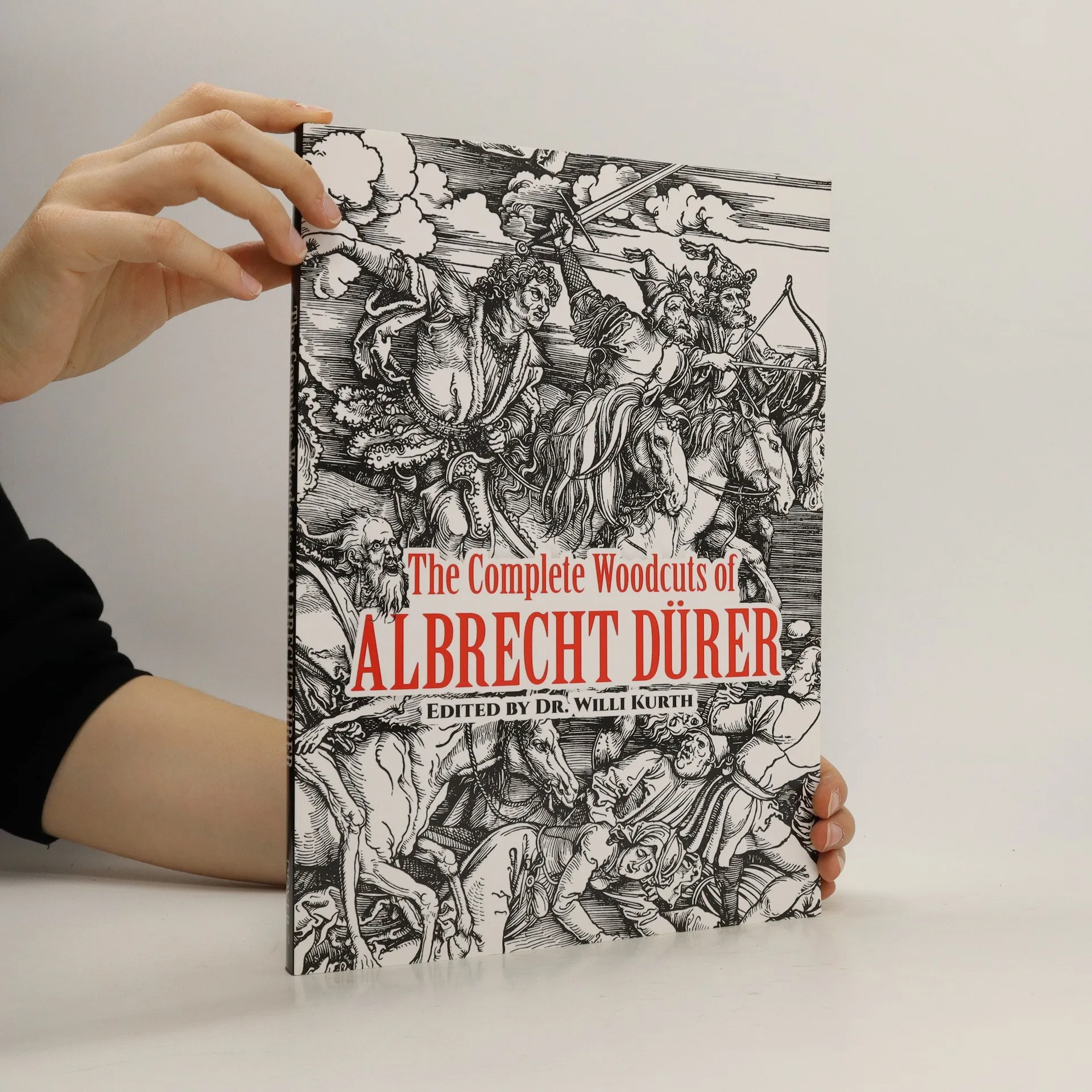
Albrecht Dürer excelled in various media, but his woodcut designs showcase his creative genius at its peak. This collection features over 300 of his extant woodcuts, including renowned works like the series on the Life of the Virgin, The Apocalypse of John (17 cuts), The Great Passion, St. Jerome in his Study, and The Fall of Icarus, among others. It serves as the sole source for many of these pieces. While sacred themes dominate—depicting the Holy Family, Christ's life, and saints—Dürer also explored diverse motifs, including portraits, book illustrations, coats of arms, and mythological themes. The plates are arranged chronologically, allowing readers to trace the evolution of Dürer's artistry, revealing an individualistic style and unparalleled skill. An introduction by Campbell Dodgson and a 34-page guide by Dr. Willi Kurth address the authenticity of each work, referencing key Dürer scholars and providing historical context from his apprenticeship in Nuremberg to his later works (1520-1528). The woodcuts are reproduced in exceptional detail, making this collection essential for art historians and critics, while also offering aesthetic enjoyment to lay readers.
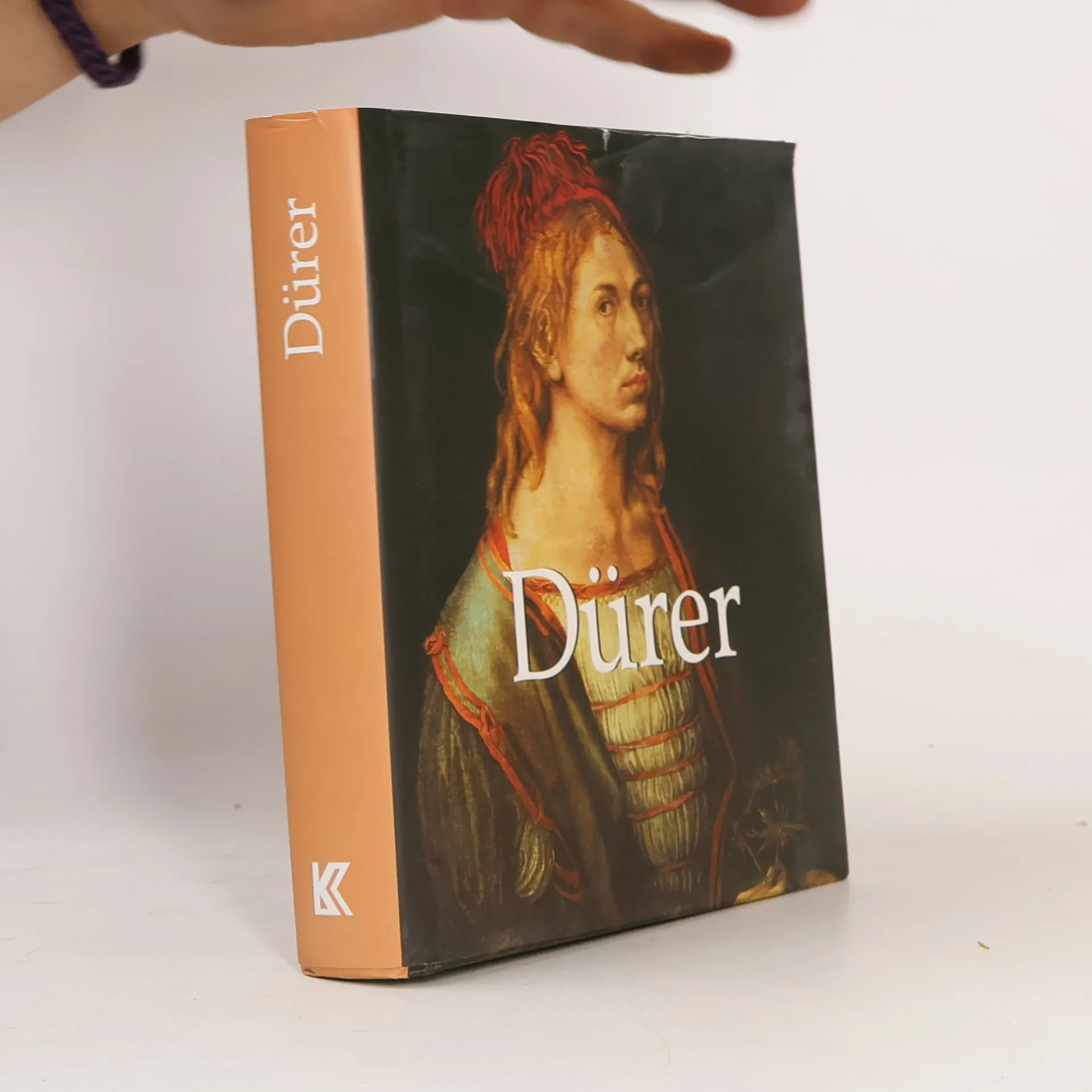
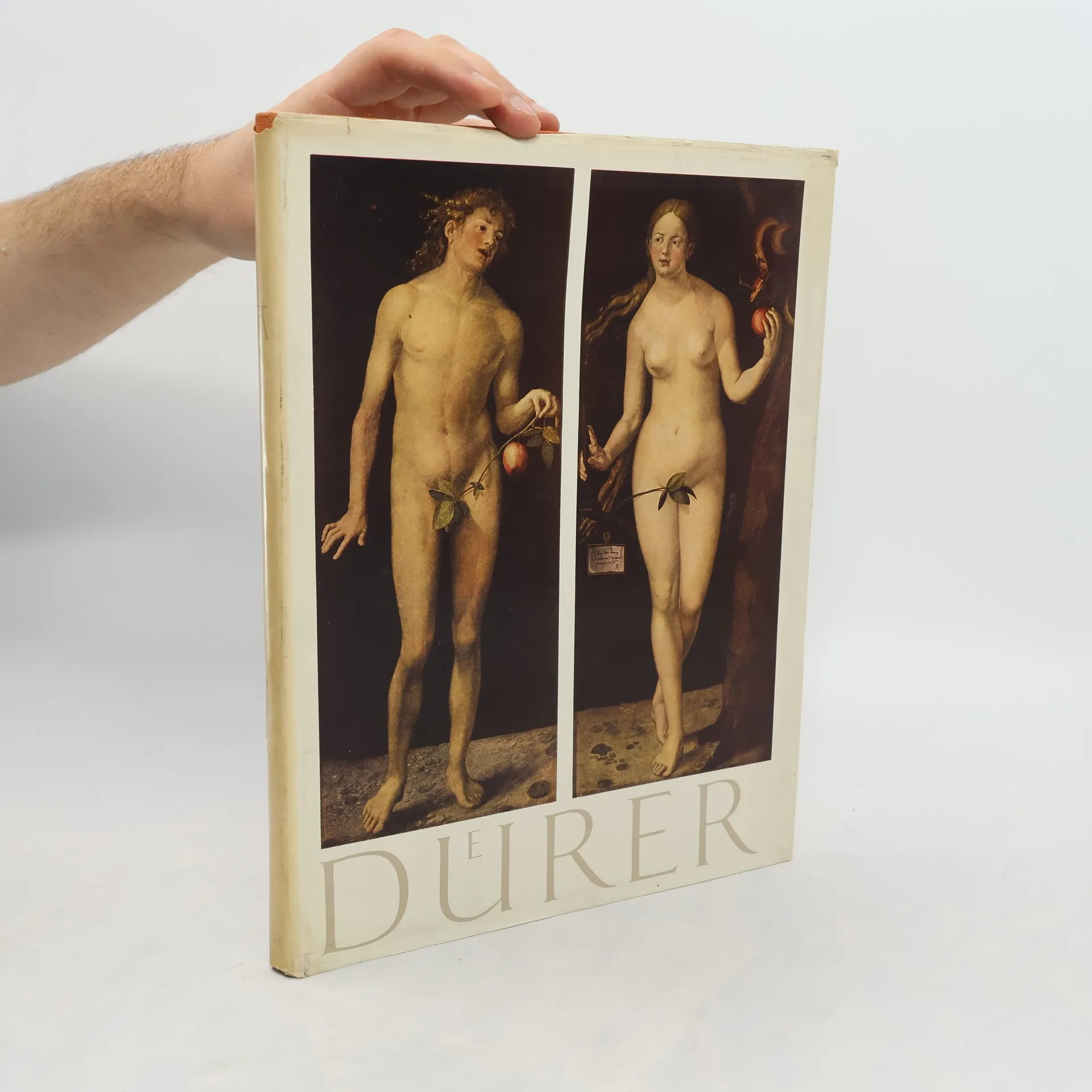
Albrecht Dürer embodied a new type of artist, one who represented a different attitude to art and enjoyed high social status of the kind already accorded to Italian artists of his time. With his revolutionary innovations in paining as well as printed artwork Dürer introduced the Renaissance to German art. Humanistic philosophy of his day proved as fruitful a source to him as his study of the art of antiquity or the works of his European artistic contemporaries, which he drew on for wholly novel purposes. The enduring enthusiasm for Albrecht Dürer highlights the nature of his genius and his unique role in giving German art the impetus to historic progress.
This beautiful volume, companion to the earlier, highly regarded Giotto to Dürer, is a guide to the sixteenth-century paintings of London’s National Gallery. It examines the finest works of such artists as Holbein, Raphael, Cranach, Titian, Gossaert, and Bronzino and provides fascinating insights into the individual masterpieces and their makers.“A readable overview of European painting in the sixteenth century, rich with perceptive commentary.”—Andrew Butterfield, Art News“This fluently written and beautifully produced book serves both as a period survey and as a reference for sixteenth-century European painting in the collections of the National Gallery.”—Jeffrey Fontana, Sixteenth Century Journal
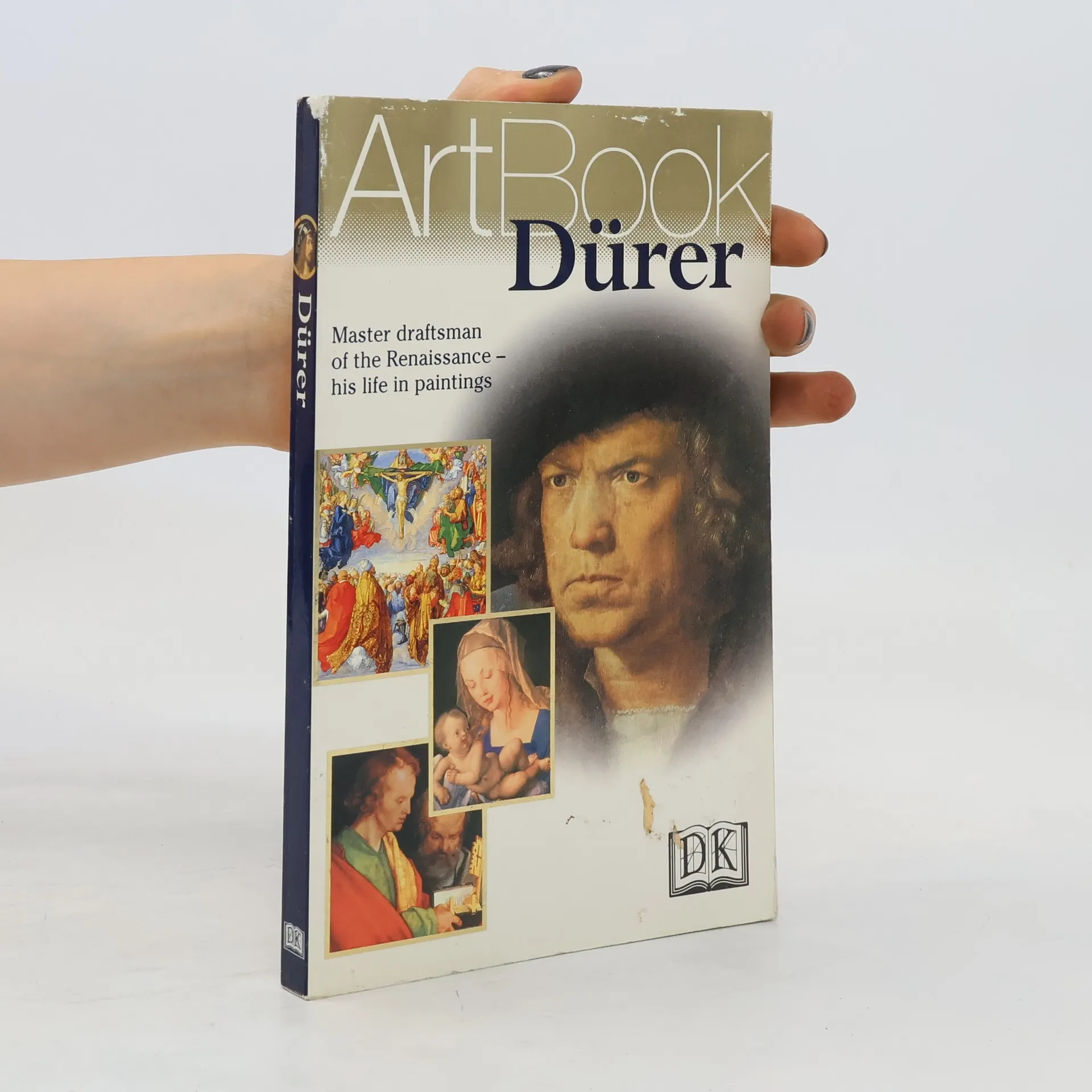
Albrecht Dürer (1471-1528) was one of the greatest artists of the Northern Renaissance, remarkable for the range and versatility of his work. His woodcuts and engravings made him famous throughout Europe and he is still regarded as one of the most brilliant printmakers of all time. Dürer was equally successful at religious and secular subjects, painting magnificent altarpieces and powerful portraits. He also produced an impressive range of drawings and watercolours in a variety of media.The son of an Hungarian goldsmith, Dürer grew up in Nuremberg, a town half-way between the Netherlands and Italy, and he found inspiration in the work of the painters of both these major artistic centres of his time. But rather than simply imitating what others were doing, Dürer was very much an innovator; he is the first artist who is known to have produced a self-portrait and to have done a landscape painting of a specific scene. Includes 88 illustrations, 48 in colour.
Traces the life of the German artist, analyzes his works, and explains the historical and social context of his painting
Excerpt from Records of Journeys to Venice and the Low CountriesThe letters from Venice and the Diary of his journey in the Netherlands, which form the con tents of this volume, are indeed the singularly fortunate means for this pleasant intercourse with the man himself. They reveal Diirer as one of the distinctively modern men of the Renaissance intensely, but not arrogantly, conscious of his own personality; accepting with a pleasant ease the universal admiration of his genius, - a personal.About the PublisherForgotten Books publishes hundreds of thousands of rare and classic books. In rare cases, an imperfection in the original, such as a blemish or missing page, may be replicated in our edition. We do, however, repair the vast majority of imperfections successfully; any imperfections that remain are intentionally left to preserve the state of such historical works.
This stunning collection of rare bookplates from the 15th and 16th centuries features works from some of the most renowned artists of the era, including Albrecht Dürer, Virgil Solis, and Jost Amman. A must-have for book collectors, art historians, and lovers of beautiful design.
Kunst-Einsteckkalender
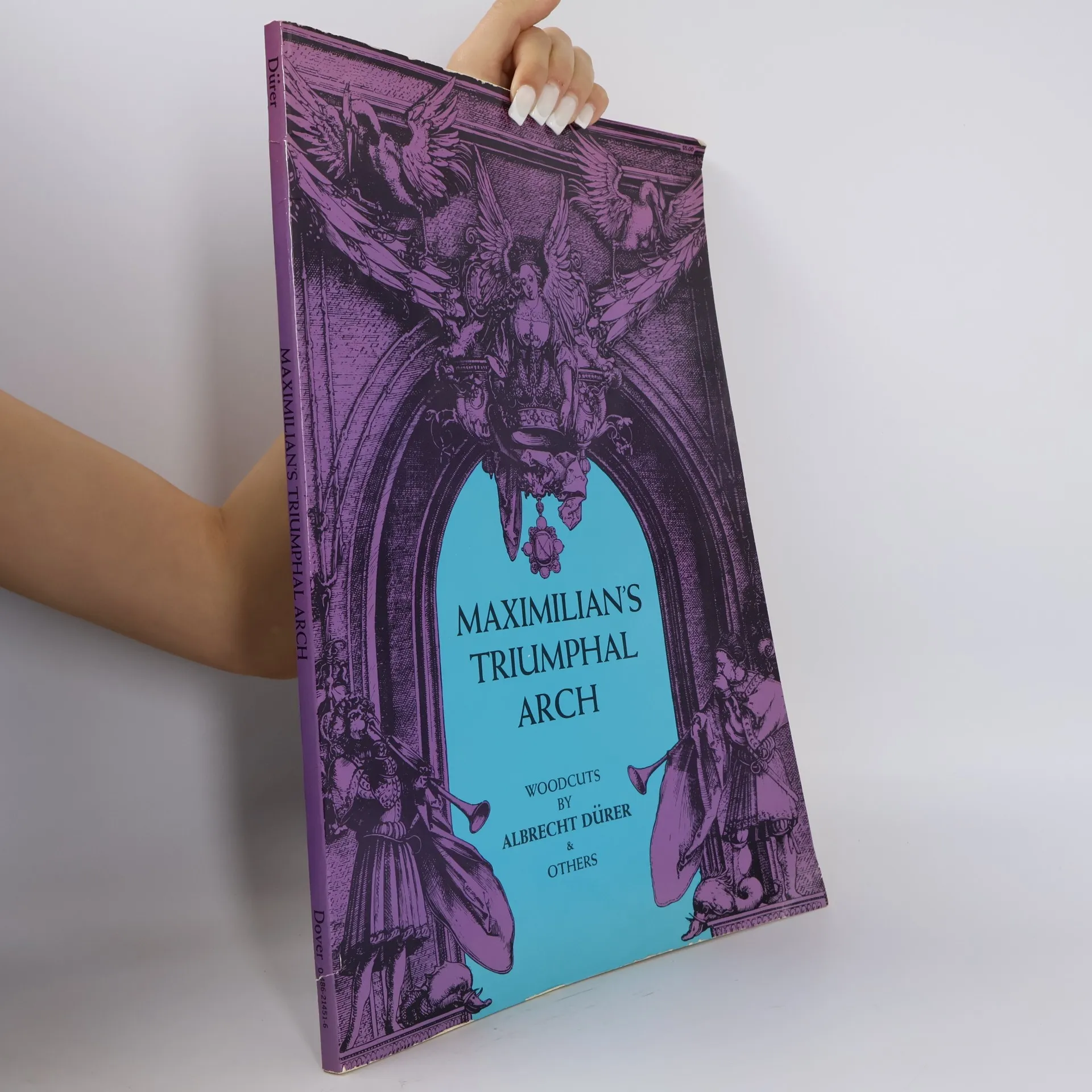
In 1512, Maximilian I, ruler of the Holy Roman Empire, conceived the most grandiose of his many schemes involving a triumphal arch, the subject of the present volume, and a triumphal procession (see Burgkmair, The Triumph of Maximilian I). The arch, composed of 192 separate woodcuts, would, when put together, form an arch over ten feet high. Designed to immortalize the “last of the knights” and executed when woodcut was at a technical and esthetical peak, this series is one of the most important and amazing in the whole woodcut history.
The Artist as Social Critic in Prints and Drawings from the Fifteenth Century to Picasso
Book by Shikes, Ralph E
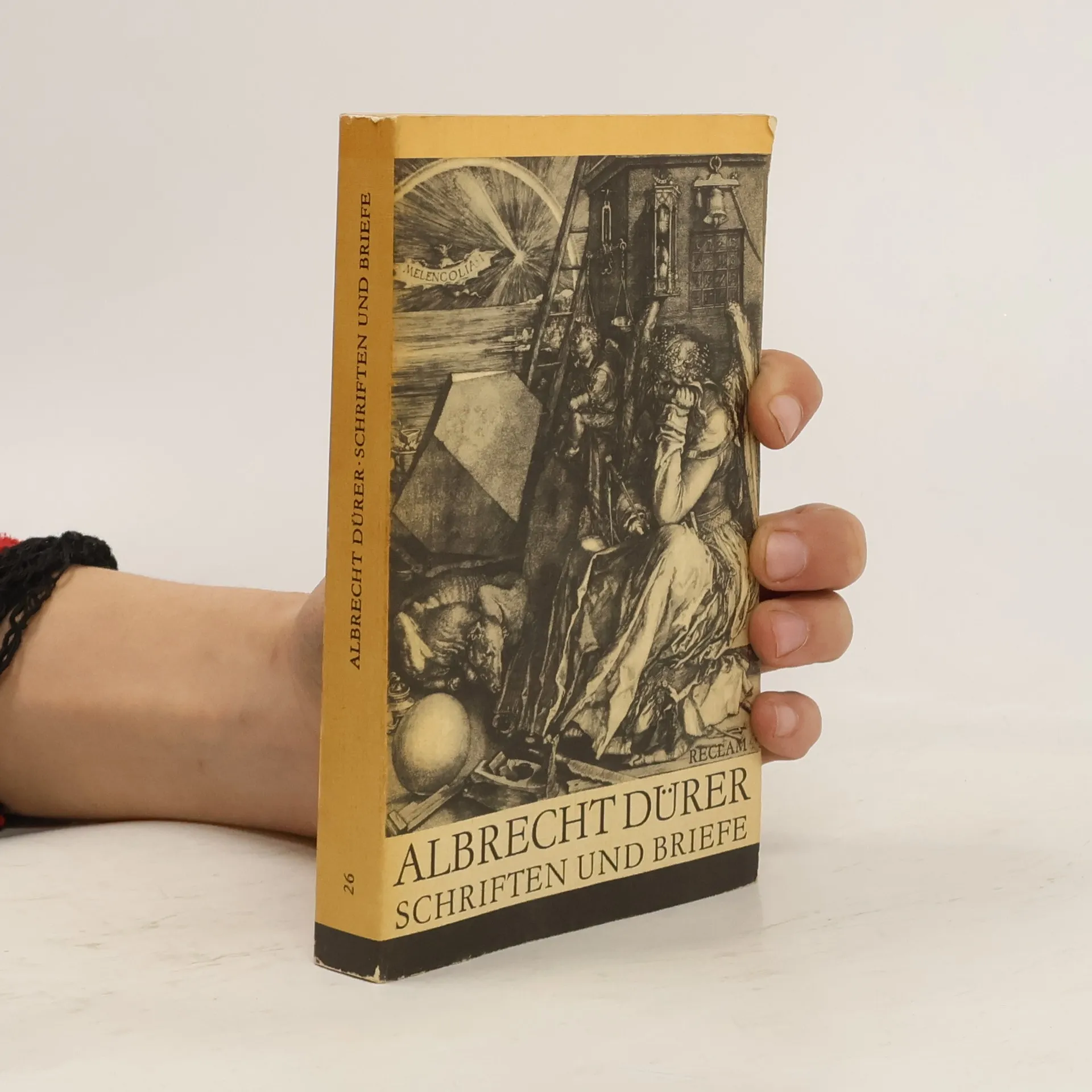
Aus dem Inhalt:Dürers FamilienchronikAlbrecht Dürers GedenkbuchTagebuch dr Reise in die NiederlandeAus dem BriefwechselInschriften der AposteltafenEntwürfe zum "Lehrbuch der Malerei"Aus den "Vier Büchern von menschlicher Proportion"Aus der Unterweisung der Messung"Auszüge aus der "Befestigungslehre"
Výběr světových citátů, aforizmů, výroků a pořekadel od nejstarších období po dnešek. Bezedná studnice moudrosti, z níž může čerpat každý při každé příležitosti.
Grazie alle scuderie del Quirinale e al concorso del Polo Museale di Firenze e del Polo Museale di Roma, il pubblico italiano e internazionale avrà l'occasione di conoscere più da vicino l'arte di Albrecht Dürer, non soltanto come maestro di grafica stampata ma anche come brillante pittore, acquerellista e disegnatore. Si tratta, infatti, della prima mostra in Italia dedicata a questo geniale artista del Rinascimento in un'ottica complessiva.
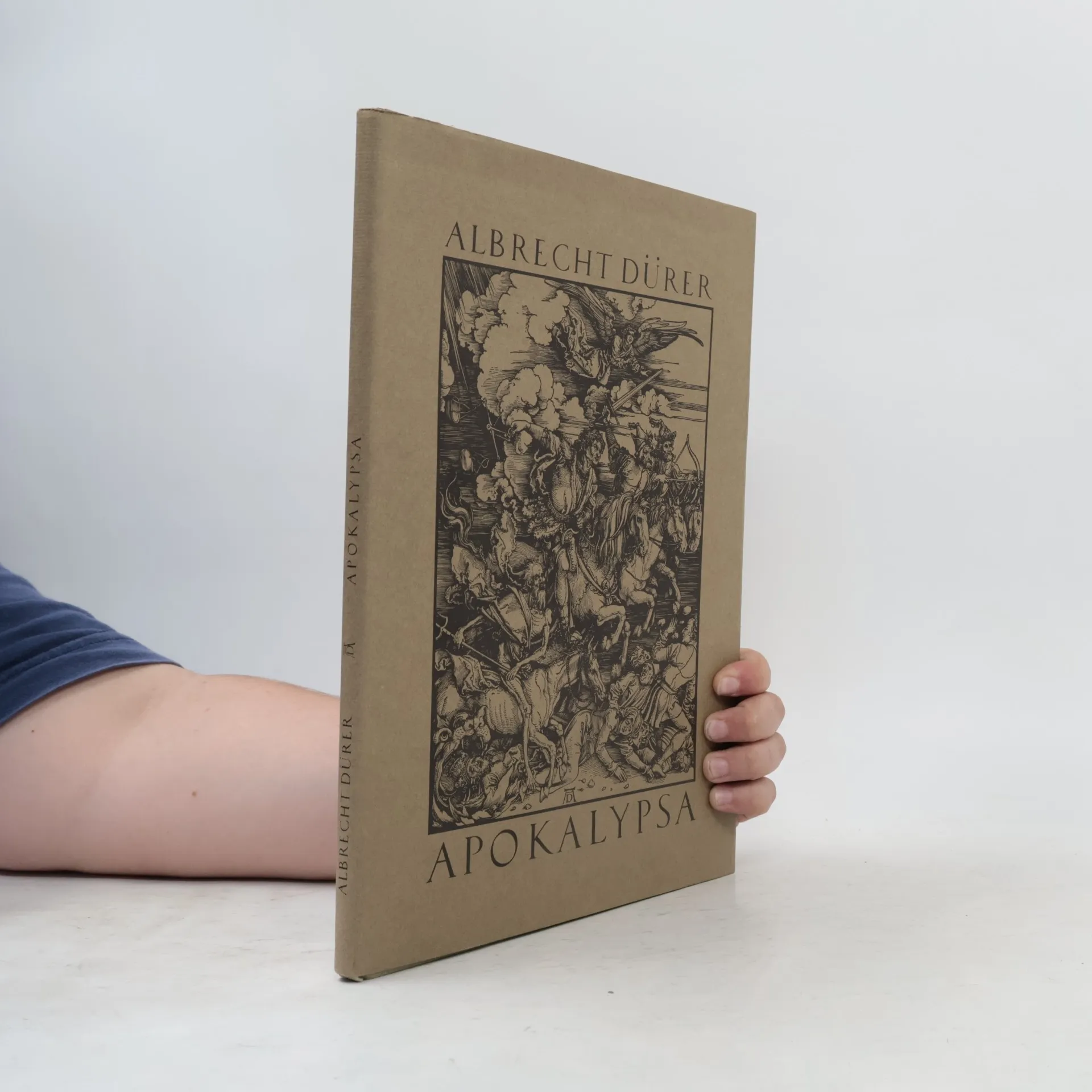
Dürerova Apokalypsa, obsahující patnáct grafických listů (tzv. figur) a biblické Zjevení sv. Jana, vyšla poprvé v roce 1498 vlastním nákladem v dílně jeho kmotra Antona Kobergera v Norimberku.
Eine Geschichte der Kunst, von Albrecht Dürer bis Ai Weiwei
Der Kunstkritiker Hanno Rauterberg (DIE ZEIT) unternimmt einen einzigartigen Gang durch die Geschichte der Kunst und stellt deren Protagonisten ins Zentrum: die Künstler. Ihre subjektive Sicht auf die Welt, ihr Ringen um den besten Ausdruck für ihre Empfindungen und die Anliegen ihrer Zeit bilden die Basis für die unzähligen Meisterwerke, die wir in den Museen und Galerien bestaunen können. Rauterbergs brillante Texte bringen uns auf ungeahnte Weise die Alten Meister wie Leonardo, Giorgione oder Caravaggio ebenso nahe wie die wichtigsten Künstler der Gegenwart – Joseph Beuys, Damien Hirst oder Gerhard Richter.
German
Edice Světové umění je zasvěcena nejvýznamnějším osobnostem v dějinách umění a jejich dílu. Dokonale graficky zpracované knihy obsahují velké množství kvalitních barevných reprodukcí, z nichž si čtenář může udělat dobrou představu o umělcově tvorbě. Doprovází je fundovaný biografický text, který shrnuje nejen základní informace o malířově životě, ale také o jeho postojích a názorech a obecně přístupu k umění. Díky praktickému formátu a vysoké kvalitě představuje série Světové umění dokonalé dárkové publikace. Albrecht Dürer (1471–1528), význačný německý malíř, grafik a teoretik umění, který ve svém díle spojil německou gotickou tradici s renesančními výboji. Proslul jako autor oltářních obrazů (např. Růžencová slavnost), portrétů a autoportrétů i krajinomaleb (Pohled na Kalchreuth), důležitou součástí jeho díla jsou rovněž grafické cykly (Apokalypsa) či volné grafické listy (Adam a Eva, Rytíř, smrt a ďábel).
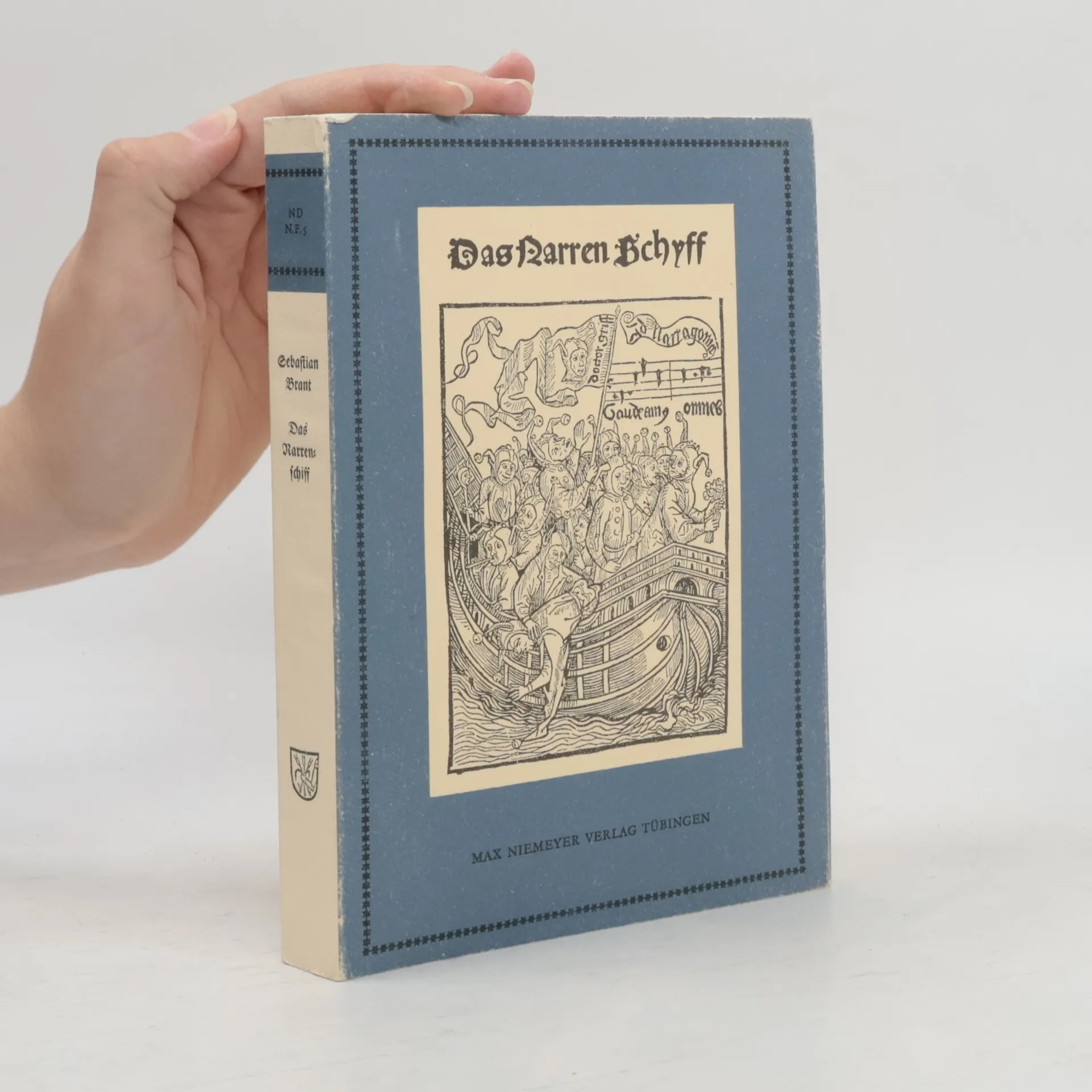
nach der Erstausgabe (Basel 1494) mit den Zusätzen der Ausgaben von 1495 und 1499 sowie den Holzschnitten der deutschen Originalausgaben 4., erw. Aufl. 1986 LII, 377 S. Taschenbuch Max Niemeyer,
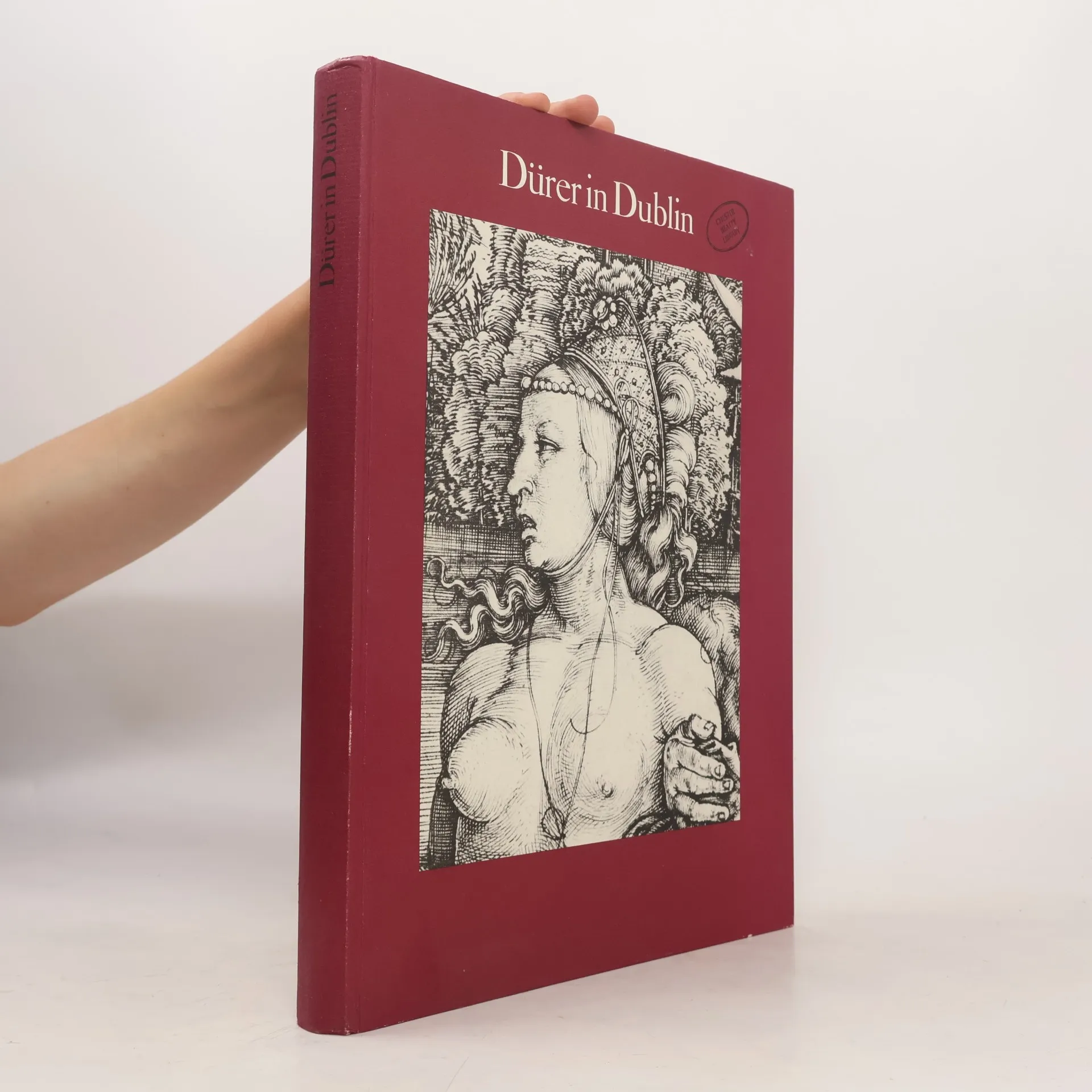
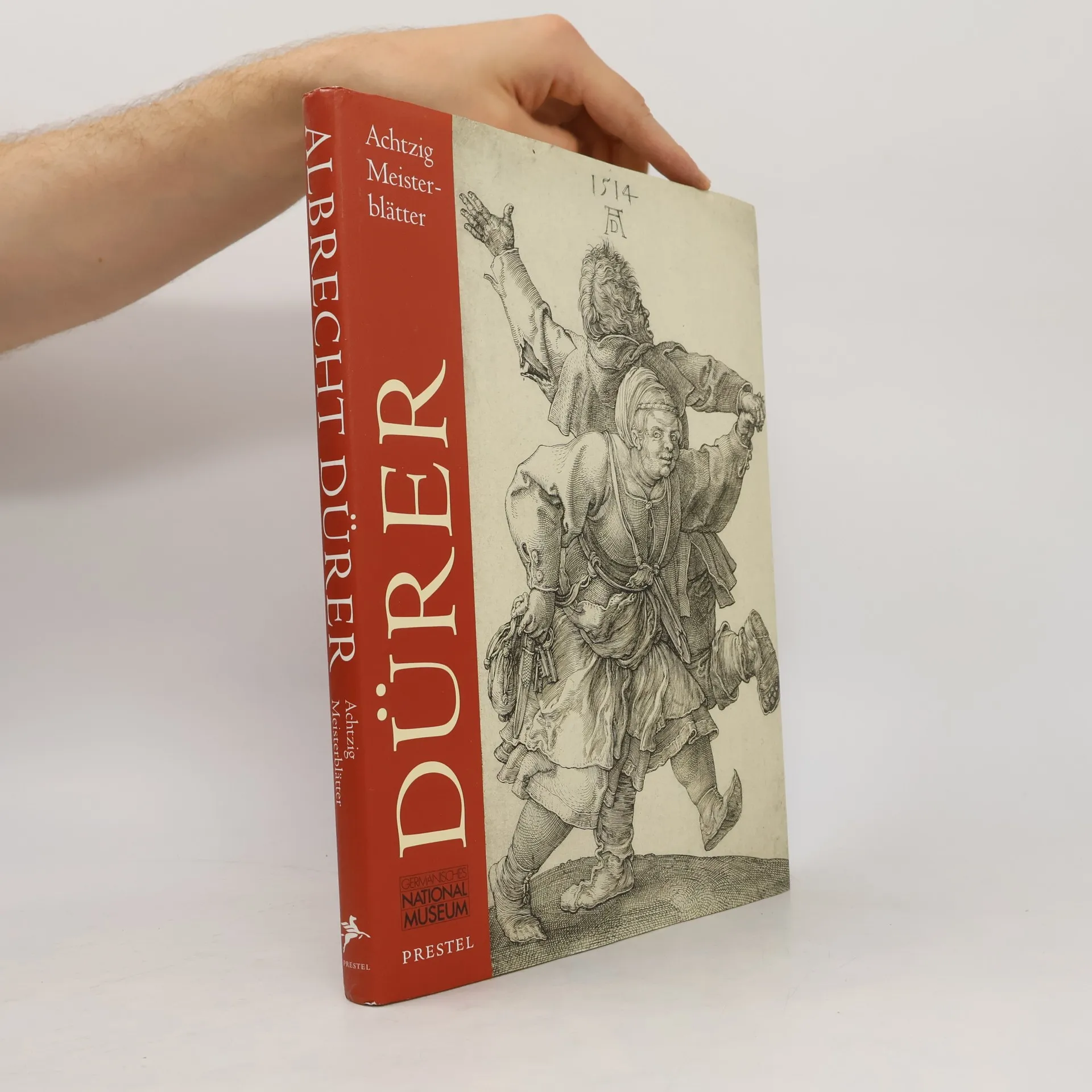
Zum Geleit / G. Ulrich Grossmann. -- ...das Beste Stück Zu Erwerben. Zur Geschichte Der Dürer-sammlung Otto Schäfers In Schweinfurt / Erich Schneider. -- Zu Dürers Druckgraphik / Anna Scherbaum. [katalogbearbeitung, Matthias Mende, Anna Scherbaum, Rainer Schoch ; Beiträge Von Anna Scherbaum Und Erich Schneider]. Herausgegeben Vom Germanischen Nationalmuseum, Nürnberg ... Zur Ausstellung 'albrecht Dürer : Die Druckgraphik' 21.9.2000-9.1.2001--t.p. Verso. Includes Bibliographical References.
Jugend und Wanderjahre. Der Meister. Der Apostel