Compra 10 libros por 10 € aquí!
Bookbot

Charles Darwin

    12 de febrero de 1809 – 19 de abril de 1882

    Charles Darwin fue un naturalista inglés cuyo trabajo pionero revolucionó nuestra comprensión de la vida en la Tierra. Con meticulosa observación y perspicacia geológica, propuso la teoría de la evolución por selección natural. Esta teoría, que postula que todas las especies han evolucionado con el tiempo a partir de ancestros comunes, se convirtió en la base de la biología moderna, proporcionando una explicación unificadora para la vasta diversidad de la vida. Su extenso trabajo de campo, documentado famosamente durante su viaje, y sus publicaciones posteriores lo establecieron no solo como una figura científica cumbre, sino también como un autor convincente cuyas ideas continúan dando forma a nuestra percepción del mundo natural.

    Charles Darwin
    Die Fahrt der Beagle
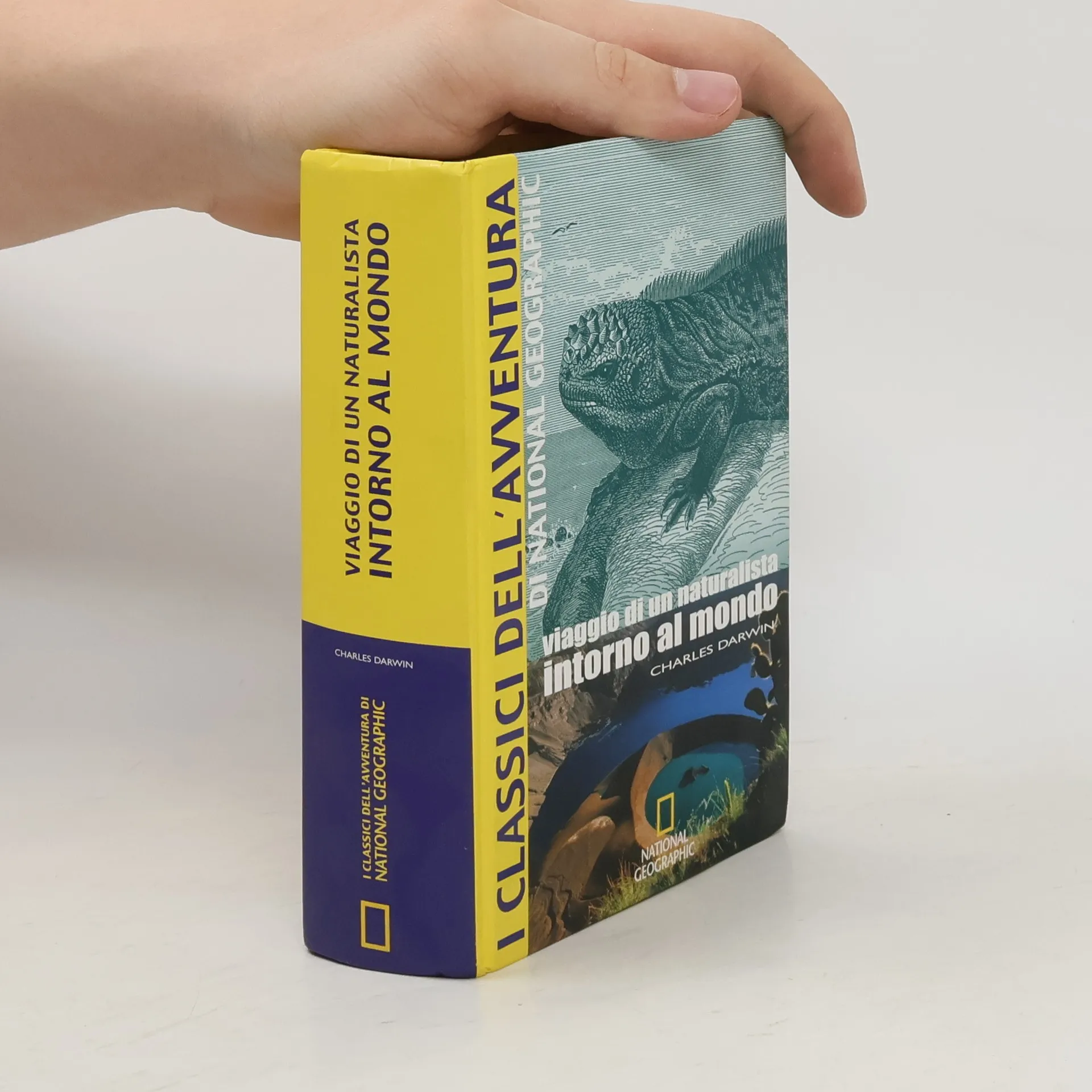
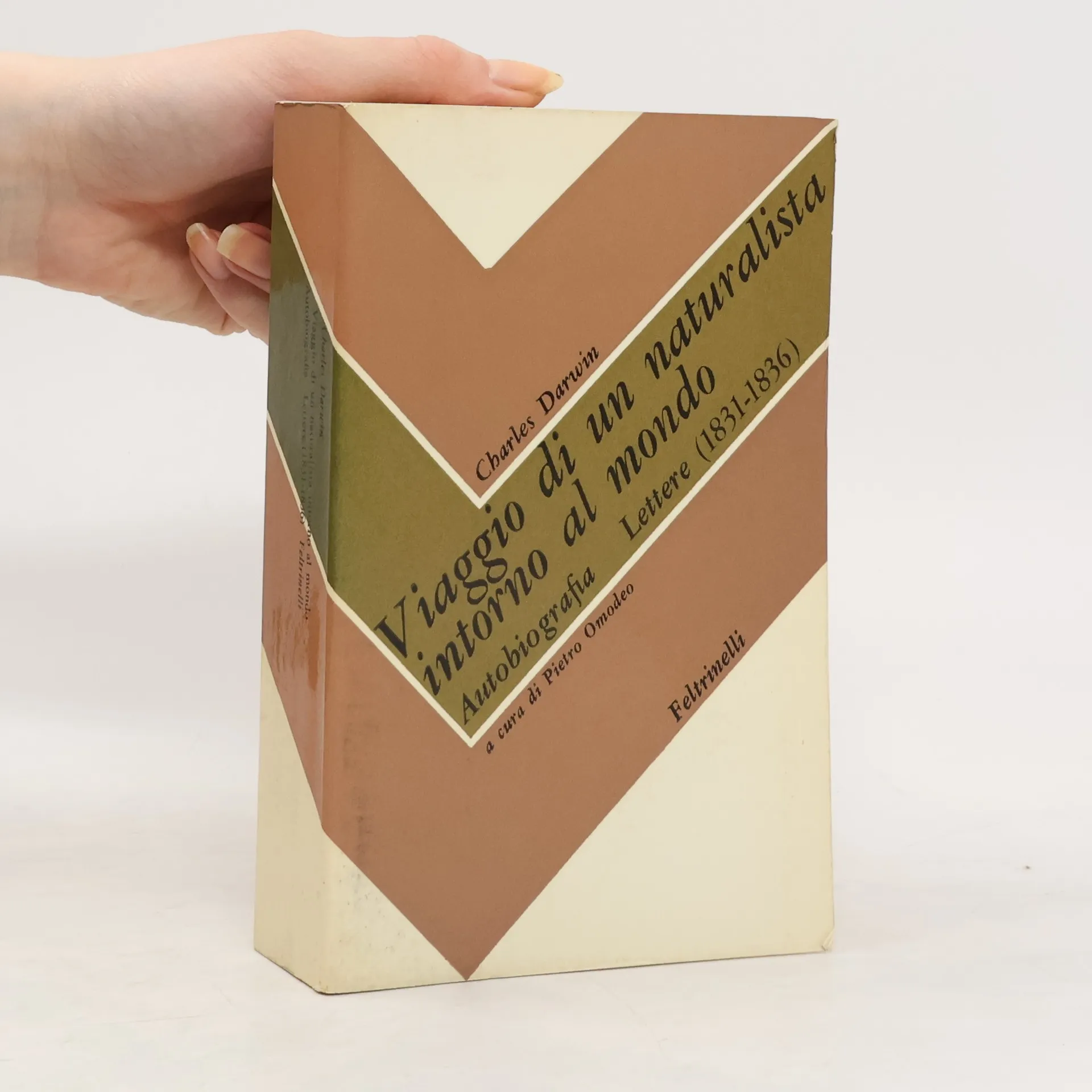
    Viaje de un naturalista alrededor del mundo
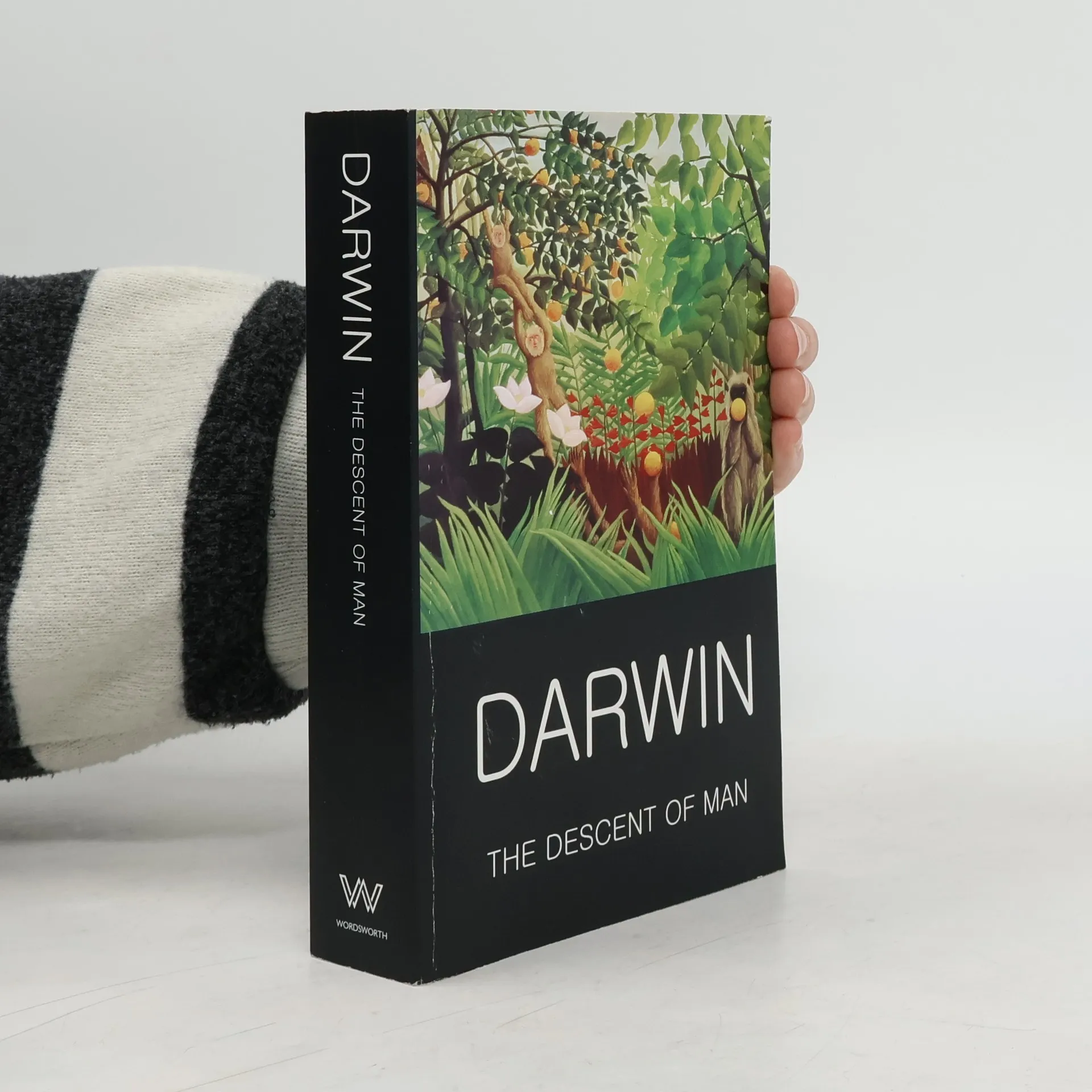
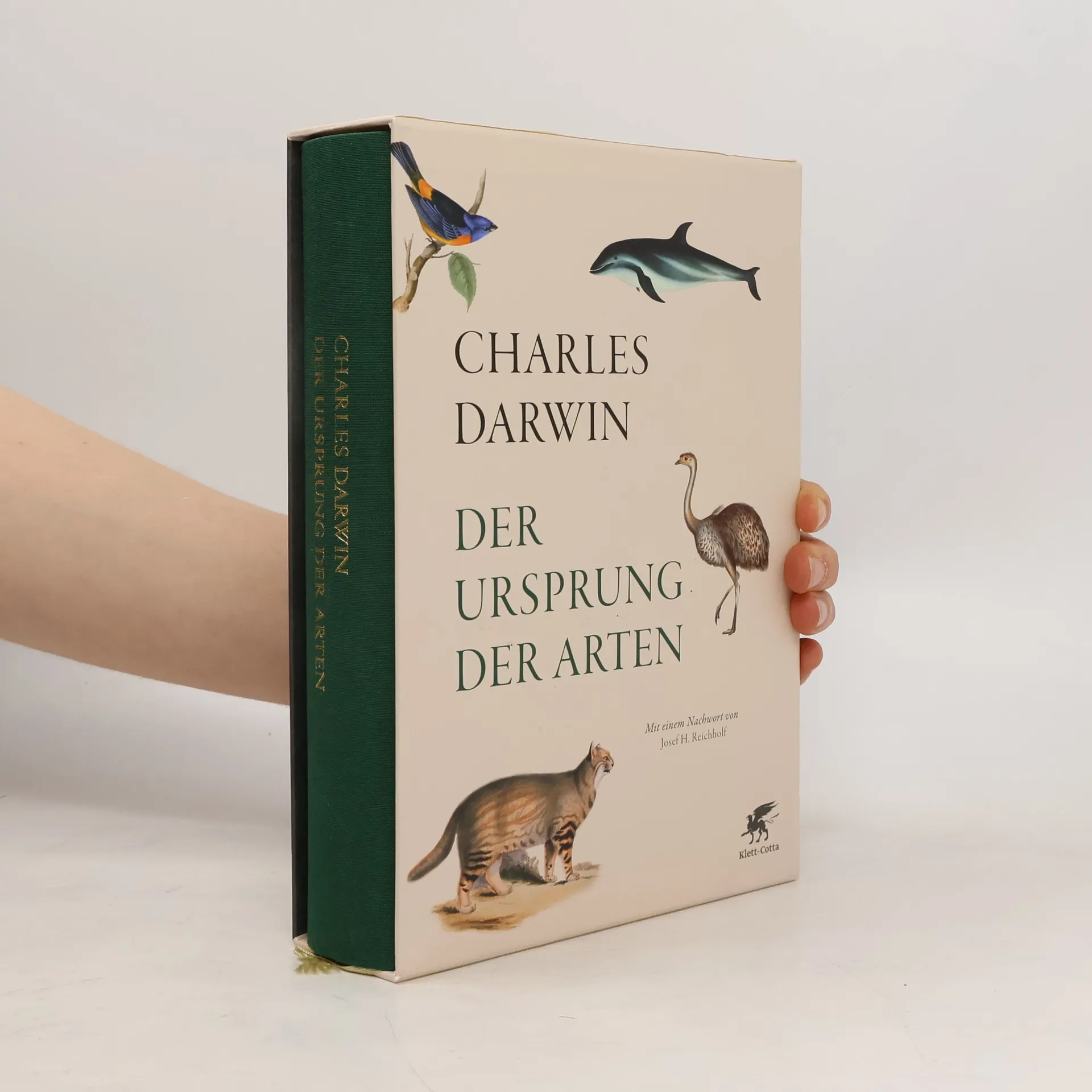
    El Origen del Hombre
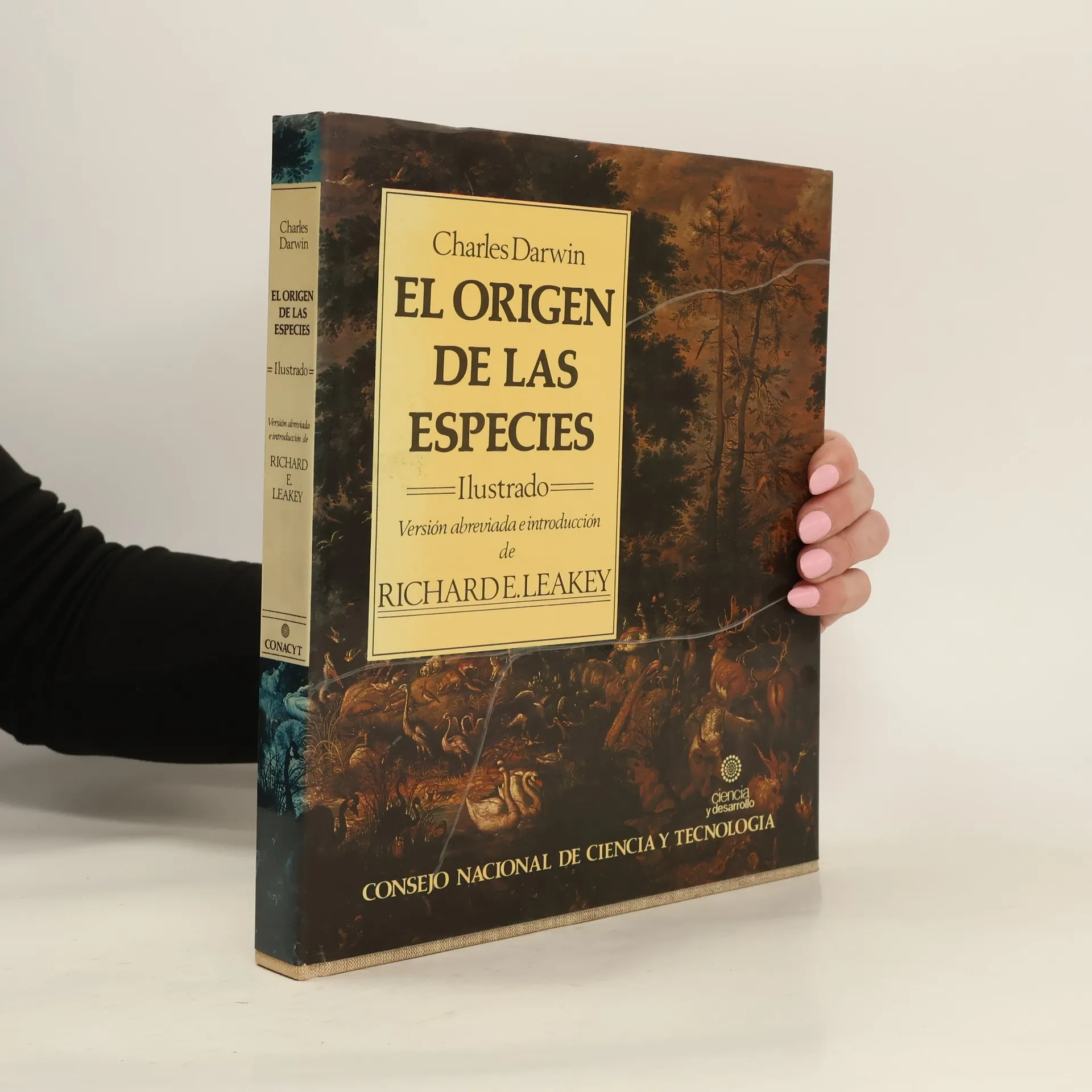
    El origen de las especies. Ilustrado
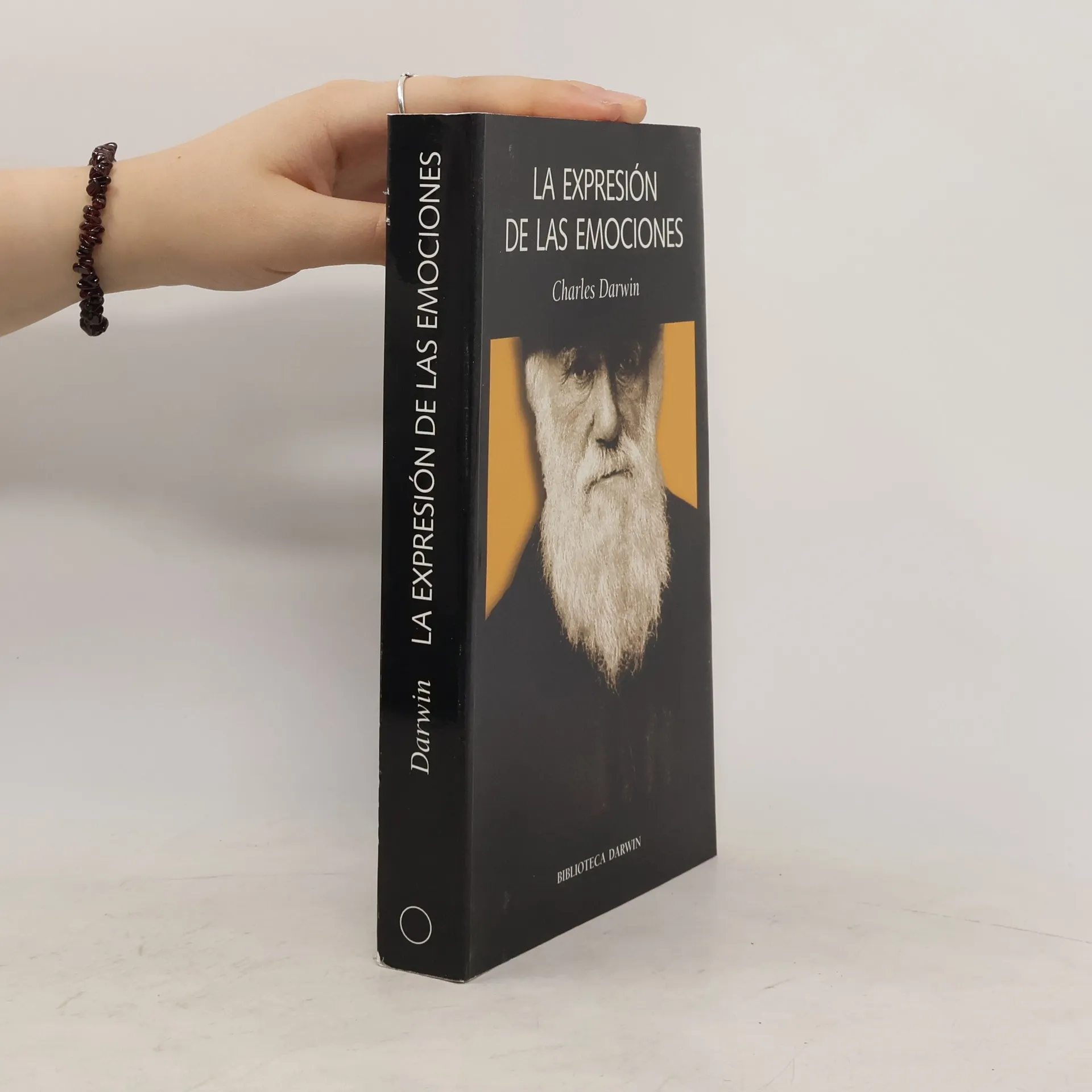
    La expresión de las emociones
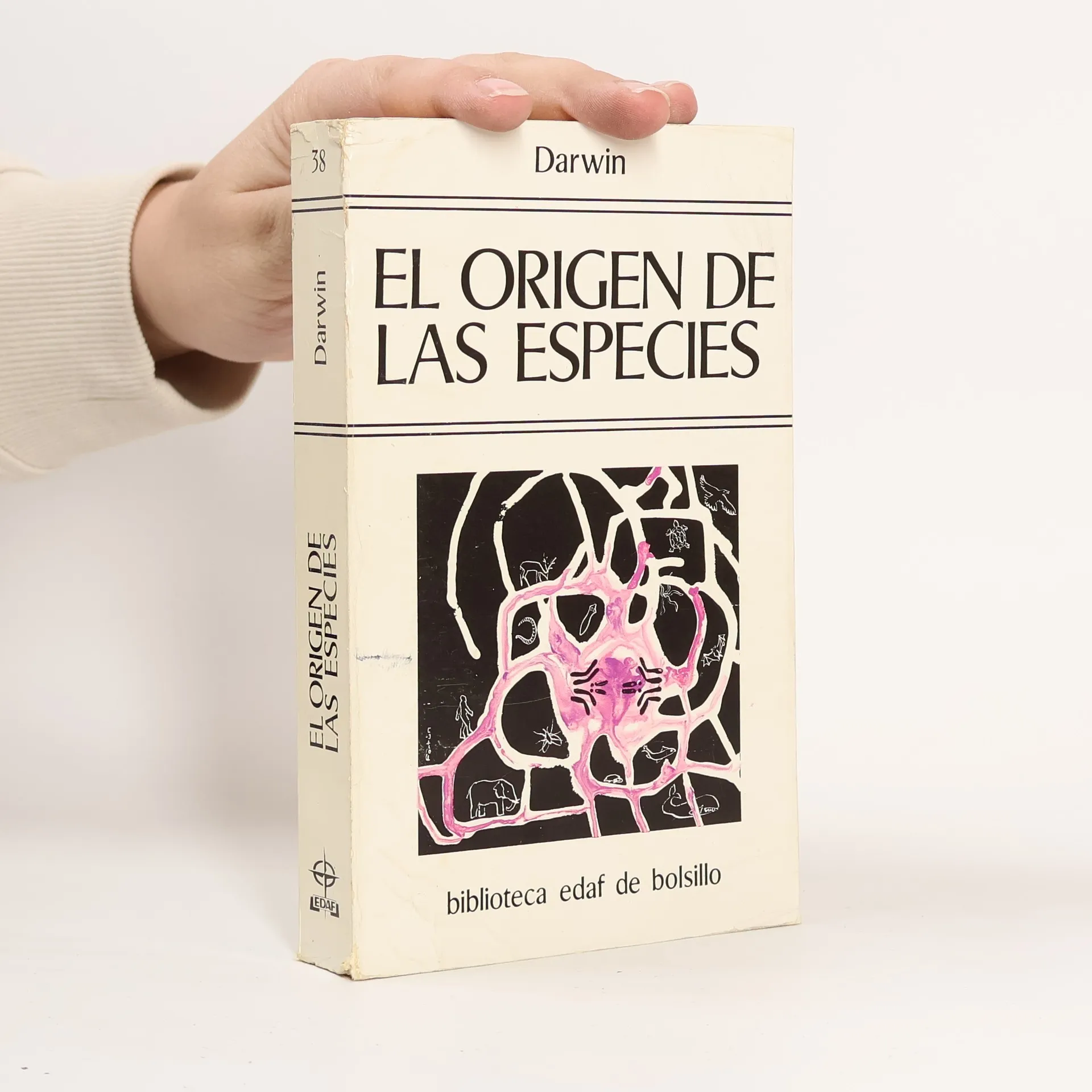
    El Origen de las Especies
    • La expresión de las emociones

      • 376 páginas
      • 14 horas de lectura

      El libro, además de una rareza si lo comparamos con el resto de la obra de Darwin, se ha convertido con el tiempo en uno de los más interesantes del autor y en uno de los que conserva mayor vigencia. De hecho, nació como un posible capítulo para su libro El origen del hombre, alcanzando pronto entidad individual y consiguiendo convertirse en título independiente por derecho propio. En él, Darwin se alejó de su acostumbrado naturalismo para centrarse en ciertos aspectos de la psicología que le permitiesen alcanzar conclusiones parecidas a las de su teoría de la evolución de las especies. Para ello aplicó su método tradicional de trabajo, basado en la observación y la demostración de hipótesis, que sirvió para preparar un texto plenamente atractivo e innovador. Teniendo en cuenta la fama previa de Darwin, el libro resultó ser un nuevo éxito editorial, que reafirmó aún más su influencia en los ámbitos científicos de la época


      La expresión de las emociones
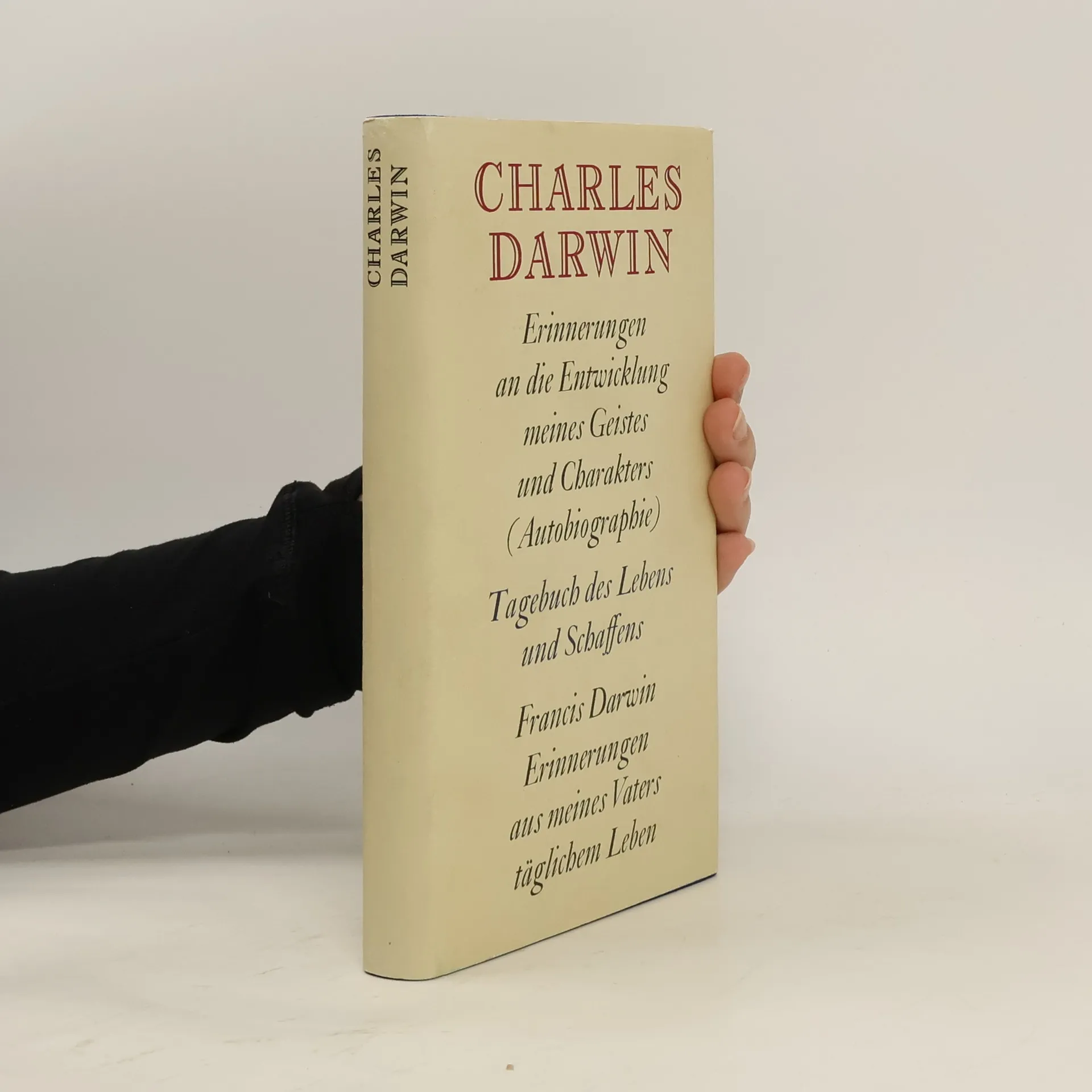
    • Die Fahrt der Beagle

      Tagebuch mit Erforschungen der Naturgeschichte und Geologie der Länder, die auf der Fahrt von HMS Beagle unter dem Kommando von Kapitän Robert Fitzroy, RN, besucht wurden

      • 687 páginas
      • 25 horas de lectura

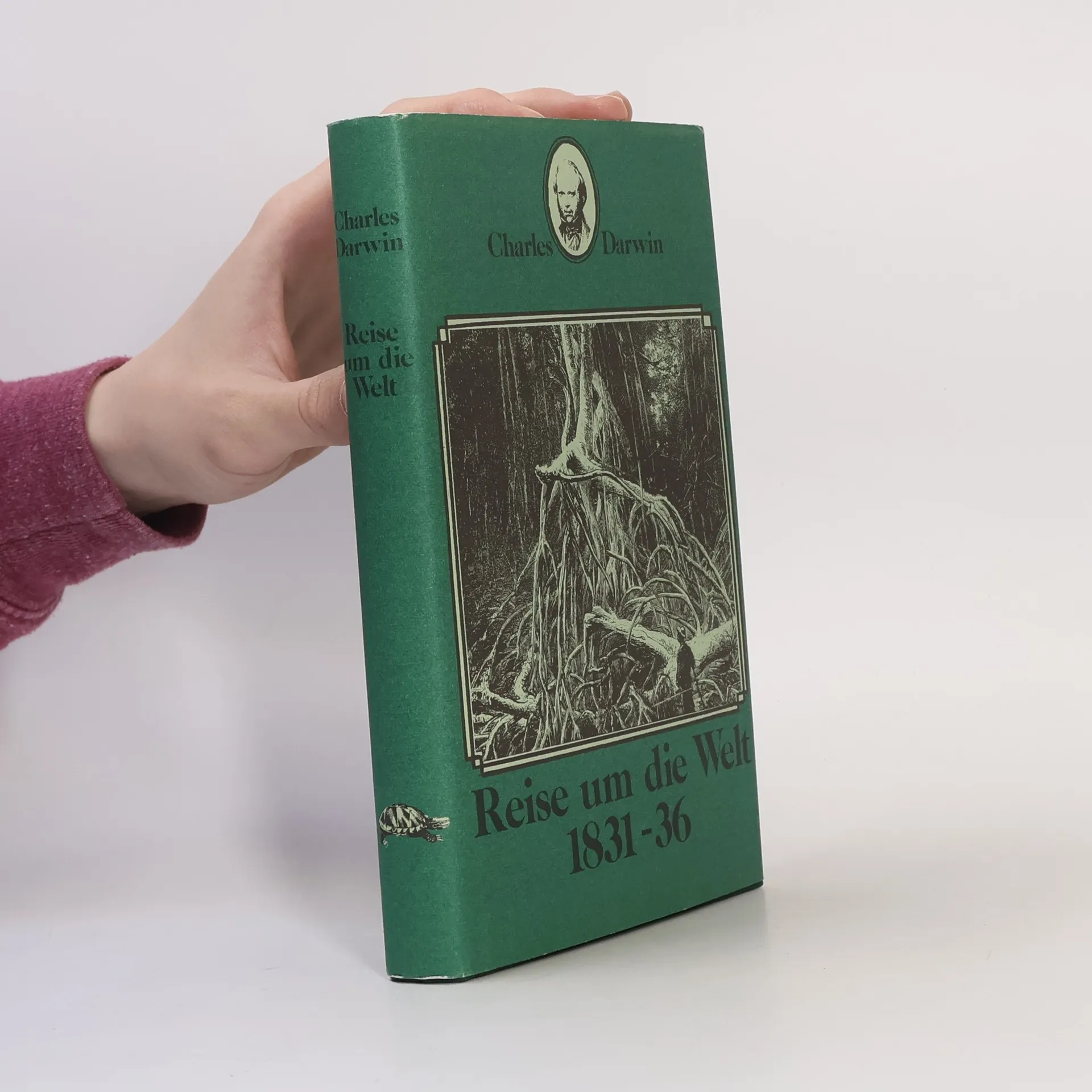
      Am 27. Dezember 1831 brach Charles Darwin mit der Beagle von Plymouth auf. In seiner kleinen Kajüte befanden sich Probenbehälter, Chemikalien, Seziergeräte, ein Mikroskop, ein Geologenhammer und Bücher. Mit 22 Jahren war er ein begeisterter Käfersammler und hatte ein leidenschaftliches Interesse an Naturwissenschaften, jedoch war er unschlüssig über seine Zukunft. Während seiner fünfjährigen Weltumrundung studierte er die Natur der Kapverdischen Inseln, die Ureinwohner Feuerlands und entdeckte auf den Galápagosinseln unterschiedliche Finkenpopulationen. Am Ende der Reise hatte er 1529 Spezies in Spiritus eingelegt und 3907 Häute, Knochen und andere Funde katalogisiert. Doch noch wichtiger war die Idee, die er mitbrachte und die später eine der größten intellektuellen Revolutionen der Menschheitsgeschichte auslöste. Darwins Bericht über seine Reise ist nicht nur ein bedeutendes Reisebuch, sondern auch die abenteuerliche Chronik eines jungen Mannes, der die Welt bereiste, um sie zu verändern. Es ist eine Mischung aus Abenteuer, Reisebericht und der Entstehung der modernen Biologie, verfasst in brillanter Literatur.

      Die Fahrt der Beagle
    • The book delves into the detailed study of earthworm castings and their impact on soil health, specifically focusing on measurements taken in fields near Nice. Through meticulous collection and weighing of castings over several months, the author calculates the significant amounts of organic matter produced by earthworms. The findings suggest that under optimal conditions, earthworms can contribute substantial quantities of nutrients to the soil, emphasizing their vital role in agricultural productivity. The research highlights the influence of weather and soil management practices on worm activity.

      The formation of vegetable mould through the action of worms, with observations on their habits
    • Darwin

      • 896 páginas
      • 32 horas de lectura

      Hailed as the definitive biography, this monumental work explains the character and paradoxes of Charles Darwin and opens up the full panorama of Victorian science, theology, and mores. The authors bring to life Darwin's reckless student days in Cambridge, his epic five-year voyage on the Beagle, and his grueling struggle to develop his theory of evolution.Adrian Desmond and James Moore's gripping narrative reveals the great personal cost to Darwin of pursuing inflammatory truths—telling the whole story of how he came to his epoch-making conclusions.

      Darwin
    • WITH AN INTRODUCTION BY DARWIN'S GREAT-GREAT-GRANDDAUGHTER, RUTH PADELWhen the eminent naturalist Charles Darwin returned from South America on board the H.M.S Beagle in 1836, he brought with him the notes and evidence which would form the basis of his landmark theory of evolution of species by a process of natural selection.

      The Origin of Species and the Voyage of the Beagle
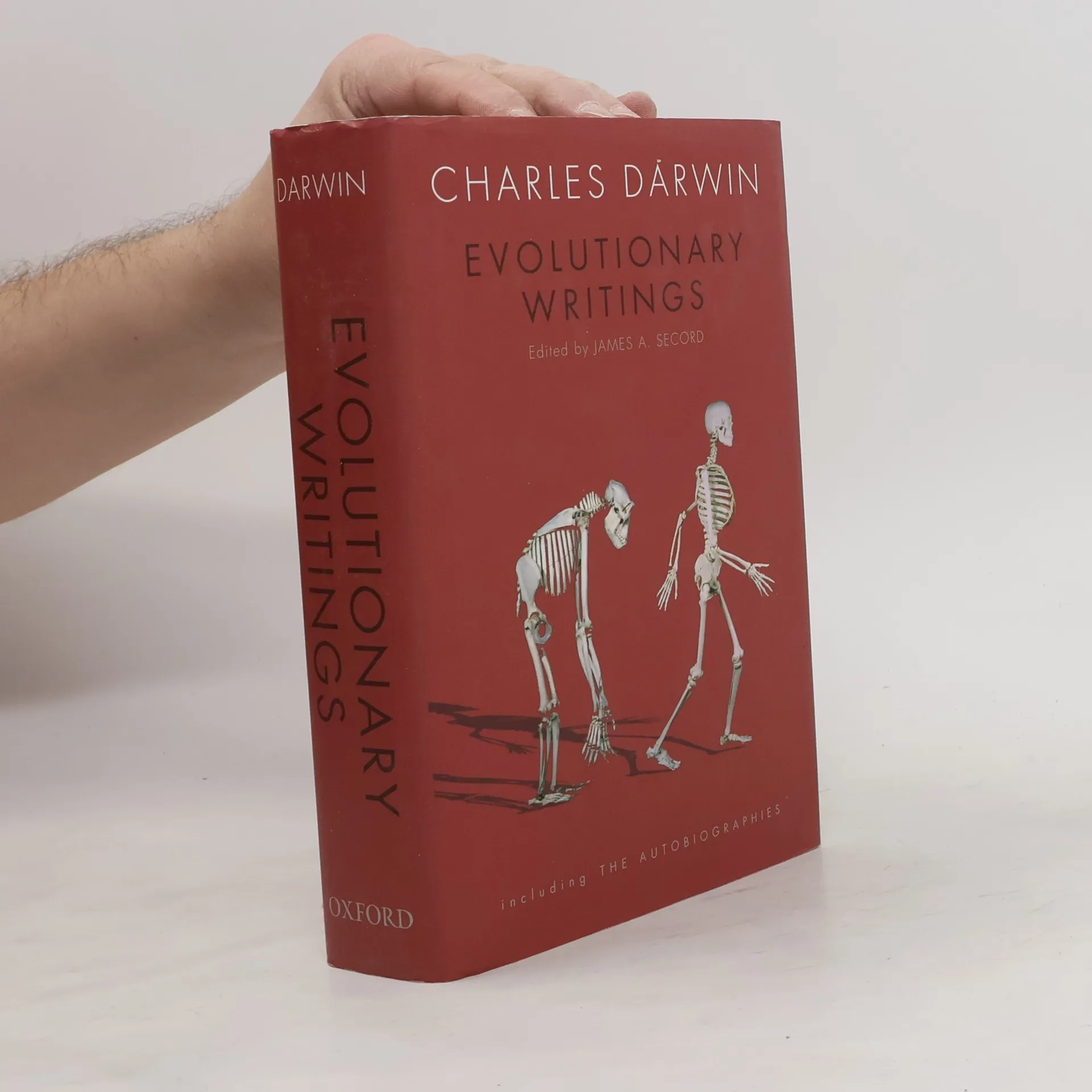
    • Evolutionary writings

      • 485 páginas
      • 17 horas de lectura

      On topics ranging from intelligent design and climate change to the politics of gender and race, the evolutionary writings of Charles Darwin occupy a pivotal position in contemporary public debate. This volume brings together the key chapters of his most important and accessible books,including the Journal of Researches on the Beagle voyage (1845), The Origin of Species (1859), and The Descent of Man (1871), along with the full text of his delightful autobiography. They are accompanied by generous selections of responses from Darwin's nineteenth-century readers from across theworld. More than anything, they give a keen sense of the controversial nature of Darwin's ideas, and his position within Victorian debates about man's place in nature.The wide-ranging Introduction by James A. Secord, Director of the Darwin Correspondence Project, explores the global impact and origins of Darwin's work and the reasons for its unparalleled significance today. To increase its usefulness for readers coming to Darwin for the first time, the selectionalso includes a map of the Beagle voyage, a detailed chronology of Darwin's life, and a biographical appendix identifying every individual mentioned in the text.

      Evolutionary writings