cuentos
Charles Baudelaire Libros
9 de abril de 1821 – 31 de agosto de 1867
Este poeta y crítico francés del siglo XIX es célebre por su poesía oscura y controvertida que explora la civilización moderna. Sus obras, en particular la colección "Les Fleurs du Mal", marcaron un hito en la literatura europea. Fue también un innovador de la prosa poética, y su estilo distintivo sigue resonando, pareciendo a menudo hablar directamente a las experiencias del siglo XX.

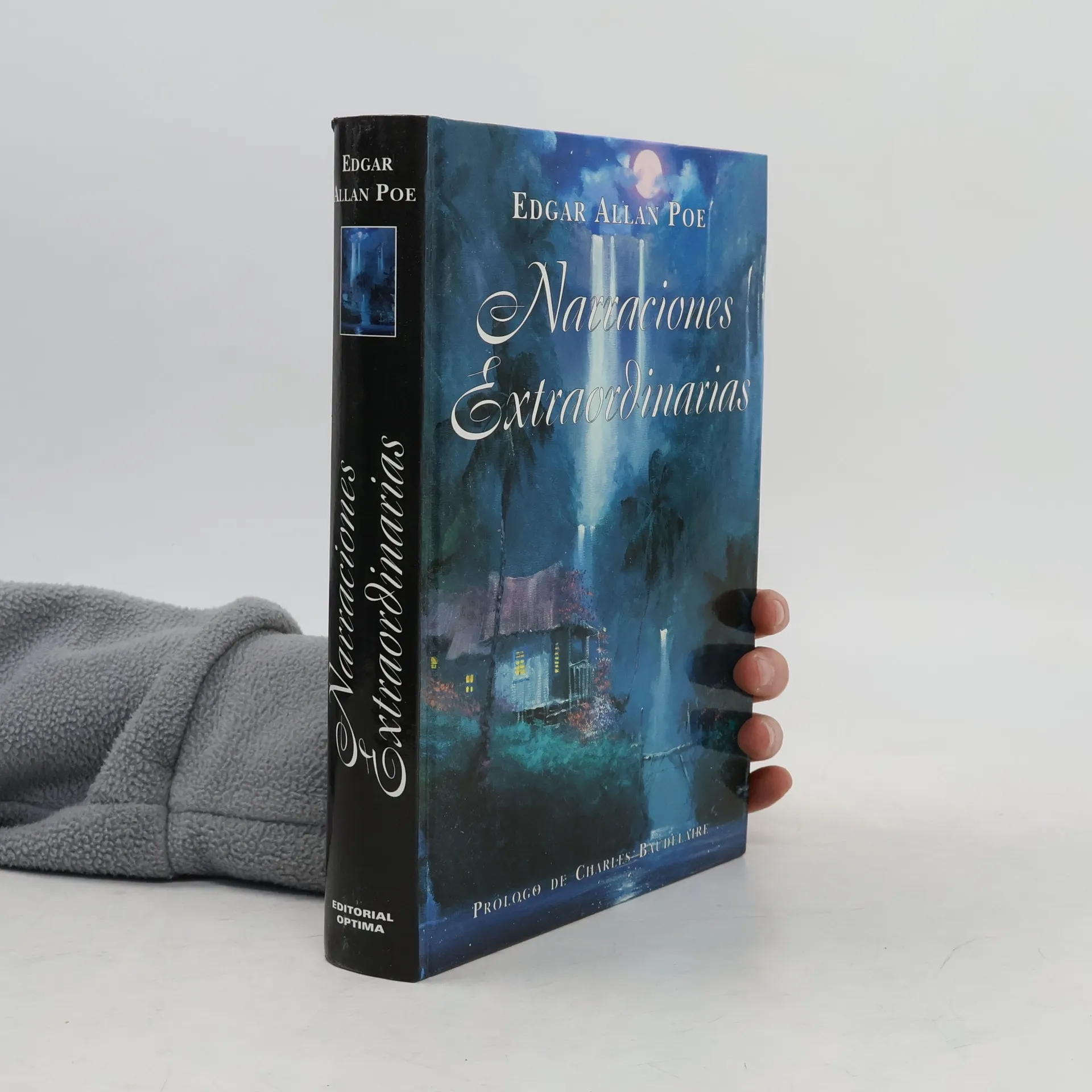
Las flores del mal
- 253 páginas
- 9 horas de lectura
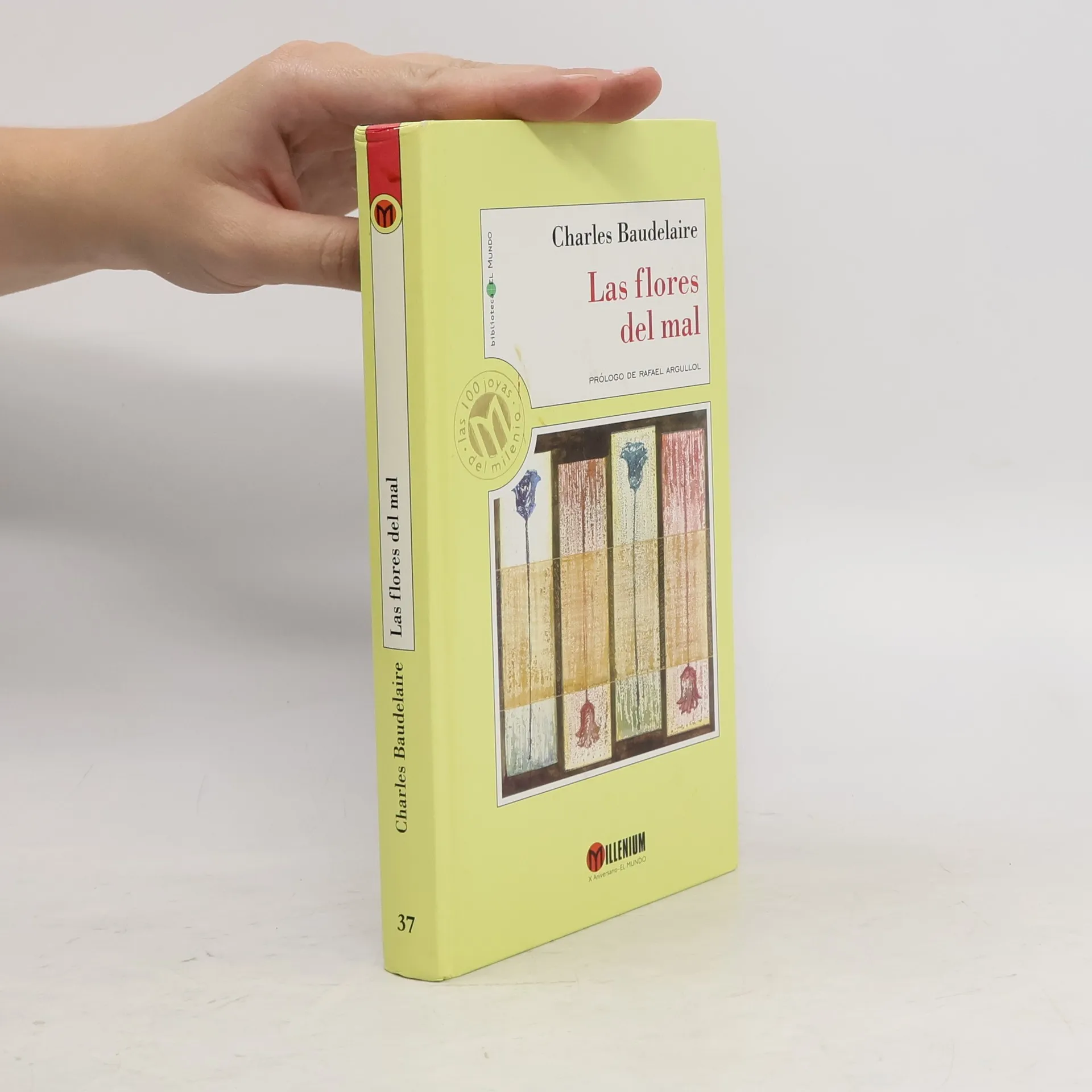
No sé si Charles Baudelaire es el más conocido de los poetas modernos pero estoy convencido de que Las Flores del mal sí es más difundo de los libros de poemas, y cuando menos en Occidentes. Aunque poco celebrado en el momento de su publicación en 1857, desde la muerte de su autor su impacto fue creciendo, dominando a través de los simbolista el fin de siglo pasado y erigiéndose como luego, con el surrealismo, en una piedra angular del edificio moderno. [...] La modernidad para Baudelaire implica poner de relieve las contradicciones, a menudo violentas, de la vida moderna. En esta perspectiva, Las flores del mal representa un arco de imágenes maravillosamente tenso. Y la flecha, una vez disparada, vuela directamente al corazón de la conciencia moderna haciendo estallar sus múltiples hipocresías. Rafael Argullol
El Spleen de París
- 192 páginas
- 7 horas de lectura
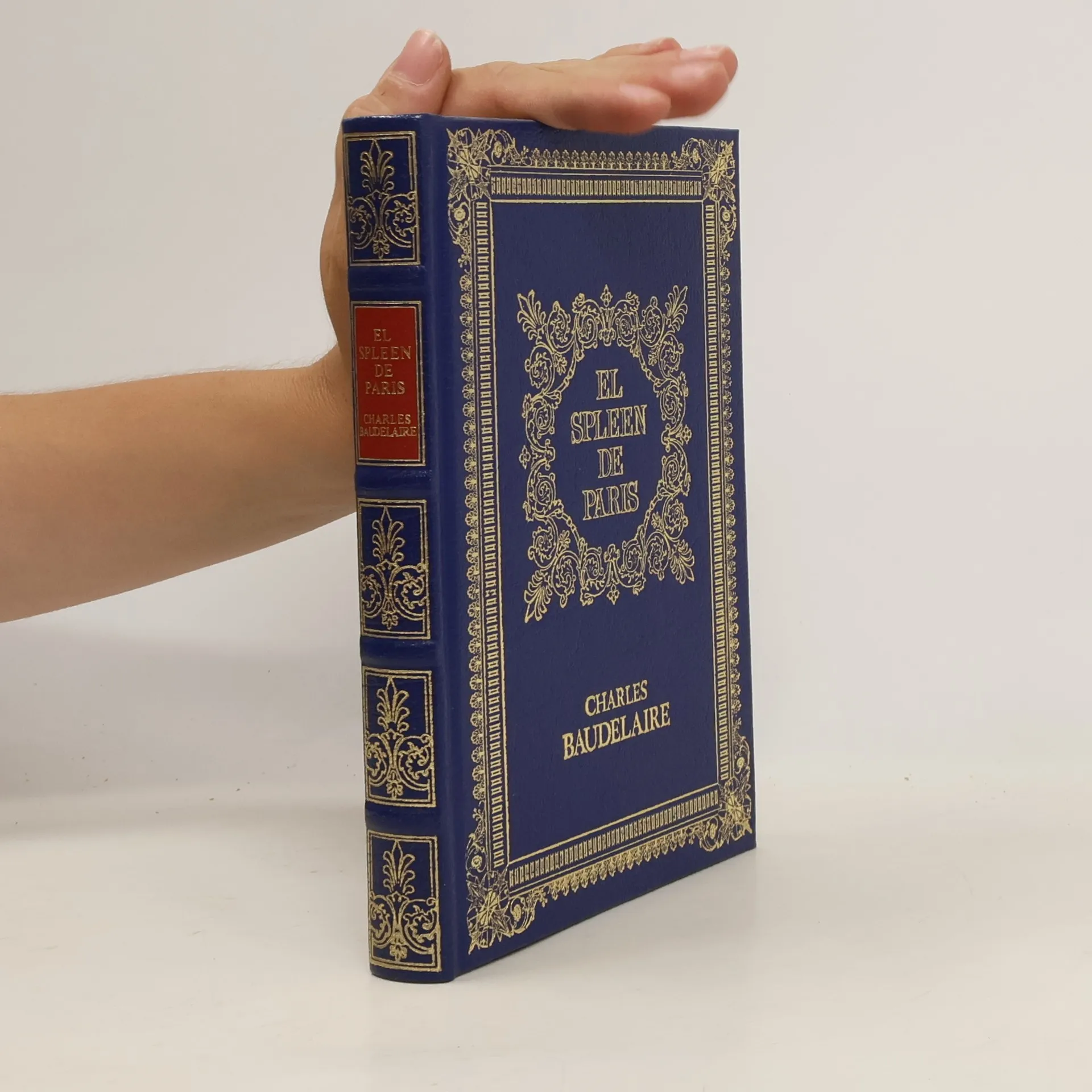
Cuando comienza a publicar sus pequeños poemas en prosa en revistas y periódicos, Baudelaire los califica modestamente de « bagatelas », pero es plenamente consciente de su singularidad. Estos textos buscan captar la extrañeza del cotidiano de su tiempo, inaugurando así una forma literaria nueva. Rimbaud y Mallarmé lo recordarán pronto, al igual que muchos otros después de ellos. Aunque el poeta lo había considerado desde 1857, el año de Las flores del mal, El Spleen de París no se publicó hasta dos años después de su muerte, en 1869. Para Baudelaire, sus poemas en prosa constituían el « pendant » de sus piezas en verso, y ambos libros, de hecho, se hacen eco en muchos aspectos. Sin embargo, a diferencia de Las flores del mal, aquí no se nos ofrece un recuento compuesto: es más bien un espacio de libertad, donde el flâneur atestigua una nueva mirada que surge en el hombre moderno, para quien la realidad multiplica sus imágenes.
Pobre Bélgica - 1. edición.
- 288 páginas
- 11 horas de lectura
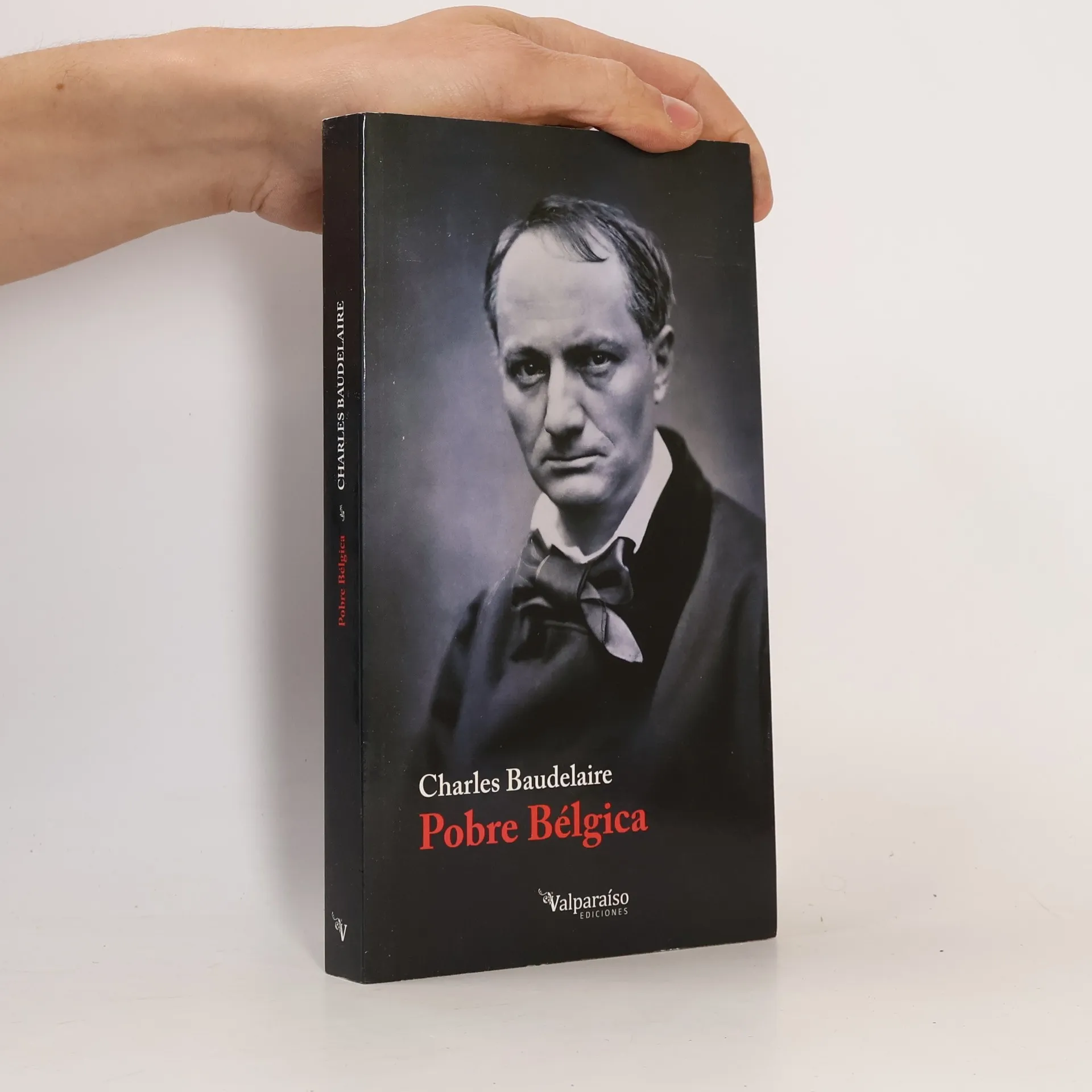
Pauvre Belgique se publicó por primera vez en París en 1952. Esta es la primera edición íntegra, en España, del manuscrito, que además incluye poemas nunca antes traducidos al castellano. El original se encuentra en la Biblioteca Spoelberch de Lovenjoul, en Chantilly. Está formado por treinta y tres capítulos, con distintos tipos de folios, ordenados en carpetas en las que se puede leer un índice. Charles Baudelaire mantuvo en sus dos últimos años de vida la esperanza de publicar una obra crítica sobre el carácter y las costumbres belgas de la segunda mitad del siglo XIX, un trabajo que la muerte le impidió acabar. No se trataba sólo de una sátira de valones y flamencos, iba a ser, como dejó escrito en sus notas, un espejo deformador de los propios vicios de la sociedad francesa. El príncipe de los poetas aseguró al editor Michel Lévy que Pauvre Belgique era el más ambicioso de sus proyectos, un libro “diferente a todo” en el que pretendía mostrar lo que hubiera sido Francia de haber permanecido en manos de la burguesía.
Charles Baudelaire: His Life
- 208 páginas
- 8 horas de lectura
CHARLES BAUDELAIRE: HIS LIFE --- By Théophile Gautier --- With poems translated by Guy Thorne --- Charles Baudelaire (1821-1867) was a celebrated 19th century French poet, author of the famous Flowers of Evil poetic sequence, first published in 1857. Baudelaire is a poet's poet par excellence, a brilliant craftsman who produced some of the finest poems in the French language. Baudelaire was known as a dandy who led a bohemian lifestyle; he knew many of the artists of the era (Manet, Nadar, Delacroix, and Gautier). Baudelaire's influence on subsequent poets and artists has been immense. This book by Charles Baudelaire's friend Théophile Gautier is an important early study of the poet. Gautier offers a biography of the poet, and looks at his work. In the second part, Guy Thorne translates a selections of Baudelaire's poems, including from his two best-known collections - the Flowers of Evil and the Little Poems In Prose. A group of letters from Baudelaire are also included, and an essay on Baudelaire's influence. --- Illustrated. 204 pages. Paperback, with a full colour cover.With the French text of Baudelaire's poetry.
Selected Poems
- 256 páginas
- 9 horas de lectura
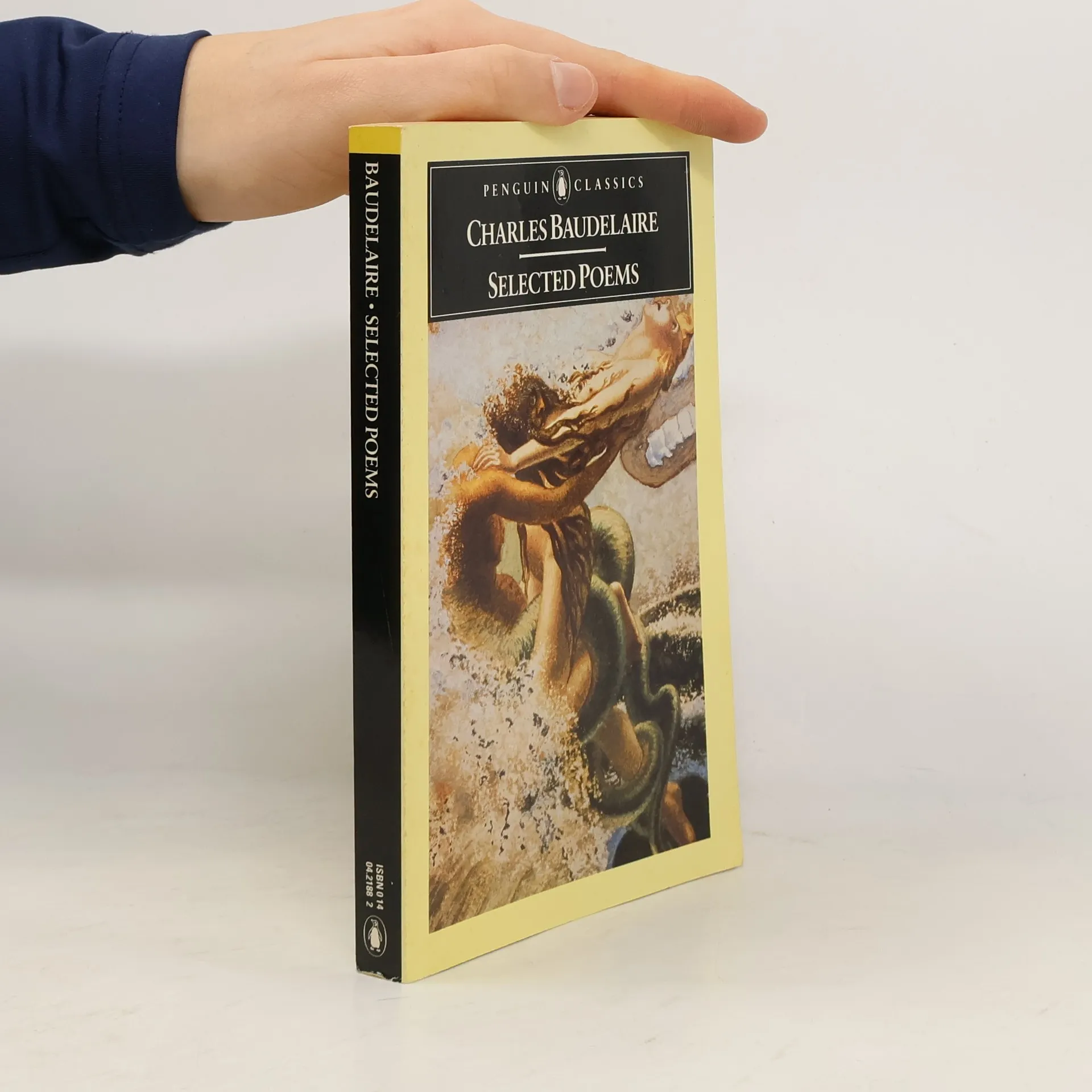
In both his life and his poetry, Charles Pierre Baudelaire pushed the accepted limits of his time. His dissolute bohemian life was as shocking to his readers as his poetry. Writing in classical style but with brutal honesty, Baudelaire laid bare human suffering, aspirations, and perversions.
Baudelaire: Poems
- 256 páginas
- 9 horas de lectura
Modern poetry begins with Charles Baudelaire (1821-67), who employed his unequalled technical mastery to create the shadowy, desperately dramatic urban landscape -- populated by the addicted and the damned -- which so compellingly mirrors our modern condition. Deeply though darkly spiritual, titanic in the changes he wrought, Baudelaire looms over all the work, great and small, created in his wake.
The translation captures the essence of Baudelaire's work with remarkable fidelity, challenging the notion that poetry is untranslatable. Eric Gans adheres closely to the original French, showcasing Baudelaire's unique vision while blending modesty with poetic talent. This new rendition aims to convey the original's meaning and emotional impact, making it a valuable resource for poetry enthusiasts and students of French literature. The result is a celebration of Baudelaire's artistry that resonates with readers in English.
Late Fragments
- 384 páginas
- 14 horas de lectura
The first English collection of the late poetry and prose fragments of literary icon Charles Baudelaire
The Salon of 1846
- 160 páginas
- 6 horas de lectura
In his introduction to Charles Baudelaire’s Salon of 1846, the renowned art historian Michael Fried presents a new take on the French poet and critic’s ideas on art, criticism, romanticism, and the paintings of Delacroix. Charles Baudelaire, considered a father of modern poetry, wrote some of the most daring and influential prose of the nineteenth century. Prior to publishing international bestseller Les Fleurs du mal (1857), he was already notable as a forthright and witty critic of art and literature. Captivated by the Salons in Paris, Baudelaire took to writing to express his theories on modern art and art philosophy. The Salon of 1846 expands upon the tenets of Romanticism as Baudelaire methodically takes his reader through paintings by Delecroix and Ingres, illuminating his belief that the pursuit of the ideal must be paramount in artistic expression. Here we also see Baudelaire caught in a fundamental struggle with the urban commodity of capitalism developing in Paris at that time. Baudelaire’s text proves to be a useful lens for understanding art criticism in mid-nineteenth-century France, as well as the changing opinions regarding the essential nature of Romanticism and the artist as creative genius. Acclaimed art historian and art critic Michael Fried’s introduction offers a new reading of Baudelaire’s seminal text and highlights the importance of his writing and its relevance to today’s audience.
The Chronicles of Sin: Lust
Lascivious Love Stories and Passionate Poems
- 129 páginas
- 5 horas de lectura
All the yearning, the passion, and the wantonness of lust are explored in this broad-ranging anthology of sensual stories, poems, and fables on a perennially hot topic. From Italo Calvino's humorous observations in The Loves of the Tortoises and Simone de Beauvoir's bittersweet reflections in The Prime of Life to the dark desires of The Vampire Lestat and the taboo obsession of Lolita, Lust offers an uncensored collection by some of the world's most respected writers, both classic and contemporary. With an elegant, two-color design as alluring as its contents are captivating, Lust makes a thoroughly pleasurable gift for a lover, or a perfect literary bedside companion.
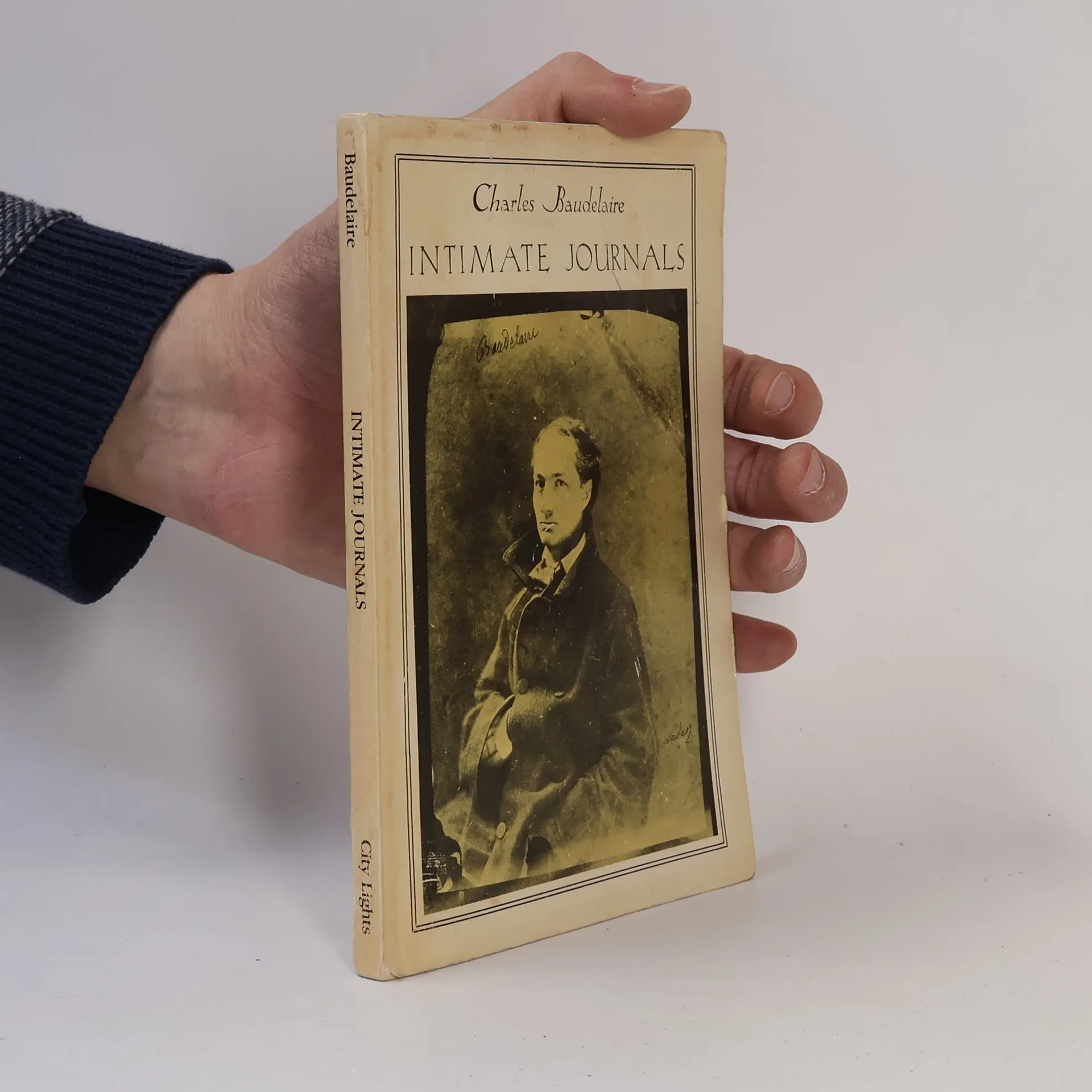
Intimate Journals
- 118 páginas
- 5 horas de lectura
One of the most influential French poets of the nineteenth century, Charles Baudelaire (1821–1867) was also an important art critic and translator. In fact, his translations of Edgar Allan Poe's works are considered classics of French prose. Throughout much of his life, however, Baudelaire was dismissed as a vulgar drug addict preoccupied with sex and death. Prosecuted for obscenity and reeling from one financial disaster to another, he produced a number of literary works that went unrecognized during his lifetime. Perhaps the most significant collection of poetry published in Europe during the nineteenth century, his Flowers of Evil was critically condemned, and the remaining years of his life were marked by a sense of failure, disillusionment, and despair. This volume of the poet's essays and drawings—collected and published after his death—includes cryptic memoranda, literary notes, quotations, rough drafts of prose poems, and personal tirades. More than anything else, they reveal the spiritual underpinnings of his work, transcending the squalor of financial ruin and the torture of physical decline to offer compelling thoughts on his world, society, and philosophy.
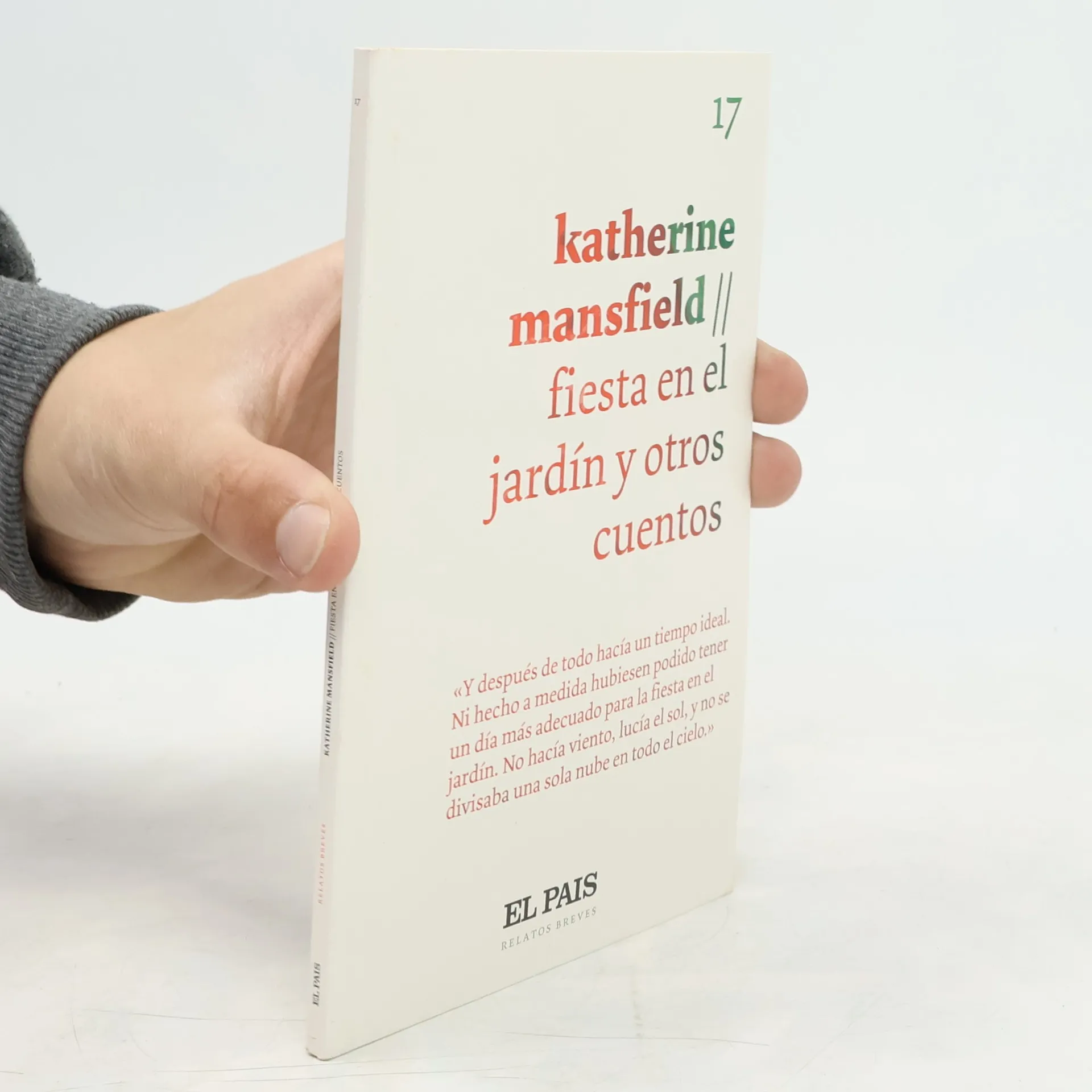
Fiesta en el jardín y otros cuentos
- 94 páginas
- 4 horas de lectura
Katherine Mansfield, influenciada estilísticamente por el escritor ruso Chéjov, es considerada una pionera del cuento moderno en inglés. En esta colección de 15 relatos, Mansfield ofrece 'destellos' de momentos de vida de sus protagonistas. A través de impresiones fugaces, logra retratar de manera precisa y sobria la compleja vida emocional y mental de las mujeres. Sus historias, a menudo de carácter autobiográfico, abordan eventos cotidianos y aspectos aparentemente triviales, pero siempre buscan un momento revelador en el interior de sus personajes. Las narraciones incluyen: El jardín de fiesta, En la bahía, El señor y la señora Dove, La vida de la señora Parker, Miss Brill, Su primer baile, El extraño, La lección de canto, El viaje, Día festivo, Una familia ideal, Matrimonio a la moda, La joven, La doncella de cámara, Las hijas del recientemente fallecido coronel Pinner.
Invitation to the Voyage
- 200 páginas
- 7 horas de lectura
“Baudelaire is indeed the greatest exemplar in modern poetry in any language,” said T. S. Eliot. We experience Baudelaire in myriad ways through his multifaceted writing. His sensuous poems—dreams of escape to an impossible, preferably tropical, elsewhere—draw us in with their descriptive and perceptual richness. There is also the bitter, compassionate, and desolate Baudelaire. Ultimately, Baudelaire’s true genius might reside in his expressive force and in the tension between his passions and intellect. The latter is most evident in his control of rhetoric and poetic form, and—given the poems’ density of language, thought, and feeling—his astonishing clarity. This new English rendition of Baudelaire by award-winning translator Beverley Bie Brahic includes poems from his celebrated Les Fleurs du mal, Les Épaves, Le Spleen de Paris, and Paradis artificiels . It also includes several of his prose poems, as well as an excerpt from his famous essay on wine and hashish. The poems in verse have Baudelaire’s French originals on facing pages; the prose poems, unaccompanied by their originals, are printed near the poems in verse with which they resonate. Complete with the translator’s illuminating introduction and notes, this beautifully crafted volume is an important addition to Baudelaire’s work in English translation.
The Painter of Modern Life
- 128 páginas
- 5 horas de lectura
Poet, aesthete and hedonist, Baudelaire was also one of the most groundbreaking art critics of his time. Here he explores beauty, fashion, dandyism, the purpose of art and the role of the artist, and describes the painter who, for him, expresses most fully the drama of modern life.
Exploring altered states of consciousness, Charles Baudelaire's work reflects his involvement with the Club of the Hashish-Eaters, a Parisian literary group. The Poem of Hashish, originally published in 1850, showcases Baudelaire's connection to the Symbolism movement, emphasizing dreams and imagination over realism. Aleister Crowley's 1895 translation brings this unique perspective to a wider audience, highlighting the use of symbols as a means of expressing deeper ideals.
The Flowers of Evil / Les Fleurs du Mal : English - French Bilingual Edition
The famous volume of French poetry by Charles Baudelaire in two languages
- 144 páginas
- 6 horas de lectura
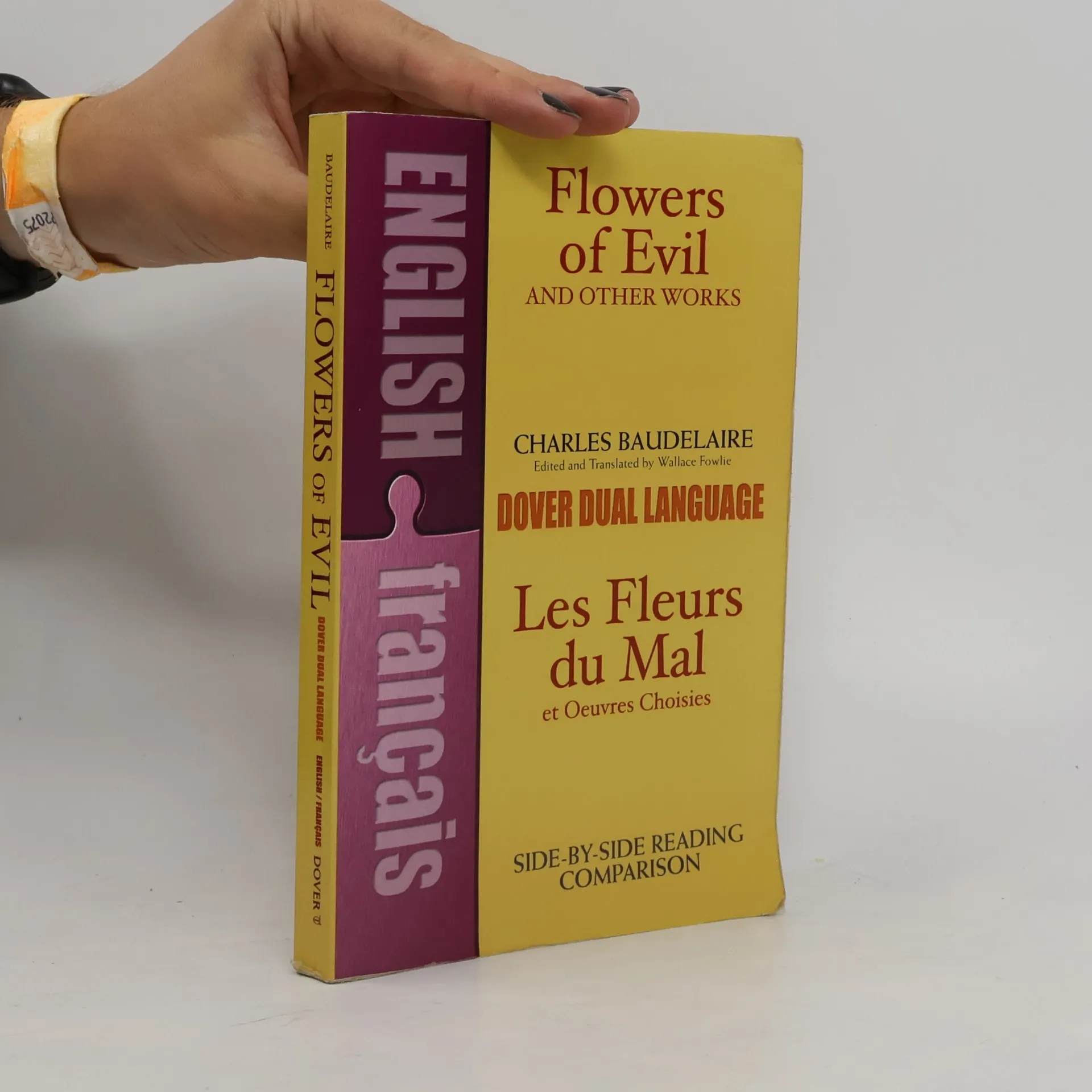
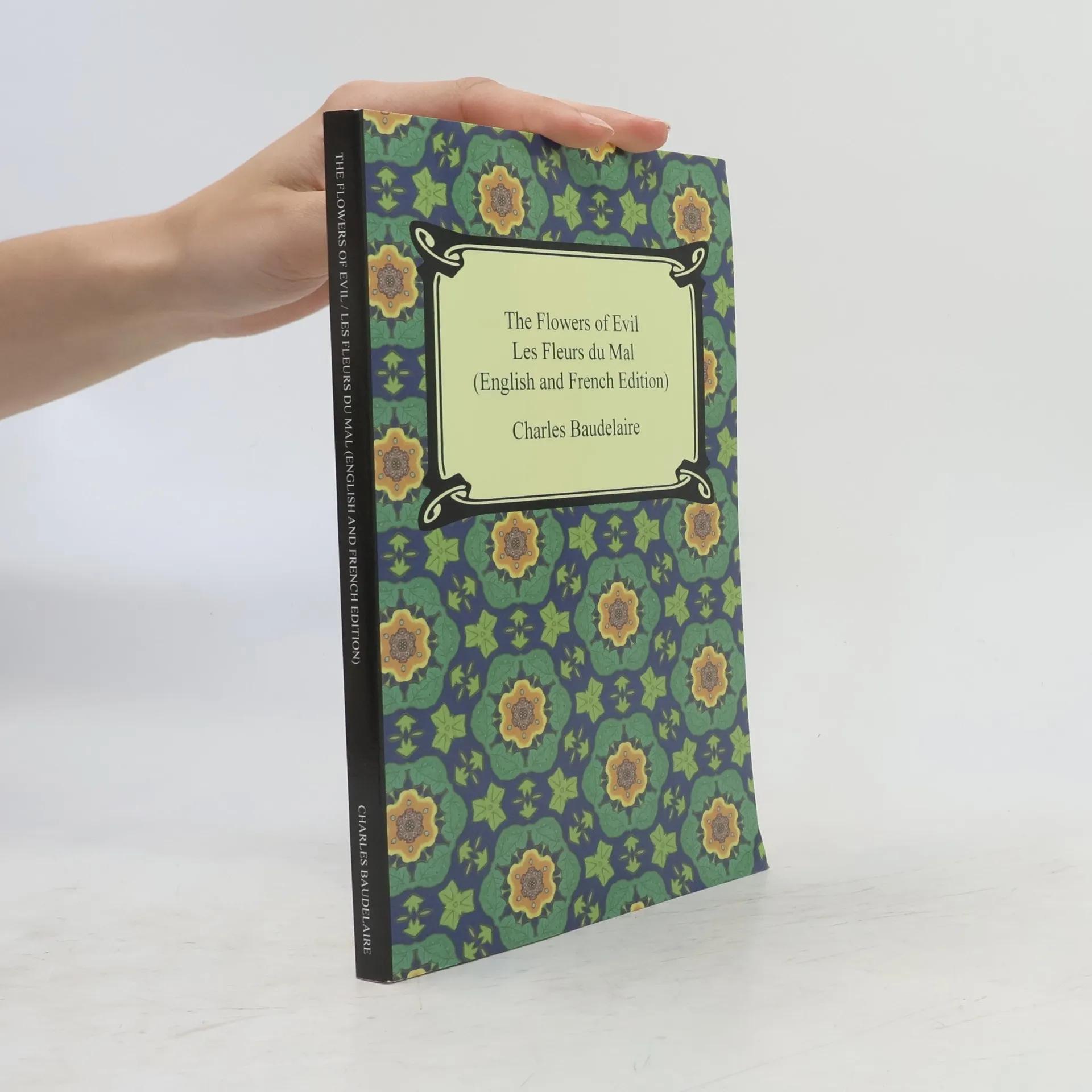
Exploring themes of decadence and eroticism, this volume of French poetry by Charles Baudelaire, first published in 1857, played a pivotal role in the symbolist and modernist movements. Its rich imagery and profound emotional depth challenge societal norms and delve into the complexities of beauty and vice, making it a significant work in literary history.
Exploring themes of decadence, eroticism, and the human condition, this collection features nearly all of Baudelaire's poetry from 1840 to 1867. Initially published in 1857, it faced controversy for its bold imagery and was censored for immorality. The poems challenge traditional forms and delve into complex emotions surrounding suffering, death, and the quest for an ideal world. Its impact on the symbolist and modernist movements is profound, influencing prominent poets like Verlaine and Rimbaud. The bilingual format presents the text in both French and English.
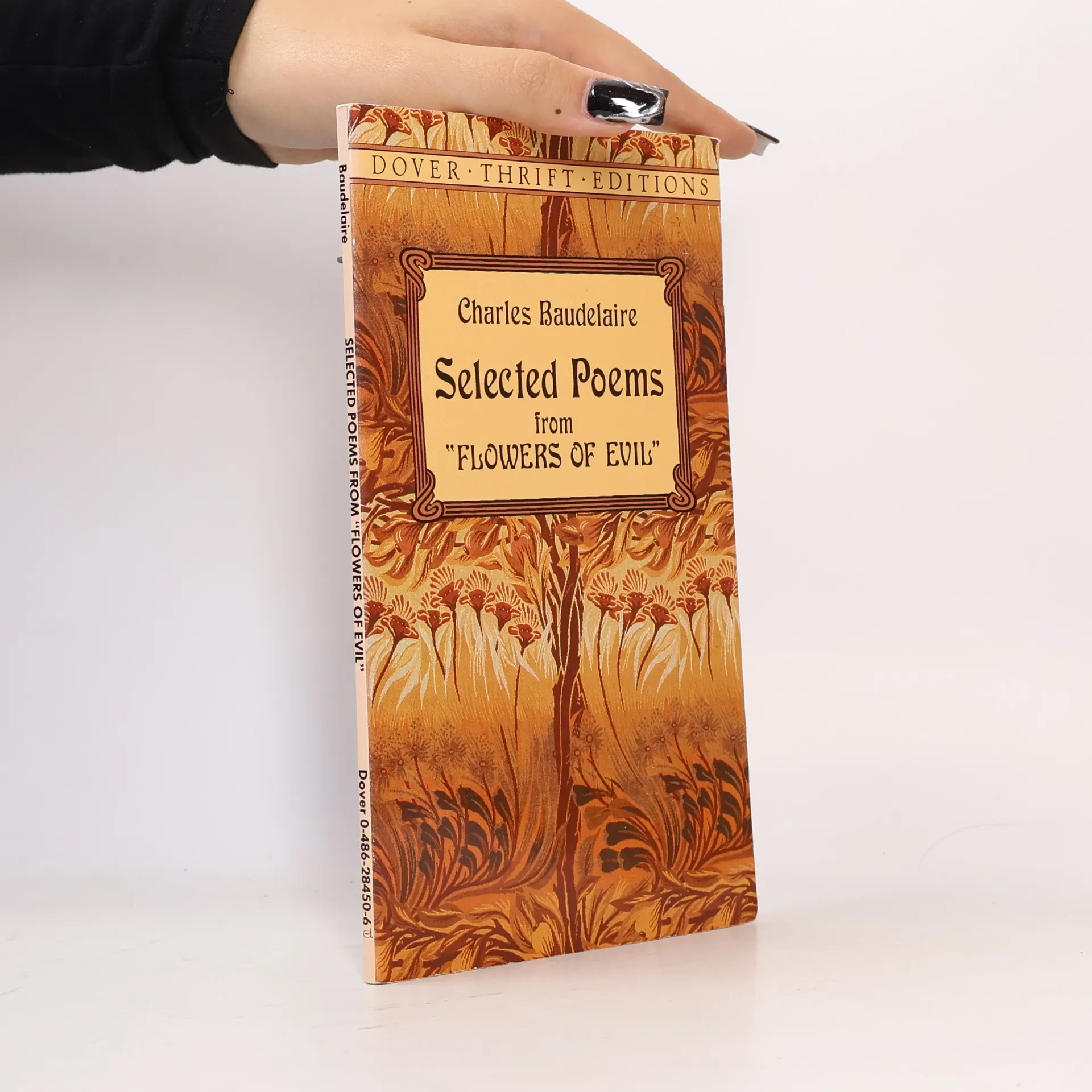
Dover Thrift Editions: Selected Poems from "Flowers of Evil"
- 64 páginas
- 3 horas de lectura
In his controversial 1857 work, Les Fleurs du mal, the 19th-century decadent poet addresses the conflict of good and evil by rejecting conventional distinctions to pursue beauty in perversity. This volume features selections from Baudelaire’s masterpiece, perhaps the most influential French poetry ever written, in an inexpensive edition that invites readers to explore the remarkable sensuality, depths of thought, and feeling in one of the most original and influential books of the age.
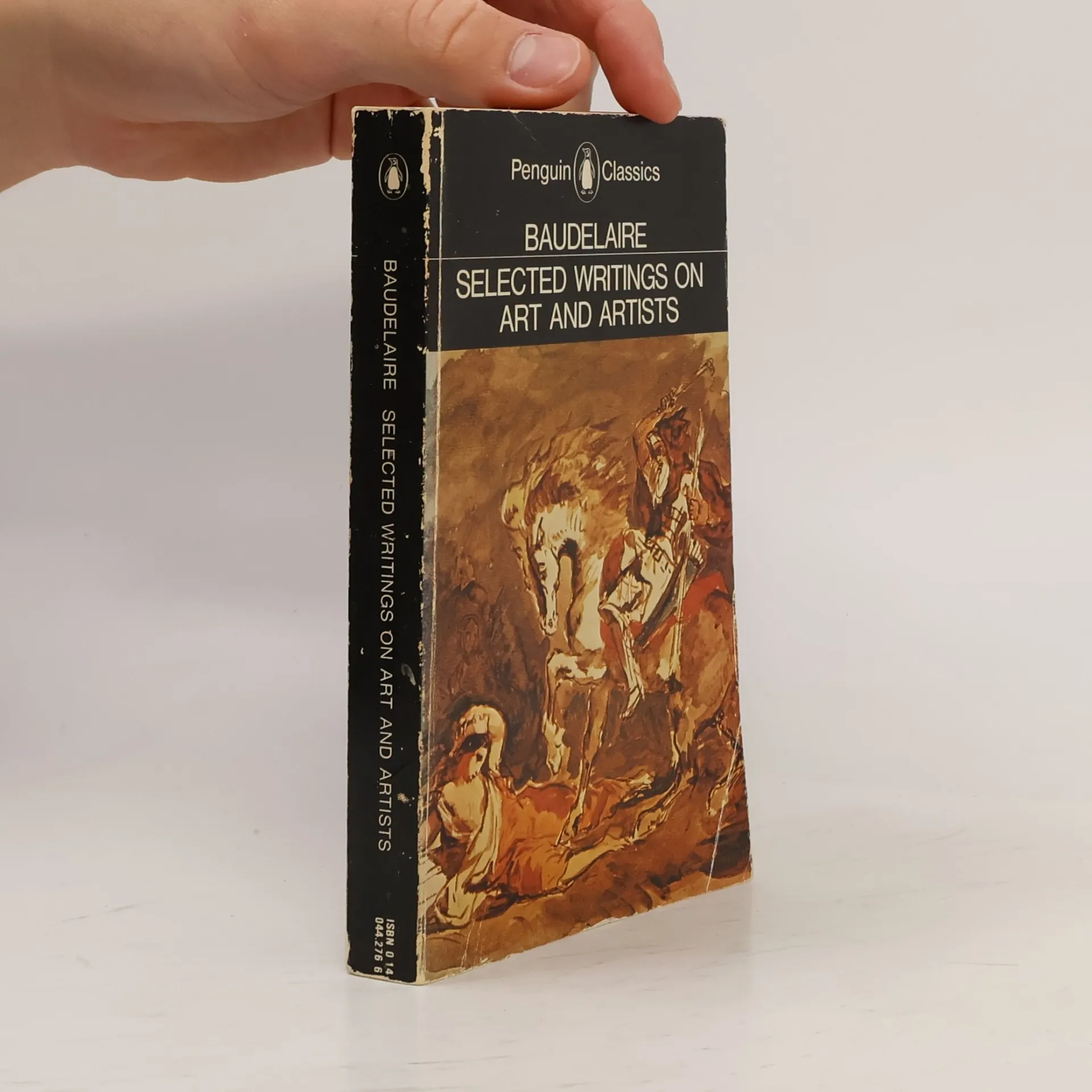
Penguin Classics: Selected Writings on Art and Artists
- 460 páginas
- 17 horas de lectura
Before publishing Les Fleurs du Mal in 1857, Baudelaire was probably better known to his contemporaries as a critic than as a poet, and the articles translated here by P. E. Charvet illustrate the development of Baudelaire's critical ideas. The essays cover the visual, literary, and musical arts. From the early 'Salon' of 1846 Baudelaire's commitment to the cause of Delcroix was passionate and unswerving and it remains a theme of a number of these pieces. Baudelaire's literary criticism is represented by, amongst others, the two important articles on Poe, the spirited defence of Madame Bovary published shortly after Flaubert had been acquitted on a charge of offending public morality and the long article on Gautier, to whom Baudelaire dedicated Les Fleurs du Mal. The musician whom Baudelaire admired above all others was Wagner, and the article on Tannh user published at the time of the Paris production in 1861 shows his percipience as a critic: with no technical knowledge of music, Baudelaire nevertheless demonstrates an instinctive awareness of the magical power of suggestion in Wagner's music.
Upon its original publication in 1857, Charles Baudelaire's "Les Fleurs du Mal" sparked controversy, leading French authorities to claim it insulted public decency. The courts eventually recognized its literary merit but banned six specific poems from future editions. This scandal ironically boosted sales, resulting in a second edition in 1861 that included thirty-five new poems while omitting the censored ones. A posthumous third edition was published in 1868, adding fourteen more poems chosen by Baudelaire's friends, yet it excluded the six censored works. Literary scholars argue that the additional poems disrupt Baudelaire's intended structure, making the 1861 edition the definitive version. This volume reproduces the 1861 edition alongside the six censored poems in both the original French and an English translation by William Aggeler. Rich in symbolism, "The Flowers of Evil" is a cornerstone of the modernist literary movement, exploring themes of decadence and eroticism as a critique of Parisian society in Baudelaire's time.
Classic Essays on Photography
- 300 páginas
- 11 horas de lectura
Containing 30 essays that embody the history of photography, this collection includes contributions from Niepce, Daguerre, Fox, Talbot, Poe, Emerson, Hine, Stieglitz, and Weston, among others.
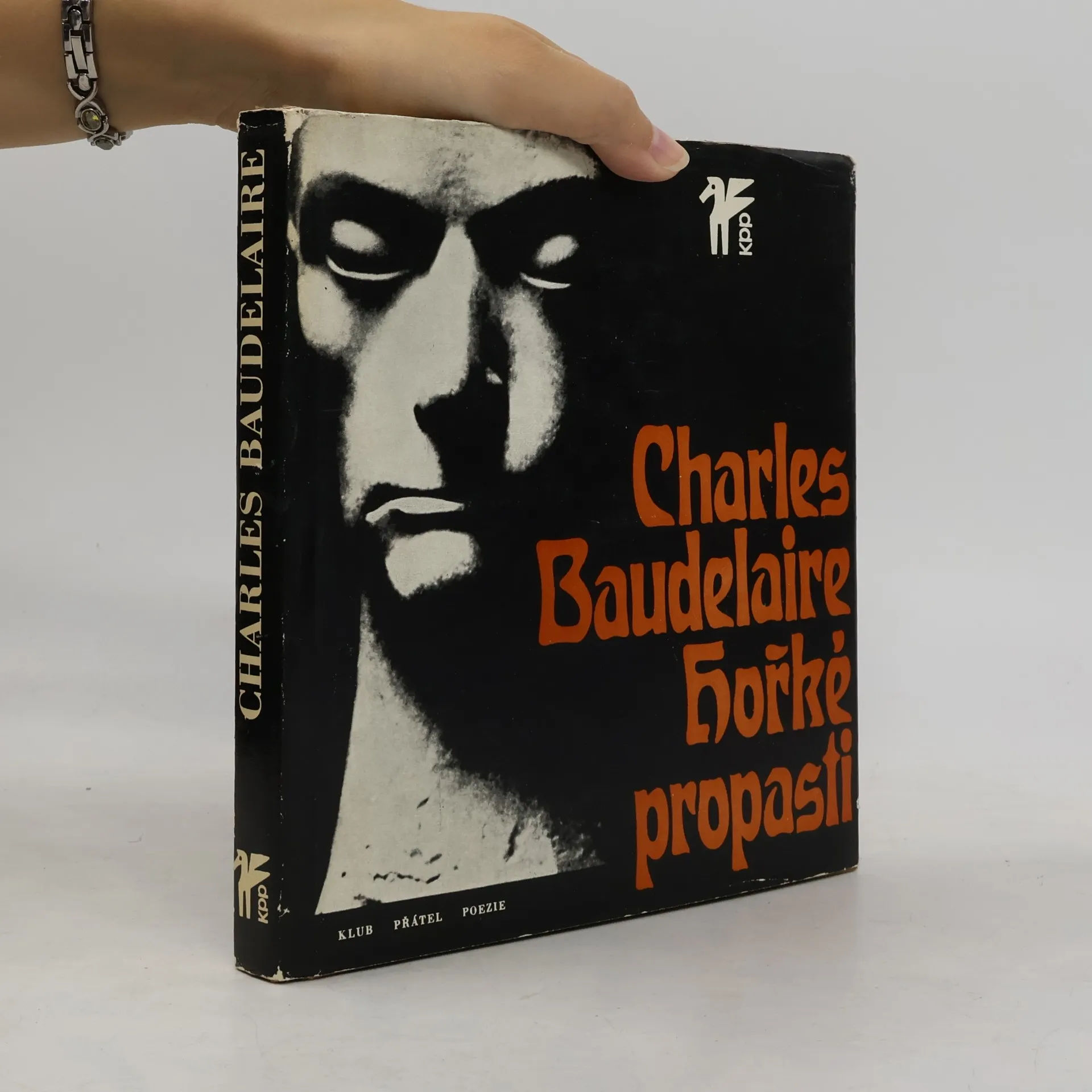
Není to jen výběr veršů autora Les Fleurs du Mal v překladech celé plejády našich nejlepších básníků - je to doslova portrét básníka a jeho doby. Janu Tomešovi se podařilo sestavit z Baudelairových veršů, dobových dokumentů, grafik, fotografií a vyjádření přátel a kritiků vynikající knihu, která je bezesporu ozdobou každé knihovny.
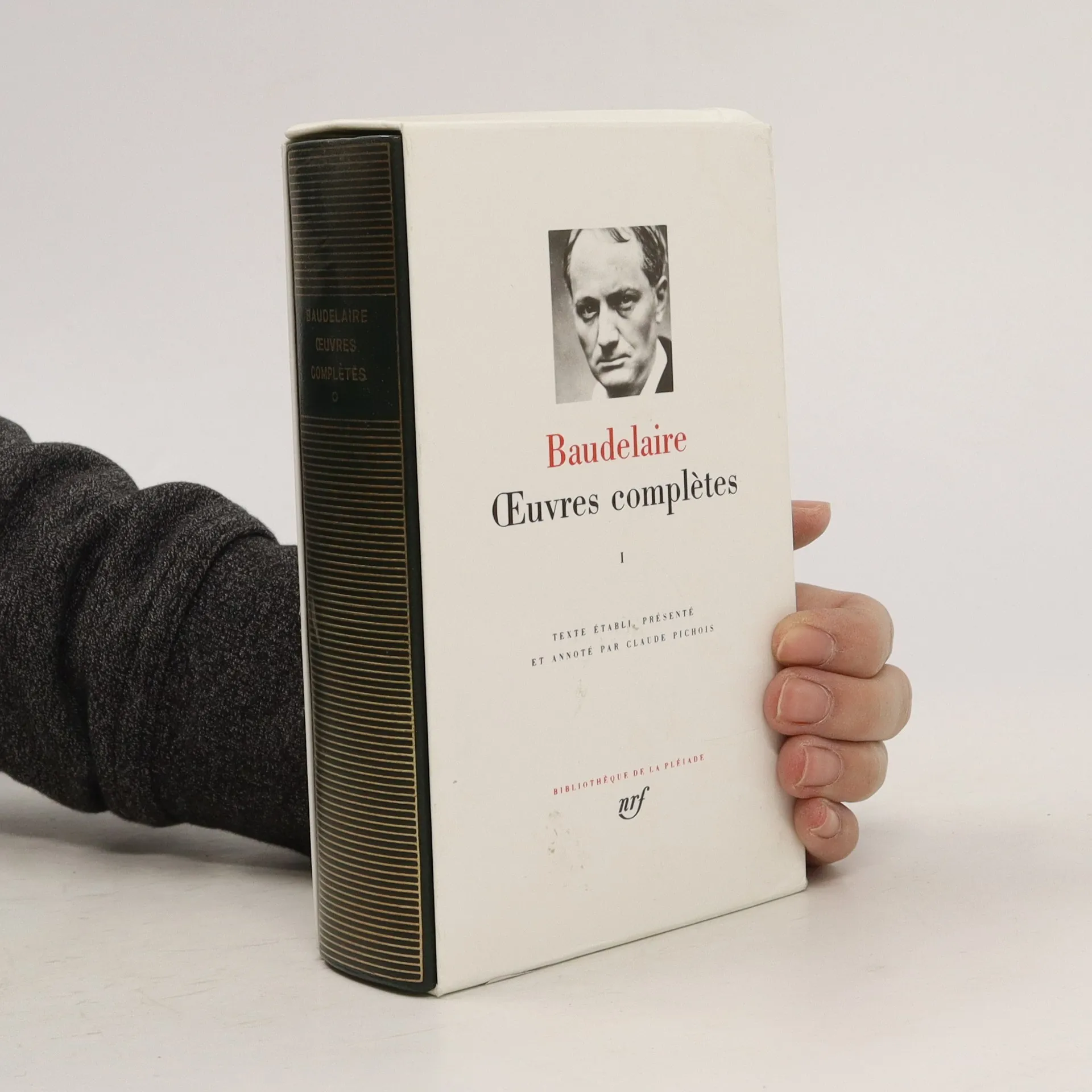
"Sa vie de guignon (1821-1867), dont deux volumes de Correspondance retracent les douloureuses étapes, contraste avec la forte organisation d'une oeuvre qui comprend la poésie la plus classique et la plus révolutionnaire, le poème en prose, la nouvelle, les maximes d'un moraliste sans indulgence, les pages les plus intelligentes qui aient été écrites sur la peinture, la littérature et la musique. Avec Baudelaire apparaît un nouveau type de créateur : celui qui s'est associé un critique, et un nouveau type de lecteur - "Hypocrite lecteur, - mon semblable, - mon frère !", qui doit collaborer à cette création sous peine de l'ignorer." Claude Pichois.
dtv zweisprachig: Trente poèmes en prose / Dreißig Gedichte in Prosa: Deutsch-Französisch
- 110 páginas
- 4 horas de lectura
Tej, čo prešla popri mne
- 208 páginas
- 8 horas de lectura
Tej, čo prešla popri mne je výnimočný dvojjazyčný výber z diela Charlesa Baudelaira v preklade Ľubomíra Feldeka s pôsobivými ilustráciami od Kataríny Vavrovej. Výber chce sprítomniť jedného z najväčších francúzskych básnikov, významného predstaviteľa svetovej moderny. V roku 1857 Baudelaira hnali za jeho básne pred súd, lebo verejnosť poburovali, no v súčasnosti žasneme nad nespornou umeleckou hodnotou jeho poézie. Dnes si aj jeho Zdochlinu už vieme prečítať ako nádhernú ľúbostnú báseň, ktorá vôbec nie je taká cynická, ako vyzerá na prvý pohľad. Súčasťou knihy je prehľad dramatického života Charlesa Baudelaira, ako aj komentár k niektorým jeho básňam a pútavá úvaha Môj Baudelaire z pera Ľubomíra Feldeka. Ilustrácie: Katarína Vavrová Preklad: Ľubomír Feldek, Anna Lara
Longtemps, la critique d'art fut considérée, dans l'œuvre de Baudelaire, comme d'importance secondaire. Aux éblouissements de l'inspiration poétique, ne pouvait-on pas opposer la nature essentiellement alimentaire d'un labeur que le poète, sa correspondance faisant foi, définissait comme " avant tout un remplissage de colonnes " ? Or, dans ces écrits sur la peinture et la musique, se déploie, en réalité, une pensée esthétique autonome, émergent une réflexion propre et un goût singulier. Avec les " Salons " notamment s'élabore chez Baudelaire le rapport spécifique qu'entretiennent perception, souvenir et expérience esthétique. C'est ici que naissent ces correspondances sans lesquelles il n'est, pour Baudelaire, de poésie possible. C'est ici que s'impose la nécessité de dire une même expérience esthétique - allégorique ou concrète, d'image ou de sens. Seule la lecture des écrits du critique conduit à l'intelligence de l'œuvre du poète. Esthétique et poétique se rejoignent pour célébrer le culte baudelairien des images.
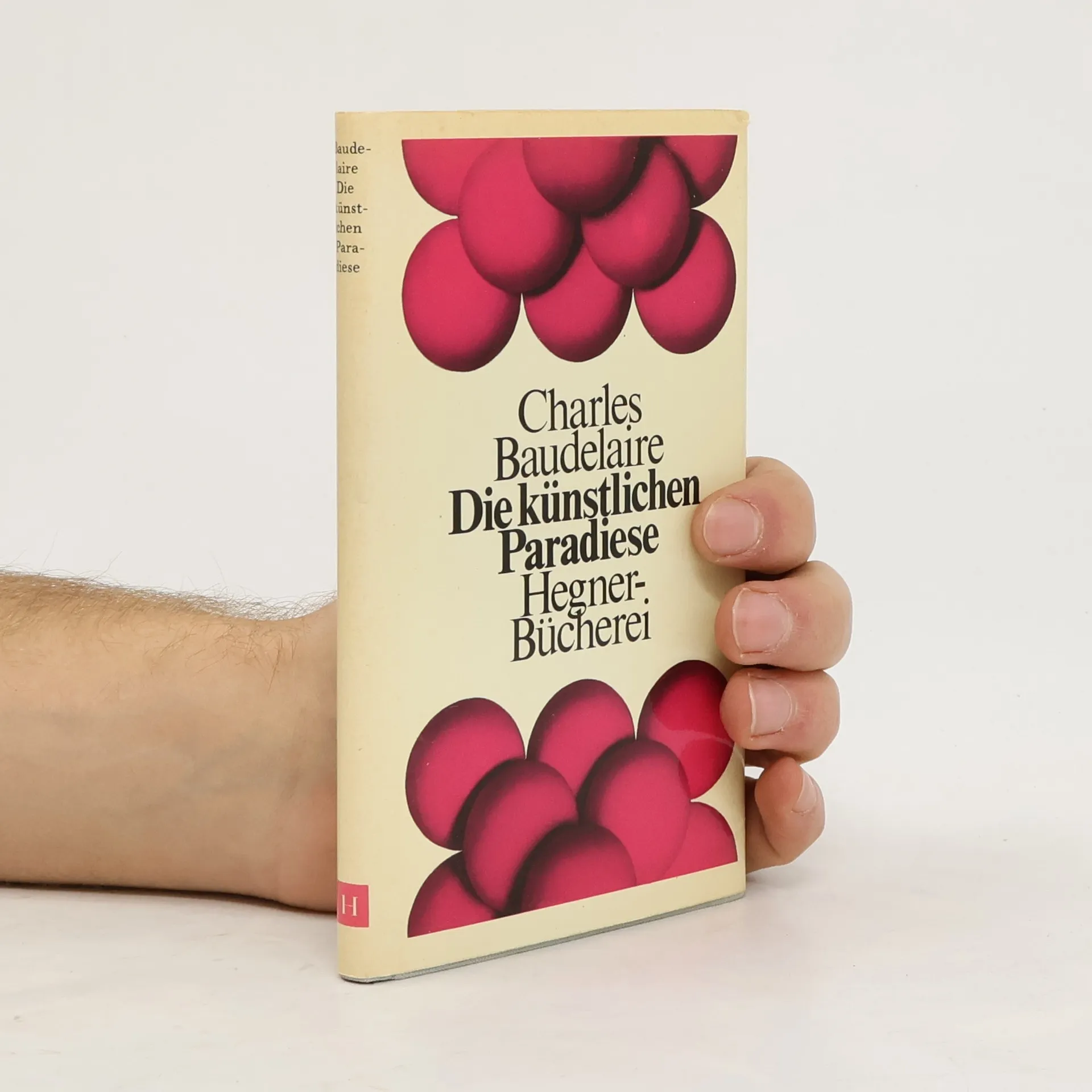
Die künstlichen Paradiese
Von Haschisch und Wein (Band 160, Klassiker in neuer Rechtschreibung)
- 60 páginas
- 3 horas de lectura
Die Reihe präsentiert bedeutende Werke der Weltliteratur in der aktuellen Rechtschreibung gemäß Duden. Klara Neuhaus-Richter stellt sicher, dass die Klassiker für moderne Leser zugänglich sind, ohne den ursprünglichen Inhalt zu verändern. Dies ermöglicht eine zeitgemäße Leseerfahrung und fördert das Verständnis für die literarischen Meisterwerke.
Výbor typických ukázek z autorovy básnické sbírky Květy zla, která patří mezi základní kameny novodobé světové poezie. Básně doplňuje úvodní esej, výňatky ze soudů o Baudelairově díle, přehled nejdůležitějších událostí z básníkova života a dobové ilustrace.
Žánr básní v próze, pohybující se v krajně kultivované podobě na pomezí poezie, esejů, maxim i starých rytin, se u nás příliš nepěstoval. Pro připomínku mohou padnout jména Víta Obrtela nebo Jana Vladislava a před nimi – jak jinak – Jaroslava Vrchlického. Jejich domovem je Francie. Antologie Plameny v zrcadle sleduje jejich proměny od Baudelaira přes Rimbauda, Mallarméa a Prousta až k Jacobovi a Reverdymu. Mají být „klenotem“ a „líbezným šerosvitem života“, zároveň však dovedou s radioaktivní intenzitou vyjadřovat vnitřní či vnější životní zážitek či zachytit výmluvný střípek krvavě vážné životní epizody. V literatuře reprezentují v čiré podobě řád a tvar.
Les Paradis Artificiels. Le Spleen de Paris
- 315 páginas
- 12 horas de lectura
Charles Pierre Baudelaire (1821-1867) est un poète français. Il se vit reprocher son écriture et le choix de ses sujets. Il ne fut compris que par quelques-uns de ses pairs. Aujourd'hui reconnu comme un ecrivain majeur de l'histoire de la poésie française, Baudelaire est devenu un classique. Barbey d'Aurevilly voyait en lui "un Dante d'une époque dechue". Au travers de son oeuvre, Baudelaire a tenté de tisser et de démontrer les liens entre le mal et la beauté, le bonheur et l'idéal inaccessible (A une Passante), la violence et la volupté (Une Martyre), entre le poète et son lecteur (" Hypocrite lecteur, mon semblable, mon frère "), entre les artistes à travers les âges (Les Phares). En parallèle de poèmes graves (Semper Eadem) ou scandaleux pour l'époque (Delphine et Hippolyte), il a exprimé la mélancolie (Moesta et Errabunda) et l'envie d'ailleurs (L'Invitation au Voyage). Il a aussi extrait la beaute de l'horreur (Une Charogne).
Baudelairovo básnické dílo mělo velký vliv na moderní, hlavně symbolistickou poezii. Jeho nejvýznačnější sbírky jsou Květy zla a Malé básně v próze. Předkládaný výběr básní uspořádal překladatel Gustav Francl a nese název po jedné z nejpůsobivějších básní.
Baudelaire, Verlaine, Rimbaud
Voyages En Bohème
Oeuvres complètes
- 1003 páginas
- 36 horas de lectura
Avec un préface de Claude Roy, et, notice et notes de Michel Jamet. Contents: Les fleurs du mal -- Poésie de jeunesse et reliques -- Petits poèmes en prose -- Du vin et du haschisch -- Les paradis artificiels -- Essais et nouvelles -- Théâtre -- Journaux intimes -- Critique littéraire -- Critique d'art -- Critique musicale -- Sur la Belgique -- Journalisme politique -- Choix de lettres.
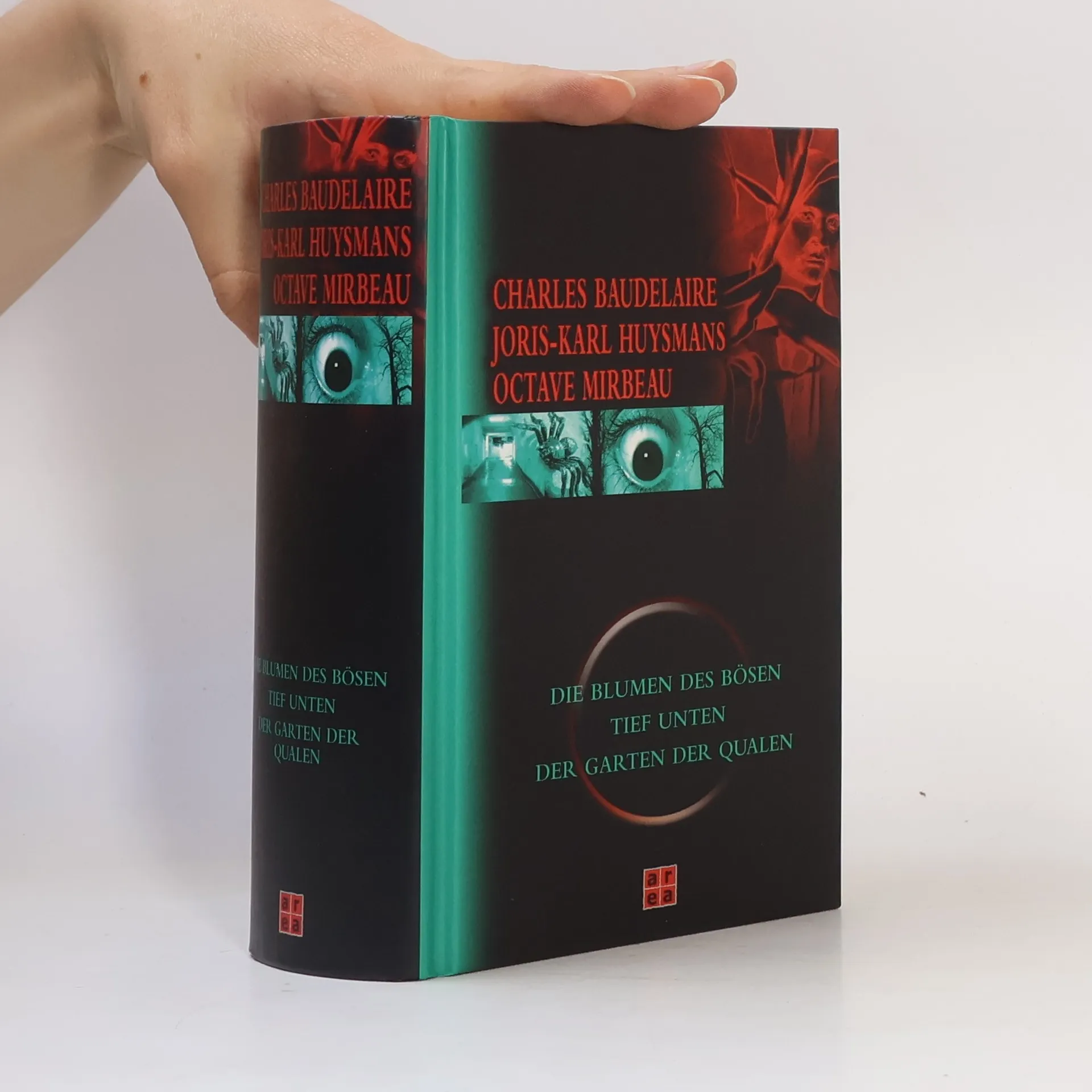
Die BLumen des Bösen. Tief unten. Der Garten der Qualen
- 800 páginas
- 28 horas de lectura
Schwarze Messen und Gesänge auf den Teufel: die drei Klassiker der Décadence mit dem größten Einfluß auf die Horrorliteratur des 20. Jahrhunderts erstmals in einem Band!Charles Baudelaires Gedichtzyklus „Die Blumen des Bösen“ zeigt den Menschen in seiner ganzen satanischen Verderbtheit.In Joris-Karl Huysmans’ Hauptwerk „Tief unten“ begegnet dem Schriftsteller und Satanismusforscher Durtal die geheimnisvolle Madame Hyacinthe Chantelouve, und plötzlich eröffnet sich ihm das Tor zur dunklen satanischen Welt mit wüsten schwarzen Messen ...In Octave Mirbeaus Werk „Der Garten der Qualen“ gerät ein namenloser Pariser Forscher in den Bann der jungen Engländerin Miss Clara und folgt ihr nach China. Dort führt sie ihn in den Garten der Qualen, in dem ein infernalischer Kult exzentrischer Torturen an Häftlingen und zum Tode Verurteilten praktiziert wird.
Tales of the Grotesque and Arabesque
- 368 páginas
- 13 horas de lectura
Part of a series of Jane Austen's works, with introductions by Austen scholars, together with 12 pages of colour introducing the characters, locations and times of Jane Austen.
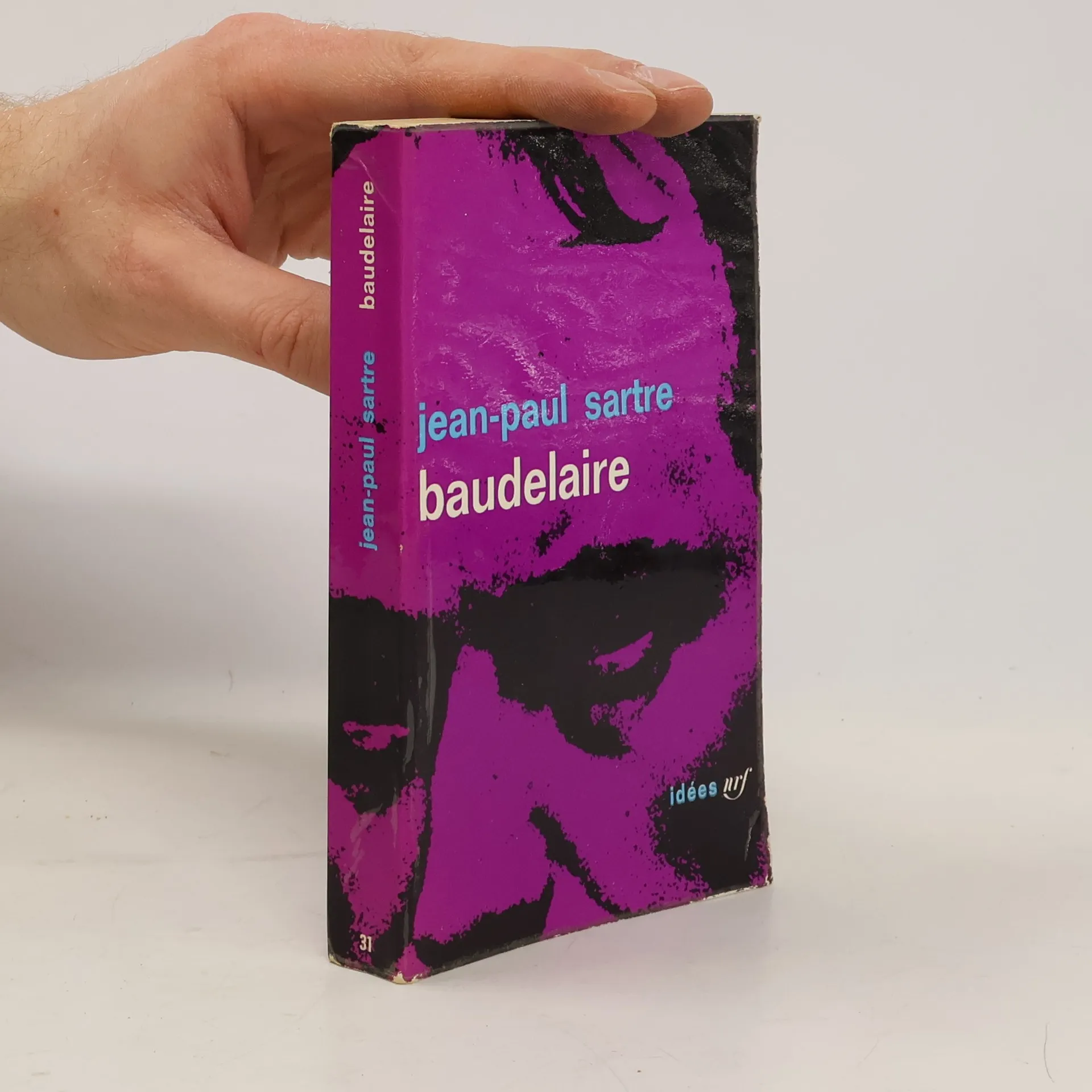
Charles Baudelaire est le premier écrivain sur lequel Jean-Paul Sartre applique sa philosophie existentialiste de la liberté : « Le libre choix de soi-même, que l'homme fait, est absolument identique à ce que l'on appelle son destin. » Sartre aborde Baudelaire non pas en tant que critique littéraire, psychologue ou sociologue, mais en utilisant sa méthode d'empathie pour déchiffrer, à travers des confessions personnelles et des lettres, comment ce plus grand poète français du XIXe siècle, qui a été malheureux toute sa vie, n'a pas accepté passivement son destin, comme on le prétend souvent, mais a plutôt préparé son identité à travers de nombreuses interprétations et conclusions libres. La méthode de Sartre s'est enrichie et affinée dans ses études ultérieures sur Genet et Flaubert, mais la question fondamentale est restée la même que dans son livre sur Baudelaire.
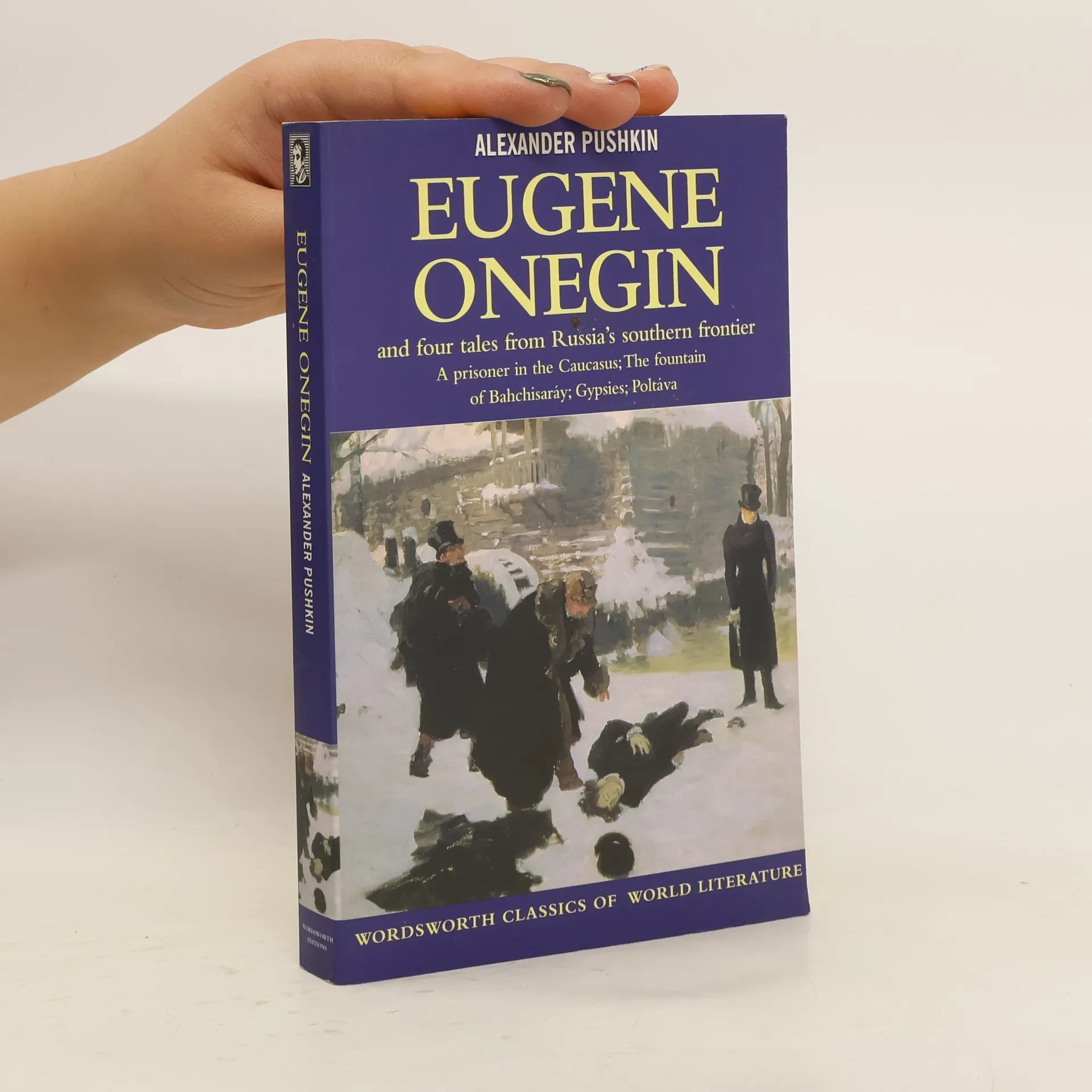
Eugene Onegin
- 352 páginas
- 13 horas de lectura
Alexander Pushkin (1799-1837) is, for Russians, their greatest writer; Eugene Onegin is his greatest work. This prose version, for the first time, gives us a Eugene Onegin that is easy and enjoyable to read.
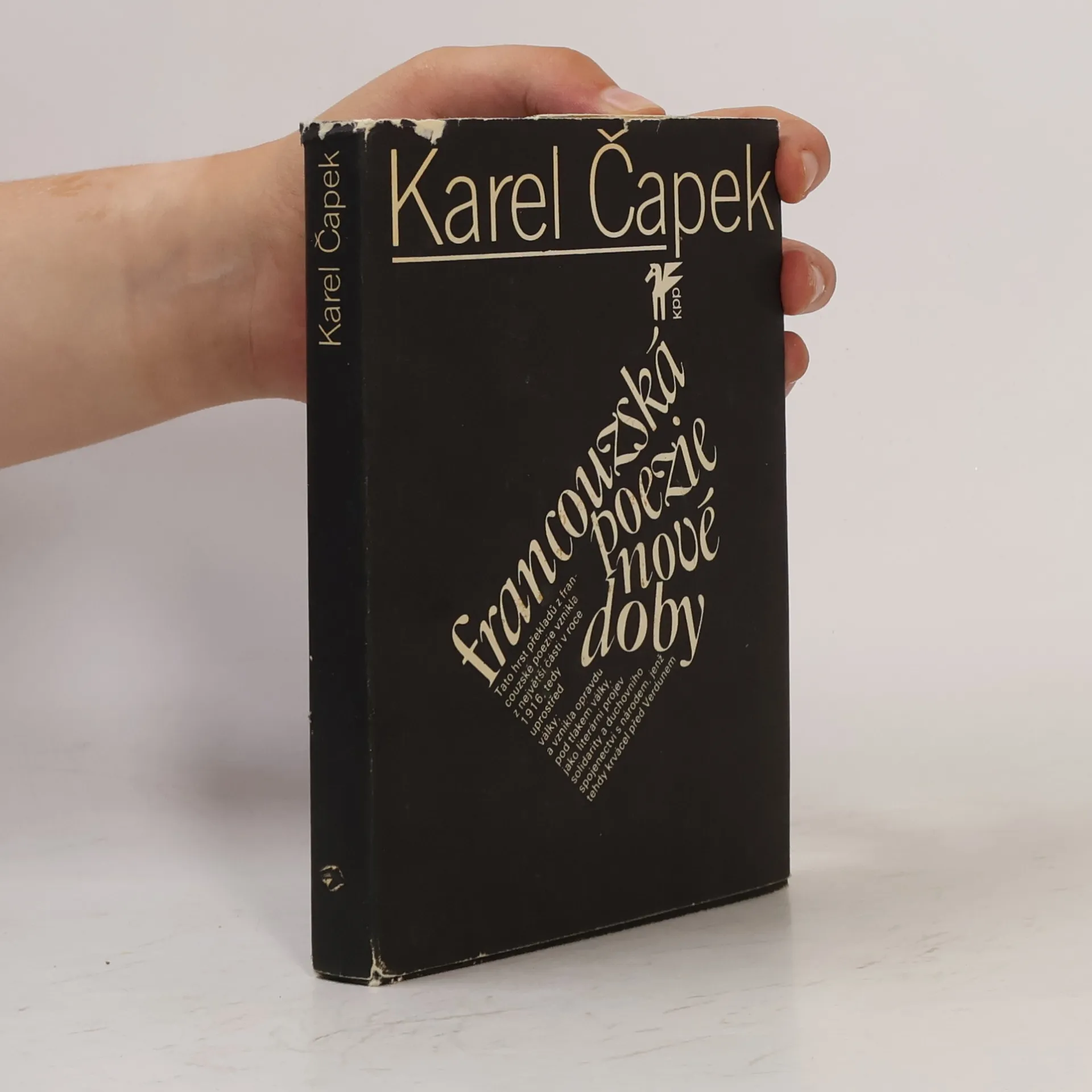
Slavný a pro nejmladší české básníky po první světové válce objevitelský význam mající překlad plejády francouzských básníků od Ch. Baudelaira přes generaci „prokletých" až k vrcholům symbolismu. Doslov napsal Vítězslav Nezval, k vydání připravil, ediční poznámku a vysvětlivky sestavil dr. Miroslav Halík. Jedenácté vydání.
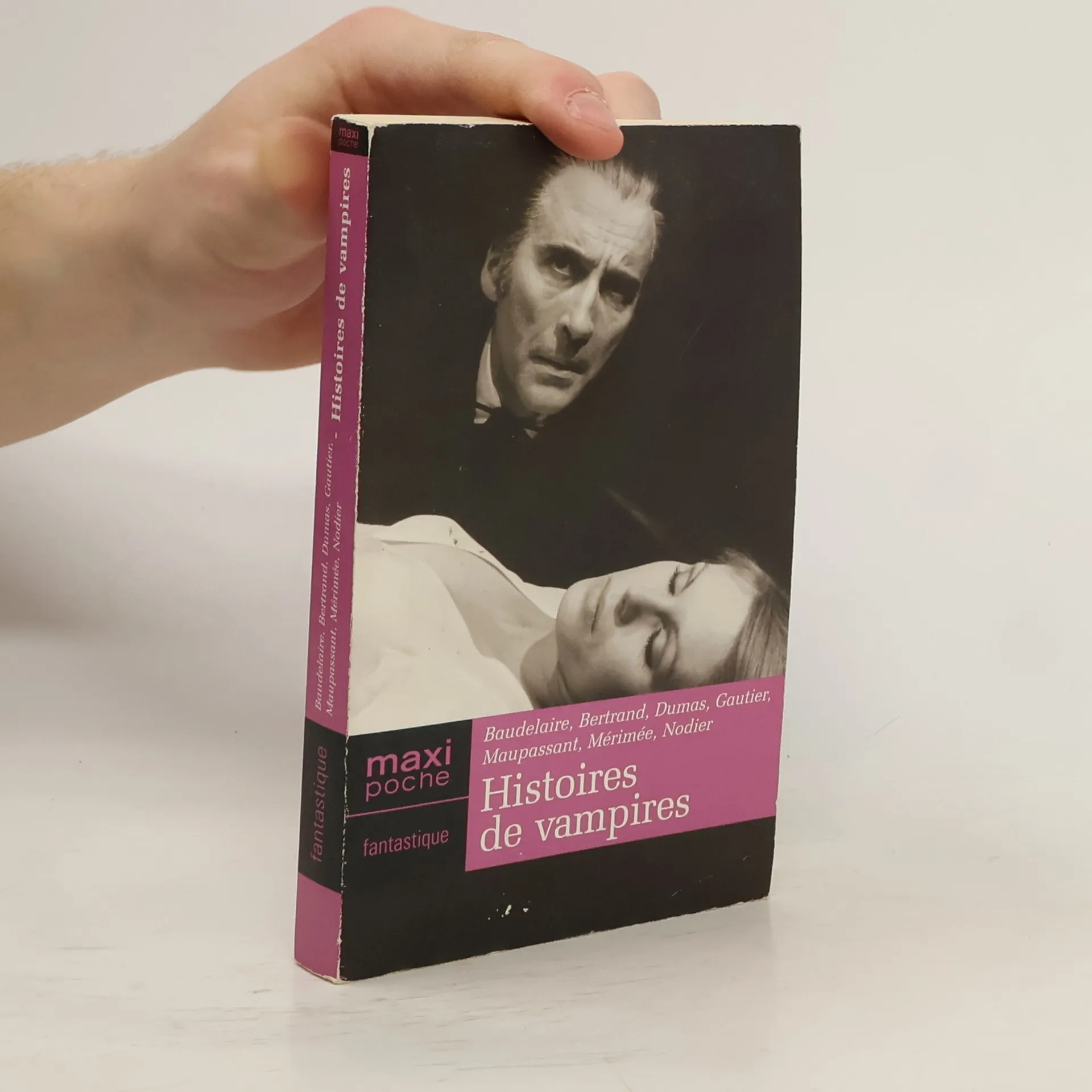
Histoires de vampires
- 281 páginas
- 10 horas de lectura
Les Fleurs du mal [ Petites Classiques Larousse ]
- 256 páginas
- 9 horas de lectura
Presents the first American translation of the complete text of Baudelaire's 1857 masterwork and includes the complete original French texts for easy comparison.
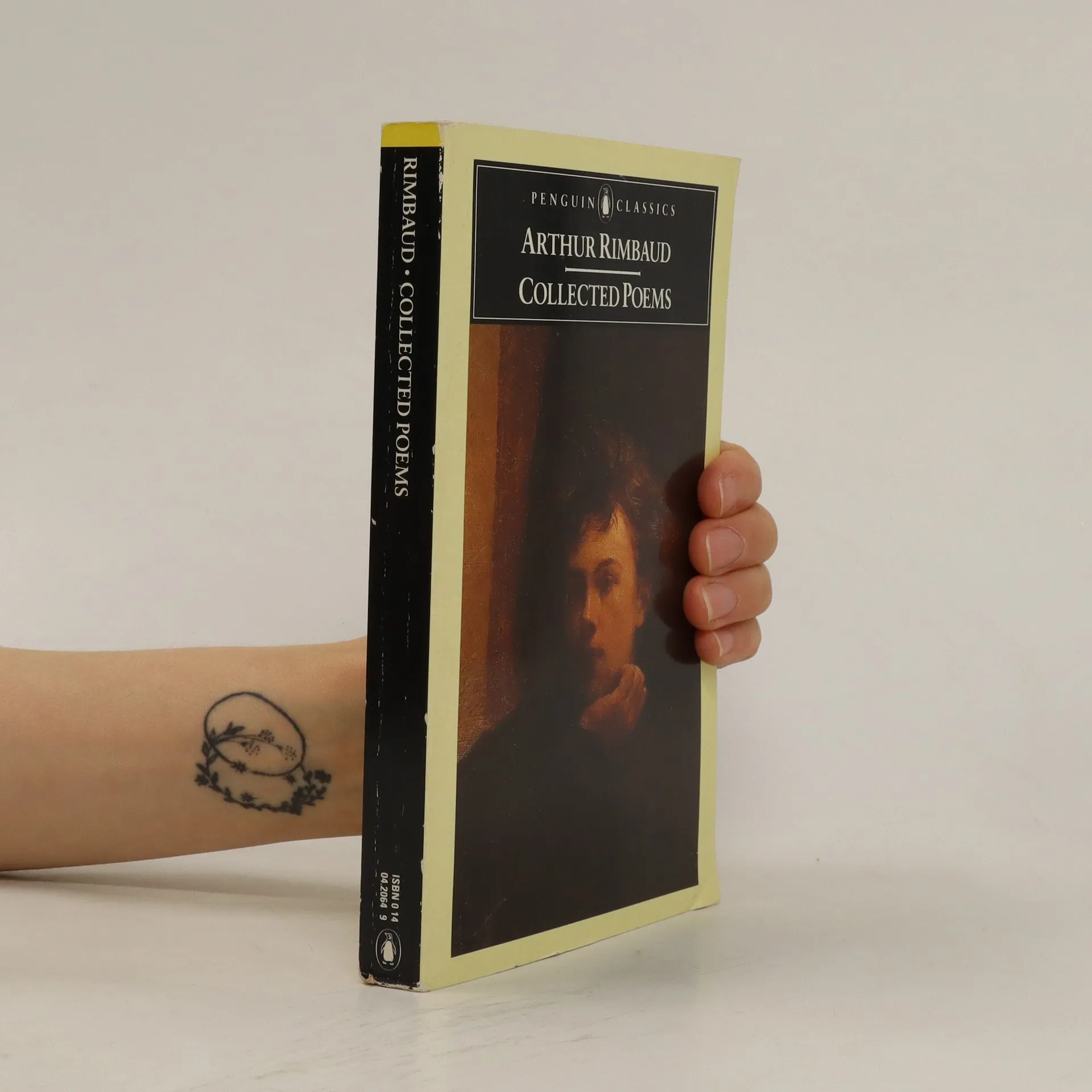
Collected Poems
- 384 páginas
- 14 horas de lectura
'The poet makes himself a seer by a long, prodigious, and rational disordering of all the senses. . .' Rimbaud was sixteen when he made this famous declaration. By 1886, then thirty-two and an explorer, trader and slave-trader on the Red Sea, he had absolutely no interest in the fate or success of the poetry infused with mysticism, alchemy and magic that he had written in his teens. That same year, in Paris, Les Illuminations was being published as the work of 'the late' Arthur Rimbaud, first in a Symbolist periodical and then in book form, with an Introduction by his former lover, Verlaine. Seldom has a writer's vision of changing the world through words failed so spectacularly as did Rimbaud's. That failure turned him into an incomparable tragic poet: not only 'a wild undisciplined genius, a mystic philosopher and thinker, an inspired poet' but also, according to Enid Starkie, 'one of the most finished artists . . . a supreme master of prosody and style'. This Penguin Classic reproduces the text of the Pléiade edition, 1954, with selected letters and prose translations that have been highly acclaimed.
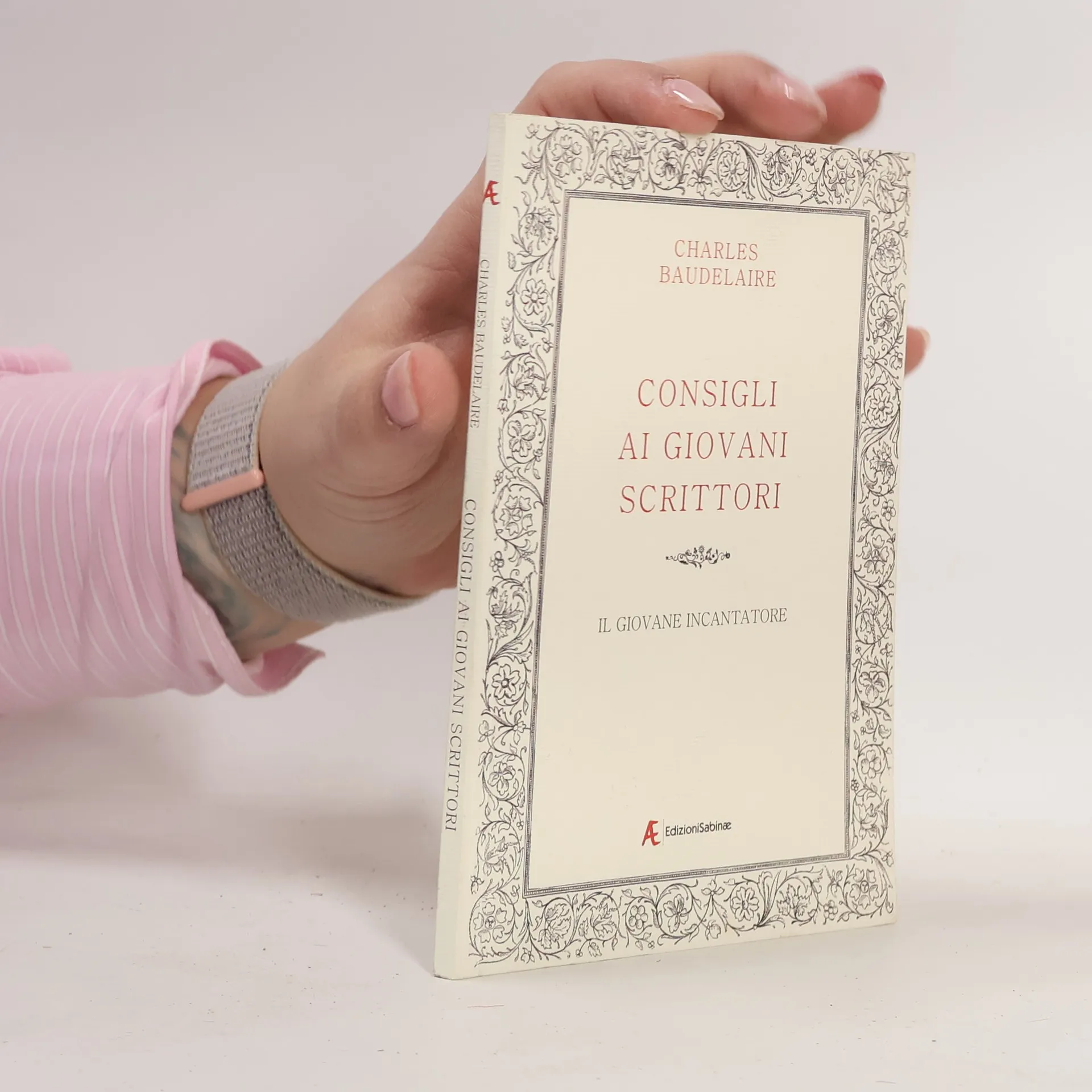
Consigli ai giovani scrittoriIl giovane incantatore
- 78 páginas
- 3 horas de lectura
Pubblicato per la prima volta nel 1846, l'apologo, tuttora estremamente godibile, è a volte deliziosamente insopportabile, disseminato di osservazioni folgoranti e arricchito dalla ben nota, crudele ironia baudelairiana. Nove brevi capitoli dedicati ad ogni aspetto della Della fortuna e della scarogna negli esordi; Della stroncatura; Dei metodi di composizione; Della poesia; Del lavoro giornaliero e dell'ispirazione. Arricchisce il volume il racconto "Il Giovane Incantatore", uscito nella stesso anno.
contient :L''invitation au voyage par François Duprat et CékaL''Homme et la Mer par Nicolas DoraySarah par Cyrille Meyer et Daniel PecqueurBohémiens en voyage par Nicolas SureLe joujou du pauvre par Benoît Frébourg et Oliv''La Cloche fêlée par Mathieu Labaye et CékaLes Aveugles par Antoine Ronzon et Oliv''Brumes et pluies par AlfredLe Poison par ClodLa géante par Olivier SupiotUne gravure fantastique par Nathalie BodinLe Jeu par Espé et CékaA une passante par Jean-Noël Criton et CékaL''Albatros par Obion et Daniel PecqueurL''Horloge par Cyrille Ternon et CékaLa Mort des amants par Lhyponomeute et Céka
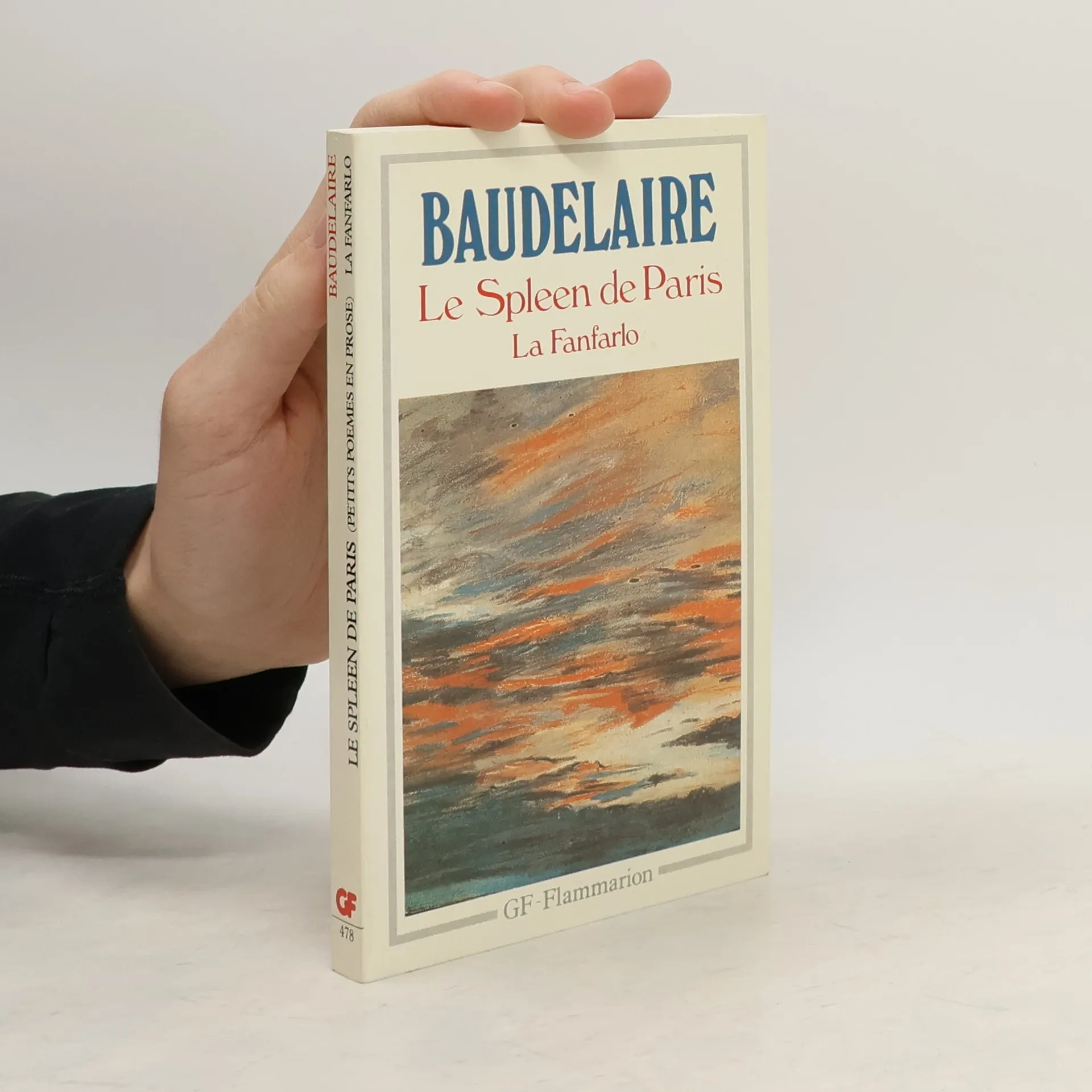
Le Spleen De Paris Fanfarlo
- 224 páginas
- 8 horas de lectura
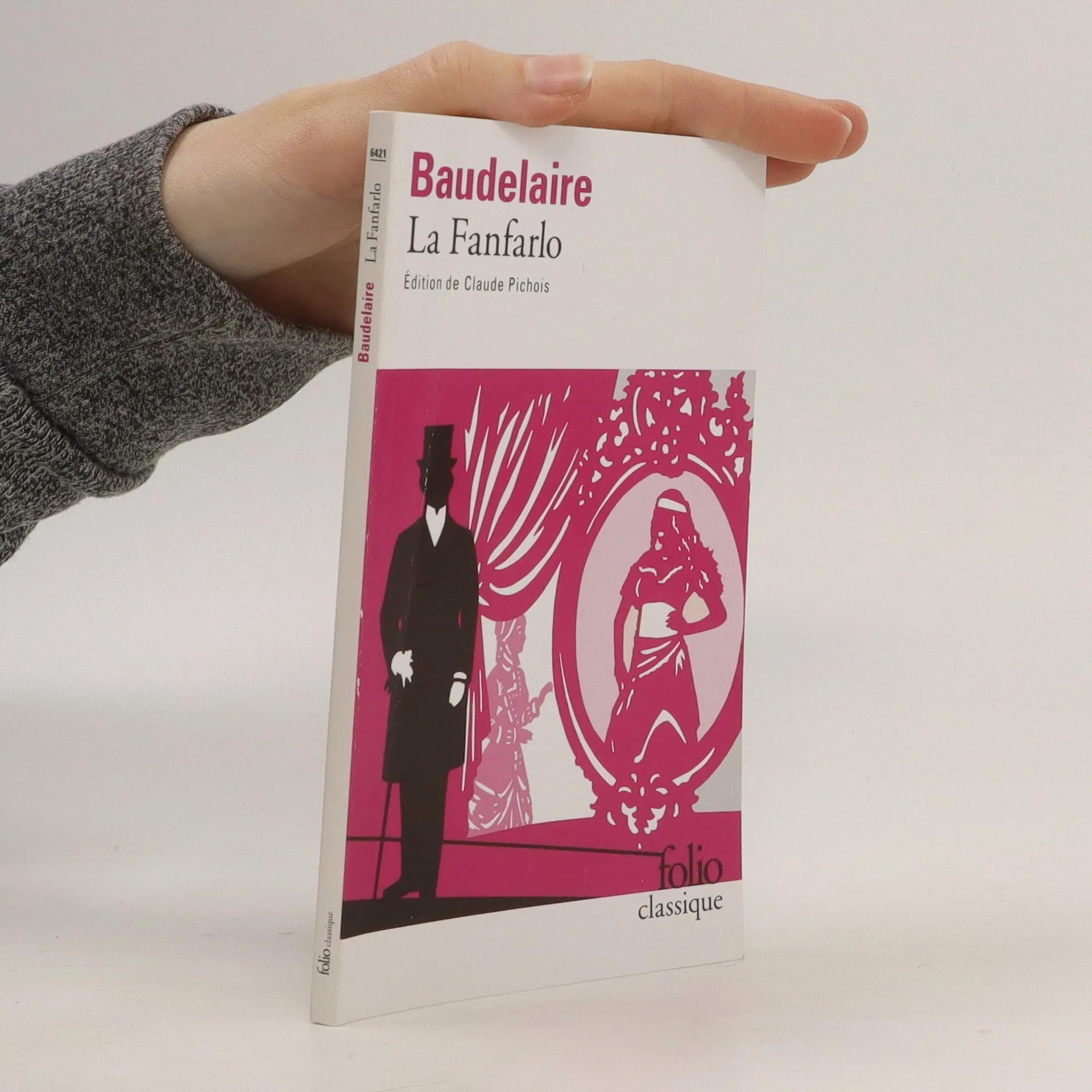
Le Spleen de Paris, également connu sous le nom de Petits Poèmes en prose, est une collection de 51 courts poèmes en prose de Charles Baudelaire. La collection a été publiée à titre posthume en 1869 et est associée au mouvement littéraire moderniste. La Fanfarlo est une œuvre du poète français Charles Baudelaire, publiée pour la première fois en janvier 1847. La nouvelle décrit un récit fictionnalisé de la liaison de l'écrivain avec une danseuse, Jeanne Duval.
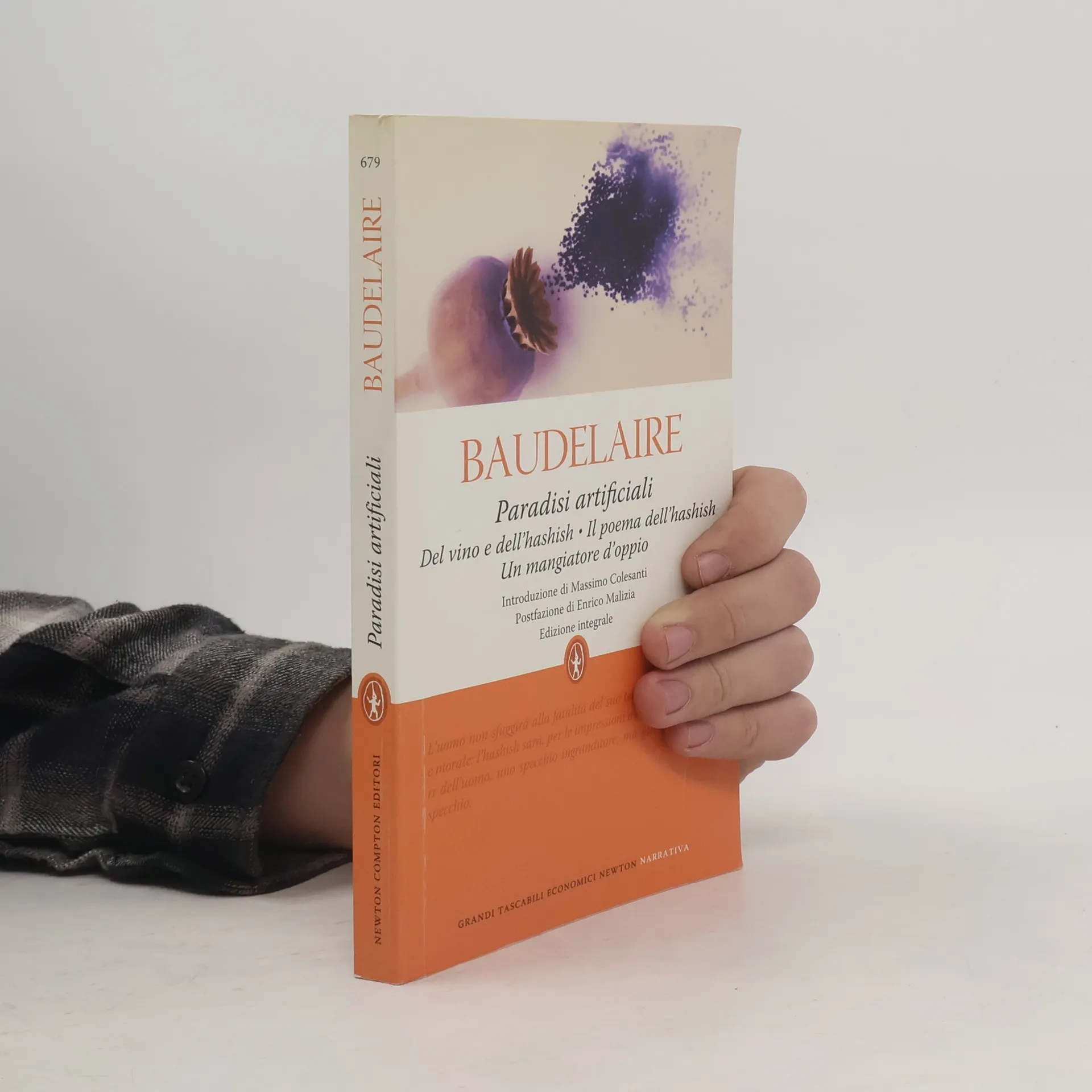
Paradisi artificiali
Del vino e dell'hashish - Il poema dell'hashish - Un mangiatore d'oppio - Edizione integrale
- 160 páginas
- 6 horas de lectura
Il consumo di sostanze stupefacenti ha un peso centrale nell’esperienza poetica ed esistenziale di Baudelaire. Quando scrive le sue pagine sull’hashish – di cui condanna l’abuso – egli non ha mai intenti moralistici, ma essenzialmente estetici. Quello che a lui interessa è il potenziamento della creatività poetica attraverso l’ebrezza artificiale; quello che lui odia e teme è il risveglio, è la desolazione, è l’inferno della degradazione. Si disegna qui il dramma personale di Baudelaire, la sua consapevolezza di essere e di sentirsi lacerato fra i due opposti richiami di Dio e Satana, fra l’aspirazione a salire verso l’alto, l’infinito, e il gusto del peccato, il piacere di scendere in basso.«L’uomo non sfuggirà alla fatalità del suo temperamento fisico e morale: l’hashish sarà, per le impressioni e i pensieri familiari dell’uomo, uno specchio ingranditore, ma pur sempre uno specchio.»
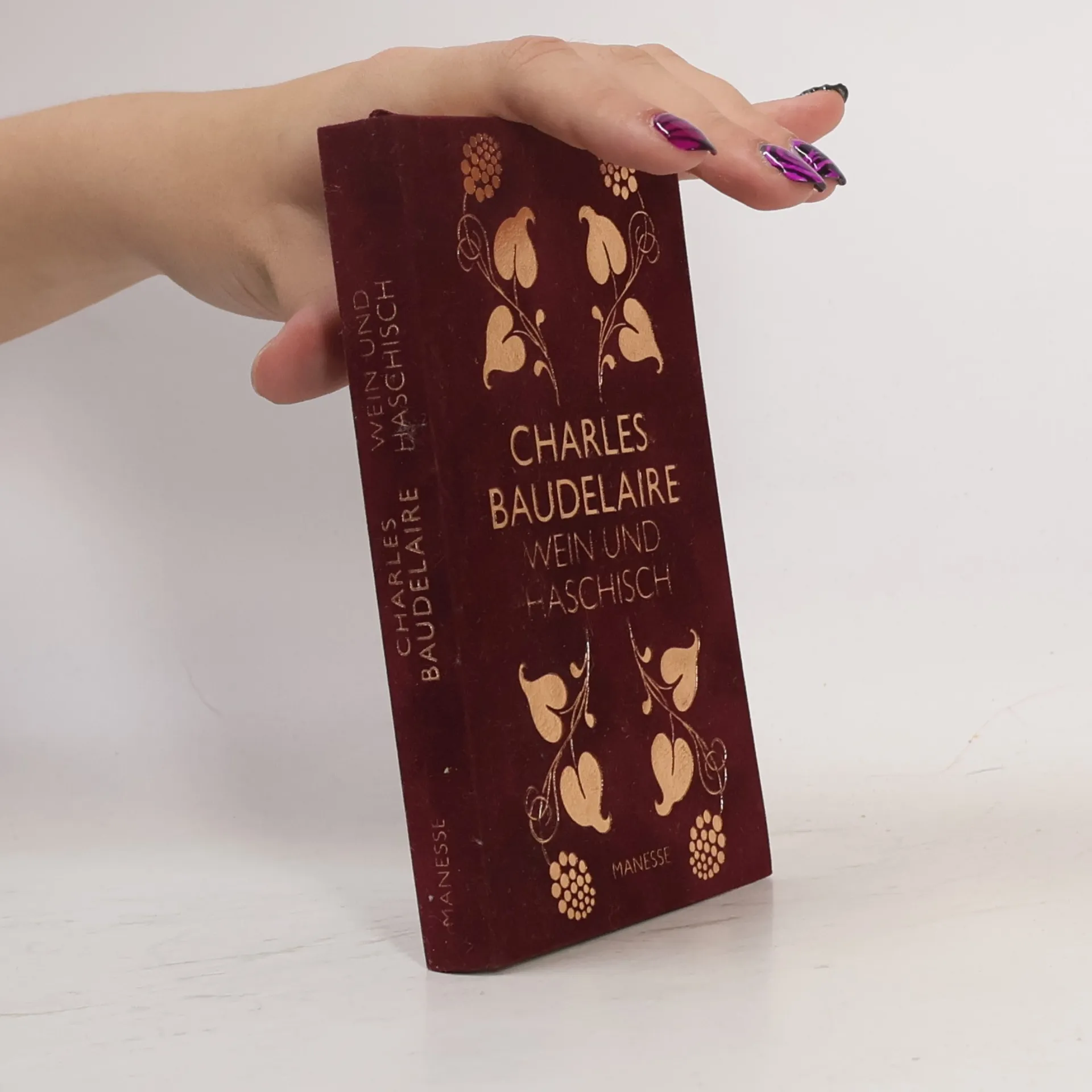
„Ein Mensch, der nur Wasser trinkt, hat seinen Mitmenschen etwas zu verbergen.“ Wer Charles Baudelaire ausschließlich als Verfasser der dunkel-brillanten Gedichte aus «Die Blumen des Bösen» kennt, lässt sich ein wahres Lesevergnügen entgehen. In seinen geist- und pointenreichen Essays vergleicht Baudelaire die unterschiedlichen – und nicht gleichermaßen empfehlenswerten – Wirkungen von Wein und Haschisch, gibt jungen Schriftstellerkollegen Tipps zum Umgang mit Gläubigern, schildert seine Begeisterung nach der ersten Aufführung einer Wagner-Oper in Paris oder erteilt Ratschläge, wie man das Glück in der Liebe finden kann. In dieser exklusiven Zusammenstellung in Neuübersetzung begegnet uns der feinsinnige Ästhet als ironischer Lebenskünstler, als hellsichtiger Literaturkritiker und als wortmächtiger Protagonist der Pariser Boheme. Gebunden in dunkelroten Samt mit Glanzfolienprägung, ist der Band zudem ein bibliophiler Hingucker.
Reclams Universal-Bibliothek: Paris des écrivains
Récits et nouvelles - Französischer Text mit deutschen Worterklärungen
- 191 páginas
- 7 horas de lectura
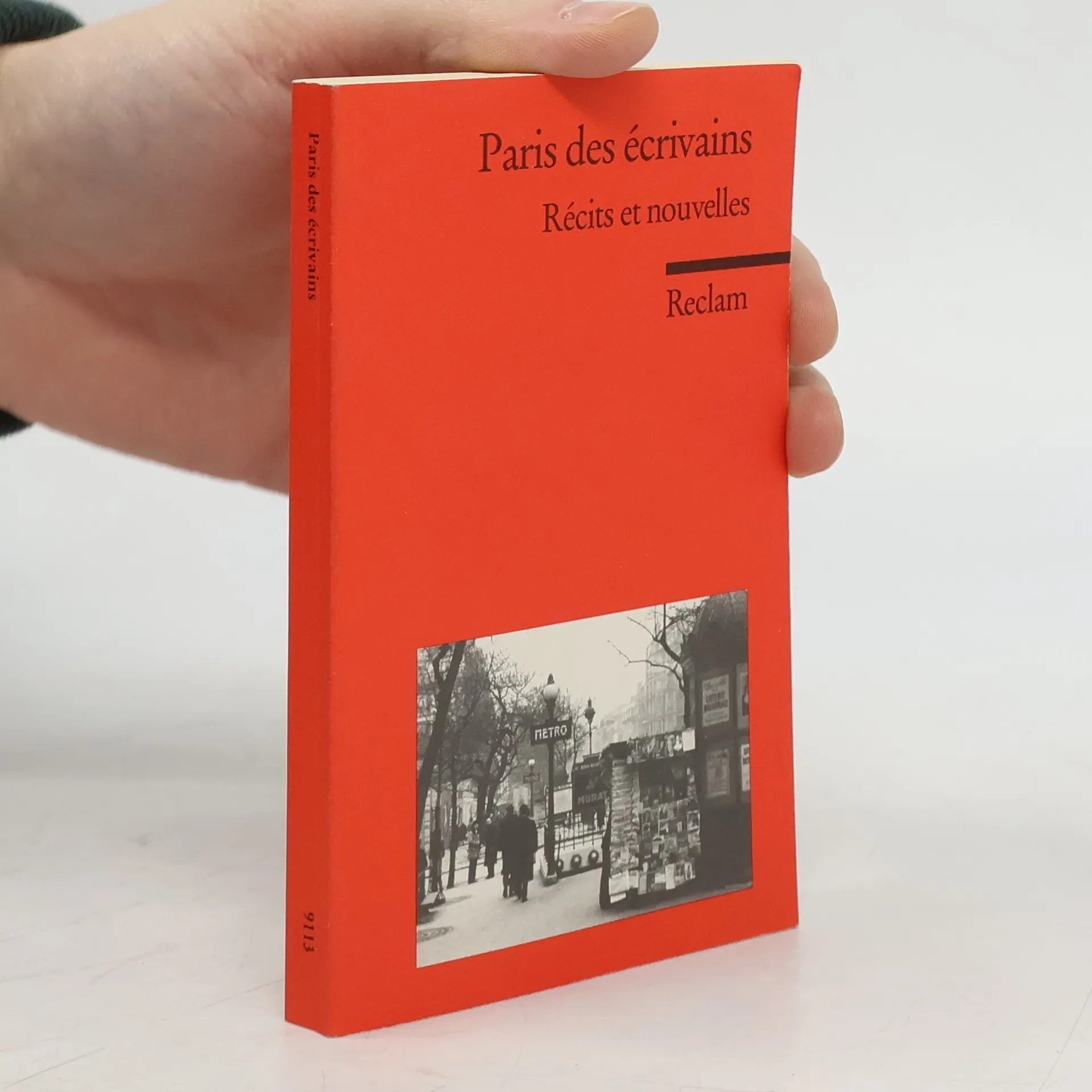
Hier sind 12 starke Geschichten versammelt. Ihr Thema ist der Alltag in der französischen Hauptstadt vom Ende des 18. Jahrhunderts bis in unsere Tage. Dabei blicken sie hinter die Glitzerfassade der Stadt und buchstäblich in den Untergrund: immer wieder sind Métro und RER Schauplatz des Geschehens.Im Einzelnen: erste Großstadtreportagen vom Vorabend der Revolution (Mercier, Rétif de la Bretonne), berühmte Passagen von Hugo, Baudelaire, Zola sowie spannungsgeladene Erzählungen von Léo Malet, Jacques Sternberg, Annie Ernaux, Didier Daeninckx, Jean Rolin und - als echter Höhepunkt - Jean-Bernard Pouy.
Cœur mis à nu - Texte intégral
- 63 páginas
- 3 horas de lectura
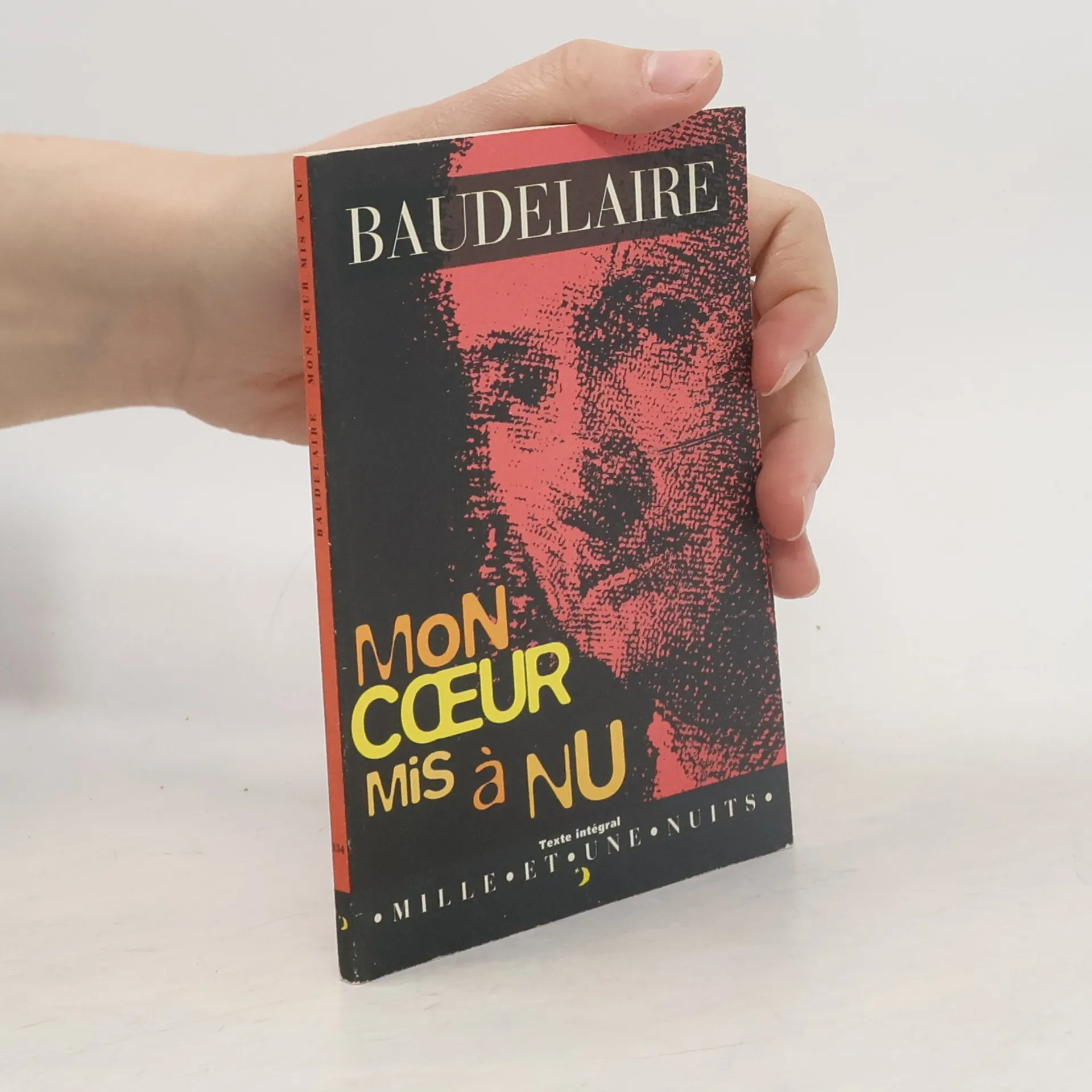
Après une vie d'excès, marquée par la volupté et le mépris, Charles Baudelaire est devenu un quadragénaire désenchanté, accablé par la stupidité de ses semblables. La maladie le guette et les dettes le rongent ; le temps lui échappe, mais il ne se décourage pas : il veut travailler davantage et prier chaque nuit, il veut mettre de côté les stimulants et ne pas succomber à la médiocrité, il veut renverser sa condamnation. Il continue de penser que la vie est horreur et extase et que, en plein mirage du progrès occidental, le monde est toujours gouverné par des incompétents. Bien qu'il n'ait pas encore réussi à susciter le clameur du public, il défend toujours ses idées : "Être un grand homme et un saint pour soi-même, voici la seule chose importante". Fidèle à lui-même, il garde un regard cru et acéré sur ses contemporains, et son esthétique du déformé, de l'amer, structure chacune de ses pensées. La clarté de son regard, la turbidité de ses instincts le poussent à noter ses idées pour créer avec elles des confessions qui fassent rougir les vulgaires, les âmes momifiées qui peuplent le monde. C'est de là que naissent ces deux journaux intimes, "Mon cœur mis à nu" et "Fusées", œuvres posthumes que Baudelaire crache au monde avec l'intention de prouver que la noblesse spirituelle peut également inspirer le "dégoût et l'horreur universels".
Einaudi tascabili. Classici - 589: I fiori del male e altre poesie
- 344 páginas
- 13 horas de lectura
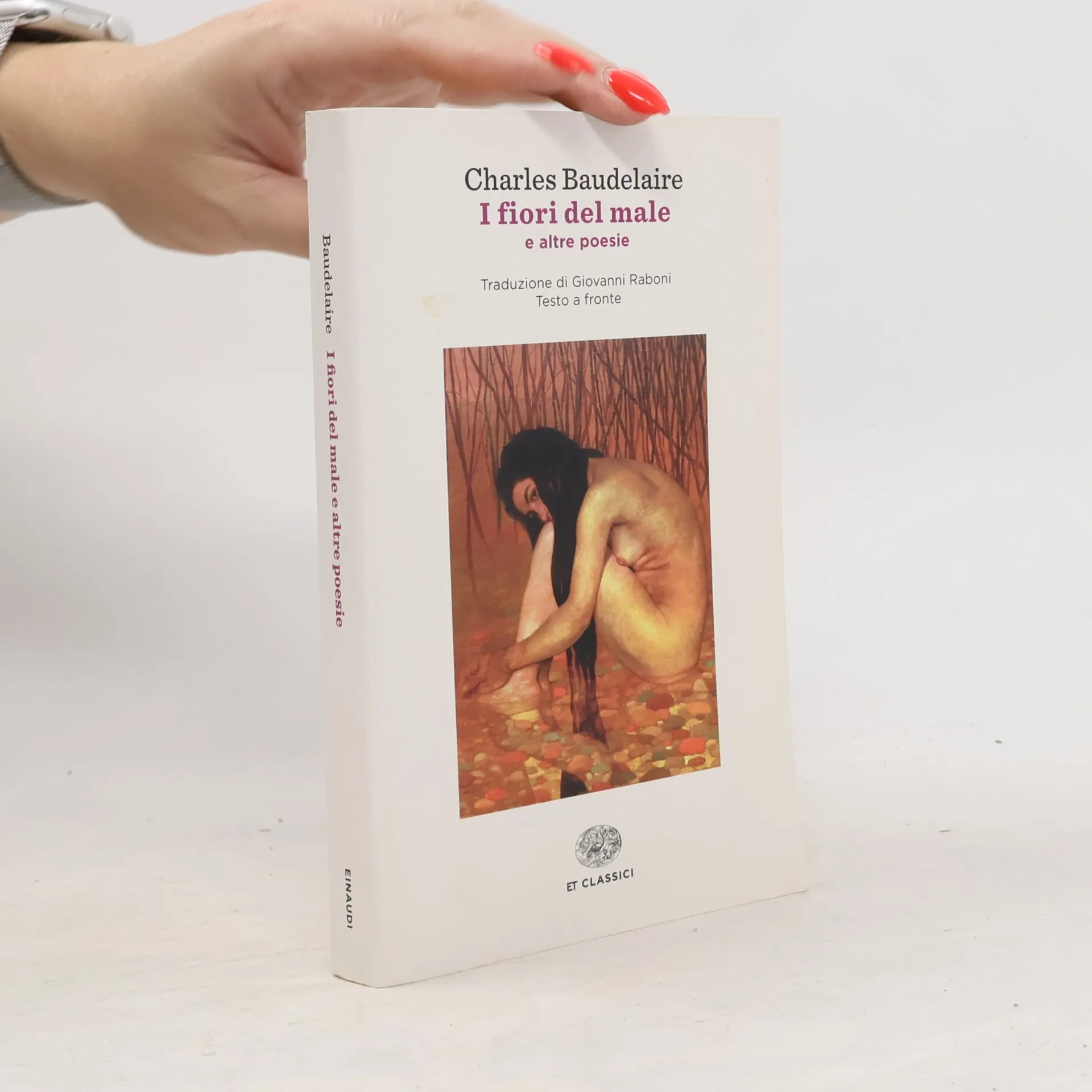
I movimenti segreti della sensibilità e della coscienza, la malattia, la morte, la noia e la solitudine, l'osservazione della vita in ogni sua forma, dalla più pura alla più perversa, sono al centro della grandiosa e attualissima arte poetica di Baudelaire, qui raccolta in un volume che comprende tutta la sua produzione. Giovanni Raboni, che per un quarto di secolo si è cimentato con la traduzione dell'opera di Baudelaire, ne propone una versione aggiornata, nell'intento di "rendere più coperta, più implicita, meno espressionisticamente vistosa" la "divaricazione fra alto e basso, fra sublime e comico, fra "poesia" e "prosa", che sta alla base e che definisce la singolarità del poeta parigino.
Die künstlichen Paradiese
- 111 páginas
- 4 horas de lectura
Charles Baudelaire: Die künstlichen Paradiese. Von Haschisch und Wein Lesefreundlicher Großdruck in 16-pt-Schrift Großformat, 210 x 297 mm Berliner Ausgabe, 2020 Durchgesehener Neusatz mit einer Biographie des Autors bearbeitet und eingerichtet von Theodor Borken Les Paradis artificiels. Erstdruck: 1860. Her in der deutschen Übersetzung von Erik-Ernst Schwabach, München, G. Müller, 1925. Inhaltsverzeichnis: Die künstlichen Paradiese. Widmung. Das Gedicht vom Haschisch. Der Wein. Biographie. Umschlaggestaltung von Thomas Schultz-Overhage unter Verwendung des Bildes: Émile Bernard, Die Haschischraucherin, 1900. Gesetzt aus der Minion Pro, 16 pt. Henricus Edition Deutsche Klassik UG (haftungsbeschränkt)
Savez-vous comment reconnaître une sorcière ? Car toutes n'ont pas un nez crochu, un chat noir et un balai... Certaines sont d'une beauté envoûtante, d'autres sont des personnes si ordinaires que vous pouvez les croiser tous les jours sans vous douter de rien. De nombreux écrivains, de Marcel Aymé à John Updike et de Maupassant à Roald Dahl, se sont laissé ensorceler. Venez danser la sarabande infernale des sorcières en compagnie des plus grands écrivains !
Tascabili Economici Newton - 48: Un mangiatore d'oppio
- 95 páginas
- 4 horas de lectura
En este libro, Un comedor de opio , Baudelaire, a través del análisis de Suspiria de profundis , procura comunicar al lector el sentimiento de que De Quincey fue «no sólo uno de los espíritus más originales, más auténticamente humorísticos de la Vieja Inglaterra, sino una de las personalidades más afables y más caritativas que hayan honrado la historia de las letras». Desea justificarlo no por lo que no hizo, por lo que se le condenaba, o sea por no haber rendido servicios útiles a la humanidad, sino por lo que hizo. Baudelaire reclama para De Quincey la gratitud del hombre «realmente espiritual». Sólo por haber escrito un libro bello, y pregunta : «¿Lo Bello no es acaso tan noble como lo Verdadero ?»
For lovers of timeless classics, this series of beautifully packaged and affordably priced editions of world literature encompasses a variety of literary genres including theater, novels, poems, and essays. Los lectores tomar�n un gran placer en descubrir los cl�sicos con estas bellas y econ�micas ediciones de literatura famosa y universal. Esta selecci�n editorial cuenta con t�tulos que abarcan todos los g�neros literarios, desde el teatro, la narrativa, la poes�a y el ensayo.
Publiée pour la première fois en 1847, cette nouvelle de Charles Baudelaire (1821-1867) mêle expériences personnelles et hommages littéraires (Balzac). Du jeu de l'adultère et des manipulations amoureuses, il ressort un texte empreint d'ironie montrant qu'à trop singer la passion on est souvent contraint de la vivre réellement.
Best Cat Stories
- 254 páginas
- 9 horas de lectura
An anthology of 23 cat stories from classic authors, cats which are comic, heroic, spoiled, fat and even a desert island cat, embellished with specially commissioned line drawings by William Geldart.
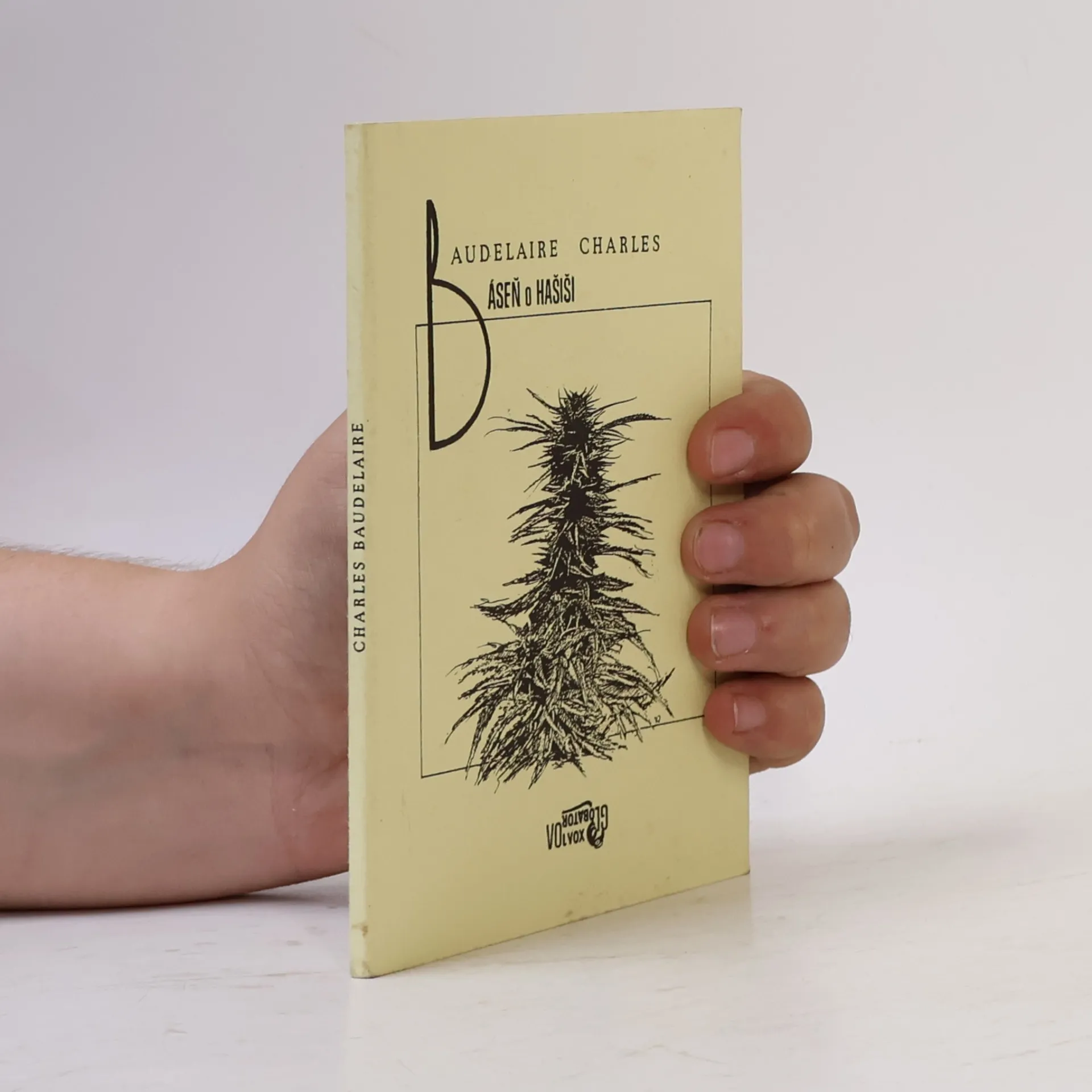
Báseň o hašiši
- 60 páginas
- 3 horas de lectura
Text nejznámějšího z "prokletých" básníků, esej o účincích hašiše.
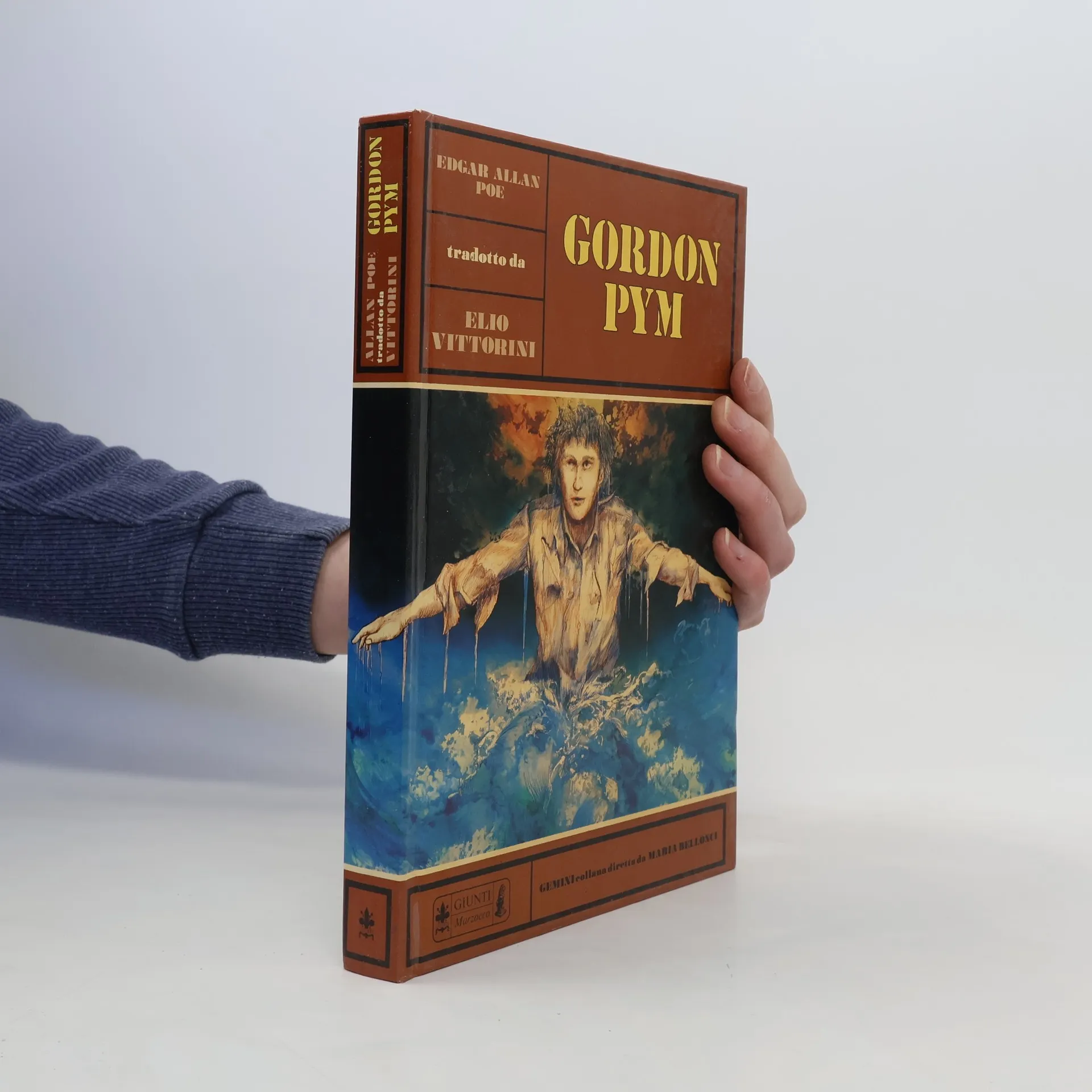
Vinculada a la sensibilidad moderna por una secreta corriente de afinidad, la inquietante Narración de Arthur Gordon Pym es uno de los relatos gestados por la singular imaginación de Edgar Allan Poe (1809-1849) que mayor atracción ejercen sobre el lector actual. En efecto, lo que se inicia como una más de las relaciones de viajes tan en boga en la época no tarda en deslizarse, con la fácil naturalidad de la pesadilla, en el territorio del horror y lo inexplicable, dando pie a un vertiginoso relato que se resuelve en un abrupto silencio. Y este silencio concluye Julio Cortázar, traductor y prologuista de esta edición tiñe todo el libro con un horror sagrado, insinúa un sentido ambiguo en cada escena anterior, enriquece misteriosamente el relato y a la vez lo desnuda de su fácil truculencia para dejar entrever un signo profundo del hombre en lucha consigo mismo o con el destino.
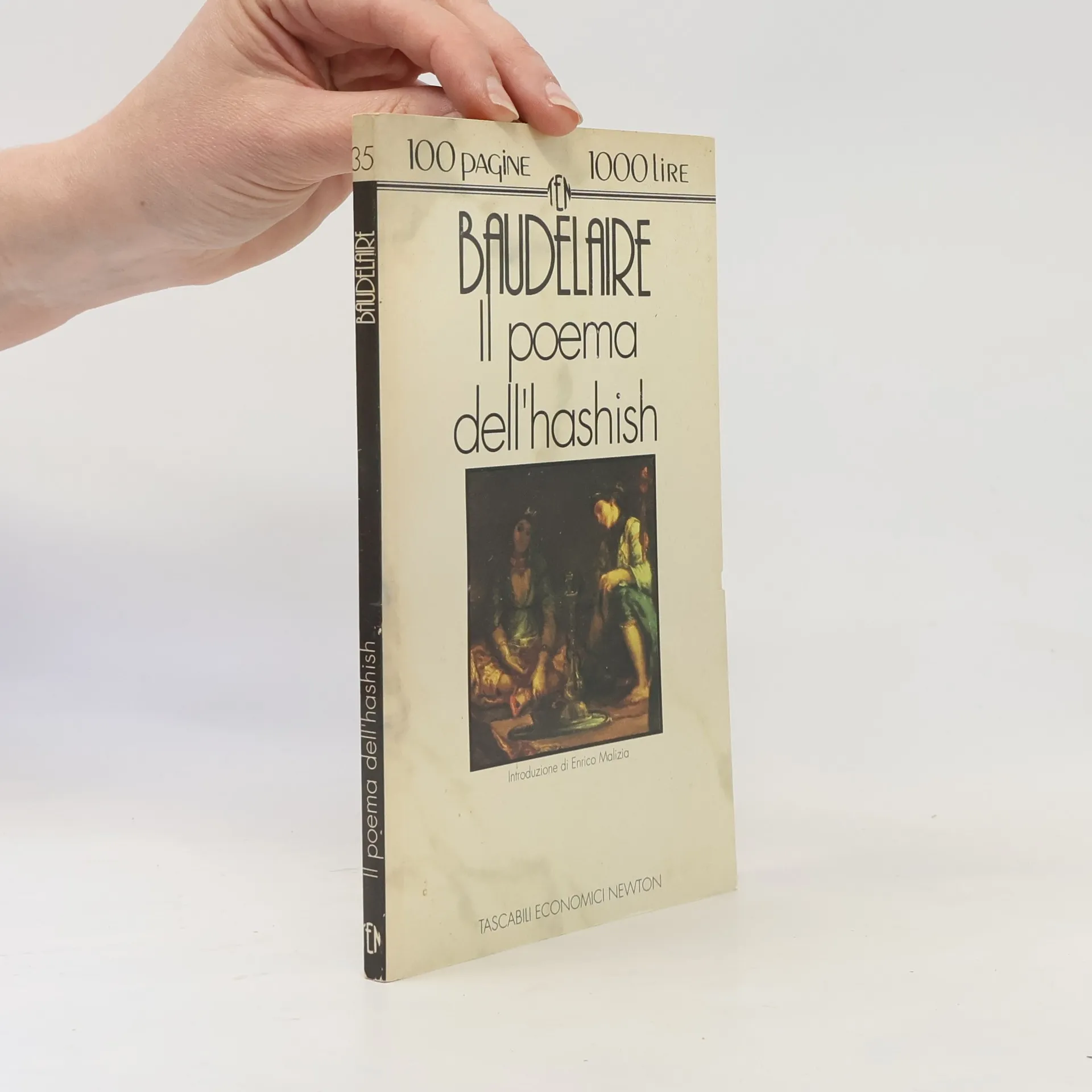
Tascabili economici Newton - 35: Il poema dell'hashish
- 100 páginas
- 4 horas de lectura
Pubblicato nel 1851 e inserito dieci anni dopo insieme agli scritti "Sul vino e sull'hashish", questo testo provocatorio e rivoluzionario scardinò i canoni dell'estetica tradizionale, aprendo la strada a una concezione del bello e dell'arte totalmente nuova: al fumatore d'hashish si ofrre infatti per Baudelaire la possibilità di accedere a un'esperienza estetica estremamente più ampia di quella concessa all'individuo in condizioni di completo controllo delle proprie facoltà fisiche e psichice. In questo nuovo universo vengono infatti accolti oggetti apparentemente insignificanti, talvolta manifestamente brutti, che fanno comunque parte del quotidiano e che l'immaginazione creativa dell'uomo può rendere interessanti. Il giudizio sul bello artistico si libera dunque dai vincoli imposti e tramandati acriticamente. La portata innovativa delle teorie di Baudelaire fu immensa, sottointendendo una capacità di osservazione straordinaria e un'adesione totale alla vita in ogni sua forma.
Les fleurs du mal
Suivi du parcours "Alchimie poétique : la boue et l'or"
- 384 páginas
- 14 horas de lectura
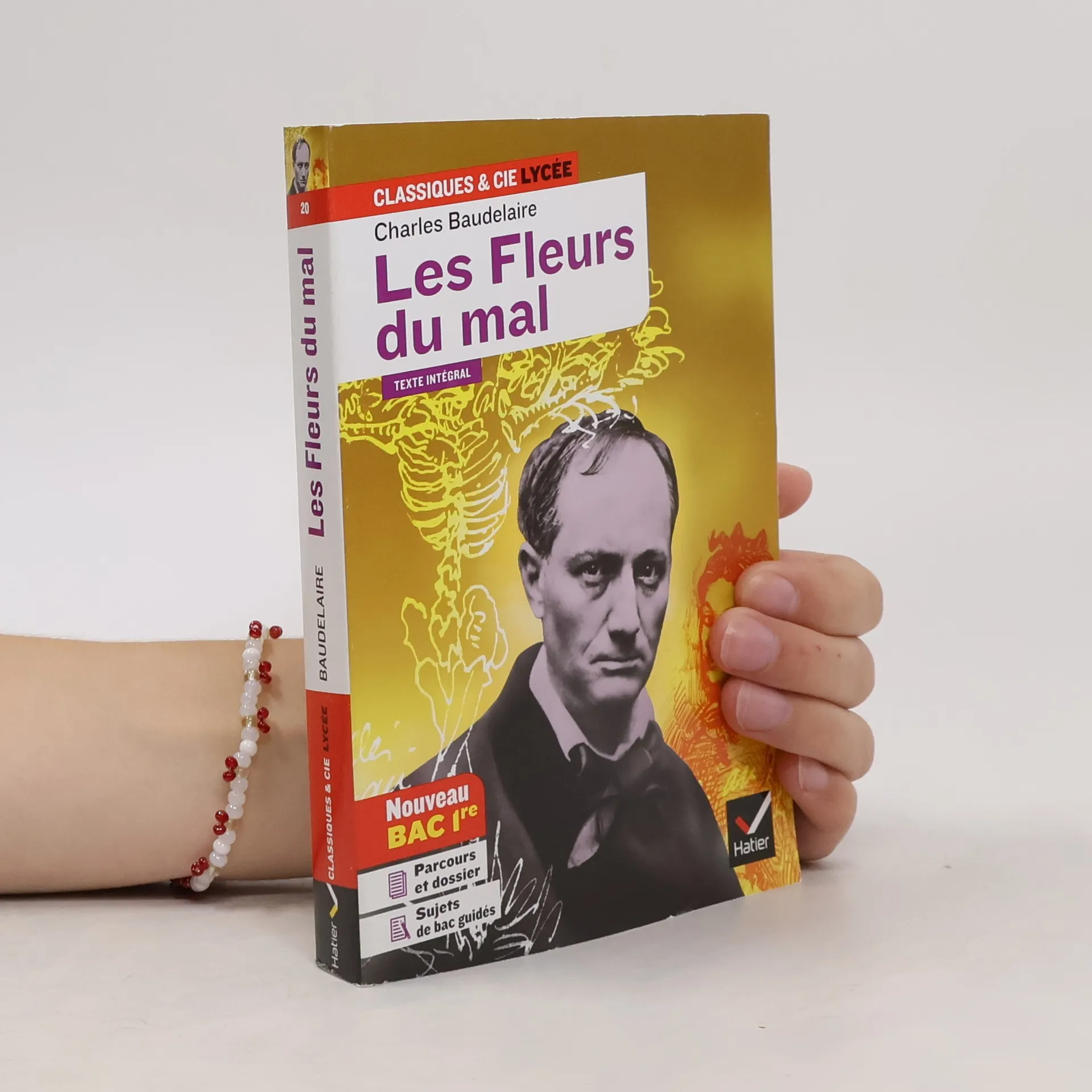
Le recueil de Baudelaire au programme des 1 res générale et technologique, suivi du parcours littéraire « Alchimie poétique : la boue et l’or ». Dans une nouvelle édition spécialement conçue pour faciliter la préparation au nouveau bac de français.Le recueil« Extraire la beauté du mal » et, sur un plan poétique, métamorphoser la laideur en beauté. C’est le projet que met ici en œuvre le poète, en proie au spleen, sous une forme étonnamment moderne et bouleversante.Le parcours « Alchimie poétique : la boue et l’or »10 poèmes pour analyser comment, dans le sillage de Baudelaire, l’écriture poétique s’émancipe et se renouvelle au contact de la réalité, si prosaïque soit-elle.Le dossierToutes les ressources utiles au lycéen pour étudier l’œuvre dans le cadre des nouveaux programmes :• un avant-texte pour situer l’œuvre dans son contexte• au fil du texte, la rubrique « Des clés pour vous guider »• après le texte :– des fiches de synthèse sur l’œuvre– des sujets guidés pour l’écrit et l’oral du bac français– des fiches de méthode récapitulativesDes prolongements artistiques et culturels6 tableaux pour éclairer les rapports entre Baudelaire et la peinture, et des outils pour les analyser.Et un guide pédagogiqueSur . En accès gratuit réservé aux enseignants, il inclut tous les corrigés : des questionnaires au fil du texte, des sujets de bac, des lectures d’images.
"Ma chère maman..."
De Baudelaire à Saint-Exupéry, des lettres d'écrivains
- 114 páginas
- 4 horas de lectura
De Baudelaire à Saint-Exupéry, une anthologie de lettres d'écrivains adressées à la femme qui leur a donné la vie. Souvenirs, tendresse, promenades, contes de fées, l'heure du coucher... Baudelaire, Saint-Exupéry, Cocteau, Proust ou Hemingway, tous ont partagé ces moments privilégiés de l'enfance avec leur maman. Plus tard, les difficultés sont apparues, les désaccords ont parfois séparé les fils de leur mère, mais le sentiment irremplaçable d'un amour sans limites n'a jamais disparu. Ces lettres témoignent de ces histoires passionnées, des disputes et des réconciliations, des chagrins et des joies de quelques-uns des plus grands écrivains avec la femme qui leur a donné la vie.
This translation of Baudelaire's magnum opus, perhaps the most powerful and influential book of verse from the 19th century, won the American Book Award for Translation. And the honor was well-deserved, for this is one of Richard Howard's greatest efforts. It's all here: a timeless translation, the complete French text, and Mazur's striking black and white monotypes in one elegant edition.
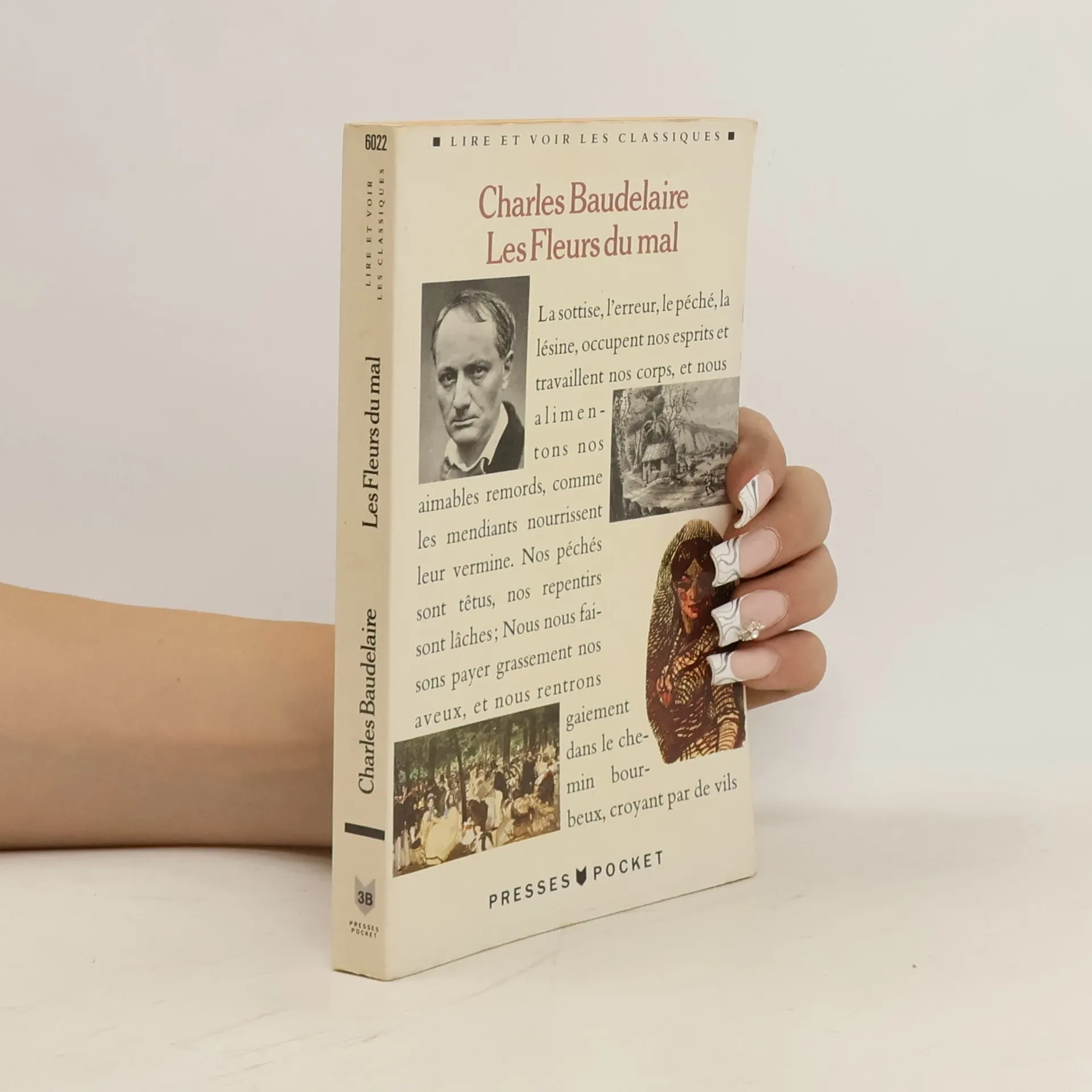
Lire et voir les classiques - 38: Les Fleurs du mal
- 342 páginas
- 12 horas de lectura
Poesia in amore
- 78 páginas
- 3 horas de lectura
I fiori del male. Testo francese a fronte
- 552 páginas
- 20 horas de lectura




![Les Fleurs du mal [ Petites Classiques Larousse ]](https://rezised-images.knhbt.cz/1920x1920/91200400.webp)