



Bookbot

Geoffrey A. Hosking

    28 de abril de 1942

    Geoffrey Hosking es un historiador de Rusia y la Unión Soviética. Su obra se centra en comprender los procesos a largo plazo que han dado forma a la historia y la identidad rusas. Explora las profundas corrientes culturales y políticas que influyen en la sociedad rusa. Sus análisis ofrecen valiosas perspectivas sobre las complejidades del desarrollo ruso.

    История Советского Союза
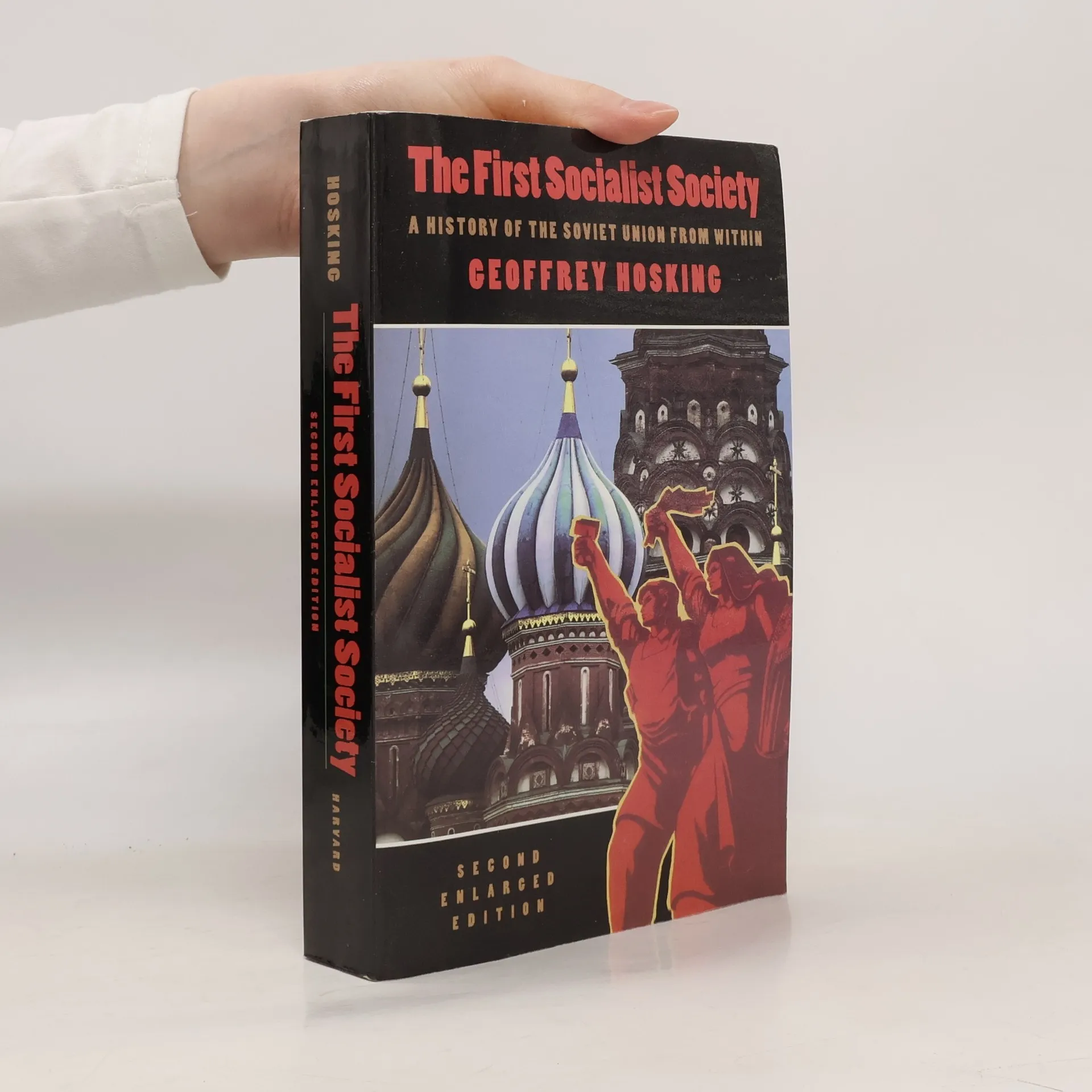
    The First Socialist Society
    Russia
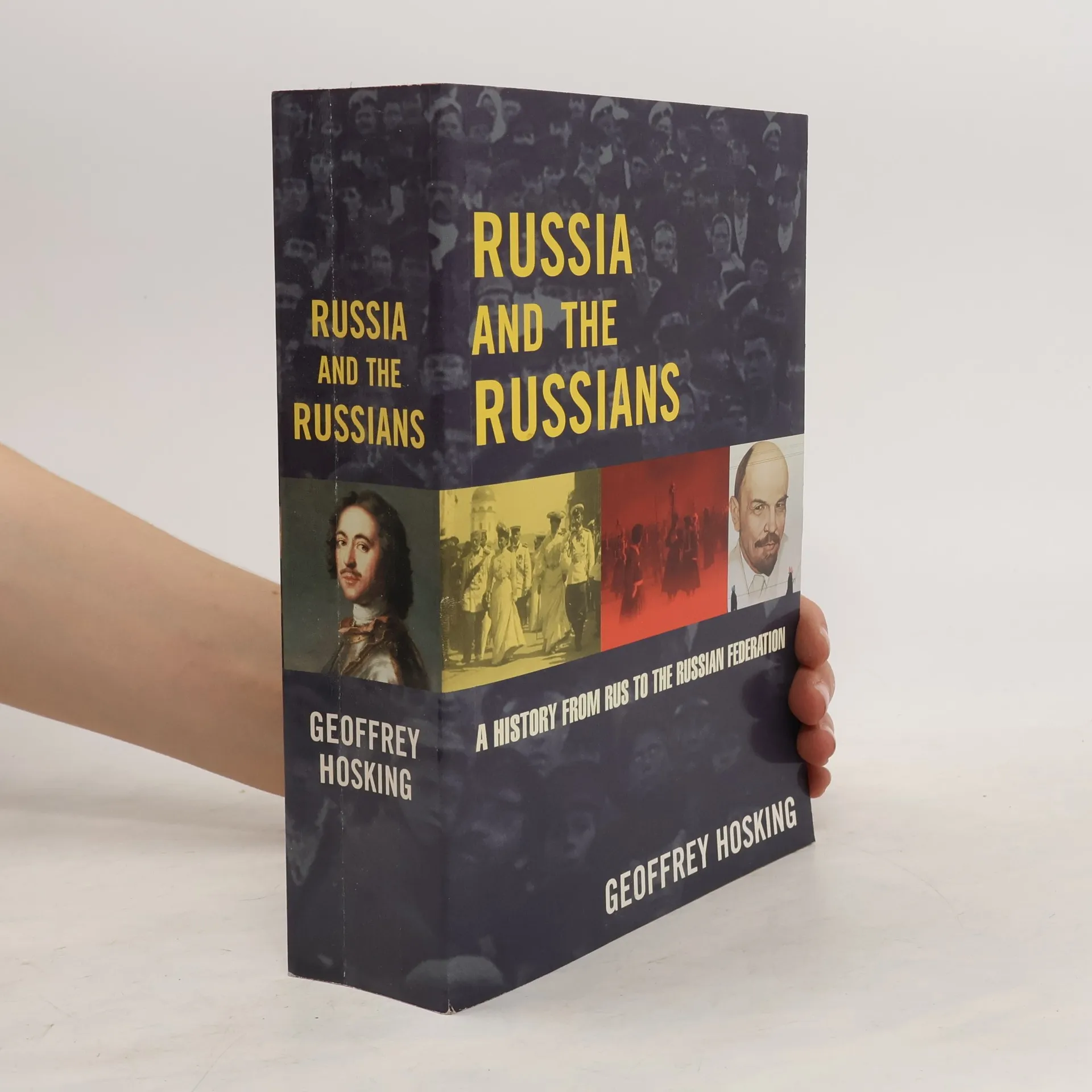
    Russia and the Russians
    • This work traces Russia's history from the settlement of Kiev through to the 21st century. It argues that two nation-building movements, one based on a messianic vision, the other a modernizing and expansive imperial project, have clashed since the rise of Tsarism.

      Russia and the Russians2001
      4,0
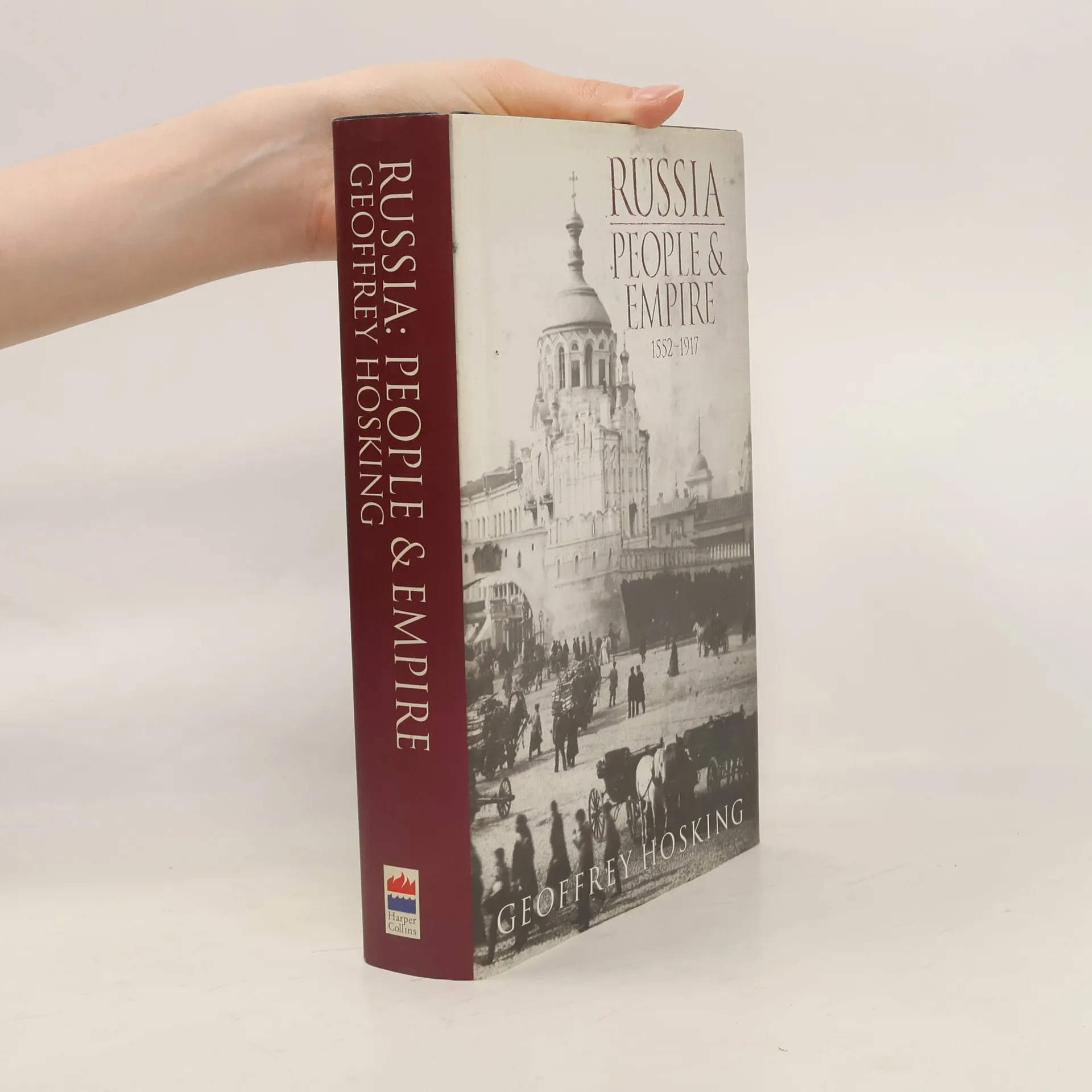
    • Russia

      People and Empire, 1552-1917

      • 584 páginas
      • 21 horas de lectura

      Geoffrey Hosking's landmark work provides a new prism through which to view Russian history by asking the question, 'What is Russia's national identity?'.

      Russia1997
      4,1
    • The First Socialist Society

      A History of the Soviet Union From Within, Second Enlarged Edition

      • 570 páginas
      • 20 horas de lectura

      The First Socialist Society offers a compelling and often tragic history of Soviet citizens from 1917 to the present, told with great sympathy and insight. It explores the evolving lives of peasants, urban workers, and professionals, the relationship between Soviet autocrats and the populace, and the roles of religion, law, education, and literature in society. The narrative reveals how Marxist ideas transformed under unique political and economic circumstances. The analysis begins by examining how the first socialist revolution occurred in backward, autocratic Russia and why the Bolsheviks managed to seize and maintain power. A central focus is on Stalin's rule, exploring how he wielded such absolute power and how various social strata coped with his tyranny. Later chapters discuss Khrushchev's attempts to reform Stalinism and the unpredictable impacts of these efforts in Eastern European satellite states, highlighting aspects of socialism that had been obscured in the Soviet Union. Following the stagnation and corruption of the Brezhnev era, the text poses the critical question of whether Soviet society can adapt and overcome the rigidities inherited from Stalin's legacy.

      The First Socialist Society1985
      3,7