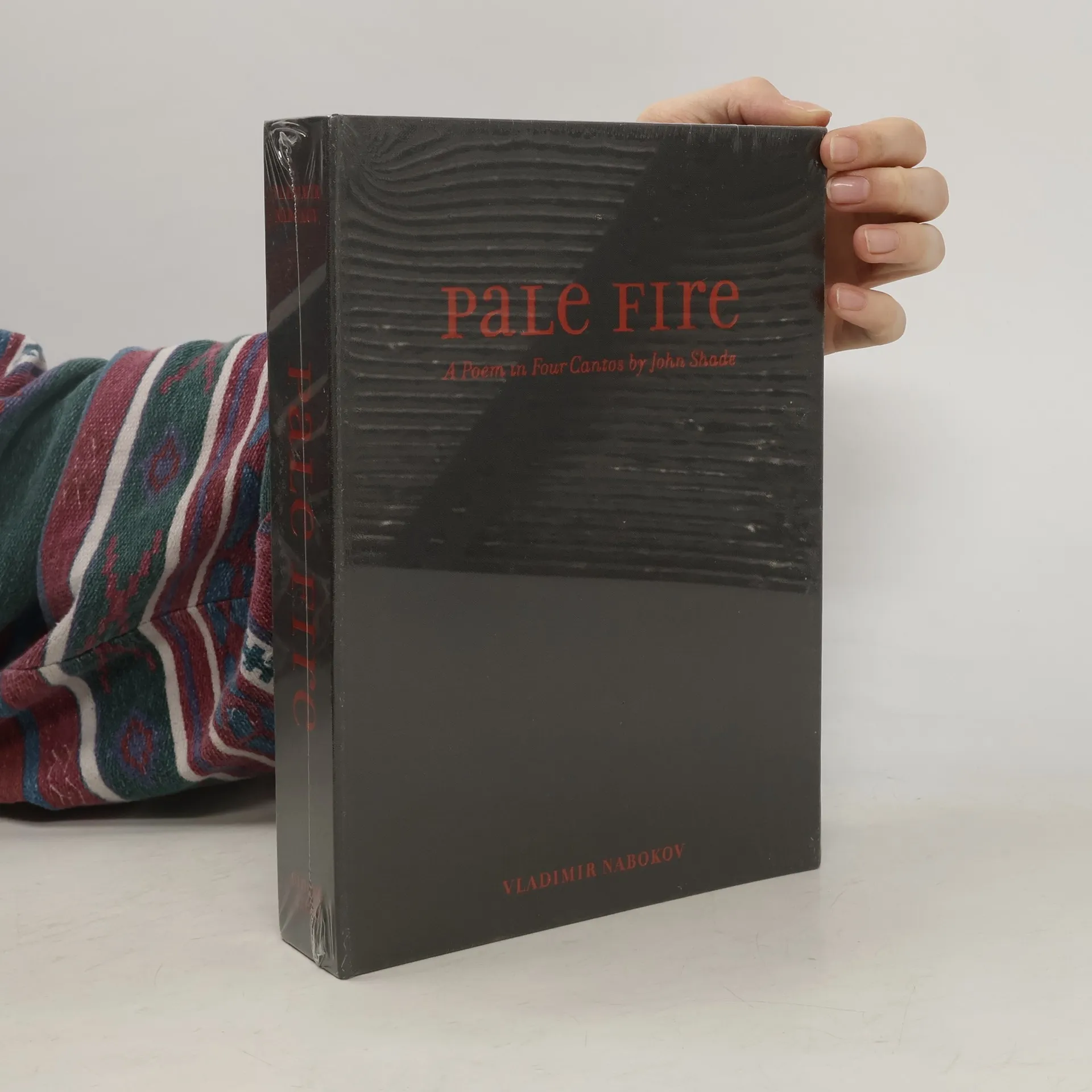
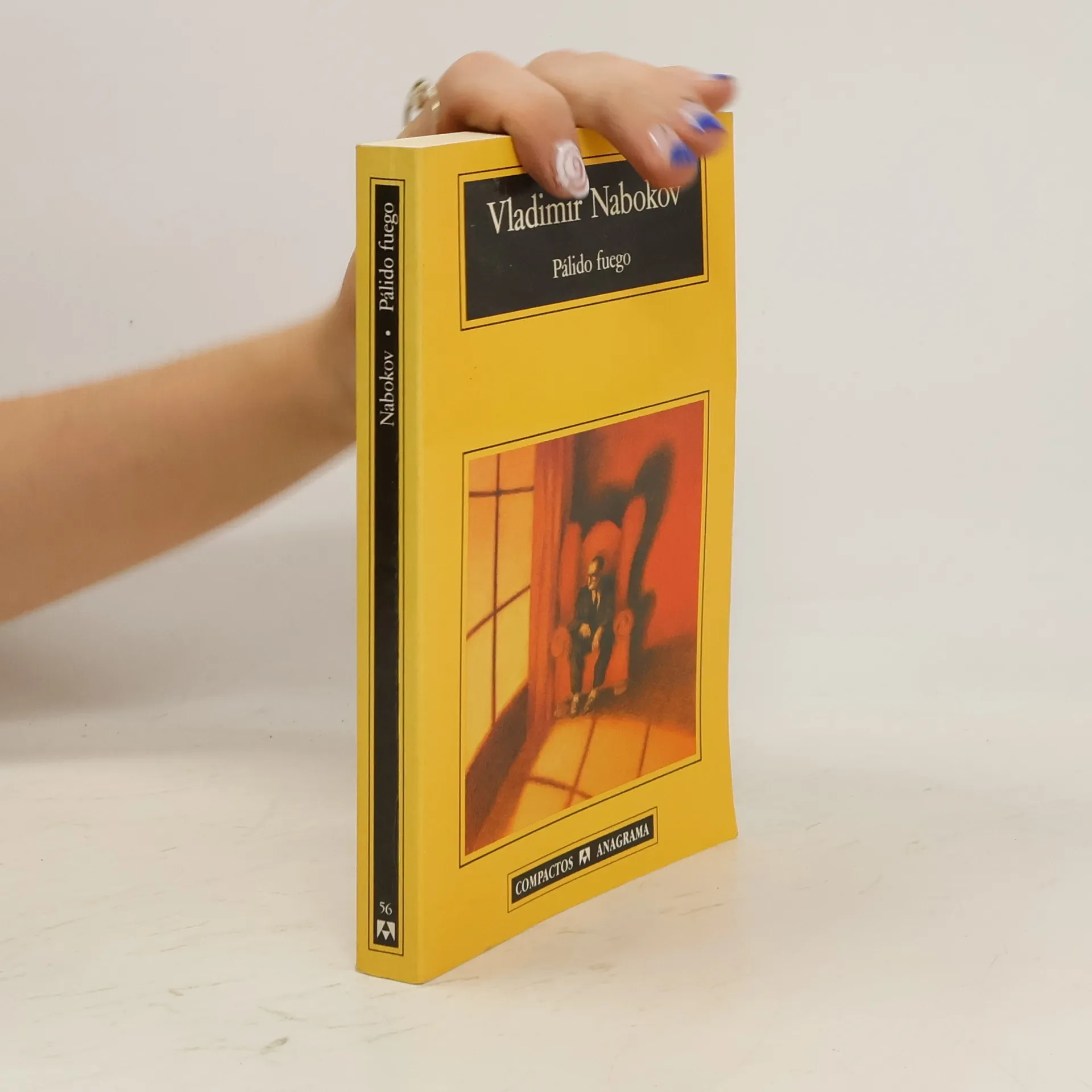
Nos hallamos ante una obra maestra, un «tour de force», una novela originalísima, desconcertante y diabólicamente divertida, que figura entre las preferidas de su propio autor y en la que refulge, de forma inigualable, su alambicada ironía y su mortífero humor. "Pálido fuego" se presenta como la edición póstuma de un largo poema escrito por John Shade, gloria de las letras norteamericanas, poco antes de ser asesinado. En efecto, la novela consta del susodicho poema, más un prólogo, un voluminosísimo corpus de notas y un índice comentado del editor, el profesor Charles Kinbote. A través de sus prolijos y entrometidos comentarios sobre el poema, sobre su amistad con Shade los meses anteriores a su muerte, y sobre el lejano reino de Zembla, que tan precipitadamente tuvo que abandonar, Kinbote va trazando un hilarante autorretrato, en el que acaba por delatarse como un individuo intolerante y altivo, excéntrico y perverso, un auténtico y peligroso chiflado. En este sentido, podría decirse que "Pálido fuego" es también una novela de intriga, en la que al lector se le invita a tomar el papel de detective.
Vladimir Vladimirovič Nabokov Libros
Vladimir Vladimirovich Nabokov, también conocido por el seudónimo Vladimir Sirin, fue un novelista ruso-estadounidense. Tras escribir sus primeras nueve novelas en ruso, alcanzó renombre internacional como un maestro del estilo en prosa inglesa. Sus obras se caracterizan por un amor a los juegos de palabras intrincados y al detalle descriptivo, ejemplificado de forma más célebre en su novela Lolita. La distintiva voz literaria y el sofisticado estilo de Nabokov han consolidado su reputación como una figura significativa en la literatura mundial.

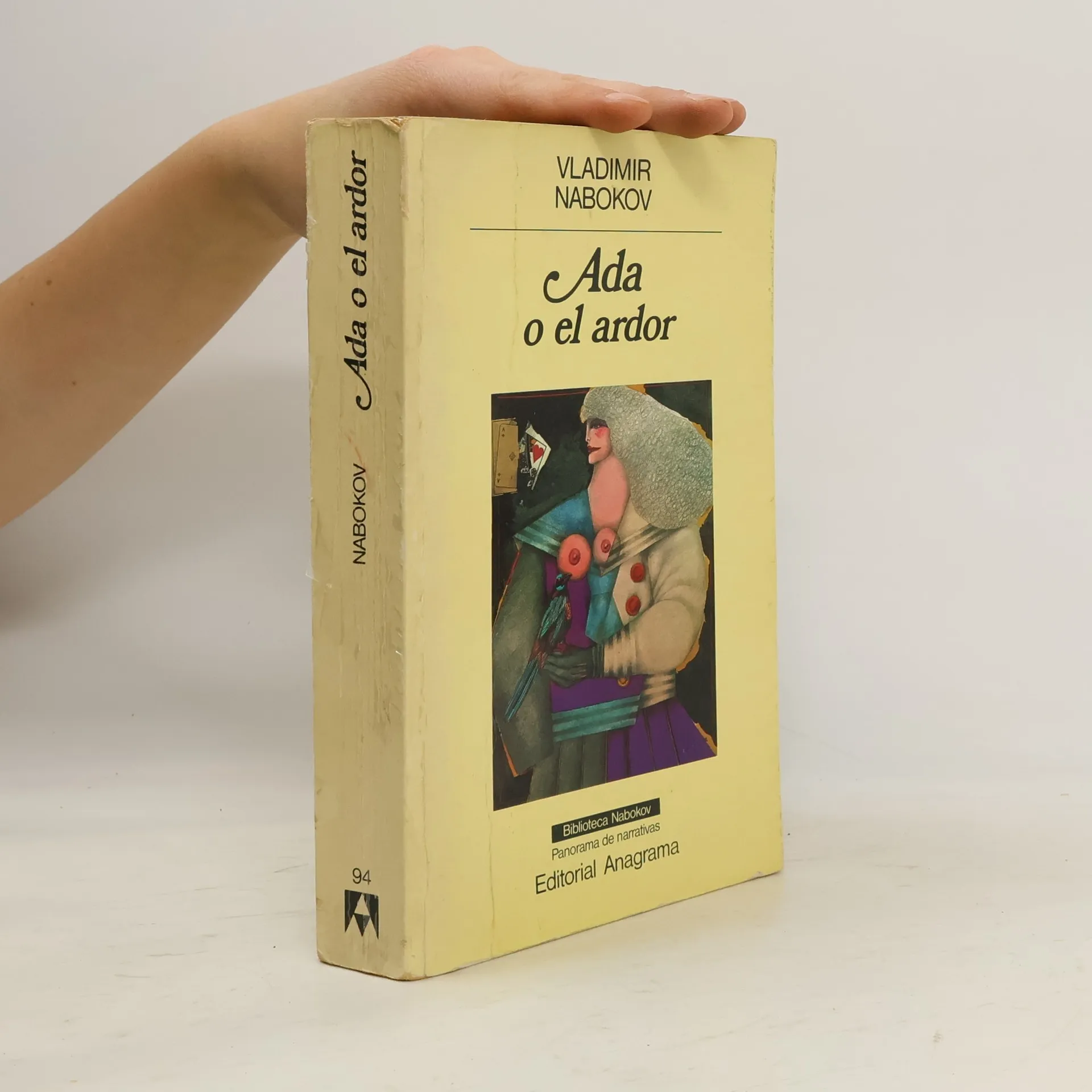
Ada o el ardor
- 480 páginas
- 17 horas de lectura
Publicada dos semanas después del setenta aniversario de Nabokov, "Ada o el ardor" supone la cumbre de la narrativa de uno de los autores más relevantes del siglo XX. En ella se aborda la singular crónica familiar e historia de amor (incestuoso), de Ada y Veen, dos hermanos que, habiendo crecido separados creen que su parentesco es más lejano del que en realidad es y por ello, siendo ambos adolescentes, se atreven a cruzar la línea y mantener un encuentro sexual en la finca familiar de Ardis (el Jardín del Edén), que supone el inicio de un idilio que a lo largo de los años será rico en encuentros y desencuentros. Con motivo del noventa y siete cumpleaños de Van, inmersos en la más placentera nostalgia, contemplan los distintos avatares de su amor convencidos de que la felicidad y el éxtasis más ardoroso están al alcance de la mano de todo aquel que conserve el arte de la memoria. Además de dicha historia, enmarcada en un país imaginario que es una mezcla de Estados Unidos y Rusia, este libro también es un tratado filosófico sobre la naturaleza del tiempo, una paródica historia del género novelesco, una novela erótica, un canto al placer y una reivindicación del Paraíso entendido como algo que no hay que buscar en el más allá, sino en la Tierra.
Colección Compactos: Rey, Dama, Valet
- 288 páginas
- 11 horas de lectura
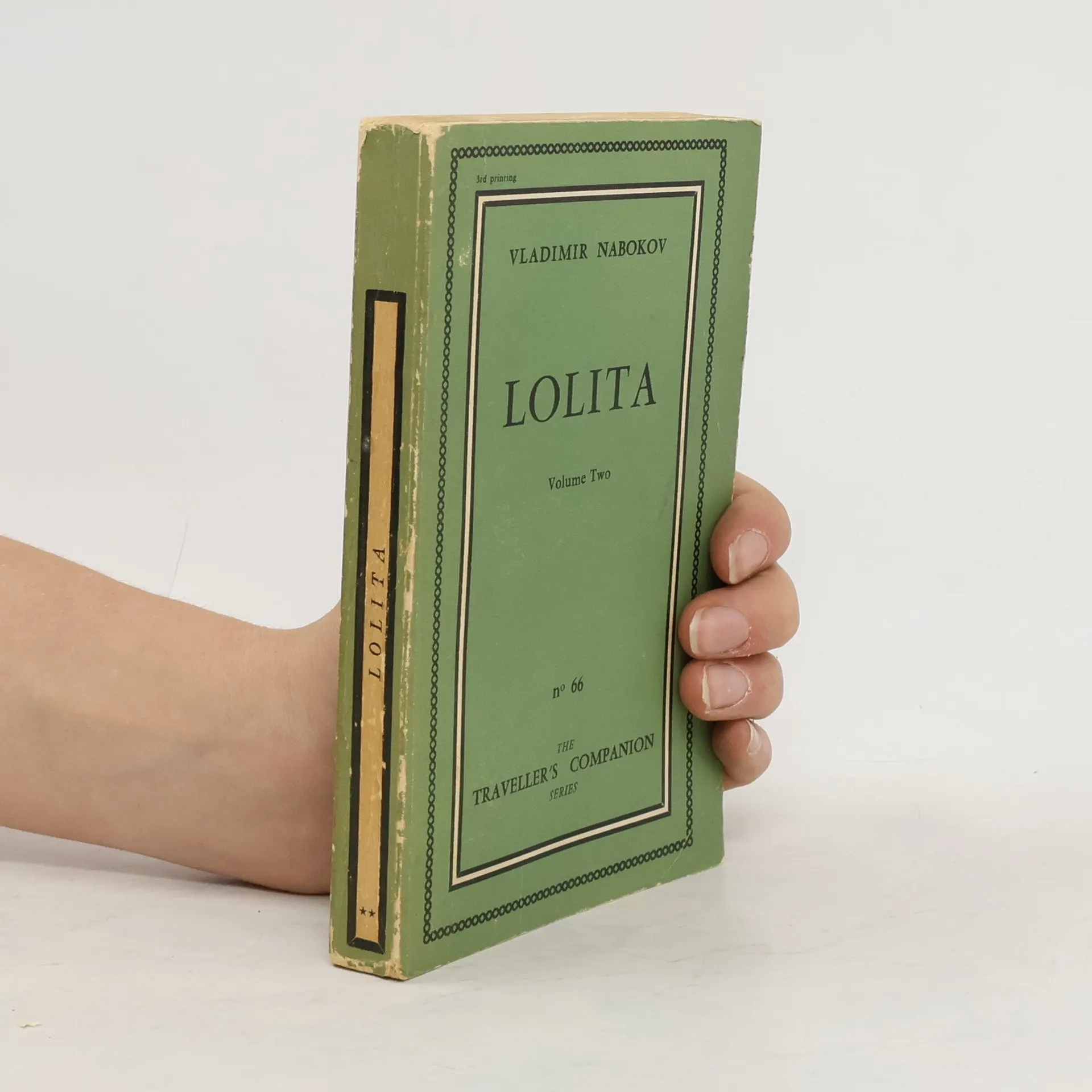
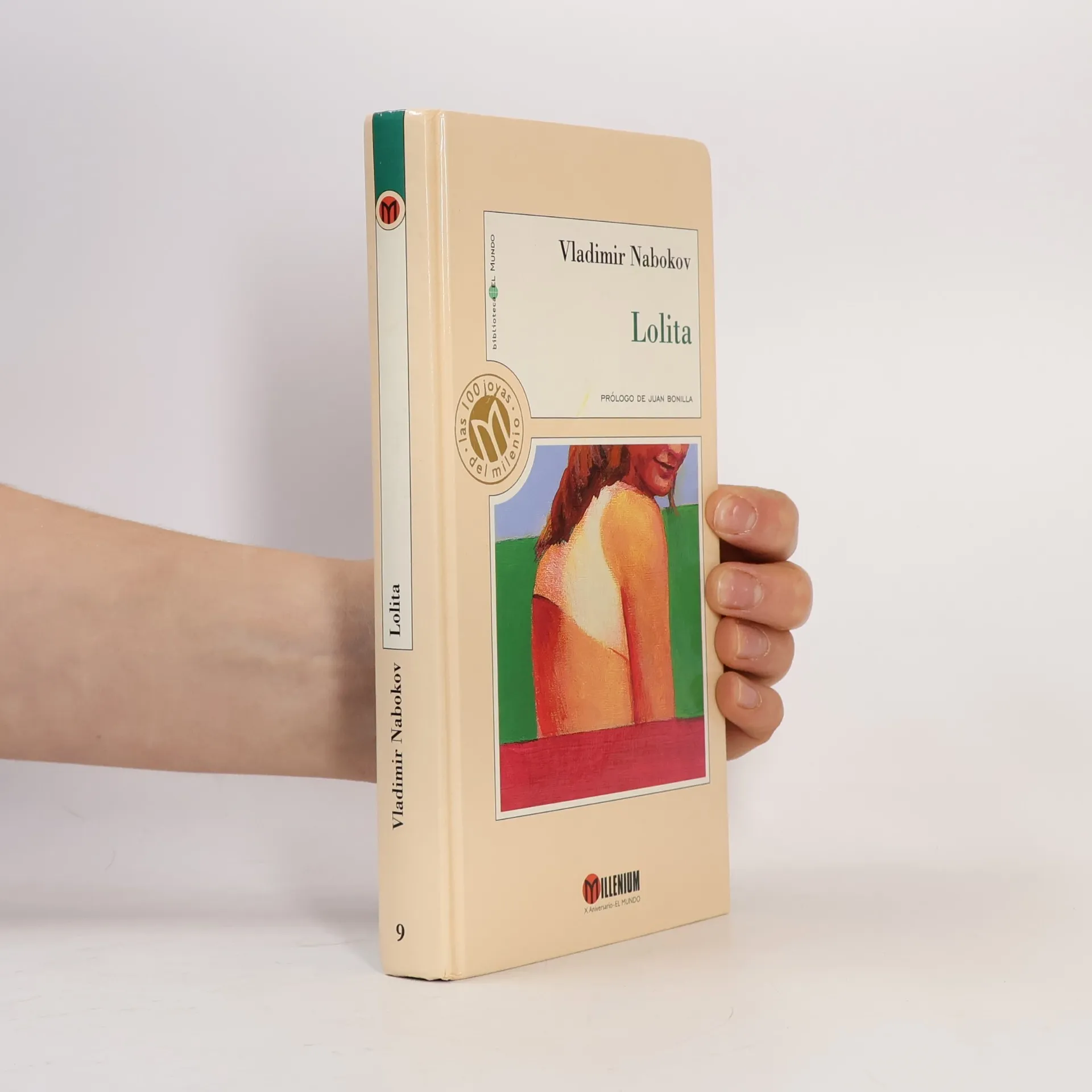
Lolita es la novela más conocida del escritor ruso Vladimir Nabokov publicada por primera vez en 1955 que trata sobre la obsesión sexual de un hombre de mediana edad por su hijastra de 12 años. No exenta de polémica, está considerada por muchos críticos y académicos como una obra maestra de la literatura universal contemporánea y un clásico moderno . Lo que no ha rescatado el recuerdo colectivo, frivolizado por la cultura popular y acentuado, pienso yo, por las dos películas basadas en la Lolita de Nabokov, es la situación de víctima que sufre la niña, Dolores Haze. La prosa es fascinante, perturbadora y muy bella, y el relato oscila entre el género erótico, la novela policial, el drama psicológico, y el alegato legal presentado como una tardía confesión. Esta riqueza narrativa produce cambios de ánimo en el lector quien modificará su sentir conforme avance en la lectura: rabia e impotencia ante el engaño urdido por el falso padre, sorpresa ante los avances de la niña, dolor por la impostura que tiene que tragarse Charlotte, desconsuelo ante los avatares que le depara la vida a Lolita, y en algunos momentos, hasta compasión por el pederasta. Todo ello expresado con un lenguaje impecable, de trazo fino, que refleja el buen gusto del narrador, hombre complejo, de una exquisita sensibilidad.
Pnin
- 192 páginas
- 7 horas de lectura
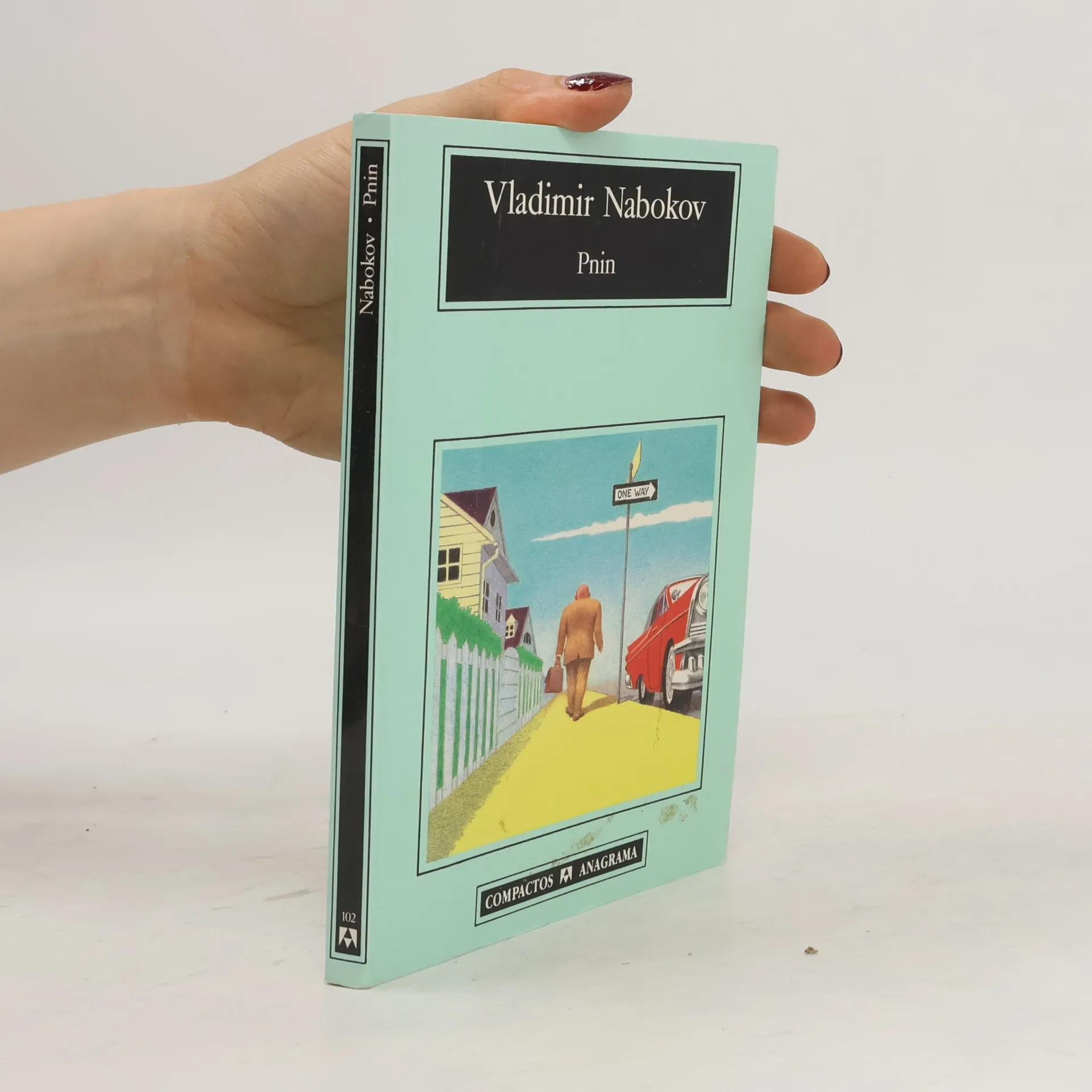
"Pnin" está considerada como «la más deliciosa de las novelas de Nabokov» (G.M. Hyde), «la más inmediatamente atractiva de sus obras» (Laurie Clancy) y, posiblemente, la más divertida de toda su obra, tan rebosante de humor. Su protagonista es el profesor Pnin, un ruso de la emigración que se gana la vida dando clases a media docena escasa de alumnos desganados que acuden a su aula como quien va a ver una película de Buster Keaton. Pero los verdaderos enemigos del inefable e infeliz Pnin son los extraños artilugios de la modernidad: coches, electrodomésticos y demás máquinas que, al menos a él, no le facilitan precisamente la vida. Y también los mezquinos intereses y la mediocridad de sus colegas, una pandilla de ambiciosos profesorzuelos que ponen a prueba su infinita paciencia. O los psiquiatras entre los que se mueve la que fue su esposa, una mujer que nunca le amó pero de la que sigue imperturbable y conmovedoramente enamorado. De modo que, al final, el ridiculizado Pnin acaba emergiendo como una figura casi heroica, un ser civilizado en medio de la incivilización industrial, el único que todavía conserva un resto de dignidad humana. Nabokov satiriza aquí un mundo que a él, como emigrado, le tocó sufrir, y pocas veces se le nota tan desenvuelto, tan feliz en el acto mismo de escribir, tan capaz de transmitir el placer que, a pesar de los pesares, le daba el simple hecho de estar vivo.
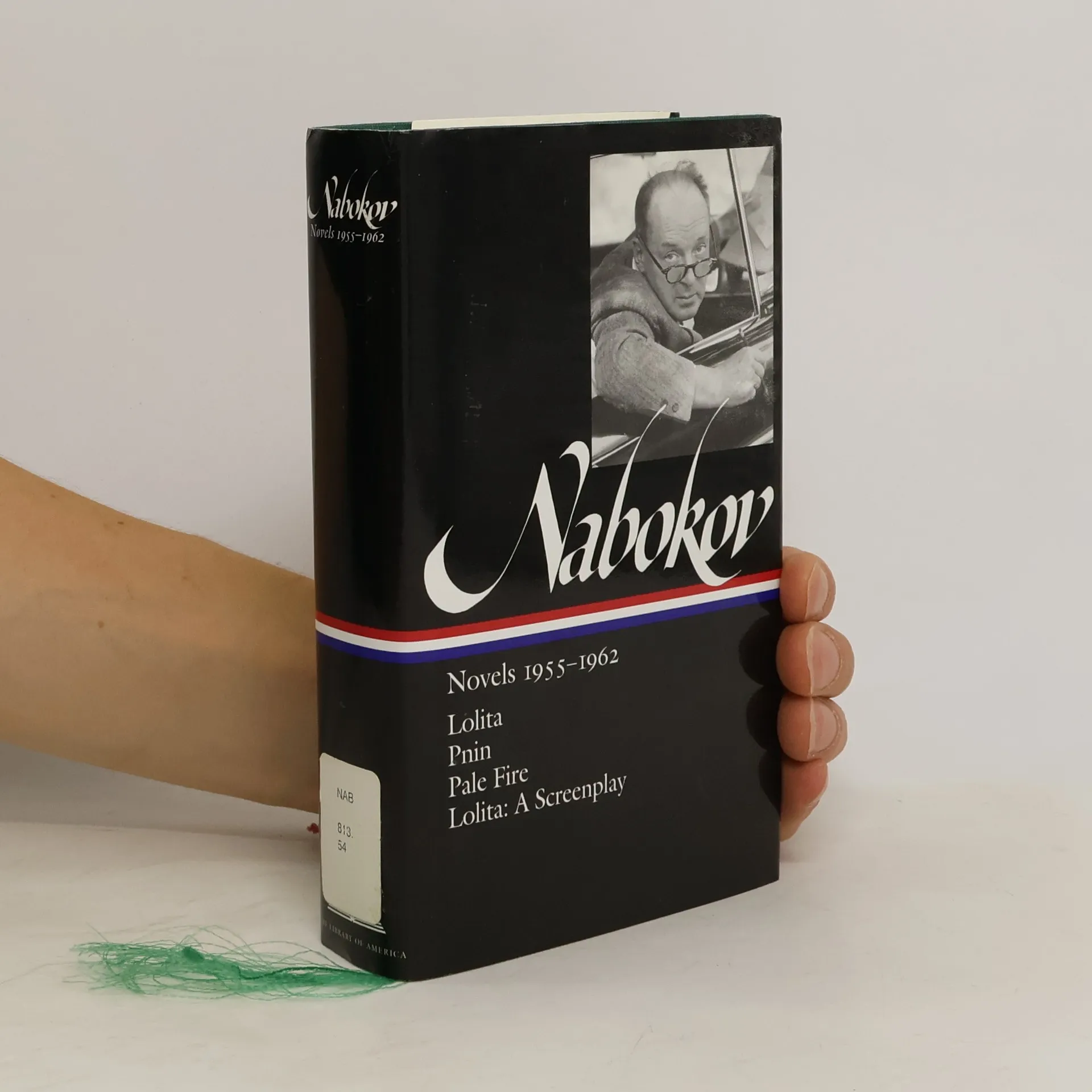
Vladimir Nabokov: Novels 1955-1962 (LOA #88)
- 904 páginas
- 32 horas de lectura
After a brilliant literary career in Russian, Vladimir Nabokov came to the United States and went on to an even more brilliant one in English-earning a place as one of the greatest writers of his adopted home. This second volume begins with the controversial novel, Lolita, the satiric and poignant "confession" of a middle-aged European's passionate obsession with a 12-year-old American "nymphet," and the story of their wanderings across late 1940s America. Nabokov's original film adaptation is also included. Pnin is a comic masterpiece about an emigré professor in an American college town who never quite masters its language, politics, or train schedule. Pale Fire is an ostensibly autobiographical poem with wildly digressive commentary by an unbalanced academic. All texts have been corrected based on the author's own copies. Two companion volumes collect The Real Life of Sebastian Knight; Bend Sinister; Speak, Memory; and Ada; Transparent Things; and Look at the Harlequins!
Many think Pale Fire Vladimir Nabokov's greatest novel. At its heart beats the 999-line poem, "Pale Fire," penned by the distinguished American poet John Shade. This first-ever facsimile edition of the poem shows it to be not just a fictional device but a masterpiece of American poetry, albeit by an invented persona -- "the greatest of invented poets," according to Nabokov's own accurate evaluation. This attractive box contains two booklets, the poem "Pale Fire" in a handsome pocket edition and the book of essays by renowned Nabokov authority Brian Boyd and poet R.S. Gwynn, as well as facsimiles of the index cards that John Shade (like his maker, Nabokov) used for composing his poem, printed exactly as Vladimir Nabokov described them. Artist Jean Holabird, who conceived the project, illustrates key details of the poem's pattern and pathos. 40 Pages in Book 1 "Pale Fire," 48 Pages in Book 2 "Pale Fire" Reflections, 80 Index Cards 2 Paperback Books in a deluxe box
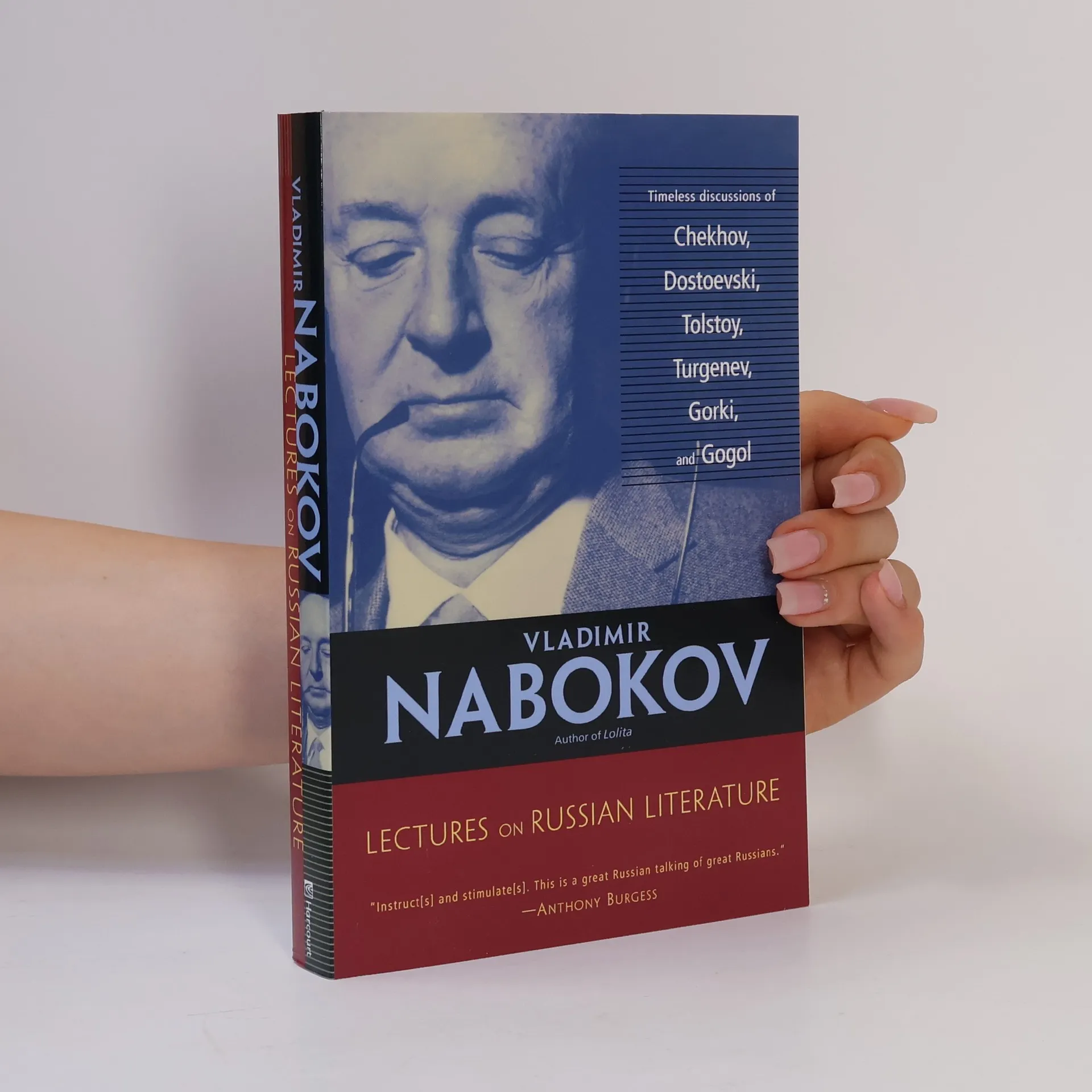
Lectures on Russian Literature
- 352 páginas
- 13 horas de lectura
The author’s observations on the great nineteenth-century Russian writers-Chekhov, Dostoevsky, Gogol, Gorky, Tolstoy, and Turgenev. “This volume... never once fails to instruct and stimulate. This is a great Russian talking of great Russians” (Anthony Burgess). Edited and with an Introduction by Fredson Bowers; illustrations.
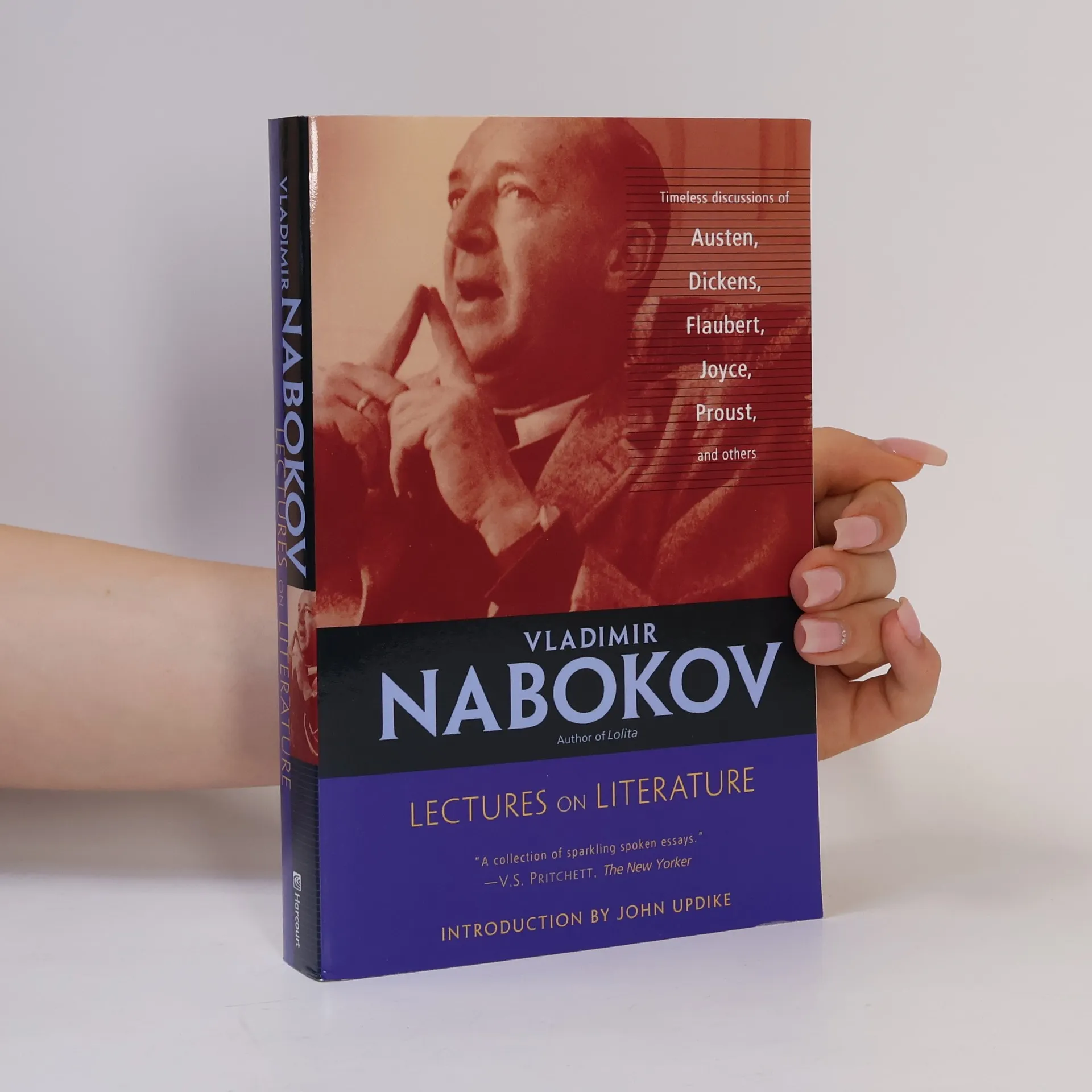
Lectures on Literature
- 416 páginas
- 15 horas de lectura
For two decades, first at Wellesley and then at Cornell, Nabokov introduced undergraduates to the delights of great fiction. Here, collected for the first time, are his famous lectures, which include Mansfield Park, Bleak House, and Ulysses. Edited and with a Foreword by Fredson Bowers; Introduction by John Updike; illustrations.
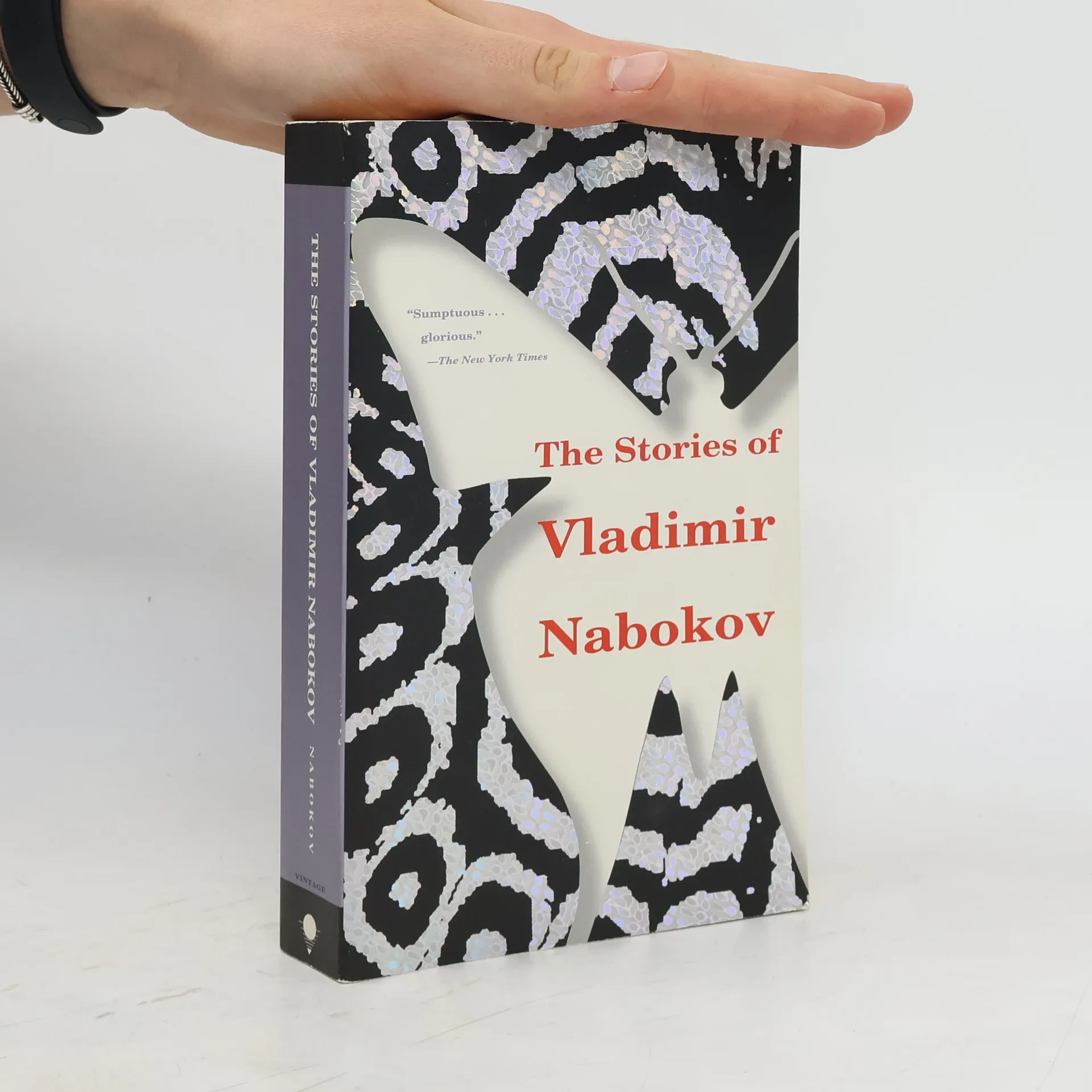
This collection brings together the early stories of Vladimir Nabokov, showcasing his development from the 1920s to the 1950s. Edited by his son, Dmitri Nabokov, it highlights the author's unique style and mastery before he transitioned to his renowned English works. A significant literary event celebrating Nabokov's artistry.
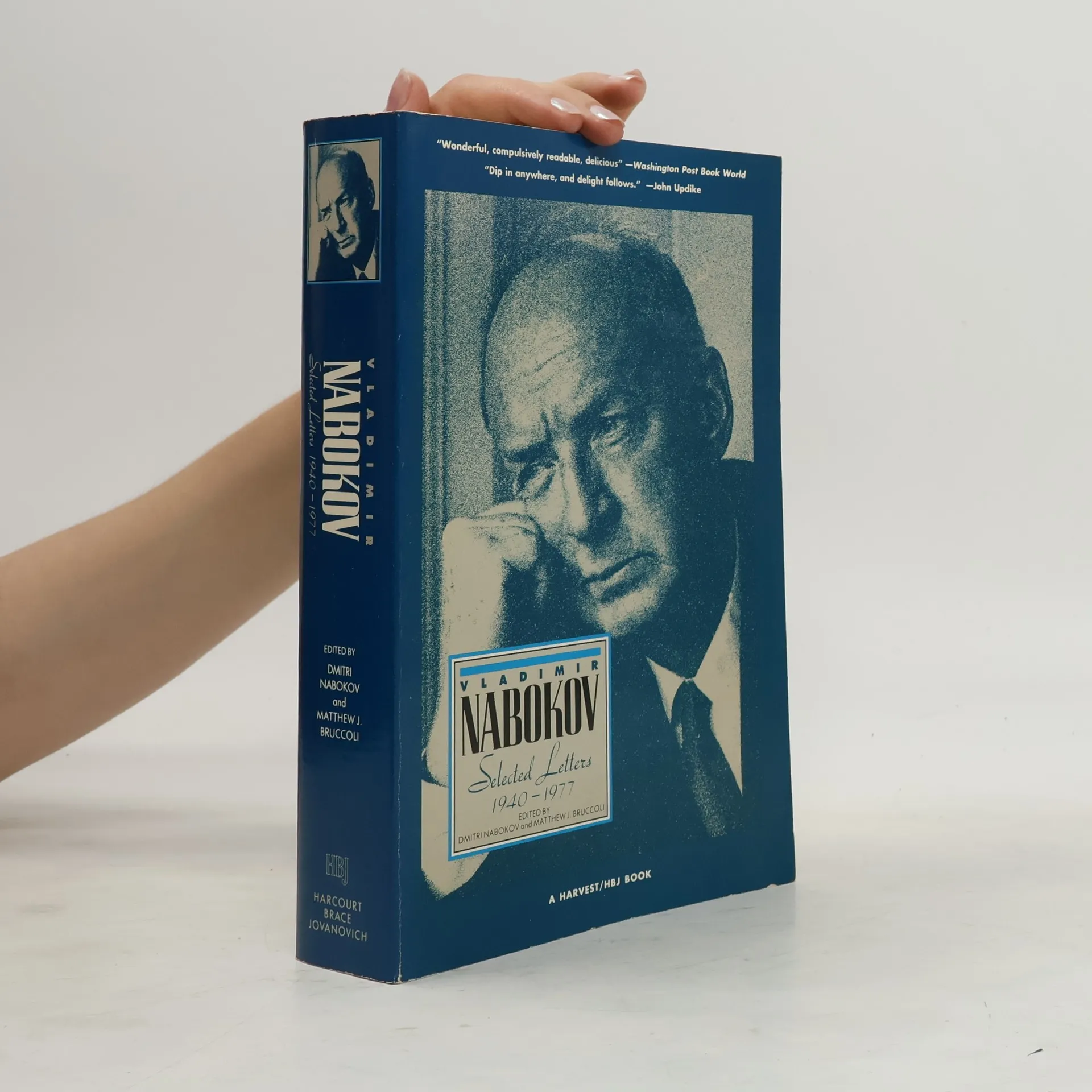
Over four hundred letters chronicle the author's career, recording his struggles in the publishing world, the battles over "Lolita," and his relationship with his wife.
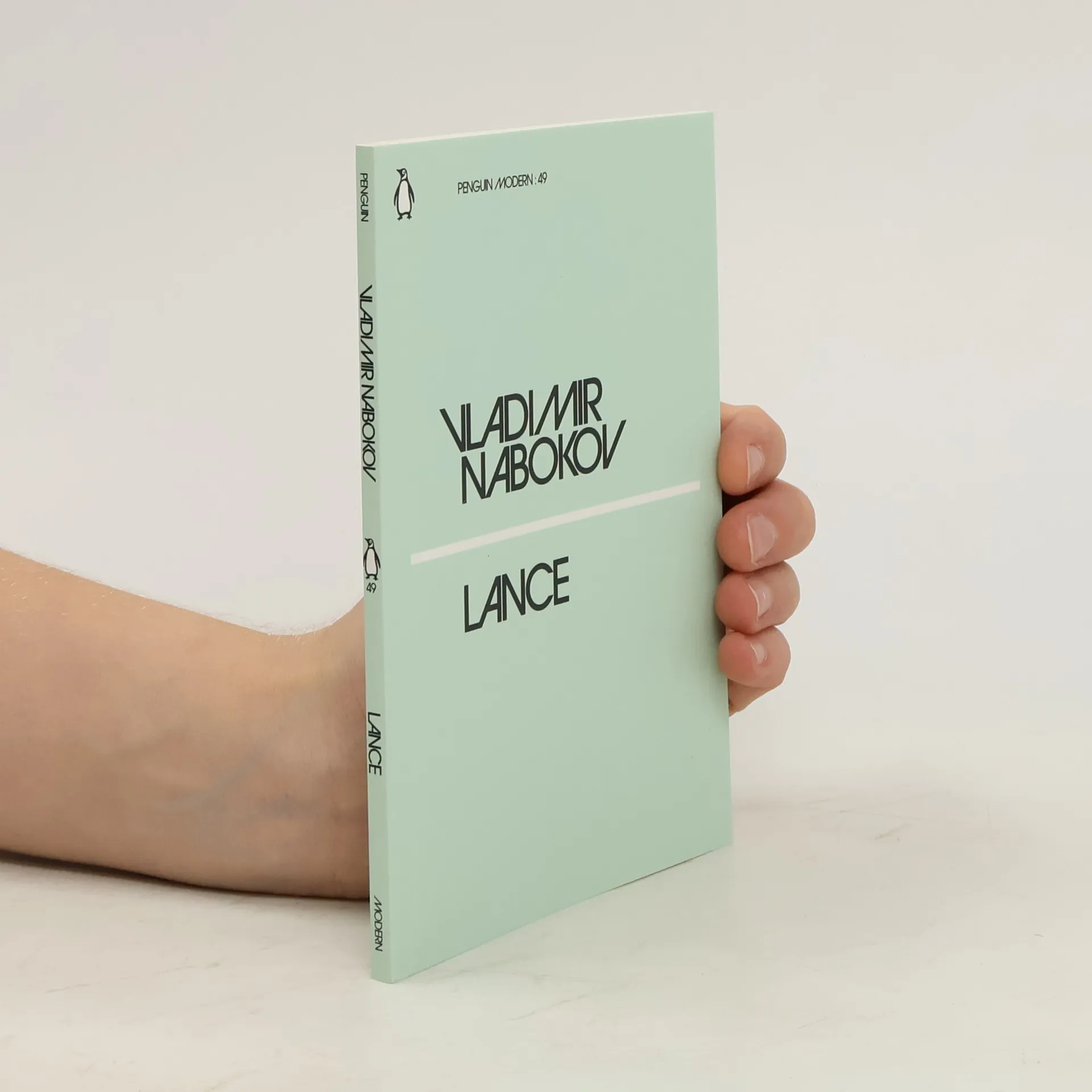
Lance
- 64 páginas
- 3 horas de lectura
The illegible signature of teetering disaster' Three great stories - The Aurelian, Signs and Symbols and Lance - the last both a derisive attack on science-fiction and an attempt to imagine the real pain and horror that would accompany space travel.
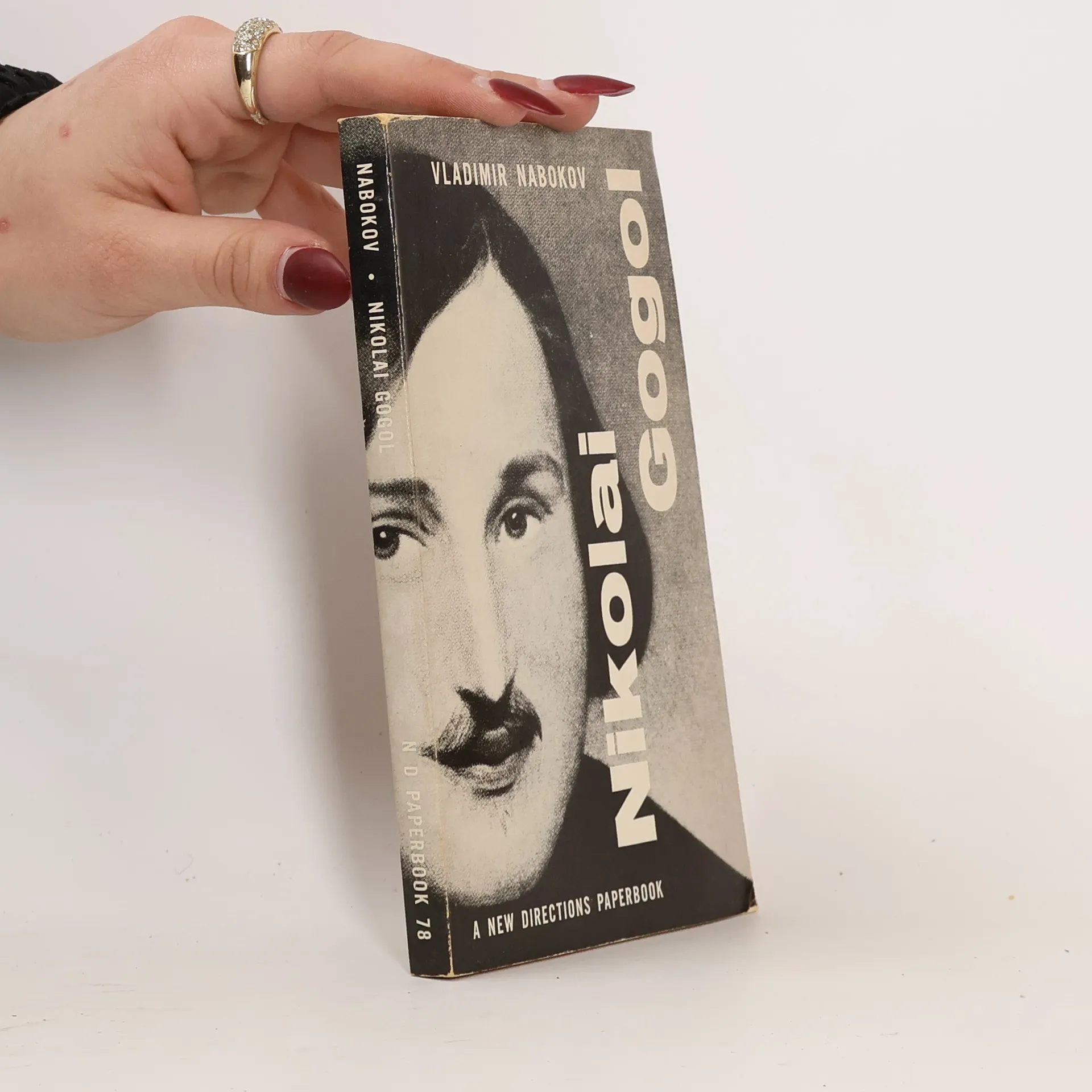
Nikolai Gogol was one of the great geniuses of nineteenth century Russian literature, with a command of the irrational unmatched by any writer before or since. His strange tales, though often read as forceful demands for social change, were displays of the fantasies of the human spirit. This book tells his story.
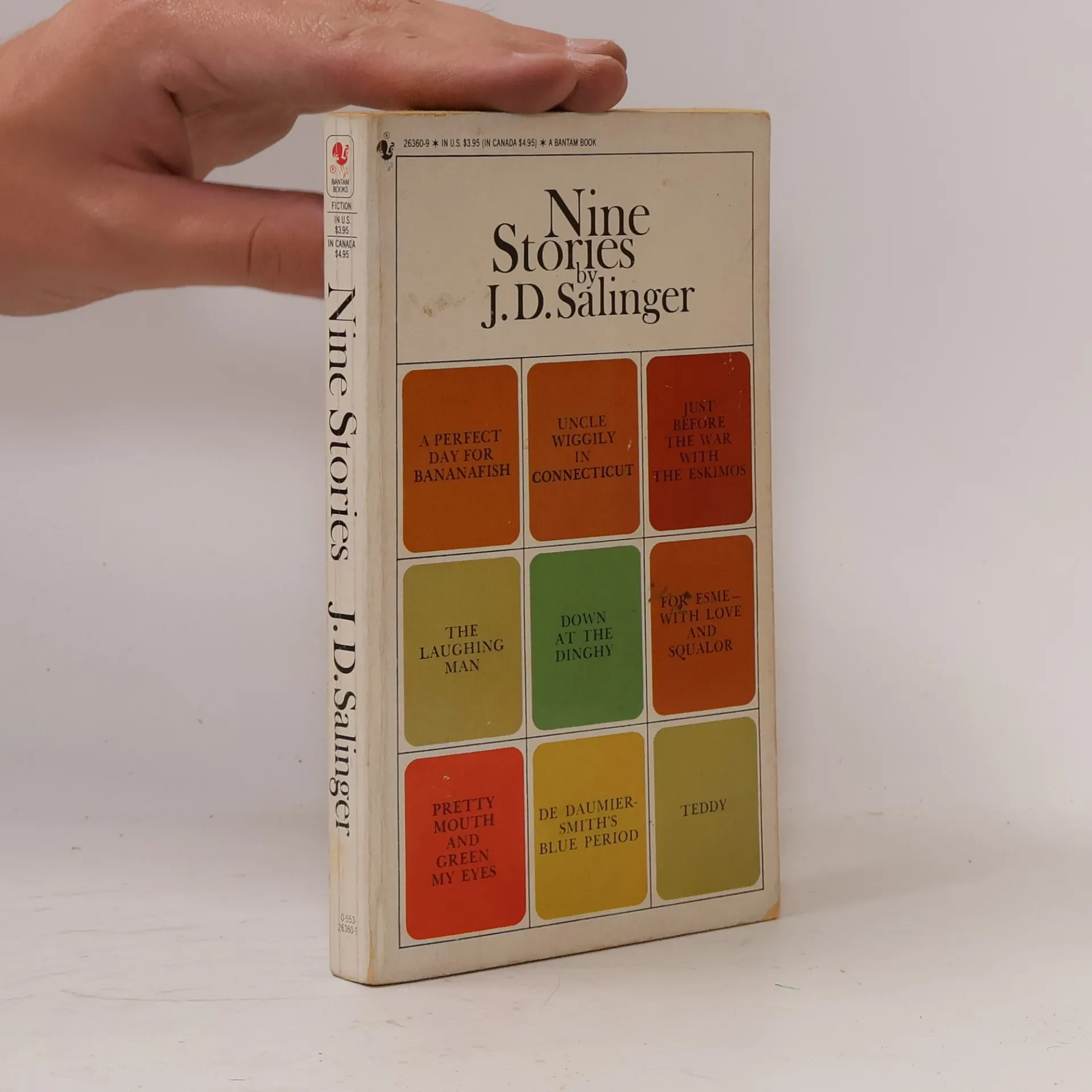
Indhold: A perfect day for bananafish ; Uncle Wiggily in Connecticut ; The laughing man ; Down at the Dinghy ; Just before the war with the Eskimos ; For Esmé - with love and squalor ; Pretty mouth and green my eyes ; De Daumier-Smith's blue period ; Teddy.
Glory
- 192 páginas
- 7 horas de lectura
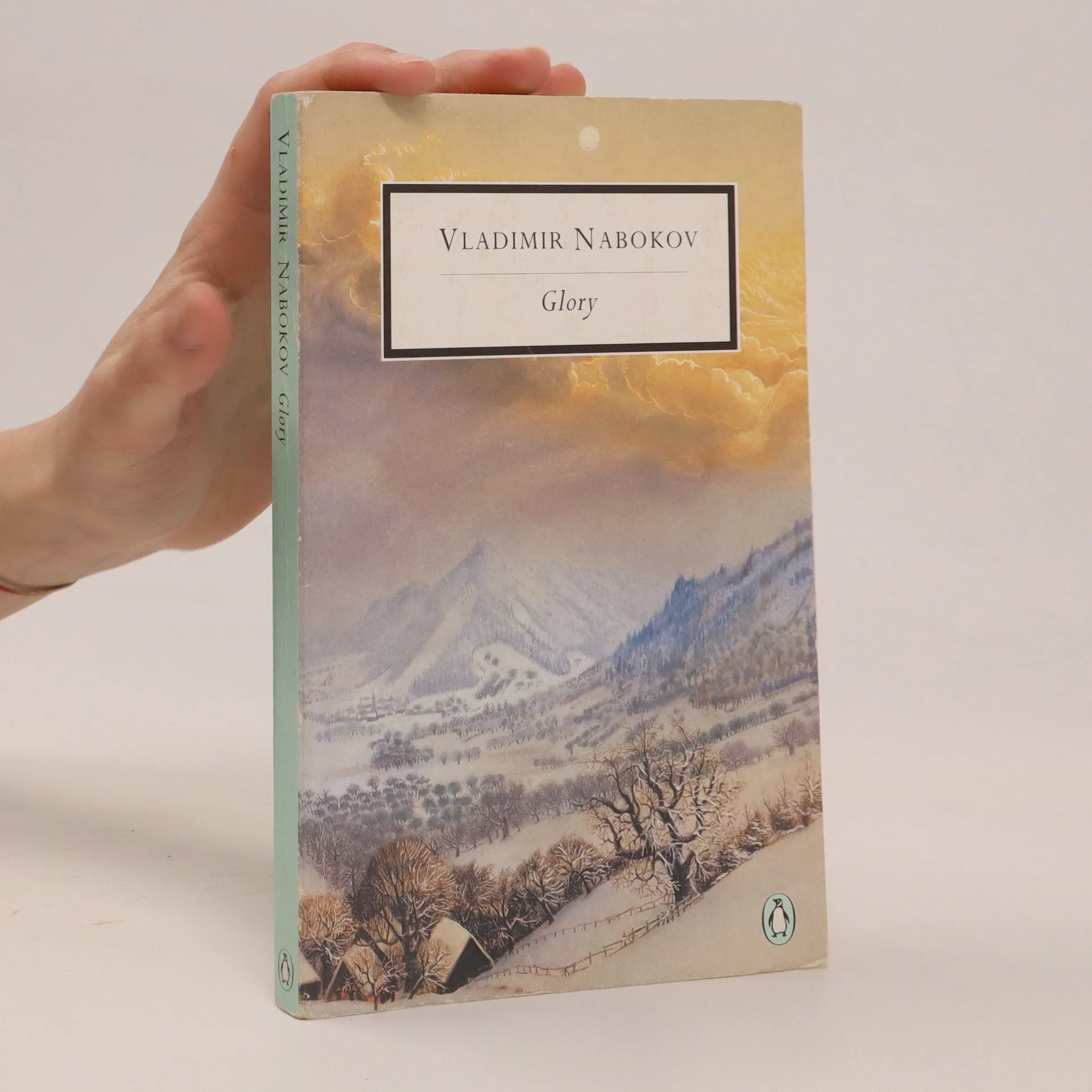
A novel by the author of Mary, The Eye, The Real Life of Sebastian Knight, Transparent Things and Lolita.
Letters to Véra
- 864 páginas
- 31 horas de lectura
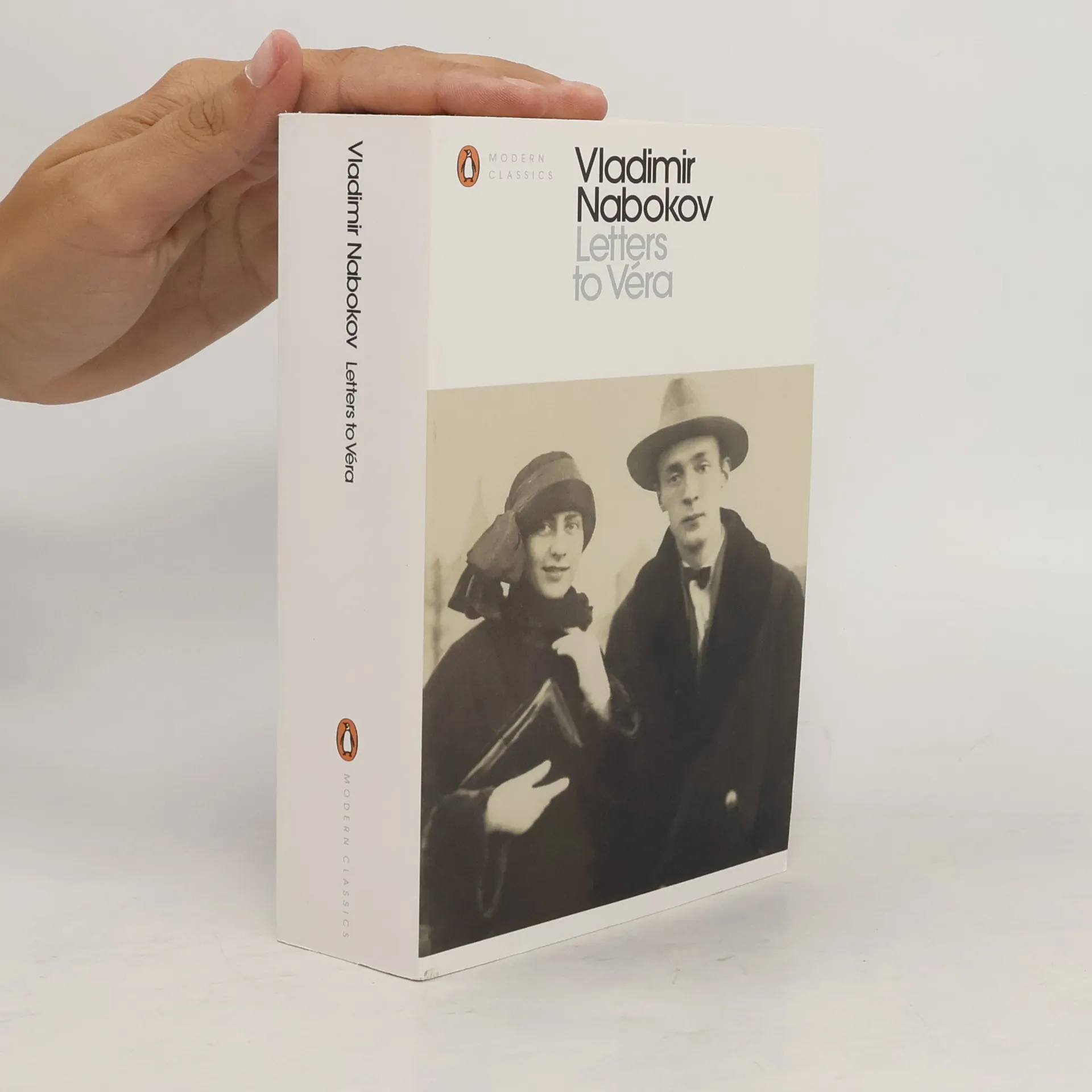
'You are lovely . . . And all your letters, too, are lovely, like the white nights' Nabokov's passion for his wife spanned over half a century, from the first poem he wrote for her in 1923, after only hours in her company, to when he dedicated his last book 'To Véra'. Though they were rarely apart, he wrote countless letters to Véra, now published for the first time and revealing in Nabokov the man what he valued most in art: 'curiosity, tenderness, kindness, ecstasy'. Edited and translated by Olga Voronina and Brian Boyd 'Revelatory . . . here is Nabokov with his guard down.' William Boyd, Guardian, Books of the Year 'Sentences of pure magic.' Philip Hensher, Spectator 'Tinged with a sensuous immediacy of detail, Letters to Vérais a record of rapture.' Ian Thomson, Observer
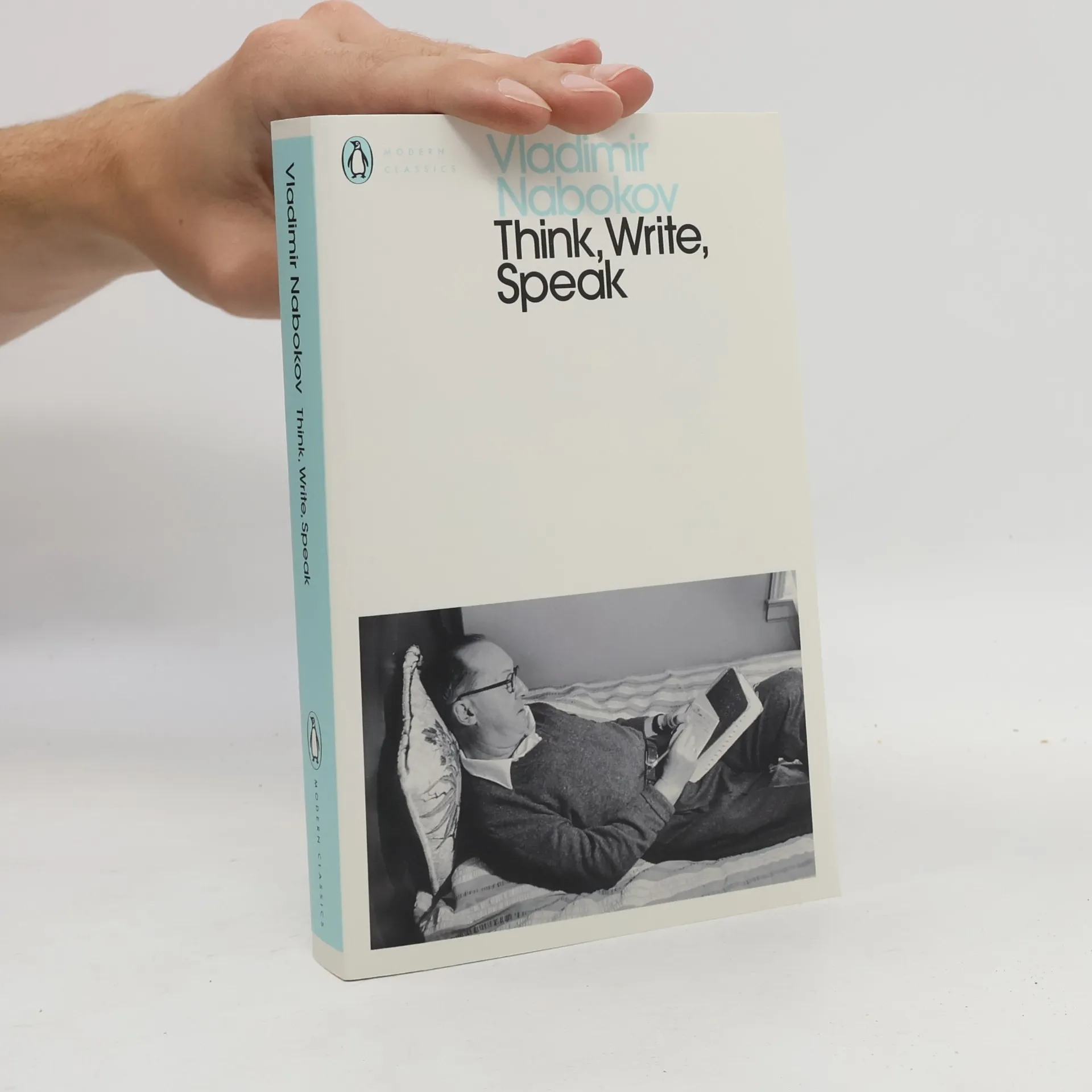
Think, Write, Speak
- 576 páginas
- 21 horas de lectura
'Masterly, hilarious, truly insightful' - Philip Hensher, The Spectator A Times Literary Supplement Book of the Year 2019 The last major collection of Nabokov's published material, Think, Write, Speak brings together a treasure trove of previously uncollected texts from across the author's extraordinary career. Each phase of his wandering life is included, from a precocious essay written while still at Cambridge in 1921, through his fame in the aftermath of the publication of Lolita to the final, fascinating interviews given shortly before his death in 1977. Introduced and edited by his biographer Brian Boyd, this is an essential work for anyone who has been drawn into Nabokov's literary orbit. Here he is at his most inspirational, curious, playful, misleading and caustic. The seriousness of his aesthetic credo, his passion for great writing and his mix of delight and dismay at his own, sudden global fame in the 1950s are all brilliantly delineated.
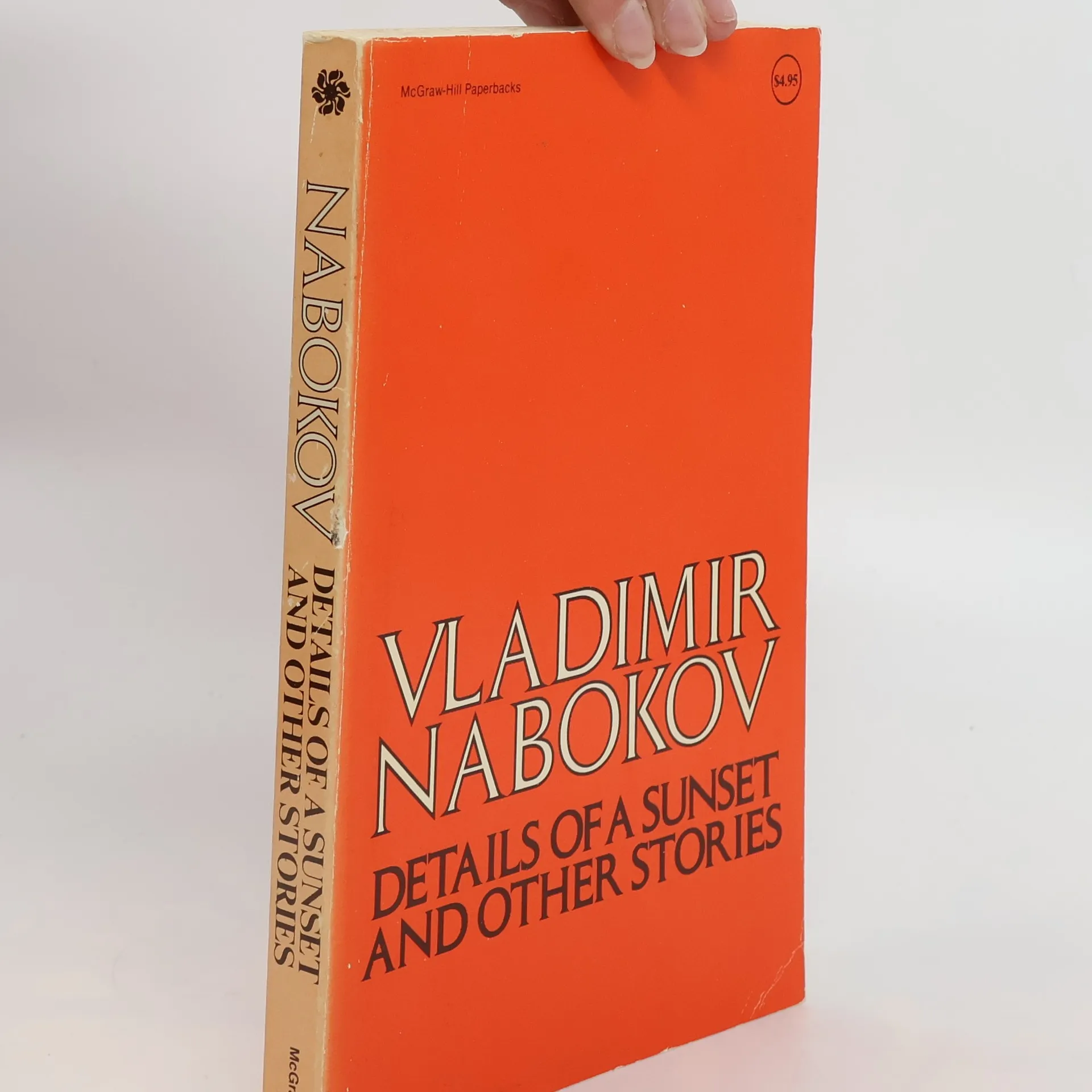
Details of a Sunset: and Other Stories
- 180 páginas
- 7 horas de lectura
Details of a sunset --Bad day --Orache --Return of Chorb --Passenger --Letter that never reached Russia --Guide to Berlin --Doorbell --Thunderstorm --Reunion --Slice of life --Christmas --Busy man.
The Nabokov-Wilson Letters
- 346 páginas
- 13 horas de lectura
"Simon Karlinsky has substantially expanded and revised the first edition of Vladimir Nabokov and Edmund Wilson's correspondence to include fifty-nine letters discovered subsequent to the book's original publication in 1979. Since then five volumes of Edmund Wilson's diaries have been published, as well as a volume of Nabokov's correspondence with other people and Brian Boyd's definitive two-volume biography of Nabokov. The additional letters and a considerable body of new annotations clarify the correspondence, tracing in greater detail the two decades of close friendship between the writers. This expanded edition also reveals their growing animosity, perceptible in repeated disagreements on such subjects as Russian history and revolution and the value of certain authors. The decades of friendship and mutual appreciation came to a dramatic end in 1965, with Wilson's vehement attack in print on Nabokov's annotated edition of Pushkin's novel Eugene Onegin. These letters outline the mutual affection and closeness of the two writers, but also reveal the slow crescendo of mutual resentment, mistrust and rejection."--BOOK JACKET.
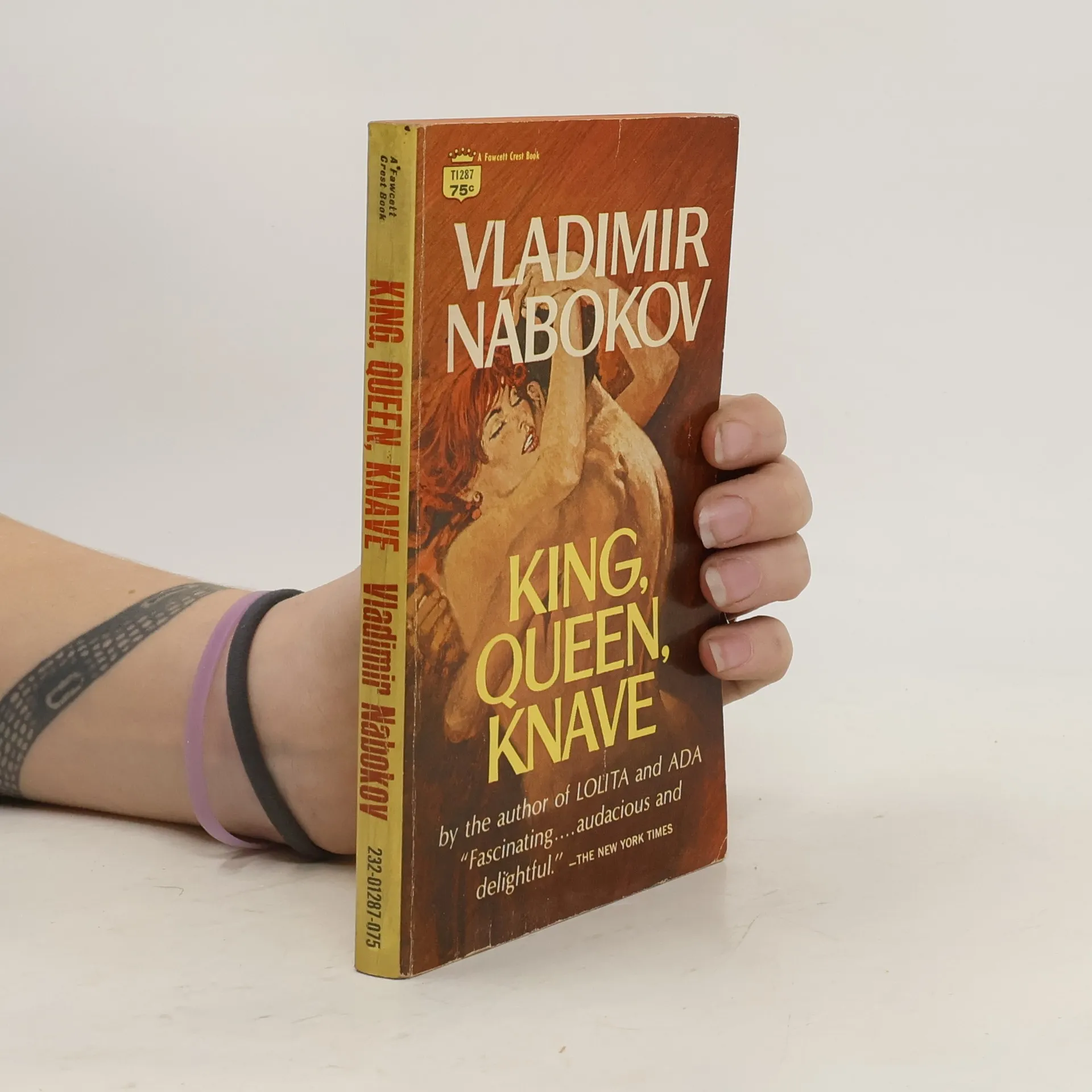
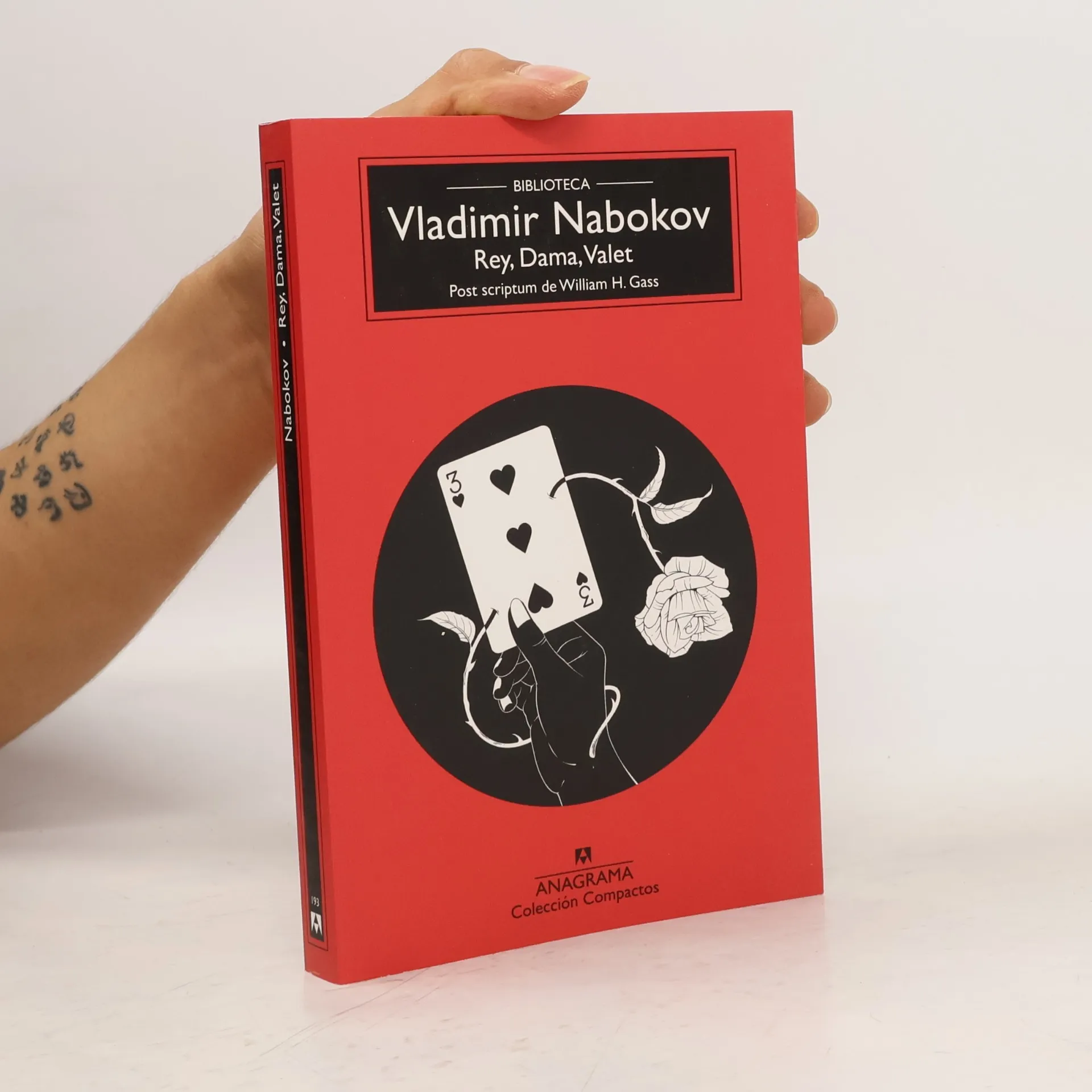
'Vladimir Nabokov was a literary genius' David Lodge'Of all my novels this bright brute is the gayest', Nabokov wrote of King, Queen, Knave. Comic, sensual and cerebral, it dramatizes an Oedipal love triangle, a tragi-comedy of husband, wife and lover, through Dreyer the rich businessman, his ripe- lipped ad mercenary wife Martha, and their bespectacled nephew Franz. 'If a resolute Freudian manages to slip in' - Nabokov darts a glance to the reader - 'he or she should be warned that a number of cruel traps have been set here and there...
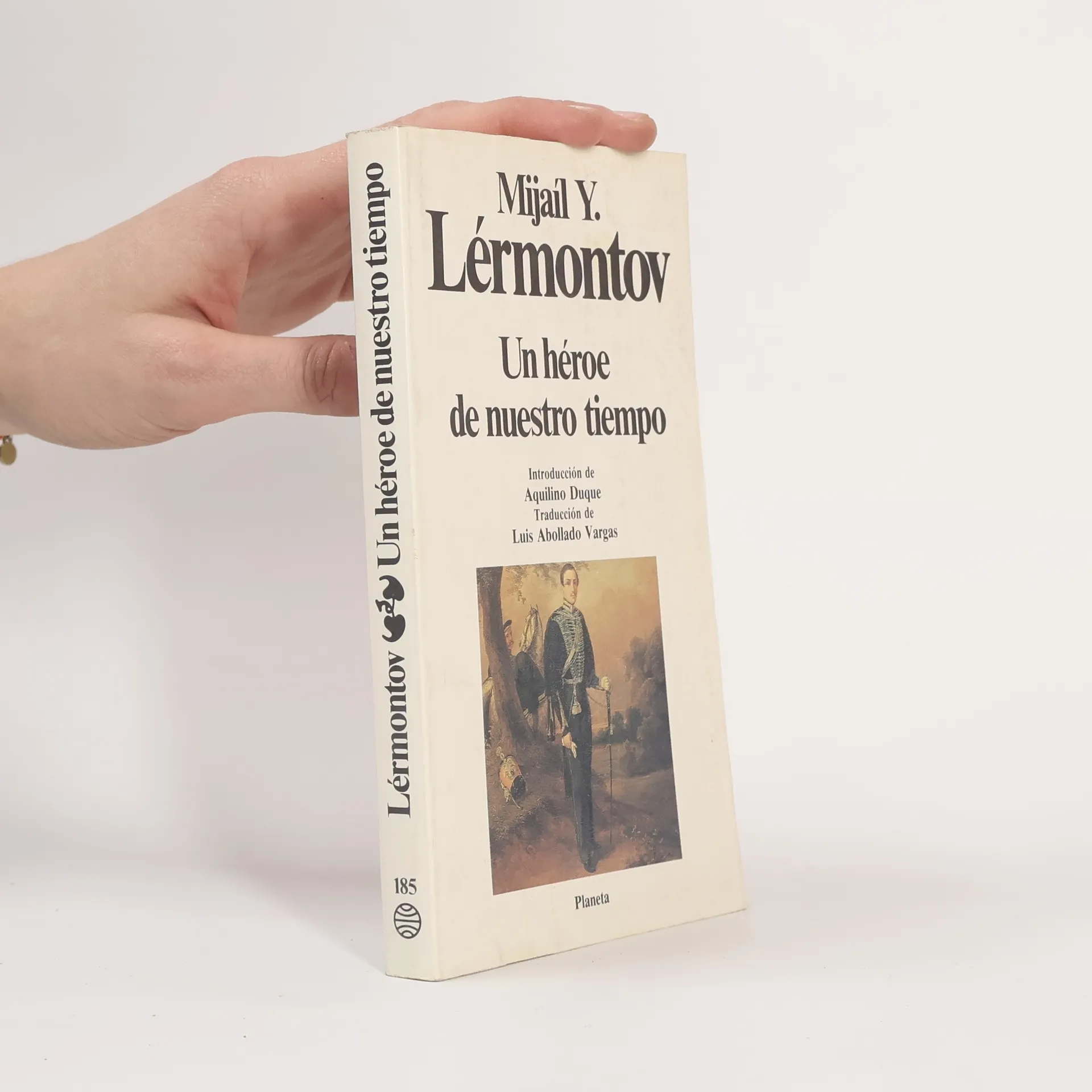
Un héroe de nuestro tiempo
- 183 páginas
- 7 horas de lectura
Un héroe de nuestro tiempo, título fundamental para entender el paso del Romanticismo al Realismo en la literatura rusa, se compone de cinco relatos conectados por una estructura narrativa espiral centrada en un único protagonista, Pechorin, un joven oficial ruso desilusionado de la vida y del género humano, que describe su propia alma como medio muerta y la felicidad como la capacidad de tener poder sobre los demás. Nabokov en su prólogo da una lección magistral de literatura rusa. En algún momento señala: «Las cinco historias van creciendo, girando, revelando y enmascarando sus contornos, alejándose y reapareciendo con una nueva perspectiva o luz como cinco cimas montañosas que acompañarán a un viajero por los meandros de un cañón del Cáucaso». Lérmontov, al igual que otros grandes autores rusos como Pushkin (El prisionero del Cáucaso) y Tolstói (Hadyi Murat, Los cosacos) rinde homenaje literario a las irreductibles gentes de las montañas que nunca se sometieron a la dominación rusa, que protagonizaron rebelión tras rebelión y que llegaron a compartir con sus más acérrimos enemigos, los cosacos que protegían las fronteras del imperio zarista, un cierto respeto compatible con el odio.
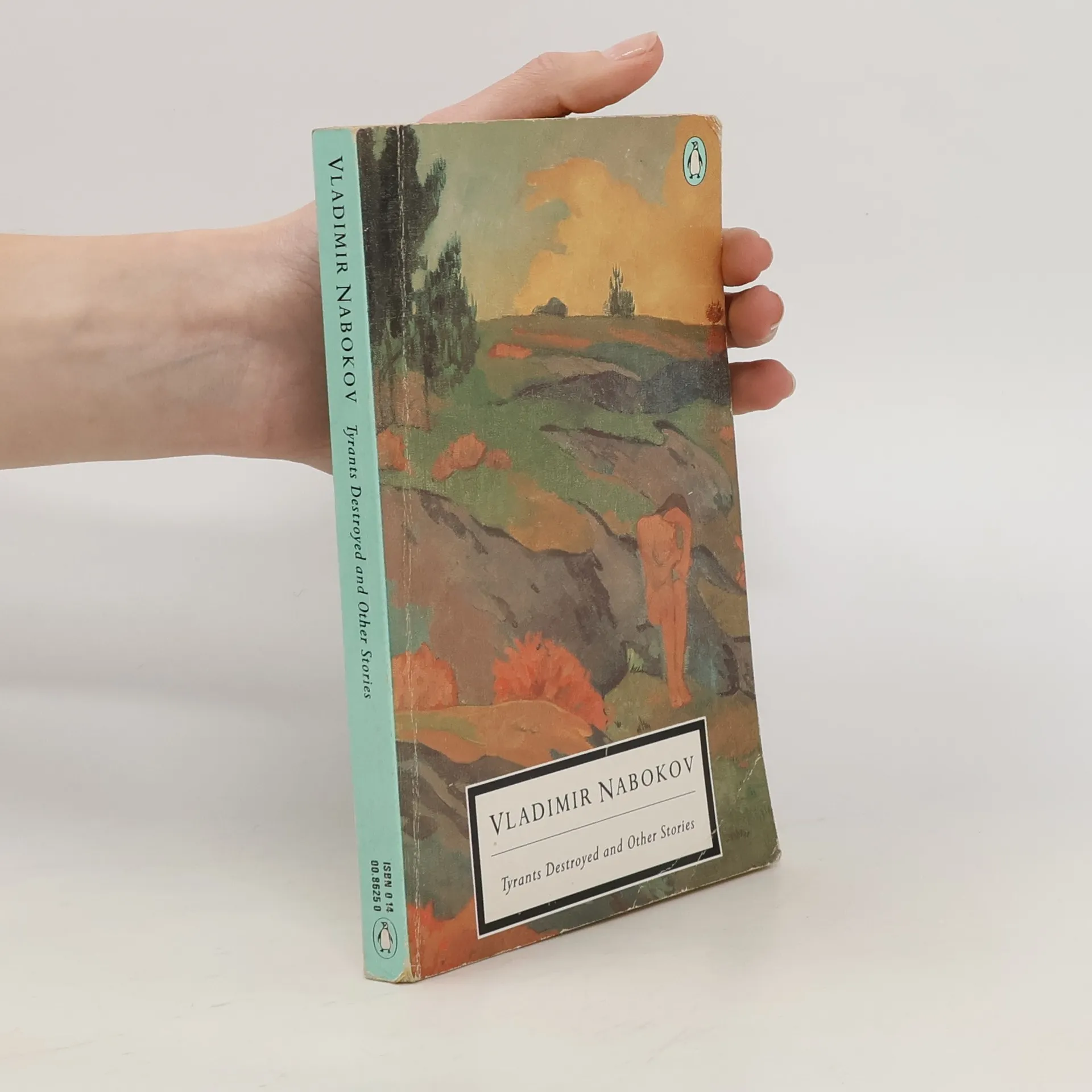
Tyrants Destroyed and Other Stories, is a collection of 13 short stories by Vladimir Nabokov written between 1924 and 1939. The first 12 stories were written while the author was living abroad in Berlin, Paris and Menton. (Originally from Saint Petersburg the Nabokov family emigrated in exil to Europe in 1919 following the Russian Revolutions of 1917). The thirteenth story alone was composed originally in English (written in Ithaca Up-state New York 1951). The other titles in the collection have been translated into English by Dmitri Nabokov in collaboration with the author. Contents: Foreword by Vladimir Nabokov, 31 December 1974. 1. Tyrants Destroyed 2. A Nursery Tale 3. Music 4. Lik 5. Recruiting 6. Terror 7. The Admiralty Spire 8. A Matter of Chance 9. In Memory of L. I. Shigaev 10. Bachmann 11. Perfection 12. Vasiliy Shishkov 13. The Vane SIsters.
Nabokov's first novel is now available in a trade paper edition. Here is the dark tale of a handsome officer who lives next door to his lover's husband in a dreary Berlin boarding house.
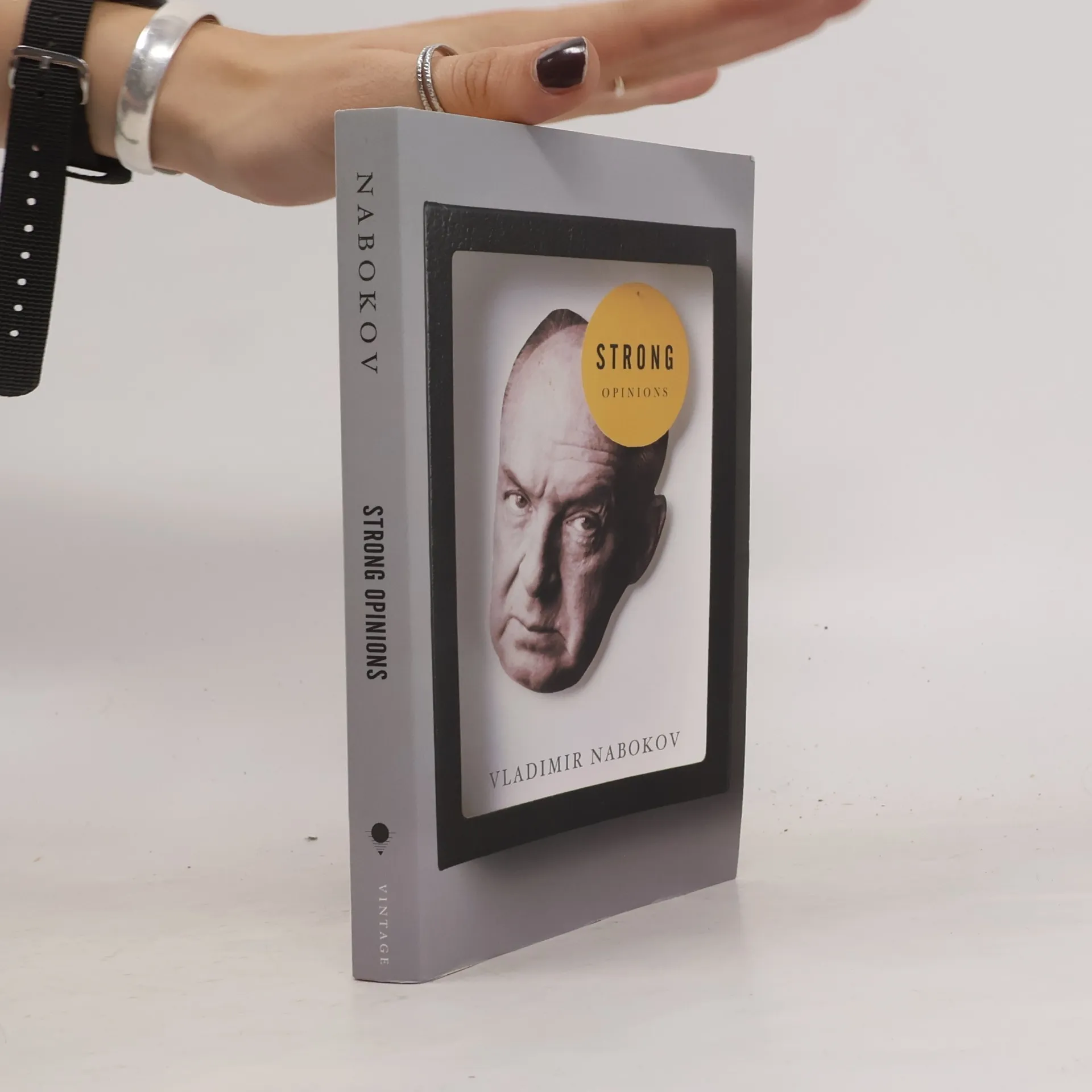
In this collection of interviews, articles, and editorials, Vladimir Nabokov ranges over his life, art, education, politics, literature, movies, and modern times, among other subjects. Strong Opinions offers his trenchant, witty, and always engaging views on everything from the Russian Revolution to the correct pronunciation of Lolita.
Speak Memory
- 272 páginas
- 10 horas de lectura
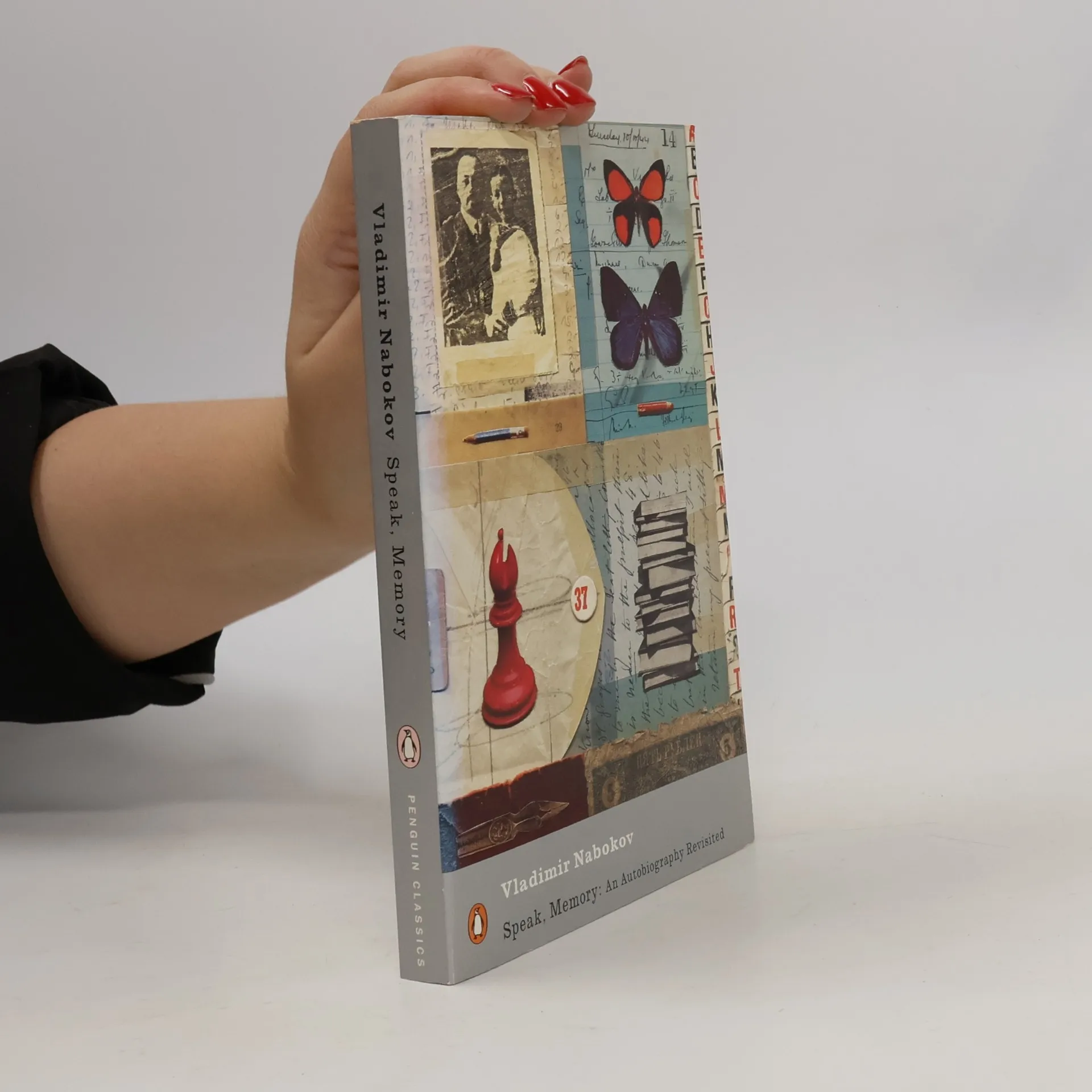
An autobiography of Vladimir Nabokov. It presents recollections - of his comfortable childhood and adolescence, of his rich, liberal-minded father, his beautiful mother, an army of relations and family hangers - on and of grand old houses in St Petersburg and the surrounding countryside in pre- Revolutionary Russia.
The Chronicles of Sin: Lust
Lascivious Love Stories and Passionate Poems
- 129 páginas
- 5 horas de lectura
All the yearning, the passion, and the wantonness of lust are explored in this broad-ranging anthology of sensual stories, poems, and fables on a perennially hot topic. From Italo Calvino's humorous observations in The Loves of the Tortoises and Simone de Beauvoir's bittersweet reflections in The Prime of Life to the dark desires of The Vampire Lestat and the taboo obsession of Lolita, Lust offers an uncensored collection by some of the world's most respected writers, both classic and contemporary. With an elegant, two-color design as alluring as its contents are captivating, Lust makes a thoroughly pleasurable gift for a lover, or a perfect literary bedside companion.
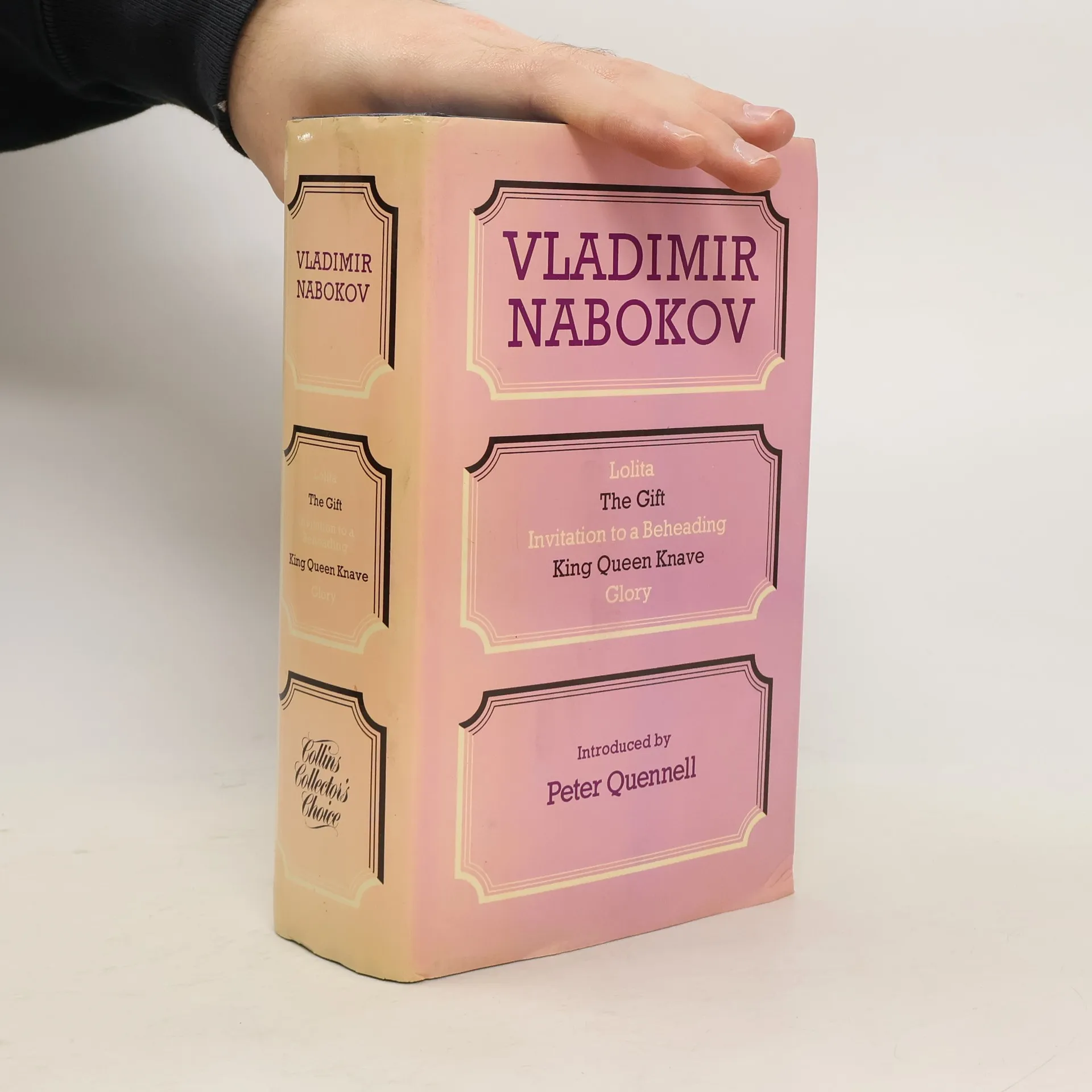
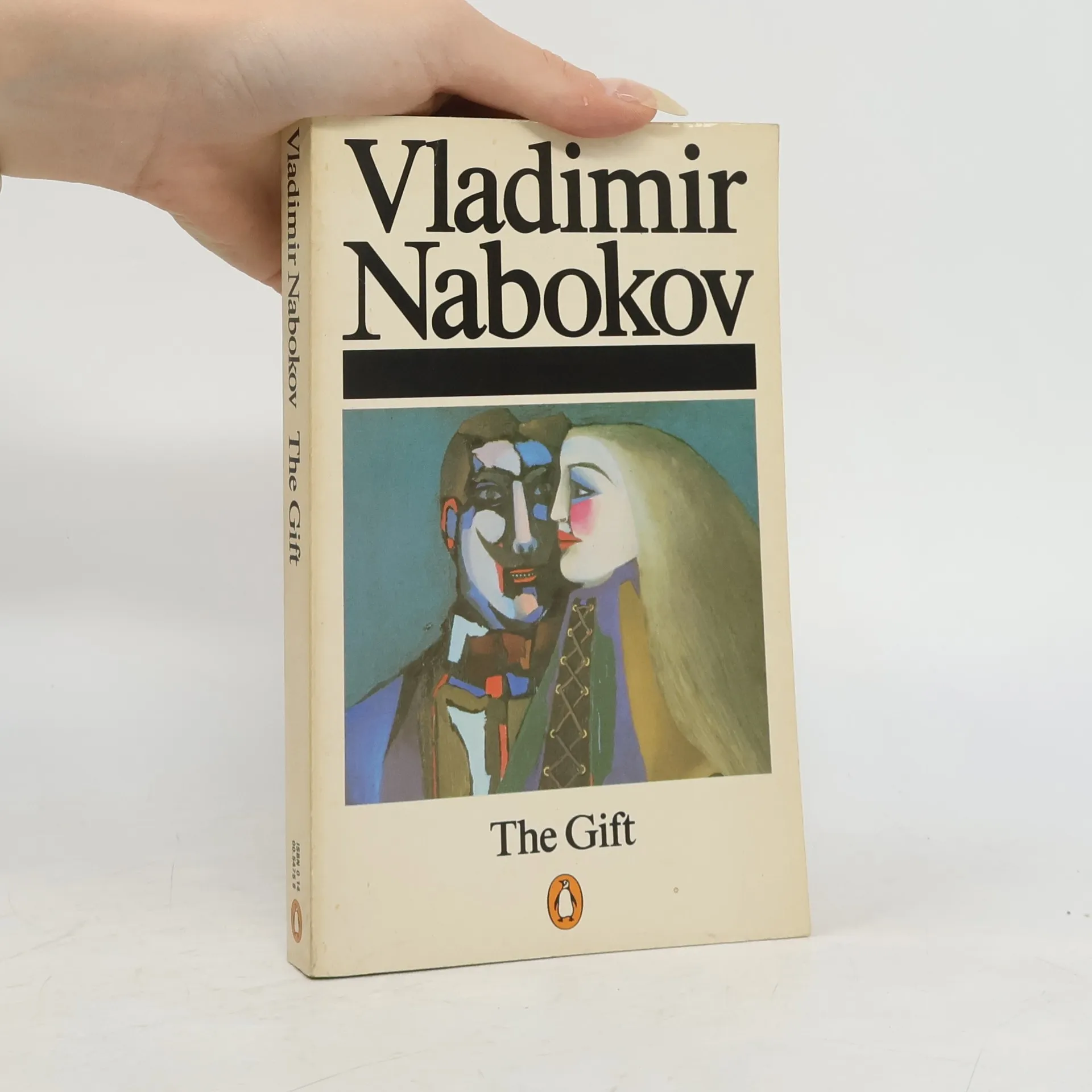
"The Gift" is Nabokov's final Russian novel, celebrating Russian literature and its greats like Pushkin and Gogol. It follows Fyodor Godunov-Cherdyntsev, a struggling émigré poet in Berlin, as he dreams of writing a book akin to "The Gift." This work represents a pinnacle in Nabokov's literary journey.
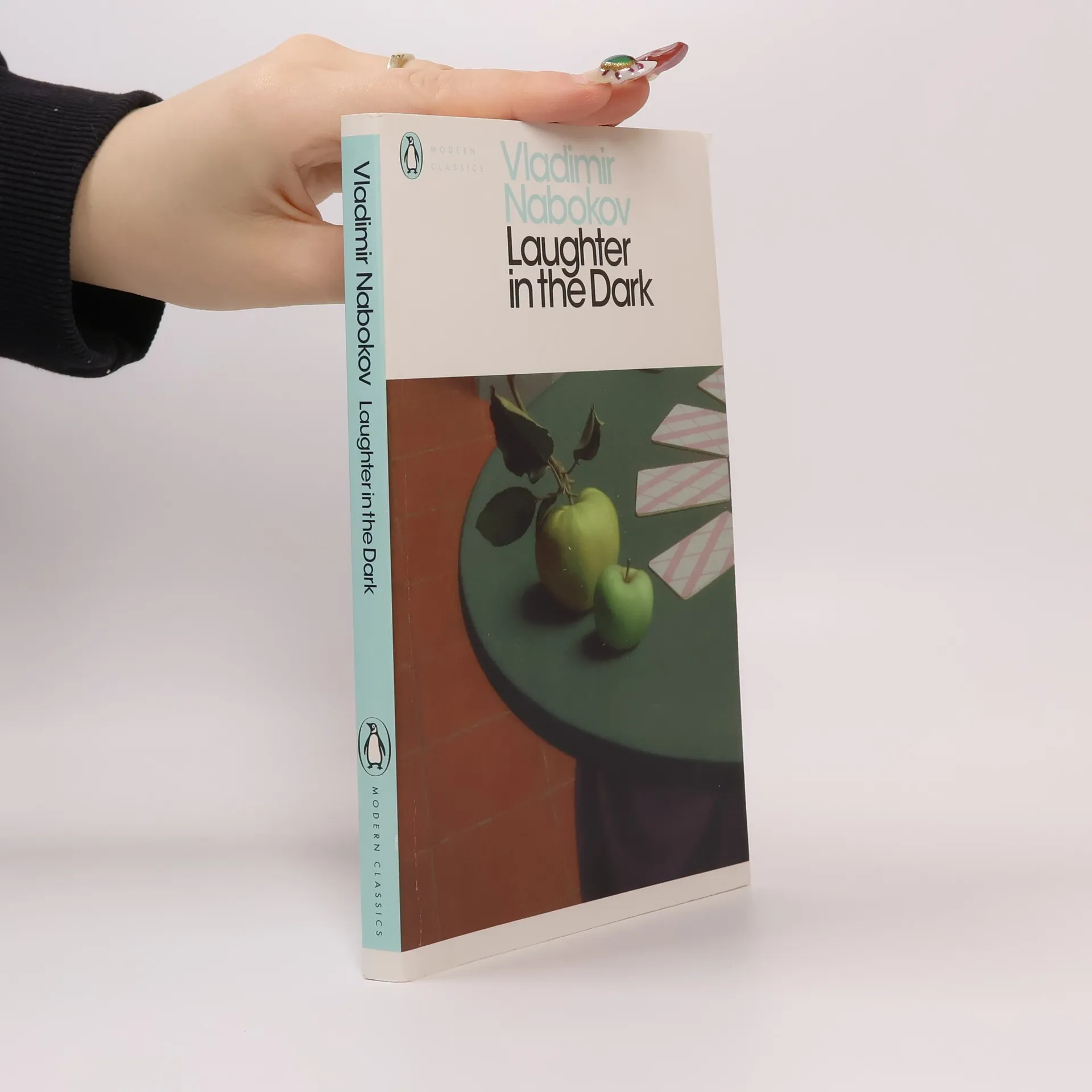
Laughter in the Dark
- 208 páginas
- 8 horas de lectura
Albinus - rich, married middle-aged and respectable - is an art critic and aspiring filmmaker who lusts after the coquettish young cinema usherette Margot. Gradually he seduces her and convinces himself he is irresistible to her, but Margot has other plans. She wants to be a film star, and when Albinus introduces her to the American movie producer Axel Rex, she sees her chance - and plotting, duplicity and tragedy ensue.
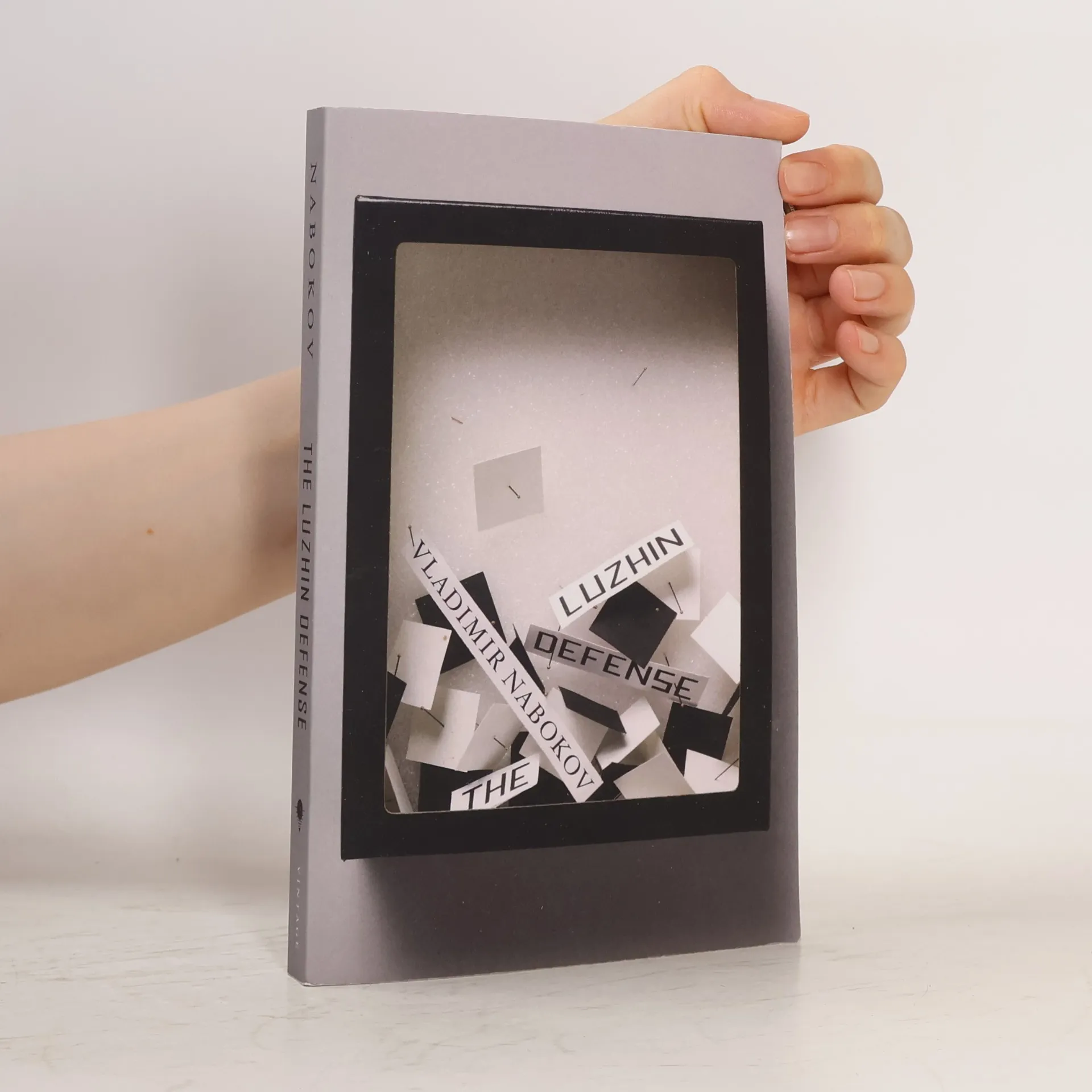
The Defense
- 192 páginas
- 7 horas de lectura
The narrative centers on Luzhin, a chess prodigy whose extraordinary talent transforms his perception of reality. As he ascends to become an International Grandmaster, his intense love for chess isolates him from the world around him. The story culminates in a dramatic confrontation with the Italian Grandmaster Turati, showcasing Luzhin's strategic brilliance. Rich in metaphor and imagery, this early work by Nabokov captures the emotional depth and complexity of its protagonist, reflecting the warmth that the author cherished in this novel.
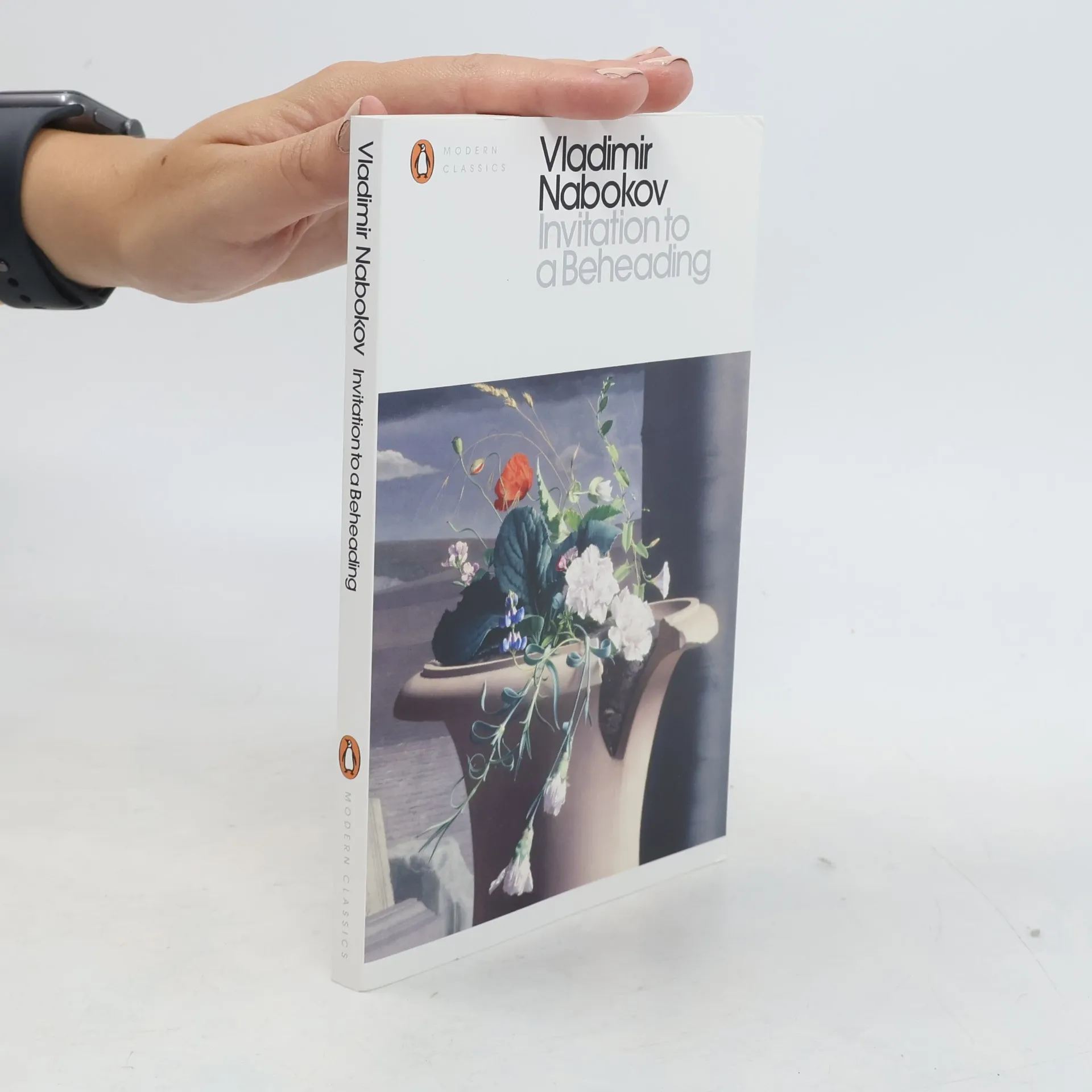
Penguin Modern Classics: Invitation to Beheading
- 192 páginas
- 7 horas de lectura
Takes us into the prison-world of Cincinnatus, a man condemned to death and spending his last days in prison not quite knowing when the end will come. schovat popis
Nabokov's The Luzhin Defense tells the haunting tale of Luzhin, a socially awkward boy who finds solace in chess. As he rises to grandmaster status, his obsession with the game consumes him, leading to a mental breakdown during a critical championship match when reality collides with his intricate strategies.
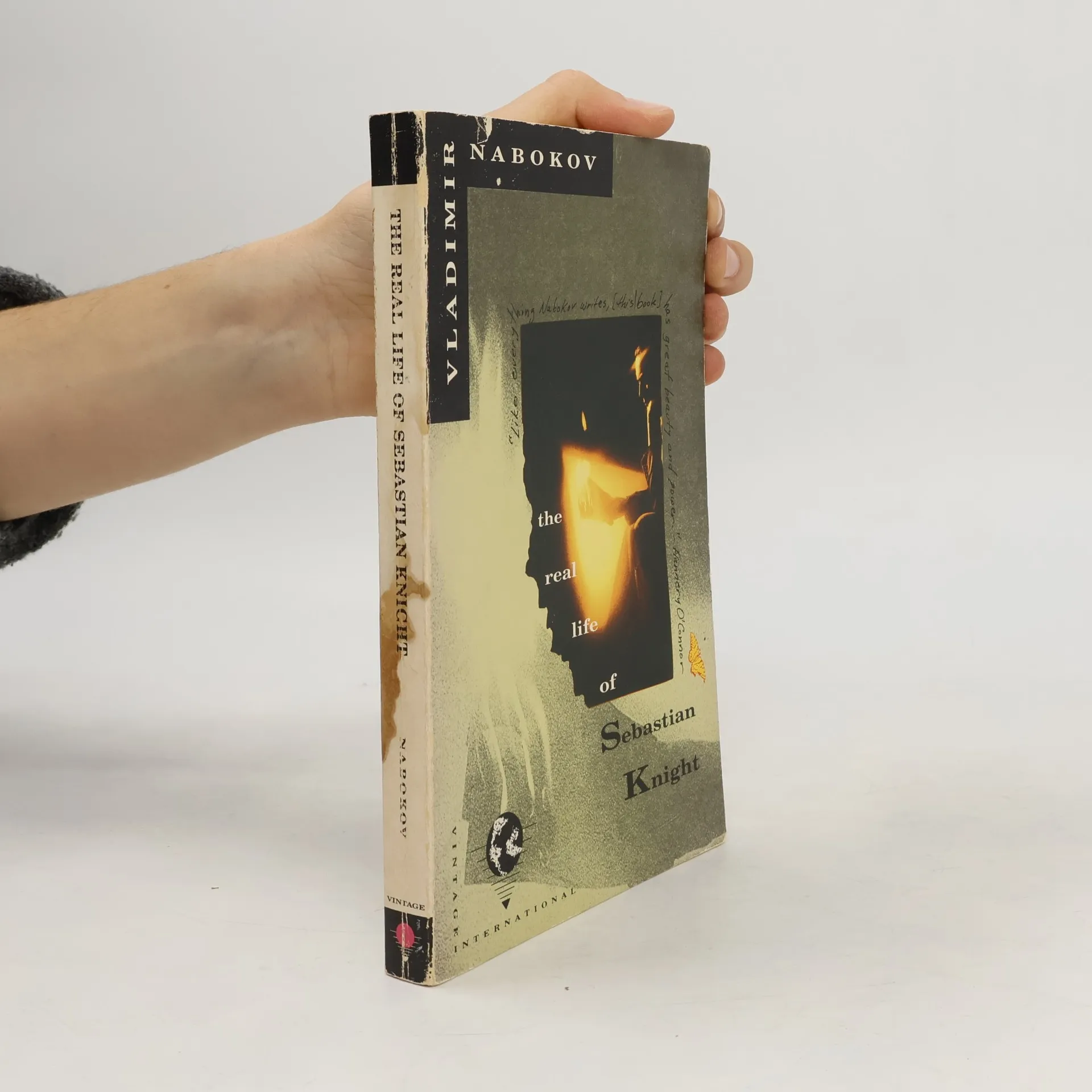
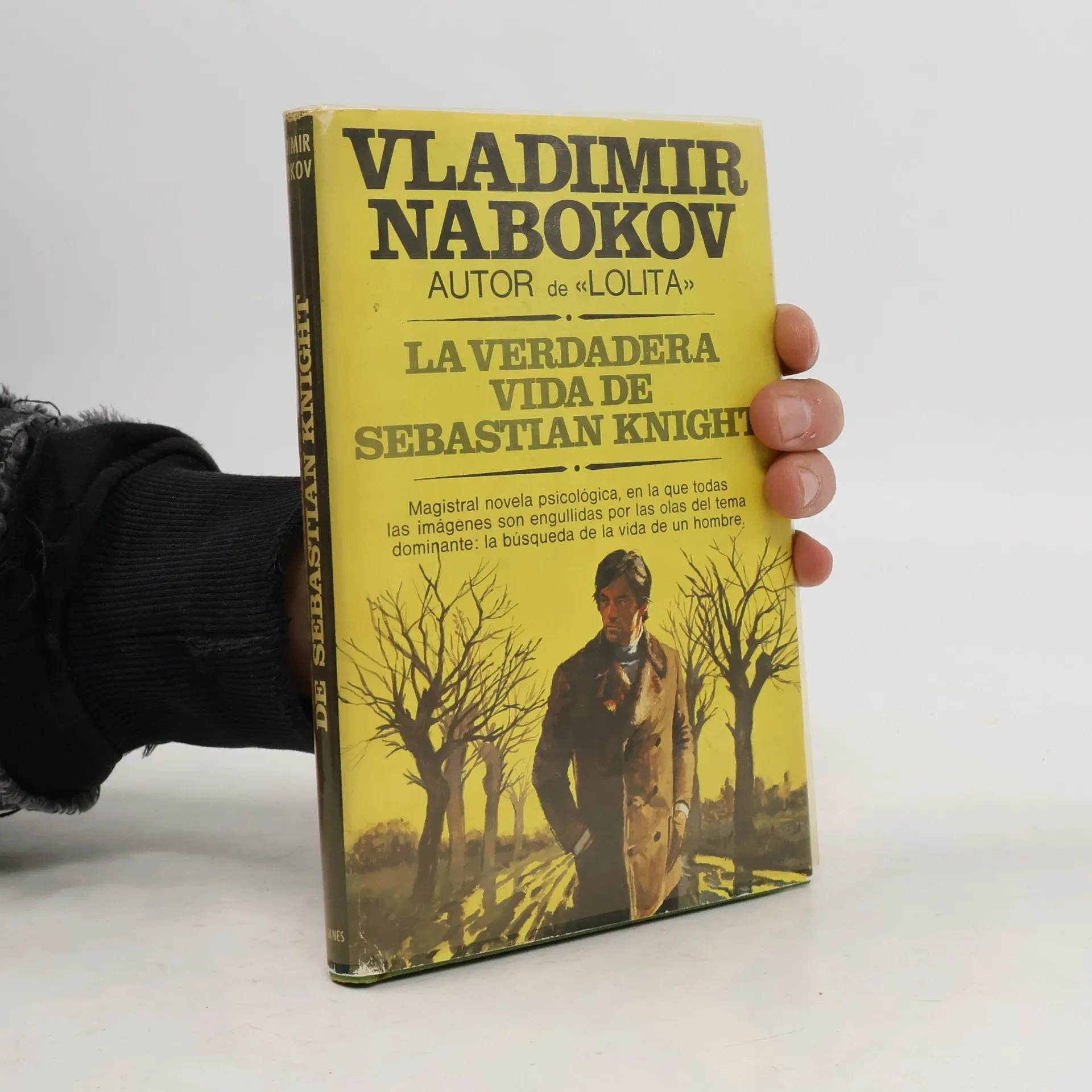
Following the death of a famous novelist, his half brother sets out to uncover the truth behind the two great loves of the man's life -- and uncovers more than the enigmatic legacy of the writer
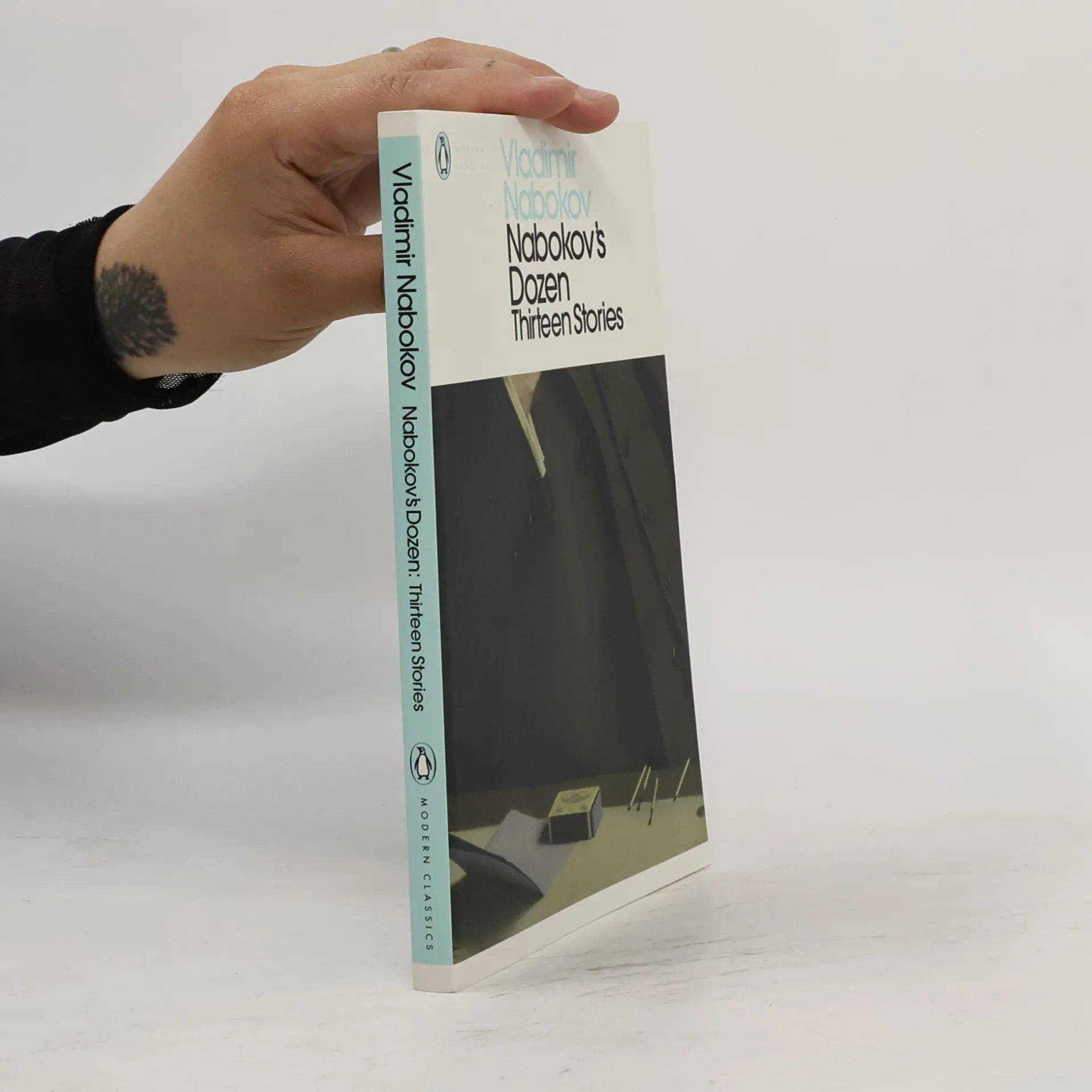
Nabokov's Dozen
- 176 páginas
- 7 horas de lectura
In some of these stories shadowy people pass through, cooped up by life, mangled by it, with nowhere to escape to. Their dreams lie stifled, smothered by routine and repetition, and frustrations lurk in all the corners. In others, elusive glimpses of fleeting happiness, which flutter away before they can be snatched, waylay their victims. Like the shimmer of the sea, the gleam of a glass caught by the sun, they sparkle brilliantly only to dissolve again. Two of the stories, 'First Love' and 'Mademoiselle O', are autobiographical, and 'The Assistant Producer' is based on real events, but the rest are pure flights of fantasy - or the stuff that life is weaved of?
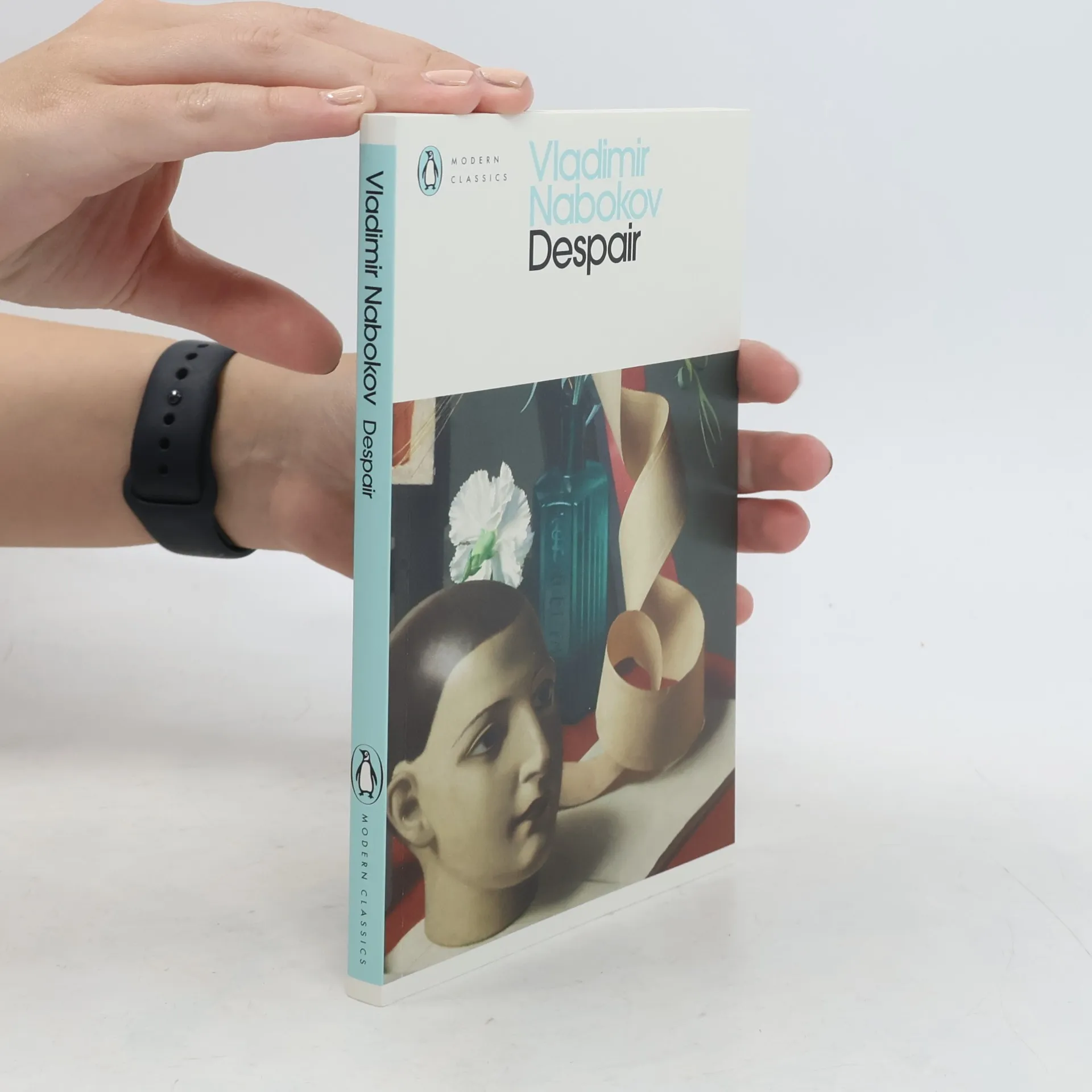
Despair
- 176 páginas
- 7 horas de lectura
Self-satisfied, delighting in the many fascinating quirks of his own personality, Hermann Hermann is perhaps not to be taken too seriously. But then a chance meeting with a man he believes to be his double reveals a frightening 'split' in Hermann's nature. With shattering immediacy, Nabokov takes us into a deranged world, one full of an impudent, startling humour, dominated by the egotistical and scornful figure of a murderer who thinks himself an artist.
Cloud, Castle, Lake
- 64 páginas
- 3 horas de lectura
In May 2005 Penguin will publish 70 unique titles to celebrate the company's 70th birthday. The titles in the Pocket Penguins series are emblematic of the renowned breadth of quality of the Penguin list and will hark back to Penguin founder Allen Lane's vision of good books for all'. shocked a generation when Putnam, now a part of the Penguin group, published Lolita the account of one man's longing for a very young girl in 1955. Stylish, intricate and sensuous, these wickedly inventive stories are a rich combination of humour and horror: exploring questions of literature, love, madness and memory.
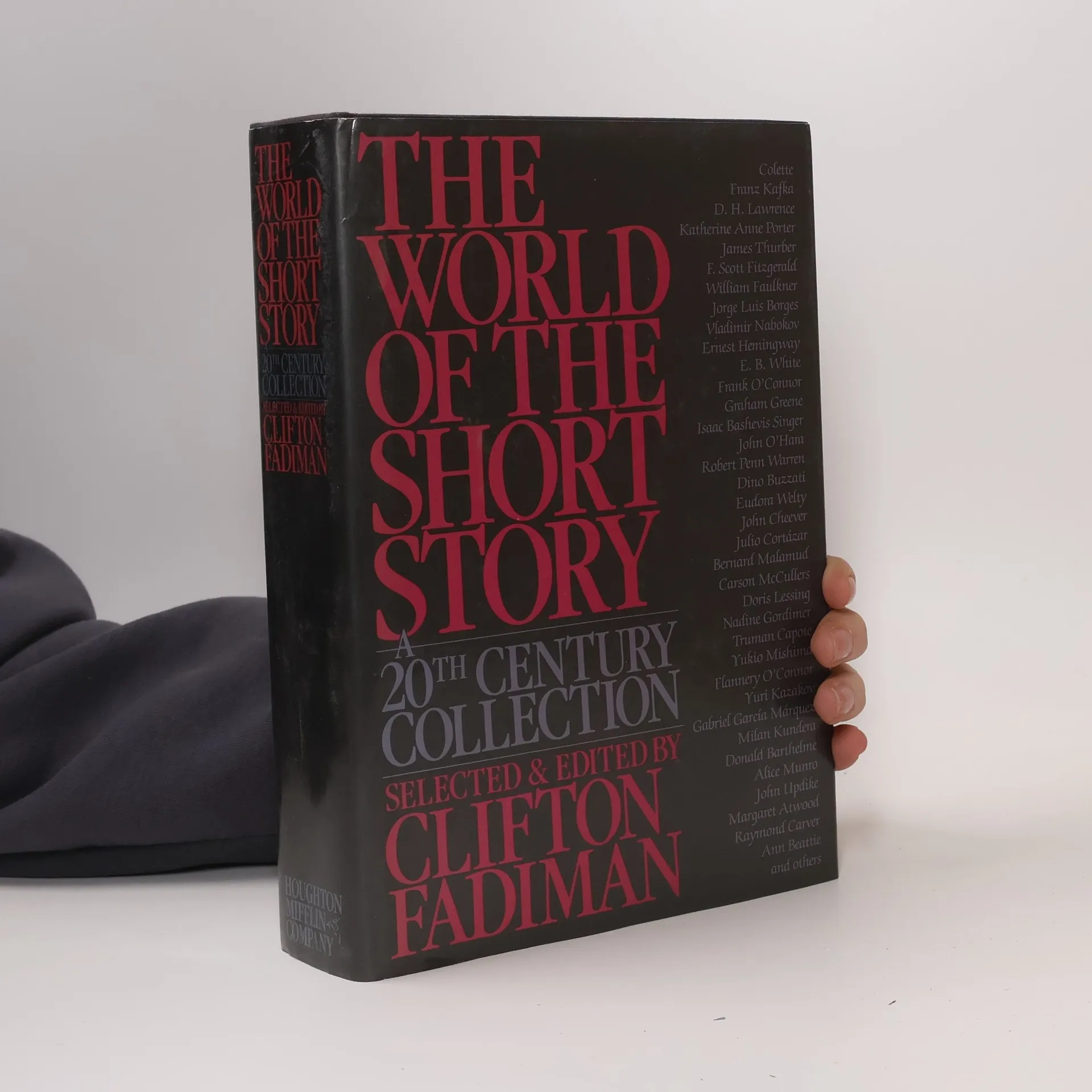
At age 82, Clifton Fadiman continues his prolific publishing career, here presenting 62 of the world's best short stories from 16 countries. His criteria? "Each story had to be both interesting and of high literary merit." Fadiman fulfills both requirements and much more, offering a cornucopia of superior 20th-century writers that includes Franz Kafka, D. H. Lawrence, Isaac Babel, F. Scott Fitzgerald, William Faulkner, Ernest Hemingway, John Cheever, Sean O'Faolain, Graham Greene, Robert Penn Warren, Colette, John Updike, Donald Barthelme, and James Thurber. (Regrettably, J. D. Salinger is not included due to lack of permission.) Here is a truly remarkable collection of this century's short stories that readers from all over the world will read with delight.
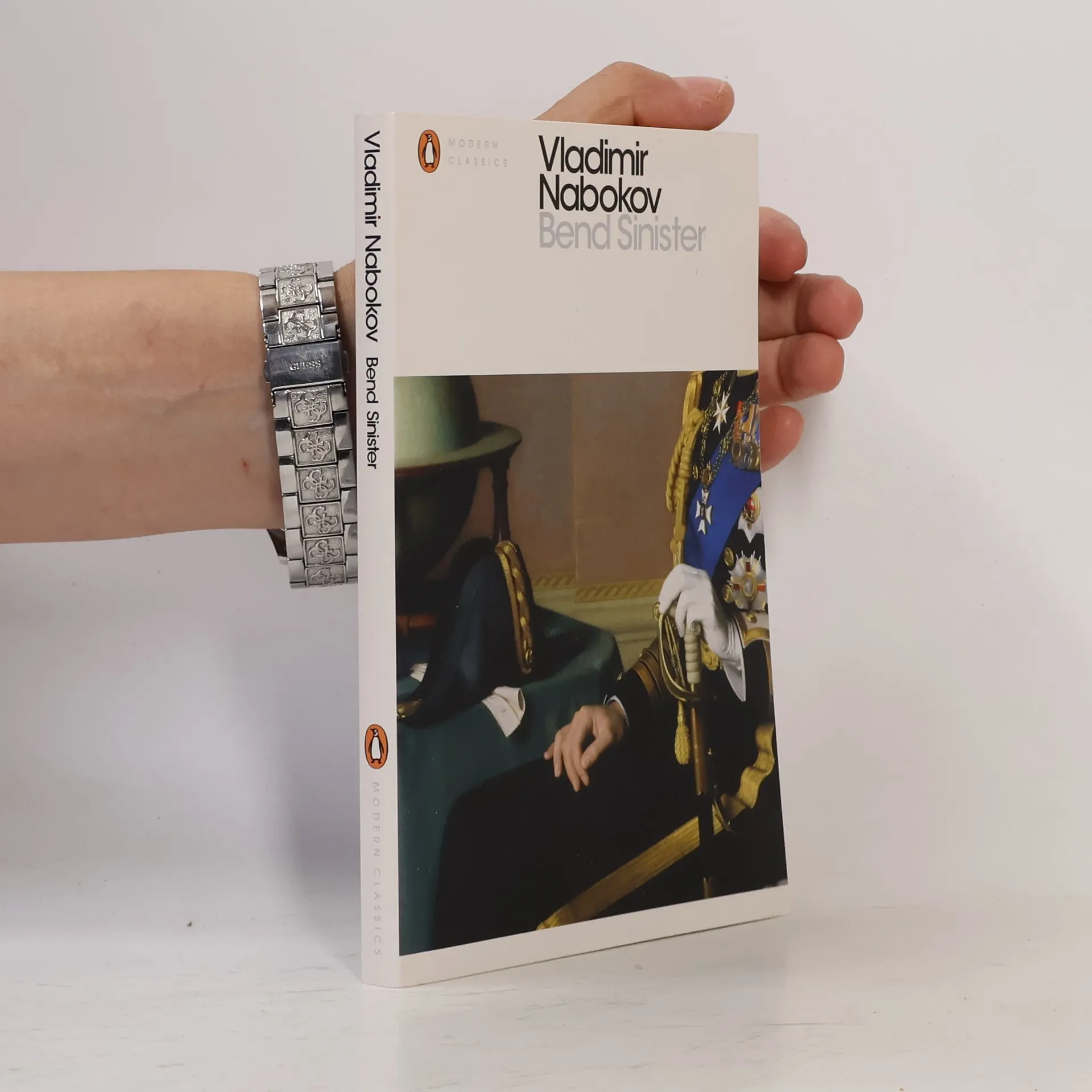
Penguin Modern Classics: Bend Sinister
- 208 páginas
- 8 horas de lectura
The state has been recently taken over and is being run by the tyrannical and philistine ‘Average Man’ party. Under the slogans of equality and happiness for all, it has done away with individualism and freedom of thought. Only John Krug, a brilliant philosopher, stands up to the regime. His antagonist, the leader of the new party, is his old school enemy, Paduk – known as the ‘Toad’. Grieving over his wife’s recent death, Krug is at first dismissive of Paduk’s activities and sees no threat in them. But the sinister machine which Paduk has set in motion may prove stronger than the individual, stronger even than the grotesque ‘Toad’ himself. The first novel Nabokov wrote while living in America and the most overtly political novel he ever wrote, Bend Sinister is a modern classic. While it is filled with veiled puns and characteristically delightful wordplay, it is, first and foremost, a haunting and compelling narrative about a civilized man caught in the tyranny of a police state. Professor Adam Krug, the country's foremost philosopher, offers the only hope of resistance to Paduk, dictator and leader of the Party of the Average Man. In a folly of bureaucratic bungling and ineptitude, the government attempts to co-opt Krug's support in order to validate the new regime.
'He did us all an honour by electing to use, and transform, our language' Anthony Burgess 'Look at the harlequins . . . Play! Invent the world! Invent reality'. This is the childhood advice given by an aunt to Russian born writer Vadim Vadimovich, who emigrates to England, then Paris, then Germany and then the US, and, now dying, reconstructs his past. He remembers Iris his first wife, Annette his long-necked typist and Bel his daughter, as well as his own bizarre 'numerical nimbus syndrome'. The final novel published before Nabokov's death, Look at the Harlequins! playfully blends sly self-parody, recollection, riddles and jokes, in an exuberant unravelling of the mysteries of memory and the act of creation.
Features a collection of Nabokov's poems span the decades of his career, from 'Music', written in 1914, to the short, playful 'To Vera', composed in 1974. this title also includes verse written on America, lepidoptery, sport, and love.
Smurov, a fussily self-conscious Russian tutor, shoots himself after a humiliating beating by his mistress' husband. Unsure whether his suicide has been successful or not, Smurov drifts around Berlin, observing his acquaintances, but finds he can discover very little about his own life from the opinions of his distracted, confused fellow-emigres.
The enchanter
- 128 páginas
- 5 horas de lectura
Beginning the theme that continued with LOLITA, a man attempts to justify his erotic obsession with a young girl by marrying her ailing mother, whose death soon leaves him as the sole guardian of the pre-pubescent child.
This Penguin 60, from the Biography collection, is an excerpt taken from his autobiographical work Speak, Memory.
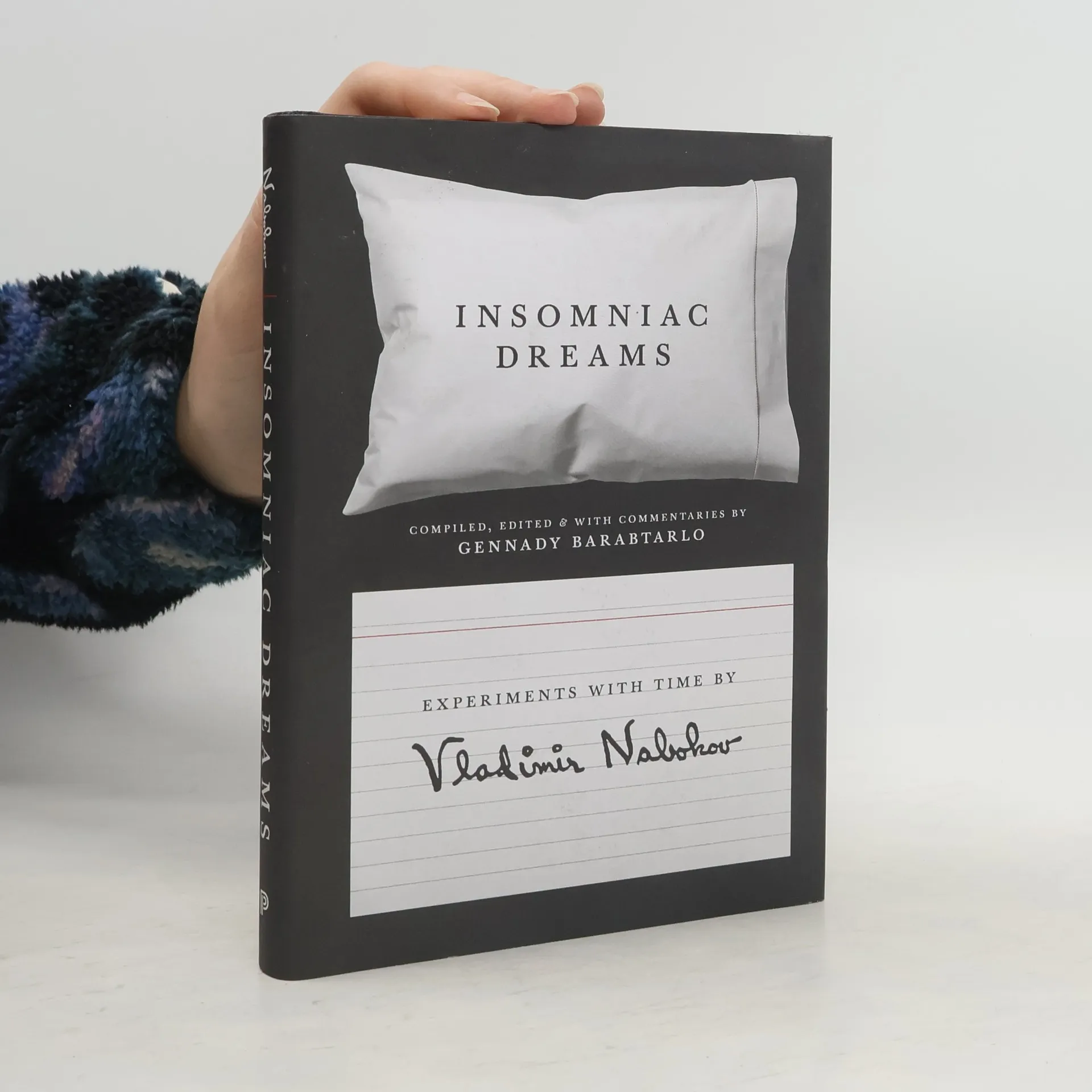
Insomniac Dreams
- 224 páginas
- 8 horas de lectura
Nabokov's amazing records of his dreams are priceless, and their publication will create a much-deserved critical buzz. They show Nabokov at his most vulnerable, raw, and genuine, giving us rare glimpses into his past, his feelings about his parents, his relationship with his wife and son, and his anxieties and hopes. This is a very important book.--Galya Diment, University of Washington
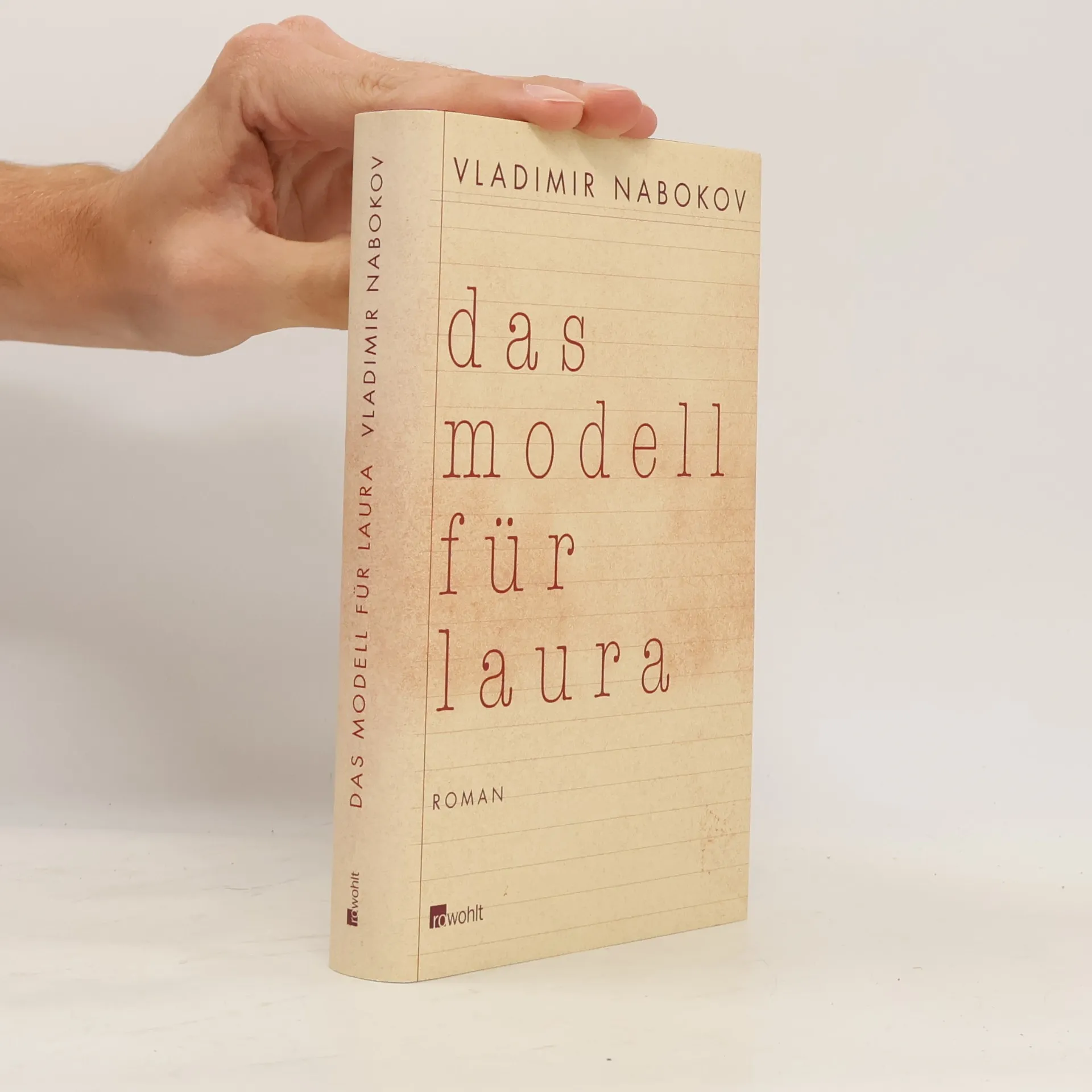
Das Modell für Laura
(Sterben macht Spaß) - Romanfragment auf 138 Karteikarten
Vladimir Nabokov wird am 22. April 1899 in St. Petersburg geboren. Nach der Oktoberrevolution flieht die Familie 1919 nach Westeuropa. 1919 –1922 in Cambridge Studium der russischen und französischen Literatur. 1922 – 1937 in Berlin, erste Veröffentlichungen unter dem Pseudonym W. Sirin. 1937–1940 nach der Flucht aus Nazideutschland in Südfrankreich und Paris, seit 1940 in den USA. 1961–1977 wohnte Nabokov im Palace Hotel in Montreux. Er starb am 2. Juli 1977.
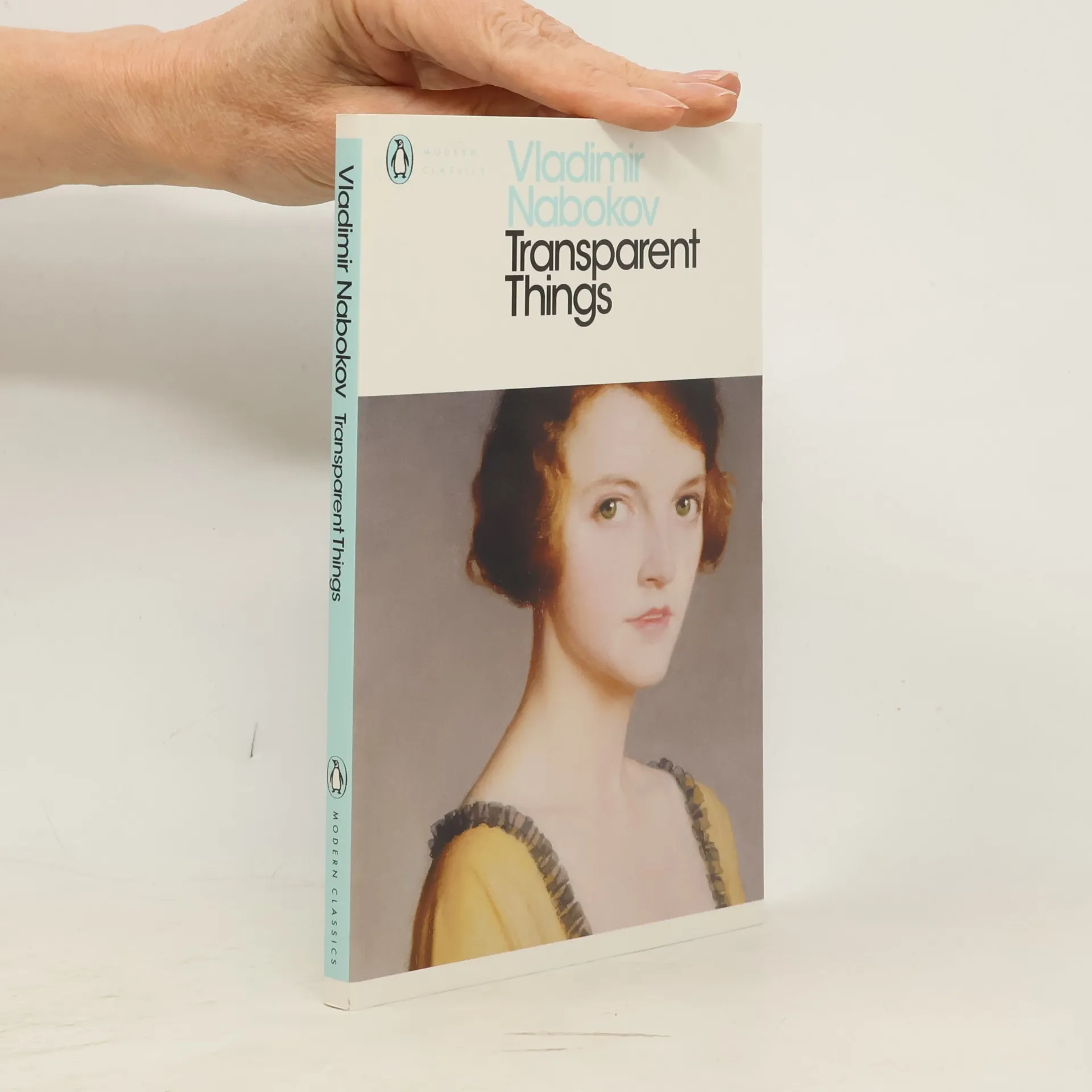
Penguin Modern Classics: Transparent Things
- 112 páginas
- 4 horas de lectura
Traces the bleak life of Hugh Person through murder, madness, prison and trips to Switzerland. This novel sinks into the transparent things of the world that surround this one Person, to the silent histories they carry.
This is a collection of prose and poetry by the world-renowned writer Vladimir Nabokov (1899-1977). It includes works as they were written by the author.
Lire en V. O. Anglais - 3: They Chose English
Nouvelles annotées
Penguin Archive: Revenge
- 160 páginas
- 6 horas de lectura
'And this is fantasy, the flutter, the rapture of fantasy!' A bashful dragon, a lost wood-sprite, the prophet Elijah and the Devil disguised as a middle-aged woman appear in these playful, exuberant stories by Vladimir Nabokov. So do a vengeful husband, a barber confronting his torturer and the author himself, as he recalls his first love. Each of the thirteen tales here enchants and enraptures us, only to gleefully confound our expectations.
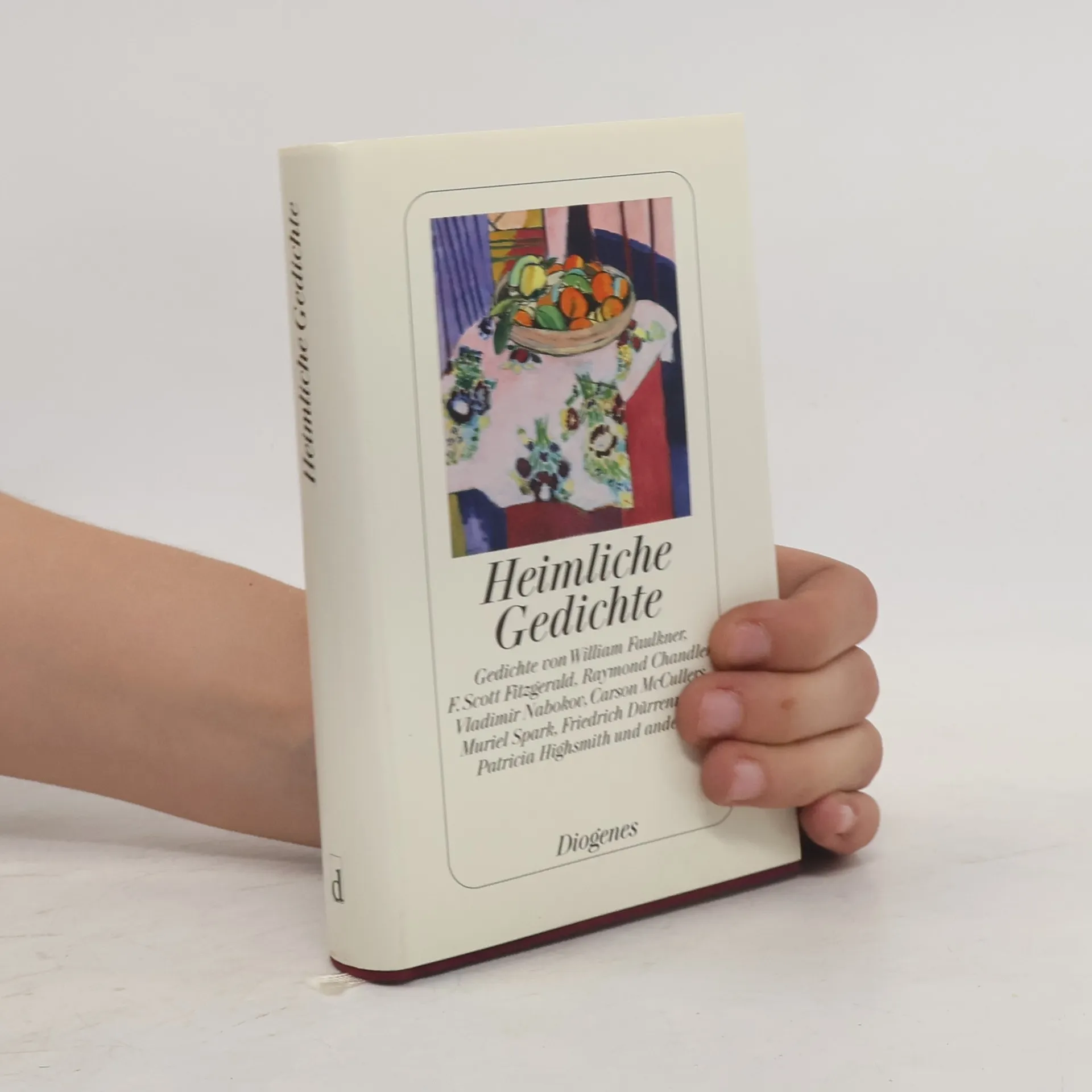
Die Anthologie 'Heimliche Gedichte' präsentiert Gedichte von Romanciers, die oft unbeachtet blieben. Viele dieser Werke erscheinen erstmals auf Deutsch oder in Buchform, was einen neuen Blick auf die literarischen Schätze ermöglicht.
Die Kunst des Lesens
Meisterwerke der europäischen Literatur. Jane Austen, Charles Dickens, Gustave Flaubert, Robert Louis Stevenson, Marcel Proust, Franz Kafka, James Joyce
"Wer liest, sollte liebevoll auf Einzelheiten achten. Gegen den Mondschein der Verallgemeinerung ist nichts einzuwenden, vorausgesetzt, er zeigt sich, nachdem die sonnigen Kleinigkeiten des Buches liebevoll zusammengetragen wurden." - In seinen legendären Vorträgen zur Weltliteratur geht es Vladimir Nabokov immer wieder um das sprechende Detail und die Liebe zum Text, der sich unseren Verallgemeinerungen auf wunderbare Weise entzieht und gerade dadurch neue Horizonte öffnet.Mit Texten über Fjodor Dostojewskij, Jane Austen, Gustave Flaubert und andere.
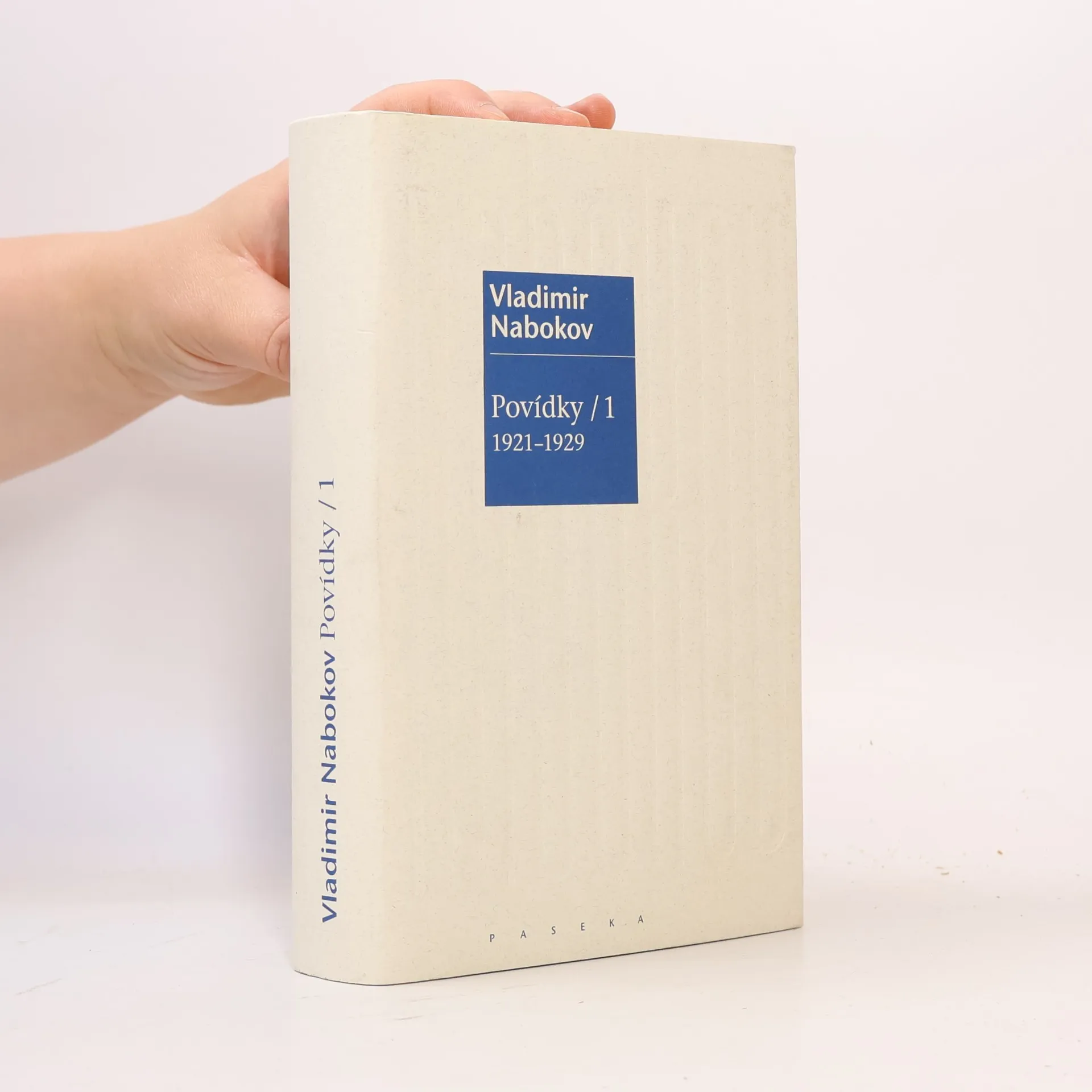
Dvaadvacet próz, jež tvoří druhý ze tří svazků souborného vydání Nabokovovy povídkové tvorby, přesvědčivě dokládá rychlý rozvoj autorova prozaického nadání i schopnost vracet se v nových a nápaditých variacích ke klíčovým tématům a motivům. Vstup do druhého desetiletí berlínského pobytu přináší v Nabokovově díle nové obrazy života v emigraci a reminiscence dětství v předrevolučním Rusku, spolu s nimi však i rostoucí pozornost vůči zostřující se atmosféře nacistického Německa. Přes mimořádnou vnímavost k podrobnostem a proměnám okolního světa ale Nabokov zůstává i v prózách ze třicátých let především tvůrcem bytostně zaujatým obecnými tématy lidské existence a formálním a estetickým potenciálem literárního textu. Čtrnáct z textů svazku vychází česky vůbec poprvé, překlady ostatních byly pro nové vydání revidovány nebo nahrazeny dosud nepublikovanými.
Povídky. 1. : 1921-1929
- 340 páginas
- 12 horas de lectura
První ze tří svazků shrnujících česky poprvé Nabokovovo povídkové dílo přináší v chronologickém pořadí devětadvacet próz, které autor napsal během svého pobytu v berlínském exilu v letech 1921–29. Již v nich lze rozeznat výjimečné vypravěčské umění, bohatou obraznost a metaforičnost, smysl pro humor i přesné a zároveň neotřelé vidění okolního světa, jež se později staly charakteristickými znaky Nabokovova stylu. Čtrnáct z povídek obsažených ve svazku vychází v českém překladu poprvé.
A versregény főhőse a kor nemesi intelligenciájának alaptípusa, elégedetlenséget érző, de döntésre és ellenállásra képtelen ifjú, a „felesleges ember”, aki kora társadalmától és a néptől egyaránt távol áll, s a kibontakozás útját nem találva egykedvű, életunt. Anyegin figuráján keresztül nemcsak Puskin két száműzetésének, majd a fővárosba való visszatérésének élményei épülnek a műbe, hanem a szerelem, párbaj, bál és színház motívumok hangsúlyos szerepével voltaképpen saját életformáját örökíti meg a kiábrándult dekadencia atmoszférájában. A mű – polifonikus kompozíciója révén – egyúttal hű és tárgyilagos képet rajzol a kor Oroszországának életéről, nemcsak a főváros, hanem a falvak és az udvarházak hangulatát is híven tükrözi. S bár közvetlen politikai vonatkozásai nincsenek, a sorok mögé bújva érezhető feszültséget teremt a forradalom szükségességének vágya.
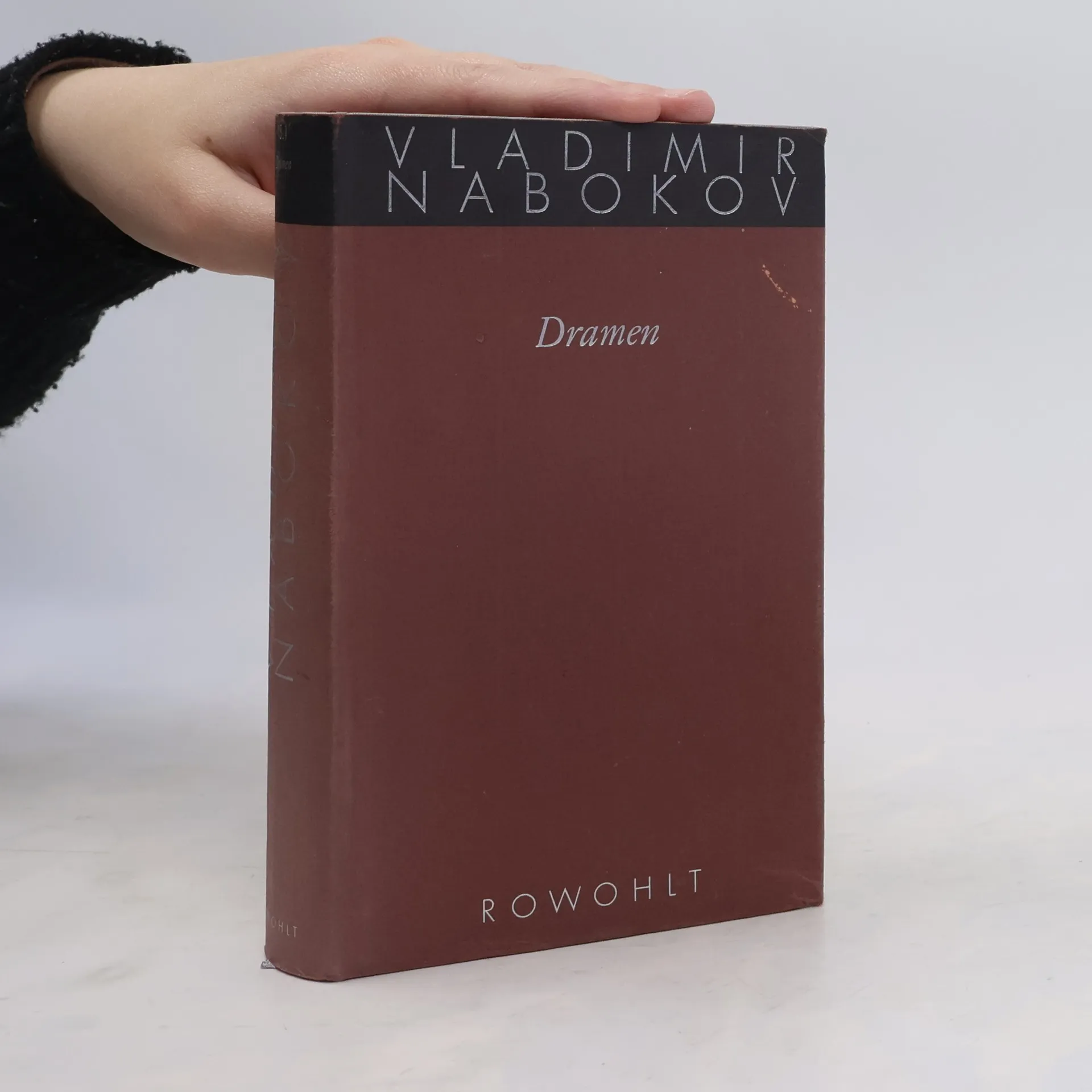
Dramen
- 579 páginas
- 21 horas de lectura
Band 15.1 der Gesammelten Werke zeigt Vladimir Nabokov von einer unbekannten Seite: als Dramatiker schovat popis
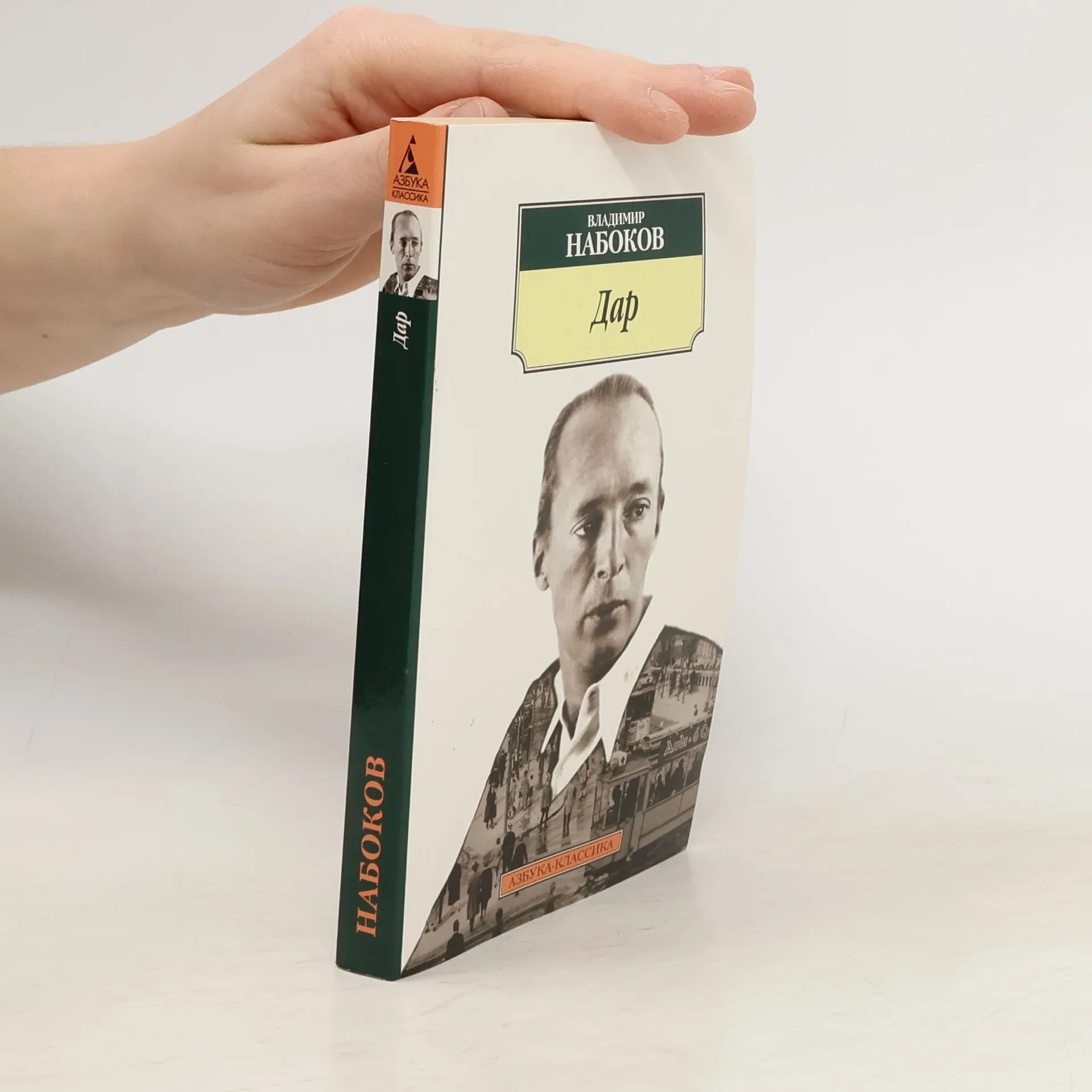
Азбука-Классика: Дар
- 4212 páginas
- 148 horas de lectura
Роман полон светлого оптимизма, потому что всемирные гуманитарные ценности, независимые от идеологии общества - добротерпение, порядочность, сострадание к людям - остаются с героями, несмотря ни на какие обстоятельства
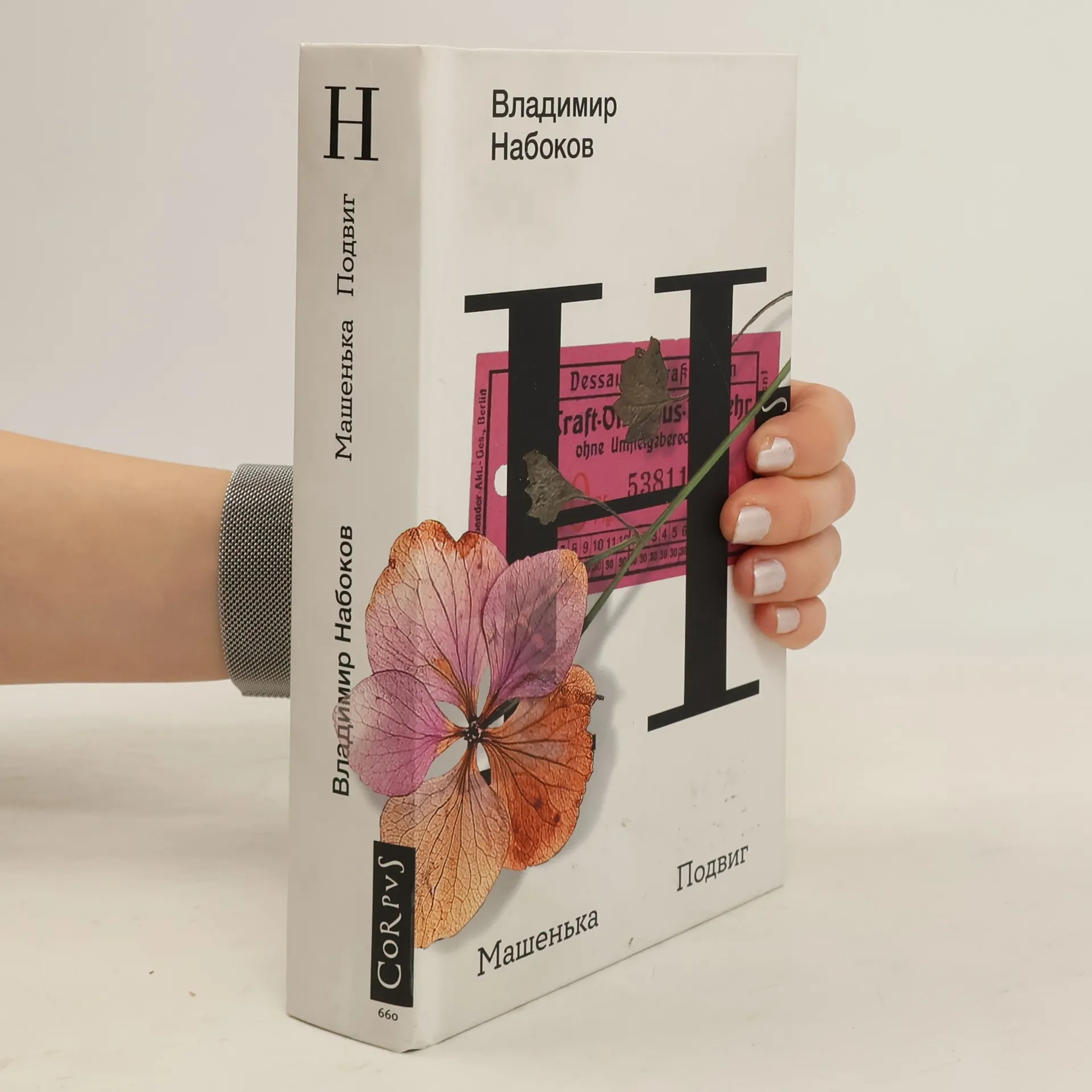
Машенька / Подвиг
- 416 páginas
- 15 horas de lectura
В книгу включены два романа классика литературы русского зарубежья Владимира Набокова, написанные в русскоязычный, «сиринский» период его творчества. «Машенька» (1925–1926, опубл. 1926) – первый и наиболее автобиографичный роман писателя, книга о «странностях воспоминанья», о прихотливом переплетении узоров русского прошлого и берлинского настоящего в жизни эмигранта Льва Ганина, воскрешающего в памяти историю своей первой любви. «Подвиг» (1930, опубл. 1931–1932) повествует о судьбе Мартына Эдельвейса – молодого русского эмигранта со швейцарскими корнями, чей жизненный путь пролегает едва ли не через всю Европу, отчасти совпадая с эмигрантскими маршрутами автора и заставляя вспомнить старинное значение слова "подвиг" – путешествие, странствие, движение. Мартын упорно ищет себя – в творчестве, в труде, в любви, в спорте, в разнообразных проверках собственной смелости, – а в финале романа вступает на стезю истинного подвига: отвергая возможность легального возвращения в Россию, он тайно, с риском для жизни, переходит русскую границу и исчезает в таинственном сумраке лесной тропы…
Возвращение Чорба
- 192 páginas
- 7 horas de lectura
Рассказы Набокова прославлены в принципе значительно меньше, чем его романы. Однако `малые` произведения этого писателя занимают в его творчестве совершенно особое, самостоятельное место, и каждый из них, по справедливому замечанию критиков, стилистически`выполняет собственные и несколько иные задачи` (иные – конечно же, по отношению к `крупным` набоковским произведениям). Итак, `реалистическое письмо` - или `лабораторное творчество`? А может быть, просто новое `возвращение в утраченное время`? Каждый читатель решит это для себя сам…
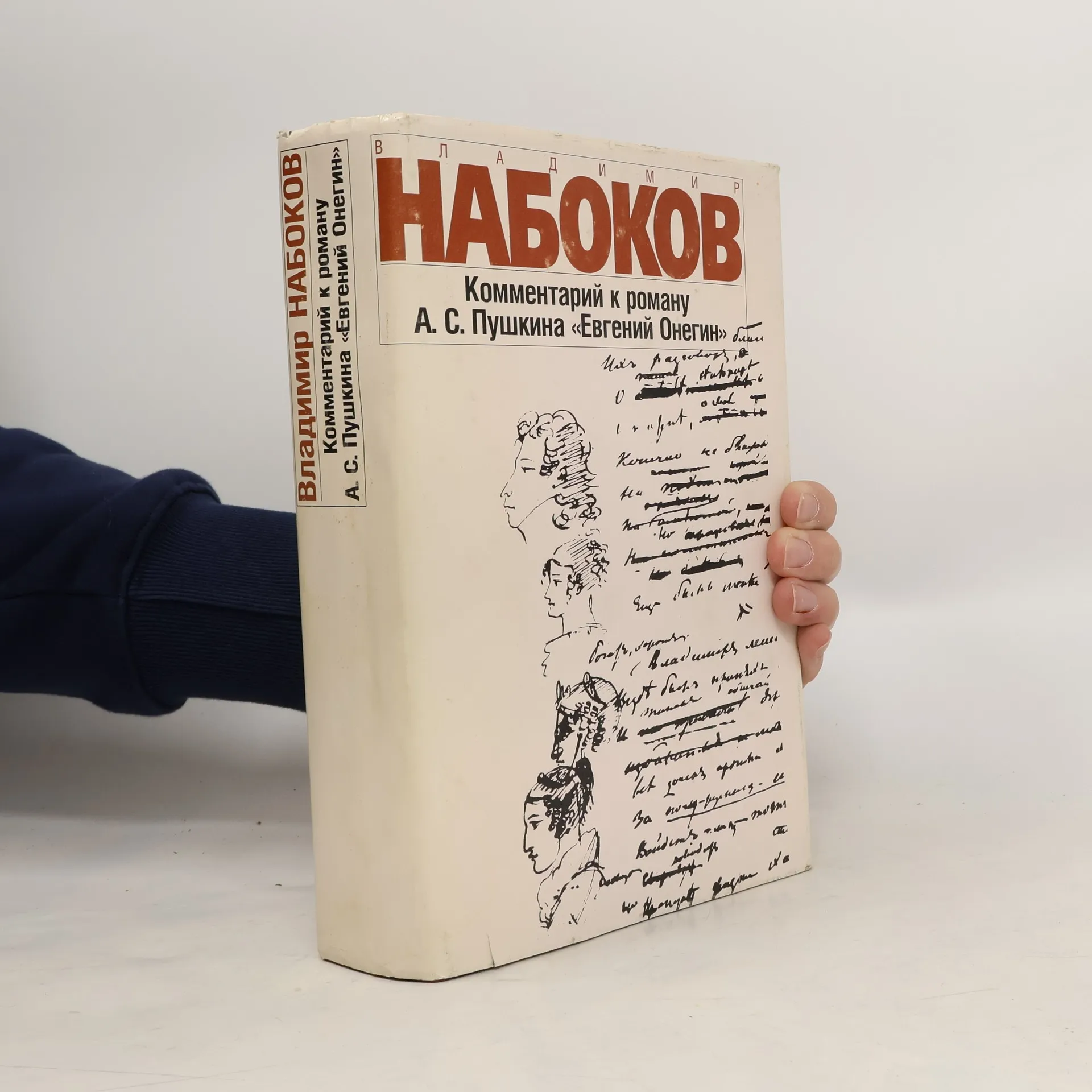
Комментарий к роману А. С. Пушкина `Евгений Онегин`
- 928 páginas
- 33 horas de lectura
Это первая публикация русского перевода знаменитого `Комментария` В. В. Набокова к пушкинскому роману. Издание на английском языке увидело свет еще в 1964 г. и с тех пор неоднократно переиздавалось. Набоков выступает здесь как филолог и литературовед, человек огромной эрудиции, великолепный знаток быта и культуры пушкинской эпохи. Набоков - комментатор полон неожиданностей: он то язвительно - насмешлив, то восторженно - эмоционален, то рассудителен и предельно точен. В качестве приложения в книгу включеныстатьи Набокова `Абрам Ганнибал`, `Заметки о просодии` и `Заметки переводчика`. В книге представлено факсимильное воспроизведение прижизненного пушкинского издания `Евгения Онегина` (1837) с примечаниями самого поэта. Издание представляет интерес для специалистов - филологов, литературоведов, переводчиков, преподавателей, а также всех почитателей творчества Пушкина и Набокова.
Der neue Nachbar
Erzählungen 1925 - 1934
"Der neue Nachbar" enthält die Erzählungen aus den Jahren 1925-1934, in denen Vladimir Nabokov in Berlin lebte. "Tschorbs Rückkehr" und "Berlin, ein Stadtführer" entstehen 1925 und weisen auf das hin, was kommen sollte: Fortan wird Nabokov seine Leser aus ihrer gewohnten Welt-Perspektive herausreißen, wird "Kunst" für ihn gleichbedeutend sein mit der Bereitschaft, die Welt mit einem Sinn für das Wahrnehmbare zu betrachten, wie durch ein Teleskop oder Mikroskop.
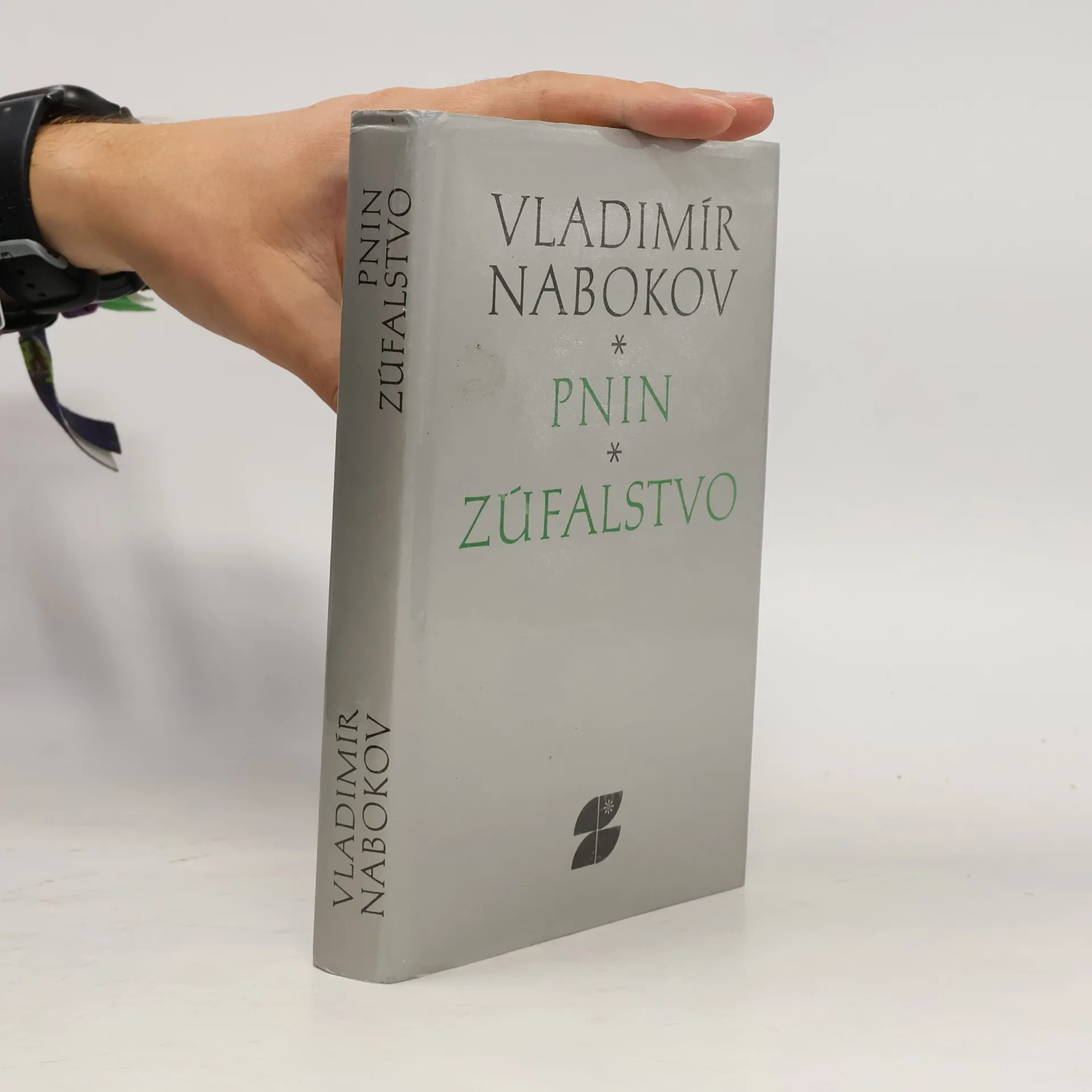
Příběh „věčného exulanta“ Timofeje Pavloviče Pnina a jeho hořce komické konfrontace s americkým akademickým prostředím i se západním světem vůbec patří k Nabokovovým čtenářsky nejvděčnějším románům. Postava nepřízní osudu stíhaného ruského profesora vyučujícího na provinční americké univerzitě v něm autorovi umožnila rozehrát řadu nezapomenutelných epizod, ale i nenápadnou a důvtipnou hru s literárními konvencemi. Próza Zúfalstvo je sedmým beletristickým dílem ruskoamerického spisovatele, autora proslulé Lolity. Kniha vyšla v r. 1936 v ruštině a už o rok později byla přeložena do angličtiny. Příběh setkání hrdiny s dvojníkem je Nabokovovi záminkou k příznačným postřehům, ironickým pozorováním a jedovatým sarkasmům, které rozhodně nejsou pouhým pozadím kriminální zápletky.
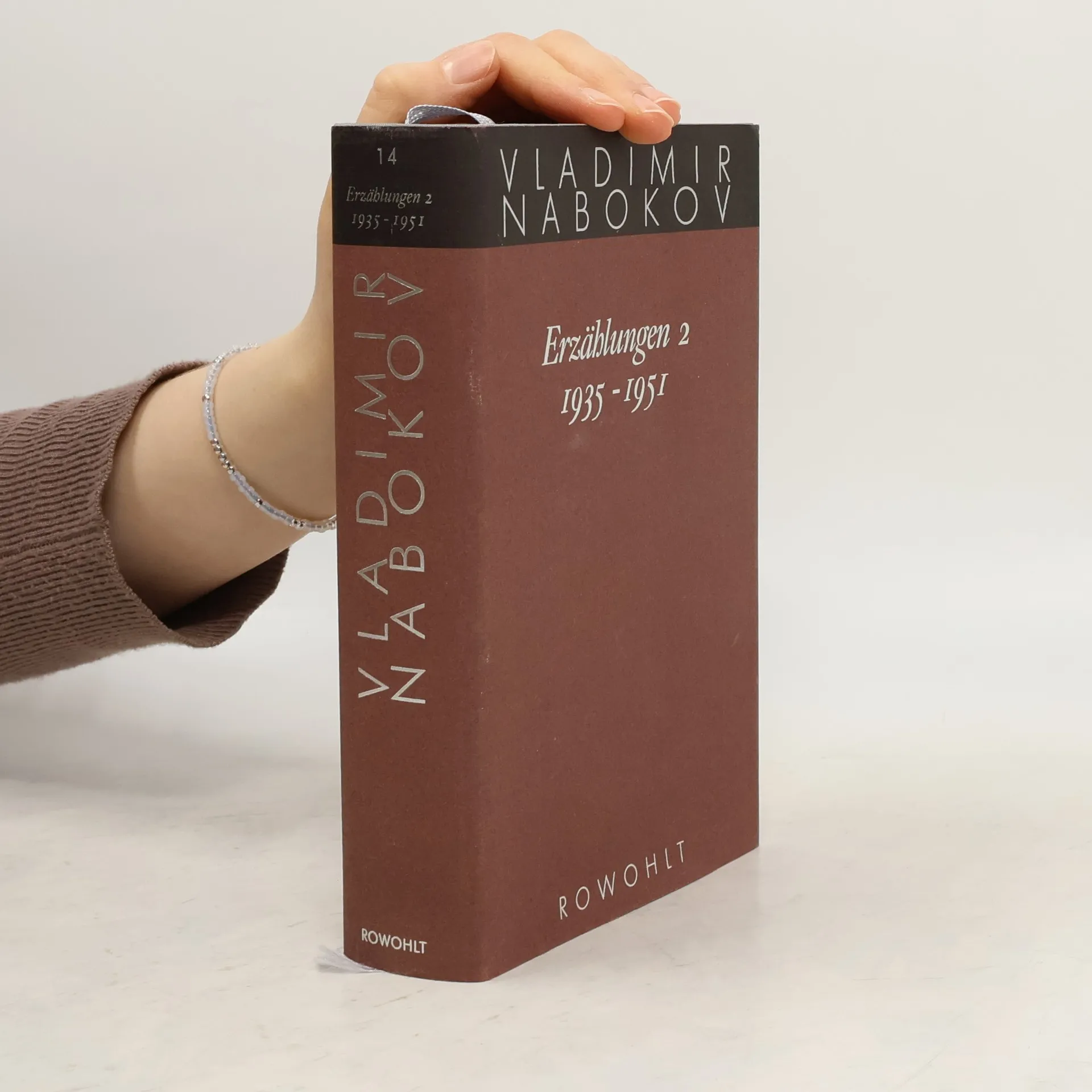
Gesammelte Werke - 14: Erzählungen 2. 1935-1951
- 632 páginas
- 23 horas de lectura
Die Jahre zwischen 1935 und 1951, der Zeitraum, den der zweite Band der "Erzählungen" dieser Werkausgabe umfasst - bergen für Nabokov und seine Familie unter anderem die entscheidenden Ereignisse der wiederholten Flucht vor den Nationalsozialisten. Die Erzählungen, die in jener Zeit entstanden, sind in drei Sprachen geschrieben. Die Mehrheit noch in russisch, eine in französisch, von 1943 an dann alle in englisch. Der Autor hat einen Großteil der russischen später selbst, oft zusammen mit seinem Sohn Dimitri, ins Englische übertragen, und nach diesen definitiven Textfassungen wurden sie in ihrer Mehrzahl zum ersten Mal ins Deutsche übersetzt. Der vorliegende zweite Band enthält, in chronologischer Reihenfolge wie der erste, die reifen Erzählungen Nabokovs, darunter die im Herbst 1939 in Paris geschriebene Novelle "Der Zauberer", "eine Art Prä-Lolita", in der der Autor, sechzehn Jahre vor Erscheinen seines berühmtesten Romans, das Lolita-Thema findet und darstellt.
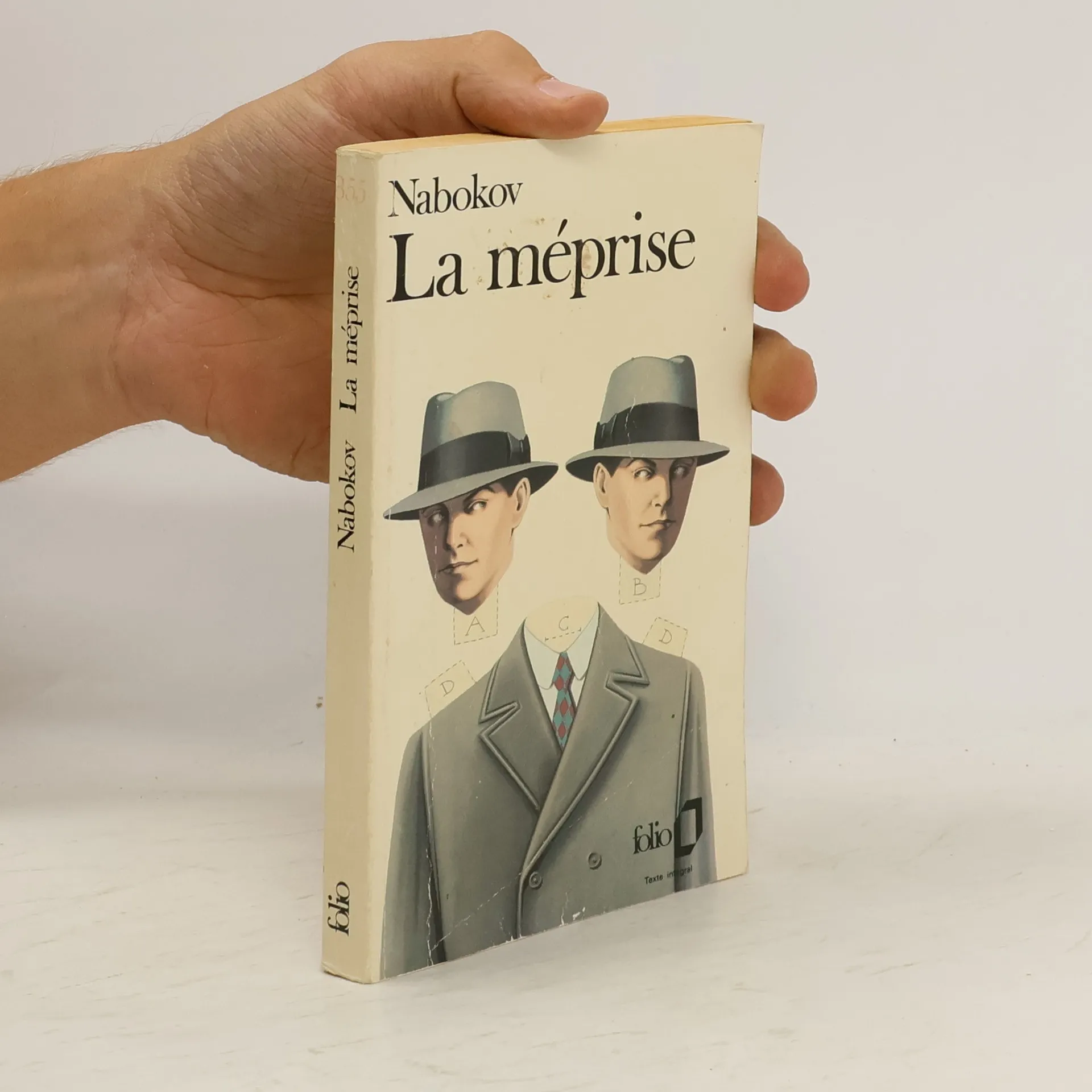
La méprise
- 308 páginas
- 11 horas de lectura
"La méprise, dans un esprit de parenté absolu avec le reste de mes livres, n'a aucun commentaire social à faire, ni aucun message à accrocher entre ses dents. Ce livre n'exalte pas l'organe spirituel de l'homme et n'indique pas à l'humanité quelle est la porte de sortie. Il contient bien moins "d'idées" que tous ces plantureux et vulgaires romans que l'on acclame si hystériquement dans la petite allée des rumeurs entre les balivernes et les huées. [...]Hermann et Humbert sont identiques comme deux dragons peints par le même artiste à différentes périodes de sa vie peuvent se ressembler. Tous deux sont des vauriens névrosés ; cependant il existe une verte allée du Paradis où Humbert a le droit de se promener à la nuit tombée une fois dans l'année ; mais l'Enfer ne mettra jamais Hermann en liberté surveillée."Vladimir Nabokov.
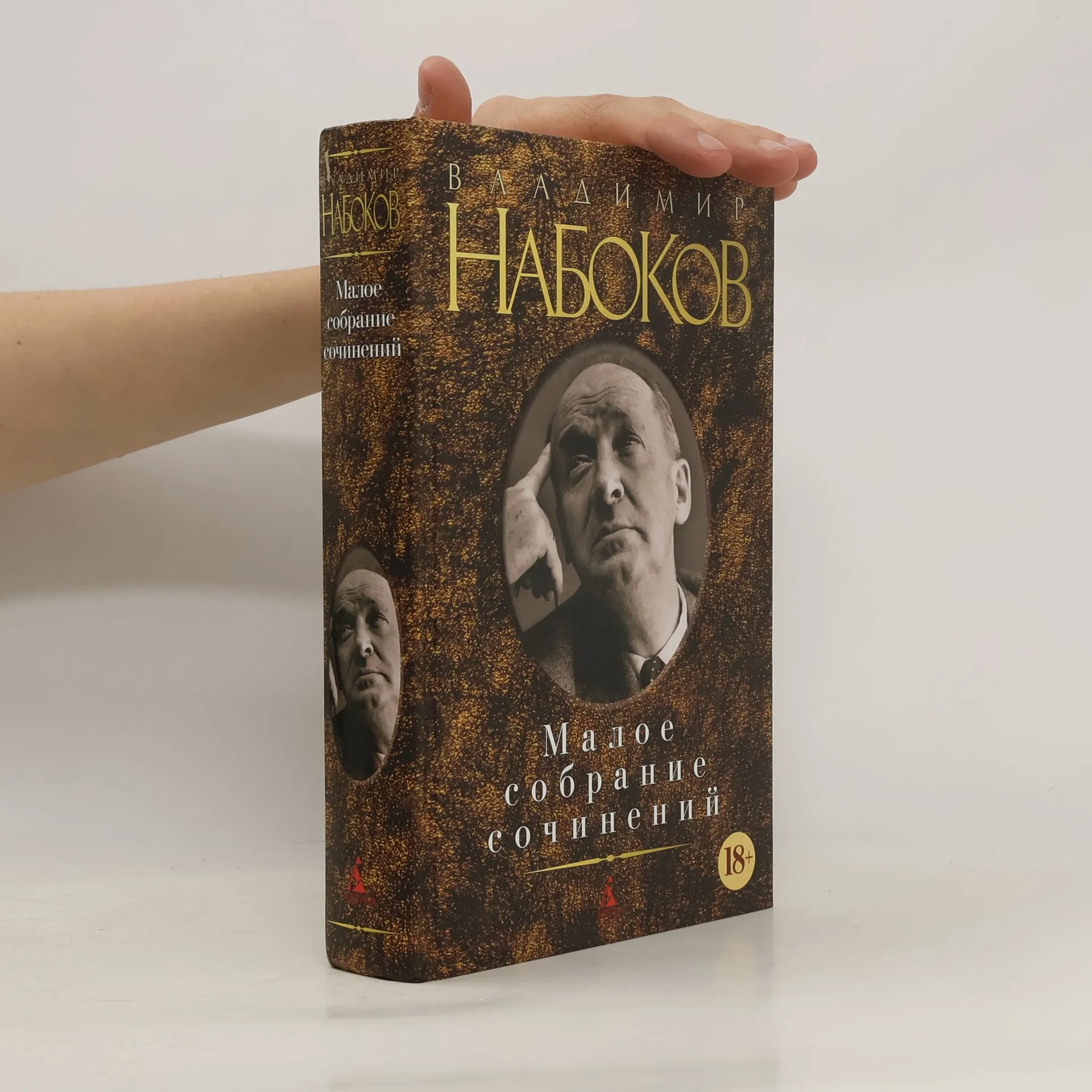
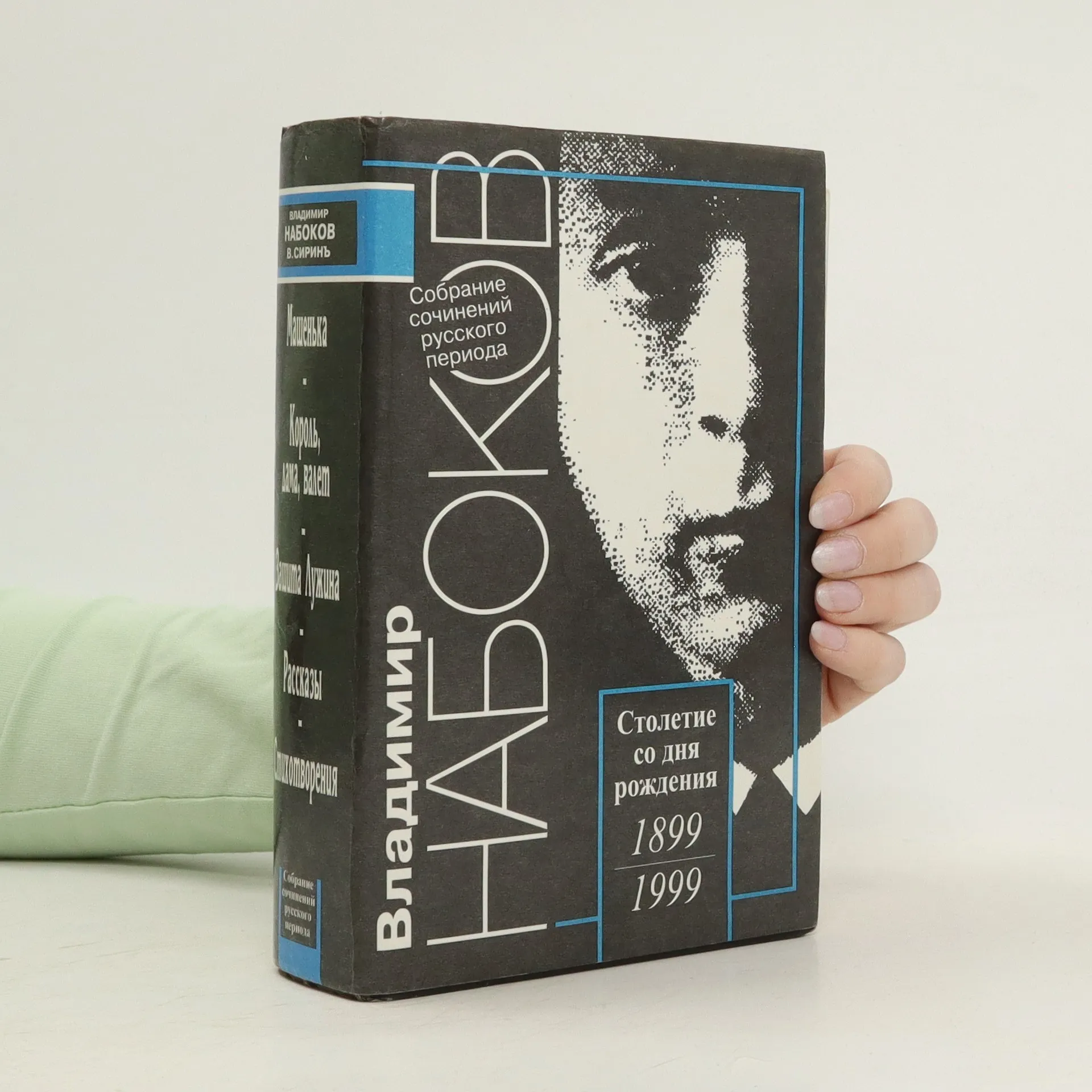
Малое собрание сочинений
- 668 páginas
- 24 horas de lectura
В литературе XX века В.В.Набоков - явление уникальное, и в первую очередь благодаря его двуязычию, виртуозному владению и русским, и английским. О себе он говорил: "Моя голова разговаривает по-английски, мое сердце - по-русски, и мое ухо - по-французски". Русским эмигрантам книги Набокова казались слишком оторванными от традиций родной литературы, современные исследователи его творчества так и не пришли к единому мнению: какой же культуре принадлежит этот талант - русской или американской? До 1937 года Набоковым было создано восемь романов на русском языке, следующие романы он написал по-английски (исключение составили автобиография "Другие берега" и авторский перевод "Лолиты" на русский язык).
Mit «Gelächter im Dunkel» und «Verzweiflung», den beiden Romanen dieses Bandes, geht Nabokovs erste russische Phase zu Ende. Sie entstanden, kurz bevor er erzählerisch neu ansetzte: «Gelächter im Dunkel» 1931, «Verzweiflung» 1932. Beide spielen Ende der zwanziger Jahre in Berlin, aber nur der erste ganz unter Deutschen. Mit dem früheren Roman «König Dame Bube» zusammen sind sie Nabokovs kinohafteste Werke, und beide wurden sie viel später tatsächlich verfilmt, «Gelächter im Dunkel» von Tony Richardson und «Verzweiflung» von Rainer Werner Fassbinder. Nabokov hatte es sich zum Prinzip gemacht, niemandem einen Blick in seine Werkstatt zu gewähren. Als er seinen russischen Roman «Camera obscura» unter dem Titel «Gelächter im Dunkel» 1937 selbst ins Englische übersetzte, bearbeitete er ihn so stark, daß in gewisser Hinsicht ein neuer Roman entstand. Dieser Band enthält im Anhang auch die erste Übersetzung der Urfassung und erlaubt dem neugierigen Leser erstmals einen Vergleich beider Textfassungen – er gewährt ihm damit mittelbar doch einen Blick in Nabokovs Werkstatt.
Ut pictura poesis
- 127 páginas
- 5 horas de lectura
Vybrané básně z let 1918-1973. Výběr z Nabokovovy poezie, který souzní s lyrismem jeho tvorby prozaické.
Závěrečnou část souborného vydání povídkového díla Vladimira Nabokova tvoří šestnáct próz z let 1938–1952, z větší části spadajících již do americké etapy autorovy literární dráhy. Svazek doplňují autorské a editorské komentáře a doslov k celému souboru, nabízejícímu českým čtenářům poprvé možnost seznámit se s významnou částí Nabokovovy beletristické tvorby v úplnosti. Doslov napsala Kamila Chlupáčová.
Лекции о "Дон Кихоте"
- 377 páginas
- 14 horas de lectura
Скрупулезно оформленная серия лекций, основанная на главном синопсисе испанского классического произведения. Отказываясь от распространенной интерпретации "Дон Кихота" как теплой сатиры, Набоков воспринимает это произведение как каталог жестокости, через который проходит иссохший рыцарь.
Что роднит драматургию Набокова с его стихами и прозой? Как минимум - незримо или зримо присутствующая Россия. Как максимум - тоска по родине, эта "давно разоблаченная морока". Ранние романтические пьесы ("Смерть", "Полюс", "Дедушка", "Скитальцы") написаны в 1923-1924 годах в Берлине; "Событие" и "Изобретение вальса" - во Франции в 1938 году. Постоянное осмысление феномена смерти и растущая по мере временного отдаления тоска по России, столь феерически разрешившаяся в романе "Дар" (1937) и "Других берегах" (1954), - вот два полюса, обеспечившие электрический разряд набоковского творчества. Смерть Дедушка Скитальцы Полюс Событие Изобретение Вальса
Anfang 1921 erschien in der russischen Tageszeitung "Rul" in Berlin die erste Kurzgeschichte des gerade 21jährigen Vladimir Nabokov unter dem Pseudonym W. Sirin. In den darauffolgenden Jahren, im Zeitraum von 1921 bis 1934, den der erste Band der Erzählungen umfasst, findet Nabokov die Richtung seines künstlerischen Wegs. Fortan wird er seine Leser aus ihrer gewohnten Welt-Perspektive herausreißen, wird "Kunst" für ihn gleichbedeutend sein mit der Bereitschaft, die Welt mit einem Sinn für das Wunderbare zu betrachten, wie durch ein Teleskop oder ein Mikroskop. Sechs der frühen Erzählungen aus der Berliner Zeit werden in diesem Band erstmals veröffentlicht.
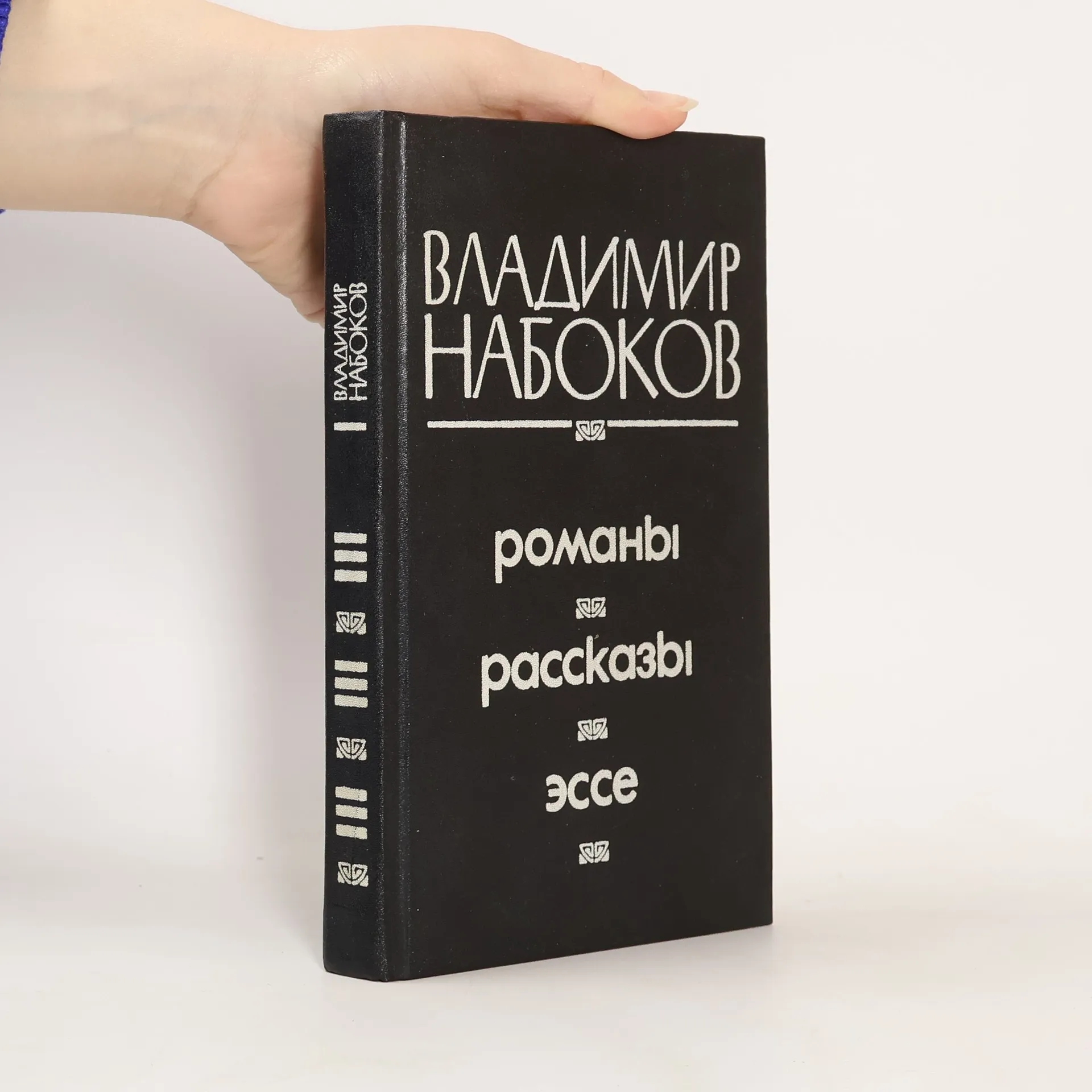
Romany, rasskazy, ėsse
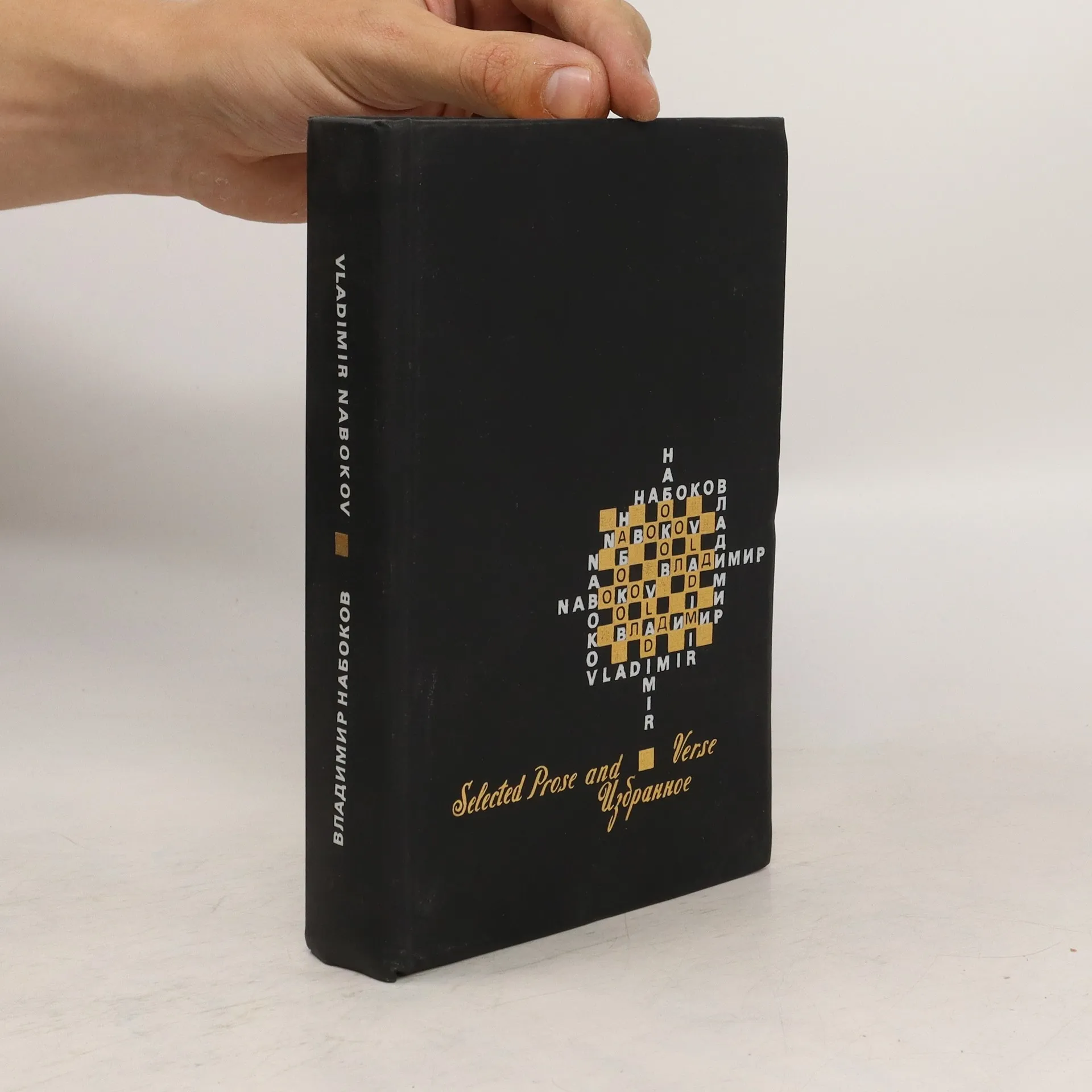
- 350 páginas
- 13 horas de lectura
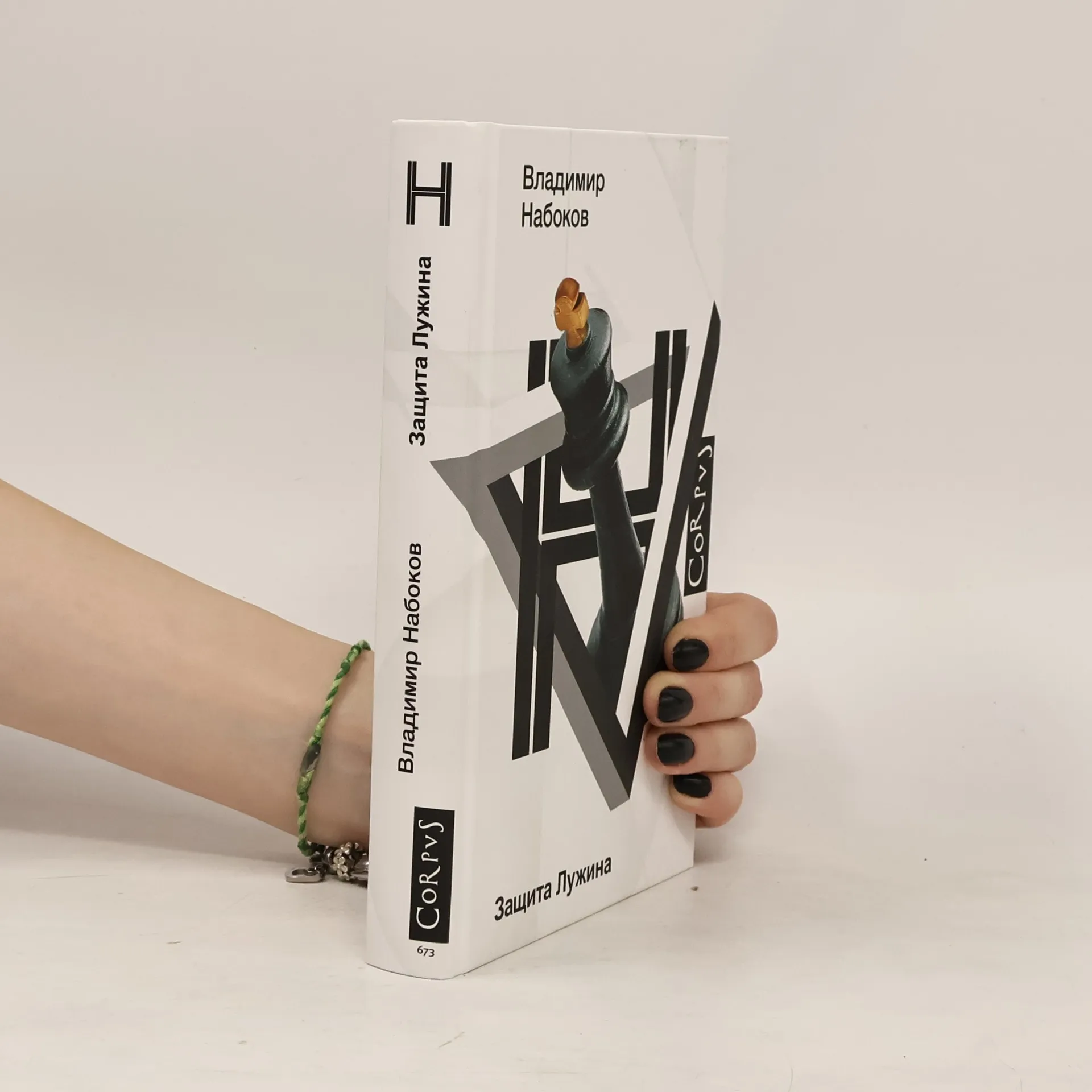
Zashhita Luzhina
- 288 páginas
- 11 horas de lectura
Роман Набокова «Защита Luzhina» — это зловещая история одержимости и безумия. В детстве Лужин был непривлекательным, рассеянным, замкнутым и угрюмым — загадкой для своих родителей и объектом насмешек для одноклассников. Он начинает заниматься шахматами как убежищем от тревог повседневной жизни. Его талант колоссален, и он поднимается до звания гроссмейстера — но это имеет свою цену: в одержимом сознании Лужина игра в шахматы постепенно заменяет реальность. Его собственный мир рушится во время решающего чемпионата, когда сложная защита, которую он разработал, увядает под неожиданными и непредсказуемыми атаками соперника.