



Parámetros
- 80 páginas
- 3 horas de lectura
Más información sobre el libro
Father Brown, the unassuming detective, stands among the most famous sleuths like Sherlock Holmes and Hercule Poirot, yet he fundamentally differs from them. He is a specialist in the criminal's soul, understanding their passions, weaknesses, and tricks. For him, the logic of murder is primarily a tragic logic of motivation. He knows that especially in affluent societies, vices thrive, as this "class recognizes no authority, not even the law." The perfect crime does not exist; there is always a missing key detail in the picture. Deception and lies have their limitations; one just needs to know how to look. Chesterton viewed detective fiction as one of the highest artistic genres, as at the heart of crime lies the existential question of life's meaning. Perhaps this is why the stories of Father Brown are so captivating.

Compra de libros
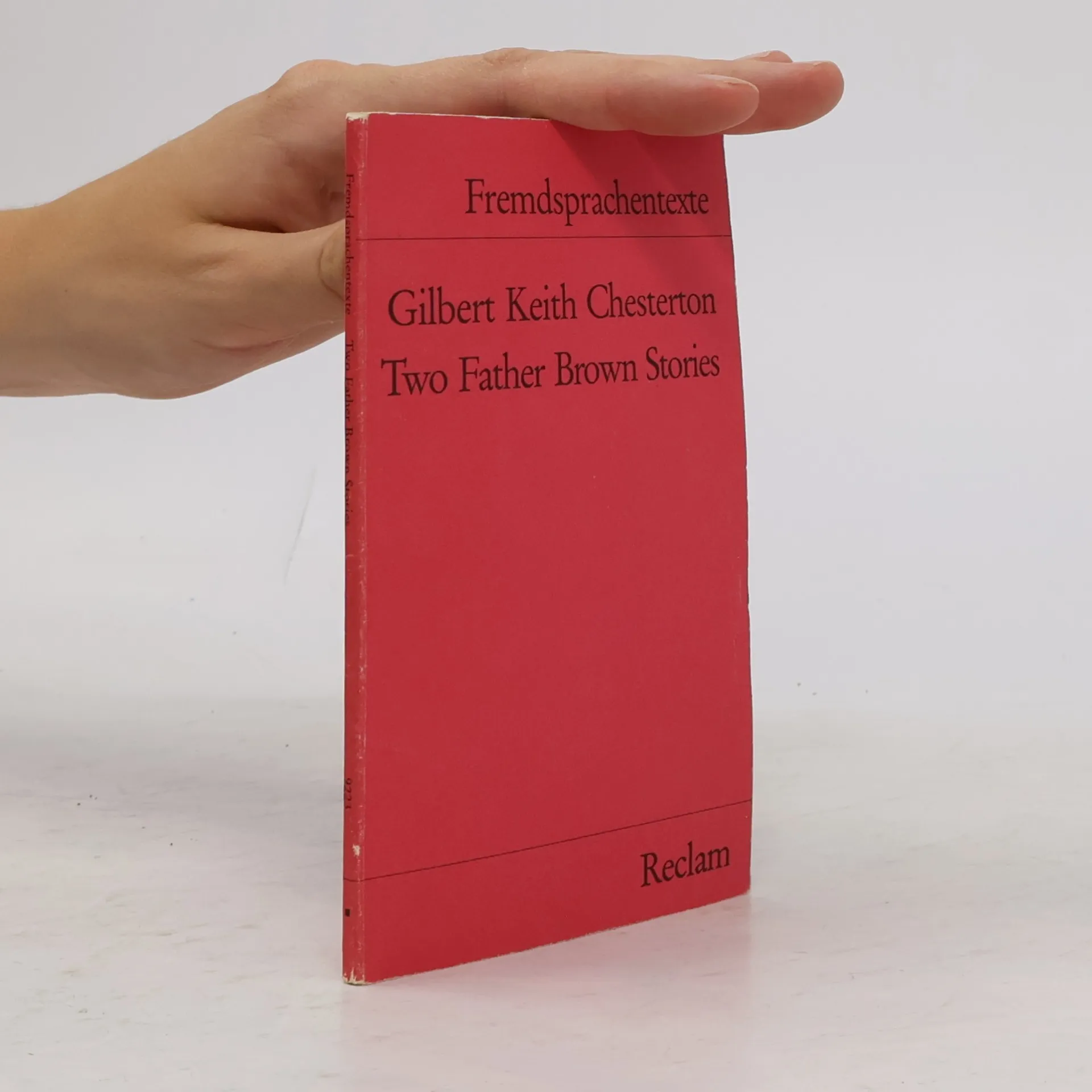
Two Father Brown stories, G. K. Chesterton
- Idioma

- Publicado en
- 1987
- Encuadernación
- (Tapa blanda),
- Estado del libro
- Bueno
- Precio
- 2,39 €
Métodos de pago
Nos falta tu reseña aquí
- Título
- Two Father Brown stories
- Idioma
- Inglés
- Autores
- G. K. Chesterton
- Editorial
- Reclam
- Publicado en
- 1987
- Formato
- Tapa blanda
- Páginas
- 80
- ISBN10
- 315009223X
- ISBN13
- 9783150092231
- Serie
- Etiquetas
- Tema histórico, Novelas de crimen, Temática filosófica, Cuentos cortos, Siglo XX, Antología, Cuentos cortos de detectives y crimen, Adaptado a serie, Edad de oro de la novela de detectives inglesa (1920–1939), Paradojas
- Primera publicación
- 1935
- Título original
- The Innocence of Father Brown, The Wisdom of Father Brown, The Incredulity of Father Brown, The Secret of Father Brown,
- Calificación
- 4,05 de 5
- Descripción
- Father Brown, the unassuming detective, stands among the most famous sleuths like Sherlock Holmes and Hercule Poirot, yet he fundamentally differs from them. He is a specialist in the criminal's soul, understanding their passions, weaknesses, and tricks. For him, the logic of murder is primarily a tragic logic of motivation. He knows that especially in affluent societies, vices thrive, as this "class recognizes no authority, not even the law." The perfect crime does not exist; there is always a missing key detail in the picture. Deception and lies have their limitations; one just needs to know how to look. Chesterton viewed detective fiction as one of the highest artistic genres, as at the heart of crime lies the existential question of life's meaning. Perhaps this is why the stories of Father Brown are so captivating.