

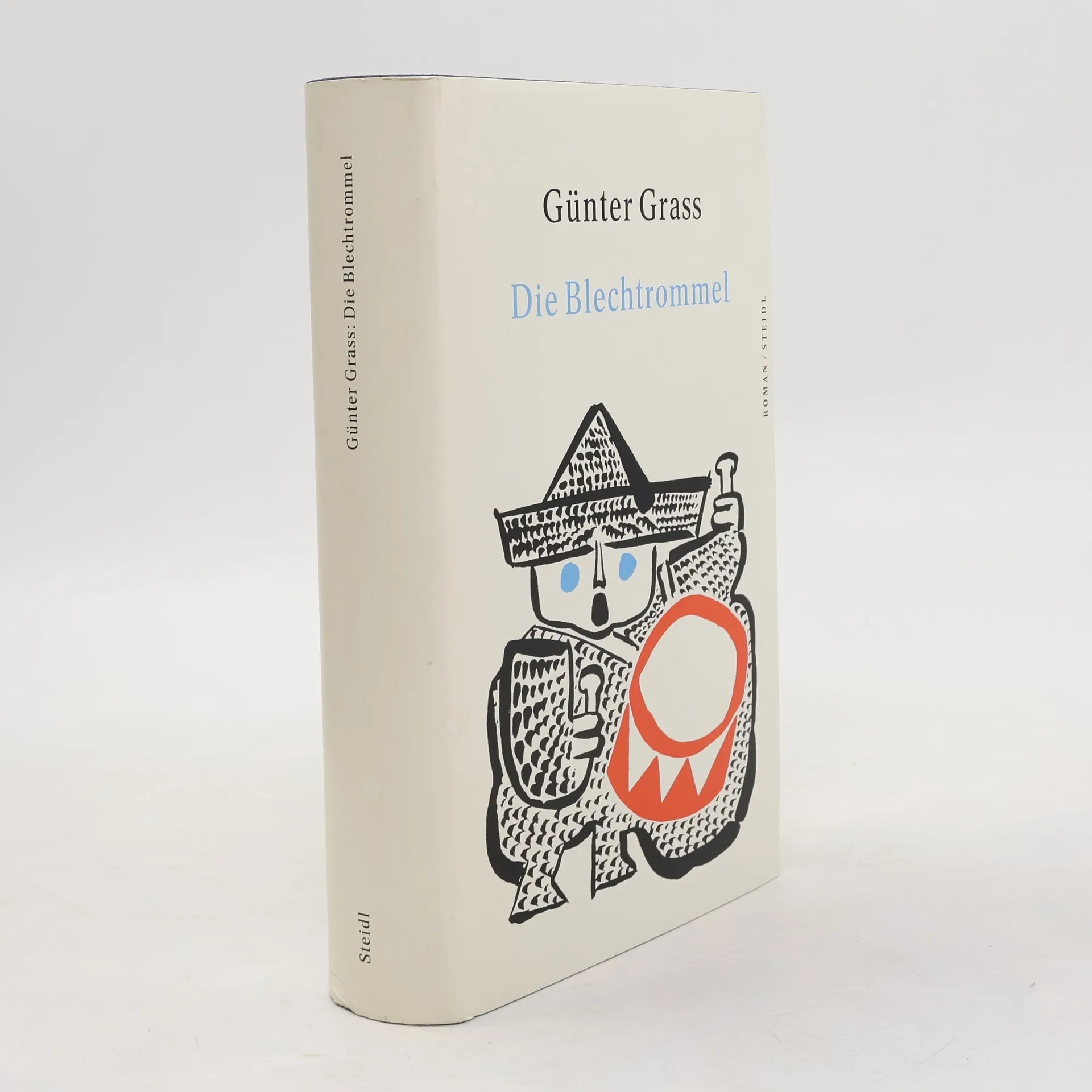
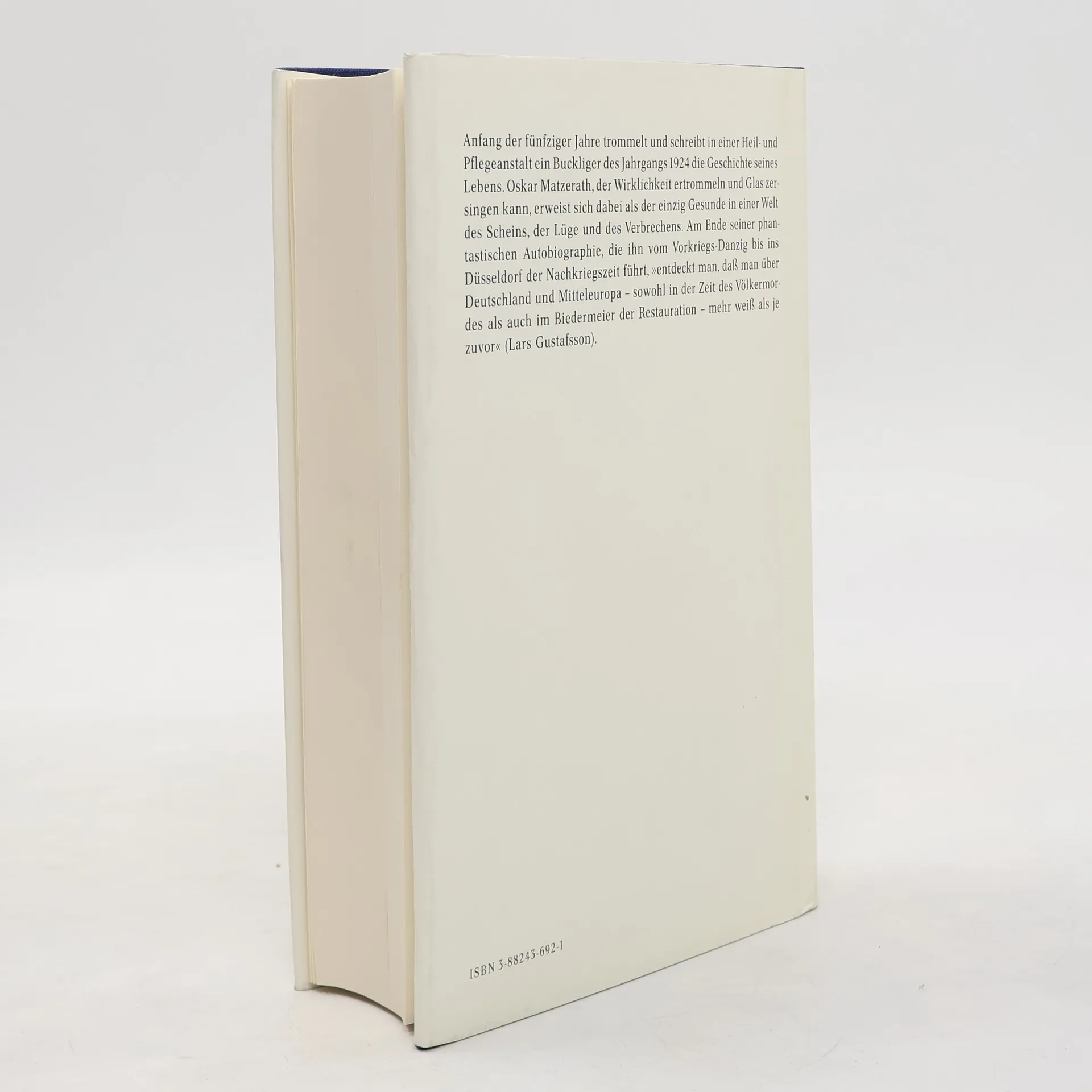

Parámetros
- 779 páginas
- 28 horas de lectura
Más información sobre el libro
Meet Oskar Matzerath, the "eternal three-year-old drummer." On his third birthday, Oskar makes a fateful decision to remain a child forever, refusing to grow up or become a politician or grocer. This tale, reminiscent of Peter Pan, unfolds in Danzig, a city marked by conflict. Instead of whimsical adventures, Oskar faces the harsh realities of a world dominated by Nazis. First published in 1959, the narrative captures the tumult of the Nazi era, illustrating a society filled with corrupt figures and brutal realities. Oskar's story begins with a chilling scene where a grocer takes his son to witness the burning of a synagogue, a poignant reflection of the horrors unfolding around them. As Oskar navigates his peculiar existence, the specter of war looms ever closer, leading to violent confrontations between Poles and Germans in 1939. Throughout his life, Oskar embarks on various adventures, from joining traveling musicians to becoming an anarchist leader and a recording artist. Eventually, he ends up in a mental hospital after being convicted of murder. The narrative employs dark humor and magical realism to explore the madness of war and the darker aspects of humanity. Grass's sharp wit evokes both laughter and pain, solidifying this work as a significant contribution to literature about World War II.







Compra de libros
Die Blechtrommel, Günter Grass
- Idioma

- Publicado en
- 1997
- product-detail.submit-box.info.binding
- (Tapa dura)
Métodos de pago
Nos falta tu reseña aquí
- Título
- Die Blechtrommel
- Subtítulo
- Roman
- Idioma
- Alemán
- Autores
- Günter Grass
- Editorial
- Büchergilde Gutenberg
- Publicado en
- 1997
- Formato
- Tapa dura
- Páginas
- 779
- ISBN10
- 3882436921
- ISBN13
- 9783882436921
- Etiquetas
- Ficción, Tema histórico, Novelas históricas, Literatura alemana, Clásicos, Alemania, Prosa bélica, Guerras, Segunda Guerra Mundial, Adaptada al cine, Nazismo, Realismo mágico, Polonia, Psiquiatría, Premio Nobel, Época de posguerra, Libros más vendidos, Literatura de Europa Central, Gdansk, Novelas picarescas
- Primera publicación
- 1959
- Título original
- Die Blechtrommel
- Calificación
- 3,95 de 5
- Descripción
- Meet Oskar Matzerath, the "eternal three-year-old drummer." On his third birthday, Oskar makes a fateful decision to remain a child forever, refusing to grow up or become a politician or grocer. This tale, reminiscent of Peter Pan, unfolds in Danzig, a city marked by conflict. Instead of whimsical adventures, Oskar faces the harsh realities of a world dominated by Nazis. First published in 1959, the narrative captures the tumult of the Nazi era, illustrating a society filled with corrupt figures and brutal realities. Oskar's story begins with a chilling scene where a grocer takes his son to witness the burning of a synagogue, a poignant reflection of the horrors unfolding around them. As Oskar navigates his peculiar existence, the specter of war looms ever closer, leading to violent confrontations between Poles and Germans in 1939. Throughout his life, Oskar embarks on various adventures, from joining traveling musicians to becoming an anarchist leader and a recording artist. Eventually, he ends up in a mental hospital after being convicted of murder. The narrative employs dark humor and magical realism to explore the madness of war and the darker aspects of humanity. Grass's sharp wit evokes both laughter and pain, solidifying this work as a significant contribution to literature about World War II.