

Parámetros
- 681 páginas
- 24 horas de lectura
Más información sobre el libro
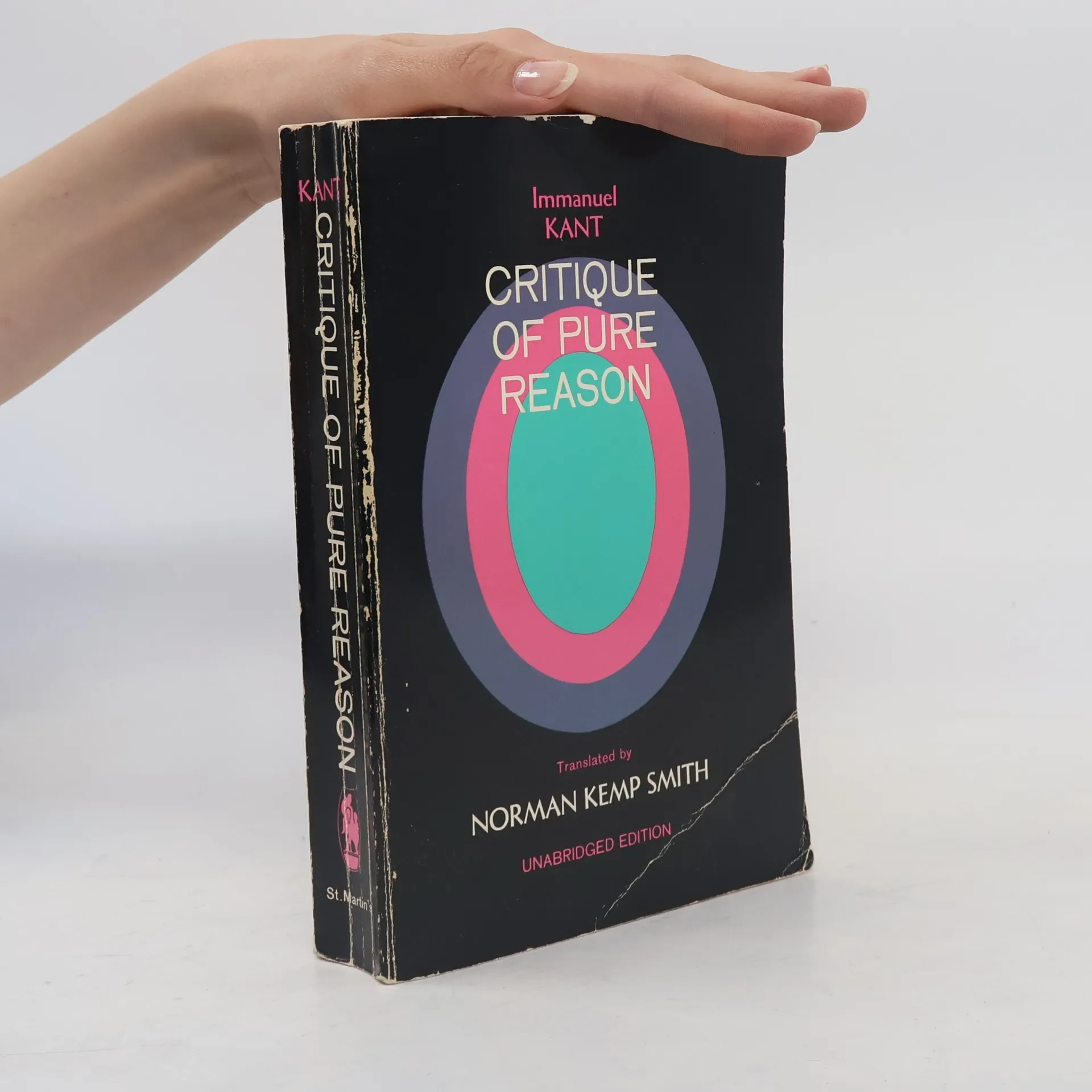
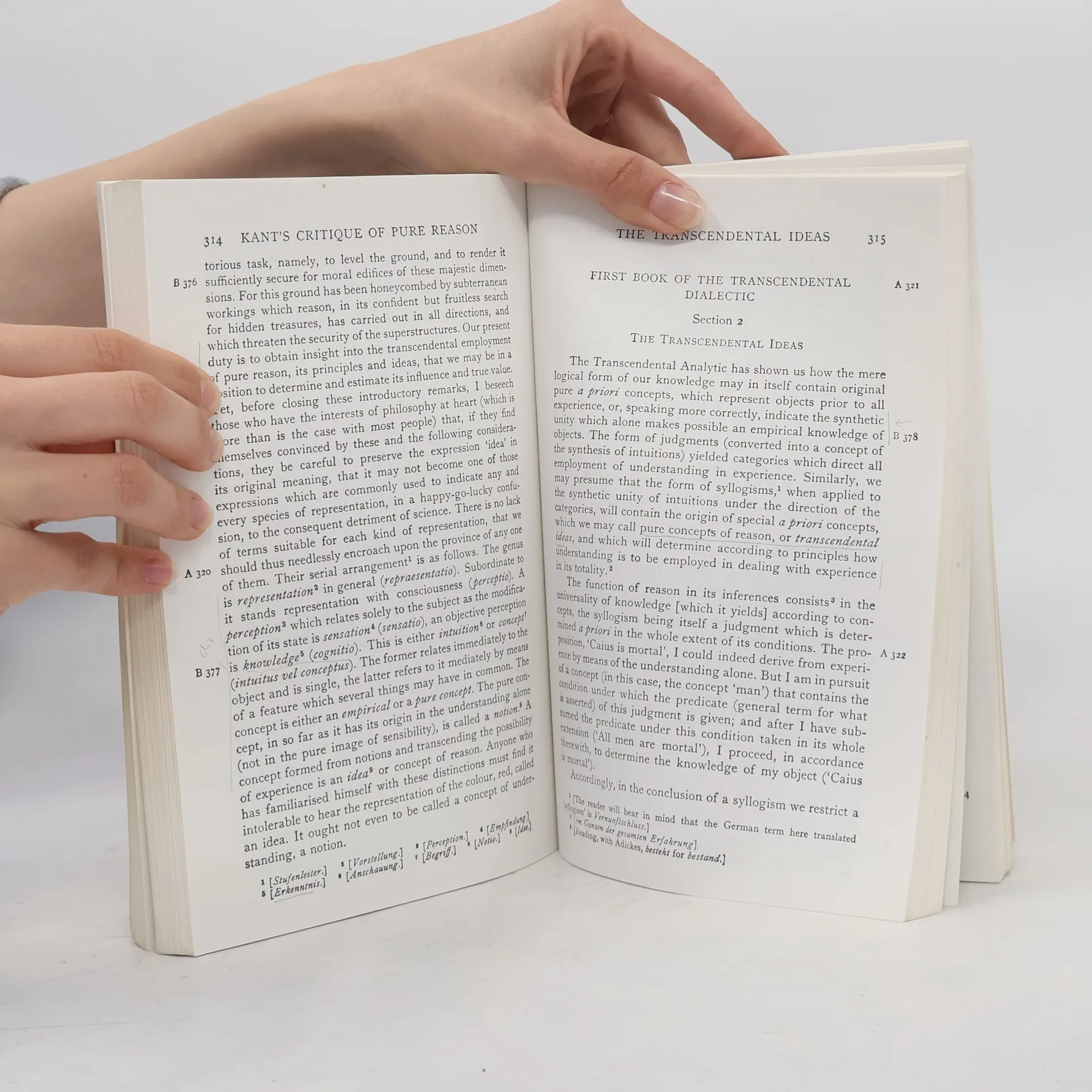
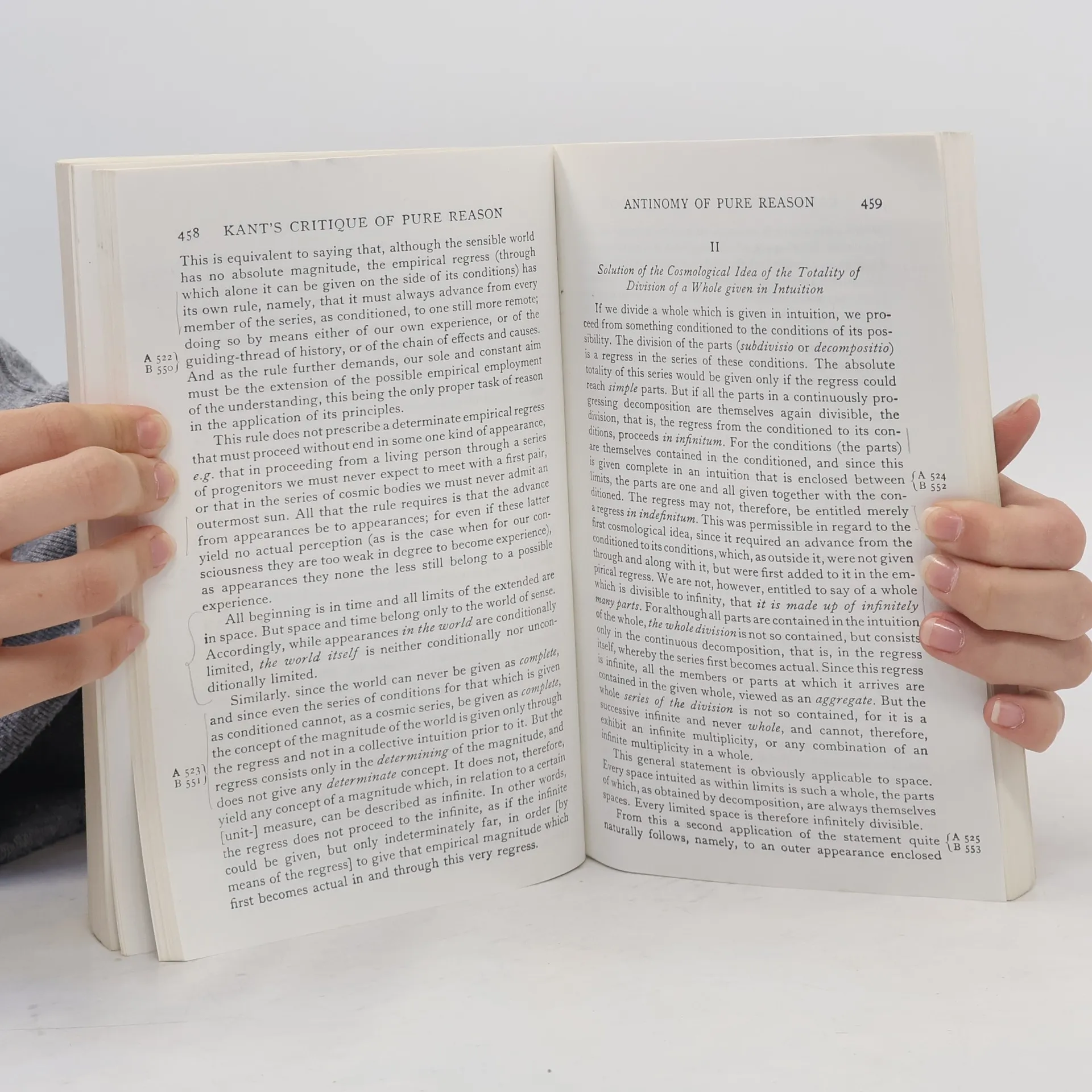
<b> <i>'The purpose of this critique of pure speculative reason consists in the attempt to change the old procedure of metaphysics and to bring about a complete revolution'</i> </b> Kant's <i>Critique of Pure Reason</i> (1781) is the central text of modern philosophy. It presents a profound and challenging investigation into the nature of human reason, its knowledge and its illusions. Reason, Kant argues, is the seat of certain concepts that precede experience and make it possible, but we are not therefore entitled to draw conclusions about the natural world from these concepts. The <i>Critique</i> brings together the two opposing schools of philosophy: rationalism, which grounds all our knowledge in reason, and empiricism, which traces all our knowledge to experience. Kant's transcendental idealism indicates a third way that goes far beyond these alternatives.






Compra de libros
Critique of Pure Reason, Immanuel Kant, Norman Kemp Smith
- Idioma

- Publicado en
- 1965
- product-detail.submit-box.info.binding
- (Tapa blanda),
- Estado del libro
- Dañado
- Precio
- 12,60 €
Métodos de pago
Nos falta tu reseña aquí
- Título
- Critique of Pure Reason
- Subtítulo
- Unabridged Edition
- Idioma
- Inglés
- Autores
- Immanuel Kant, Norman Kemp Smith
- Editorial
- St. Martin's Press
- Publicado en
- 1965
- Formato
- Tapa blanda
- Páginas
- 681
- ISBN10
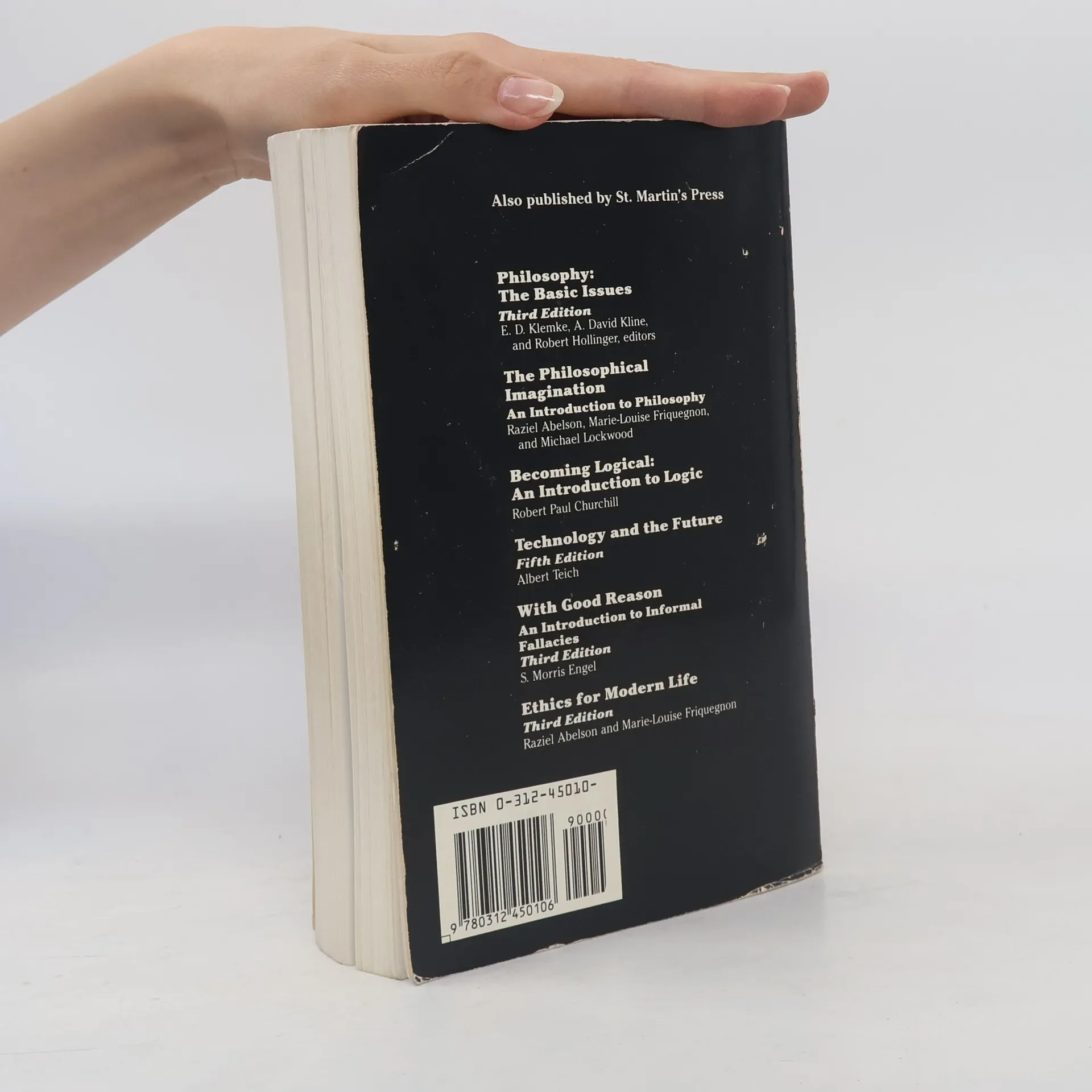
- 0312450109
- ISBN13
- 9780312450106
- Serie
- Etiquetas
- No ficción, Ciencias sociales, Ciencias políticas & Política, Temas psicológicos, Temática filosófica, Política, Literatura alemana, Regalos para abuelo, Sociedad, Teorías científicas, Siglo XVIII, Estudio, Crítica, Conocimientos y Sabiduría, Ilustración, Encajes, Razón, Gnoseología, Epistemología
- Primera publicación
- 1781
- Título original
- Kritik der reinen Vernunft
- Calificación
- 4,1 de 5
- Descripción
- <b> <i>'The purpose of this critique of pure speculative reason consists in the attempt to change the old procedure of metaphysics and to bring about a complete revolution'</i> </b> Kant's <i>Critique of Pure Reason</i> (1781) is the central text of modern philosophy. It presents a profound and challenging investigation into the nature of human reason, its knowledge and its illusions. Reason, Kant argues, is the seat of certain concepts that precede experience and make it possible, but we are not therefore entitled to draw conclusions about the natural world from these concepts. The <i>Critique</i> brings together the two opposing schools of philosophy: rationalism, which grounds all our knowledge in reason, and empiricism, which traces all our knowledge to experience. Kant's transcendental idealism indicates a third way that goes far beyond these alternatives.