

El libro está agotado actualmente
Más información sobre el libro
Set against the backdrop of ancient Rome, this tragedy explores themes of loyalty and political ambition. It begins with the celebration of Caesar's victory over Pompey's sons, highlighting the fickle nature of public allegiance. The tribunes Flavius and Marrullus confront the revelers, criticizing their shift in loyalty and attempting to restore order. The play delves into the complexities of power dynamics and the consequences of political decisions, drawing from historical events to illustrate the tension between personal and public interests.

Publicación

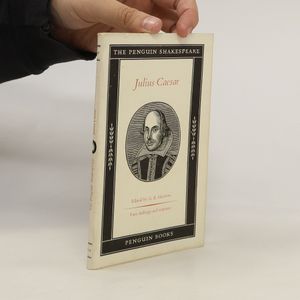
- 2024

- 2024
- 2023
- 2023
- 2023
- 2022
- 2022
- 2022
- 2022
- 2022
- 2022
- 2021
- 2021
- 2021
- 2018
- 2018
- 2017
- 2017
- 2016
- 2016
- 2015
- 2014
- 2014
- 2014
- 2013
- 2013
- 2012
- 2012
- 2012
- 2012
- 2012
- 2012
- 2012
- 2012
- 2012
- 2012
- 2012
- 2011
- 2011
- 2011
- 2011
- 2011
- 2011
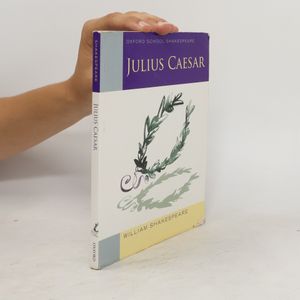
- 2010
- 2010
- 2009


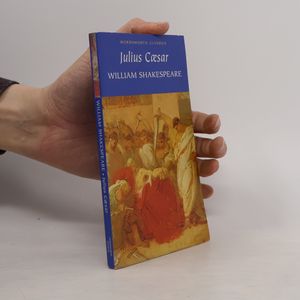

- 2003


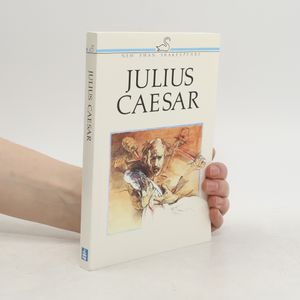
- 2000

- 1998
- 1997


- 1992













Compra de libros
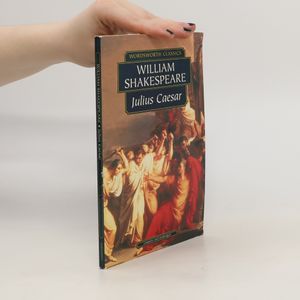
Julius Caesar, William Shakespeare
- Idioma

- Publicado en
- 2018
- product-detail.submit-box.info.binding
- (Tapa blanda)
Métodos de pago
Nos falta tu reseña aquí
- Título
- Julius Caesar
- Idioma
- Inglés
- Autores
- William Shakespeare
- Editorial
- Sovereign
- Publicado en
- 2018
- Formato
- Tapa blanda
- Páginas
- 122
- ISBN13
- 9781787248144
- Serie
- Etiquetas
- Ficción, Tema histórico, Clásicos, Guerras, Asesinatos, Muerte, Obras de teatro, Literatura inglesa, Traición, Roma, Romaní, Tragedia, Dramas Ingleses, Gayo Julio César, Dramas Históricos
- Primera publicación
- 1599
- Título original
- The Tragedy of Julius Caesar
- Calificación
- 3,75 de 5
- Descripción
- Set against the backdrop of ancient Rome, this tragedy explores themes of loyalty and political ambition. It begins with the celebration of Caesar's victory over Pompey's sons, highlighting the fickle nature of public allegiance. The tribunes Flavius and Marrullus confront the revelers, criticizing their shift in loyalty and attempting to restore order. The play delves into the complexities of power dynamics and the consequences of political decisions, drawing from historical events to illustrate the tension between personal and public interests.