

Series
Parámetros
- 298 páginas
- 11 horas de lectura
Más información sobre el libro
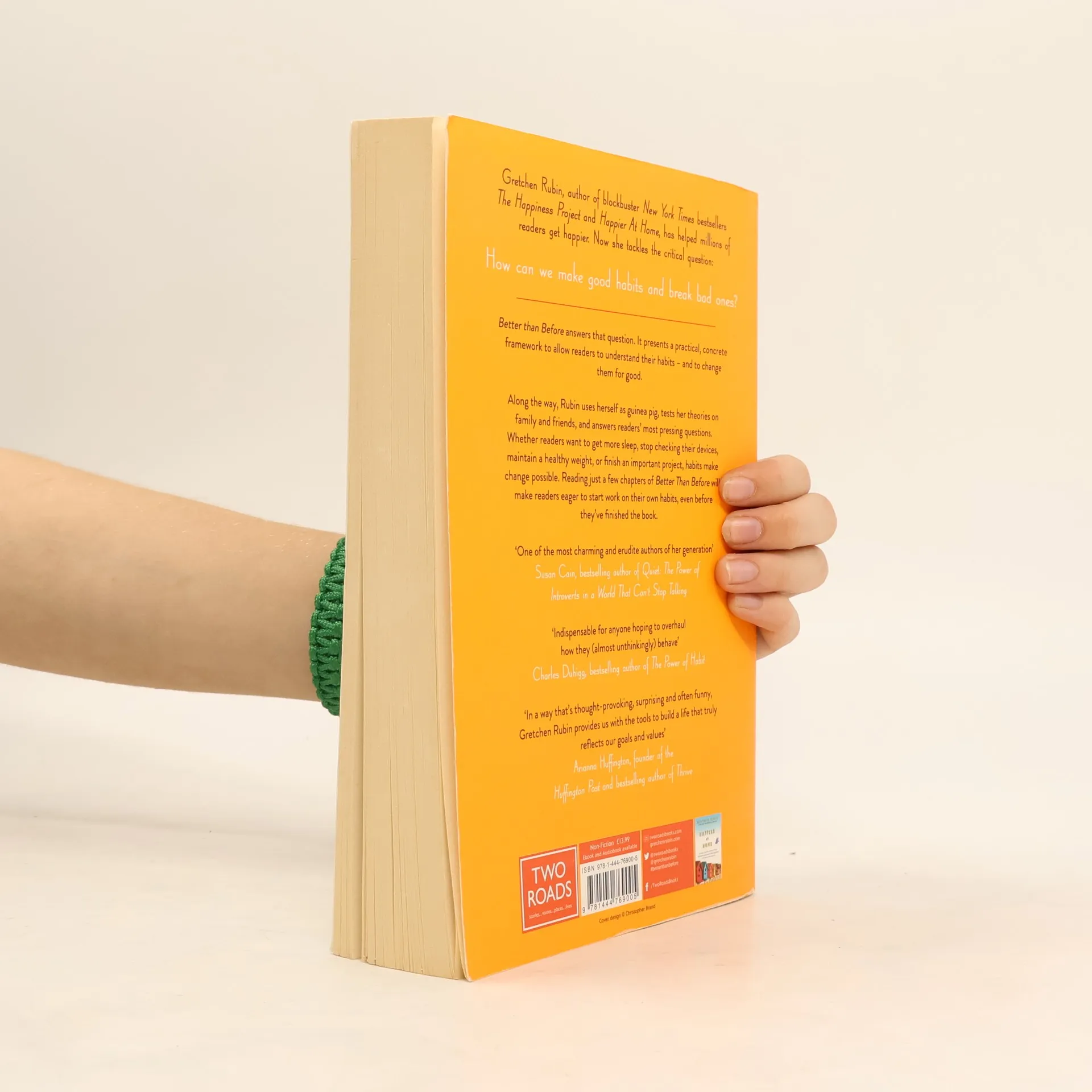
Habits are the invisible architecture of our lives. The author provides a scientific framework for understanding and changing these habits effectively. With a compelling voice and humorous anecdotes, she illustrates core principles of habit formation through various strategies tested on herself and others. Key questions explored include: Why do some habits form overnight while others take years? What causes resistance to habits in some people? How can one help family or colleagues make changes? Why do we often resist advice on change, even when we agree? How can we make good habits more convenient? The author offers tools for self-understanding and a practical menu of strategies for an individualized approach. By tackling each strategy personally, she emphasizes the importance of self-knowledge and recognizing our own habit tendencies. With this understanding, we can adopt habits that work for us, making activities like going to the gym feel as automatic as buckling a seatbelt. By establishing good habits, we can create a life that aligns with our values and goals.







Compra de libros
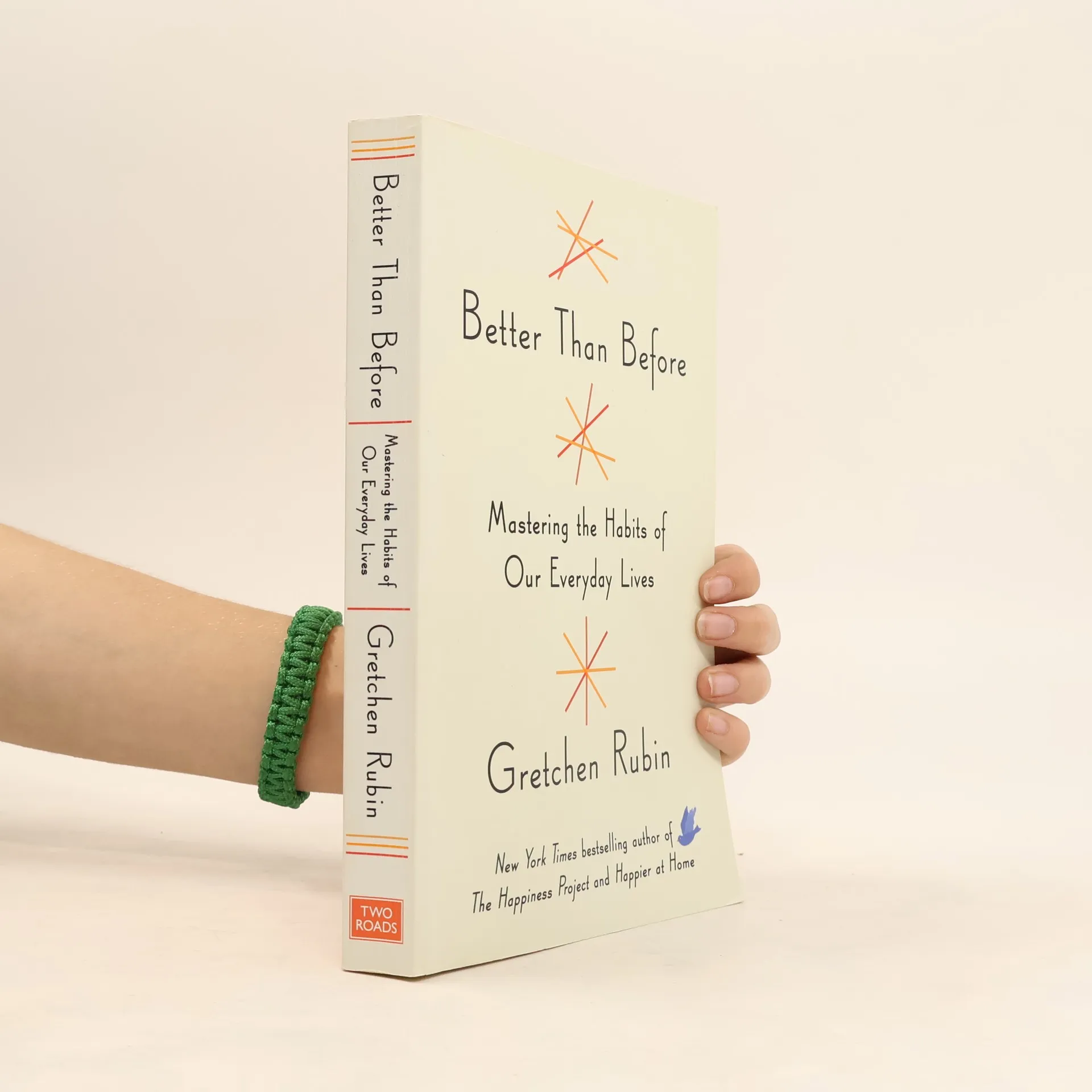
Better Than Before, Gretchen Rubin
- Idioma

- Publicado en
- 2015
- product-detail.submit-box.info.binding
- (Tapa blanda),
- Estado del libro
- Bueno
- Precio
- 6,49 €
Métodos de pago
Nos falta tu reseña aquí
- Título
- Better Than Before
- Subtítulo
- Mastering the Habits of Our Everyday Lives
- Idioma
- Inglés
- Autores
- Gretchen Rubin
- Editorial
- Two Roads
- Publicado en
- 2015
- Formato
- Tapa blanda
- Páginas
- 298
- ISBN10
- 1444769006
- ISBN13
- 9781444769005
- Serie
- Mejor que nunca
- Etiquetas
- No ficción, Salud & Medicina, Autoayuda, Temas psicológicos, Desarrollo personal, Salud, Productividad
- Título original
- Better than Before
- Calificación
- 3,8 de 5
- Descripción
- Habits are the invisible architecture of our lives. The author provides a scientific framework for understanding and changing these habits effectively. With a compelling voice and humorous anecdotes, she illustrates core principles of habit formation through various strategies tested on herself and others. Key questions explored include: Why do some habits form overnight while others take years? What causes resistance to habits in some people? How can one help family or colleagues make changes? Why do we often resist advice on change, even when we agree? How can we make good habits more convenient? The author offers tools for self-understanding and a practical menu of strategies for an individualized approach. By tackling each strategy personally, she emphasizes the importance of self-knowledge and recognizing our own habit tendencies. With this understanding, we can adopt habits that work for us, making activities like going to the gym feel as automatic as buckling a seatbelt. By establishing good habits, we can create a life that aligns with our values and goals.