

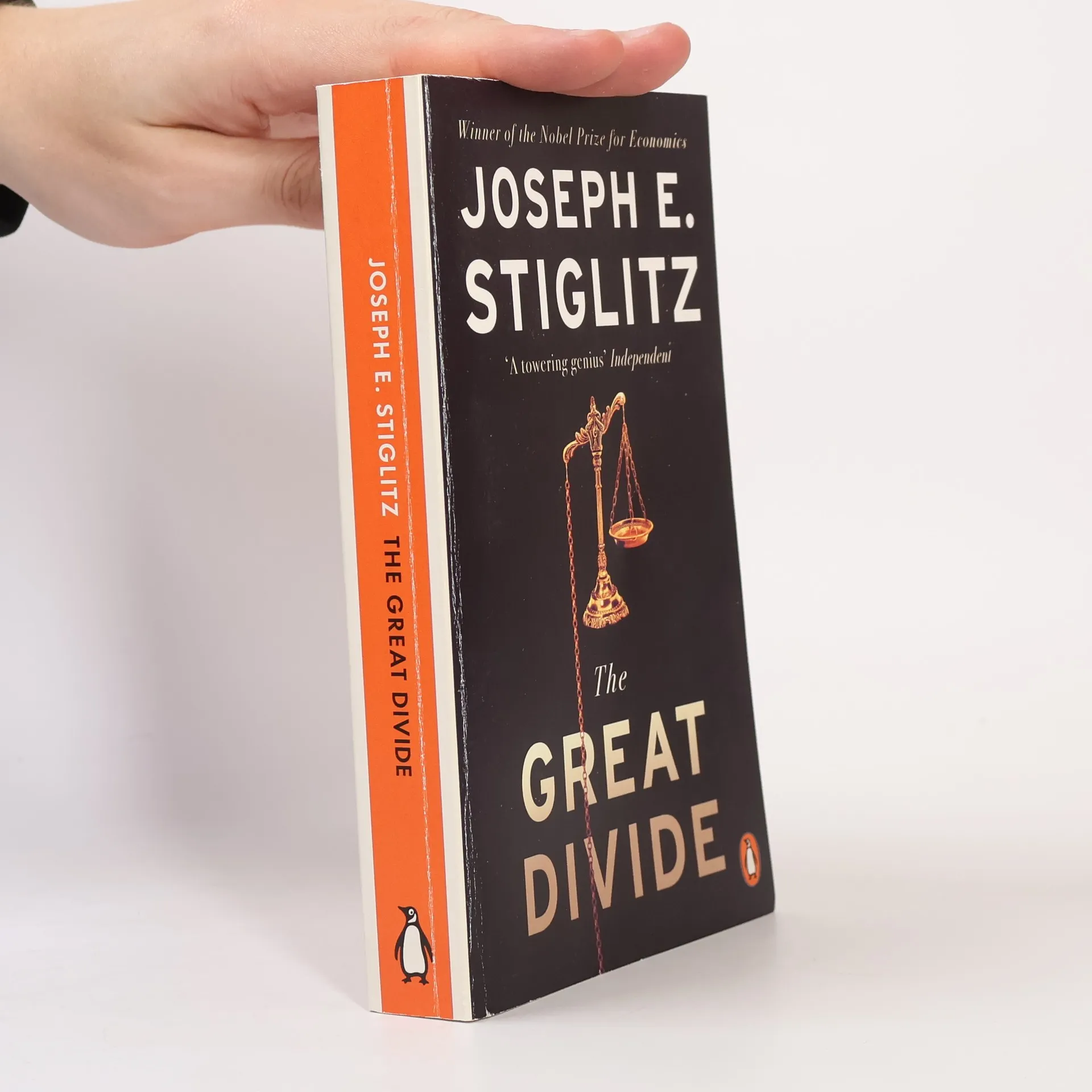
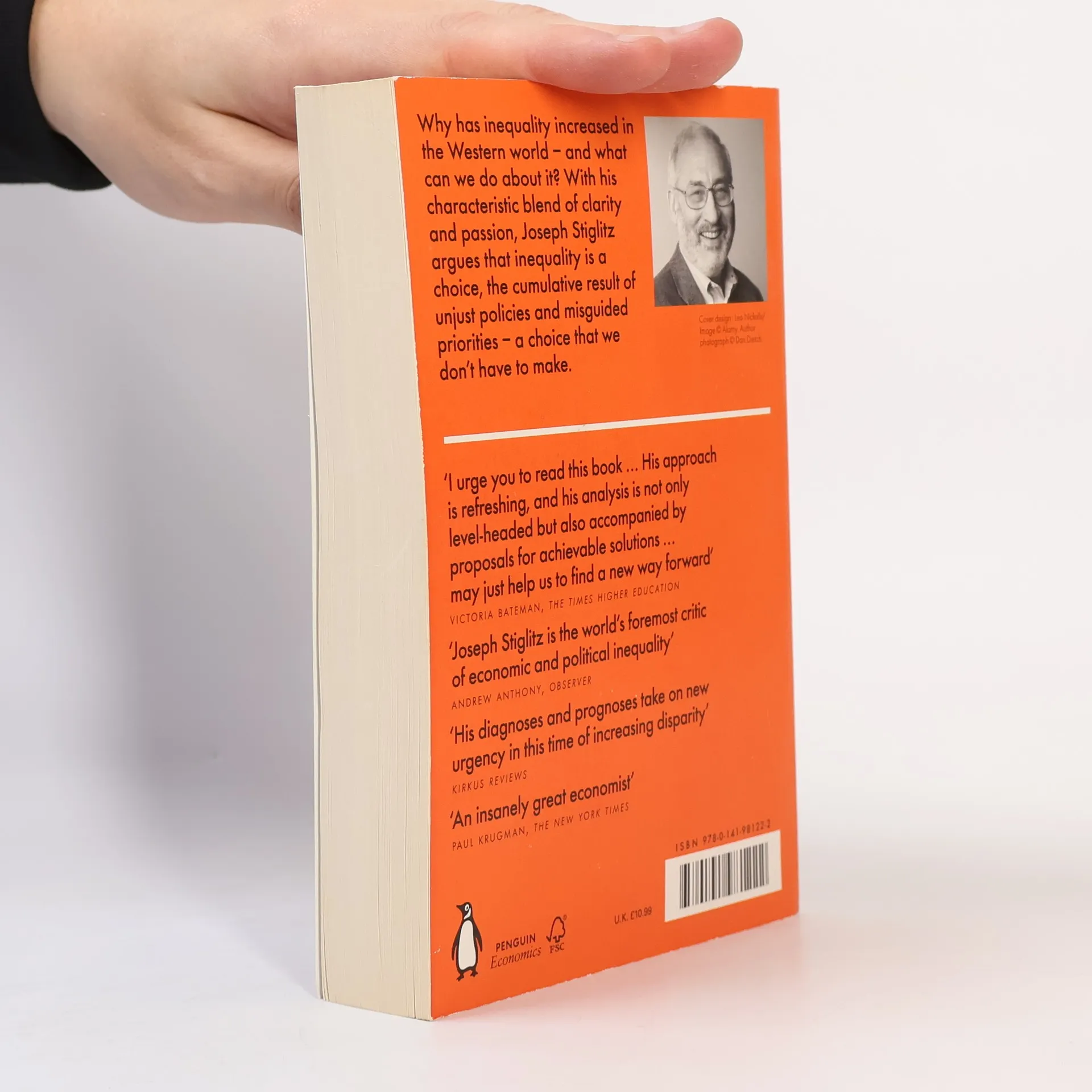

Más información sobre el libro
Why has inequality increased in the Western world, and what can we do about it? In this work, Joseph E. Stiglitz expands on his previous analysis, arguing that inequality is a choice shaped by unjust policies and misguided priorities. Through essays and reflections, he exposes the dimensions, causes, and consequences of inequality affecting America and other Western nations under neoliberalism. Stiglitz examines the impact of Reagan-era policies, the Great Recession, and irresponsible practices such as deregulation and tax cuts for the wealthy, which have exacerbated the divide and hindered social mobility. He presents accessible economic insights and advocates for real solutions: raising taxes on corporations and the affluent, investing in education and infrastructure, aiding homeowners rather than banks, and striving for full employment. His analysis extends beyond the U.S. to draw lessons from countries like Scandinavia, Singapore, and Japan, while critiquing the destructive austerity measures in Europe. Ultimately, Stiglitz asserts that we need not choose between growth and fairness; with the right policies, we can achieve both.


Compra de libros
The great divide, Joseph E. Stiglitz
- Idioma

- Publicado en
- 2016
- product-detail.submit-box.info.binding
- (Tapa blanda),
- Estado del libro
- Bueno
- Precio
- 5,19 €
Métodos de pago
Nos falta tu reseña aquí
- Título
- The great divide
- Idioma
- Inglés
- Autores
- Joseph E. Stiglitz
- Editorial
- Penguin Books
- Publicado en
- 2016
- Formato
- Tapa blanda
- Páginas
- 464
- ISBN10
- 0141981229
- ISBN13
- 9780141981222
- Serie
- Etiquetas
- No ficción, Ciencias sociales, Tema histórico, Historia, Comercio, Negocios & Gestión, Ciencias políticas & Política, Política, Economía, Regalos para abuelo, Sociología, Justicia Social
- Calificación
- 3,8 de 5
- Descripción
- Why has inequality increased in the Western world, and what can we do about it? In this work, Joseph E. Stiglitz expands on his previous analysis, arguing that inequality is a choice shaped by unjust policies and misguided priorities. Through essays and reflections, he exposes the dimensions, causes, and consequences of inequality affecting America and other Western nations under neoliberalism. Stiglitz examines the impact of Reagan-era policies, the Great Recession, and irresponsible practices such as deregulation and tax cuts for the wealthy, which have exacerbated the divide and hindered social mobility. He presents accessible economic insights and advocates for real solutions: raising taxes on corporations and the affluent, investing in education and infrastructure, aiding homeowners rather than banks, and striving for full employment. His analysis extends beyond the U.S. to draw lessons from countries like Scandinavia, Singapore, and Japan, while critiquing the destructive austerity measures in Europe. Ultimately, Stiglitz asserts that we need not choose between growth and fairness; with the right policies, we can achieve both.