

El libro está agotado actualmente
Más información sobre el libro
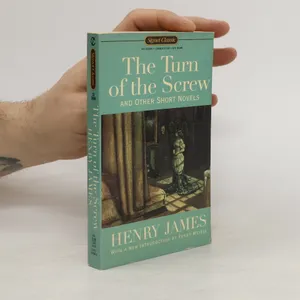
Set in a remote estate, a governess becomes increasingly convinced that the grounds are haunted while caring for two children. This chilling tale explores themes of isolation and psychological tension, blending elements of Gothic and horror fiction. Originally published in serial format in 1898, it has since captivated readers with its eerie atmosphere and ambiguous narrative, prompting discussions about the nature of fear and perception.



Publicación


- 2024

- 2023
- 2023
- 2023
- 2023
- 2023
- 2022
- 2022
- 2022
- 2022
- 2021
- 2021
- 2021
- 2021
- 2021
- 2020
- 2020
- 2020
- 2020
- 2020
- 2020
- 2020
- 2020
- 2020
- 2020
- 2020
- 2020
- 2020
- 2020
- 2020
- 2020
- 2020
- 2020
- 2020
- 2020
- 2020




































































Métodos de pago
Nos falta tu reseña aquí
- Título
- The Turn of The Screw
- Idioma
- Inglés
- Autores
- Henry James
- Editorial
- Namaskar Books
- Publicado en
- 2021
- Páginas
- 194
- ISBN13
- 9789390600212
- Serie
- Etiquetas
- Ficción, Tema histórico, Temas psicológicos, Clásicos, Cuentos cortos, Terror, Literatura americana, Fenómenos sobrenaturales, Muerte, Siglo XIX, Inglaterra, Regalos para hombres, Adaptada al cine, Crítica literaria, Novelas cortas, Fantamas y apariciones, Relatos cortos de terror, Gótica, Lectura obligatoria, Época Victoriana, Terror gótico, Terror sobrenatural, Adaptado a serie, Nana, Casas embrujadas, Forma Ich
- Primera publicación
- 1898
- Título original
- The Turn of the Screw
- Calificación
- 3,4 de 5
- Descripción
- Set in a remote estate, a governess becomes increasingly convinced that the grounds are haunted while caring for two children. This chilling tale explores themes of isolation and psychological tension, blending elements of Gothic and horror fiction. Originally published in serial format in 1898, it has since captivated readers with its eerie atmosphere and ambiguous narrative, prompting discussions about the nature of fear and perception.