




Parámetros
- 297 páginas
- 11 horas de lectura
Más información sobre el libro
Jonathan Haidt skillfully blends philosophical wisdom with scientific research, offering surprising insights into human behavior. He explores why we struggle with self-control, why achievements often fail to bring lasting happiness, and why even atheists can experience spiritual elevation. In a compelling final chapter, he tackles the profound question of how to live a meaningful life, drawing inspiration from both philosophy and science. This nuanced exploration addresses essential life questions: Why are we here? What kind of life should we lead? What paths lead to happiness? Haidt weaves together the insights of ancient philosophers and contemporary scientists, enriching the discussion with his original work on elevation and awe—two often-overlooked emotions. Critics praise the book for its deep connection between modern psychology and ancient wisdom, highlighting Haidt's ability to balance scientific findings with timeless truths. His analysis of virtue and well-being is described as the most brilliant in positive psychology literature. Haidt's engaging style provides clarity and humor as he navigates the complexities of psychological theory, ultimately suggesting that a fulfilling life may lie in balancing opposites. This inspiring work is a valuable guide for anyone seeking to understand happiness.




Compra de libros
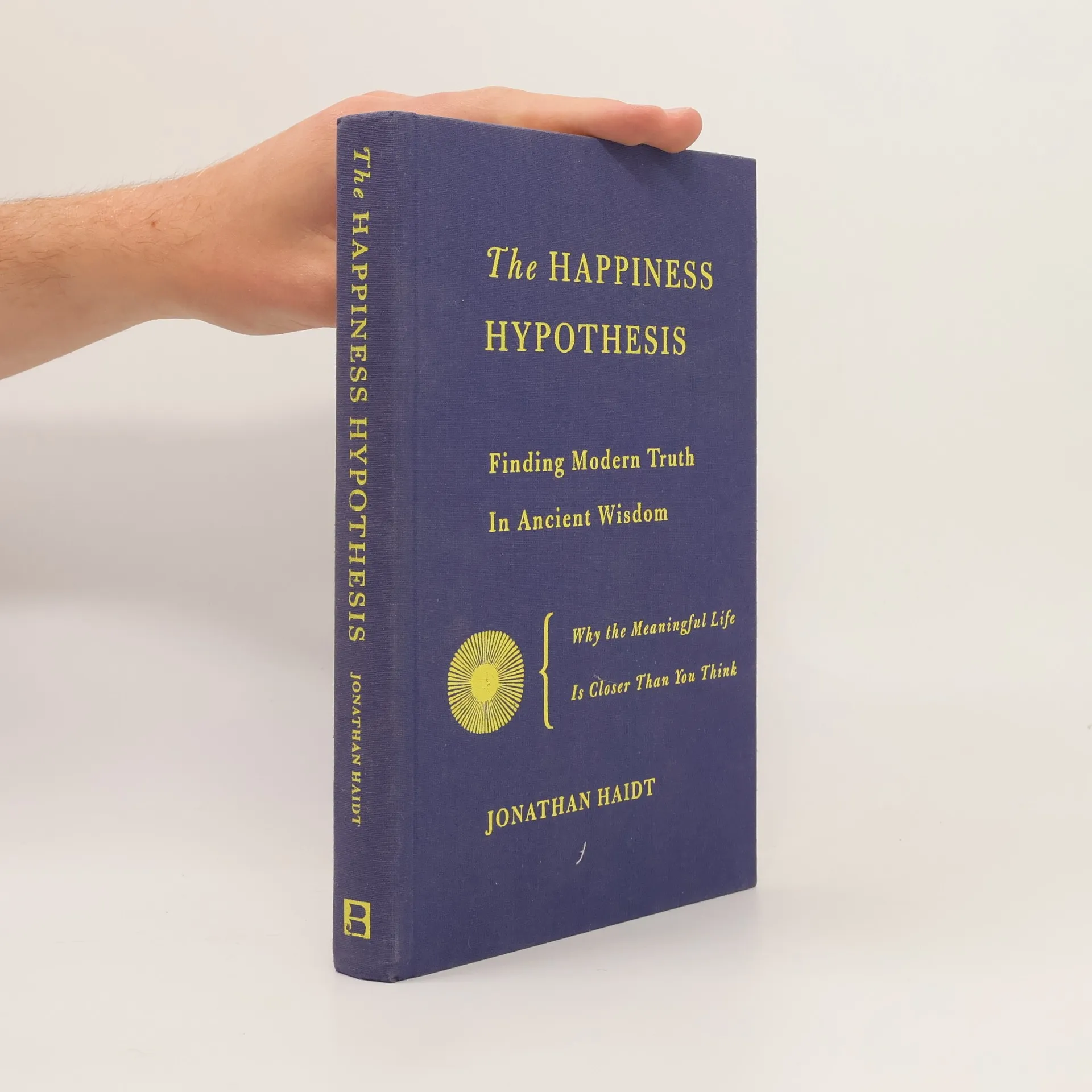
The Happiness Hypothesis, Jonathan Haidt
- Idioma

- Publicado en
- 2006
- product-detail.submit-box.info.binding
- (Tapa dura)
Métodos de pago
Nos falta tu reseña aquí
- Título
- The Happiness Hypothesis
- Subtítulo
- Finding Modern Truth in Ancient Wisdom
- Idioma
- Inglés
- Autores
- Jonathan Haidt
- Editorial
- Basic Books
- Publicado en
- 2006
- Formato
- Tapa dura
- Páginas
- 297
- ISBN10
- 0465028012
- ISBN13
- 9780465028016
- Serie
- Etiquetas
- No ficción, Ciencias sociales, Autoayuda, Temas psicológicos, Temática filosófica, Filosofía, Desarrollo personal, Ciencia, Regalos para mujeres
- Título original
- The happiness hypothesis, dt.
- Calificación
- 4,1 de 5
- Descripción
- Jonathan Haidt skillfully blends philosophical wisdom with scientific research, offering surprising insights into human behavior. He explores why we struggle with self-control, why achievements often fail to bring lasting happiness, and why even atheists can experience spiritual elevation. In a compelling final chapter, he tackles the profound question of how to live a meaningful life, drawing inspiration from both philosophy and science. This nuanced exploration addresses essential life questions: Why are we here? What kind of life should we lead? What paths lead to happiness? Haidt weaves together the insights of ancient philosophers and contemporary scientists, enriching the discussion with his original work on elevation and awe—two often-overlooked emotions. Critics praise the book for its deep connection between modern psychology and ancient wisdom, highlighting Haidt's ability to balance scientific findings with timeless truths. His analysis of virtue and well-being is described as the most brilliant in positive psychology literature. Haidt's engaging style provides clarity and humor as he navigates the complexities of psychological theory, ultimately suggesting that a fulfilling life may lie in balancing opposites. This inspiring work is a valuable guide for anyone seeking to understand happiness.