

Más información sobre el libro
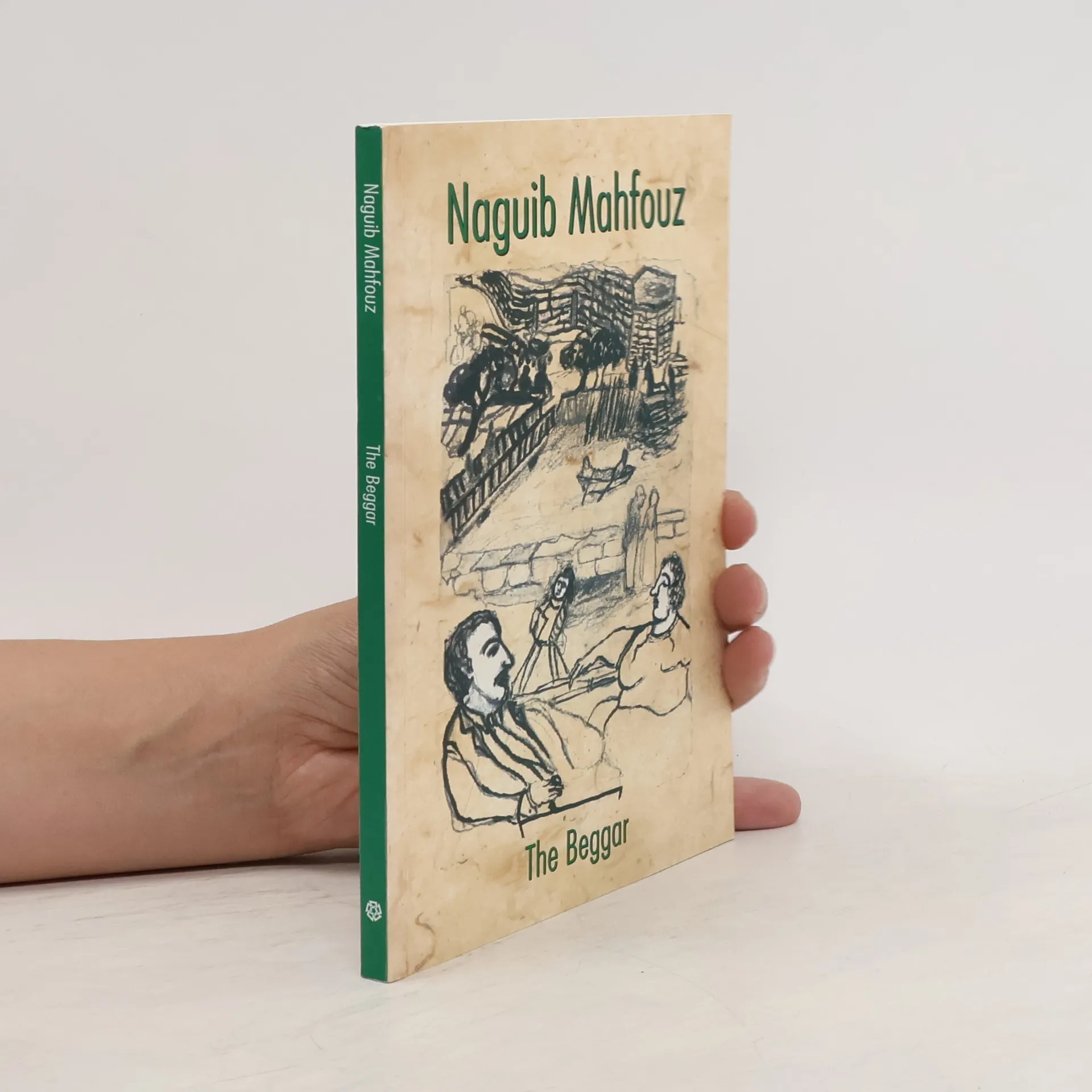
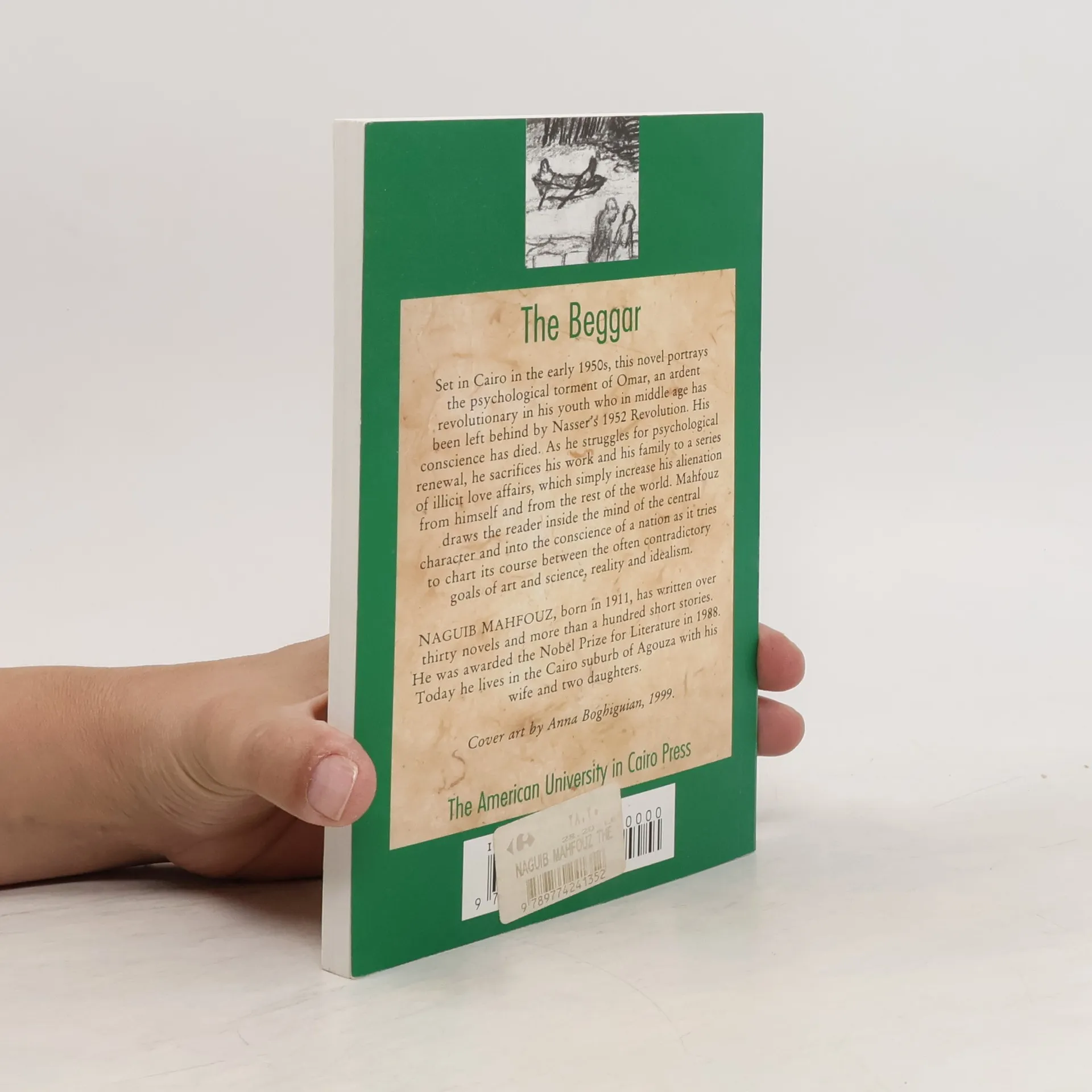
The Beggar, set in Cairo in the early 1950s, portrays the psychological torment of Omar, an ardent revolutionary in youth who in middle age has been left behind by Nasser's Revolution. His conscience has fled. As he struggles with psychological renewal, he sacrifices his work and his family to a series of illicit love affairs, which simply increase his alienation from himself and from the rest of the others. Mahfouz draws the reader not only inside the mind of the central character but also into the conscience of a nation as it tries to chart its course between the often contradictory realms of art and science, idealism and realism. The Swedish Academy of Letters in awarding Naguib Mahfouz the 1988 Nobel Prize for Literature noted that Mahfouz "through works rich in nuance - now clear-sightedly realistic, now evocatively ambiguous - has formed an Arabic narrative art that applies to all mankind."

Compra de libros
The Beggar, Nagib Machfus
- Idioma

- Publicado en
- 1986
- Encuadernación
- (Tapa blanda)
Métodos de pago
Nos falta tu reseña aquí
- Título
- The Beggar
- Idioma
- Inglés
- Autores
- Nagib Machfus
- Editorial
- American University in Cairo Press
- Publicado en
- 1986
- Formato
- Tapa blanda
- Páginas
- 124
- ISBN10
- 9774241355
- ISBN13
- 9789774241352
- Serie
- Etiquetas
- Temática filosófica, Egipto
- Título original
- aš- Šaḥḥād
- Calificación
- 3,7 de 5
- Descripción
- The Beggar, set in Cairo in the early 1950s, portrays the psychological torment of Omar, an ardent revolutionary in youth who in middle age has been left behind by Nasser's Revolution. His conscience has fled. As he struggles with psychological renewal, he sacrifices his work and his family to a series of illicit love affairs, which simply increase his alienation from himself and from the rest of the others. Mahfouz draws the reader not only inside the mind of the central character but also into the conscience of a nation as it tries to chart its course between the often contradictory realms of art and science, idealism and realism. The Swedish Academy of Letters in awarding Naguib Mahfouz the 1988 Nobel Prize for Literature noted that Mahfouz "through works rich in nuance - now clear-sightedly realistic, now evocatively ambiguous - has formed an Arabic narrative art that applies to all mankind."