



Más información sobre el libro
To read Tolstoy's early sketch, The Raid, and his first novel, The Cossacks, is to enter the workshop of a great writer and thinker. In The Raid Tolstoy explores the nature of courage itself, a theme central to War and Peace. In The Cossacks he sets forth all the motifs of his whole future life and his work. The hero is a young man-about-town who has squandered half his fortune - and his life - and retires to the desultory existence of a regiment stationed in mountainous Cossack country, where he takes part in the daily life of a Cossack village. But his love for the beautiful Maryanka precipitates a conflict between the belief that "Happiness lies in living for others" and a passion that sweeps self-abnegation aside. As Romain Roland says, "The full force of Tolstoy's descriptive powers is already expressed in this splendid [novel] and Tolstoy's realism shows itself with equal force in depicting human nature."


Compra de libros
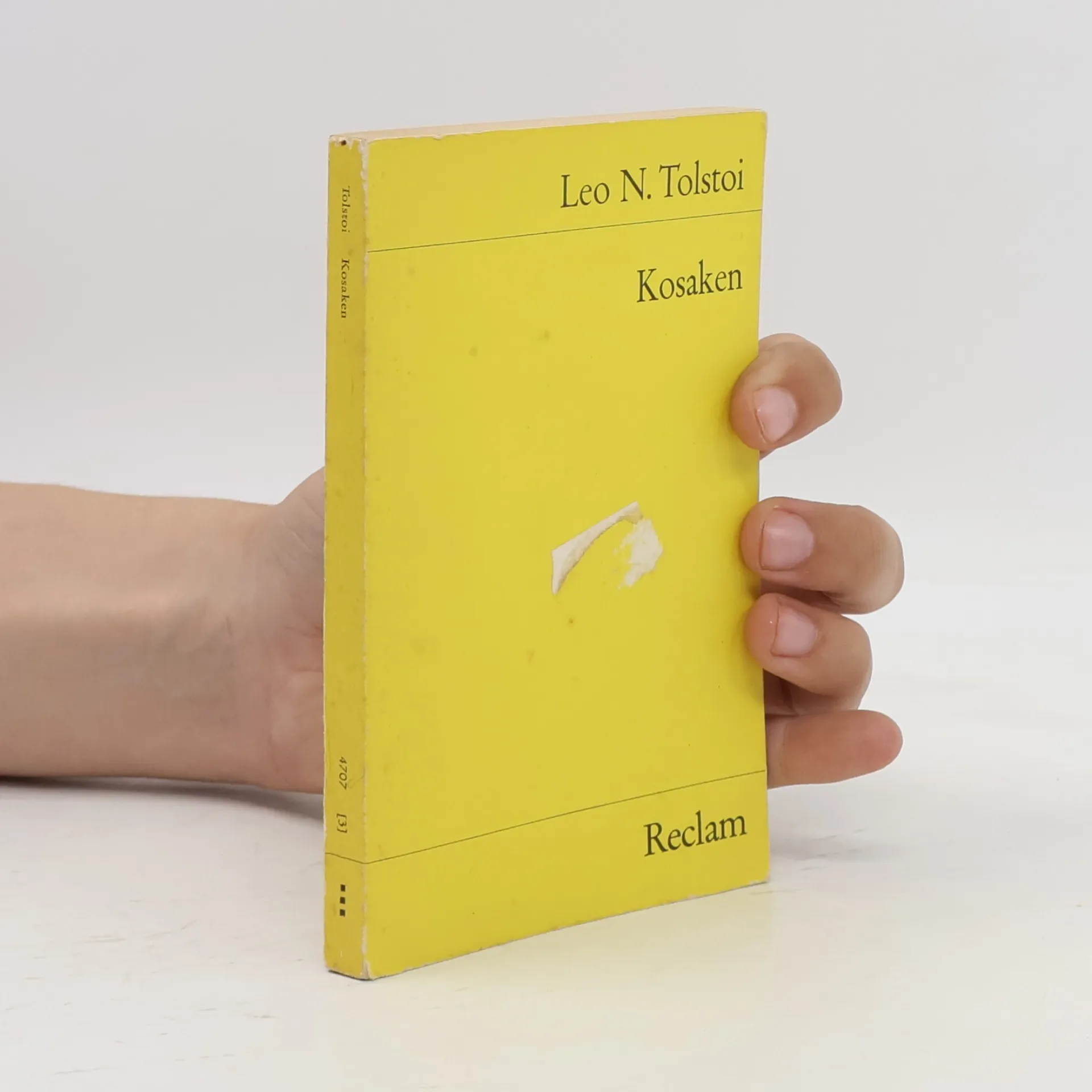
Kosaken, León Tolstói
- Idioma
- Publicado en
- 1979
- Encuadernación
- (Tapa blanda),
- Estado del libro
- Dañado
- Precio
- 0,78 €
Métodos de pago
Nos falta tu reseña aquí
- Título
- Kosaken
- Autores
- León Tolstói
- Editorial
- Reclam
- Publicado en
- 1979
- Formato
- Tapa blanda
- Páginas
- 173
- ISBN10
- 3150047072
- ISBN13
- 9783150047071
- Serie
- Categorías
- Etiquetas
- Rusia, Literatura rusa
- Calificación
- 3,8 de 5
- Descripción
- To read Tolstoy's early sketch, The Raid, and his first novel, The Cossacks, is to enter the workshop of a great writer and thinker. In The Raid Tolstoy explores the nature of courage itself, a theme central to War and Peace. In The Cossacks he sets forth all the motifs of his whole future life and his work. The hero is a young man-about-town who has squandered half his fortune - and his life - and retires to the desultory existence of a regiment stationed in mountainous Cossack country, where he takes part in the daily life of a Cossack village. But his love for the beautiful Maryanka precipitates a conflict between the belief that "Happiness lies in living for others" and a passion that sweeps self-abnegation aside. As Romain Roland says, "The full force of Tolstoy's descriptive powers is already expressed in this splendid [novel] and Tolstoy's realism shows itself with equal force in depicting human nature."