

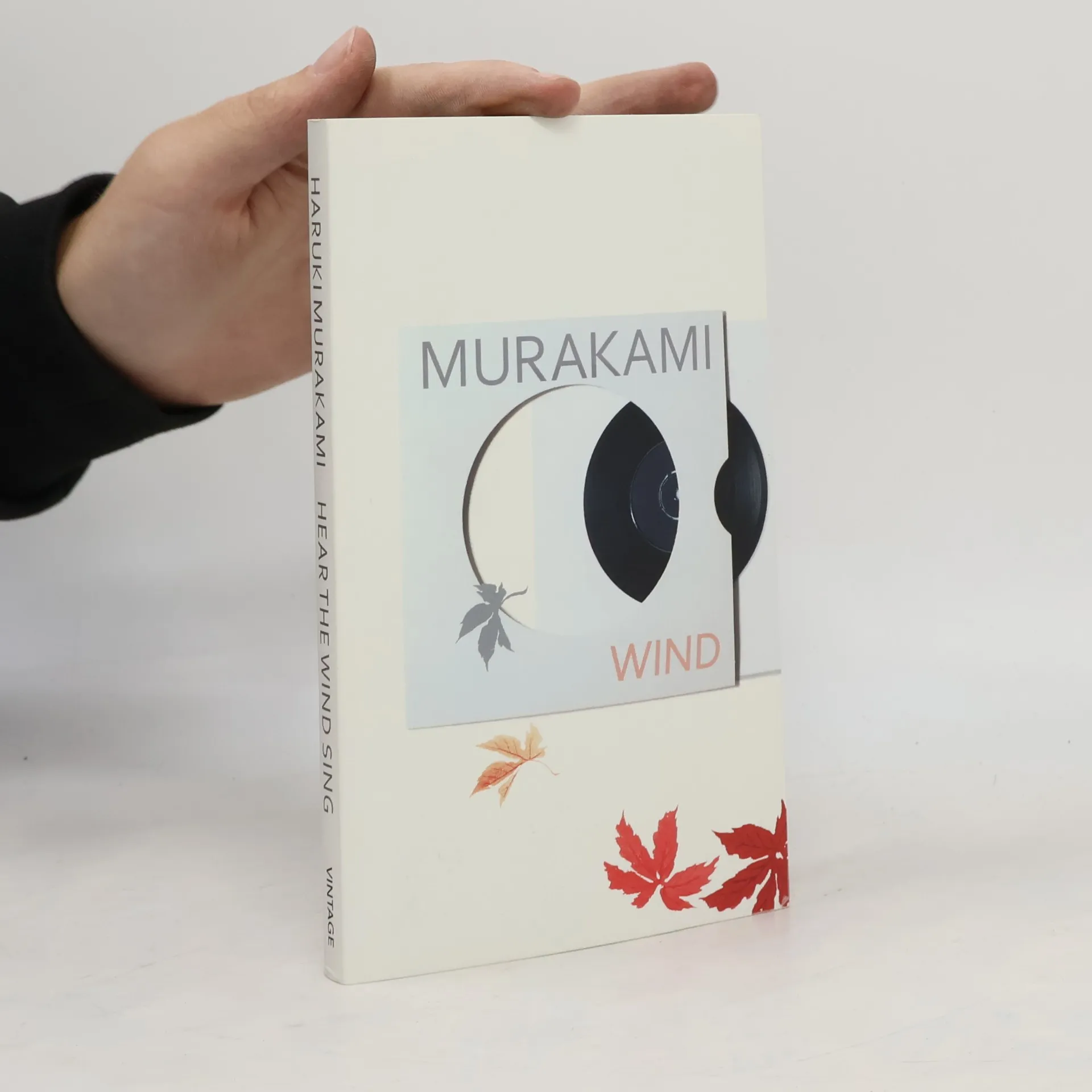
Hear the Wind Sing is Murakami's first novel, available for the first time in English outside Japan. In Hear the Wind Sing the narrator is home from college on his summer break. He spends his time drinking beer and smoking in Jâe(tm)s Bar with the Rat, listening to the radio, thinking about writing and the women he has slept with, and pursuing a relationship with a girl with nine fingers. The story of the narrator, the Rat and J continues in Pinball, 1973.
La rata Serie
Esta serie se sumerge en las profundas temáticas de la soledad, la obsesión y las vidas interiores sensibles de jóvenes adultos en la cúspide de la madurez. Mezcla magistralmente la realidad con el surrealismo, ofreciendo a los lectores una perspectiva única sobre los viajes introspectivos de los personajes. Espere narrativas melancólicas pero cautivadoras que exploran relaciones complejas y la búsqueda de significado en un entorno contemporáneo.


Orden recomendado de lectura
Pinball, 1973 is Murakami's second novel, available for the first time in English outside Japan. With a new introduction by the author. Hear the Wind Sing and Pinball, 1973 are Haruki Murakamiâe(tm)s earliest novels. They follow the fortunes of the narrator and his friend, known only by his nickname, the Rat. Pinball, 1973 picks up three years after the events of Hear the Wind Sing. The narrator has moved to Tokyo to work as a translator and live with indistinguishable twin girls, but the Rat has remained behind, despite his efforts to leave both the town and his girlfriend. The narrator finds himself haunted by memories of his own doomed relationship but also, more bizarrely, by his short-lived obsession with playing pinball in Jâe(tm)s Bar. This sends him on a quest to find the exact model of pinball machine he had enjoyed playing years earlier: the three-flipper Spaceship.
La caza del carnero salvaje
- 384 páginas
- 14 horas de lectura
Un joven publicista ha publicado, en una de sus campanas, una fotografía, aparentemente anodina, que lo ha puesto en la mira de un influyente grupo industrial. Y es que en la fotografía aparece un rebano de ovejas y carneros en un prado, pero uno de esos carneros tiene un poder muy especial. La monótona y en absoluto extraordinaria vida del joven, fumador empedernido y recién divorciado, da una insospechada vuelta de tuerca, pues debe embarcarse en una extrana búsqueda: tendrá que viajar al norte de Japón para encontrar a toda costa a ese peculiar carnero, pues le va en ello la vida. Si a esa línea argumental se le anaden una misteriosa joven con unas orejas exquisitas, un amigo huido (el entranable «el Rata»), un político conservador, un profesor obsesionado con los ovinos y un maniaco-depresivo disfrazado de chivo (el Hombre Carnero que aparecerá en Baila, baila, baila), esta novela se convierte en una de las más singulares obras maestras del más célebre autor japonés de la actualidad.
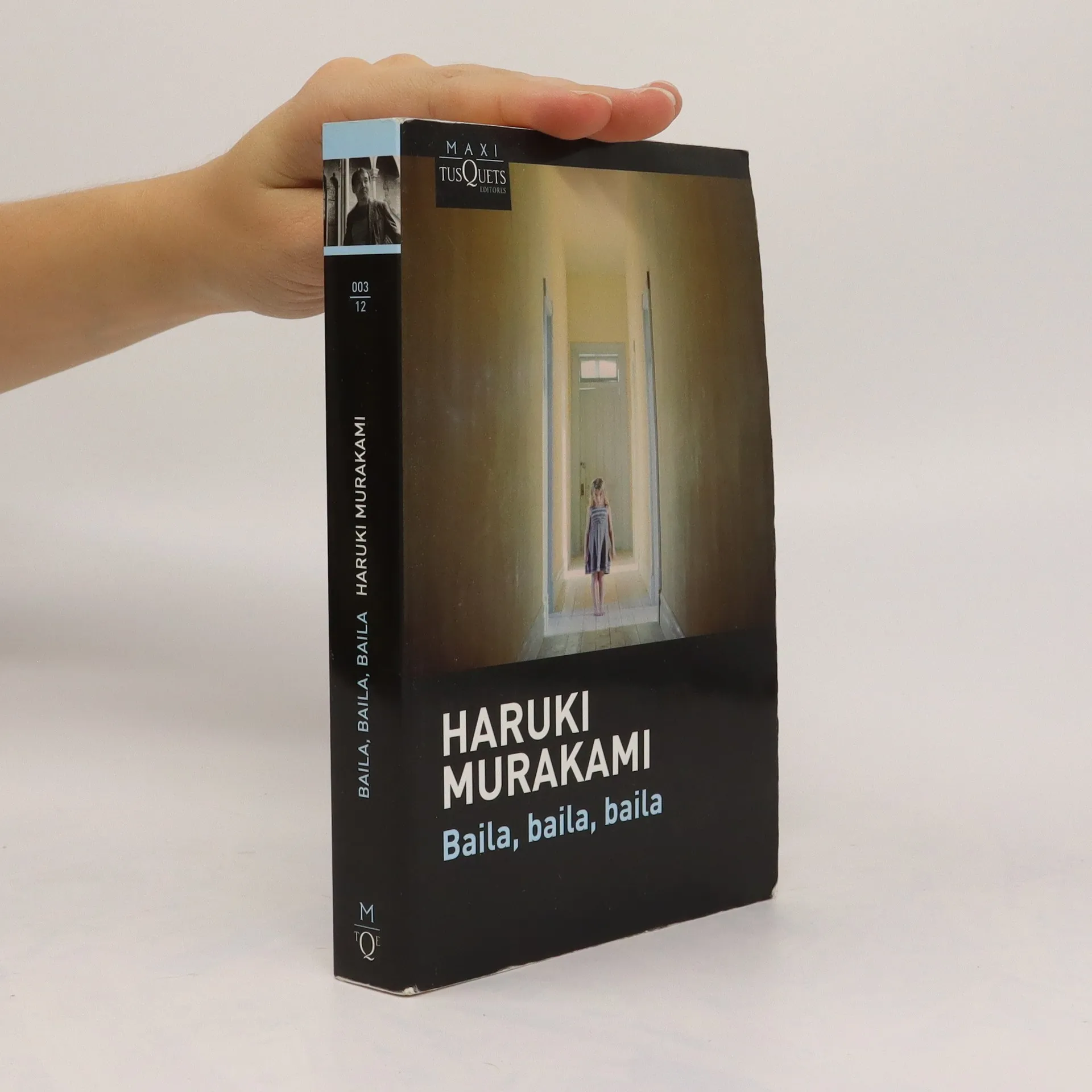
Baila, Baila, Baila
- 464 páginas
- 17 horas de lectura
Un joven soltero y nómada de la gran ciudad es el protagonista de Haruki Murakami. Su vida ha perdido el rumbo: a los 34 años, divorciado, con un amigo fallecido y abandonado por una mujer sin explicación. Sueños recurrentes y recuerdos de Kiki, la "mujer de los sueños" y amante misteriosamente desaparecida, lo llevan de Tokio a Sapporo, al Dolphin Hotel, un lugar que pasó de ser un alojamiento estrafalario a un lujoso palacio. Aquí comenzó todo, aquí todo terminará, pues en este lugar se oculta el Hombre Oveja: un anciano sabio y oracular, ángel guardián y sombra del narrador. Su mensaje es claro: danza, danza, danza. "Lo mejor que puedas. No tienes otra opción." En su búsqueda de una nueva vida, el narrador se ve envuelto en extraños acontecimientos. Conoce a la "hada del hotel", localiza a un antiguo compañero de escuela convertido en estrella de cine, se ve involucrado en ominosos casos de asesinato y se convierte en protector de la joven Yuki, quien guarda un secreto con él. Este es un cautivador y emocionante relato sobre las confusiones de la vida en el mundo occidental, lleno de melancolía y alegría, desinhibido e inteligente.
Libros relacionados
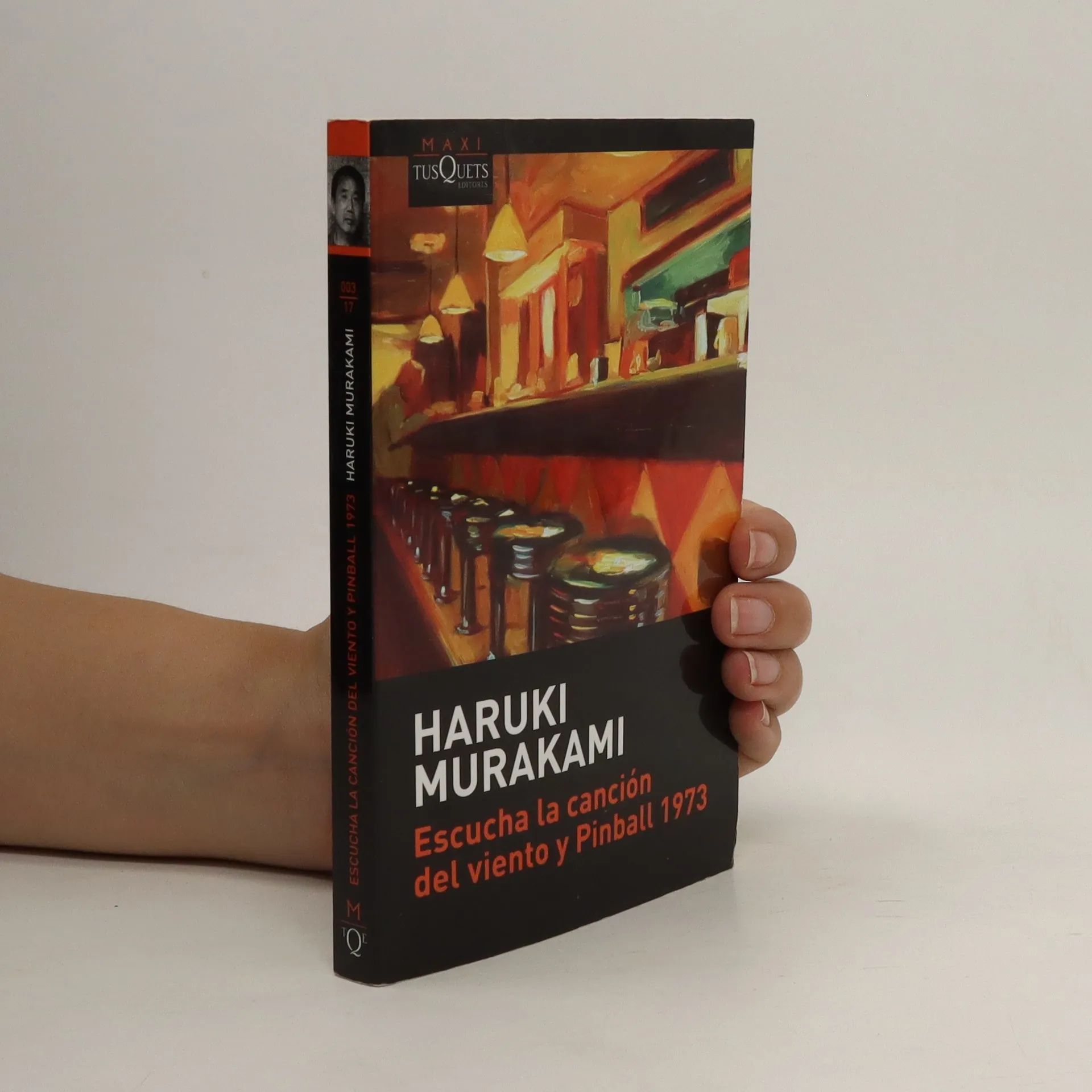
Escucha la canción del viento y Pinball 1973
- 288 páginas
- 11 horas de lectura
El origen del mito Murakami: las dos primeras novelas del célebre autor japonés, en un solo volumen. Escucha la canción del viento (1979), la ópera prima de Murakami, sigue a un estudiante de veintiún años, sin nombre, de vacaciones en su ciudad natal, en agosto de 1970. El joven pasa el tiempo en compañía de su mejor amigo, apodado el «Rata», una chica con cuatro dedos en la mano izquierda y un barman. A estos personajes se suma la fi gura de un escritor (inventado): Derek Heartfield, con quien se abre y se cierra la obra. Pinball 1973 (1980) se desarrolla tres años después. Ese mismo joven vive ahora en Tokio, con dos gemelas idénticas, mientras el «Rata» sigue viendo pasar la vida en el J.’s Bar. Una novela melancólica (con gatos, pozos y antiguas novias), en una atmósfera poética, que contiene las mejores escenas de pinball de la historia de la literatura.
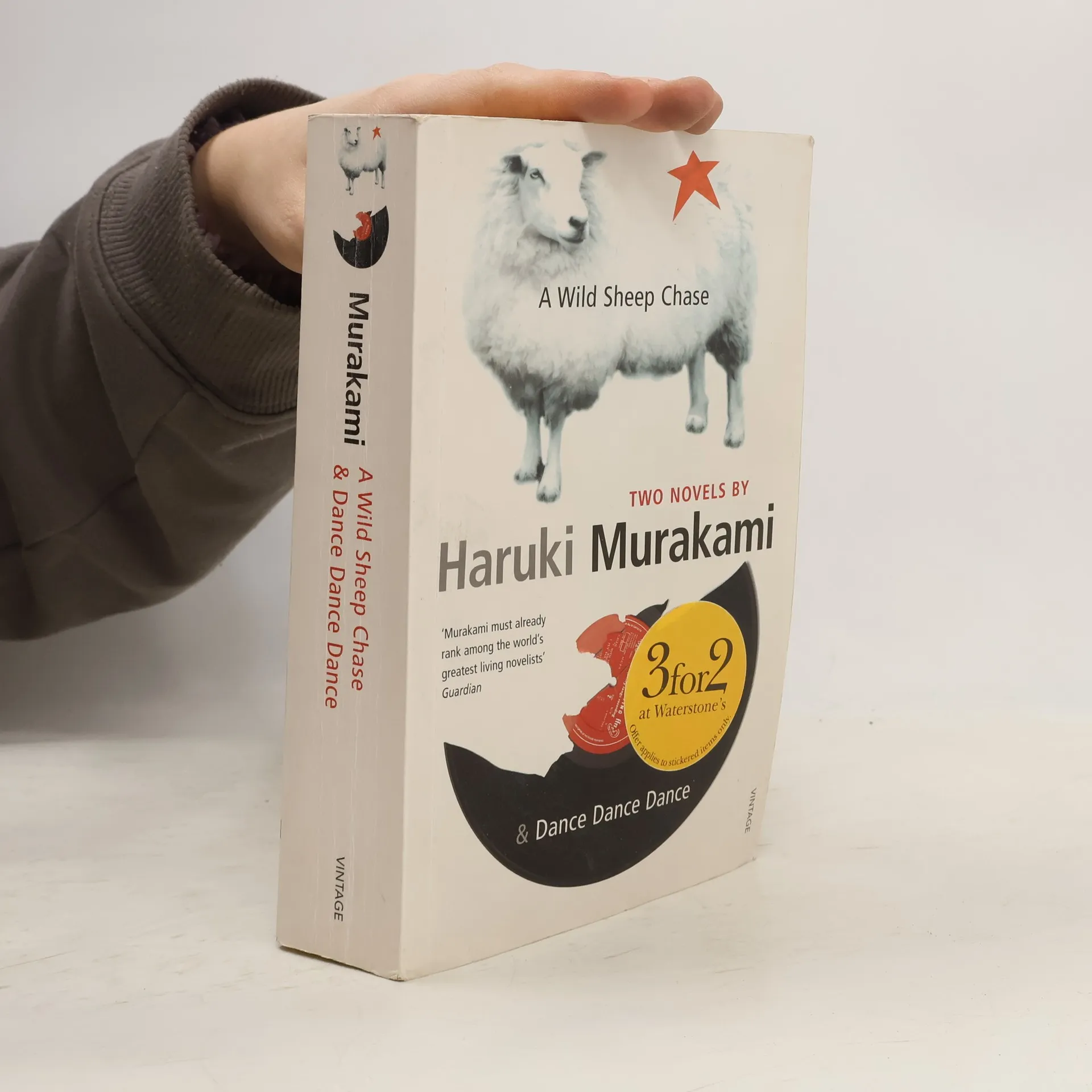
Murakami Omnibus: A Wild Sheep Chase / Dance Dance Dance
- 695 páginas
- 25 horas de lectura
"A Wild Sheep Chase" - His life was like his recurring nightmare: a train to nowhere. But an ordinary life has a way of taking an extraordinary turn. Add a girl whose ears are so exquisite that, when uncovered, they improve sex a thousand-fold, a runaway friend, a right-wing politico, an ovine-obsessed professor and a manic-depressive in a sheep outfit, implicate them in a hunt for a sheep, that may or may not be running the world, and the upshot is another singular masterpiece from Haruki Murakami. "Dance Dance Dance" - High-class call girls billed to Mastercard; a psychic thirteen-year-old drop-out with a passion for Talking Heads; a hunky matinee idol doomed to play dentists and teachers; a one-armed beach-combing poet, an uptight hotel clerk and one very bemused narrator caught in the web of advanced capitalist mayhem; combine this offbeat cast of characters with Murakami's idiosyncratic prose and out comes "Dance Dance Dance". It is an assault on the senses, part murder mystery, part metaphysical speculation; a fable for our times as catchy as a rock song blasting from the window of a sports car.