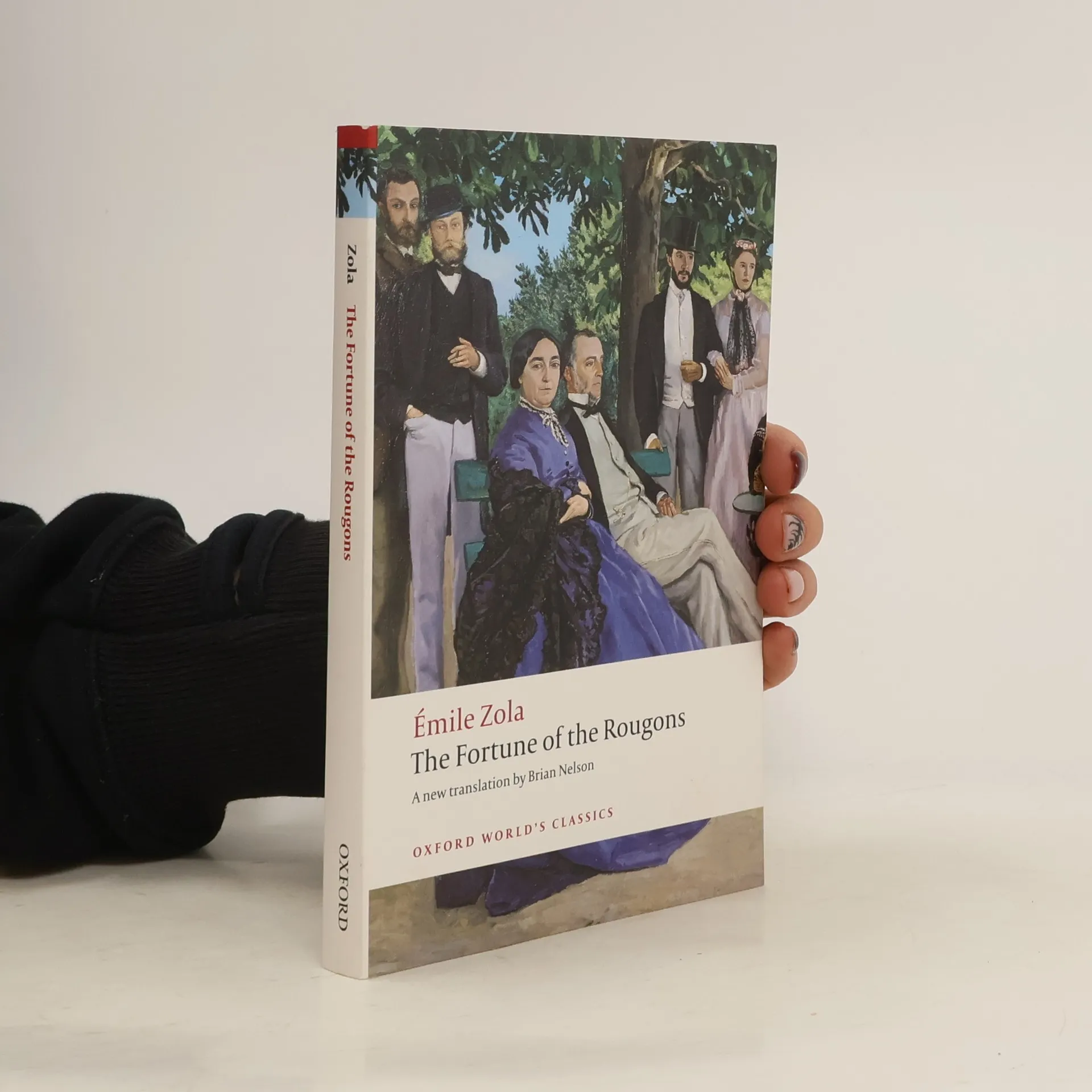
The Fortune of the Rougons is the first in Zola's famous Rougon-Macquart series of novels. Not only the inaugural novel, it is the series' founding text, establishing its genealogical basis. The family's greed and rapacity mirrors the diseased society in which it flourishes. This lively new translation is accompanied by introduction and notes.
Les Rougon-Macquart Serie
Les Rougon-Macquart es el título colectivo de una serie de veinte novelas del escritor francés Émile Zola. La obra, subtitulada Historia natural y social de una familia durante el Segundo Imperio, sigue las vidas de los miembros de dos ramas titulares de una familia ficticia que vive durante el Segundo Imperio francés y es una de las obras más importantes del movimiento literario naturalista francés.

Orden recomendado de lectura
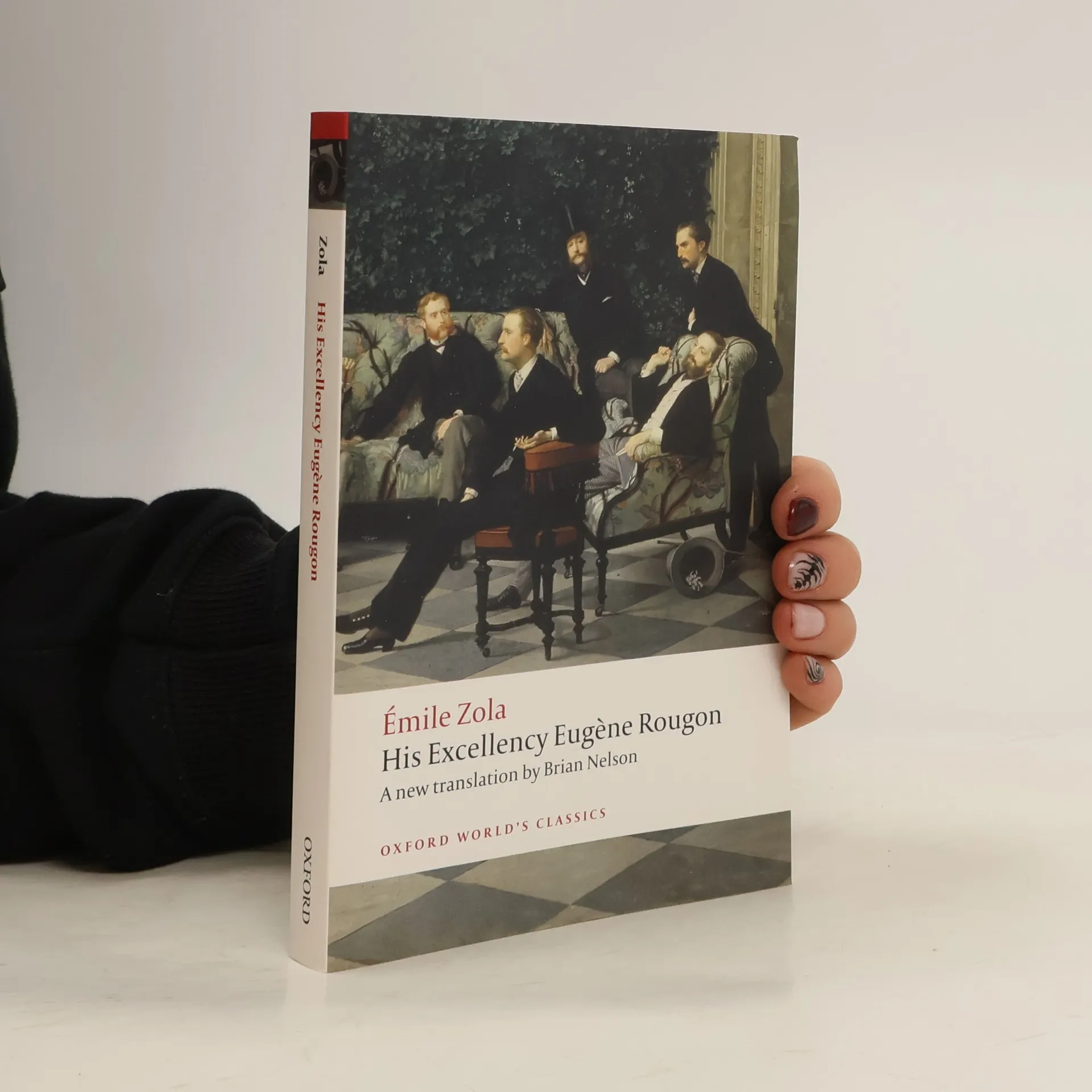
Im going to celebrate the 21st century with a re-read of His Excellency Eugène Rougon. Swiftly Tilting Planet
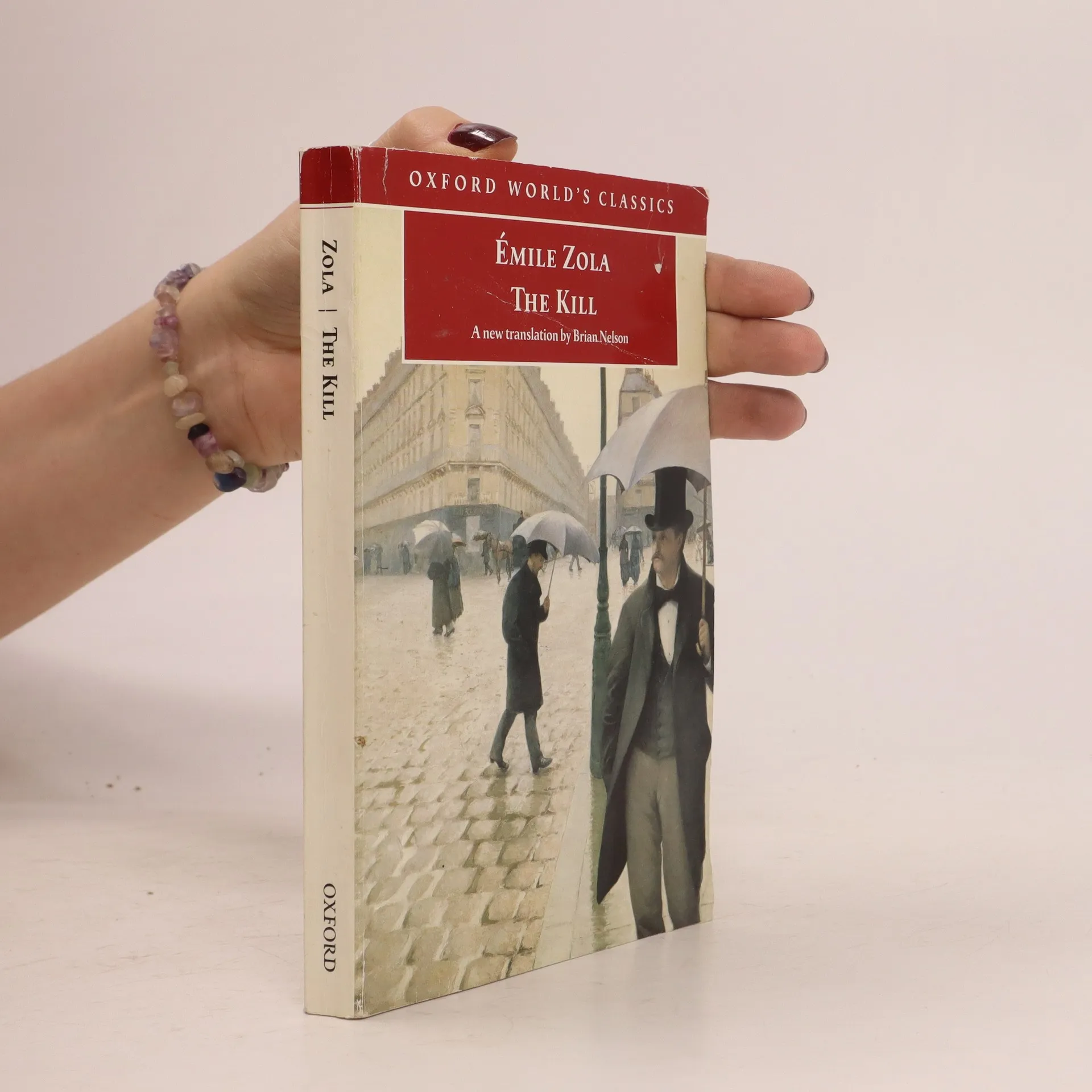
The Kill (La Curée) is the second volume in Zola's great cycle of twenty novels, Les Rougon-Macquart, and the first to establish Paris - the capital of modernity - as the centre of Zola's narrative world. Conceived as a representation of the uncontrollable 'appetites' unleashed by the Second Empire (1852-70) and the transformation of the city by Baron Haussmann, the novel combines into a single, powerful vision the twin themes of lust for money and lust for pleasure. The all-pervading promiscuity of the new Paris is reflected in the dissolute and frenetic lives of an unscrupulous property speculator, Saccard, his neurotic wife Renée, and her dandified lover, Saccard's son Maxime.
Money
- 416 páginas
- 15 horas de lectura
Inspired by real events and meticulously researched by Zola, Money is, in the wake of recent financial scandals, an all-too-topical exploration of the dynamics of greed, the excesses of capitalism and its dangerous relationship with politics and the press.
The Dream
- 256 páginas
- 9 horas de lectura
In The Dream, the sixteenth novel in the Rougon-Macquart series, Zola blends mysticism and fairy tale with naturalism as an orphan girl falls in love with a nobleman.
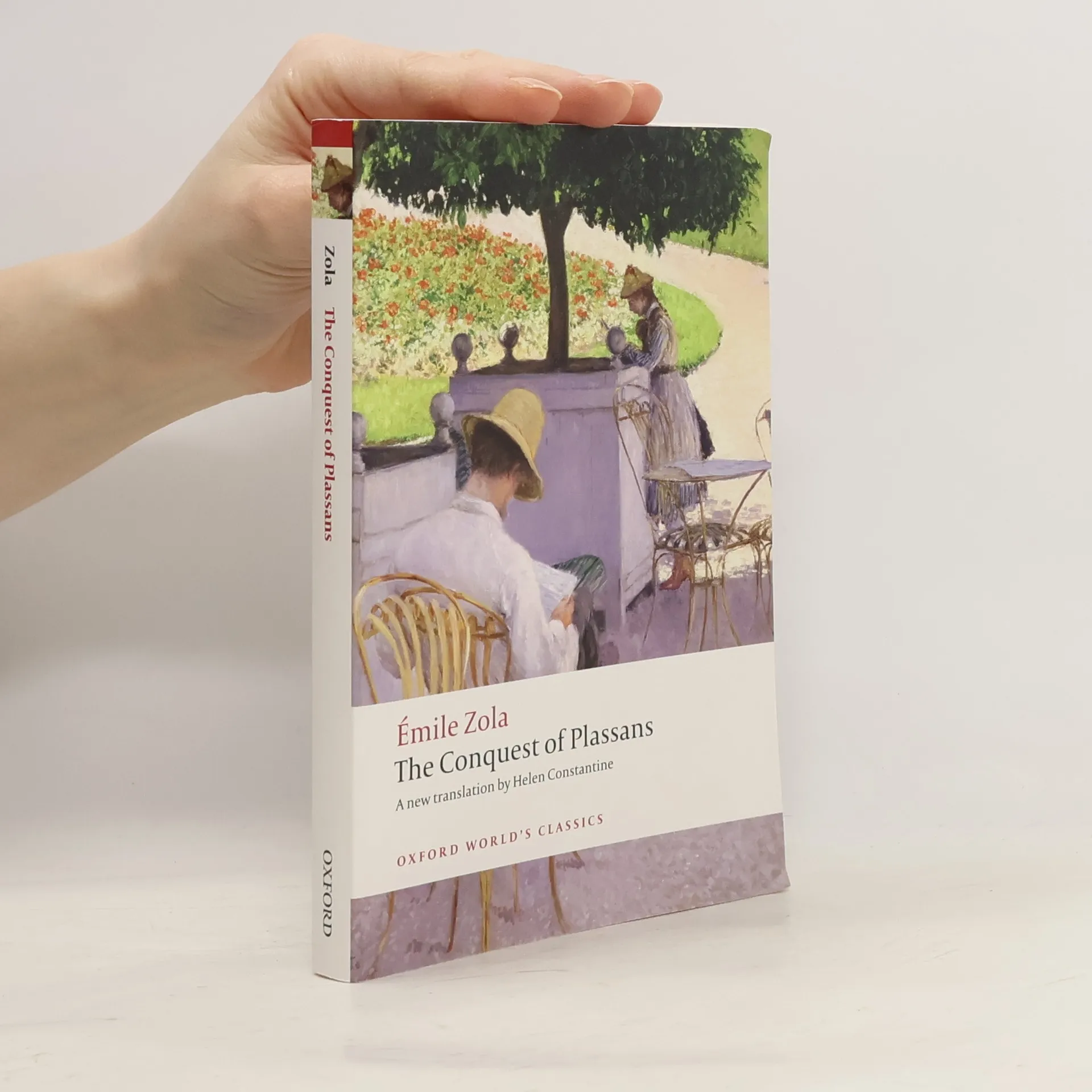
The Conquest of Plassans
- 307 páginas
- 11 horas de lectura
An ambitious and unscrupulous priest arrives in the provincial town of Plassans, intent on conquering its political and social life. His arrival has profound consequences for the Mouret family, whose lives are turned upside down. This is the fourth novel in Zola's Rougon-Macquart series, and the first modern translation for more than fifty years.
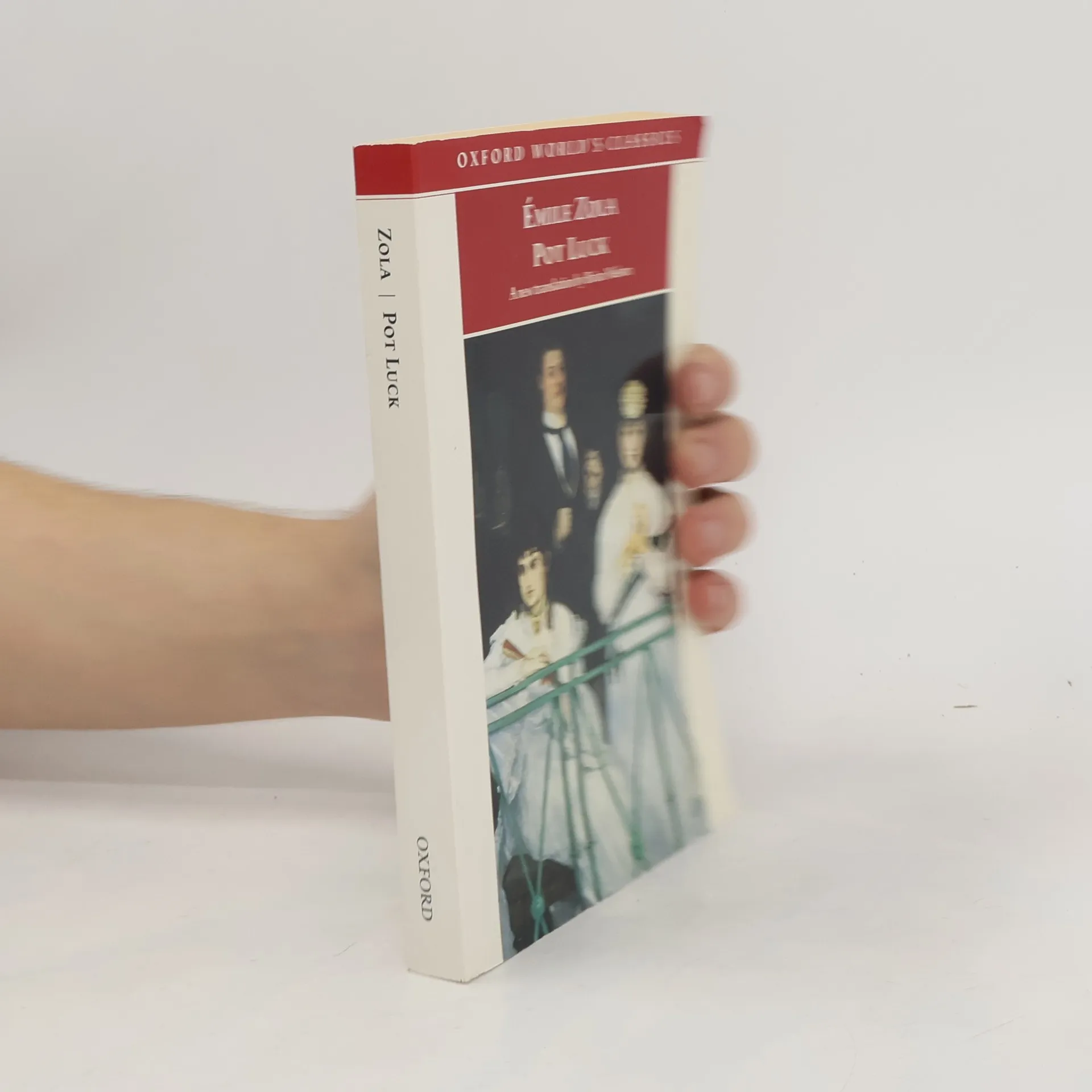
Pot Luck
- 416 páginas
- 15 horas de lectura
Pot Luck , Zola's most acerbic satire, describes daily life in a newly constructed block of flats in late nineteenth-century Paris. In examining the contradictions that pervade bourgeois life, Zola reveals a multitude of betrayals and depicts a veritable 'melting pot' of moral and sexualdegeneracy. This new translation captures the robustness of Zola's language and restores the omissions of earlier abridged versions.
Eleventh book in the author's Rougon-Macquart cycle.
The Sin of Abbé Mouret is the fifth novel in Zola's Rougon-Macquart series. It follows Serge Mouret, a young priest, aspiring to perfect purity and sanctity. An illness leaves him with amnesia, and no longer knowing he is a priest, he falls in love with his nurse. Together they roam an Eden-like garden called the 'Paradou'.
A Love Story
- 306 páginas
- 11 horas de lectura
A fascinating study in sexual psychology and sexual politics, the novel focuses on Helene Grandjean, a widow, and her shifting emotional states. This is the eighth novel in Zola's Rougon-Macquart series, and the first modern translation for more than fifty years.
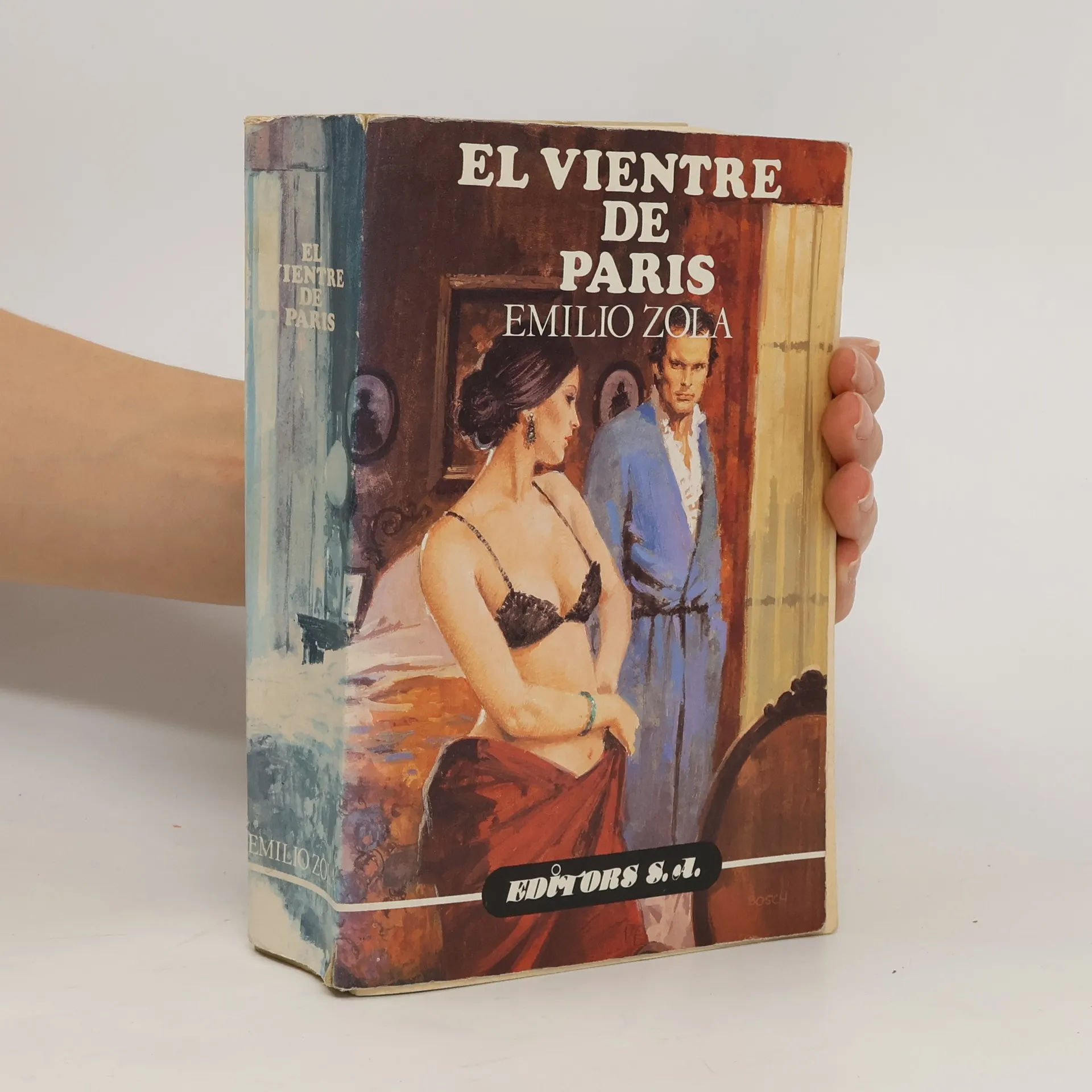
Parte de la saga multigeneracional de Rougon-Macquart de Émile Zola, El vientre de París es la historia de Florent Quenu, un hombre injustamente acusado que escapa de la prisión en la Isla del Diablo. Al regresar a su París natal, Florent encuentra una ciudad que apenas reconoce, con sus clases trabajadoras desplazadas para dar paso a amplios bulevares y pisos burgueses. Viviendo con la familia de su hermano en el recién reconstruido mercado de Les Halles, Florent pronto se ve atrapado en un peligroso torbellino de comida y política. En medio de la intriga entre los vendedores del mercado –el pescadero, la charcutera, la frutera y el vendedor de queso– y la gloriosa abundancia culinaria de sus labores, vemos la dramática diferencia entre "gordo y flaco" (los ricos y los pobres) y cómo la creciente brecha entre ellos tensa a la ciudad hasta el punto de quiebre. El vientre de París ofrece perspectivas fascinantes sobre la capital francesa durante el Segundo Imperio y, por supuesto, descripciones tentadoras de sus suntuosos banquetes.
The Bright Side of Life
- 368 páginas
- 13 horas de lectura
When Pauline Quenu is taken to the seaside to live with her relatives, her love of life contrasts with the pessimism which infects the family. This is the twelfth novel in Zola's Rougon-Macquart series, remarkable for it's depictions of intense emotions and physical and mental suffering.
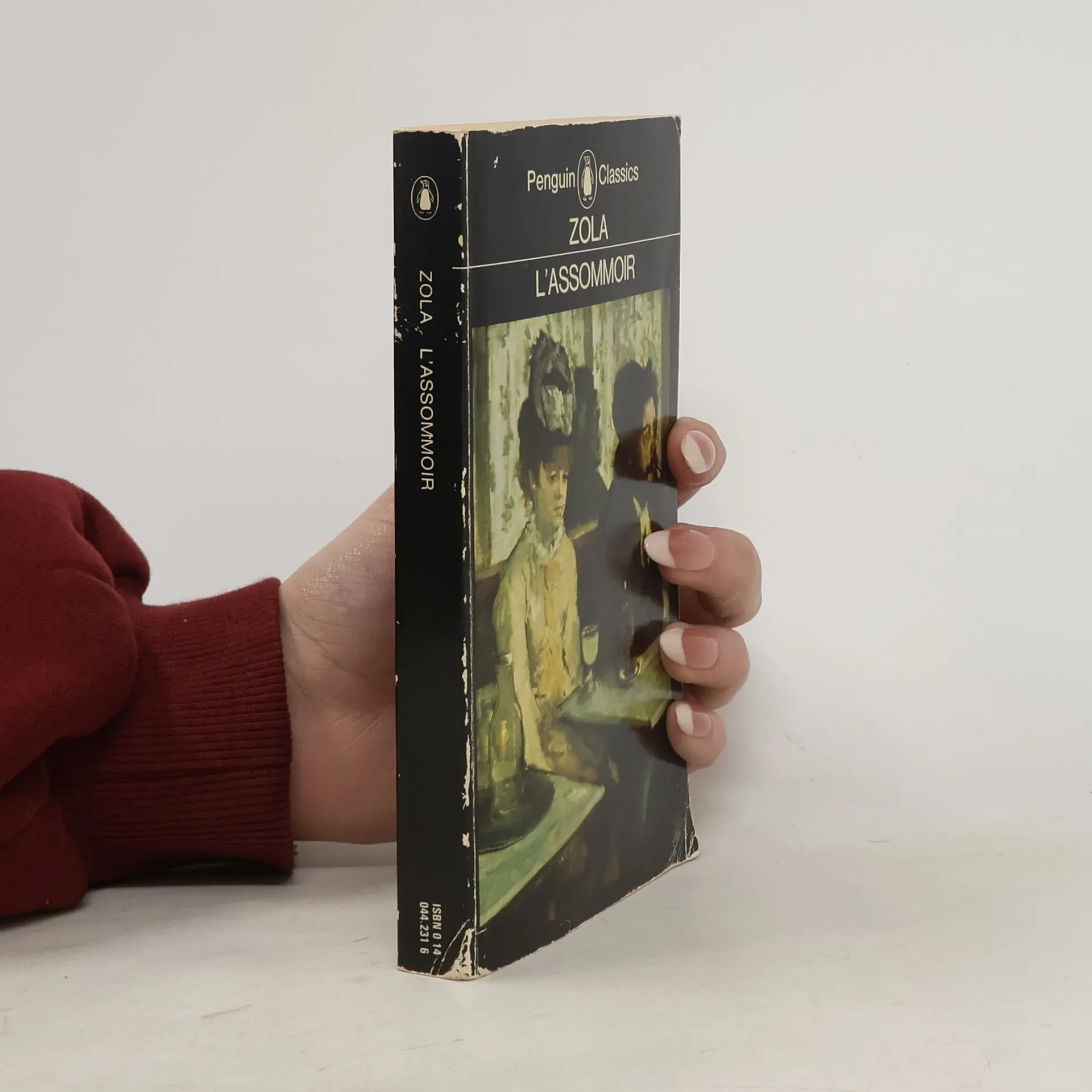
The seventh novel in Zola's Rougon-Macquart cycle, The Assommoir is the story of a woman's struggle for happiness in working-class Paris.
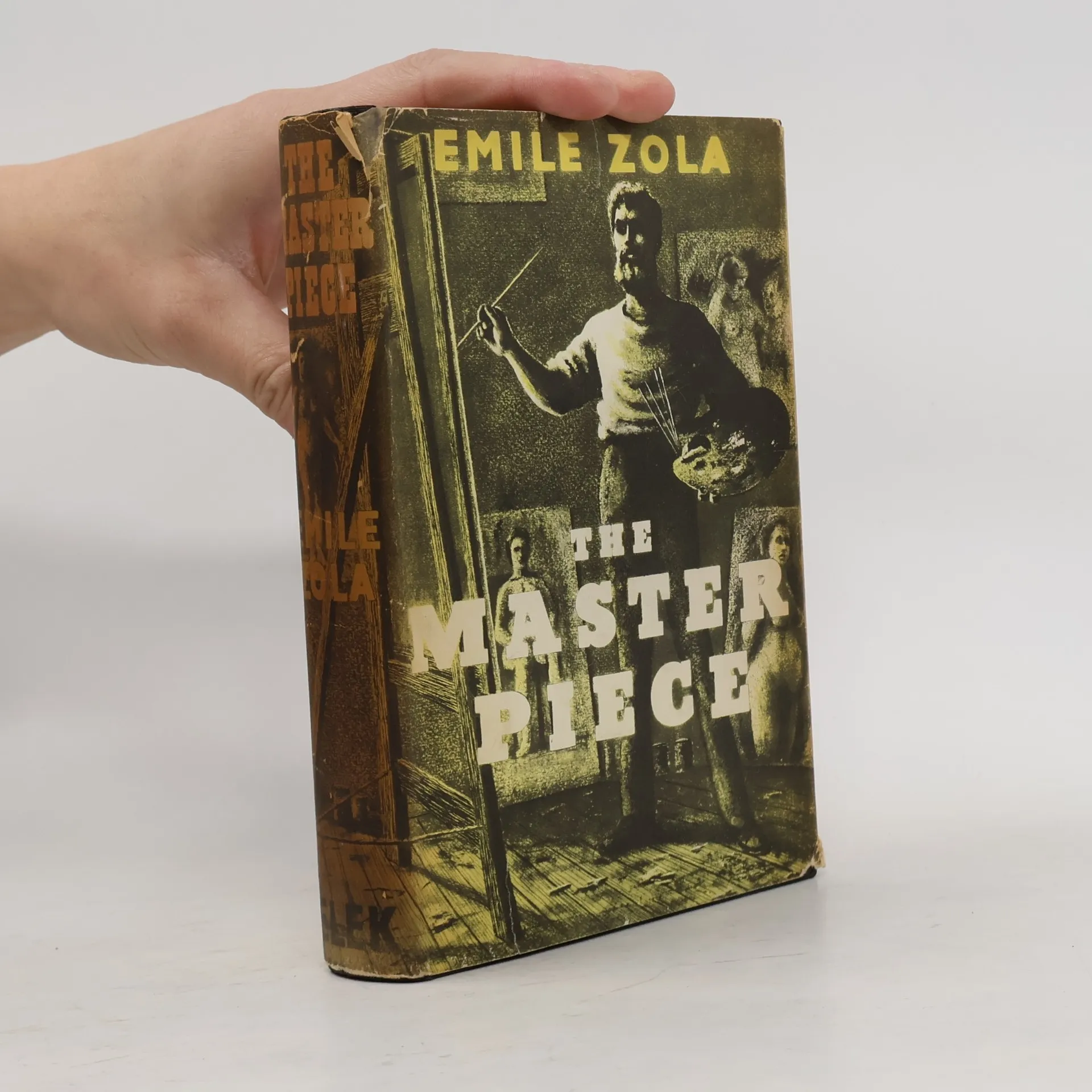
The Masterpiece is the tragic story of Claude Lantier, an ambitious and talented young artist from the provinces who has come to conquer Paris and is conquered by the flaws in his own genius. While his boyhood friend Pierre Sandoz becomes a successful novelist, Claude's originality is mocked at the Salon and turns gradually into a doomed obsession with one great canvas. Life - in the form of his model and wife Christine and their deformed child Jacques - is sacrificed on the altar of Art. The Masterpiece is the most autobiographical of the twenty novels in Zola's Rougon-Macquart series. Set in the 1860s and 1870s, it provides a unique insight into his career as a writer and his relationship with Cézanne, a friend since their schooldays in Aix-en-Provence. It also presents a well-documented account of the turbulent Bohemian world in which the Impressionists came to prominence despite the conservatism of the Academy and the ridicule of the general public.
La Bête humaine
- 368 páginas
- 13 horas de lectura
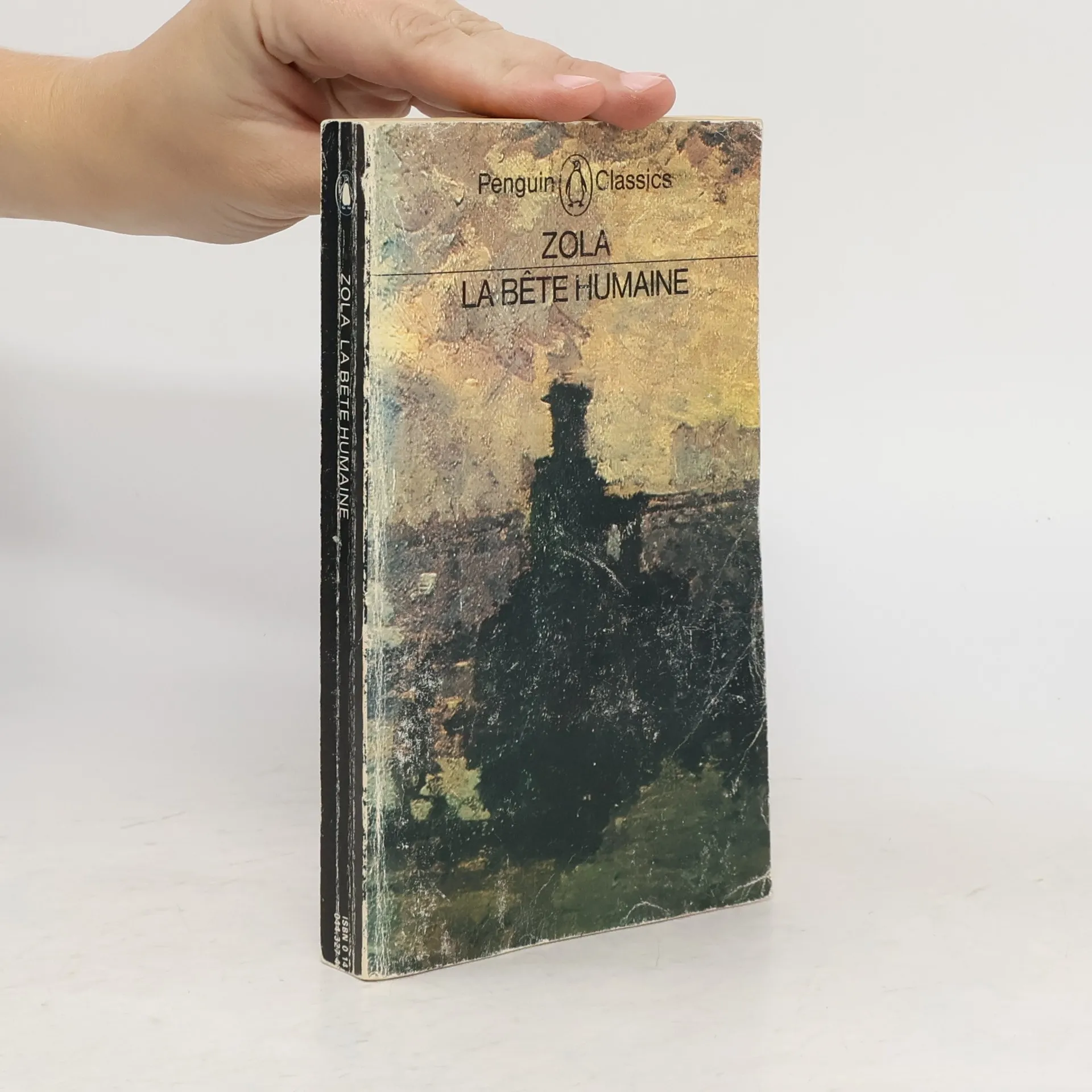
One of Zola's most violent works, this novel is on one level a tale of murder and possession, and on another a compassionate study of individuals derailed by atavistic forces beyond their control. It evokes life at the end of the Second Empire in France, and a society hurtling towards the future.
"Germinal" de Émile Zola es una novela realista sobre una huelga de mineros en el norte de Francia en la década de 1860. La historia sigue a Étienne Lantier, quien enfrenta injusticias y condiciones inhumanas en las minas de carbón. Es un poderoso alegato en favor de los oprimidos, destacando el amor y la lucha social.
Naná
- 479 páginas
- 17 horas de lectura
En el París febril y deslumbrante del Segundo Imperio todo el mundo habla de Naná, la nueva estrella del Teatro de Variedades. Su atractivo es irresistible, su ambición, enorme; pero más allá del brillo de la vida mundana se ocultan también la miseria, el sufrimiento y las tragedias personales. Símbolo de la decadencia de la Francia de su época, Naná es también el prototipo de la mujer fatal y de la cortesana sin escrúpulos sentimentales. AUTOR Émile Zola (1840-1902) es el máximo representante del naturalismo. Autor de una vasta obra que quiso retratar al detalle todas las facetas de la sociedad que le tocó vivir, entre sus obras más célebres cabe citar, además de Naná, Germinal (en esta misma colección), La fortuna de los Rougon (L 5685), La jauría (L 5694), El vientre de París, La taberna o La bestia humana.
Zola's novel of peasant life describes the disintegration of the Fouan family when Papa Fouan decides to divide his land between his three children. Greed and violence feed a bitter struggle for supremacy. This new translation captures the novel's blend of brutality and lyricism in its evocation of the inexorable cycle of the natural world.
Émile Zola is regarded as one of the most significant French novelists of the 19th century and a founder of Naturalism. He initially published loosely connected novels and worked as a journalist before conceptualizing most of his works as part of a cycle that illuminates the social and political realities of his time. The twenty novels in this series narrate the family saga of the Rougons and Macquarts, addressing the conflict between the bourgeoisie and the working class. Zola, a moderate leftist, aimed to enrich conservative French literature with progressive elements. The novels are arranged in chronological order and tackle central societal issues. The cycle includes titles such as "The Fortune of the Rougons," "Nana," "Germinal," and "Doctor Pascal," each depicting various aspects of life under the Second Empire. Zola's work is considered crucial for understanding the social structures and conflicts of his era and has left a lasting impact on literature.
Doctor Pascal is the twentieth and final novel in Zola's great Rougon-Macquart series. Pascal Rougon has spent his life chronicling the hereditary patterns and illnesses of his family, using medicine to attempt cures, whilst his niece Clotilde places her faith in God.