
Bookbot

Paul Werstine

    Paul Werstine es un distinguido erudito de Shakespeare cuyo trabajo profundiza en la impresión y edición de sus obras. Examina meticulosamente manuscritos de teatro de la época moderna temprana, explorando su impacto en la forma final de las obras dramáticas de Shakespeare. Sus profundas perspectivas sobre las tradiciones textuales y las prácticas editoriales iluminan las complejidades del legado literario de Shakespeare.

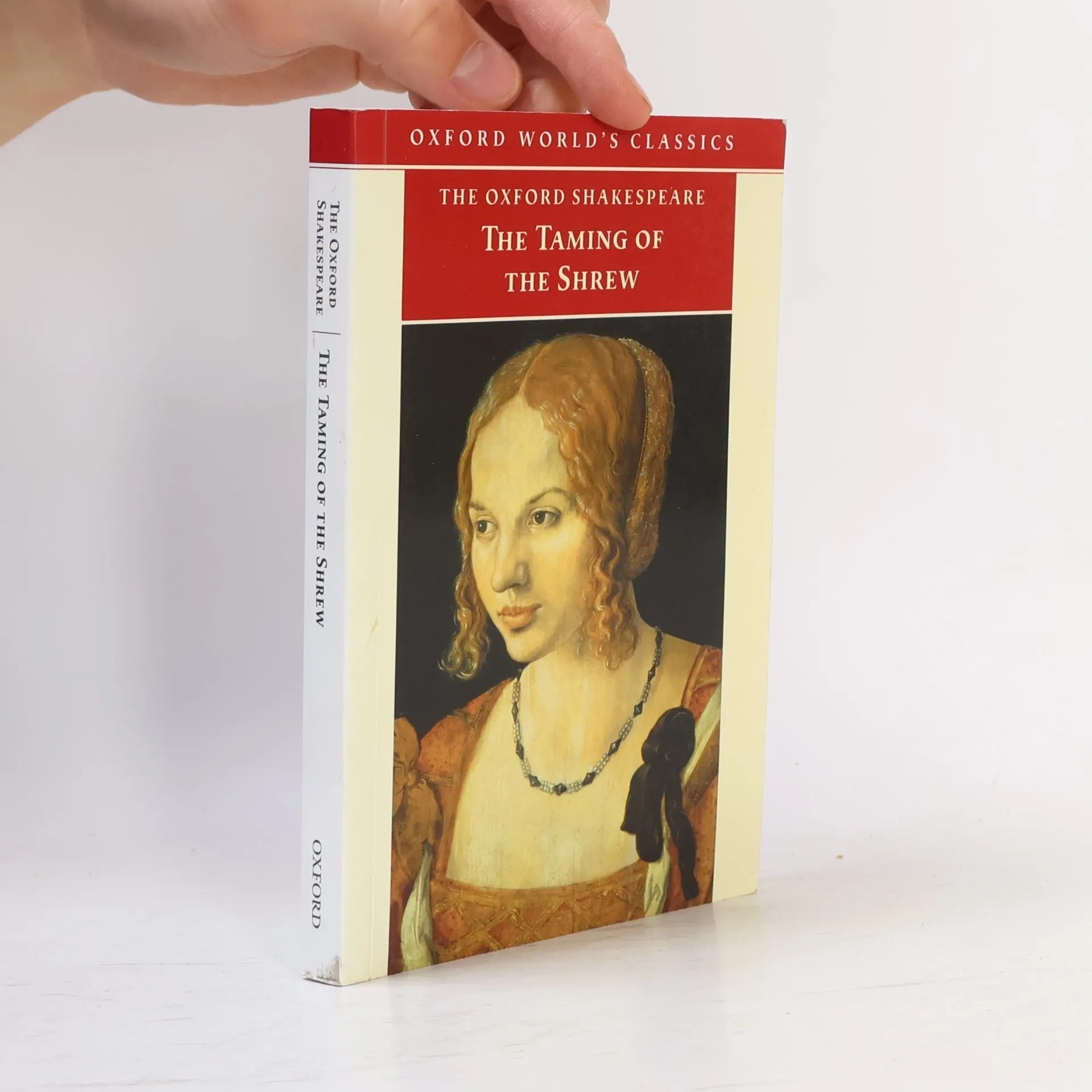
    Oxford World's Classics: The Taming of the Shrew
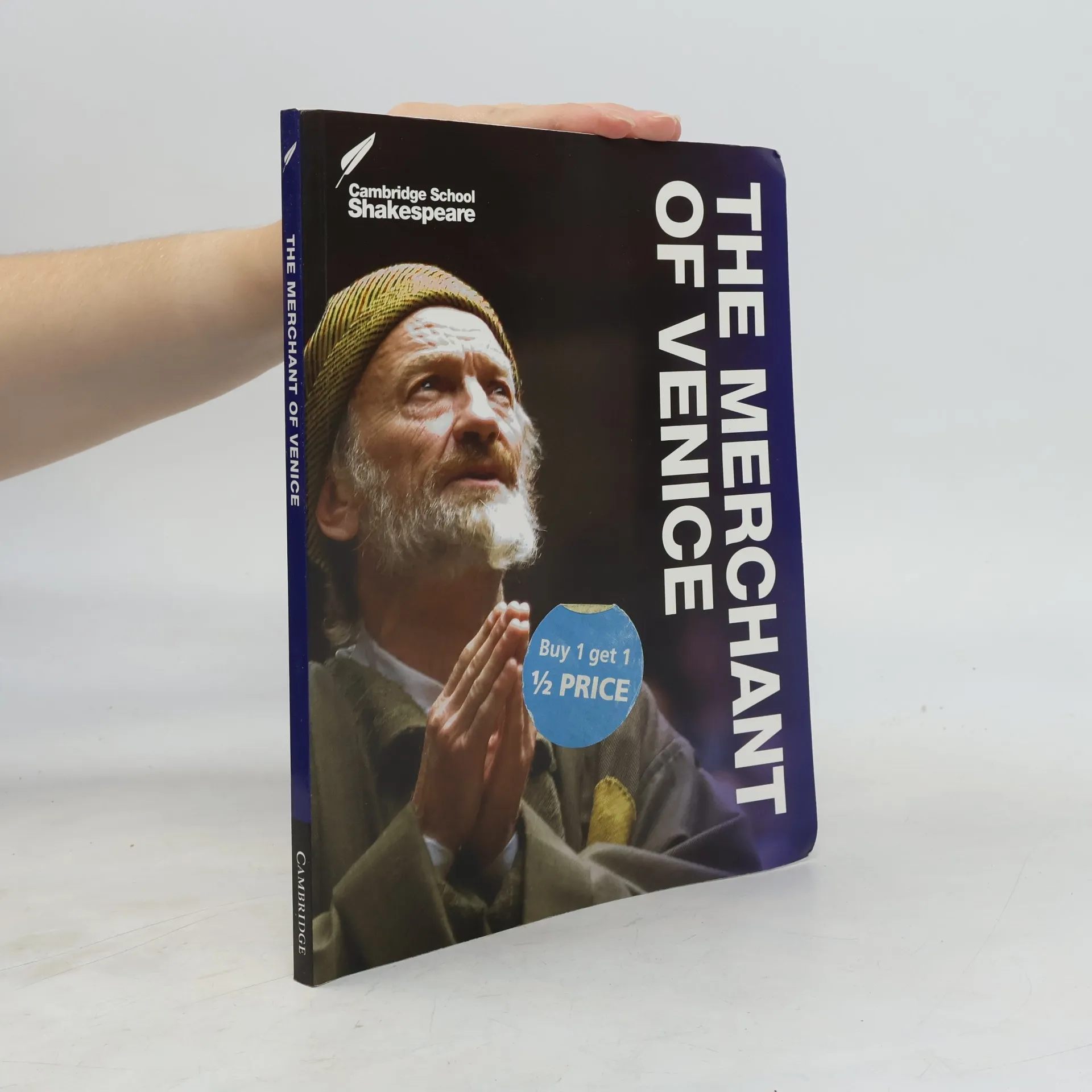
    The Merchant Of Venice. Der Kaufmann von Venedig, englische Ausgabe
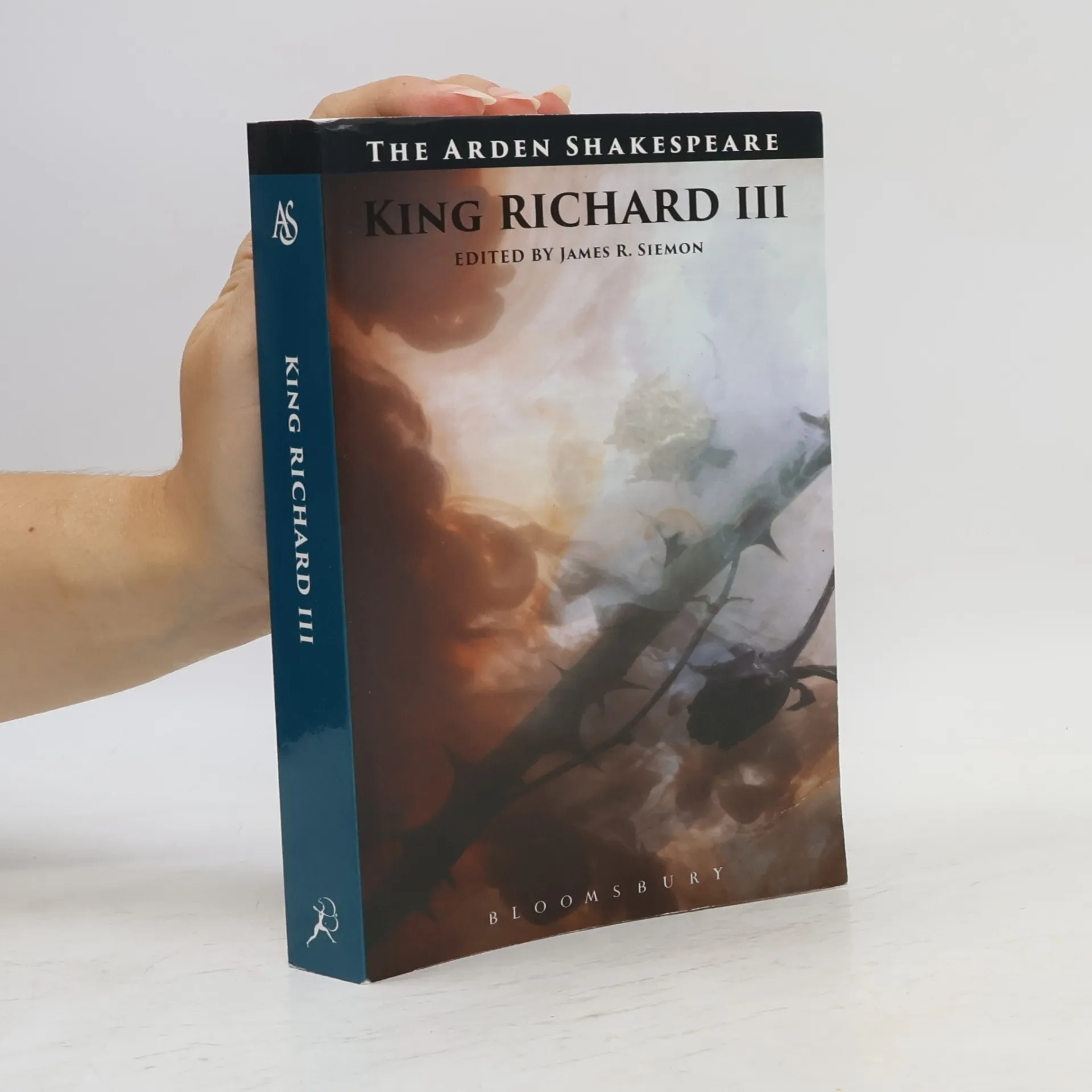
    Richard III
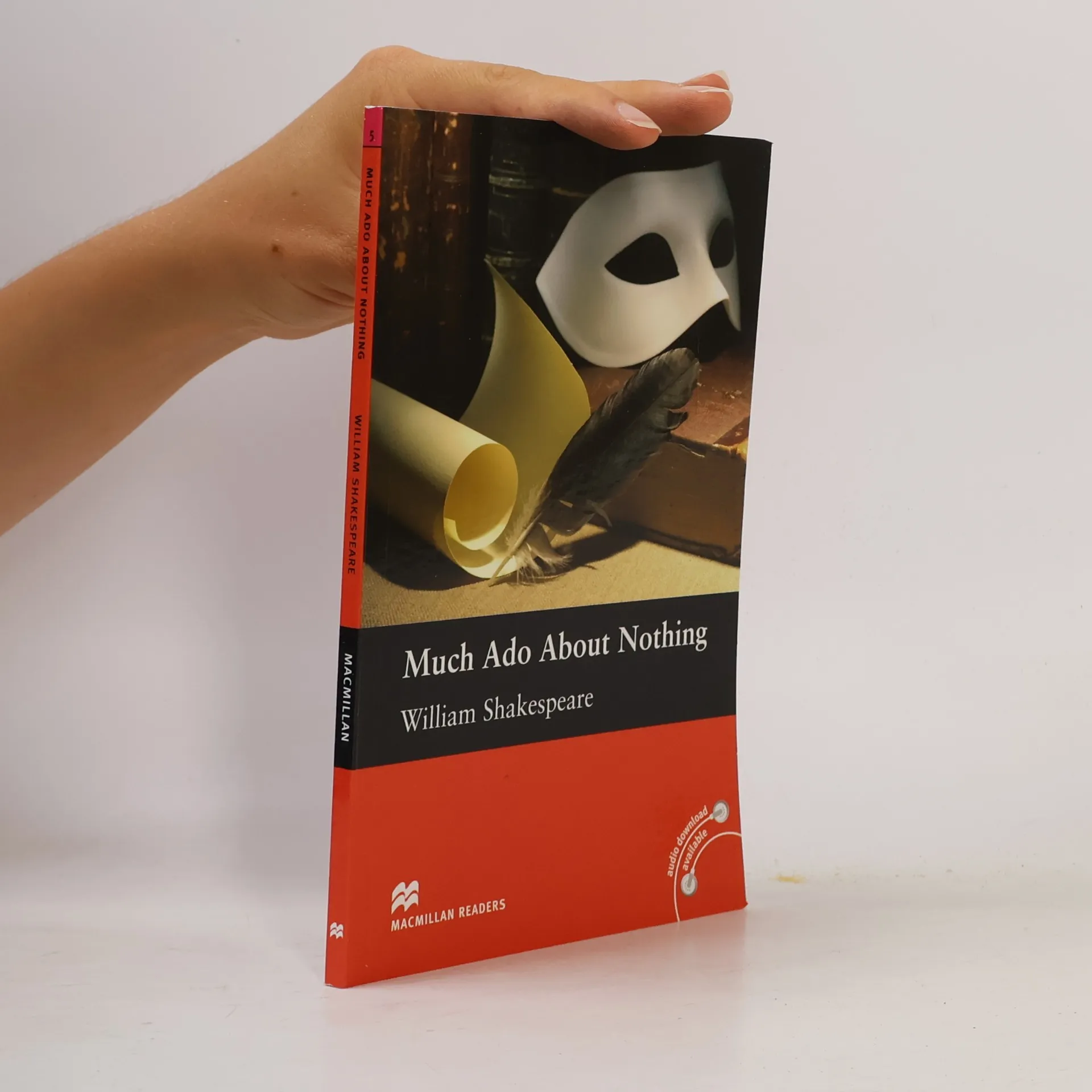
    Much Ado about Nothing
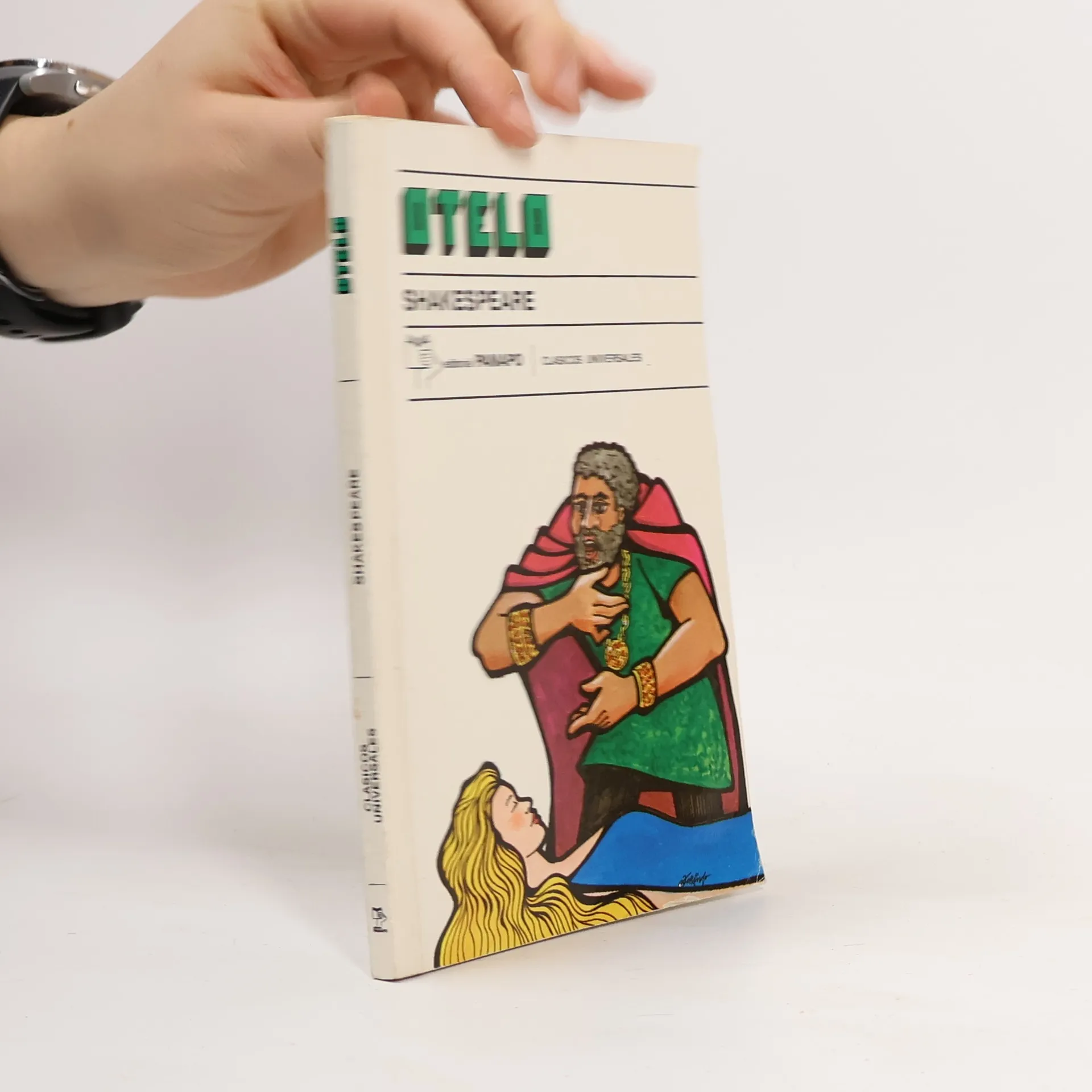
    Otelo
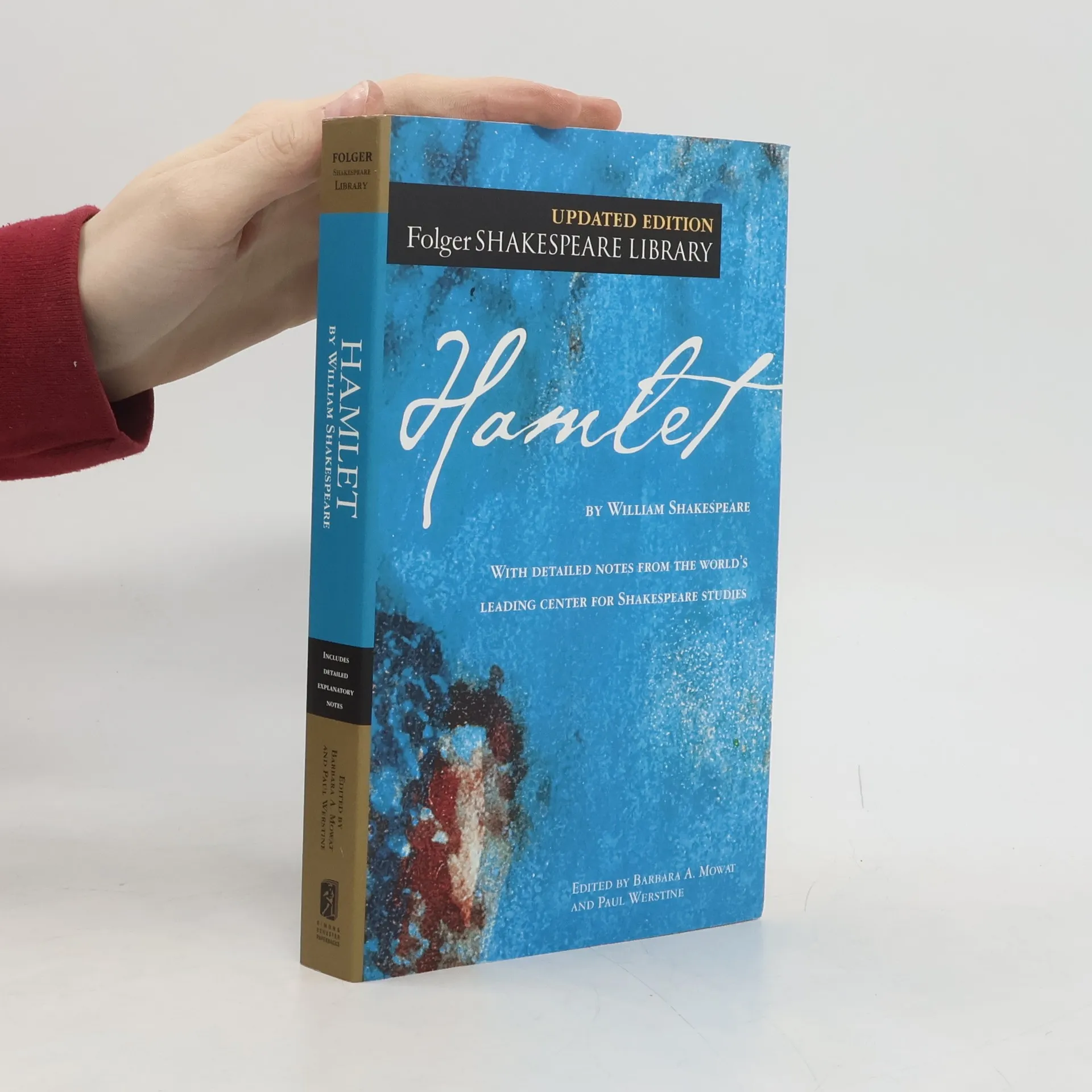
    Folger Shakespeare Library: Hamlet
    • Folger Shakespeare Library: Hamlet

      Updated Edition - With Detailed Notes From The World's Leading Center For Shakespeare Studies

      • 287 páginas
      • 11 horas de lectura

      This updated edition includes: *Newly re-edited play text and revised commentary notes *Scene-by-scene plot summaries *A key to the play's famous lines and phrases *An introduction to reading Shakespeare's language *An essay by a leading Shakespeare scholar providing a modern perspective on the play *Fresh images from the Folger Shakespeare Library's vast holdings of rare books *An up-to-date annotated guide to further reading

      Folger Shakespeare Library: Hamlet
      4,1
    • La historia original del moro de Venecia, de Gianbattista Giraldi Cinthio (1565), sirvió a William Shakespeare para crearáOtelo, la única de sus grandes tragedias basada en una obra de ficción.á Contraviniendo la imagen isabelina del moro, Shakespeare invierte los papeles de los protagonistas y otorga al moro Otelo el carácter de hombre noble y aristocrático, mientras que reserva para el italiano Yago la perversidad y la hipocresía, desarrollando en él uno de los estudios más profundos del mal. Al final, el protagonista, como un auténtico héroe trágico, consciente de su degradación y de su pérdida, escribe su propio epitafio, con la angustia del héroe destrozado.á Traducción y edición de Ángel-Luis Pujante, premio Nacional de Traducción.

      Otelo
      4,0
    • An international team of scholars offers: • modernised, easily accessible texts • ample but unobtrusive academic guidance • attention to the theatrical qualities of each play and its stage history • informative illustrations, including reconstructions of early performances Much Ado has always been popular on the stage. This edition pays special attention to the history and range of theatrical interpretation. The most famous actors, from the time of Garrick to the present, have appeared as the sparring lovers Beatrice and Benedick. In recent times the play's matched plots of two pairs of lovers have been of interest to feminist critics. A full commentary includes annotation of the many sexual jokes in the play that have been obscured by the complexity of Elizabethan language.

      Much Ado about Nothing
      4,0
    • Richard III

      • 288 páginas
      • 11 horas de lectura

      'Now is the winter of our discontent Made glorious summer by this sun of York' Shakespeare's final drama of the Wars of the Roses cycle begins as the dust settles on England after bloody civil war, and the bitter hunchback Richard, brother of the king, secretly plots to seize the throne. Charming and duplicitous, powerfully eloquent and viciously cruel, he is prepared to go to any lengths to achieve his goal. Richard III shows a man who, in his skilful manipulation of events and people, is a chilling incarnation of the temptations of power in a land shocked by war. Used and Recommended by the National Theatre General Editor Stanley Wells Edited by E. A. J. Honigmann Introduction by Michael Taylor

      Richard III
      3,9
    • Padua holds many suitors for the hand of fair Bianca, but Bianca may not be married until her spitfire sister Kate is wed. Could any man be rash enough to take Kate on? The witty adventurer Petruchio undertakes the task and sets about transforming Kate from foul-tempered termagrant to loving wife.

      Oxford World's Classics: The Taming of the Shrew
      3,8