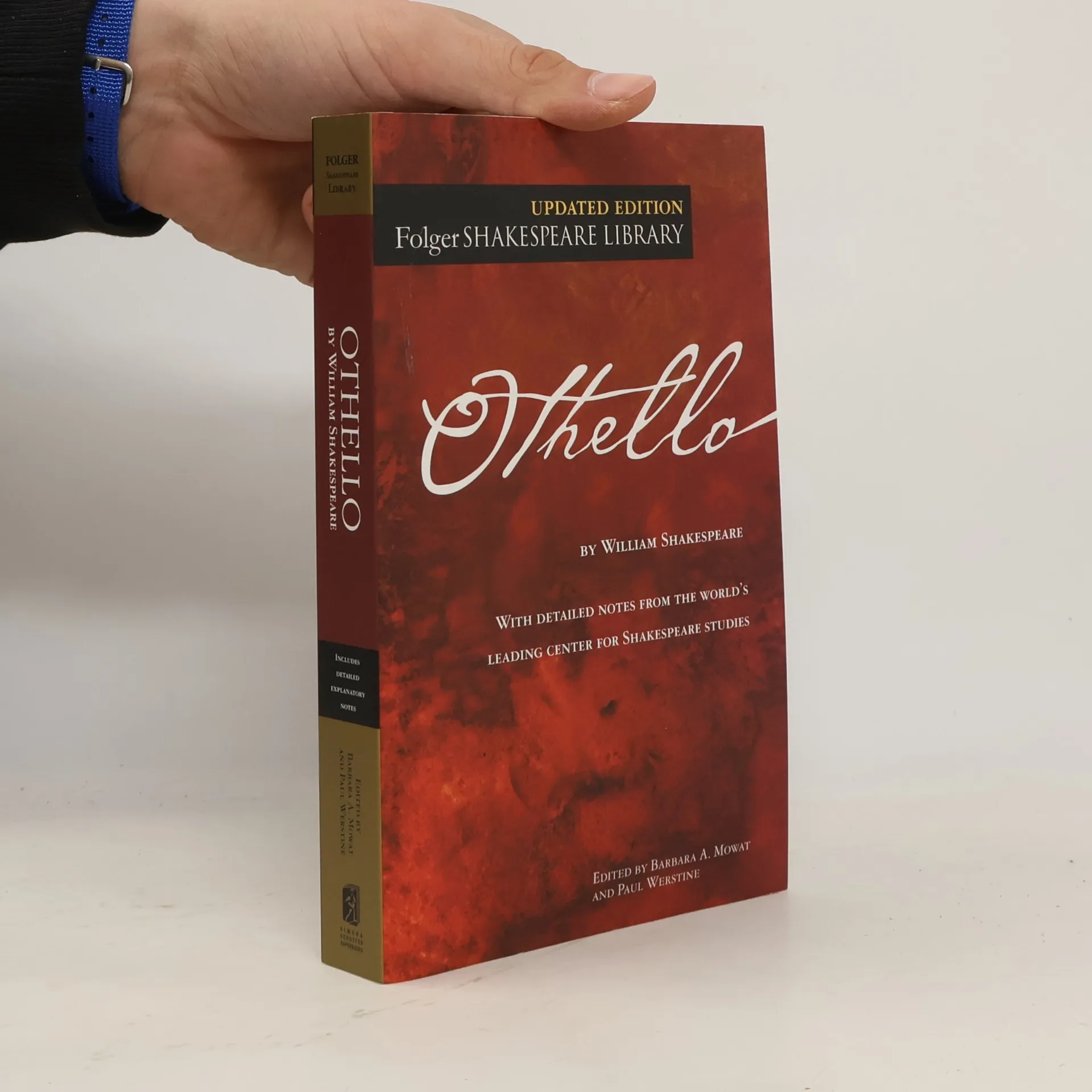
King Richard III
- 503 páginas
- 18 horas de lectura
Dramatizes Richard's rise to the British throne and his subsequent downfall, and includes criticism and notes on the play's text.


Paul Werstine es un distinguido erudito de Shakespeare cuyo trabajo profundiza en la impresión y edición de sus obras. Examina meticulosamente manuscritos de teatro de la época moderna temprana, explorando su impacto en la forma final de las obras dramáticas de Shakespeare. Sus profundas perspectivas sobre las tradiciones textuales y las prácticas editoriales iluminan las complejidades del legado literario de Shakespeare.
Dramatizes Richard's rise to the British throne and his subsequent downfall, and includes criticism and notes on the play's text.
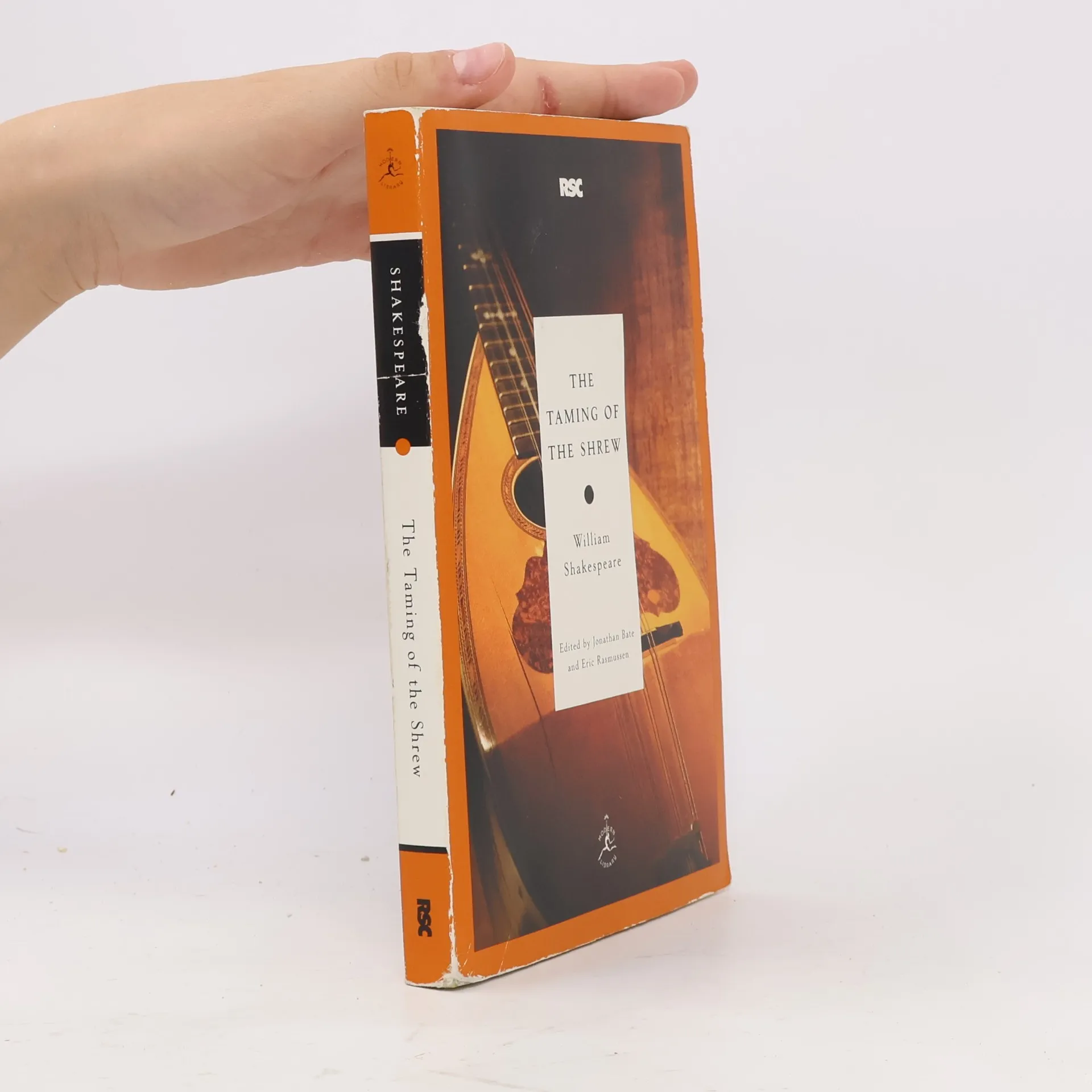
William Shakespeare’s classic play <i>Othello</i>, featuring valuable tools for educators and readers, from the esteemed Folger Shakespeare Library, home to the world’s largest collection of Shakespeare’s printed works. In <i>Othello</i>, William Shakespeare creates powerful drama from a marriage between the exotic Moor Othello and the Venetian lady Desdemona that begins with elopement and mutual devotion and ends with jealous rage and death. Shakespeare builds many differences into his hero and heroine, including race, age, and cultural background. Yet most readers and audiences believe the couple’s strong love would overcome these differences were it not for Iago, who sets out to destroy Othello. Iago’s false insinuations about Desdemona’s infidelity draw Othello into his schemes, and Desdemona is subjected to Othello’s horrifying verbal and physical assaults. The authoritative edition of <i>Othello</i> from The Folger Shakespeare Library, the trusted and widely used Shakespeare series for students and general readers, includes: —Freshly edited text based on the best early printed version of the play —Full explanatory notes conveniently placed on pages facing the text of the play —Scene-by-scene plot summaries —A key to famous lines and phrases —An introduction to reading Shakespeare's language —Illustrations from the Folger Shakespeare Library’s vast holdings of rare books —An essay by a leading Shakespeare scholar providing a modern perspective on the play
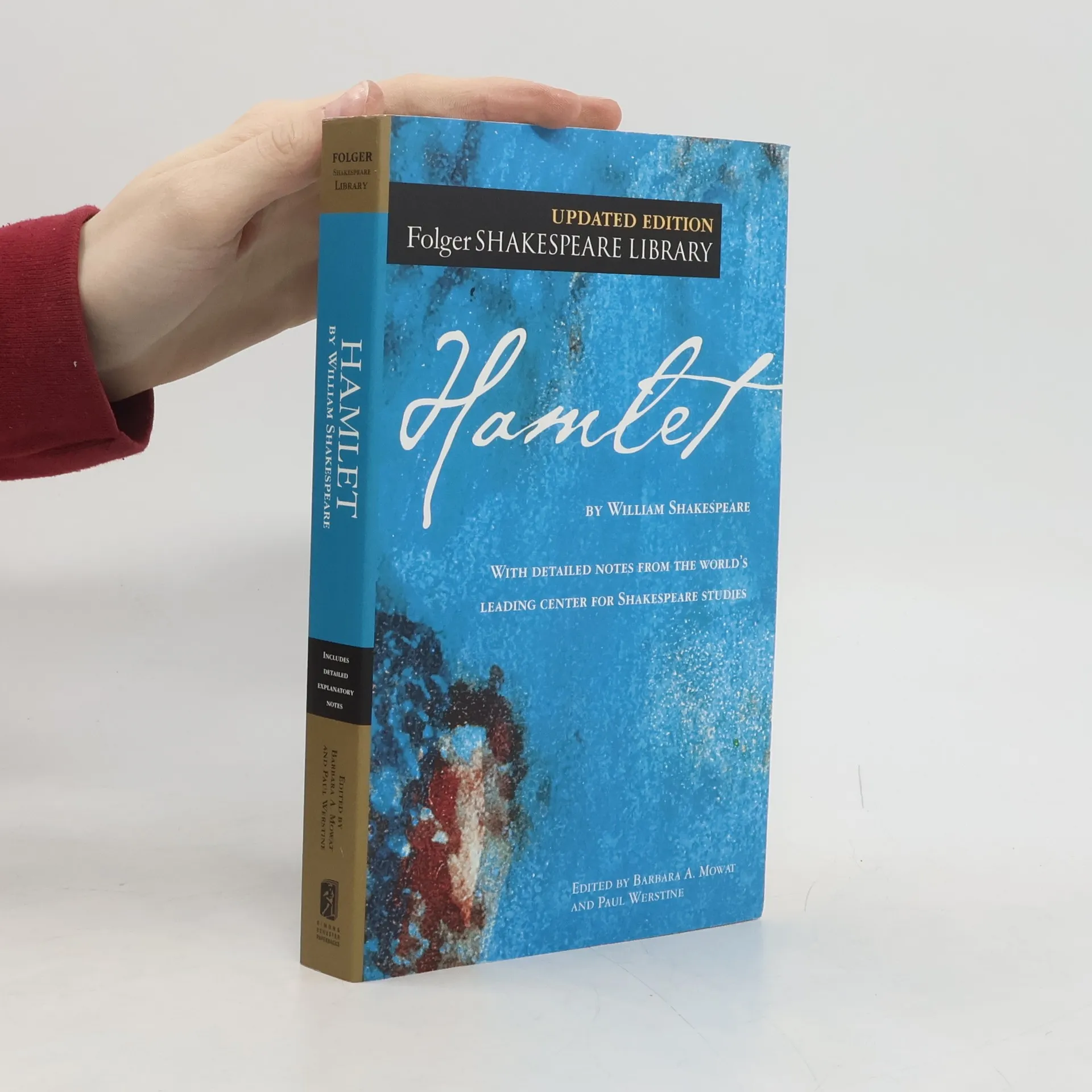
Updated Edition - With Detailed Notes From The World's Leading Center For Shakespeare Studies
This updated edition includes: *Newly re-edited play text and revised commentary notes *Scene-by-scene plot summaries *A key to the play's famous lines and phrases *An introduction to reading Shakespeare's language *An essay by a leading Shakespeare scholar providing a modern perspective on the play *Fresh images from the Folger Shakespeare Library's vast holdings of rare books *An up-to-date annotated guide to further reading
Featuring a detailed scene-by-scene synopsis, this book provides insights into the production history of the play and an overview of Shakespeare's career. It offers a comprehensive exploration of the themes and context surrounding the work, making it an invaluable resource for students and enthusiasts of Shakespearean literature.
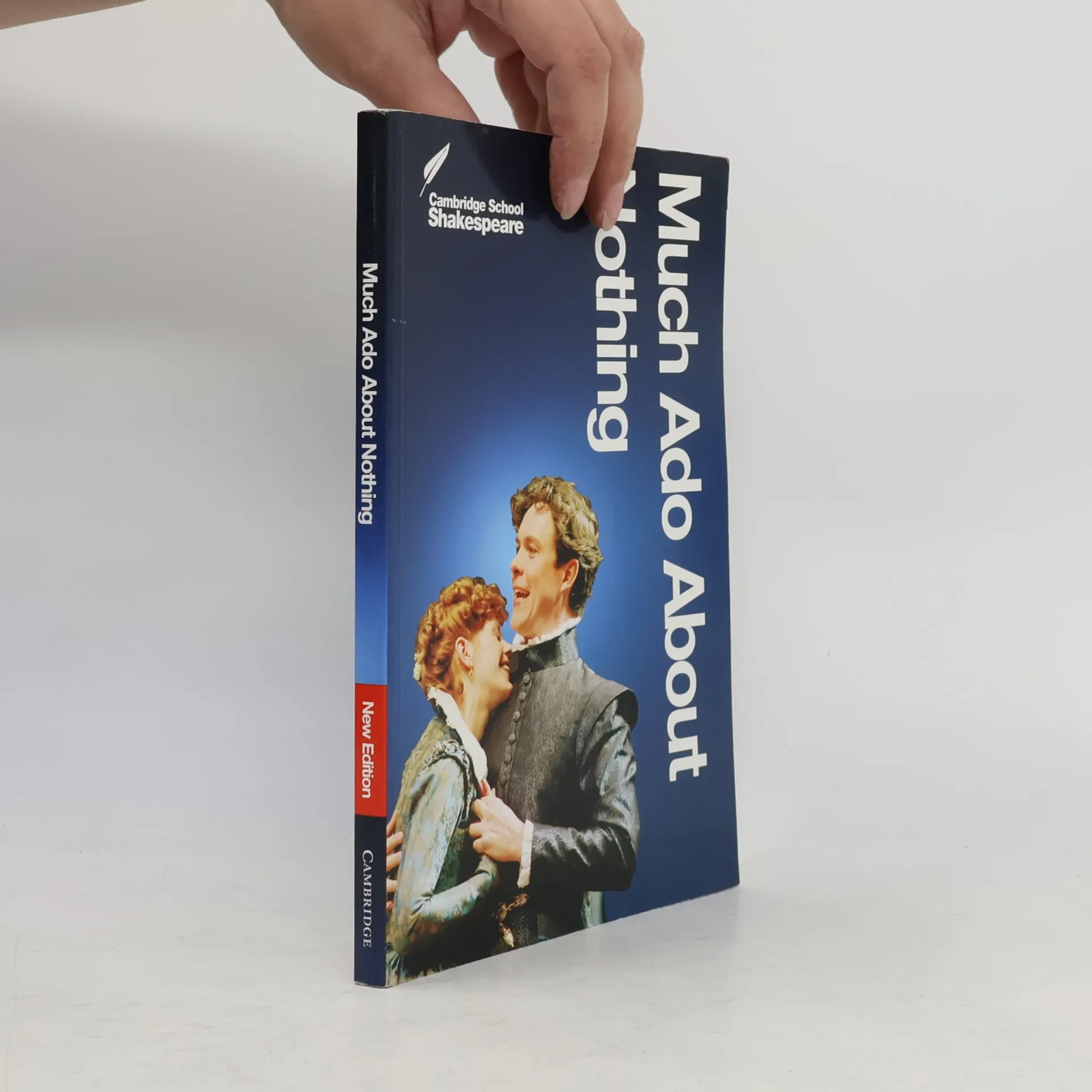
This edition of Much Ado About Nothing is part of the groundbreaking Cambridge School Shakespeare series established by Rex Gibson. Remaining faithful to the series' active approach it treats the play as a script to be acted, explored and enjoyed. As well as the complete script of the play, you will find a variety of classroom-tested activities, an eight-page colour section and a selection of notes including information on characters, performance, history and language.
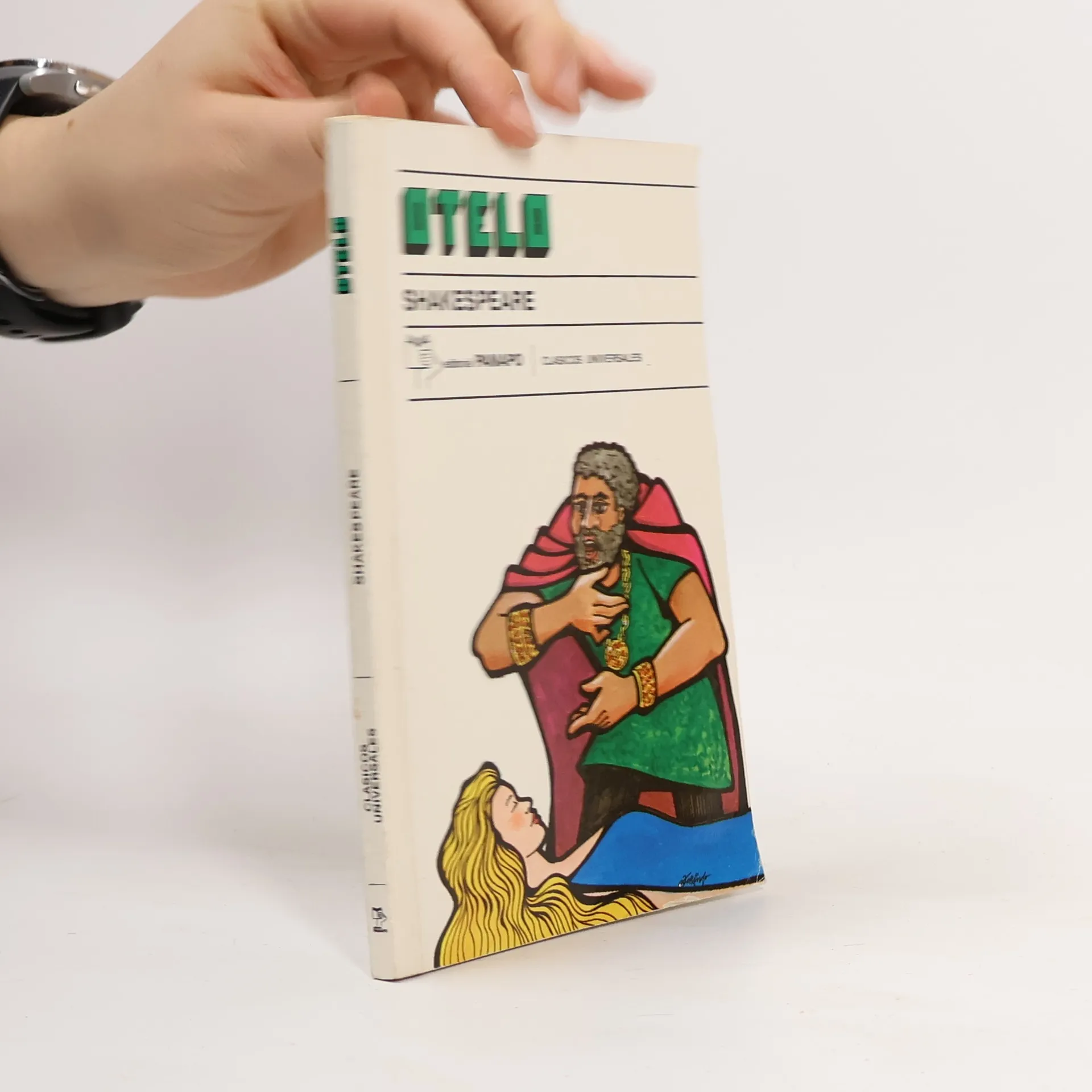
La historia original del moro de Venecia, de Gianbattista Giraldi Cinthio (1565), sirvió a William Shakespeare para crearáOtelo, la única de sus grandes tragedias basada en una obra de ficción.á Contraviniendo la imagen isabelina del moro, Shakespeare invierte los papeles de los protagonistas y otorga al moro Otelo el carácter de hombre noble y aristocrático, mientras que reserva para el italiano Yago la perversidad y la hipocresía, desarrollando en él uno de los estudios más profundos del mal. Al final, el protagonista, como un auténtico héroe trágico, consciente de su degradación y de su pérdida, escribe su propio epitafio, con la angustia del héroe destrozado.á Traducción y edición de Ángel-Luis Pujante, premio Nacional de Traducción.
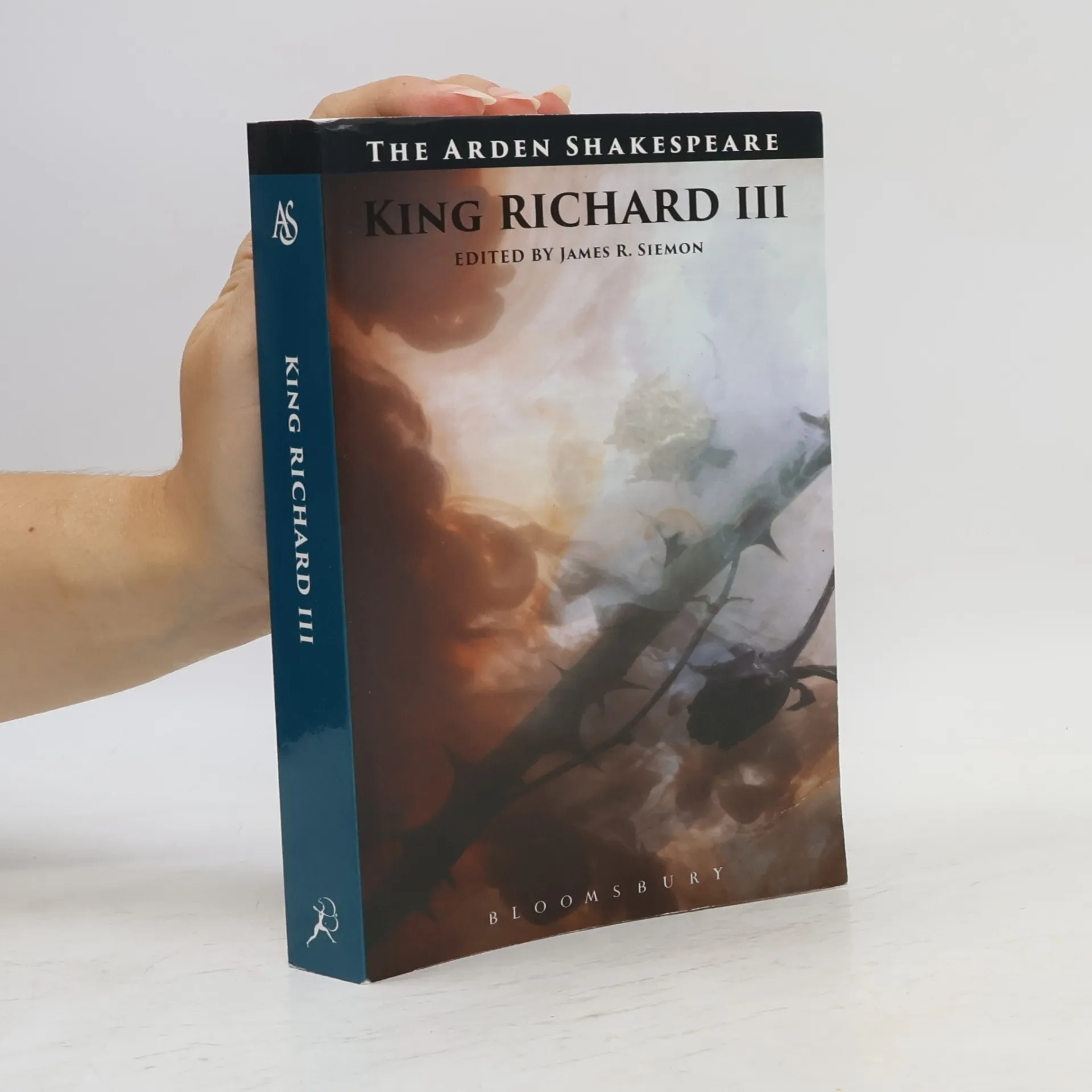
'The Merchant of Venice' is perhaps most associated with the complex figure of the money lender, Shylock. The introduction traces the stage history of the figure of the Jew and looks at 21st century issues surrounding it. It also explores other themes of the play such as father/daughter relations and the power of money