

El libro está agotado actualmente
Parámetros
- 160 páginas
- 6 horas de lectura
Más información sobre el libro
Focusing on a critical examination of morality, Nietzsche challenges traditional philosophical views in this work. He argues that past thinkers have uncritically accepted dogmas, particularly the simplistic dichotomy of good versus evil. Instead, he proposes that these concepts are merely different expressions of the same underlying impulses. Moving "beyond good and evil," Nietzsche advocates for an affirmative approach that embraces the complexity of knowledge and the precarious state of modern existence, encouraging a fearless confrontation with these ideas.


Publicación
- 2024

- 2024
- 2023
- 2023
- 2023
- 2023
- 2023
- 2023
- 2023
- 2023
- 2023
- 2023

- 2022
- 2022
- 2022
- 2022
- 2022
- 2022
- 2022
- 2021
- 2021
- 2021
- 2021
- 2021
- 2021
- 2021
- 2021

- 2020
- 2020
- 2020
- 2020
- 2020
- 2020
- 2020
- 2020
- 2020
- 2020
- 2020
- 2020
- 2020
- 2020
- 2020
- 2020
- 2020
- 2020
- 2020

- 2019
- 2019
- 2019
- 2019
- 2019


- 2018

- 2018
- 2018
- 2018
- 2018
- 2018
- 2018
- 2018
- 2018
- 2018
- 2017
- 2017
- 2017
- 2017
- 2016

- 2013
- 2012
- 2010
- 2009
- 2009

- 2008
- 2008
- 2008
- 2008
- 2007
- 2007
- 2006
- 2005
- 2005
- 2004
- 2004





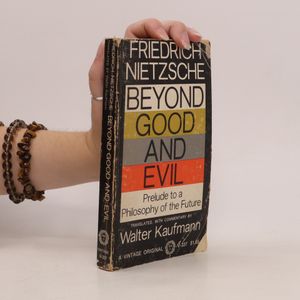


Compra de libros
Beyond Good and Evil, Friedrich Wilhelm Nietzsche
- Idioma

- Publicado en
- 2020
Te avisaremos por correo electrónico en cuanto lo localicemos.
Métodos de pago
Nos falta tu reseña aquí
- Título
- Beyond Good and Evil
- Idioma
- Inglés
- Autores
- Friedrich Wilhelm Nietzsche
- Editorial
- Martino Fine Books
- Publicado en
- 2020
- Páginas
- 160
- ISBN13
- 9781684224883
- Serie
- Etiquetas
- No ficción, Ciencias sociales, Historias reales, Temas psicológicos, Temática filosófica, Literatura alemana, Periodismo & Ensayos, Siglo XIX
- Primera publicación
- 1886
- Título original
- Jenseits von Gut und Böse
- Calificación
- 4,25 de 5
- Descripción
- Focusing on a critical examination of morality, Nietzsche challenges traditional philosophical views in this work. He argues that past thinkers have uncritically accepted dogmas, particularly the simplistic dichotomy of good versus evil. Instead, he proposes that these concepts are merely different expressions of the same underlying impulses. Moving "beyond good and evil," Nietzsche advocates for an affirmative approach that embraces the complexity of knowledge and the precarious state of modern existence, encouraging a fearless confrontation with these ideas.