

El libro está agotado actualmente
Parámetros
- 192 páginas
- 7 horas de lectura
Más información sobre el libro
Exploring the fragility of traditional moral concepts, this work challenges the views of past philosophers. Nietzsche encourages future thinkers to embrace creativity in truth and adopt a critical perspective. Divided into nine sections with 296 aphorisms, the book employs a critical and witty style to examine various facets of modern life, including religion, morality, free will, and the nature of virtues and nobility. It serves as a call to philosophers to engage in experimentation and redefine their understanding of existence.


Publicación
- 2024

- 2024
- 2023
- 2023
- 2023
- 2023
- 2023
- 2023
- 2023
- 2023
- 2023
- 2023

- 2022
- 2022
- 2022
- 2022
- 2022
- 2022
- 2022
- 2021
- 2021
- 2021
- 2021
- 2021
- 2021
- 2021
- 2021

- 2020
- 2020
- 2020
- 2020
- 2020
- 2020
- 2020
- 2020
- 2020
- 2020
- 2020
- 2020
- 2020
- 2020
- 2020
- 2020
- 2020
- 2020
- 2020
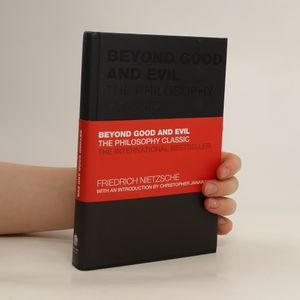
- 2019
- 2019
- 2019
- 2019
- 2019


- 2018
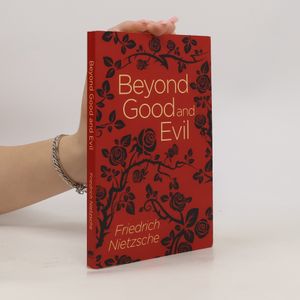
- 2018
- 2018
- 2018
- 2018
- 2018
- 2018
- 2018
- 2018
- 2018
- 2017
- 2017
- 2017
- 2017
- 2016

- 2013
- 2012
- 2010
- 2009
- 2009
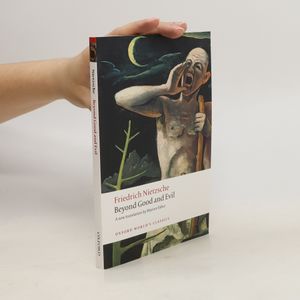
- 2008
- 2008
- 2008
- 2008
- 2007
- 2007
- 2006
- 2005
- 2005
- 2004
- 2004


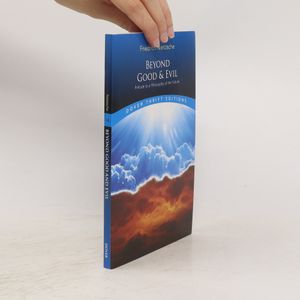




Compra de libros
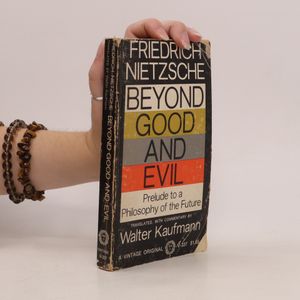
Beyond Good & Evil, Friedrich Wilhelm Nietzsche
- Idioma

- Publicado en
- 2019
Te avisaremos por correo electrónico en cuanto lo localicemos.
Métodos de pago
Nos falta tu reseña aquí
- Título
- Beyond Good & Evil
- Idioma
- Inglés
- Autores
- Friedrich Wilhelm Nietzsche
- Editorial
- MAPLE PRESS PVT LTD
- Publicado en
- 2019
- Páginas
- 192
- ISBN13
- 9789350334980
- Serie
- Etiquetas
- No ficción, Ciencias sociales, Historias reales, Temas psicológicos, Temática filosófica, Literatura alemana, Periodismo & Ensayos, Siglo XIX
- Primera publicación
- 1886
- Título original
- Jenseits von Gut und Böse
- Calificación
- 4,25 de 5
- Descripción
- Exploring the fragility of traditional moral concepts, this work challenges the views of past philosophers. Nietzsche encourages future thinkers to embrace creativity in truth and adopt a critical perspective. Divided into nine sections with 296 aphorisms, the book employs a critical and witty style to examine various facets of modern life, including religion, morality, free will, and the nature of virtues and nobility. It serves as a call to philosophers to engage in experimentation and redefine their understanding of existence.