

El libro está agotado actualmente
Parámetros
- 140 páginas
- 5 horas de lectura
Más información sobre el libro
The narrative presents a vivid exploration of an ideal society through the character of Raphael, reflecting Thomas More's vision of societal values during the 16th century. While many characters are fictional, the book offers insights into European society of the time. The engaging imagery, rich with references to Roman and Greek mythology, enhances the reading experience. The plot gains momentum after a dinner scene, leading to deeper discussions about utopian ideals and societal structures, making it both thought-provoking and accessible.


Publicación

- 2024

- 2024
- 2023
- 2023
- 2022
- 2022
- 2022
- 2022
- 2022
- 2022
- 2021
- 2021
- 2021
- 2021
- 2021
- 2021

- 2020
- 2020
- 2020
- 2020
- 2019
- 2019
- 2019
- 2018
- 2018
- 2018
- 2018
- 2018
- 2018
- 2018
- 2018
- 2018
- 2017
- 2017
- 2017
- 2016
- 2015
- 2014
- 2014
- 2013
- 2012
- 2012
- 2011
- 2011
- 2011
- 2011
- 2011

- 2010
- 2010
- 2010
- 2010

- 2009
- 2009
- 2008
- 2008

- 2006
- 2005
- 2005
- 2004

- 1999
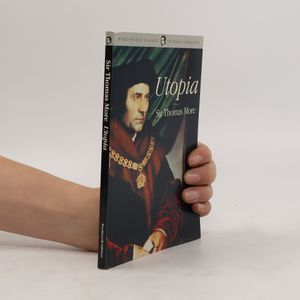
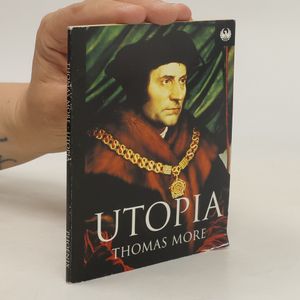
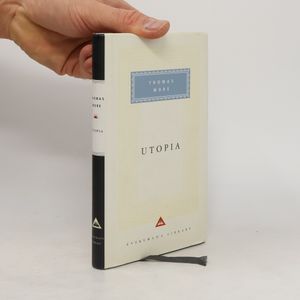

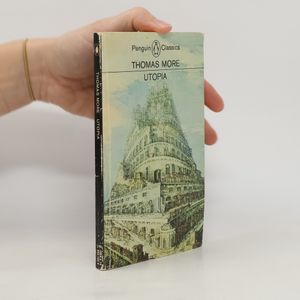



Compra de libros
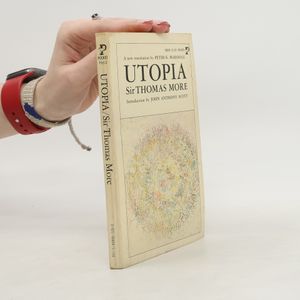
Utopia, Thomas Morus
- Idioma

- Publicado en
- 2009
- product-detail.submit-box.info.binding
- (Tapa blanda)
Métodos de pago
Nos falta tu reseña aquí
- Título
- Utopia
- Idioma
- Inglés
- Autores
- Thomas Morus
- Editorial
- IndoEuropeanPublishing.com
- Publicado en
- 2009
- Formato
- Tapa blanda
- Páginas
- 140
- ISBN13
- 9781604440676
- Serie
- Etiquetas
- Ficción, Temas religiosos, Temática filosófica, Ciencia ficción, Clásicos, Política, Suspense, Inglaterra, Sociedad, Futuro, Islas, Socialismo, Utopía, Humanismo, Estado, Experimentos mentales
- Primera publicación
- 1516
- Título original
- Utopia
- Calificación
- 3,45 de 5
- Descripción
- The narrative presents a vivid exploration of an ideal society through the character of Raphael, reflecting Thomas More's vision of societal values during the 16th century. While many characters are fictional, the book offers insights into European society of the time. The engaging imagery, rich with references to Roman and Greek mythology, enhances the reading experience. The plot gains momentum after a dinner scene, leading to deeper discussions about utopian ideals and societal structures, making it both thought-provoking and accessible.