


Más información sobre el libro
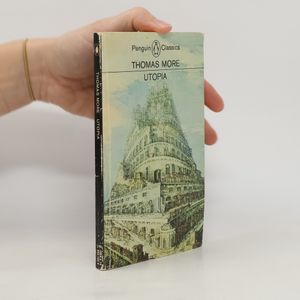
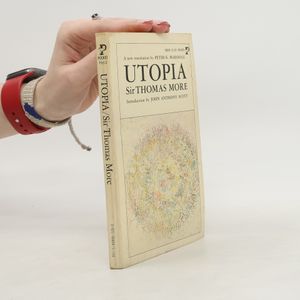
First published in 1516, during a period of astonishing political and technological change, Sir Thomas More's Utopia depicts an imaginary society free of private property, sexual discrimination, violence, and religious intolerance. Raphael Hythloday, a philospher and world traveler, describes to the author and his friend an island nation he has visited called Utopia (combining the Greek ou-topos and eu-topos, for "no place" and "good place," respectively). Hythloday believes the rational social order of the Utopians is far superior to anything in Europe, while his listeners find many of their customs appealing but absurd. Given the enigmatic ambivalence of the character that More named after himself and the playful Greek puns he sprinkled throughout (including Hythloday's name, which means "knowing nonsense"), it is difficult to know what precisely More meant his readers to make of all the innovations of his Utopia. But its radical humanism has had an incalculable effect on modern history, and the callenge of its vision is as insistent today as it was in the Renaissance. With an introduction by Jenny Mezciems. (Book Jacket Status: Not Jacketed)


Publicación
- 2024

- 2024
- 2023
- 2023
- 2022
- 2022
- 2022
- 2022
- 2022
- 2022
- 2021
- 2021
- 2021
- 2021
- 2021
- 2021

- 2020
- 2020
- 2020
- 2020
- 2019
- 2019
- 2019
- 2018
- 2018
- 2018
- 2018
- 2018
- 2018
- 2018
- 2018
- 2018

- 2017
- 2017
- 2017
- 2016
- 2015
- 2014
- 2014
- 2013

- 2012
- 2012
- 2011
- 2011
- 2011
- 2011
- 2011

- 2010
- 2010
- 2010
- 2010

- 2009
- 2009
- 2008
- 2008

- 2006
- 2005
- 2005
- 2004

- 2001
- 1999






Compra de libros
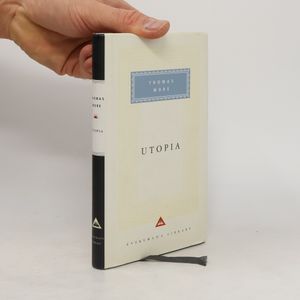
Utopia, Thomas Morus
- Idioma

- Publicado en
- 1992
- product-detail.submit-box.info.binding
- (Tapa dura)
Métodos de pago
Nos falta tu reseña aquí
- Título
- Utopia
- Idioma
- Inglés
- Autores
- Thomas Morus
- Editorial
- Everyman's Library
- Publicado en
- 1992
- Formato
- Tapa dura
- ISBN10
- 0679410767
- ISBN13
- 9780679410768
- Serie
- Etiquetas
- Ficción, Temas religiosos, Temática filosófica, Ciencia ficción, Clásicos, Política, Suspense, Sociedad, Inglaterra, Futuro, Islas, Socialismo, Utopía, Humanismo, Estado, Experimentos mentales
- Primera publicación
- 1516
- Título original
- Utopia
- Calificación
- 3,45 de 5
- Descripción
- First published in 1516, during a period of astonishing political and technological change, Sir Thomas More's Utopia depicts an imaginary society free of private property, sexual discrimination, violence, and religious intolerance. Raphael Hythloday, a philospher and world traveler, describes to the author and his friend an island nation he has visited called Utopia (combining the Greek ou-topos and eu-topos, for "no place" and "good place," respectively). Hythloday believes the rational social order of the Utopians is far superior to anything in Europe, while his listeners find many of their customs appealing but absurd. Given the enigmatic ambivalence of the character that More named after himself and the playful Greek puns he sprinkled throughout (including Hythloday's name, which means "knowing nonsense"), it is difficult to know what precisely More meant his readers to make of all the innovations of his Utopia. But its radical humanism has had an incalculable effect on modern history, and the callenge of its vision is as insistent today as it was in the Renaissance. With an introduction by Jenny Mezciems. (Book Jacket Status: Not Jacketed)