

El libro está agotado actualmente
Parámetros
- 140 páginas
- 5 horas de lectura
Más información sobre el libro
Set on a fictional island, this work explores a unique society with its own religious, social, and political customs, reflecting Thomas More's views on ideal governance. The narrative serves as a socio-political satire, drawing parallels to monastic life and critiquing contemporary European society. Through its detailed depiction of Utopia, the book invites readers to contemplate the possibilities of an ideal community and the complexities of human nature and governance.


Publicación
- 2024

- 2024
- 2023
- 2023
- 2022
- 2022
- 2022
- 2022
- 2022
- 2022
- 2021
- 2021
- 2021
- 2021
- 2021
- 2021

- 2020
- 2020
- 2020
- 2020
- 2019
- 2019
- 2019
- 2018
- 2018
- 2018
- 2018
- 2018
- 2018
- 2018
- 2018
- 2018

- 2017
- 2017
- 2017
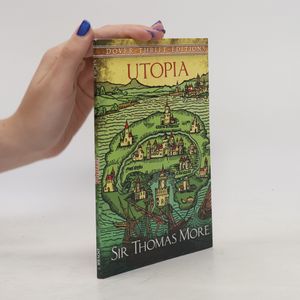
- 2016
- 2015
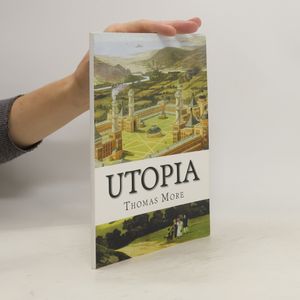
- 2014
- 2014
- 2013

- 2012
- 2012
- 2011
- 2011
- 2011
- 2011
- 2011


- 2010
- 2010
- 2010
- 2010

- 2009
- 2009
- 2008
- 2008

- 2006
- 2005
- 2005
- 2004

- 2001
- 1999




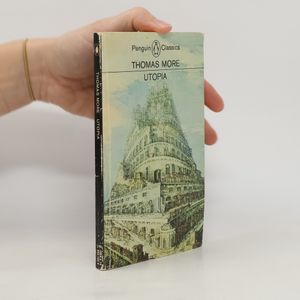

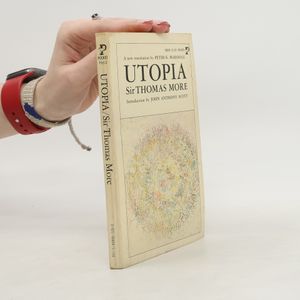


Compra de libros
Utopia, Thomas Morus
- Idioma

- Publicado en
- 2018
- product-detail.submit-box.info.binding
- (Tapa dura)
Te avisaremos por correo electrónico en cuanto lo localicemos.
Métodos de pago
Nos falta tu reseña aquí
- Título
- Utopia
- Idioma
- Inglés
- Autores
- Thomas Morus
- Editorial
- Bibliotech Press
- Publicado en
- 2018
- Formato
- Tapa dura
- Páginas
- 140
- ISBN13
- 9781618953582
- Serie
- Etiquetas
- Ficción, Temas religiosos, Temática filosófica, Ciencia ficción, Clásicos, Política, Suspense, Sociedad, Inglaterra, Futuro, Islas, Socialismo, Utopía, Humanismo, Estado, Experimentos mentales
- Primera publicación
- 1516
- Título original
- Utopia
- Calificación
- 3,45 de 5
- Descripción
- Set on a fictional island, this work explores a unique society with its own religious, social, and political customs, reflecting Thomas More's views on ideal governance. The narrative serves as a socio-political satire, drawing parallels to monastic life and critiquing contemporary European society. Through its detailed depiction of Utopia, the book invites readers to contemplate the possibilities of an ideal community and the complexities of human nature and governance.