

Más información sobre el libro
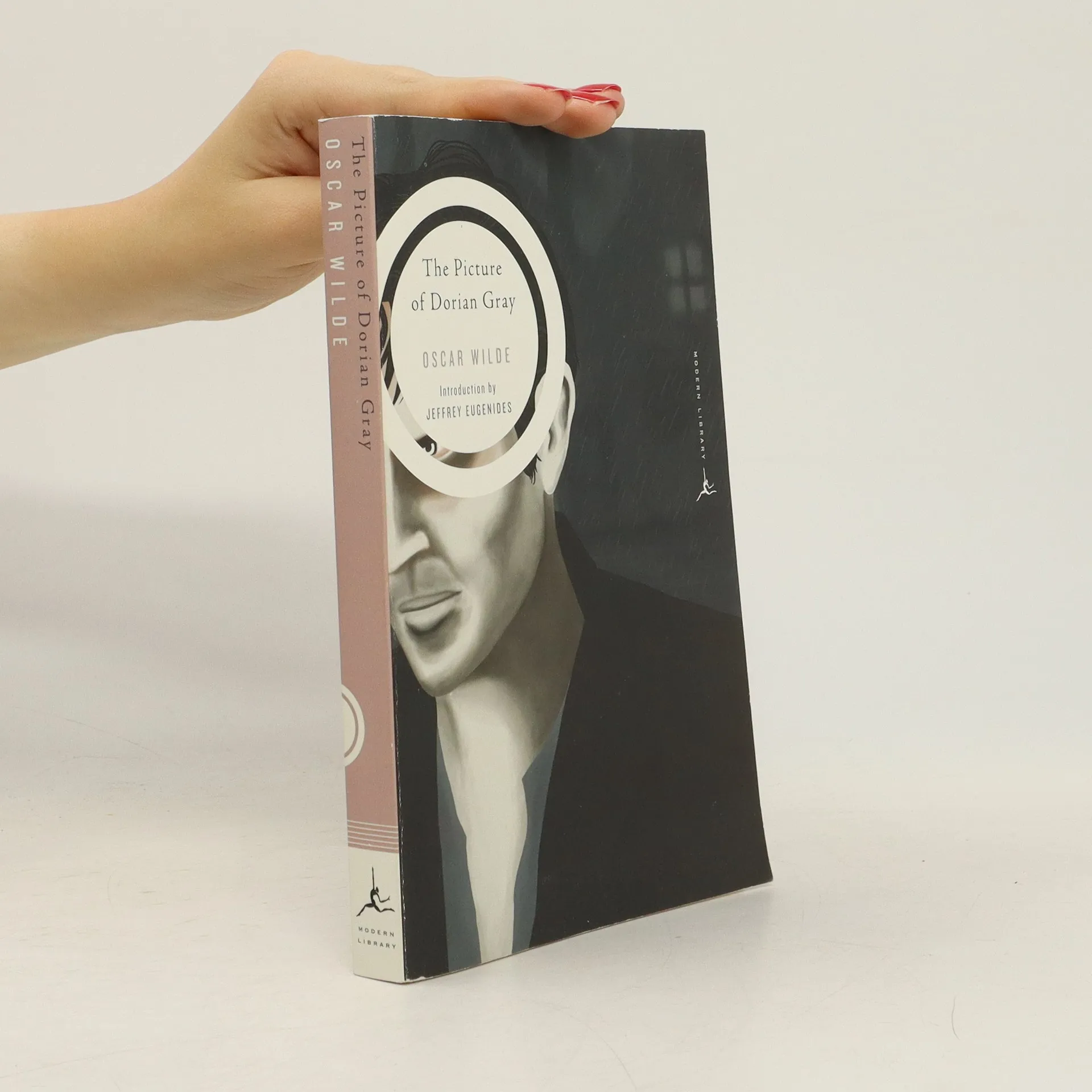
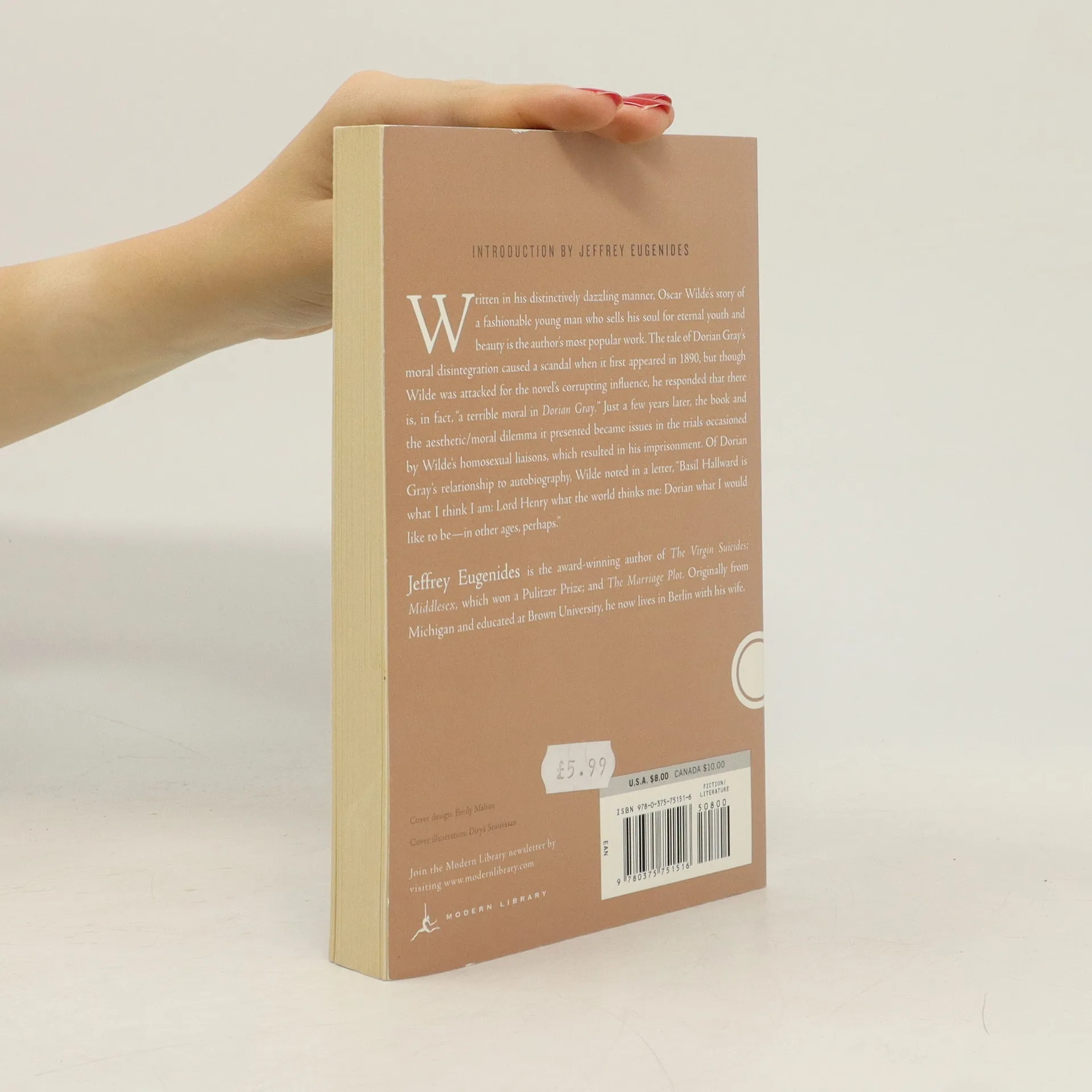
Introduction by Jeffrey Eugenides • Nominated as one of America’s best-loved novels by PBS’s The Great American Read Written in his distinctively dazzling manner, Oscar Wilde’s story of a fashionable young man who sells his soul for eternal youth and beauty is the author’s most popular work. The tale of Dorian Gray’s moral disintegration caused a scandal when it first appeared in 1890, but though Wilde was attacked for the novel’s corrupting influence, he responded that there is, in fact, “a terrible moral in Dorian Gray.” Just a few years later, the book and the aesthetic/moral dilemma it presented became issues in the trials occasioned by Wilde’s homosexual liaisons, which resulted in his imprisonment. Of Dorian Gray’s relationship to autobiography, Wilde noted in a letter, “Basil Hallward is what I think I am: Lord Henry what the world thinks me: Dorian what I would like to be—in other ages, perhaps.”


Publicación









- 2025

- 2024
- 2024
- 2024
- 2024
- 2024
- 2024
- 2024

- 2023
- 2023
- 2023
- 2023
- 2023
- 2022
- 2022
- 2022
- 2022
- 2022
- 2022
- 2022
- 2022
- 2022

- 2021

- 2021
- 2021
- 2021
- 2021
- 2021
- 2021
- 2021
- 2021

- 2021


- 2020
- 2020
- 2020
- 2020
- 2020
- 2020
- 2020
- 2020
- 2020
- 2020
- 2020
- 2020
- 2020
- 2020
- 2020
- 2020
- 2020
- 2020
- 2020
- 2020
- 2020

- 2019
- 2019
- 2019
- 2019
- 2019
- 2019
- 2019
- 2019
- 2019
- 2019
- 2019


- 2018
- 2018
- 2018
- 2018
- 2018
- 2018
- 2018
- 2018
- 2018
- 2018
- 2018
- 2018
- 2018
- 2018



- 2017
- 2017

- 2017


- 2016

- 2016
- 2016
- 2016
- 2016
- 2016
- 2016


- 2015
- 2015
- 2015
- 2015

- 2014
- 2014
- 2014
- 2014

- 2013

- 2013
- 2013
- 2013


- 2012
- 2012


- 2011
- 2011
- 2011
- 2011






- 2010
- 2010








- 2008
- 2008
- 2008
- 2008
- 2008



- 2007
- 2007
- 2007
- 2007
- 2007




- 2005
- 2005
- 2005

- 2004
- 2004






- 1999




- 1997












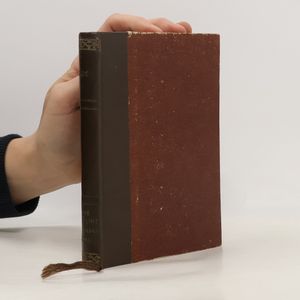

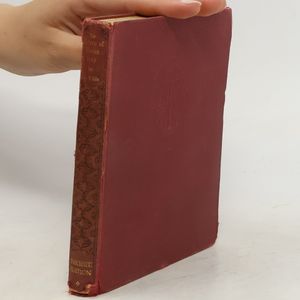

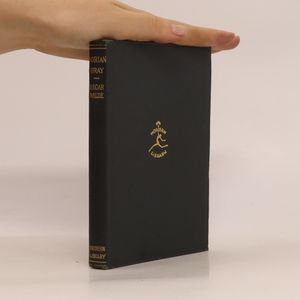


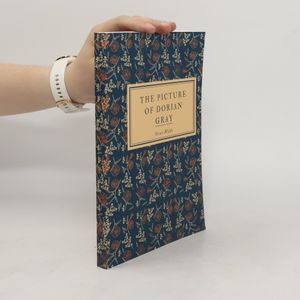













Compra de libros
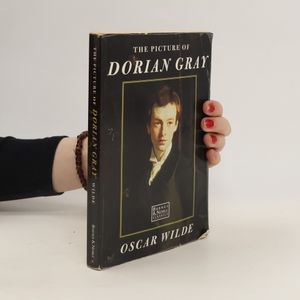
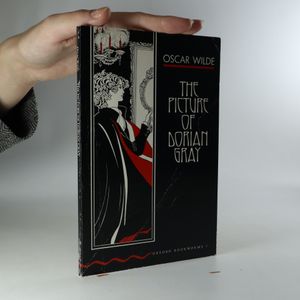
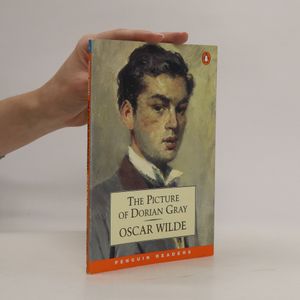
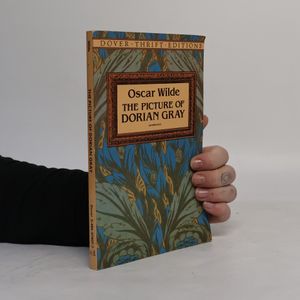
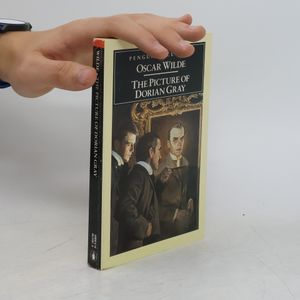
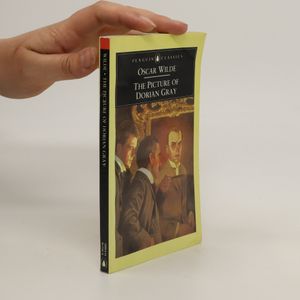
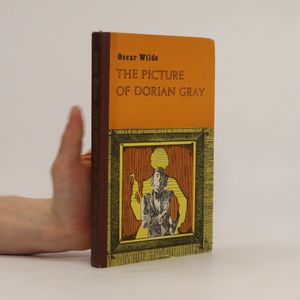
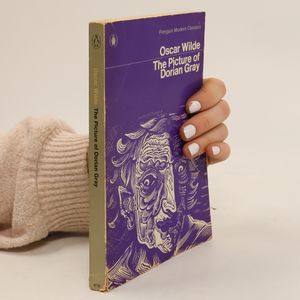
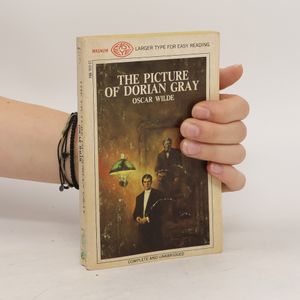
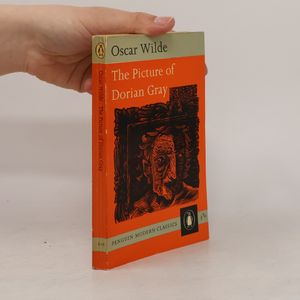
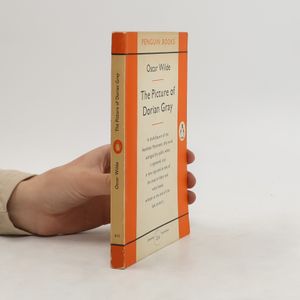
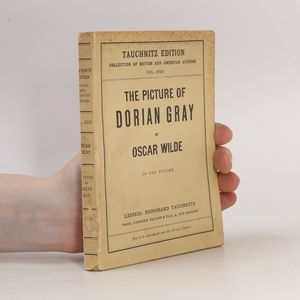
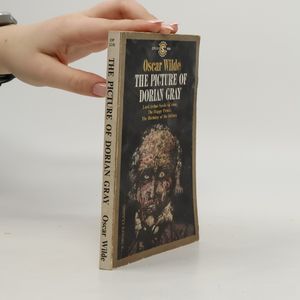
The Picture of Dorian Gray, Oscar Wilde
- Idioma

- Publicado en
- 1998
- Encuadernación
- (Tapa blanda)
Métodos de pago
Nos falta tu reseña aquí
- Idioma
- Inglés
- Autores
- Oscar Wilde
- Editorial
- Modern Library
- Publicado en
- 1998
- Formato
- Tapa blanda
- ISBN10
- 0375751513
- ISBN13
- 9780375751516
- Serie
- Primera publicación
- 1891
- Título original
- The Picture of Dorian Gray
- Calificación
- 4,2 de 5
- Descripción
- Introduction by Jeffrey Eugenides • Nominated as one of America’s best-loved novels by PBS’s The Great American Read Written in his distinctively dazzling manner, Oscar Wilde’s story of a fashionable young man who sells his soul for eternal youth and beauty is the author’s most popular work. The tale of Dorian Gray’s moral disintegration caused a scandal when it first appeared in 1890, but though Wilde was attacked for the novel’s corrupting influence, he responded that there is, in fact, “a terrible moral in Dorian Gray.” Just a few years later, the book and the aesthetic/moral dilemma it presented became issues in the trials occasioned by Wilde’s homosexual liaisons, which resulted in his imprisonment. Of Dorian Gray’s relationship to autobiography, Wilde noted in a letter, “Basil Hallward is what I think I am: Lord Henry what the world thinks me: Dorian what I would like to be—in other ages, perhaps.”