


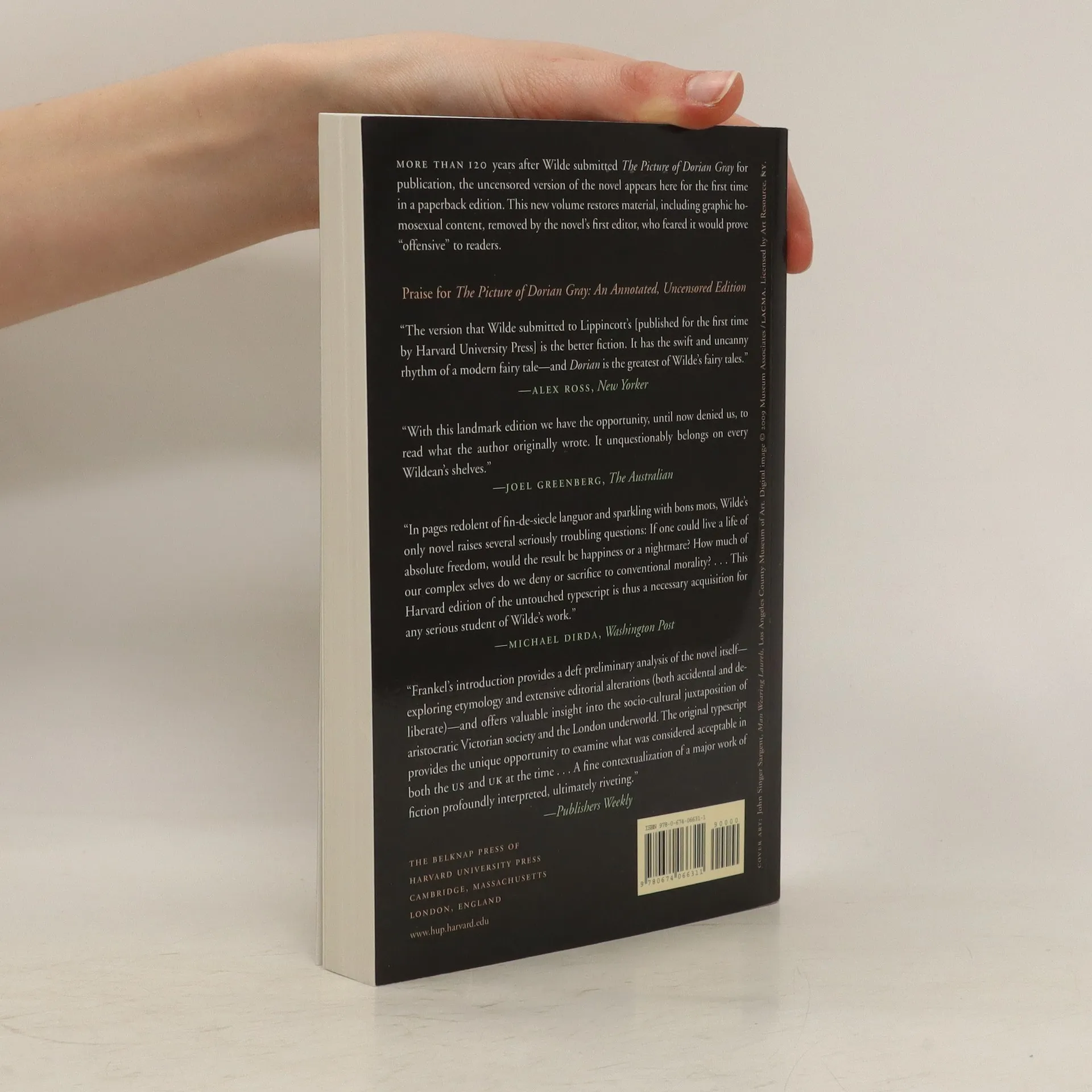

Más información sobre el libro
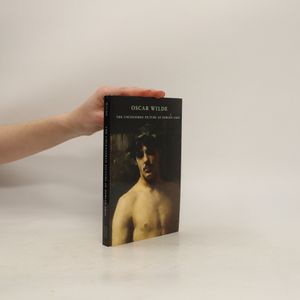
More than 120 years after its initial submission, the uncensored version of Oscar Wilde's novel appears here for the first time in paperback. This edition restores material removed by the novel’s first editor, who panicked upon seeing the typescript, fearing readers would find its graphic homosexual content “offensive.” He edited the text to make it “acceptable to the most fastidious taste,” and Wilde did not see these changes until the novel was published. The editor’s concerns were warranted; even in its redacted form, the novel sparked public outrage, with the British press labeling it “vulgar,” “unclean,” and “poisonous.” When Wilde later expanded the novel for book publication, he further toned down its “immoral” elements in response to criticism. Wilde famously remarked that the novel reflects different aspects of himself: Basil Hallward represents “what I think I am,” Lord Henry embodies “what the world thinks me,” and “Dorian what I would like to be.” This comment hints at a longing for a more permissive era than his own repressive Victorian society. Implicitly, Wilde would have preferred readers today to engage with the uncensored version of his work.


Publicación


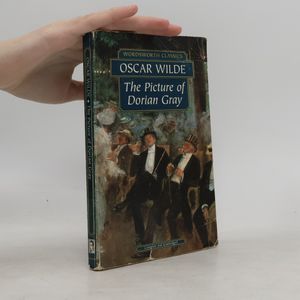


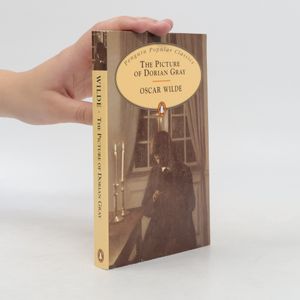
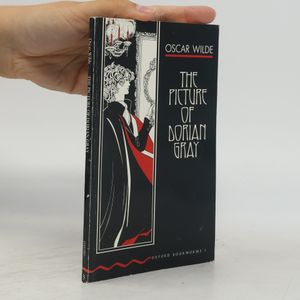
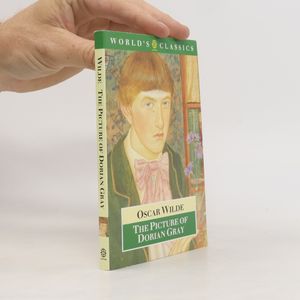
- 2025

- 2024
- 2024
- 2024
- 2024
- 2024
- 2024
- 2024
- 2023
- 2023
- 2023
- 2023
- 2023
- 2022
- 2022
- 2022
- 2022
- 2022
- 2022
- 2022
- 2022
- 2022

- 2021
- 2021
- 2021
- 2021
- 2021
- 2021
- 2021
- 2021
- 2021
- 2021

- 2020
- 2020
- 2020
- 2020
- 2020
- 2020
- 2020
- 2020
- 2020
- 2020
- 2020
- 2020
- 2020
- 2020
- 2020
- 2020
- 2020
- 2020
- 2020
- 2020
- 2020
- 2019
- 2019
- 2019
- 2019
- 2019
- 2019
- 2019
- 2019
- 2019
- 2019
- 2019

- 2018
- 2018
- 2018
- 2018
- 2018
- 2018
- 2018
- 2018
- 2018
- 2018
- 2018
- 2018
- 2018
- 2018
- 2017
- 2017

- 2017

- 2016
- 2016
- 2016
- 2016
- 2016
- 2016
- 2016
- 2015
- 2015
- 2015
- 2015
- 2014
- 2014
- 2014
- 2014
- 2013

- 2013
- 2013
- 2013
- 2012
- 2012

- 2011
- 2011
- 2011
- 2011

- 2010
- 2010




- 2008
- 2008
- 2008
- 2008
- 2008


- 2007
- 2007
- 2007
- 2007
- 2007
- 2005
- 2005
- 2005

- 2004
- 2004
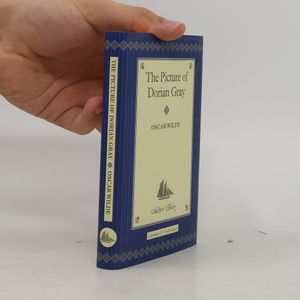
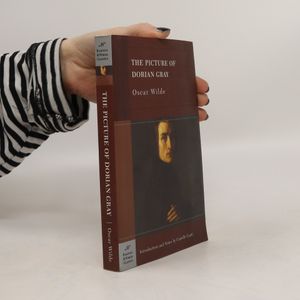

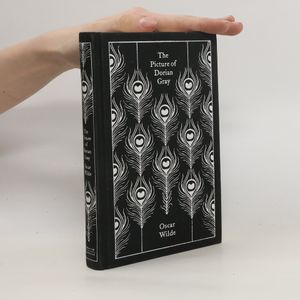
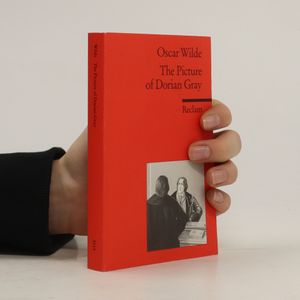

- 1999



- 1997
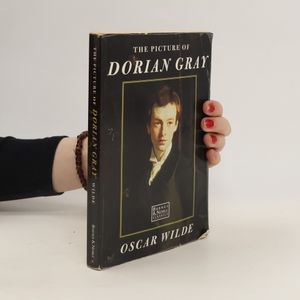
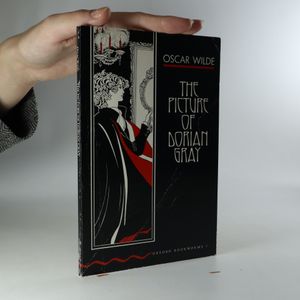
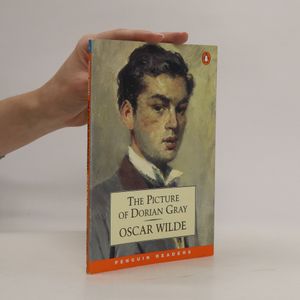
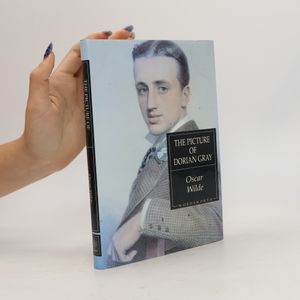




















Compra de libros
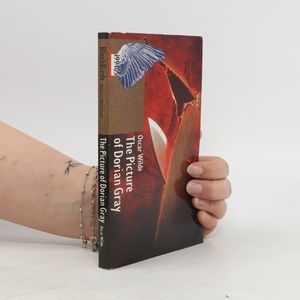
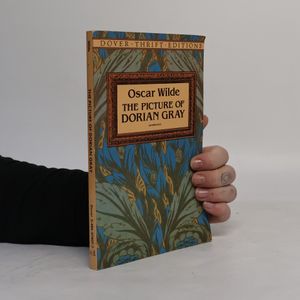
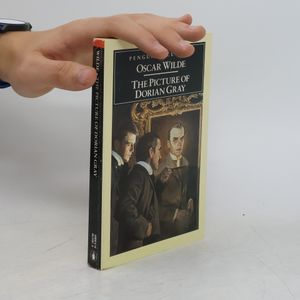
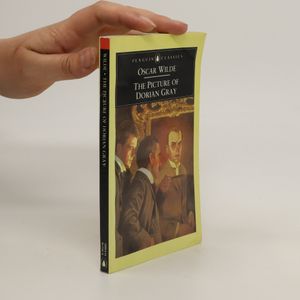
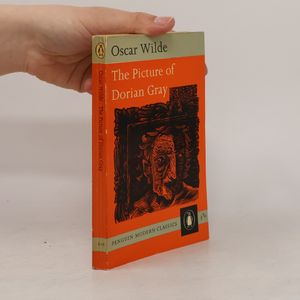
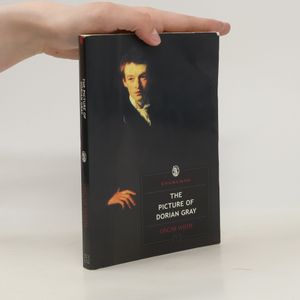
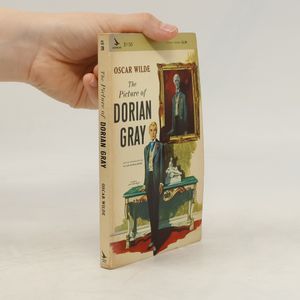
The Uncensored Picture of Dorian Gray, Oscar Wilde, Inc ebrary, Nicholas Frankel
- Idioma

- Publicado en
- 2012
- Encuadernación
- (Tapa blanda)
Métodos de pago
Nos falta tu reseña aquí
- Idioma
- Inglés
- Autores
- Oscar Wilde, Inc ebrary, Nicholas Frankel
- Editorial
- Belknap Press
- Publicado en
- 2012
- Formato
- Tapa blanda
- Páginas
- 272
- ISBN10
- 0674066316
- ISBN13
- 9780674066311
- Serie
- Primera publicación
- 1891
- Título original
- The Picture of Dorian Gray
- Calificación
- 4,2 de 5
- Descripción
- More than 120 years after its initial submission, the uncensored version of Oscar Wilde's novel appears here for the first time in paperback. This edition restores material removed by the novel’s first editor, who panicked upon seeing the typescript, fearing readers would find its graphic homosexual content “offensive.” He edited the text to make it “acceptable to the most fastidious taste,” and Wilde did not see these changes until the novel was published. The editor’s concerns were warranted; even in its redacted form, the novel sparked public outrage, with the British press labeling it “vulgar,” “unclean,” and “poisonous.” When Wilde later expanded the novel for book publication, he further toned down its “immoral” elements in response to criticism. Wilde famously remarked that the novel reflects different aspects of himself: Basil Hallward represents “what I think I am,” Lord Henry embodies “what the world thinks me,” and “Dorian what I would like to be.” This comment hints at a longing for a more permissive era than his own repressive Victorian society. Implicitly, Wilde would have preferred readers today to engage with the uncensored version of his work.