

Más información sobre el libro
Marcel Proust whiled away the first half of his life as a self-conscious aesthete and social climber. The second half he spent in the creation of the mighty roman-fleuve that is Remembrance of Things Past, memorializing his own dandyism and parvenu hijinks even as he revealed their essential hollowness. Proust begins, of course, at the beginning--with the earliest childhood perceptions and sorrows. Then, over several thousand pages, he retraces the course of his own adolescence and adulthood, democratically dividing his experiences among the narrator and a sprawling cast of characters. Who else has ever decanted life into such ornate, knowing, wrought-iron sentences? Who has subjected love to such merciless microscopy, discriminating between the tiniest variations of desire and self-delusion? Who else has produced a grief-stricken record of time's erosion that can also make you laugh for entire pages? The answer to all these questions is: nobody.
Compra de libros
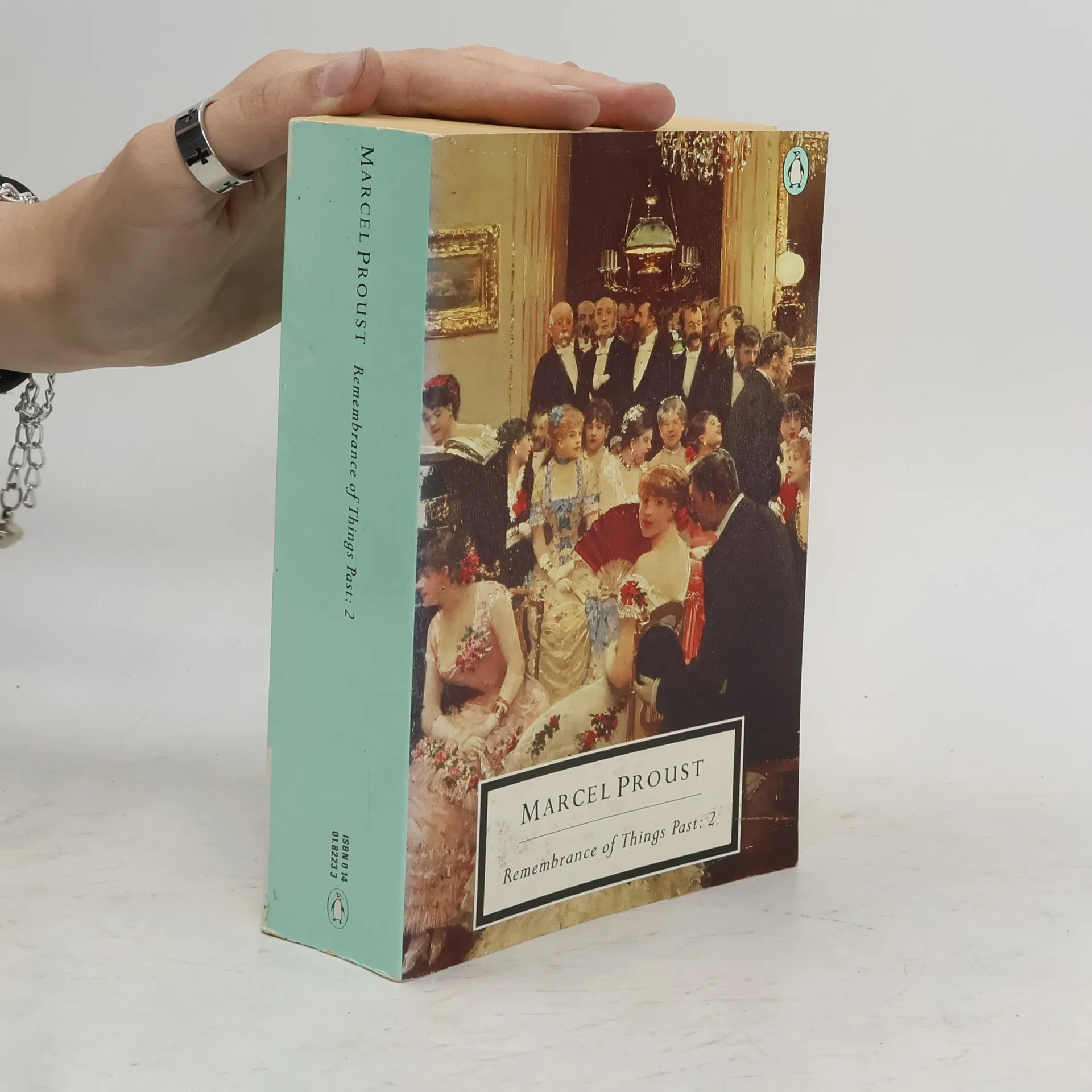
Remembrance of Things Past, Marcel Proust
- Idioma

- Publicado en
- 1989
- Encuadernación
- (Tapa blanda)
Métodos de pago
Nos falta tu reseña aquí
- Título
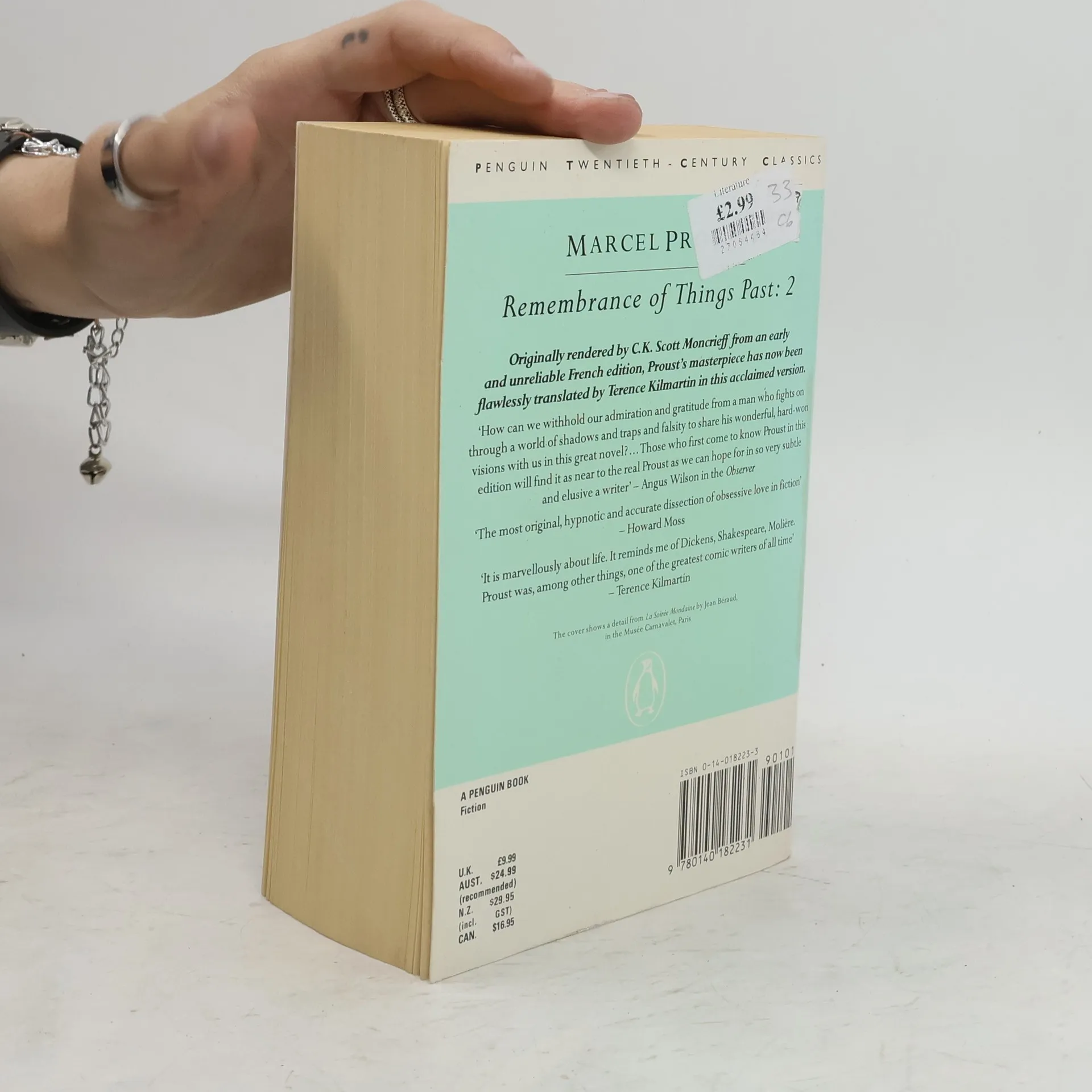
- Remembrance of Things Past
- Idioma
- Inglés
- Autores
- Marcel Proust
- Editorial
- Penguin
- Publicado en
- 1989
- Formato
- Tapa blanda
- Páginas
- 1216
- ISBN10
- 0140182233
- ISBN13
- 9780140182231
- Categorías
- Etiquetas
- Literatura mundial, Temática filosófica, Amor, Relaciones, Memorias, Tiempo
- Calificación
- 4,4 de 5
- Descripción
- Marcel Proust whiled away the first half of his life as a self-conscious aesthete and social climber. The second half he spent in the creation of the mighty roman-fleuve that is Remembrance of Things Past, memorializing his own dandyism and parvenu hijinks even as he revealed their essential hollowness. Proust begins, of course, at the beginning--with the earliest childhood perceptions and sorrows. Then, over several thousand pages, he retraces the course of his own adolescence and adulthood, democratically dividing his experiences among the narrator and a sprawling cast of characters. Who else has ever decanted life into such ornate, knowing, wrought-iron sentences? Who has subjected love to such merciless microscopy, discriminating between the tiniest variations of desire and self-delusion? Who else has produced a grief-stricken record of time's erosion that can also make you laugh for entire pages? The answer to all these questions is: nobody.