

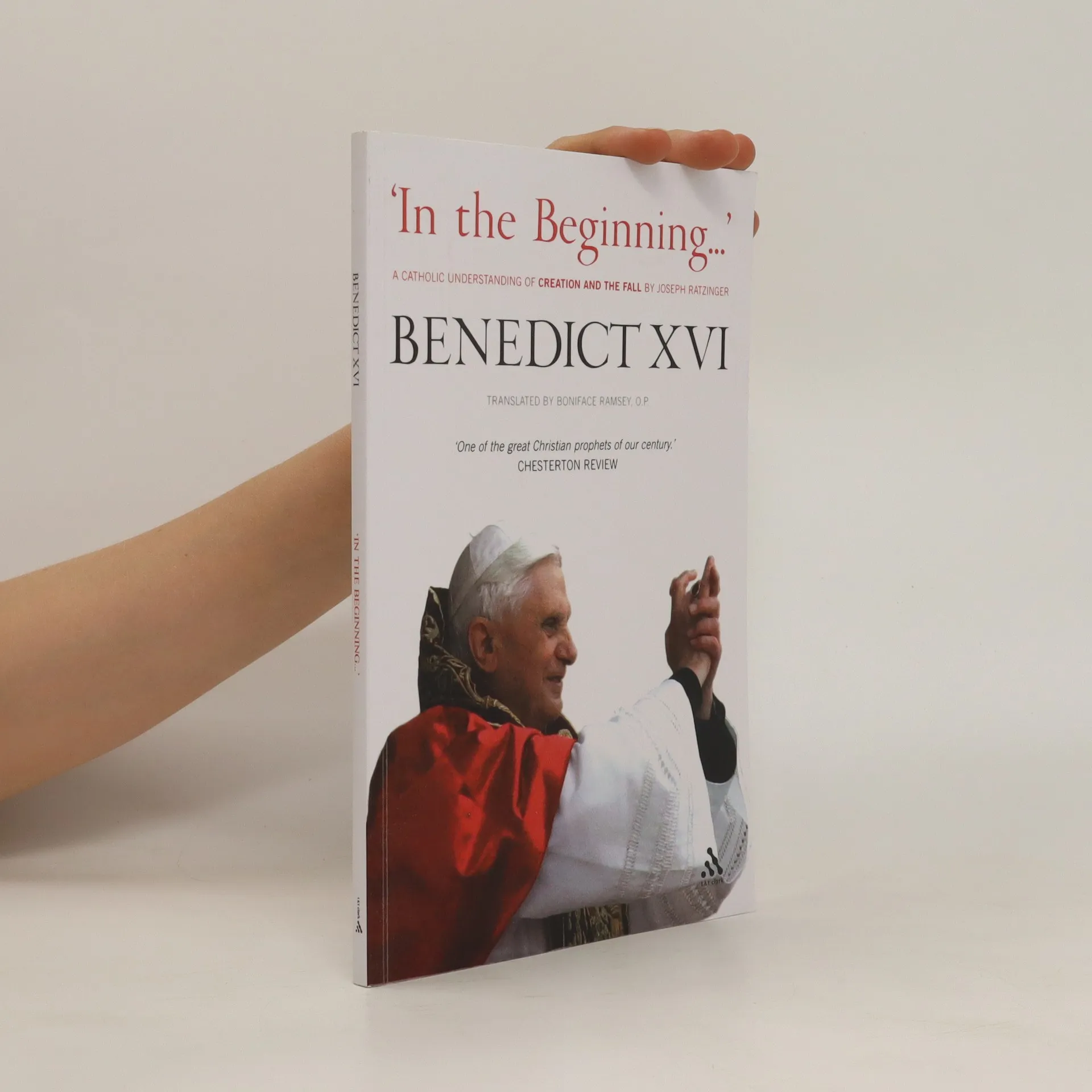
These five superb homilles by the newly elected Pope, Benedict XVI, provide a clear and biblically based explanation of the first few chapters of the Bible. Reissued with a new cover and ISBN to celebrate Joseph Ratzinger's election. While the stories of the creation of the world and the fall of humankind have often given rise to conflict - fundamentalists twist them into science and history while rationalists approach them by 'divorcing God from creation' - the Pope presents the Catholic middle ground in explaining the vitality of these early Old Testament writings. Beginning each homily with the selected text from Genesis, the Pope discusses, in turn, God the creator, the meaning of the biblical creation accounts, the creation of human beings, sin and salvation, and the consequences of faith in creation. In the Beginning presents a compelling account of the value of creation for our times.
Ressourcement Serie
Esta serie profundiza en las corrientes del pensamiento católico, explorando cómo las antiguas tradiciones teológicas y filosóficas pueden ser revitalizadas y aplicadas a los desafíos contemporáneos. Ofrece análisis perspicaces de pensadores y conceptos clave que han moldeado la espiritualidad occidental. Los lectores descubrirán la riqueza de la herencia espiritual y su perdurable relevancia para la vida moderna. La colección es ideal para aquellos que buscan una comprensión más profunda de la fe y sus fundamentos intelectuales.

This book collects a fascinating series of letters written by theologian-philosopher Romano Guardini in the mid-1920s in which he works out for the first time his sense of the challenges of humanity in a culture increasingly dominated by the machine. With prophetic clarity and unsettling farsightedness, Guardini's letters poignantly capture the personal implications and social challenges of living in the technological age — concerns that have now come to fruition seventy years after they were first raised.
Cartas del Lago de Como
- 124 páginas
- 5 horas de lectura
El libro es un conjunto de cartas escritas por el destacado teólogo y filósofo Romano Guardini a mediados de la década de 1920. En ellas, Guardini analiza sus ideas sobre los desafíos de la humanidad en una cultura cada vez más dominada por las máquinas. Dedica gran atención a la forma moderna de construir y al estilo de vida que, en su opinión, amenazan la coexistencia del ser humano con la naturaleza. No cuestiona la necesidad de desarrollo, sino que aboga por una técnica más humana. Expone de manera clara y preocupante sus observaciones personales y los desafíos sociales de la vida en la era tecnológica. Muchas de sus inquietudes se han materializado ante nuestros ojos. Sin embargo, sigue siendo importante recordarlas y tomar conciencia de sus consecuencias en la vida cotidiana.
The Discovery of God
- 236 páginas
- 9 horas de lectura
Focusing on the concept of God and spiritual life, this work encapsulates Henri de Lubac's philosophical and theological insights. It explores the interconnectedness of faith and human existence, highlighting the significance of divine discovery in understanding the deeper aspects of spirituality. Through de Lubac's perspective, readers are invited to reflect on the essence of belief and its impact on the human experience.