

El libro está agotado actualmente
Parámetros
- 122 páginas
- 5 horas de lectura
Más información sobre el libro
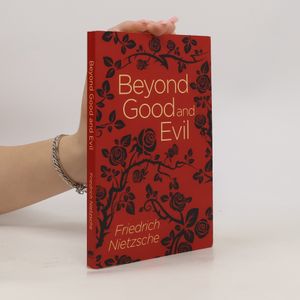
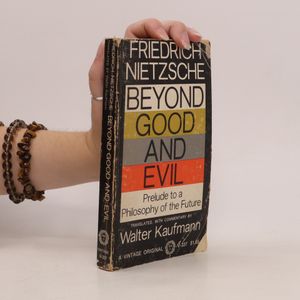
In 1886, at the height of his powers, Nietzsche published "Beyond Good and Evil." Here he examines much of the best of human thought--dogmatic philosophy, Judeo-Christian morality, science and democracy - and finds it lacking. Rejecting "slave-morality" he presents his prescient vision of the future of philosophy with poetry and passion.


Publicación
- 2024

- 2024
- 2023
- 2023
- 2023
- 2023
- 2023
- 2023
- 2023
- 2023
- 2023
- 2023

- 2022
- 2022
- 2022
- 2022
- 2022
- 2022
- 2022
- 2021
- 2021
- 2021
- 2021
- 2021
- 2021
- 2021
- 2021

- 2020
- 2020
- 2020
- 2020
- 2020
- 2020
- 2020
- 2020
- 2020
- 2020
- 2020
- 2020
- 2020
- 2020
- 2020
- 2020
- 2020
- 2020
- 2020

- 2019
- 2019
- 2019
- 2019
- 2019


- 2018
- 2018
- 2018
- 2018
- 2018
- 2018
- 2018
- 2018
- 2018
- 2018
- 2017
- 2017
- 2017
- 2017
- 2016

- 2013
- 2012
- 2010
- 2009
- 2009

- 2008
- 2008
- 2008
- 2008
- 2007
- 2007
- 2006
- 2005
- 2005
- 2004
- 2004







Compra de libros
Beyond Good and Evil, Friedrich Wilhelm Nietzsche
- Idioma

- Publicado en
- 2018
- product-detail.submit-box.info.binding
- (Tapa blanda)
Te avisaremos por correo electrónico en cuanto lo localicemos.
Métodos de pago
Nos falta tu reseña aquí
- Título
- Beyond Good and Evil
- Idioma
- Inglés
- Autores
- Friedrich Wilhelm Nietzsche
- Editorial
- Benediction Classics
- Publicado en
- 2018
- Formato
- Tapa blanda
- Páginas
- 122
- ISBN10
- 1781399492
- ISBN13
- 9781781399491
- Serie
- Etiquetas
- No ficción, Ciencias sociales, Historias reales, Temas psicológicos, Temática filosófica, Literatura alemana, Periodismo & Ensayos, Siglo XIX
- Primera publicación
- 1886
- Título original
- Jenseits von Gut und Böse
- Calificación
- 4,25 de 5
- Descripción
- In 1886, at the height of his powers, Nietzsche published "Beyond Good and Evil." Here he examines much of the best of human thought--dogmatic philosophy, Judeo-Christian morality, science and democracy - and finds it lacking. Rejecting "slave-morality" he presents his prescient vision of the future of philosophy with poetry and passion.