

El libro está agotado actualmente
Parámetros
- 218 páginas
- 8 horas de lectura
Más información sobre el libro
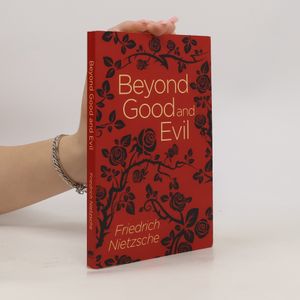
Friedrich Nietzsche's work critiques traditional morality and challenges the blind acceptance of Christian ideals by previous philosophers. Through a series of essays and aphorisms, he argues that human values are not absolute, highlighting the hypocrisy in value distinctions. This influential collection, first published in 1886, has significantly shaped modern intellectual thought, inviting readers to reconsider the foundations of their moral beliefs.


Publicación
- 2024

- 2024
- 2023
- 2023
- 2023
- 2023
- 2023
- 2023
- 2023
- 2023
- 2023
- 2023

- 2022
- 2022
- 2022
- 2022
- 2022
- 2022
- 2022
- 2021
- 2021
- 2021
- 2021
- 2021
- 2021
- 2021
- 2021

- 2020
- 2020
- 2020
- 2020
- 2020
- 2020
- 2020
- 2020
- 2020
- 2020
- 2020
- 2020
- 2020
- 2020
- 2020
- 2020
- 2020
- 2020
- 2020

- 2019
- 2019
- 2019
- 2019
- 2019


- 2018
- 2018
- 2018
- 2018
- 2018
- 2018
- 2018
- 2018
- 2018
- 2018
- 2017
- 2017
- 2017
- 2017
- 2016

- 2013
- 2012
- 2010
- 2009
- 2009

- 2008
- 2008
- 2008
- 2008
- 2007
- 2007
- 2006
- 2005
- 2005
- 2004
- 2004







Compra de libros
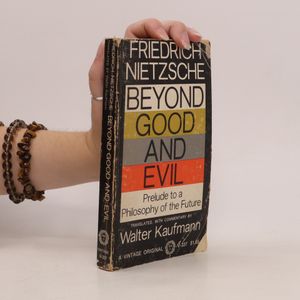
Beyond Good and Evil, Friedrich Wilhelm Nietzsche
- Idioma

- Publicado en
- 2022
Te avisaremos por correo electrónico en cuanto lo localicemos.
Métodos de pago
Nos falta tu reseña aquí
- Título
- Beyond Good and Evil
- Idioma
- Inglés
- Autores
- Friedrich Wilhelm Nietzsche
- Editorial
- General Press
- Publicado en
- 2022
- Páginas
- 218
- ISBN13
- 9789354993749
- Serie
- Etiquetas
- No ficción, Ciencias sociales, Historias reales, Temas psicológicos, Temática filosófica, Literatura alemana, Periodismo & Ensayos, Siglo XIX
- Primera publicación
- 1886
- Título original
- Jenseits von Gut und Böse
- Calificación
- 4,25 de 5
- Descripción
- Friedrich Nietzsche's work critiques traditional morality and challenges the blind acceptance of Christian ideals by previous philosophers. Through a series of essays and aphorisms, he argues that human values are not absolute, highlighting the hypocrisy in value distinctions. This influential collection, first published in 1886, has significantly shaped modern intellectual thought, inviting readers to reconsider the foundations of their moral beliefs.