Esta galardonada serie de biografías interpretativas se adentra en la naturaleza multifacética de la identidad y la historia judía. Cada volumen ilumina la huella de figuras judías clave en la literatura, la religión, la filosofía, la política, la cultura y las artes. La colección busca retratos vívidos y bien informados que revelen la amplitud y profundidad de la experiencia judía desde la antigüedad hasta el presente. Ofrece una fascinante exploración de las contribuciones culturales e intelectuales que han dado forma a nuestro mundo.
An insider's perspective on the life and influence of Israel's first native-
born prime minister, his bold peace initiatives, and his tragic assassination
More than two decades have passed since prime minister Yitzhak Rabin's
assassination in 1995, yet he remains an unusually intriguing and... číst celé
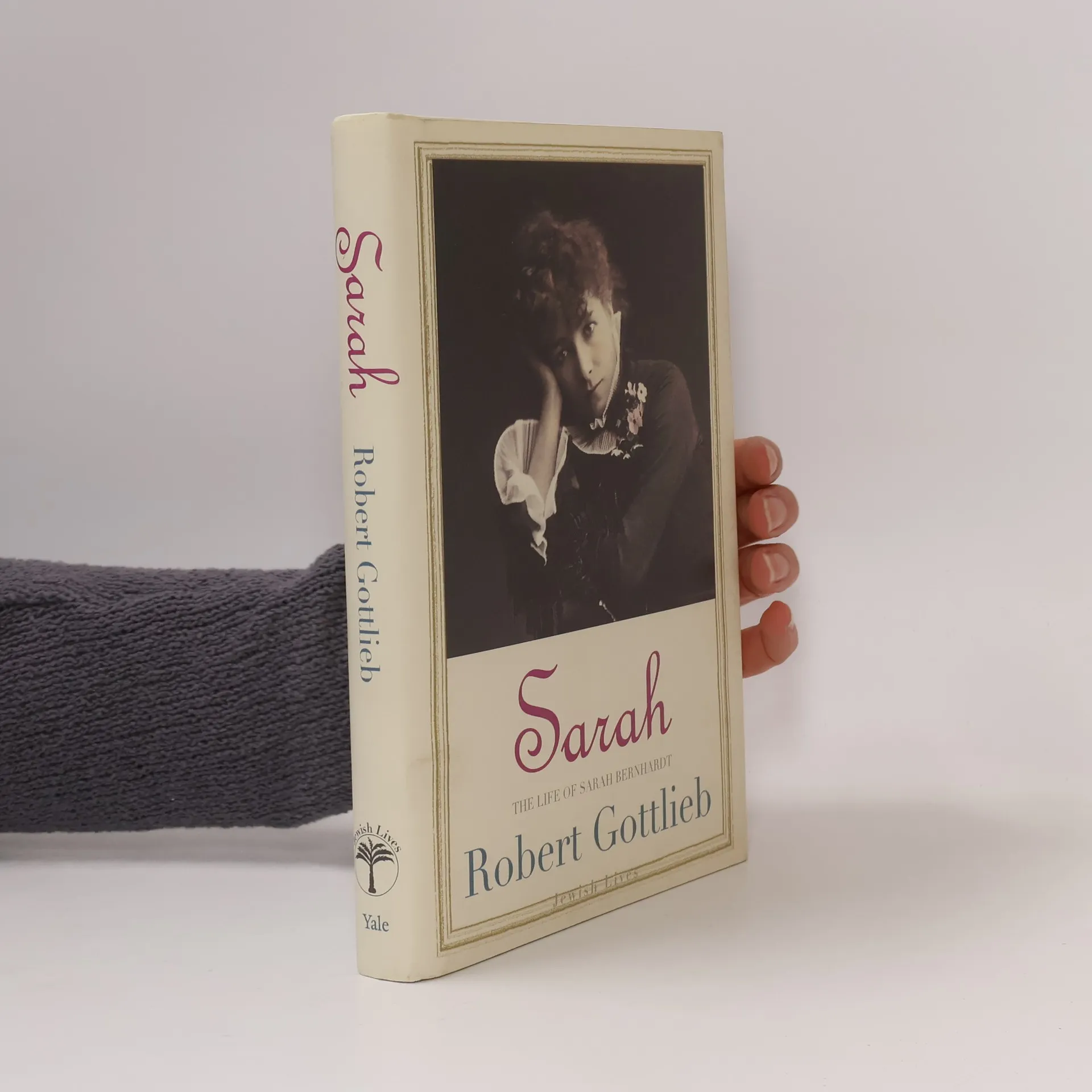
The narrative presents Sarah Bernhardt's life as a theatrical performance, highlighting the key figures surrounding her. Gottlieb's vibrant prose immerses readers in the enchanting world of this legendary actress, portraying her as a master of myth-making. The book delves into the drama and charisma that defined Bernhardt's career, offering insights into her impact on the art of performance.
Looks at that major aspects of Kafka's life—family, Judaism, love and sex, writing, illness and despair—and argues that, when reinserted in Kafka's letters and diaries, deleted segments lift the mask of "sainthood" frequently attached to the writer. 12,000 first printing.
Tells the story of a modern radical who took seriously the idea that inner
liberation is the first business of social revolution. This title draws an
intimate and insightful portrait of a woman of heroic proportions whose
performance on the stage of history did what Tolstoy said a work of art should
do: it made people love life more.
"Mark Rothko was not only one of the most influential American painters of the twentieth century; he was a scholar, an educator, and a deeply spiritual human being. Born Marcus Yakovlevich Rotkovitch, he emigrated from the Russian Empire to the United States at age ten, already well educated in the Talmud and carrying with him bitter memories of the pogroms and persecutions visited upon the Jews of Latvia. Few artists have achieved success as quickly, and by the mid-twentieth century, Rothko's artwork was being displayed in major museums throughout the world. In May 2012 his painting Orange, Red, Yellow was auctioned for nearly $87 million, setting a new Christie's record. Author Annie Cohen-Solal gained access to archival materials no previous biographer had seen. As a result, her book is an extraordinarily detailed portrait of Rothko the man and the artist, an uncommonly successful painter who was never comfortable with the idea of his art as a commodity"--
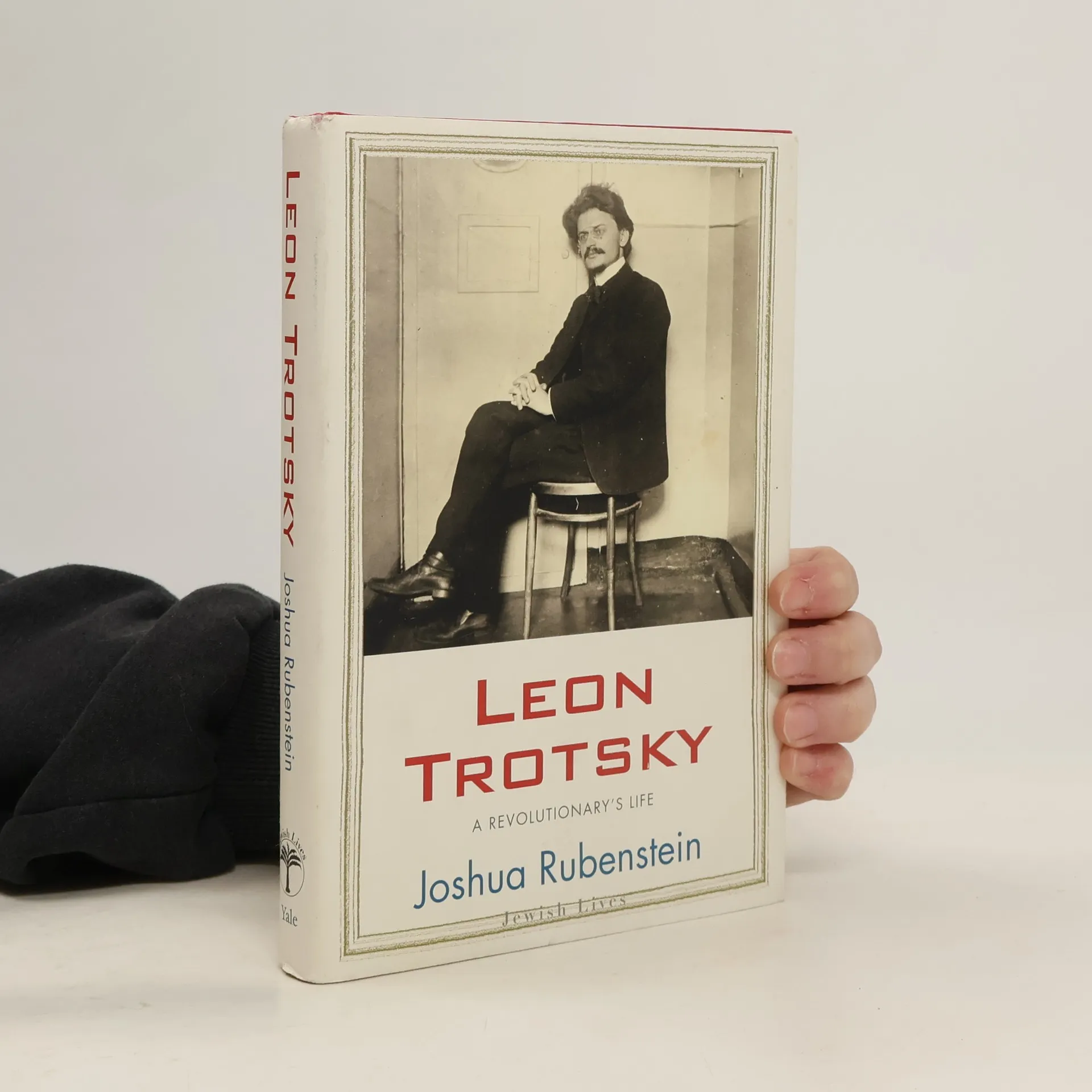
From the prizewinning Jewish Lives series, this annotation presents a clear-eyed exploration of Leon Trotsky's career, highlighting his complex nature as both a brilliant intellectual and a narrow-minded ideologue. Born Lev Davidovich Bronstein in southern Ukraine, Trotsky was an effective military strategist and adept diplomat who gambled the Bolshevik revolution on a fragile hope for a Europe-wide Communist upheaval. Despite his political acumen, he struggled in the power struggle against Stalin in the 1920s. As an assimilated Jew, he was one of the first to recognize the impending disaster for European Jews with Hitler's rise and Stalin's potential alliance with him. This portrayal reveals Trotsky as a mentally acute yet impatient figure, a keen observer of contemporary politics who neglected the organizational aspects of the party while Stalin maneuvered toward his political downfall. Joshua Rubenstein notes that Trotsky remains a haunting figure in historical memory, a revolutionary leader and masterful writer whose upheaval shaped twentieth-century politics. In this insightful account, Rubenstein provides a contemporary interpretation of Trotsky’s life and legacy.
Harvey Milk was elected to the San Francisco Board of Supervisors in 1977, but he had not served a full year in office when he was shot by a homophobic fellow supervisor; his assassination made him the most famous gay man in modern history. Before finding his calling as a politician Milk fumbled to find the niche from which he could fulfill his aspirations. He rejected Judaism as a religion, but he was deeply influenced by the cultural values of his Jewish upbringing and his understanding of anti-Semitism and the Holocaust. Faderman provides context to Milk's life as a gay icon, a Jew, and a complex, if contradictory, man. -- adapted from front jacket and back cover
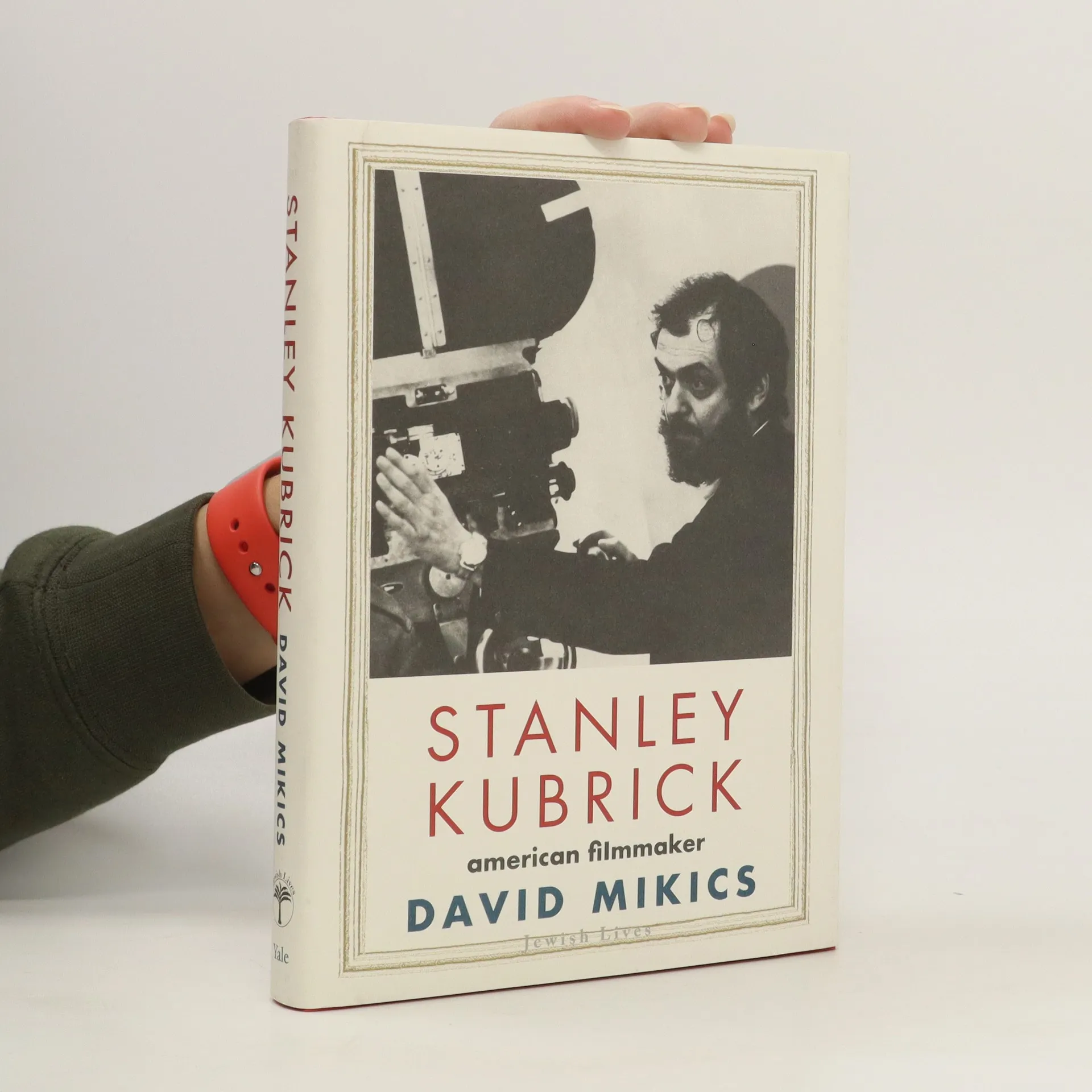
A biography of the director details his many films and describes how his unique and evocative gift for storytelling evolved from experiences in his own life, including his parents' divorce and his return to Judaism after his son was born.
A biography of one of twentieth century America's most influential patrons of the arts that covers her personal life, uncompromising spirit, and relationships with such modern masters as Jackson Pollock and Man Ray.
David Ben-Gurion cast an enormous shadow across his world, and his legacy in the Middle East and beyond continues to be hotly debated to this day. There have been many books written about the life and accomplishments of the Zionist icon and founder of modern Israel, but this new biography by eminent Israeli historian Anita Shapira is the first to get to the core of the complex man who would become the face of a new nation. Shapira tells the Ben-Gurion story anew, focusing especially on the period in 1948 immediately following Israel's declaration of independence, a time few historians have concentrated on and none have explored in such intimate detail. Through her intensive research and access to Ben-Gurion's personal archives and rarely viewed documents and letters, the author gained powerful insights into his private persona. Her fascinating literary portrait of David Ben-Gurion bares the flesh-and-blood man inside the influential historical figure who brought the Zionist dream to full fruition.
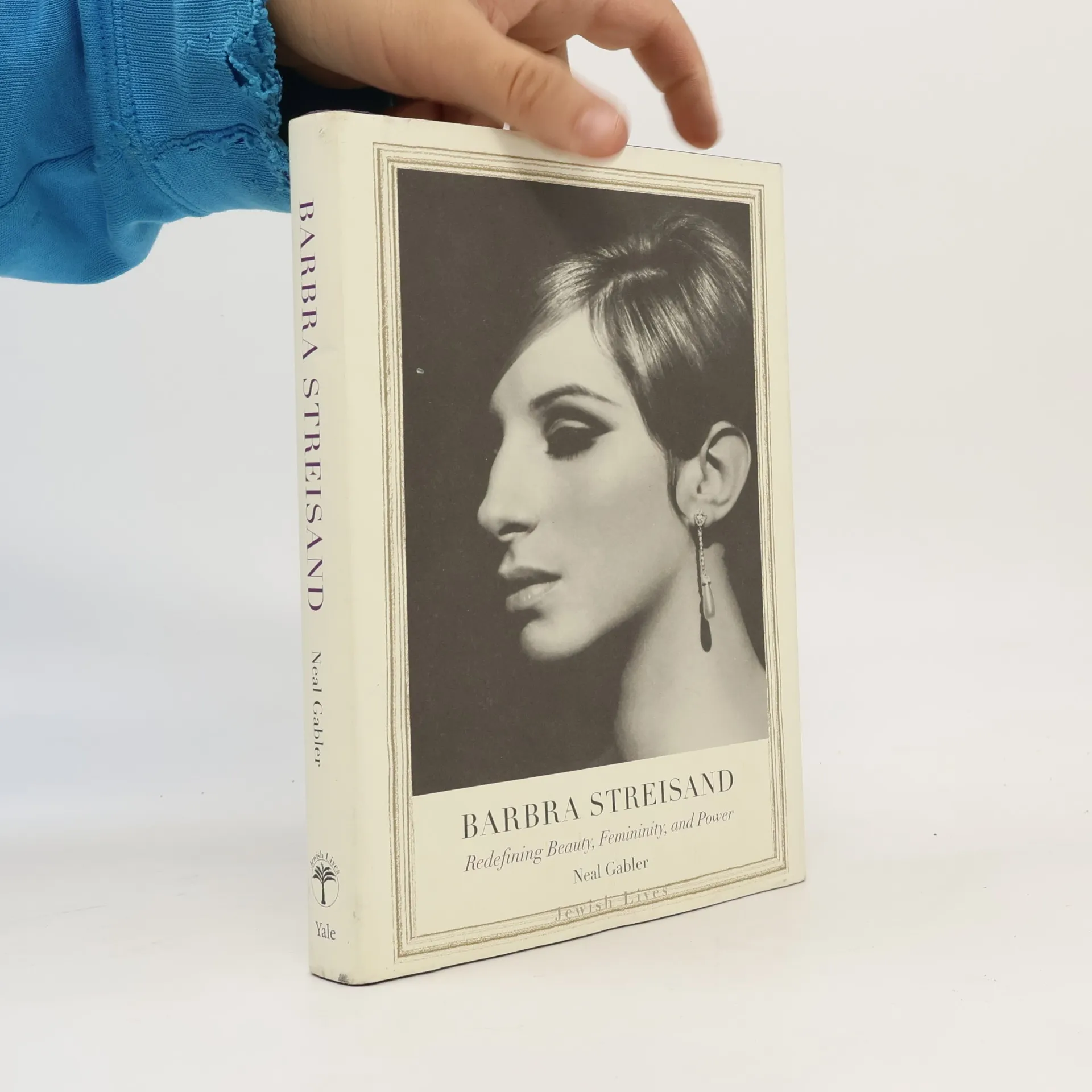
An enthralling appreciation of the monumentally gifted popular artist and cultural icon who challenged Hollywood's standards of beauty and glamour Barbra Streisand has been called the "most successful...talented performer of her generation" by Vanity Fair, and her voice, said pianist Glenn Gould, is "one of the natural wonders of the age." Streisand scaled the heights of entertainment--from a popular vocalist to a first-rank Broadway star in Funny Girl to an Oscar-winning actress to a producer and director. But she has also become a cultural icon who has transcended show business. To achieve her success, Brooklyn-born Streisand had to overcome tremendous odds, not the least of which was her Jewishness. Dismissed, insulted, even reviled when she embarked on a show business career for acting too Jewish and looking too Jewish, she brilliantly converted her Jewishness into a metaphor for outsiderness that would eventually make her the avenger for anyone who felt marginalized and powerless. Neal Gabler examines Streisand's life and career through this prism of otherness--a Jew in a gentile world, a self-proclaimed homely girl in a world of glamour, a kooky girl in a world of convention--and shows how central it was to Streisand's triumph as one of the voices of her age.
Behind the scenes at the legendary Warner Brothers film studio, where four immigrant brothers transformed themselves into the moguls and masters of American fantasy Warner Bros charts the rise of an unpromising film studio from its shaky beginnings in the early twentieth century through its ascent to the pinnacle of Hollywood influence and popularity. The Warner Brothers--Harry, Albert, Sam, and Jack--arrived in America as unschooled Jewish immigrants, yet they founded a studio that became the smartest, toughest, and most radical in all of Hollywood. David Thomson provides fascinating and original interpretations of Warner Brothers pictures from the pioneering talkie The Jazz Singer through black-and-white musicals, gangster movies, and such dramatic romances as Casablanca, East of Eden, and Bonnie and Clyde. He recounts the storied exploits of the studio's larger-than-life stars, among them Al Jolson, James Cagney, Bette Davis, Errol Flynn, Humphrey Bogart, James Dean, Doris Day, and Bugs Bunny. The Warner brothers' cultural impact was so profound, Thomson writes, that their studio became "one of the enterprises that helped us see there might be an American dream out there."
A vibrant portrait of one of the most accomplished and prolific American screenwriters, by an award-winning biographer and essayist He was, according to Pauline Kael, "the greatest American screenwriter." Jean-Luc Godard called him "a genius" who "invented 80 percent of what is used in Hollywood movies today." Besides tossing off dozens of now-classic scripts--including Scarface, Twentieth Century, and Notorious--Ben Hecht was known in his day as ace reporter, celebrated playwright, taboo-busting novelist, and the most quick-witted of provocateurs. During World War II, he also emerged as an outspoken crusader for the imperiled Jews of Europe, and later he became a fierce propagandist for pre-1948 Palestine's Jewish terrorist underground. Whatever the outrage he stirred, this self-declared "child of the century" came to embody much that defined America--especially Jewish America--in his time. Hecht's fame has dimmed with the decades, but Adina Hoffman's vivid portrait brings this charismatic and contradictory figure back to life on the page. Hecht was a renaissance man of dazzling sorts, and Hoffman--critically acclaimed biographer, former film critic, and eloquent commentator on Middle Eastern culture and politics--is uniquely suited to capture him in all his modes.
"Mark Rothko was not only one of the most influential American painters of the twentieth century; he was a scholar, an educator, and a deeply spiritual human being. Born Marcus Yakovlevich Rotkovitch, he emigrated from the Russian Empire to the United States at age ten, already well educated in the Talmud and carrying with him bitter memories of the pogroms and persecutions visited upon the Jews of Latvia. Few artists have achieved success as quickly, and by the mid-twentieth century, Rothko's artwork was being displayed in major museums throughout the world. In May 2012 his painting Orange, Red, Yellow was auctioned for nearly $87 million, setting a new Christie's record. Author Annie Cohen-Solal gained access to archival materials no previous biographer had seen. As a result, her book is an extraordinarily detailed portrait of Rothko the man and the artist, an uncommonly successful painter who was never comfortable with the idea of his art as a commodity"--
This deeply informed biography of Walther Rathenau (1867-1922) tells of a man who—both thoroughly German and unabashedly Jewish—rose to leadership in the German War-Ministry Department during the First World War, and later to the exalted position of foreign minister in the early days of the Weimar Republic. His achievement was unprecedented—no Jew in Germany had ever attained such high political rank. But Rathenau's success was marked by tragedy: within months he was assassinated by right-wing extremists seeking to destroy the newly formed Republic. Drawing on Rathenau's papers and on a depth of knowledge of both modern German and German-Jewish history, Shulamit Volkov creates a finely drawn portrait of this complex man who struggled with his Jewish identity yet treasured his “otherness.” Volkov also places Rathenau in the dual context of Imperial and Weimar Germany and of Berlin's financial and intellectual elite. Above all, she illuminates the complex social and psychological milieu of German Jewry in the period before Hitler's rise to power.
An engrossing biography of one of the most influential filmmakers in cinematic history, Kubrick grew up in the Bronx, a doctor's son. From a young age he was consumed by photography, chess, and, above all else, movies. He was a self-taught filmmaker and self-proclaimed outsider, and his films exist in a unique world of their own outside the Hollywood mainstream. Kubrick's Jewishness played a crucial role in his idea of himself as an outsider. Obsessed with rebellion against authority, war, and male violence, Kubrick was himself a calm, coolly masterful creator and a talkative, ever-curious polymath immersed in friends and family. Drawing on interviews and new archival material, Mikics for the first time explores the personal side of Kubrick's films