Thomas Keller es un chef y restaurador estadounidense reconocido por su enfoque innovador en la cocina y la creación de varios restaurantes galardonados. Su arte culinario se caracteriza por la precisión, la profundidad de sabor y una atención excepcional al detalle, lo que le ha valido un amplio reconocimiento de la crítica y del público. Los establecimientos de Keller, incluida la icónica The French Laundry, son sinónimo de excelencia y representan la cúspide de la experiencia gastronómica. Su influencia se extiende más allá de la cocina, inspirando a futuras generaciones de profesionales culinarios.
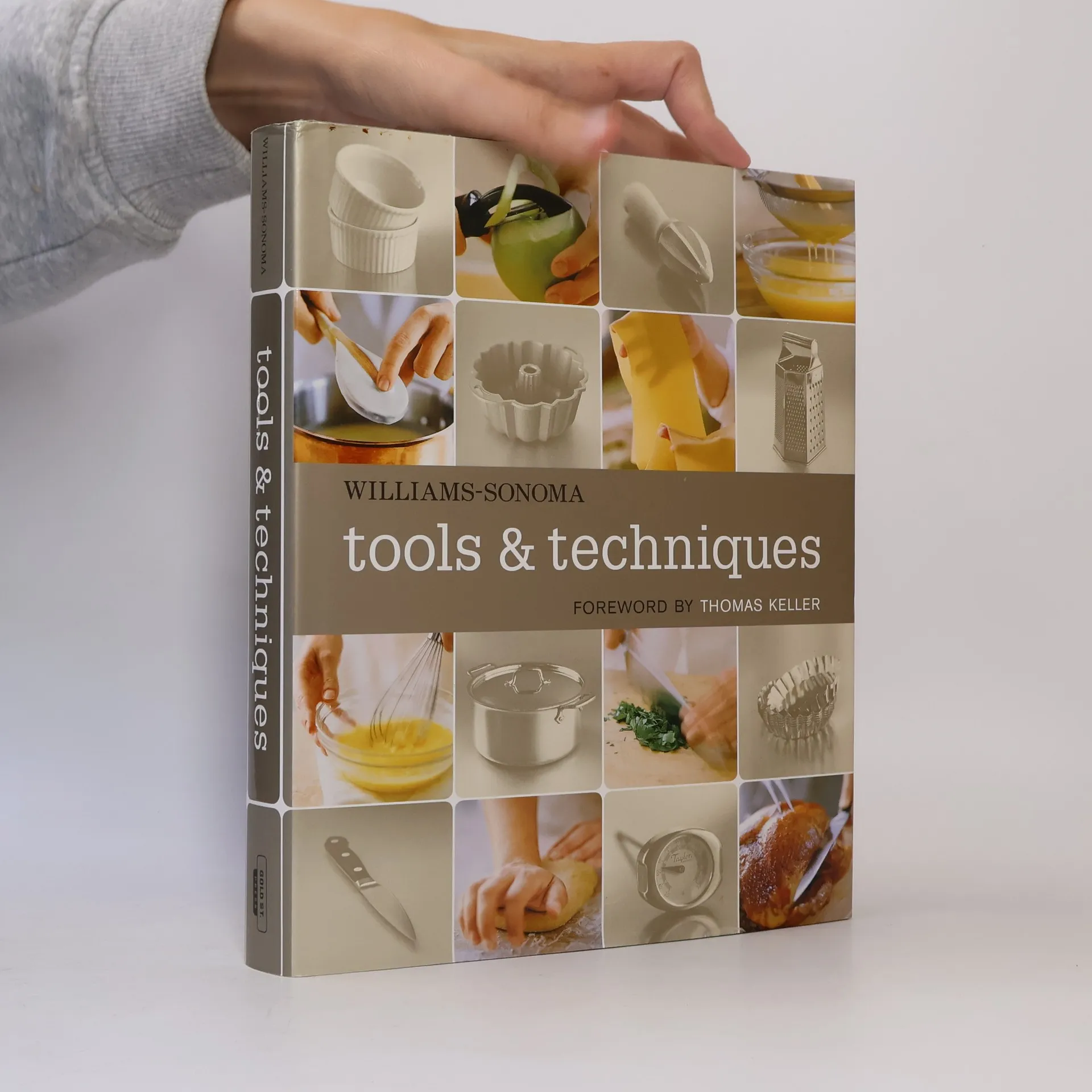
An essential resource for any cook, this book offers a comprehensive evaluation of both classic and contemporary equipment for the home kitchen and also explains more than 300 important cooking techniques that will help you execute tricky culinary tasks. The book discusses basic and specialty tools for cooking and baking, cutlery, cookware, electric appliances and useful accessories. Along with a foreword by noted chef Thomas Keller, the book includes over 1,500 color photographs, 50 basic recipes plus variations, and a wealth of how-to tips. H A Williams-Sonoma exclusive.
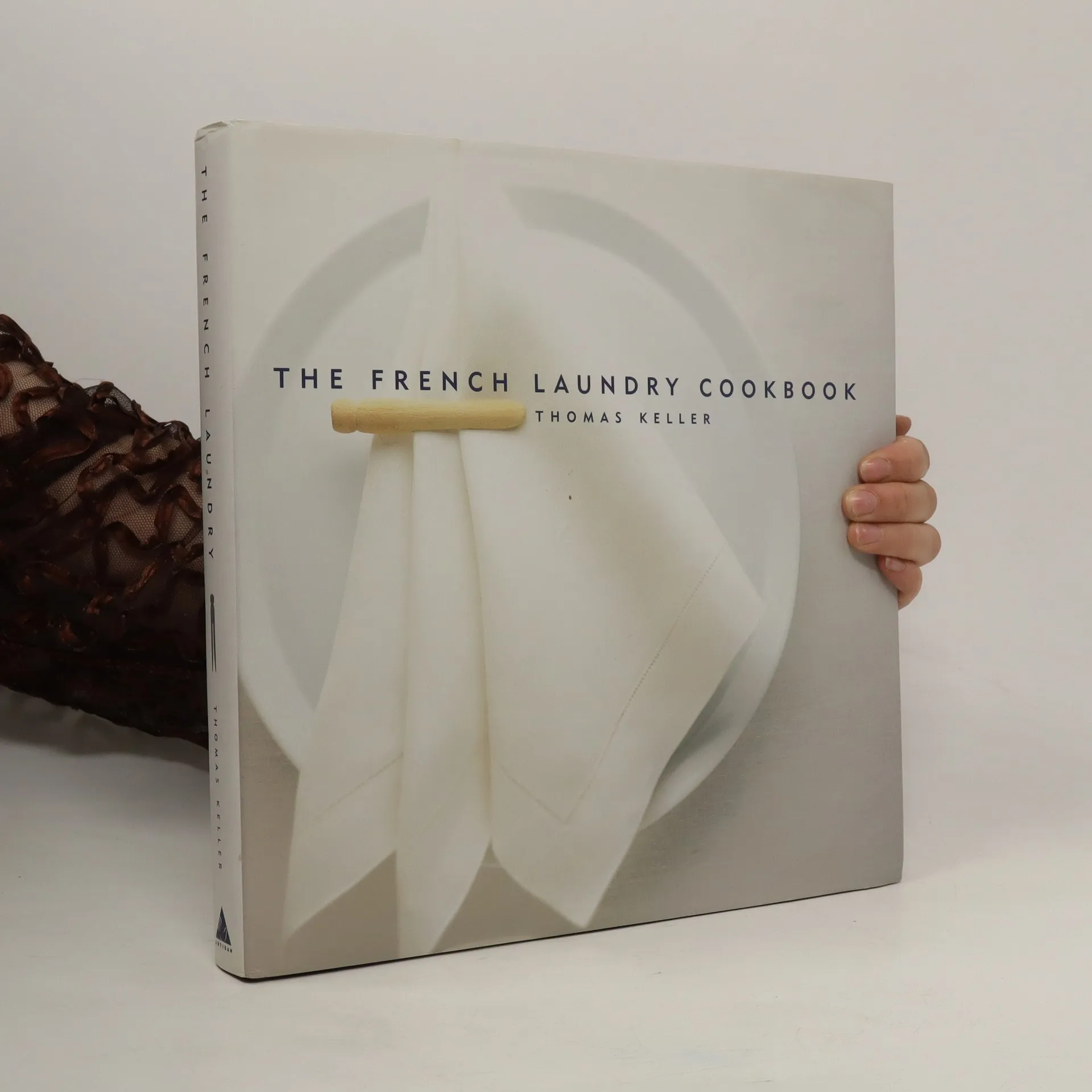
Offers one hundred and fifty recipes from the French Laundry kitchen, including "parmigiano-reggiano crisps with goat cheese mousse", "shrimp with avocado salsa", and "strawberry and champagne terrine"
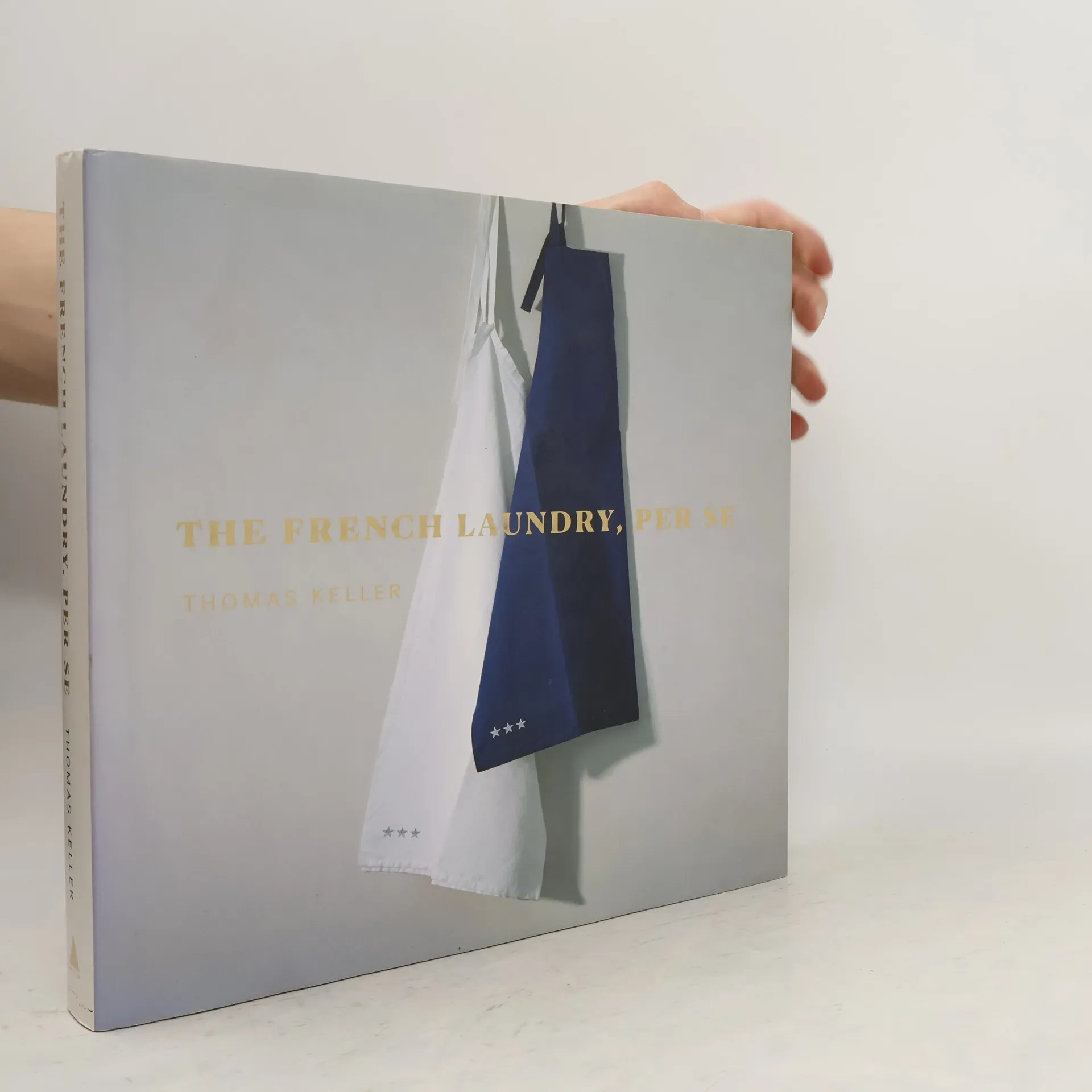
Meticulously crafted recipes and insights from renowned chef Thomas Keller highlight the evolution of his celebrated restaurants, French Laundry and Per Se. This cookbook features over 100 recipes, including iconic dishes like Salmon Cornet and Butter-Poached Lobster, alongside essays that reflect on daily operations and collaborations with farmers. A dedicated basics chapter introduces foundational techniques, making it a valuable resource for both professional chefs and home cooks. This anticipated release promises to inspire culinary creativity and elevate everyday cooking.
A revolution in cookingSous vide is the culinary innovation that has everyone in the food world talking. In this revolutionary new cookbook, Thomas Keller, America's most respected chef, explains why this foolproof technique, which involves cooking at precise temperatures below simmering, yields results that other culinary methods cannot. For the first time, one can achieve short ribs that are meltingly tender even when cooked medium rare. Fish, which has a small window of doneness, is easier to finesse, and shellfish stays succulent no matter how long it's been on the stove. Fruit and vegetables benefit, too, retaining color and flavor while undergoing remarkable transformations in texture.The secret to sous vide is in discovering the precise amount of heat required to achieve the most sublime results. Through years of trial and error, Keller and his chefs de cuisine have blazed the trail to perfection—and they show the way in this collection of never-before-published recipes from his landmark restaurants—The French Laundry in Napa Valley and per se in New York. With an introduction by the eminent food-science writer Harold McGee, and artful photography by Deborah Jones, who photographed Keller's best-selling The French Laundry Cookbook , this book will be a must for every culinary professional and anyone who wants to up the ante and experience food at the highest level.
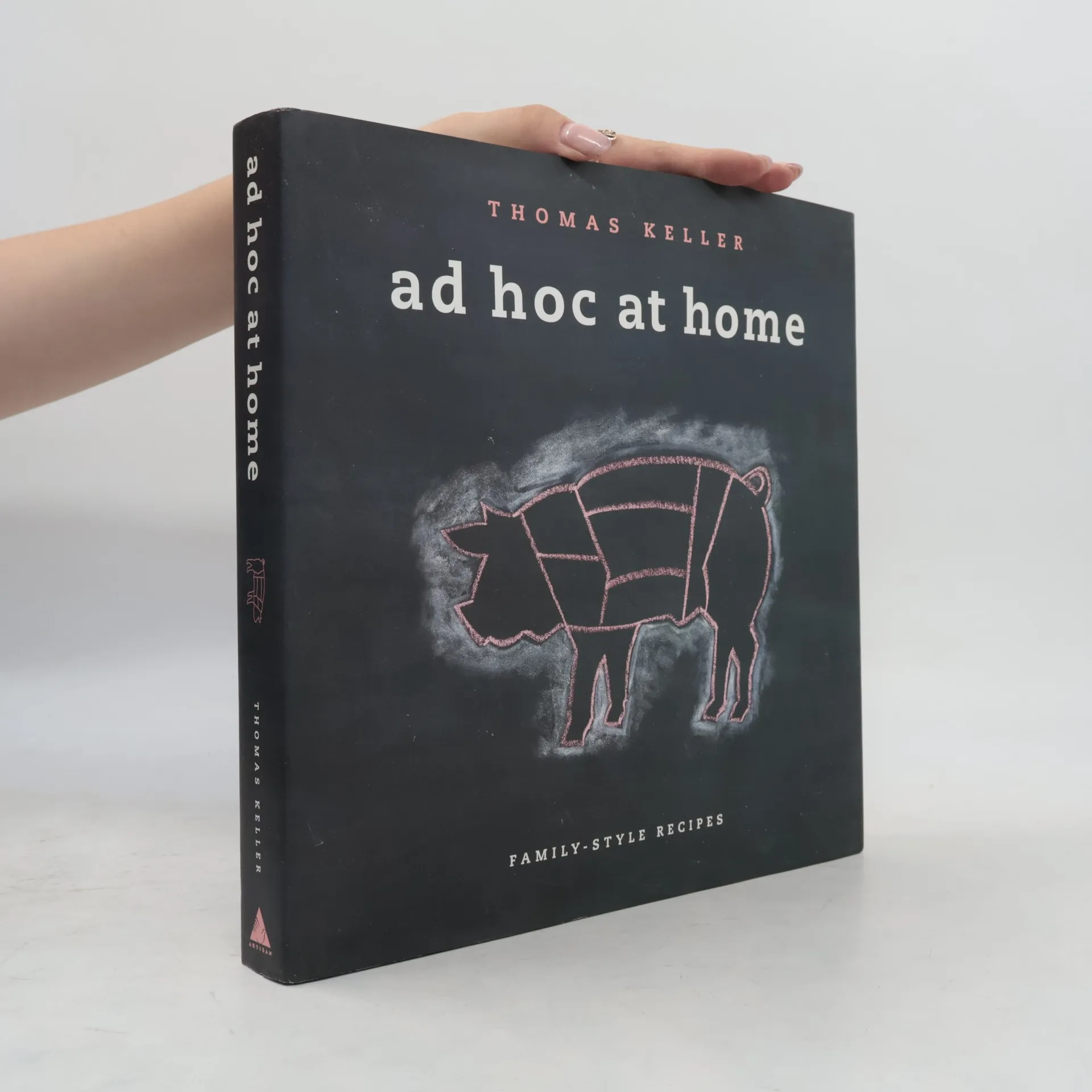
Thomas Keller shares family-style recipes that you can make any or every day. In the book every home cook has been waiting for, the revered Thomas Keller turns his imagination to the American comfort foods closest to his heart—flaky biscuits, chicken pot pies, New England clam bakes, and cherry pies so delicious and redolent of childhood that they give Proust's madeleines a run for their money. Keller, whose restaurants The French Laundry in Yountville, California, and Per Se in New York have revolutionized American haute cuisine, is equally adept at turning out simpler fare.In Ad Hoc at Home —a cookbook inspired by the menu of his casual restaurant Ad Hoc in Yountville—he showcases more than 200 recipes for family-style meals. This is Keller at his most playful, serving up such truck-stop classics as Potato Hash with Bacon and Melted Onions and grilled-cheese sandwiches, and heartier fare including beef Stroganoff and roasted spring leg of lamb. In fun, full-color photographs, the great chef gives step-by-step lessons in kitchen basics— here is Keller teaching how to perfectly shape a basic hamburger, truss a chicken, or dress a salad. Best of all, where Keller’s previous best-selling cookbooks were for the ambitious advanced cook, Ad Hoc at Home is filled with quicker and easier recipes that will be embraced by both kitchen novices and more experienced cooks who want the ultimate recipes for American comfort-food classics.
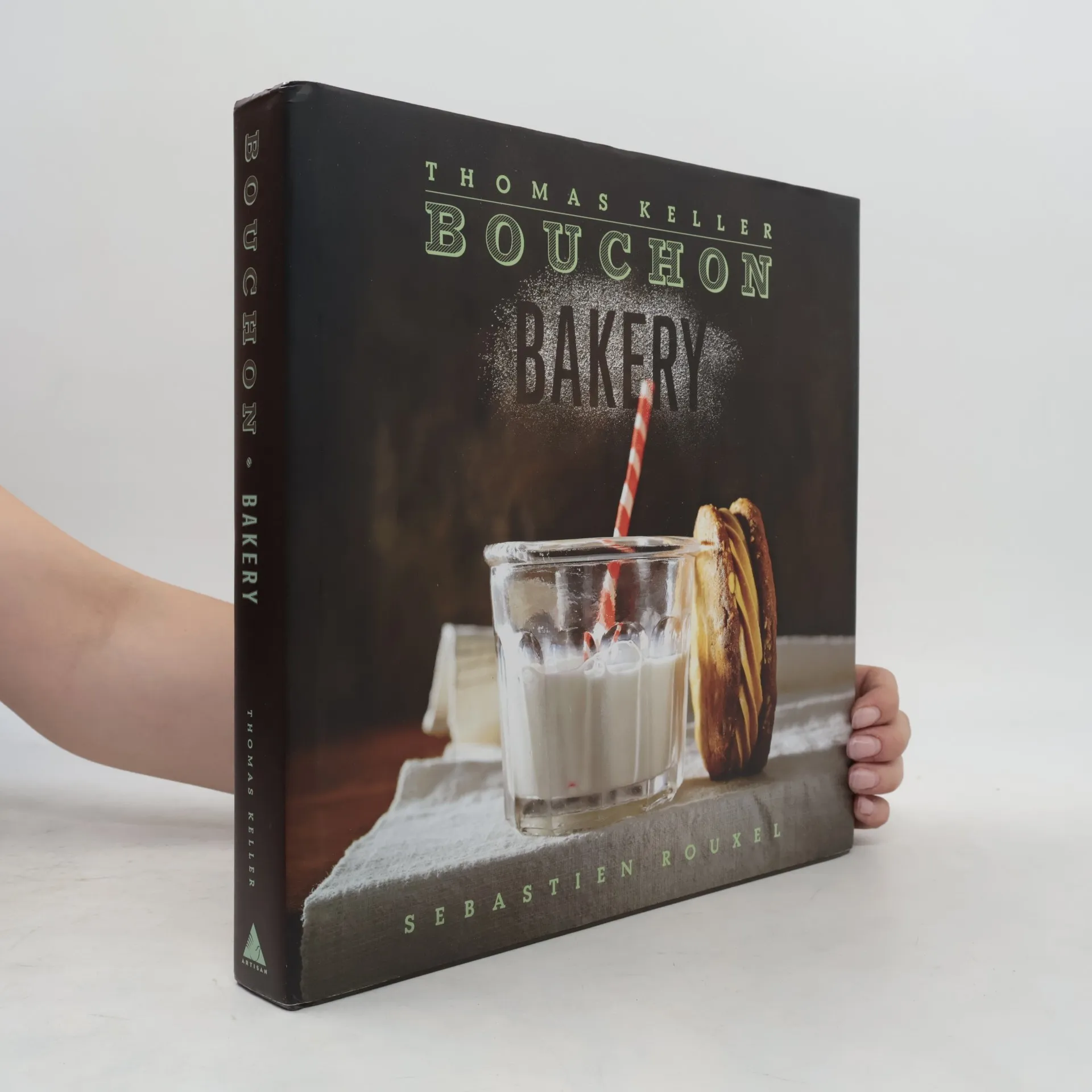
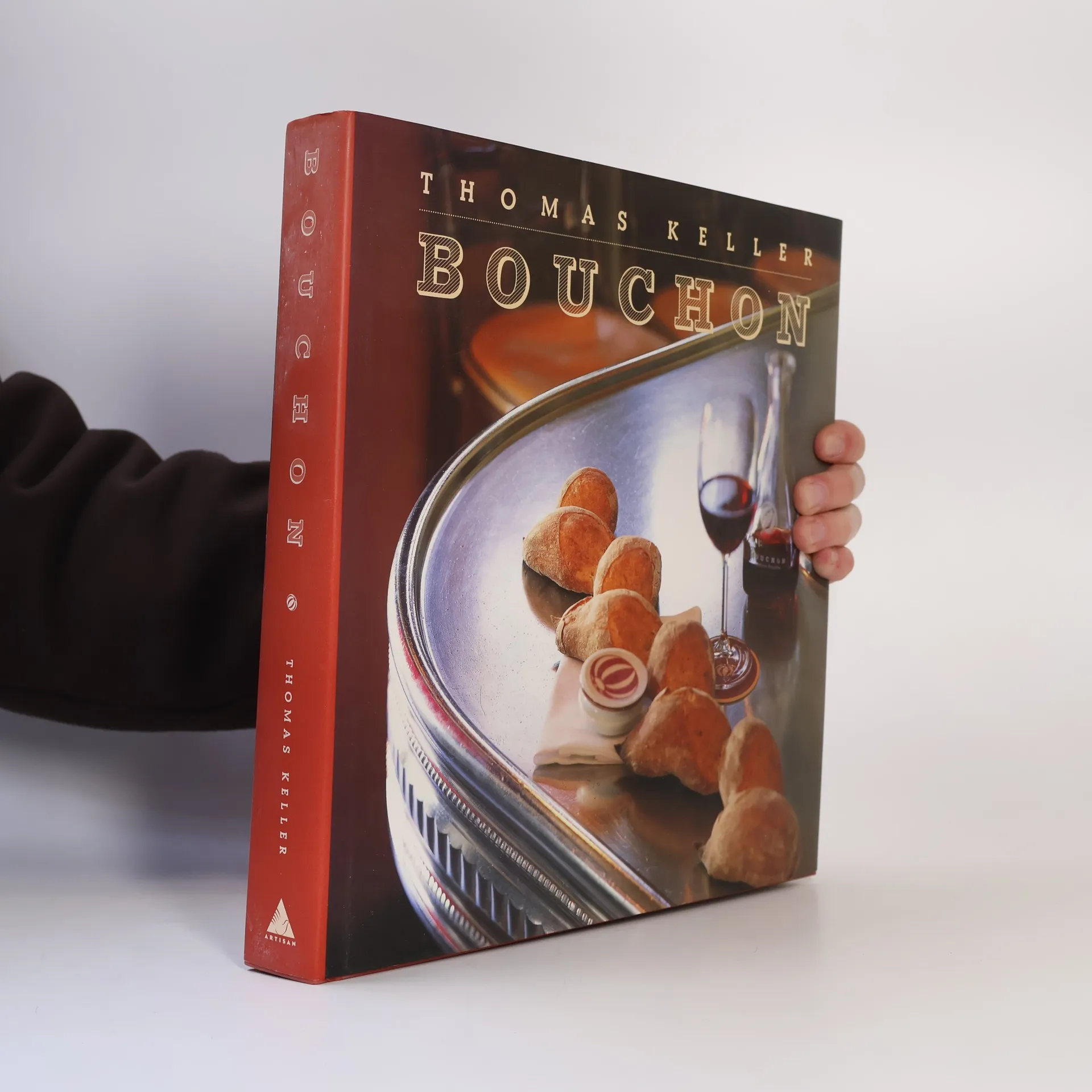
When Thomas Keller, owner of the Napa Valley's French Laundry, decided to open a second eatery, he wanted it to be a place that was more casual, serving less complicated food. Thus, Bouchon was born. This cookbook contains recipes for the emblematic bistro dishes served at Bouchon, interpreted and executed as they've never been before.
Eine Geschichte des französischen Nonkonformismus (1937–1947)
401 páginas
15 horas de lectura
In den politisch extremen Jahren von 1937 bis 1947 suchen nonkonformistische Kreise in Frankreich nach Alternativen zu Liberalismus und Barbarei. Konzepte von innerer Erfahrung und Gemeinschaft fungieren als Bezugspunkte für politisch und weltanschaulich unterschiedliche Gruppen, die verschiedene Ansichten über das Fortbestehen des Sakralen in modernen Gesellschaften haben. Thomas Kellers Buch präsentiert erstmals in deutscher Sprache die komplexe Geschichte des französischen Nonkonformismus und rekonstruiert die Situation nach dem Scheitern der Volksfront, während der deutschen Besatzung und vor dem Wirtschaftswunder. Die Gruppierungen verfolgen unterschiedliche Visionen: Das Collège socratique um Georges Bataille übersetzt christliche Mystik in den Alltag und strebt nach intensiven Erfahrungen des Außersichseins. Der ökumenische Moré-Kreis, der personalistische Impulse aufgreift, identifiziert sich mit dem leidenden Opfer Christi. Im Gegensatz dazu warnen Bernard Charbonneau und Jacques Ellul vor der Sakralisierung von Staat und Technik. Die frühen Ökologen fragen sich, ob eine anthropologische Wende möglich ist. Henry Corbin entwickelt eine responsive Anthropologie, die Sufismus mit modernen Affekttheorien verbindet. Keller entwirrt die verschlungenen Positionen dieser Gruppen und legt eine vergessene, grenzüberschreitende Spur der philosophischen Anthropologie frei.